Notification
حظر استيراد كافة أنواع الطيور الحية الداجنة والبرية وطيور الزينة وبيض التفقيس والصيصان عمر يوم ومخلفاتها الغير معاملة حراريا من تركيا ولحين استقرار الوضع الصحي

⭕ .Slaimiya: Agriculture must be at the heart of national policies, professional and technical work.
⭕ Slaimiya: Restarting the program and ensuring its continuity to serve farmers is a significant achievement.
⭕ 318 projects in the first phase, 52 projects in the second phase, and 503 new beneficiaries in the current phase.
Ramallah: August 18, 2026
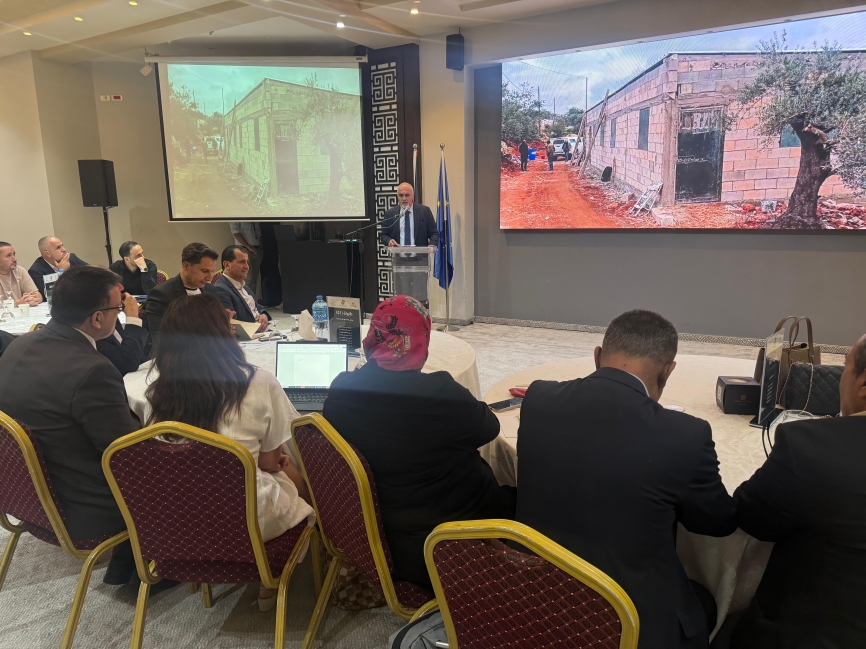
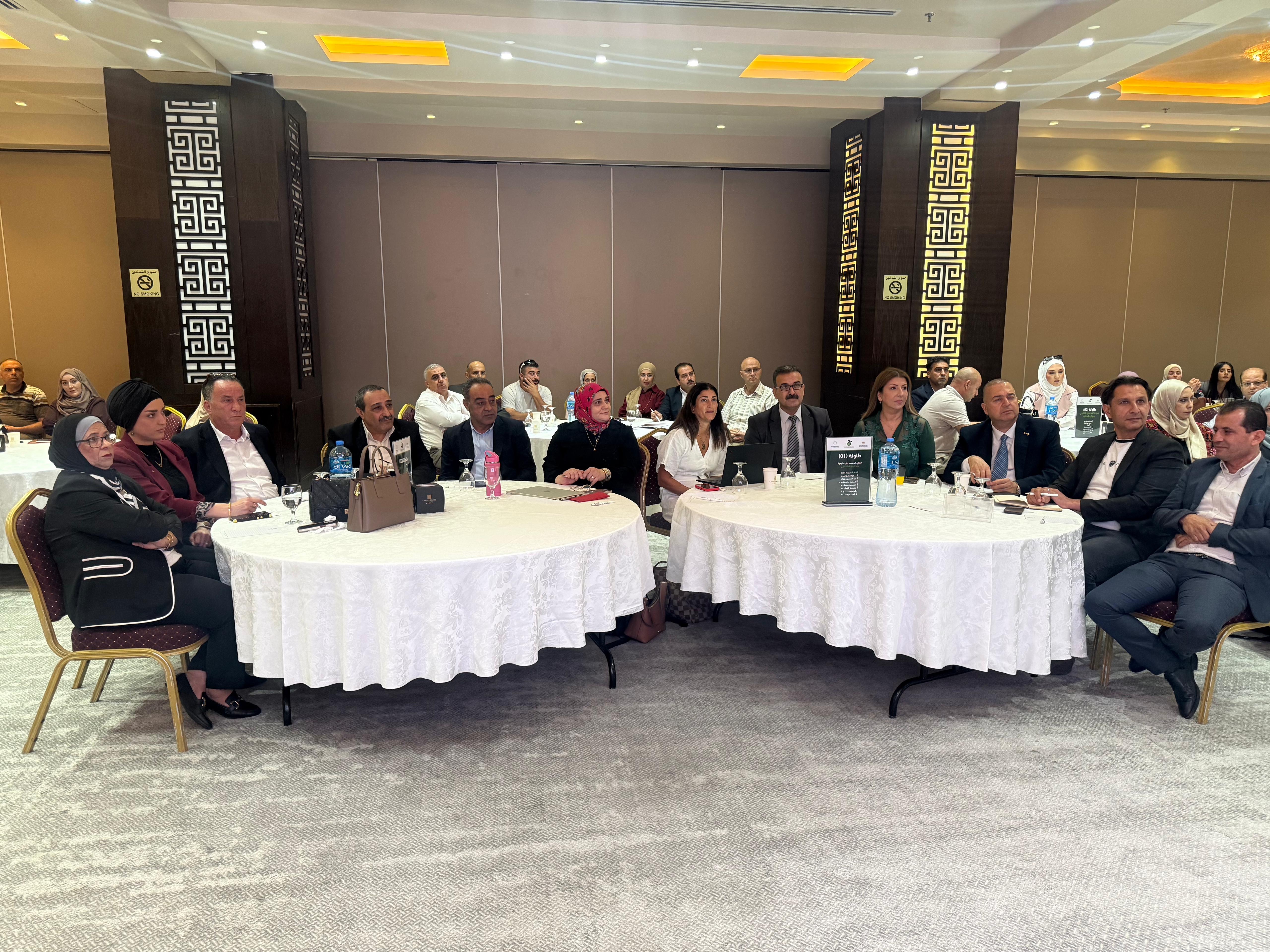
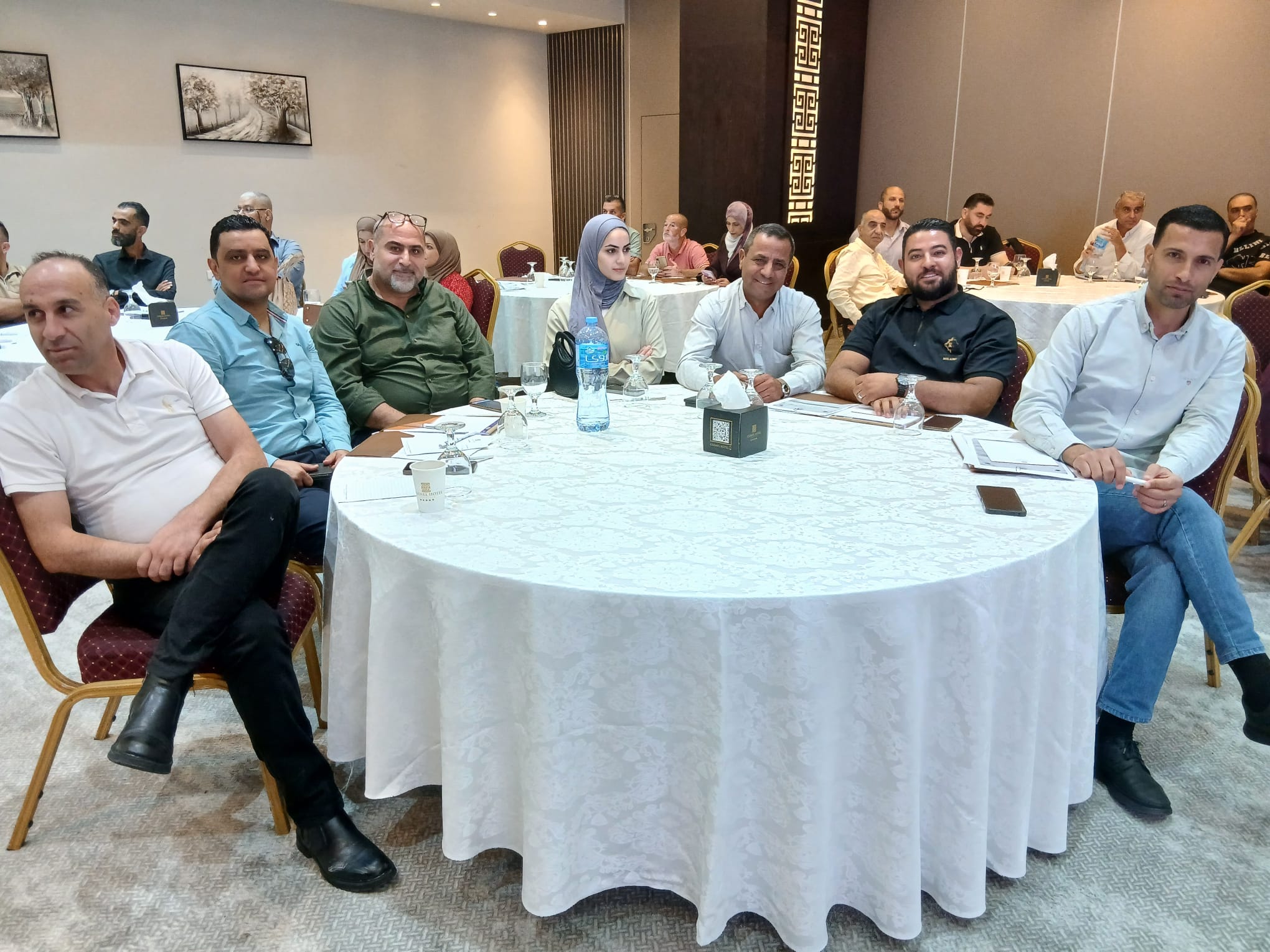
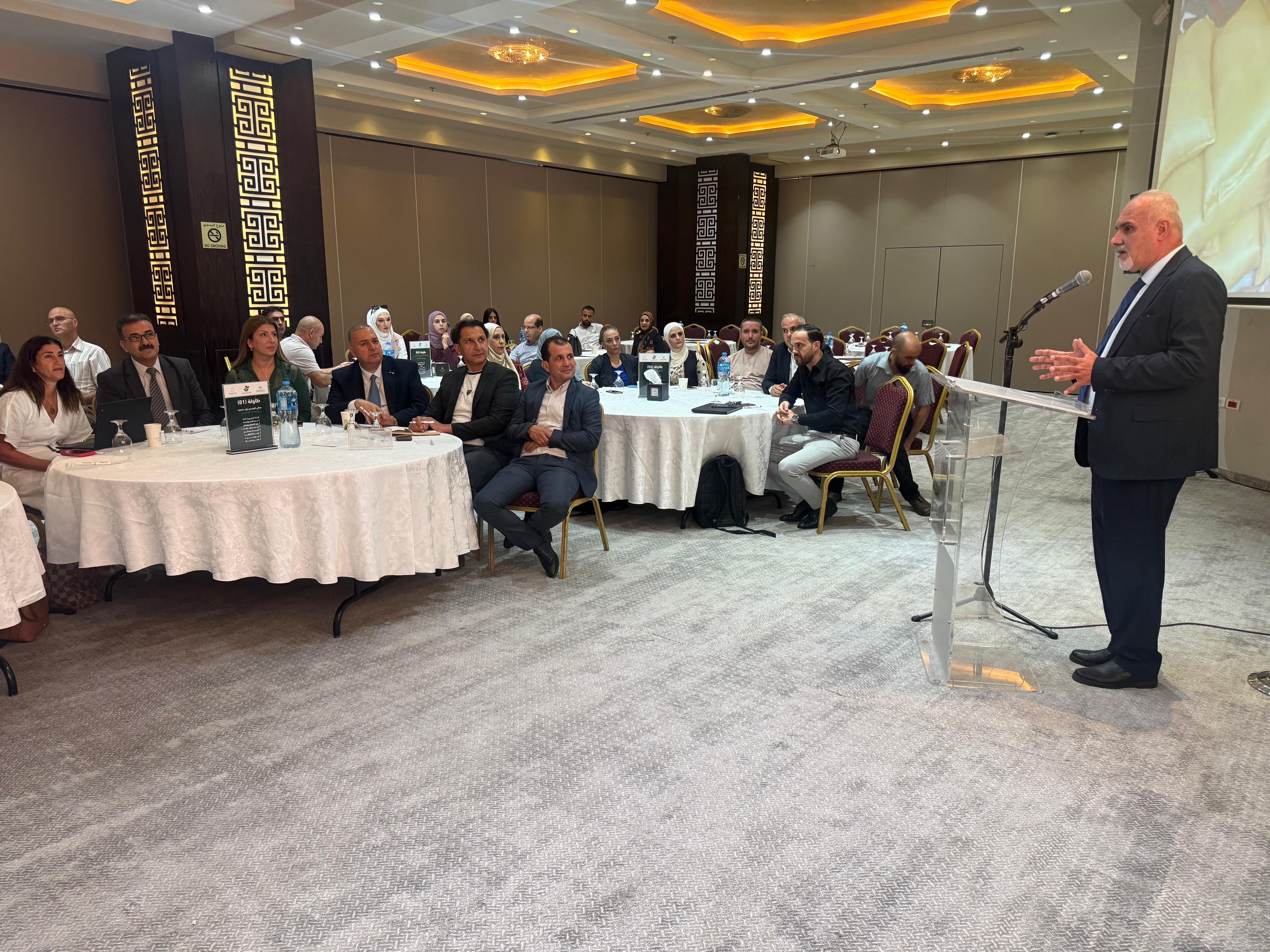
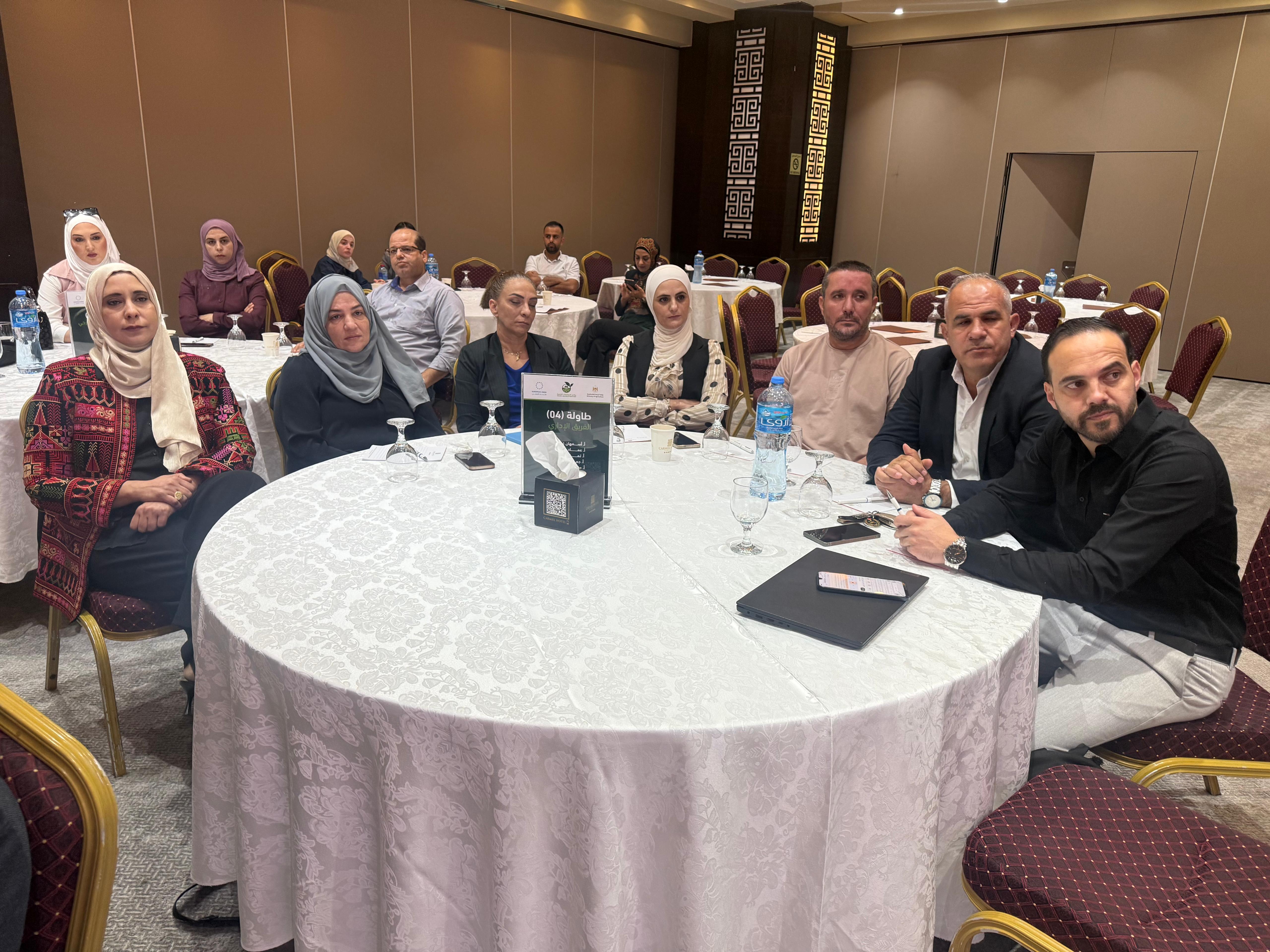
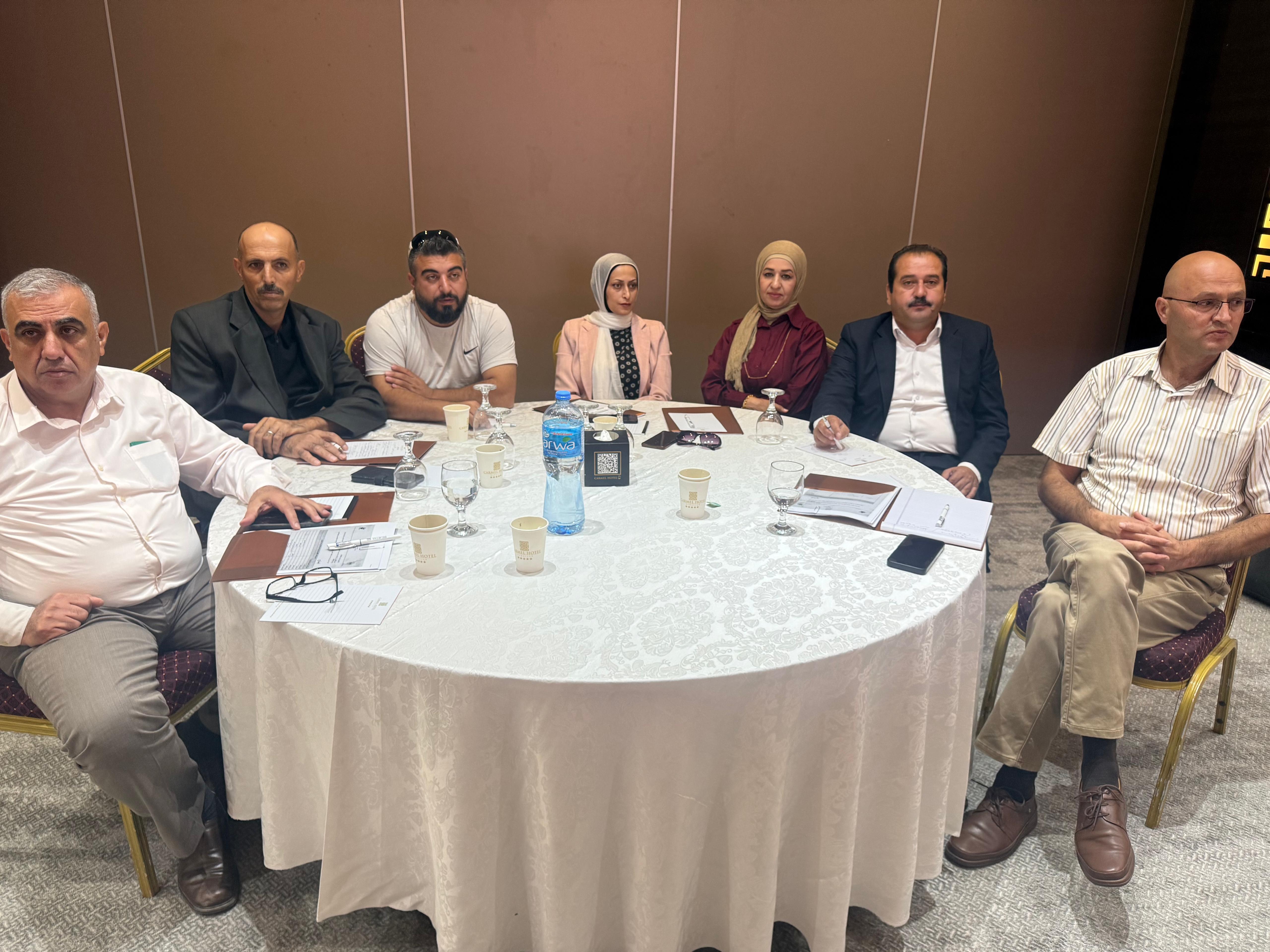
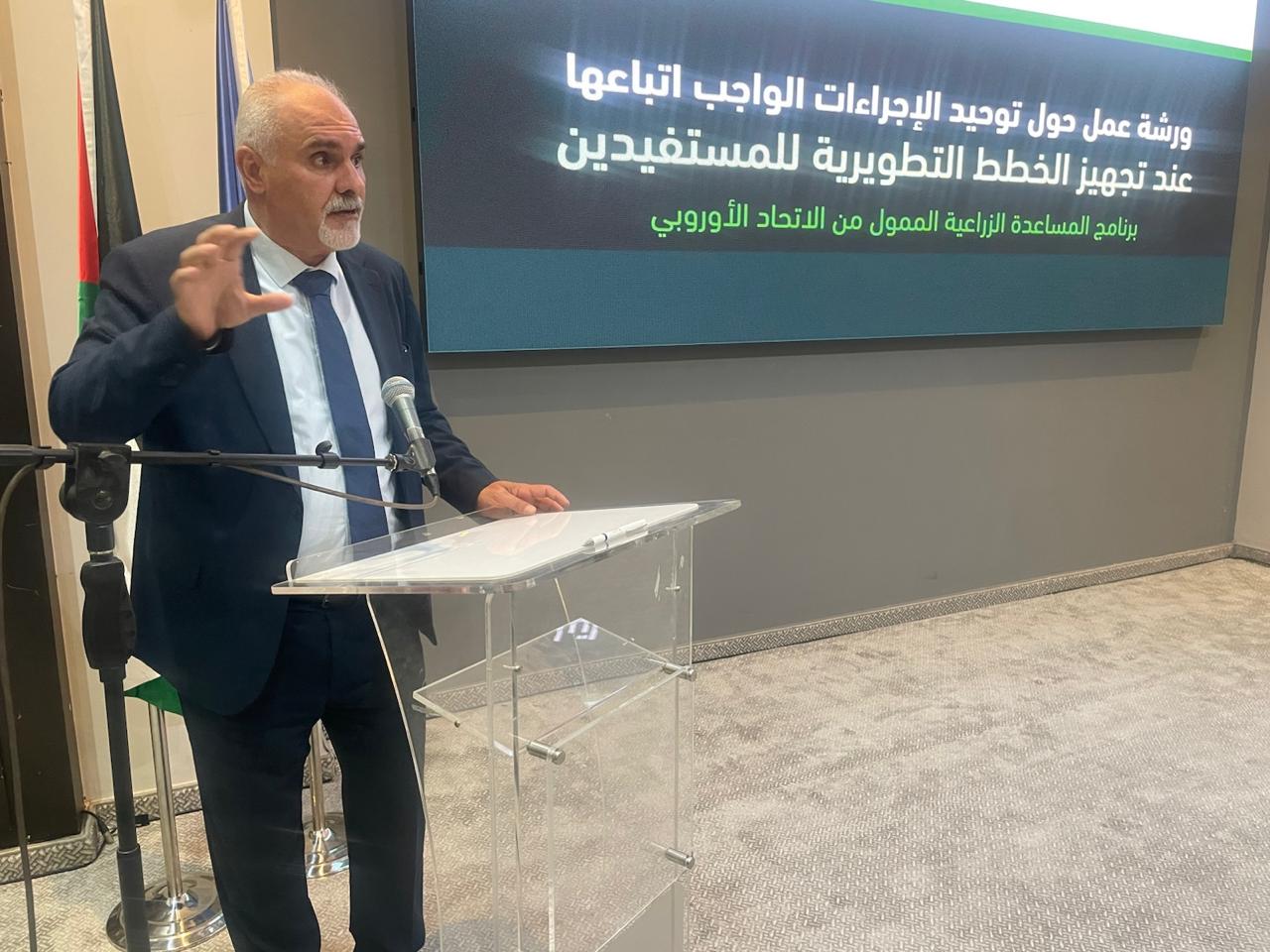
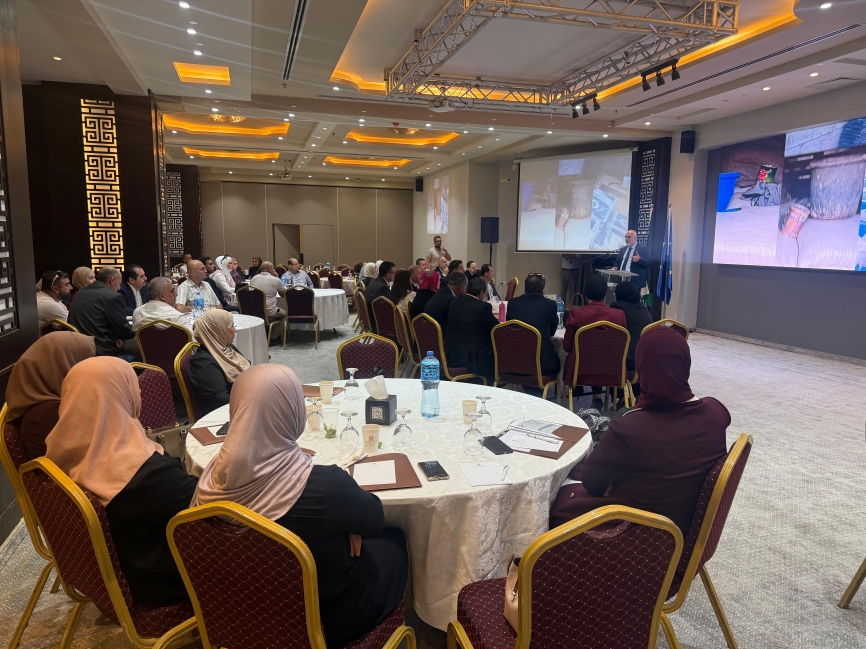
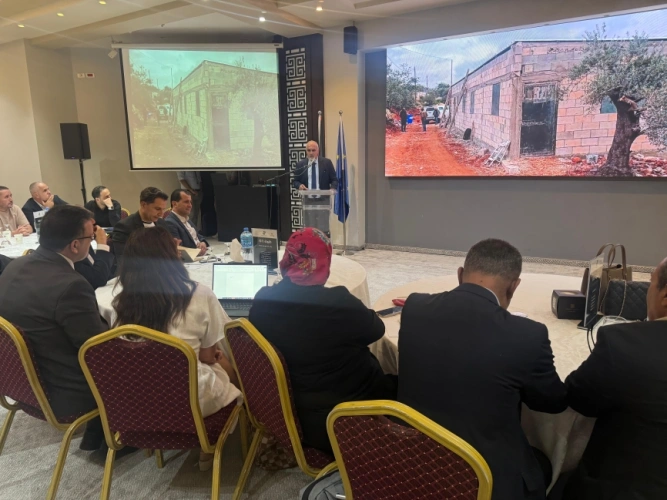
Minister of Agriculture, Professor Rizq Slaimiya, inaugurated a workshop today, Tuesday, entitled "Unifying Procedures to be Followed When Preparing Development Plans for Beneficiaries within the EU-Funded Agricultural Assistance Program." The program targets farmers affected by Israeli violations. The workshop was held at Al- Carmel Hotel in Ramallah, with the participation of the EU Representative, Ms. Lucia, the Director of the European Program, Mr. Ammar Al-Khatib, members of the program's steering committee, management committee, technical and financial committees, and relevant parties from the Ministry of Finance and the auditing firm. The aim of the workshop was to standardize procedures and strengthen work mechanisms for the next phase of the program's implementation, which has a funding exceeding 22 million shekels.
The program's funding exceeds 22 million shekels. Slalimiya affirmed that the agricultural assistance program had recently faced setbacks due to various factors, some objective and others related to operational mechanisms. He emphasized that the Ministry has worked to get the program back on track, ensure its continuity, and move it forward, given its importance and crucial role in supporting farmers affected by Israeli occupation crimes and bolstering their resilience. He stressed that the current phase presents an opportunity to enhance operations, improve performance, and leverage available resources.
He noted that the first phase of the program included 318 projects, while the second phase comprised 52 projects. He considered each project a success story, emphasizing the need to build upon this experience and expand its impact to benefit farmers.
He also affirmed that the Ministry is present on the ground alongside farmers, working diligently to utilize available resources and transform support into impactful projects that strengthen farmers' resilience and their connection to their land. The Minister of Agriculture emphasized that agriculture must remain at the heart of national policies, given that 70% of the Palestinian population are farmers. He affirmed that the Ministry is currently operating according to an integrated political, professional, and technical framework, and that professionalism, dedication, and institutional work must be the foundation for managing programs and projects, serving farmers, the land, and the Palestinian people. He called for continued teamwork and enhanced integration among the various components of the program.
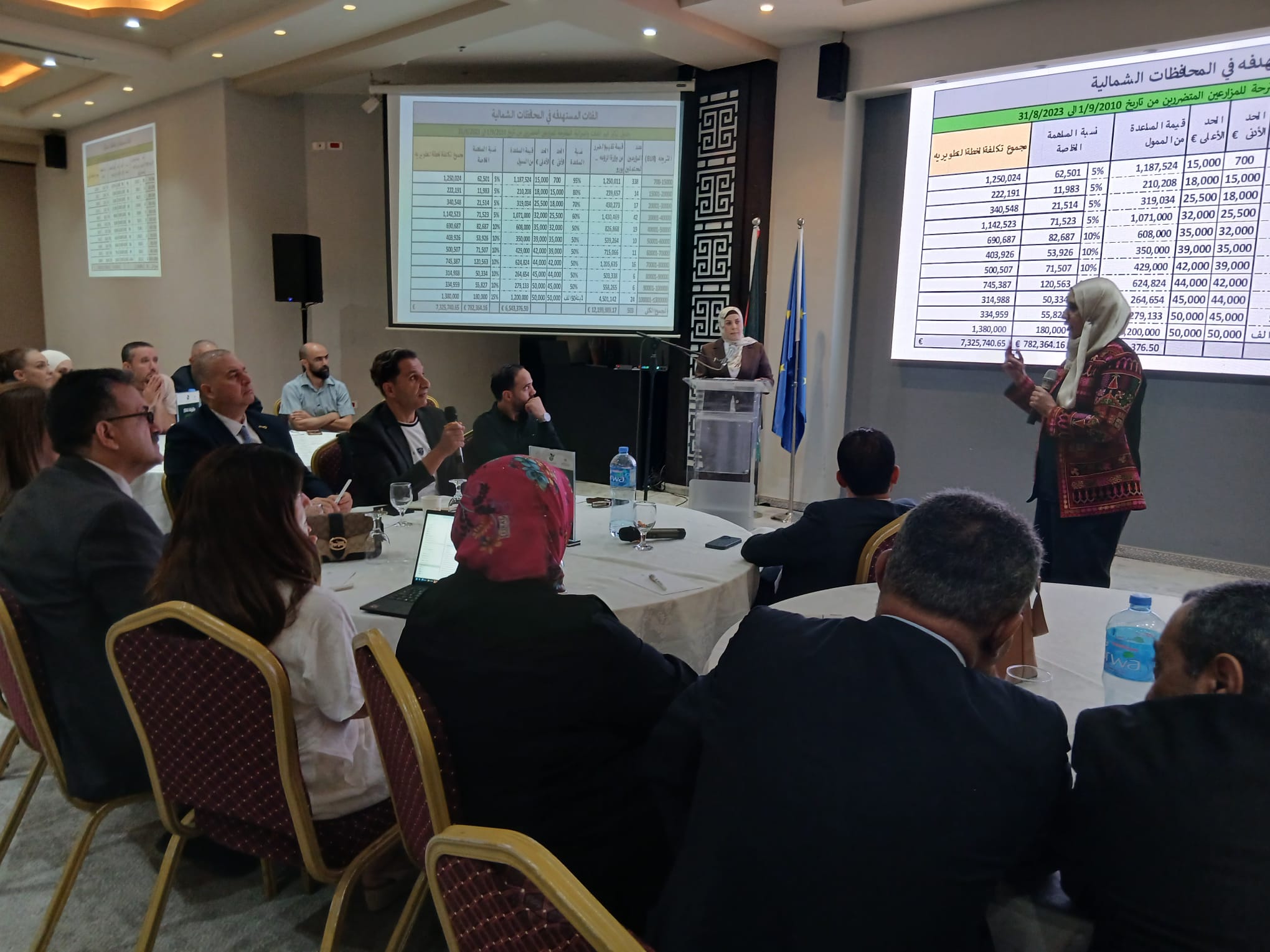
The workshop reviewed the final list of 503 new beneficiaries and their distribution across the governorates. It will also analyze the list, open a discussion on it, and prepare and approve development plans from both technical and legal perspectives.
Furthermore, the workshop will present a guide for implementing the agricultural assistance program procedures, including approved forms, the sequence of procedures, and verification mechanisms. The program operates through a system of committees, including the Higher Steering Committee, the Program Management Committee, the Central Technical Committee, the Central Receiving Committee, and field technical teams, thus enhancing integration, coordination, and oversight throughout the project implementation phases.
Slaimiya stressed the importance of maintaining the program's continuity, developing its work mechanisms, and facilitating the necessary procedures to ensure that aid reaches those who deserve it and that plans and projects are implemented efficiently. He emphasized that the ministry will continue working to complete the procedures required for the next phase and build upon the projects and success stories achieved, thereby enhancing the program's impact in supporting farmers and strengthening their resilience in light of the fierce attack carried out by settler gangs under the protection of the Israeli occupation army on the agricultural sector, given its destructive and replacement political dimensions aimed at controlling Palestinian lands, changing the demographic reality to obliterate the Palestinian identity, and achieving the goals of the Israeli occupation.