Notification
حظر استيراد كافة أنواع الطيور الحية الداجنة والبرية وطيور الزينة وبيض التفقيس والصيصان عمر يوم ومخلفاتها الغير معاملة حراريا من تركيا ولحين استقرار الوضع الصحي

Hebron: September 3, 2026
⭕ Slaimiya: Providing agricultural equipment is an investment in developing the agricultural sector and strengthening farmers' resilience.
⭕ Two fodder seed units to serve more than 50 farmers and benefit 3,000 people.
⭕ European Union: Supporting the agricultural sector and strengthening the resilience of farming communities in Area C.
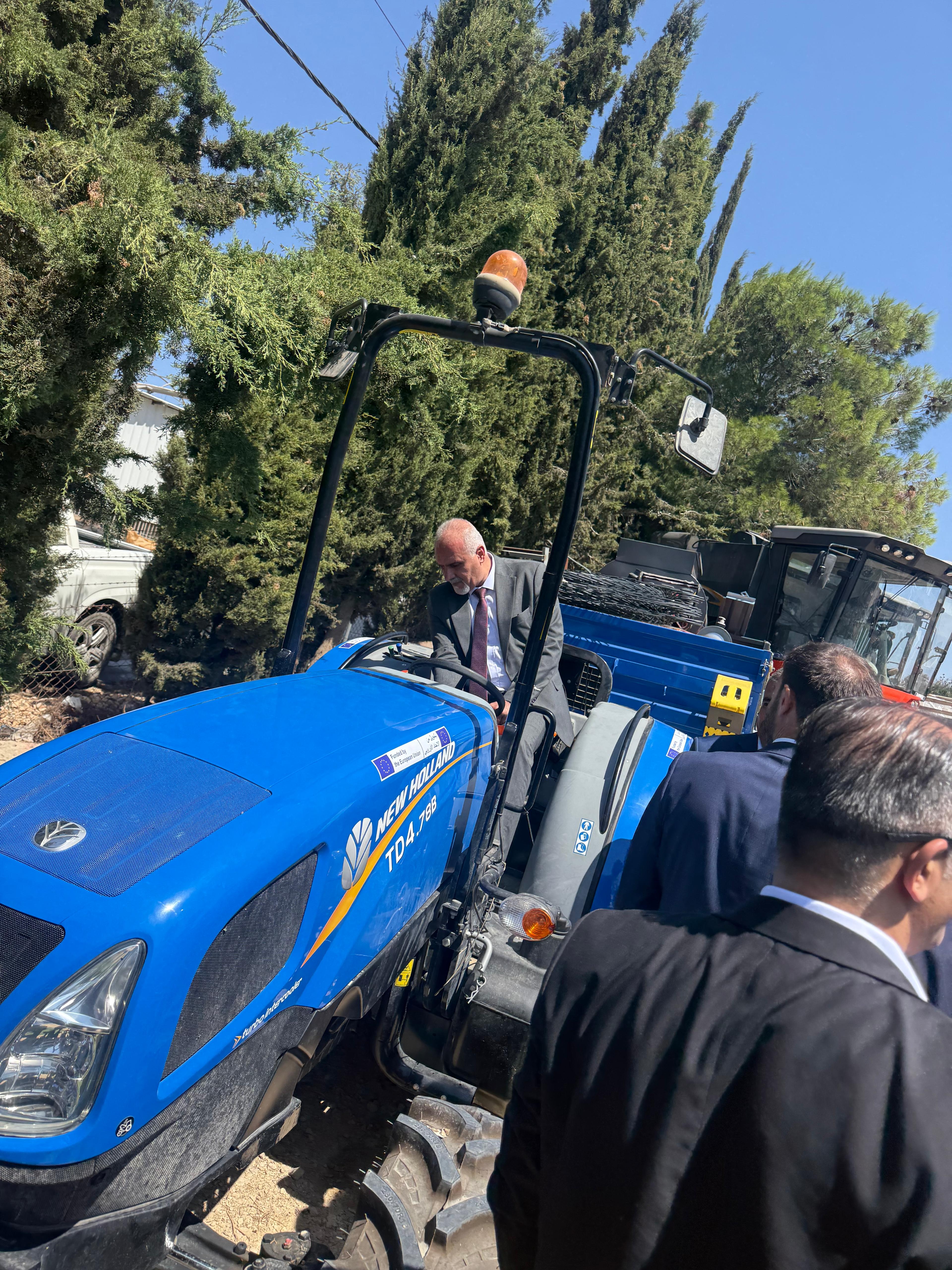
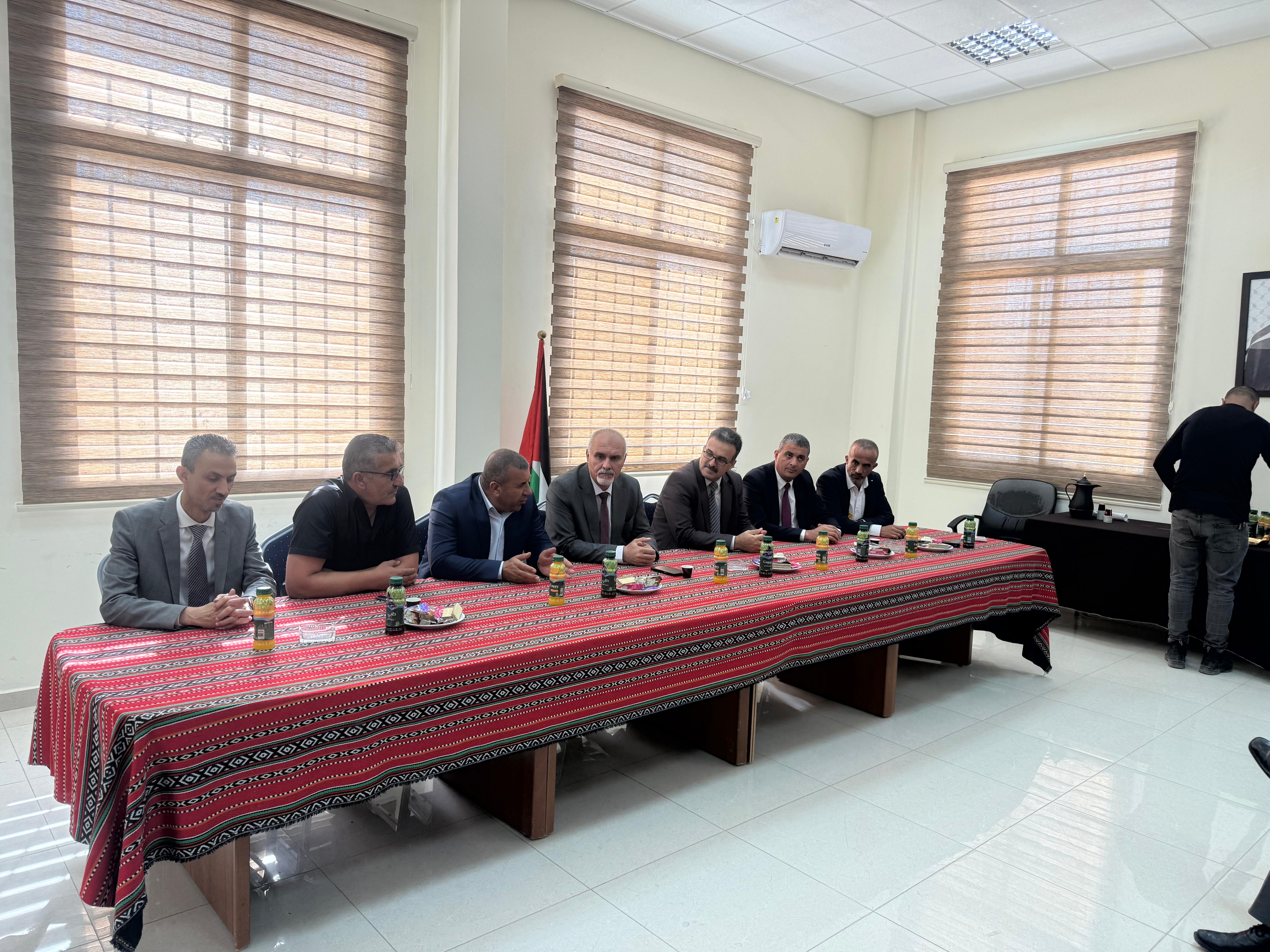
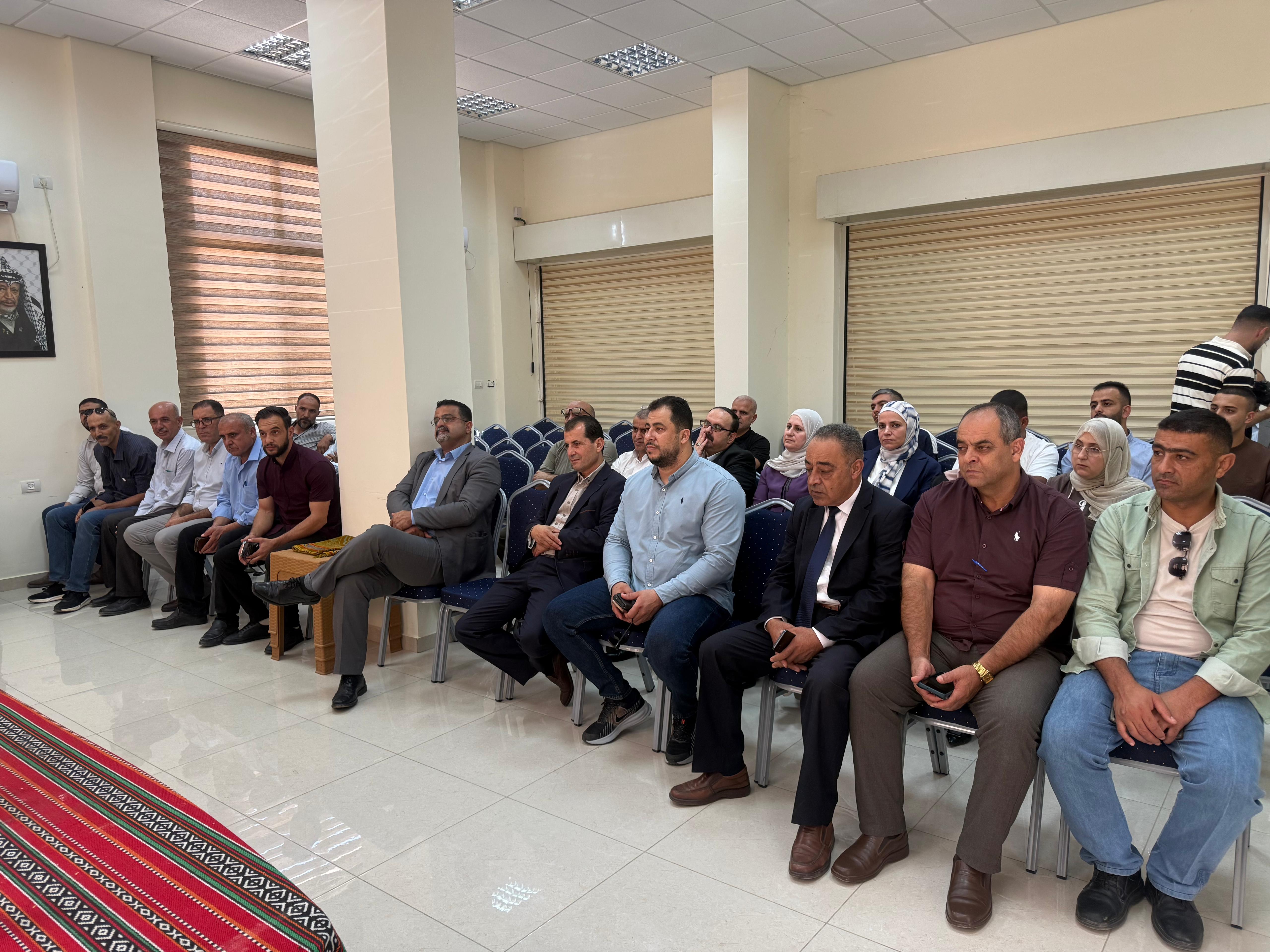
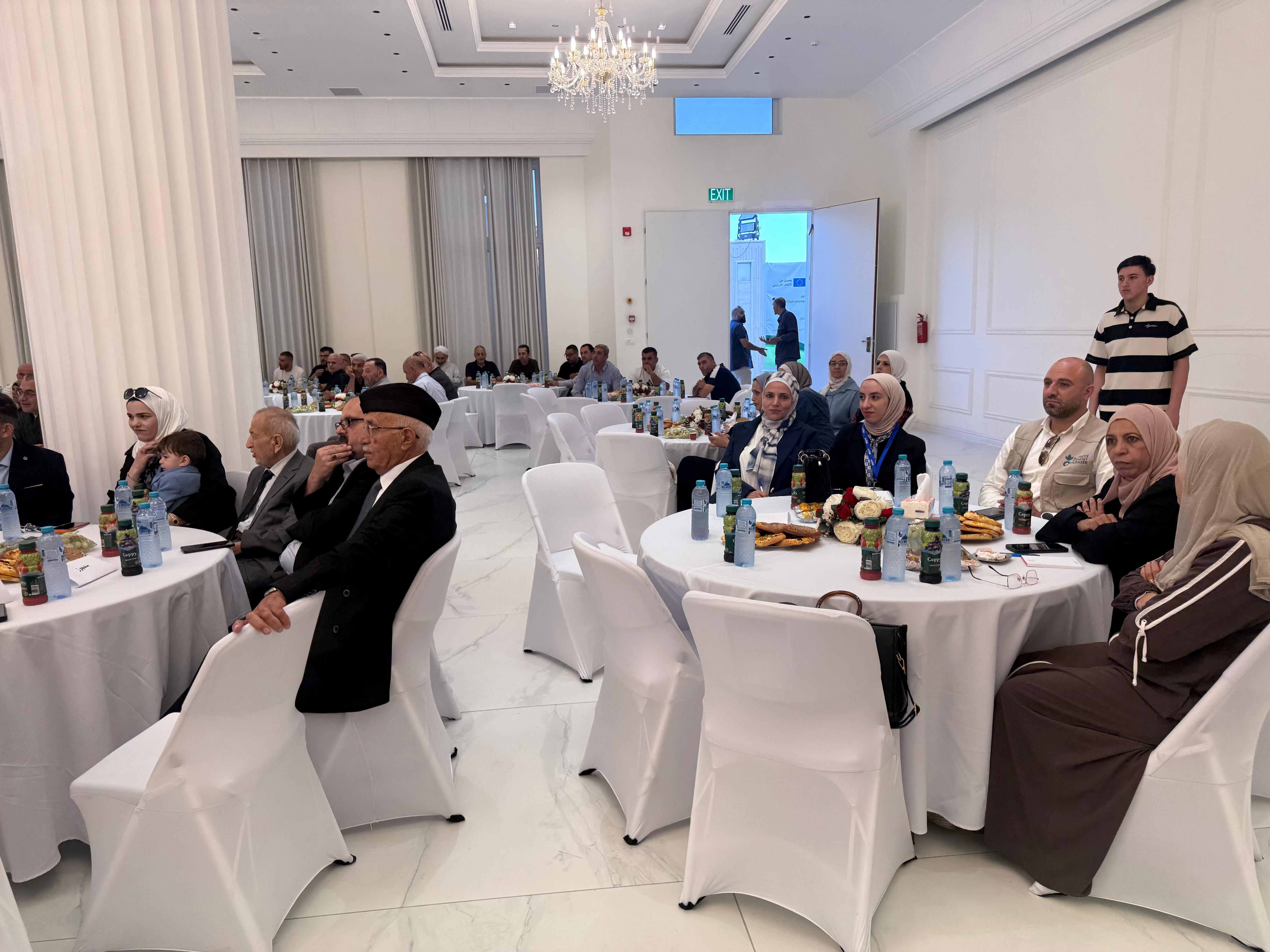
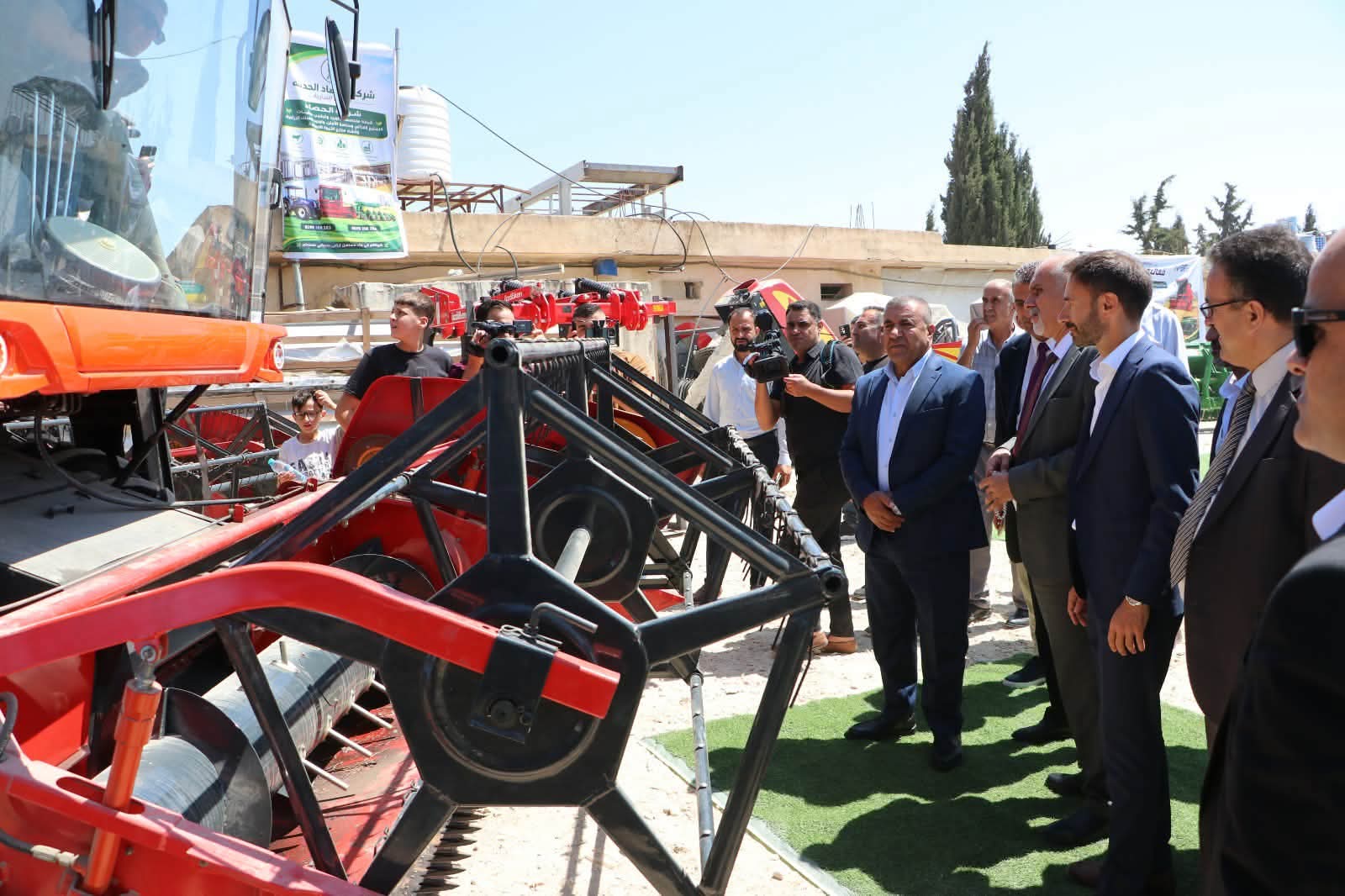
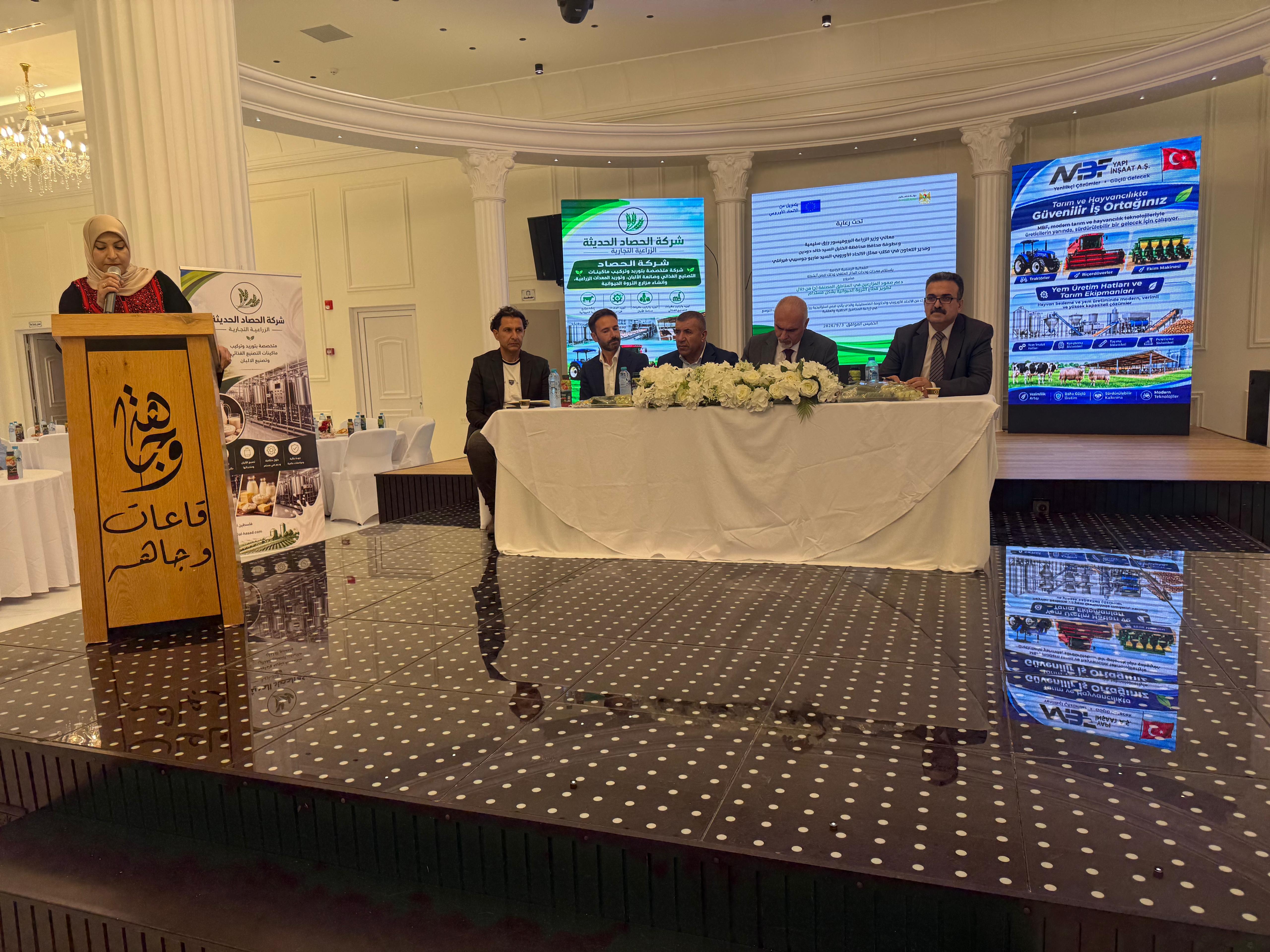
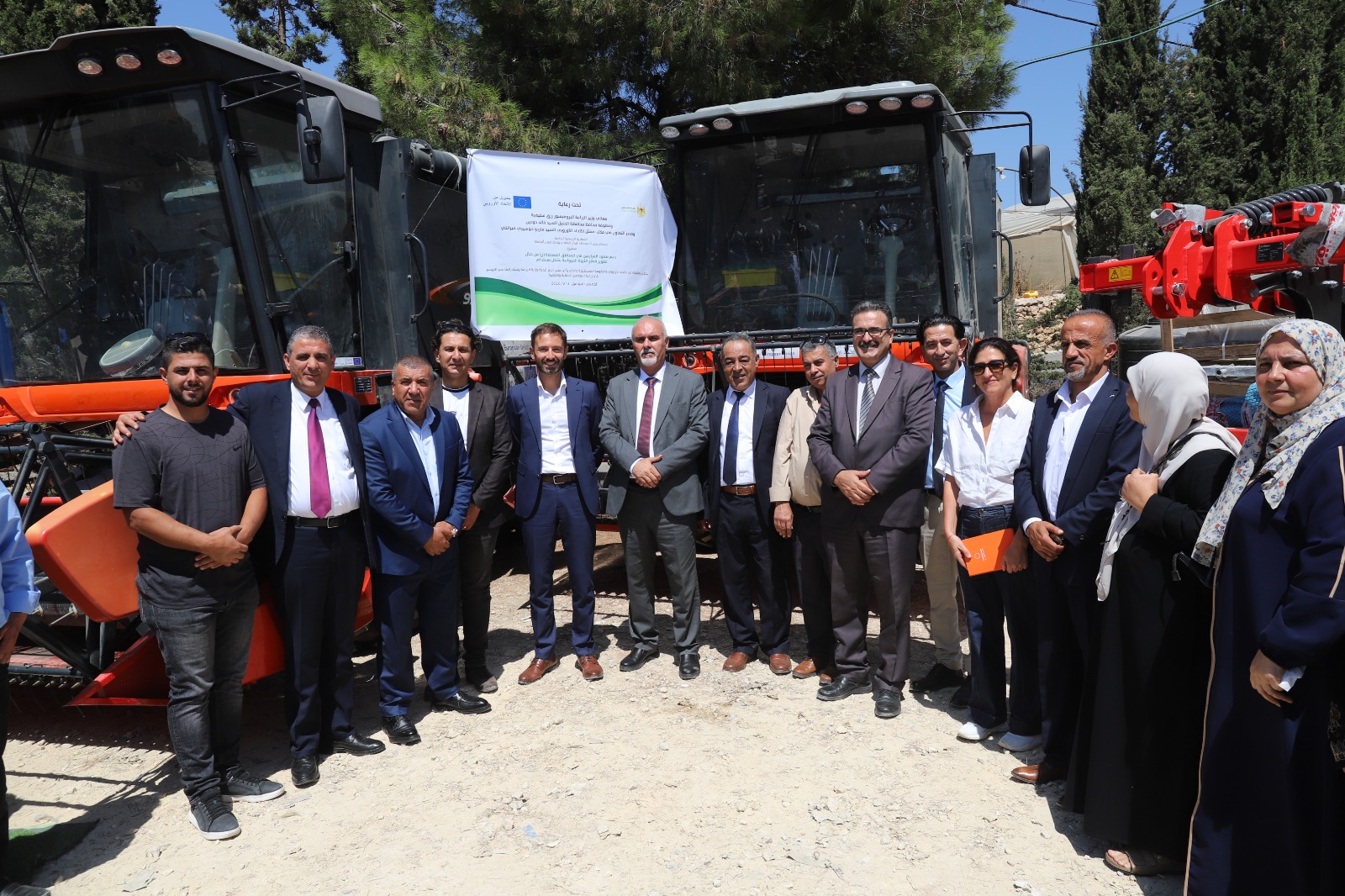
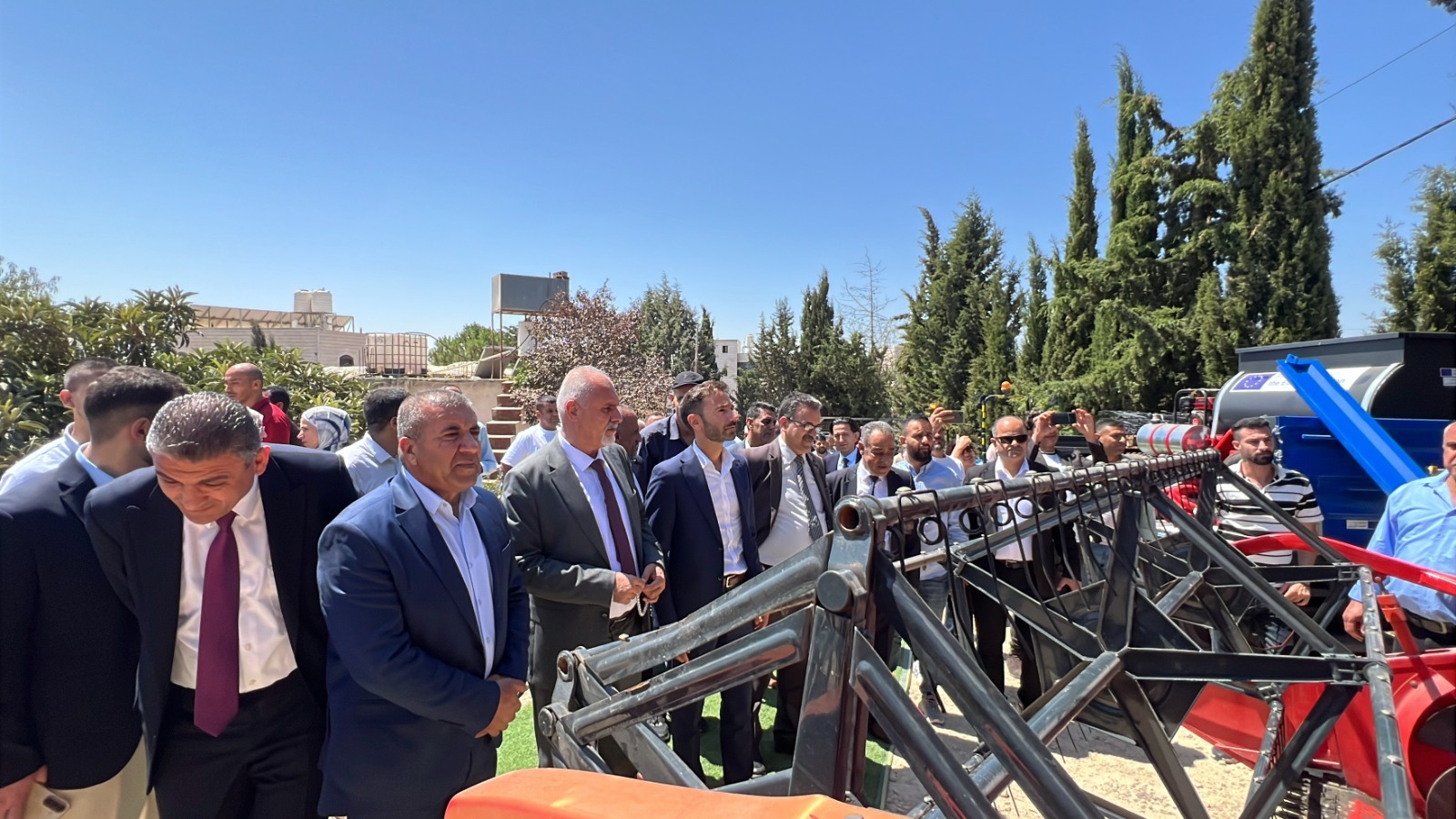
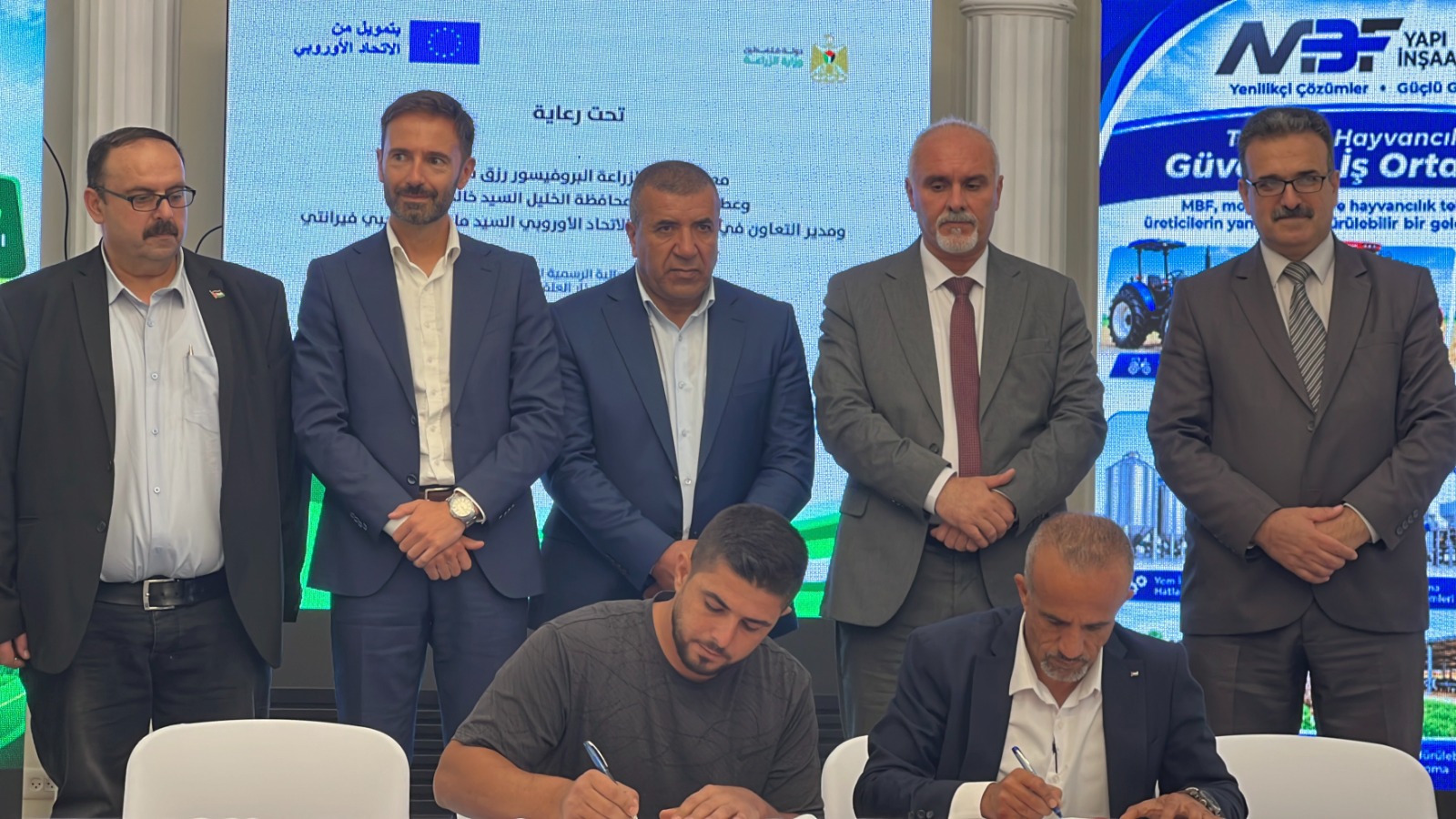
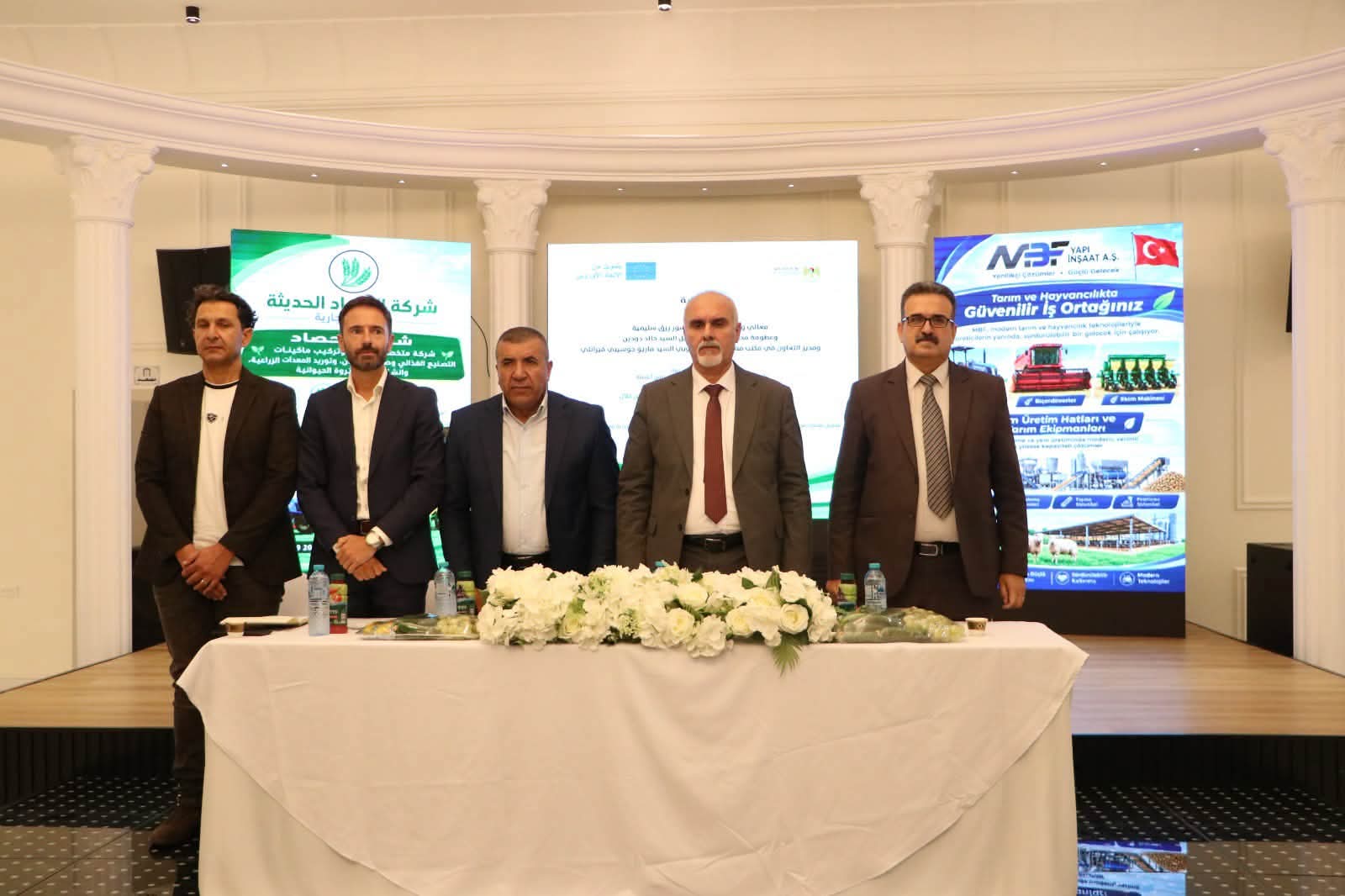
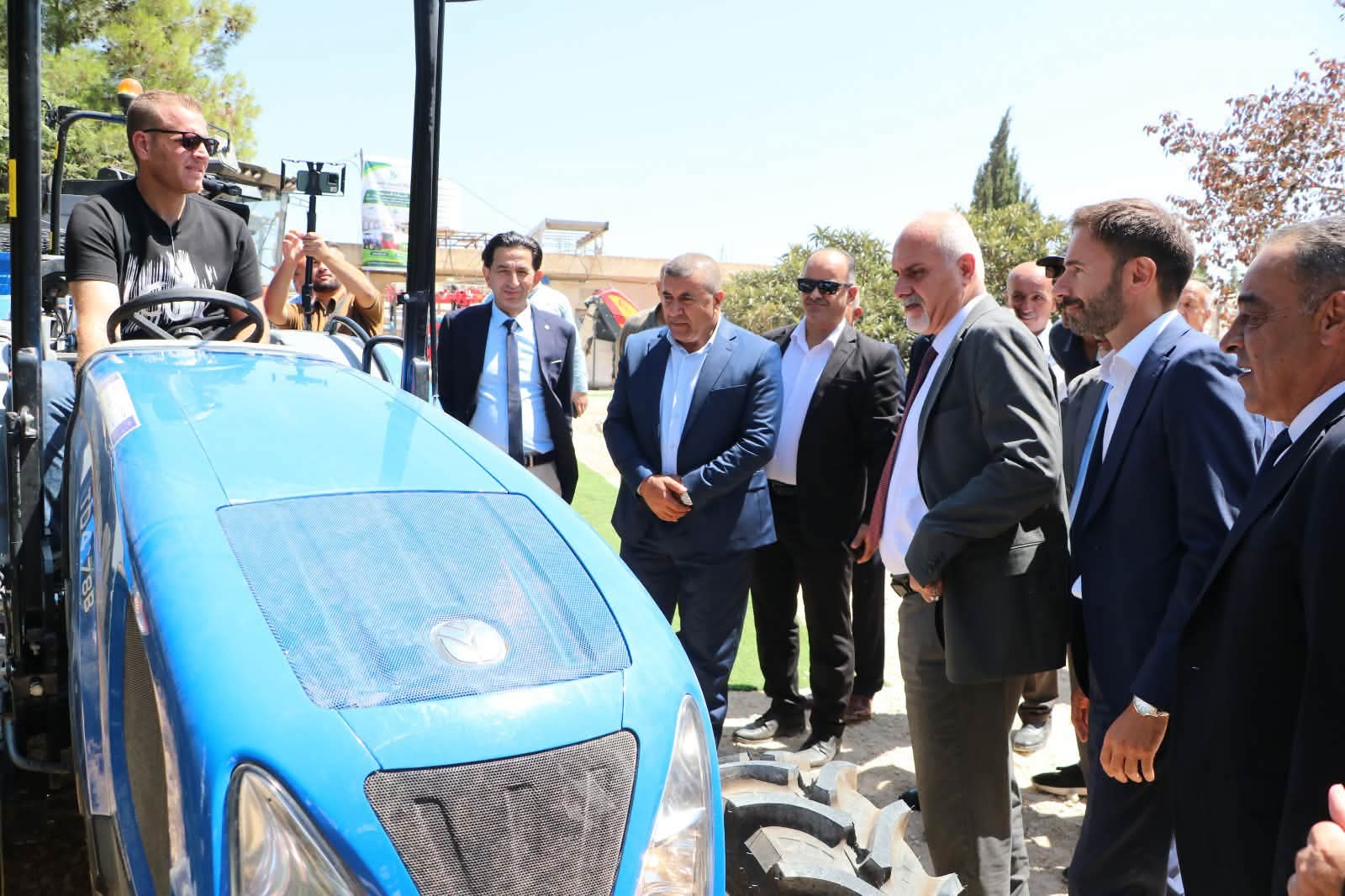
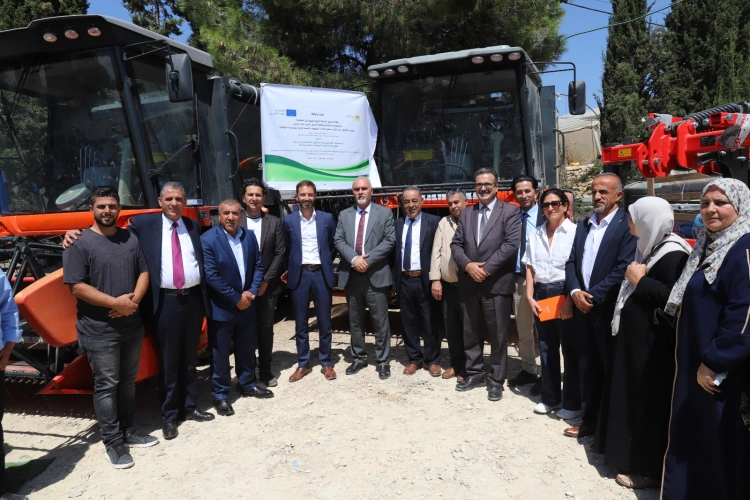
Today, Thursday, in Hebron Governorate, under the patronage of Minister of Agriculture Professor Rizq Slaimiya, the Ministry of Agriculture distributed two fodder seed units to the Al-Burj and Surif Livestock Associations. This distribution is part of the activities of the project to support Palestinian resilience in Area C through the Sustainable Livestock Development Program, funded by the European Union and the Palestinian government. The distribution took place in the presence of Hebron Governor Mr. Khaled Dudin, the Director of Cooperation at the Office of the European Union Representative Mr. Mario Giuseppe Ferrante, and representatives from several agricultural institutions, associations, and beneficiary farmers.
Minister of Agriculture Professor Rizq Slaimiya emphasized that providing this equipment represents a significant investment in developing the agricultural sector and promoting reliance on modern agricultural technologies and practices. He noted that cooperation with the European Union, the Palestinian government, and international partners contributes to supporting the resilience of farmers, particularly in areas facing increasing economic and agricultural challenges. He stressed the importance of integrating efforts between governmental institutions, international organizations, and agricultural associations to achieve sustainable agricultural development.
The distribution process included two fodder seed units, aiming to enable beneficiary associations to provide direct agricultural services to farmers. More than 50 farmers directly benefit from the equipment, while an estimated 3,000 farmers indirectly benefit in Al-Burj and Surif areas. The total cost of the two units is approximately 2.4 million shekels. Each unit consists of a complete system of agricultural equipment and machinery, including a tractor, seed drill, combine harvester, 500-liter sprayer, spring plows, trailers, and a seed production line with machines for husking, stone removal, and cleaning, in addition to a seed conveyor, balers, and straw reapers, along with 15 tons of vetch seeds and 30 tons of barley seeds.
The Governor of Hebron, Mr. Khaled Dudin, praised the importance of these projects in strengthening the resilience of farmers and livestock breeders, and supporting the agricultural sector as a key economic and developmental sector. He commended the Ministry of Agriculture's efforts in implementing programs and projects targeting agricultural areas and enhancing farmers' ability to remain on their land.
For his part, Mr. Mario Giuseppe Ferrante, Director of Cooperation at the Office of the European Union Representative, praised the efforts of the Ministry of Agriculture and its Palestinian partners in implementing the Palestinian Resilience Support Project. He emphasized the importance of supporting the agricultural sector and strengthening the resilience of Palestinian farming communities, particularly in Area C, and improving productivity and livelihoods.
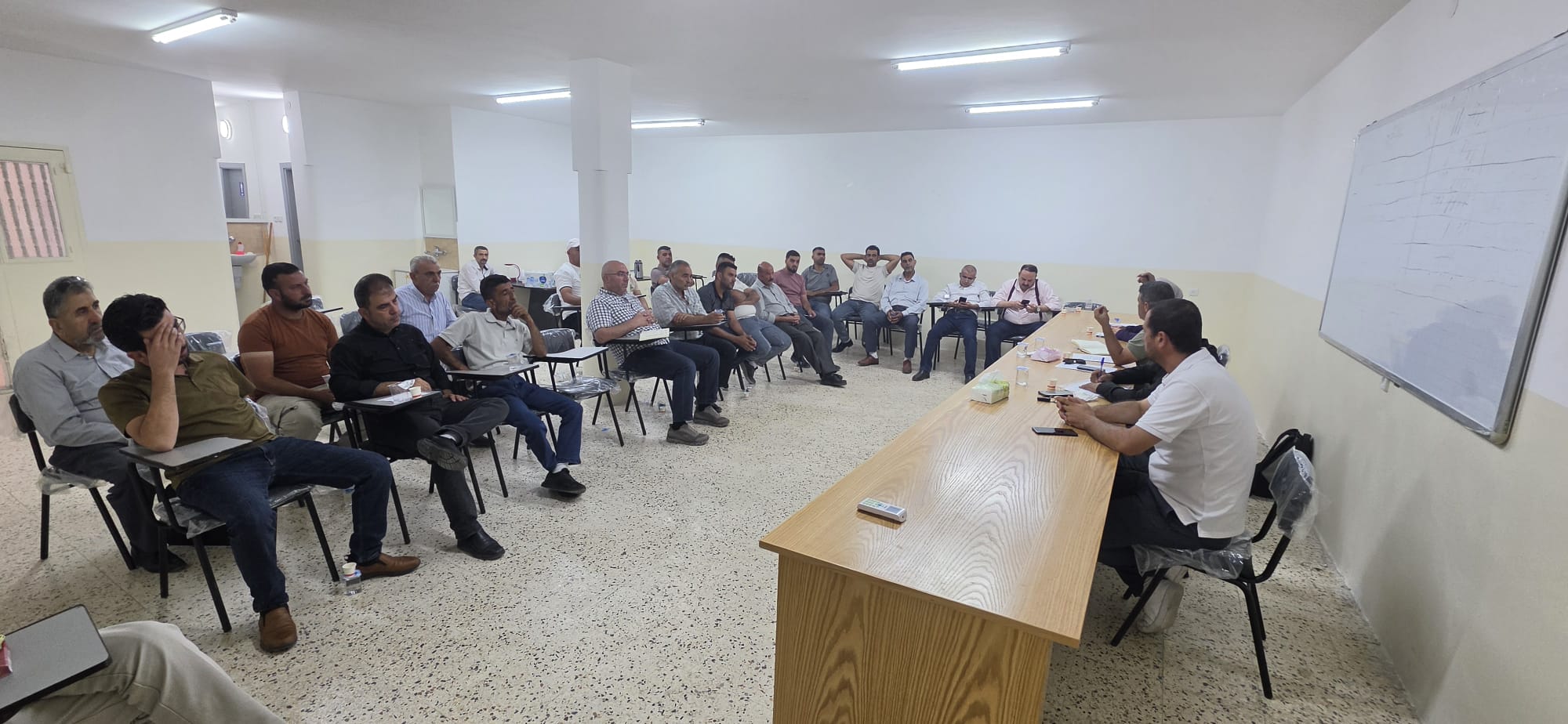
The Ministry of Agriculture stresses the crucial role played by the beneficiary agricultural associations in managing and operating the equipment and providing services to farmers. This ensures the sustainability of its use, reduces production costs, improves the efficiency of agricultural work, and enhances farmers' ability to overcome challenges. This contributes to achieving the project's objectives, supporting sustainable agricultural development, and strengthening the resilience of farmers in Al-Burj and Surif areas.