Notification
حظر استيراد كافة أنواع الطيور الحية الداجنة والبرية وطيور الزينة وبيض التفقيس والصيصان عمر يوم ومخلفاتها الغير معاملة حراريا من تركيا ولحين استقرار الوضع الصحي

⭕ A comprehensive four-month training program targeting over 800 female livestock breeders across 35 locations in the West Bank.
⭕ Capacity building for 41 agricultural engineers from the Ministry’s staff through four "Training of Trainers" (ToT) courses.
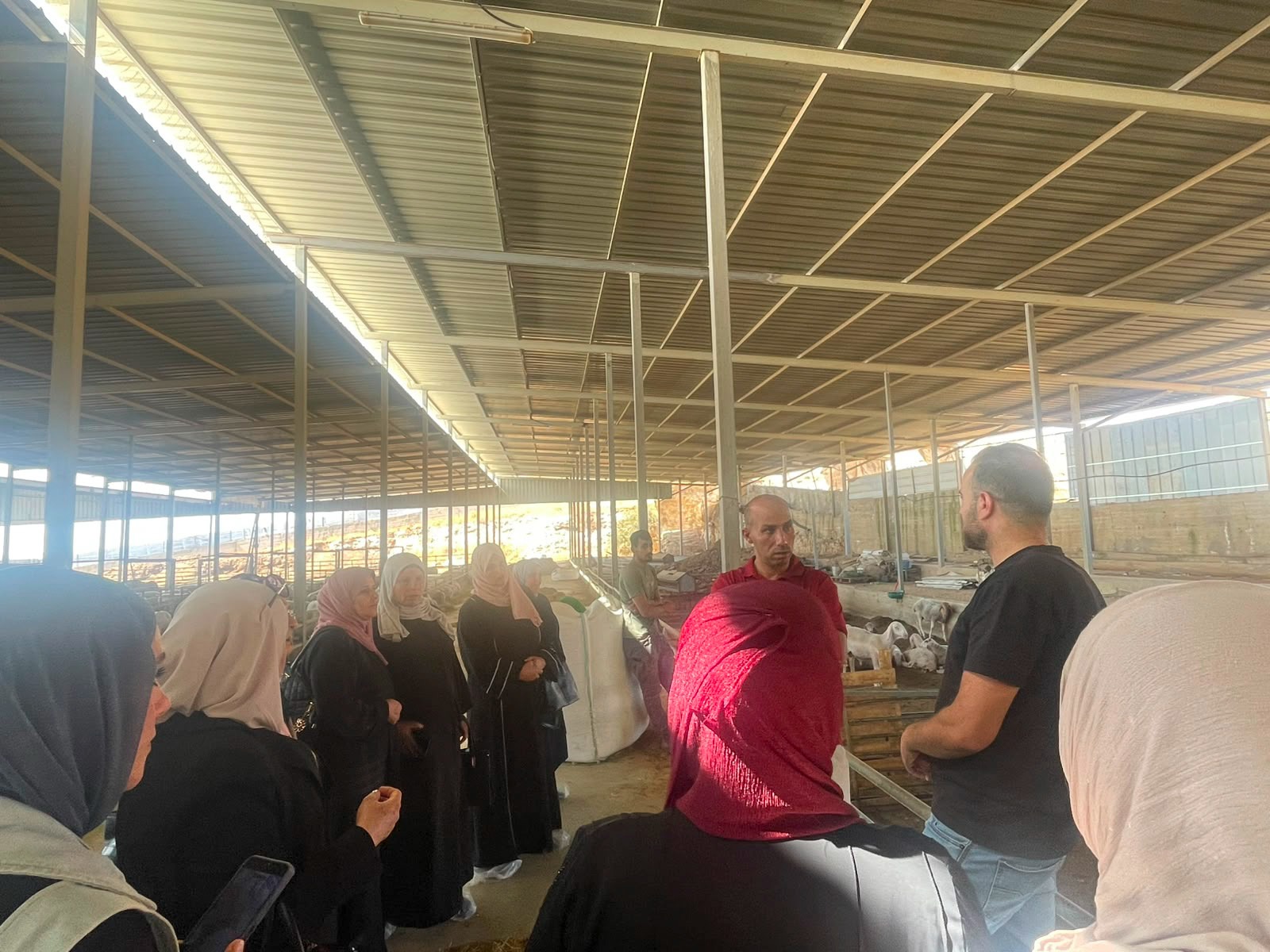
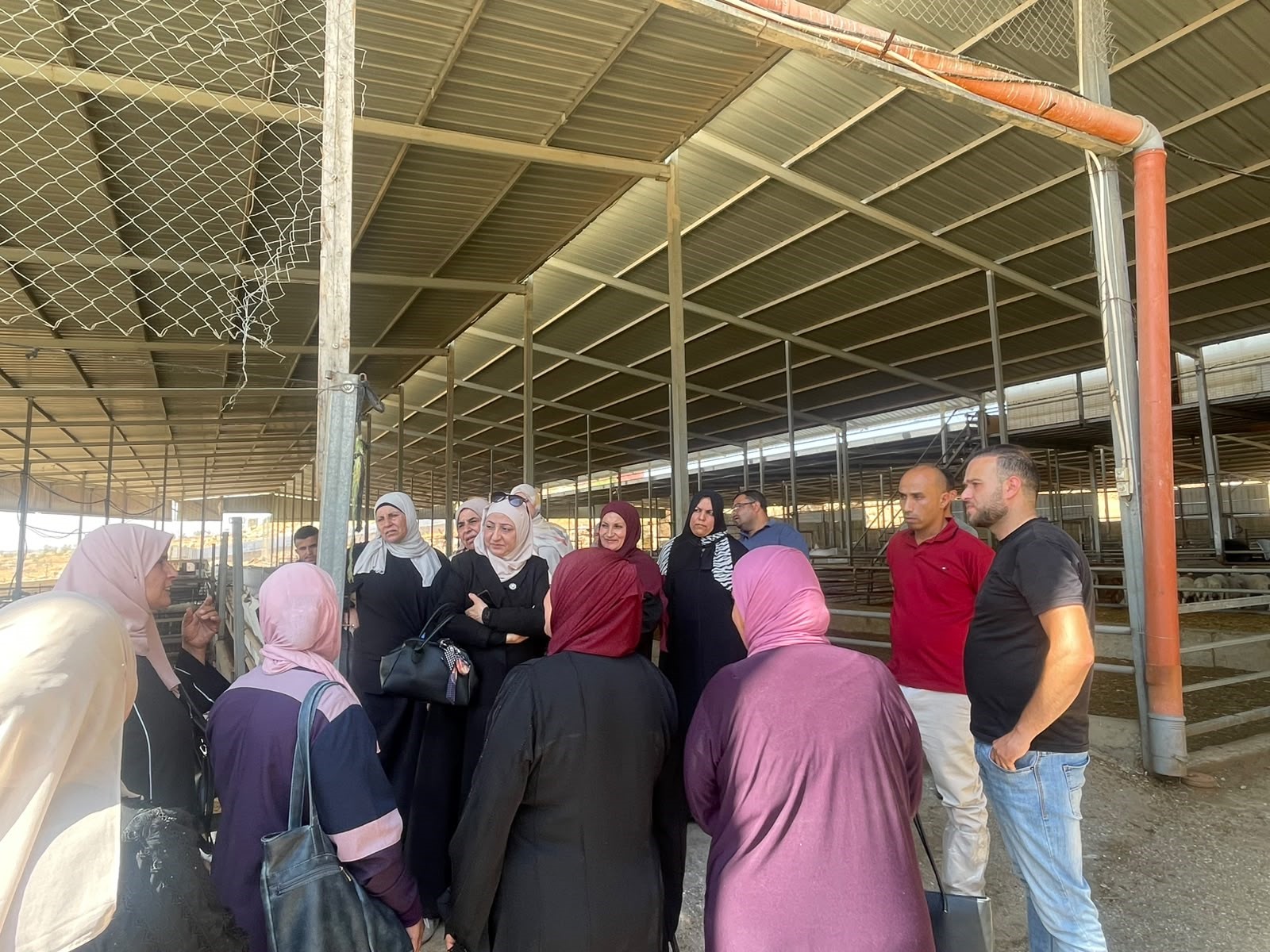
⭕ 37 training sessions and 7 field visits promoting modern livestock production practices.
Ramallah: September 14, 2026
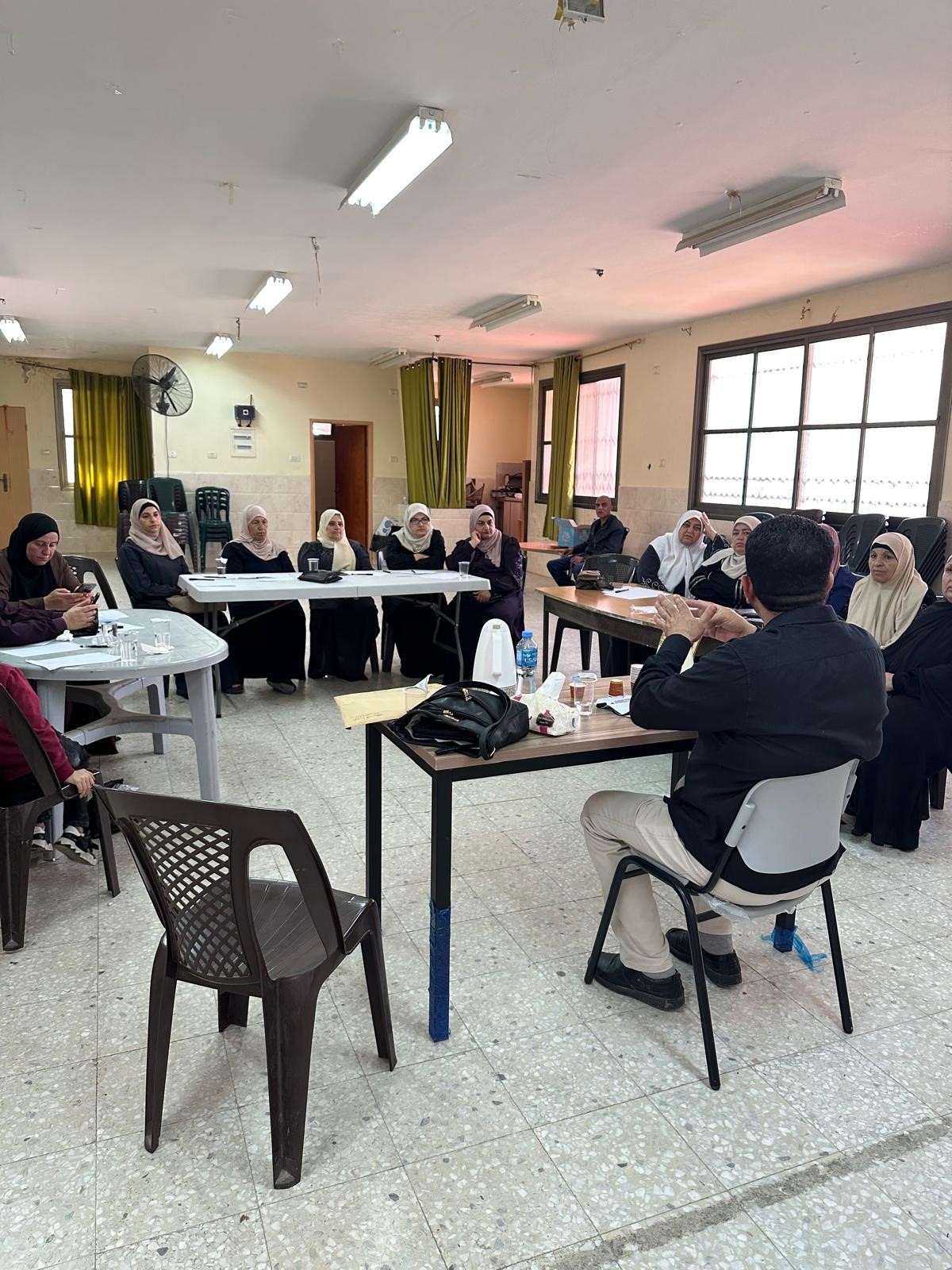
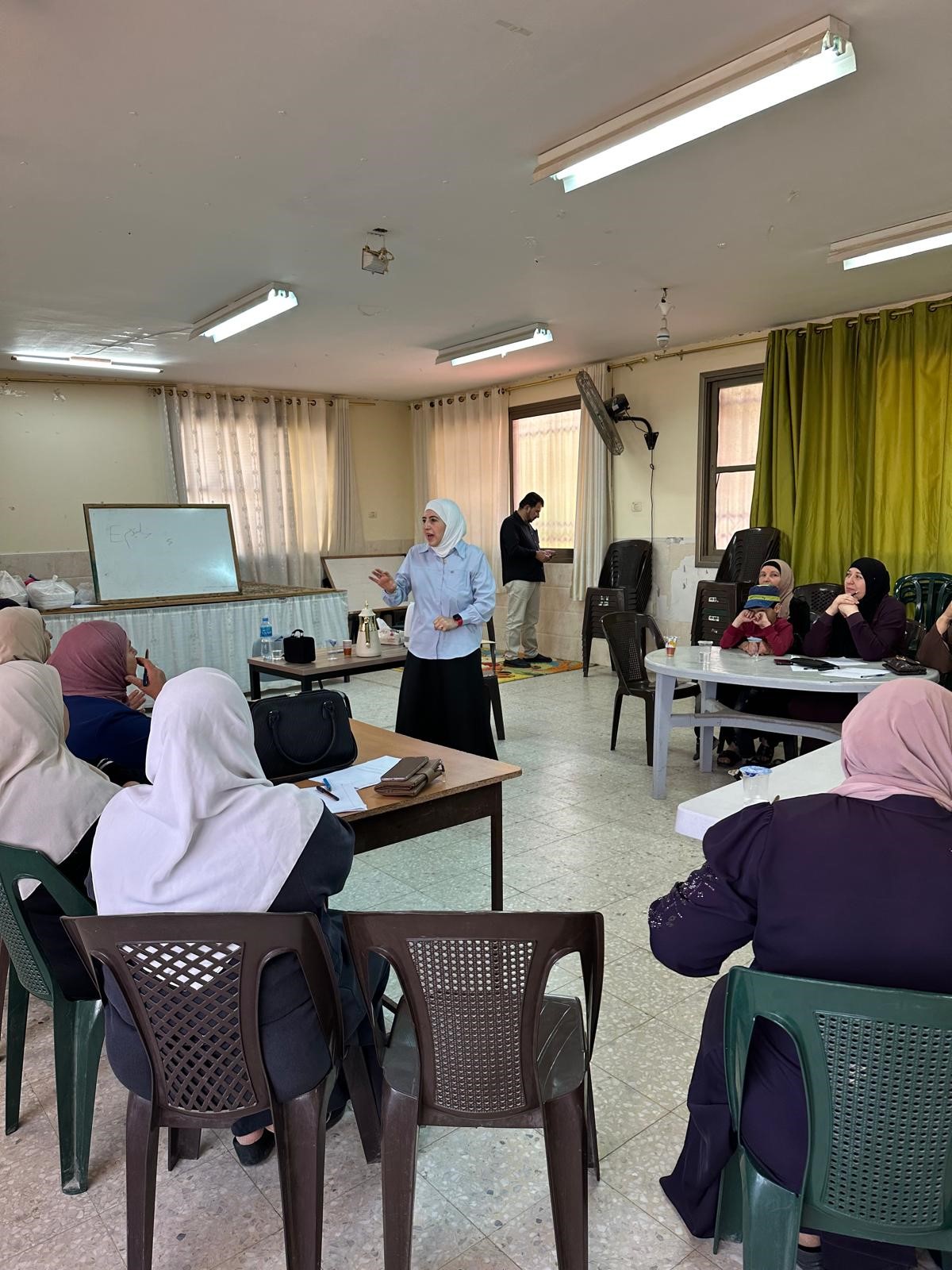
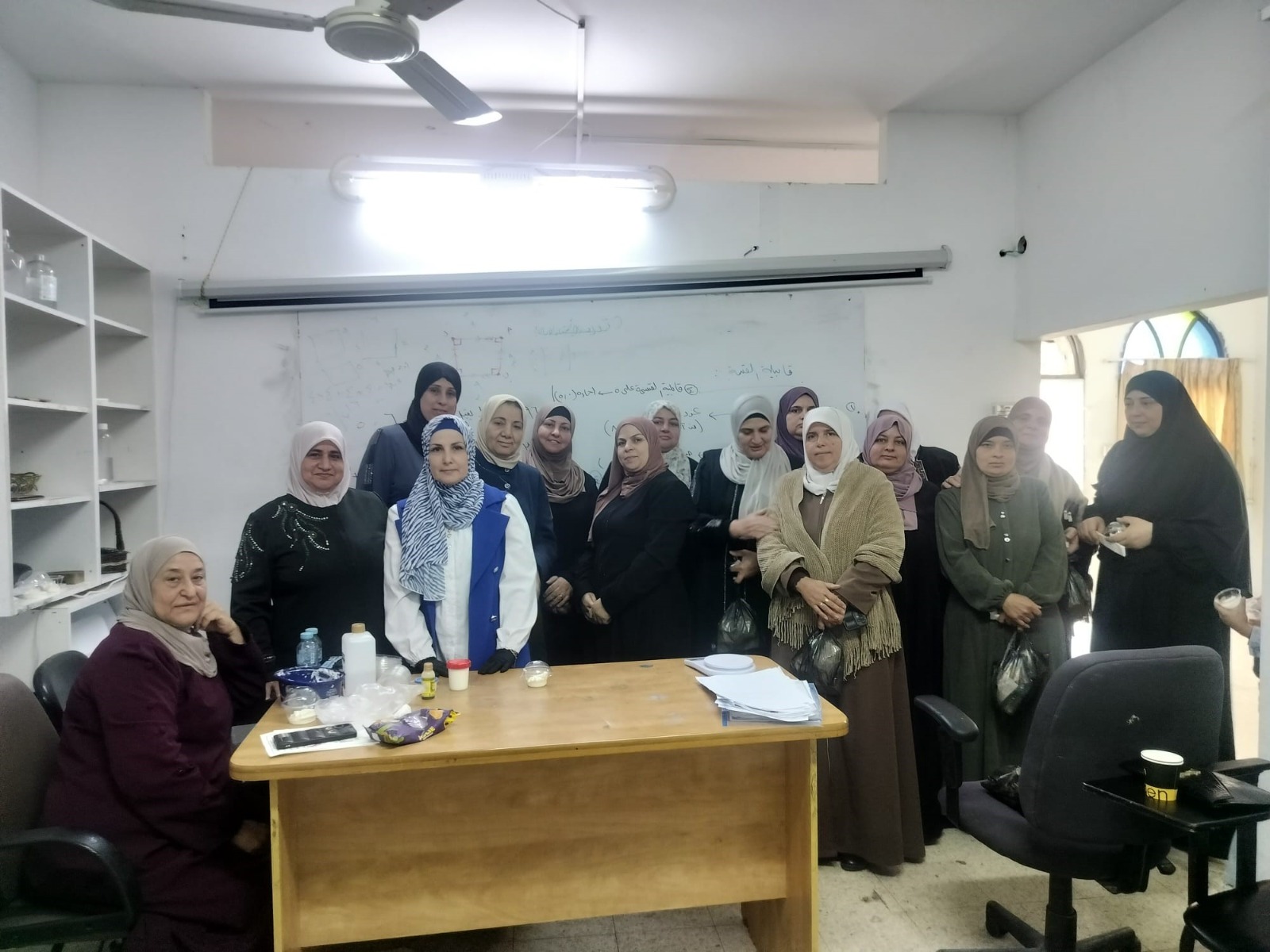
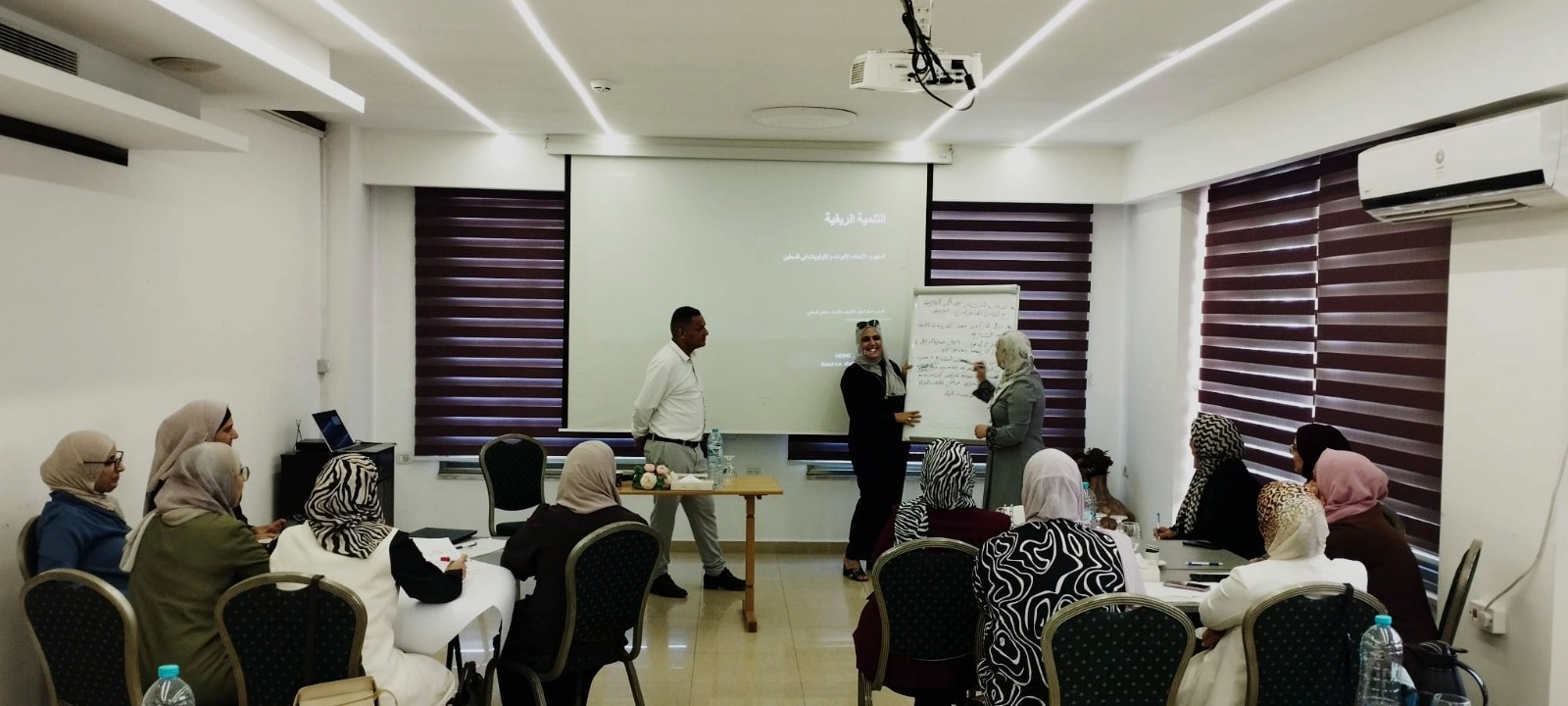
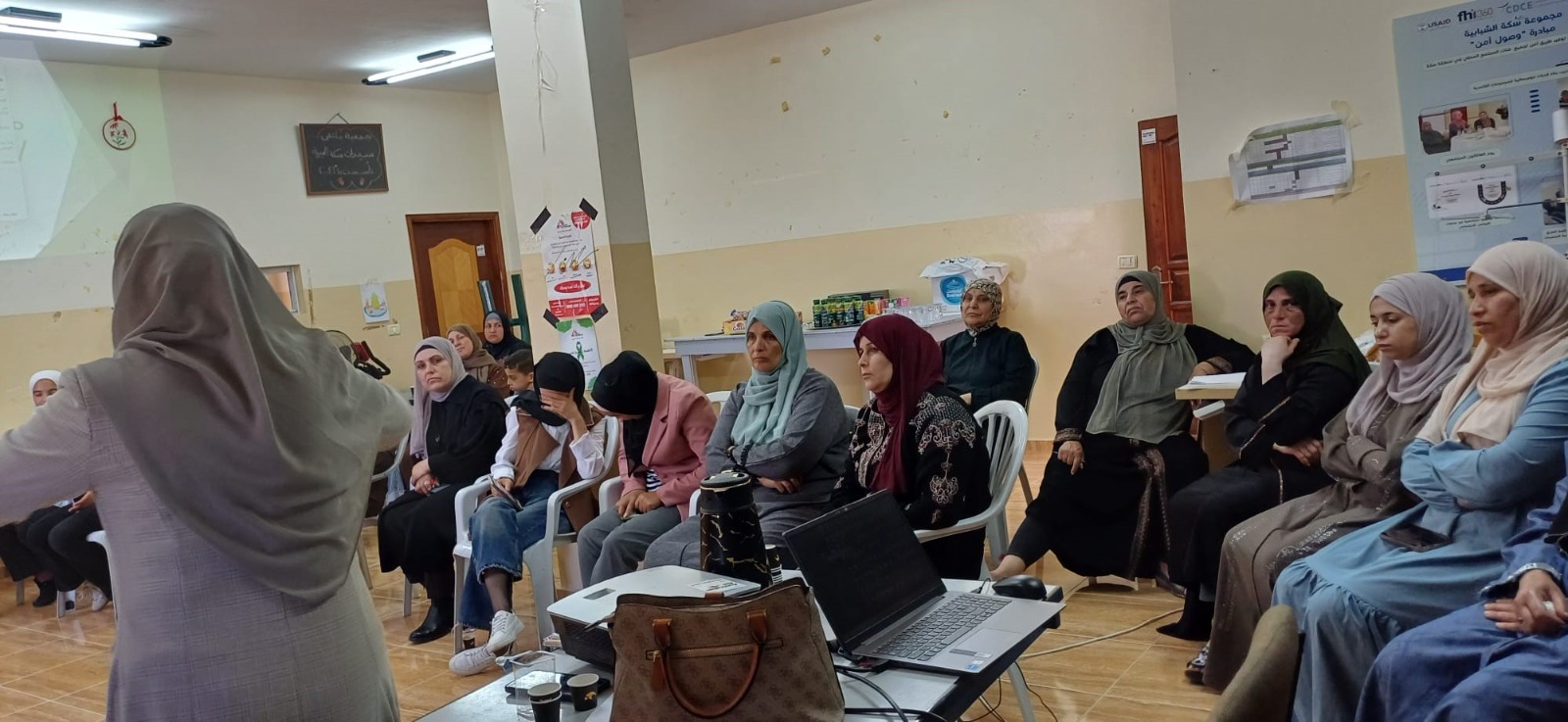
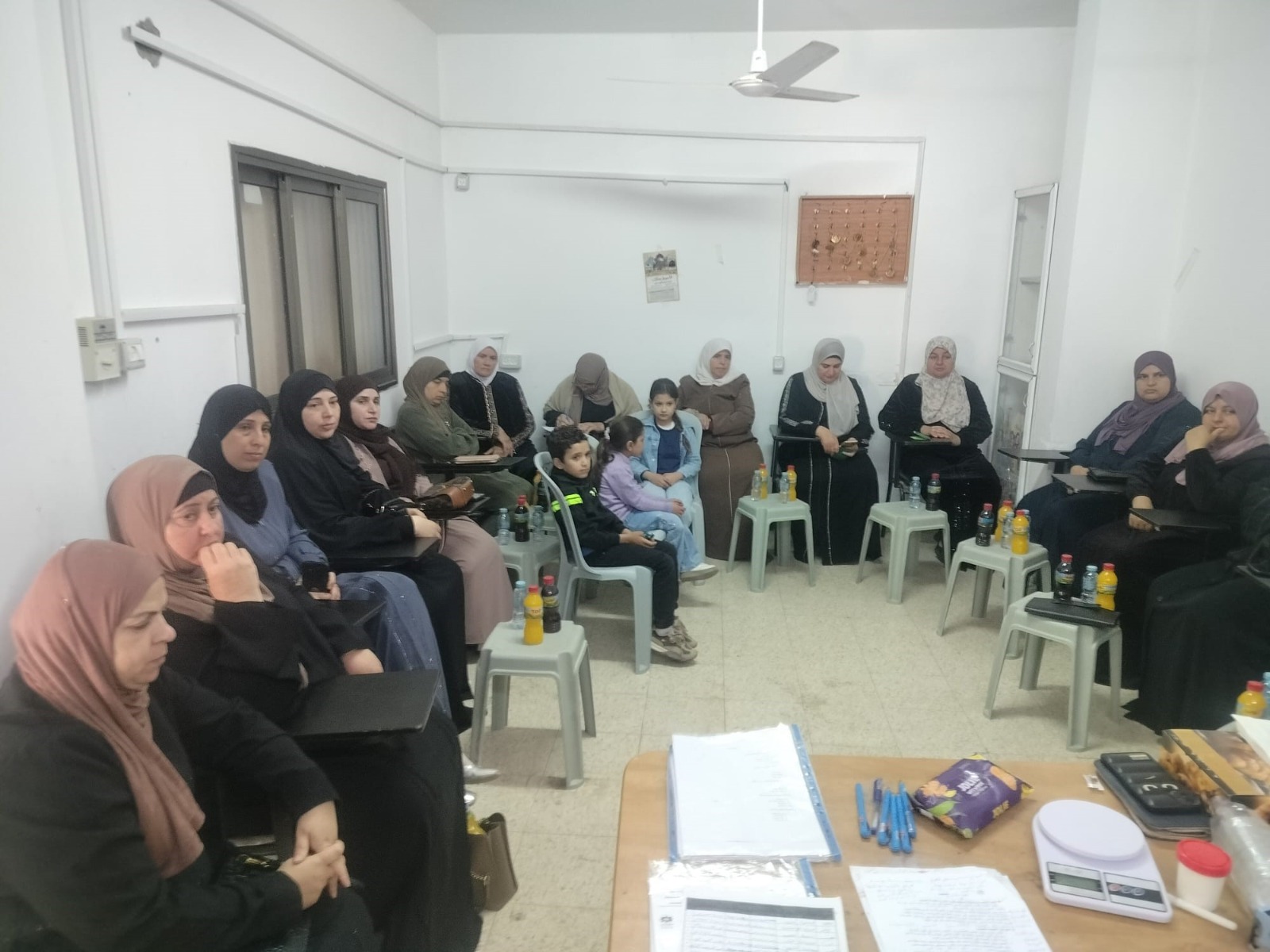
The Ministry of Agriculture—represented by the General Directorate of Extension and Rural Development, in collaboration with the Rural Development Department and the Rural Development and Livestock divisions across the governorates—has concluded a large-scale training program. Spanning four months, the program targeted more than 800 female livestock breeders in 35 locations throughout the West Bank, helping to enhance their competence, knowledge, and skills in livestock production and project management.
The program was implemented under the project "Enhancing the Skills and Practices of Livestock Breeders Across the Livestock Value Chain in the West Bank." Funded by the European Union and executed by the Food and Agriculture Organization of the United Nations (FAO) in partnership with the Ministry of Agriculture.
The initiative covered various areas of the West Bank. By reaching female breeders directly within their communities, the program maximized the training's impact and ensured access for a large number of women working in the livestock sector. The program included four "Training of Trainers" (ToT) courses covering animal nutrition and health, zoonotic diseases, and farm management. These courses engaged 41 agricultural engineers from the Ministry of Agriculture across 11 governorates, enhancing the technical staff's capabilities and enabling them to transfer knowledge and provide specialized guidance to livestock breeders in various regions.
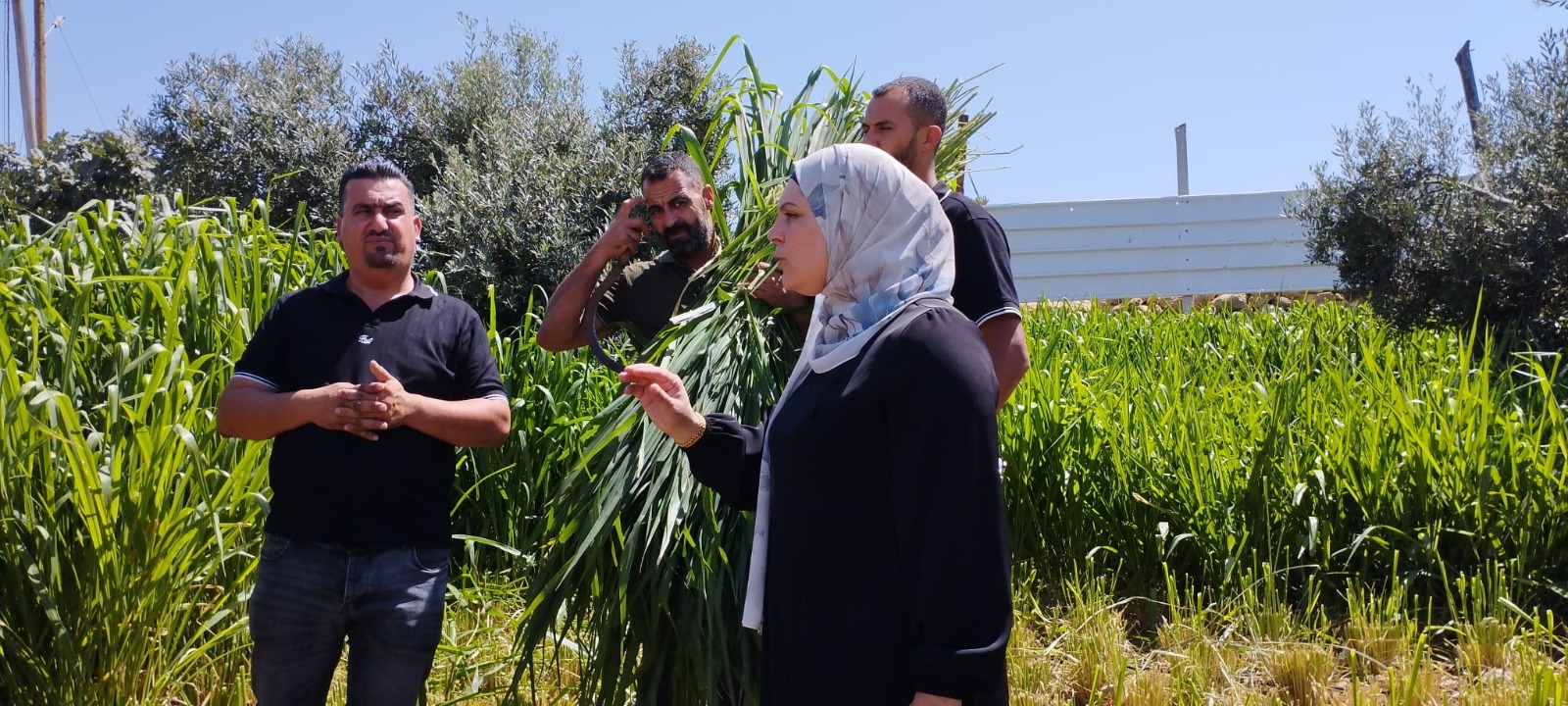
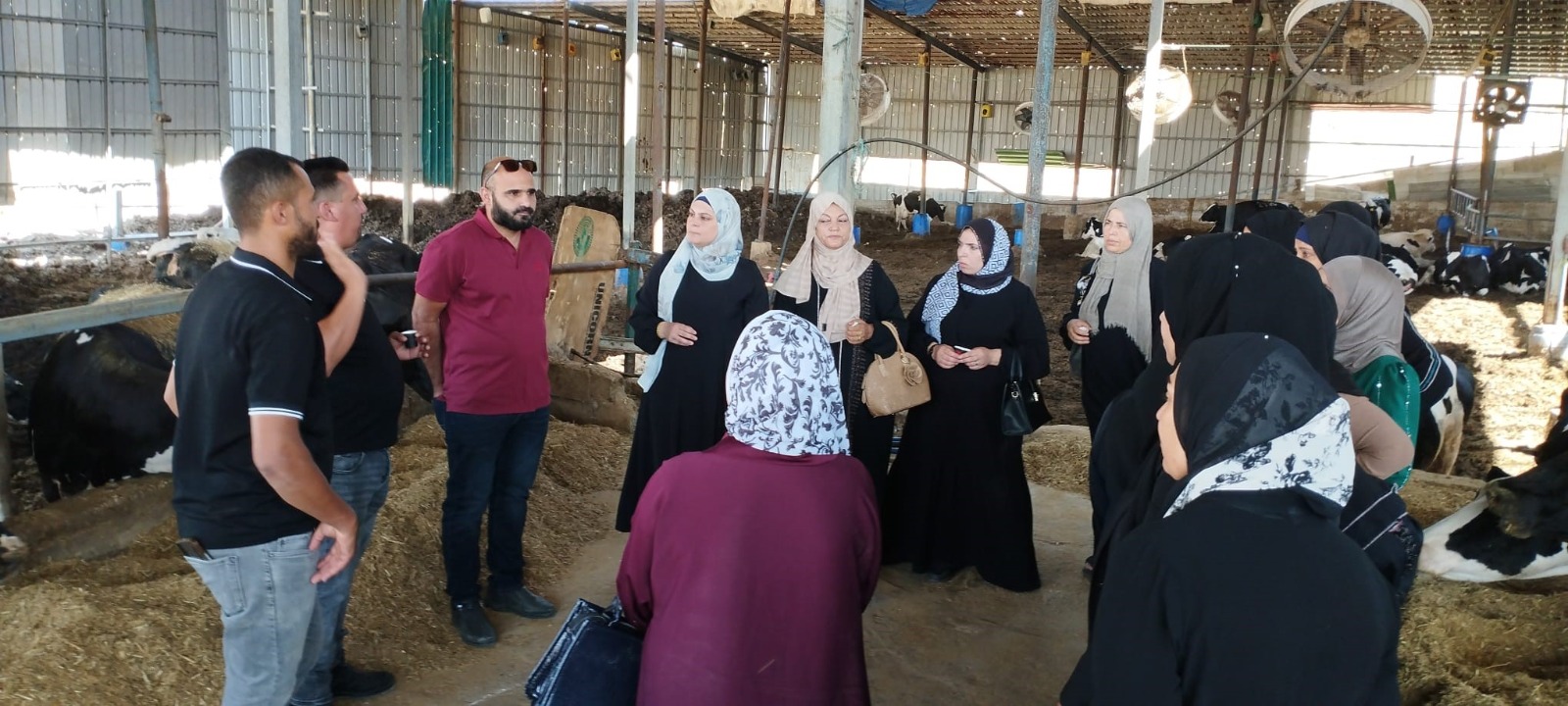
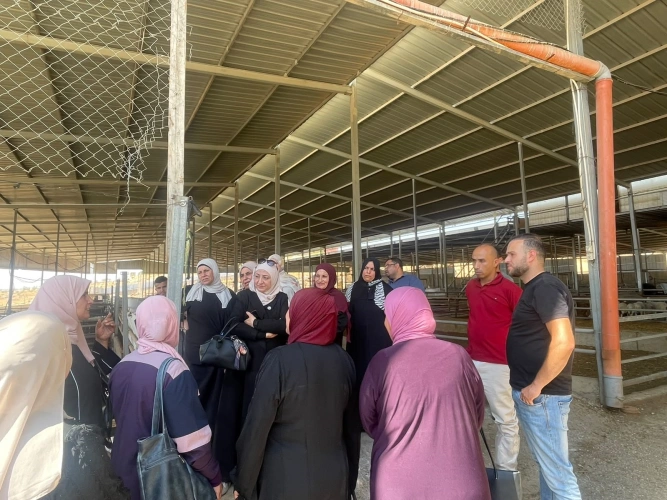
Additionally, 37 theoretical and practical training sessions were conducted, benefiting 632 female livestock breeders within their local communities. These sessions addressed the use of low-cost alternative feeds, disease prevention, and modern neonatal care. Seven exchange-based field visits were also organized, involving 126 female breeders, allowing them to tour model farms and learn about modern techniques for alternative feed production and sheep farm management.
The Ministry of Agriculture emphasizes that the program's broad scope reflects the importance of investing in rural women and their role in sustaining livestock production and supporting their families. The skills and knowledge acquired by participants have strengthened their ability to manage and improve the productivity of their projects; these experiences contribute to the ongoing development of production practices and the sustainability of livestock ventures, thereby bolstering the resilience of rural families and enhancing food security.