Notification
حظر استيراد كافة أنواع الطيور الحية الداجنة والبرية وطيور الزينة وبيض التفقيس والصيصان عمر يوم ومخلفاتها الغير معاملة حراريا من تركيا ولحين استقرار الوضع الصحي

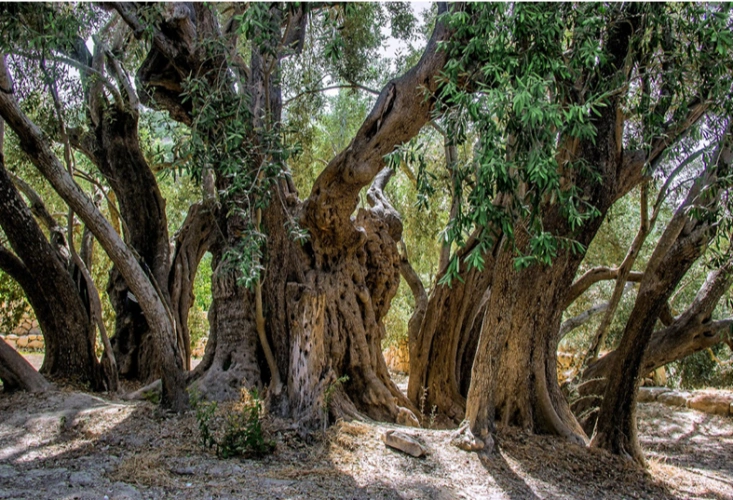
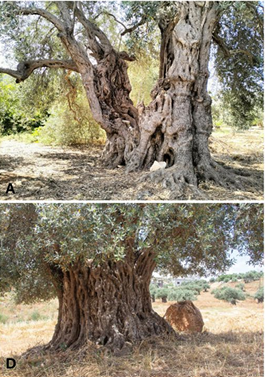
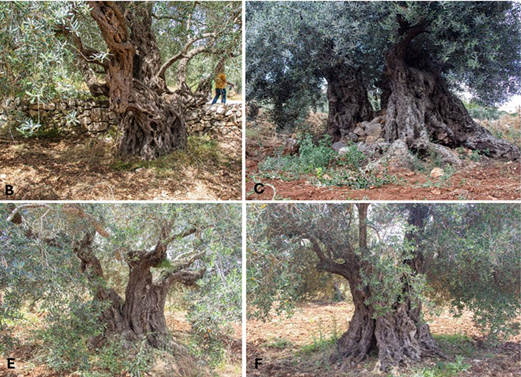
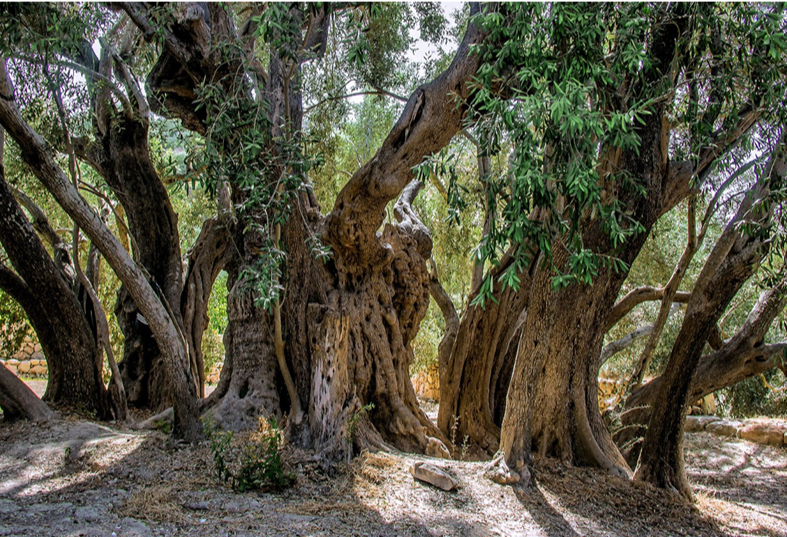
A research collaboration between A-Najah National University, Italy’s CNR-Institute of Biosciences and Bioresources (IBBR), and the Palestinian National Agricultural Research Center (NARC) has achieved a significant scientific milestone. The collaboration resulted in the publication of an advanced study on the genetic diversity and genetic fingerprinting of local, ancient olive varieties in Palestine. The study was authored by Dr. Osama Al-Abdallah—a researcher in the Department of Biotechnology at the NARC—with the participation of a specialized research team from all three institutions.
The study aimed to analyze and characterize the genetic diversity of Palestinian olive trees by comparing them with hundreds of olive varieties and plant samples collected from various regions worldwide. The results revealed a rich and unique genetic diversity among local olives—particularly within the genetic stock of ancient trees—underscoring their strategic importance as a distinct national genetic resource that warrants protection, documentation, and in-depth study.
Furthermore, the research team successfully established precise genetic fingerprints for these local varieties. This contributes to documenting their genetic identity, verifying their authenticity, safeguarding them against cross-contamination or extinction, and supporting broader efforts to preserve Palestine’s agricultural biodiversity. This achievement reflects the importance of collaborative scientific and research efforts between local and international academic and research institutions. It establishes an advanced scientific foundation for preserving the genetic assets of Palestinian olive trees, while the Palestinian National Agricultural Research Center continues to employ cutting-edge biotechnology and scientific research to support the agricultural sector and enhance the resilience of national plant genetic resources in the face of environmental and climatic challenges.