Notification
حظر استيراد كافة أنواع الطيور الحية الداجنة والبرية وطيور الزينة وبيض التفقيس والصيصان عمر يوم ومخلفاتها الغير معاملة حراريا من تركيا ولحين استقرار الوضع الصحي

Jenin: October 18, 2026
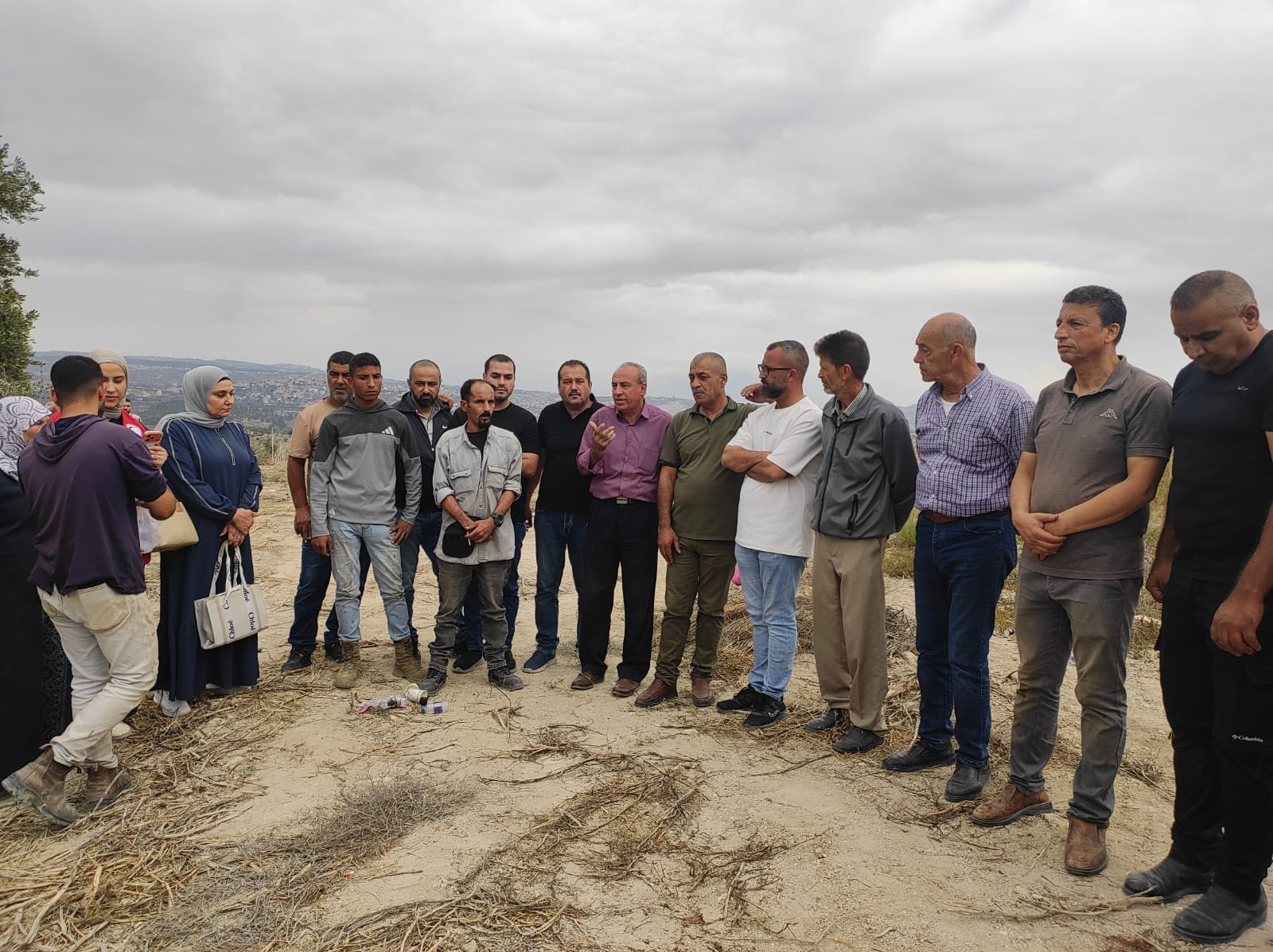
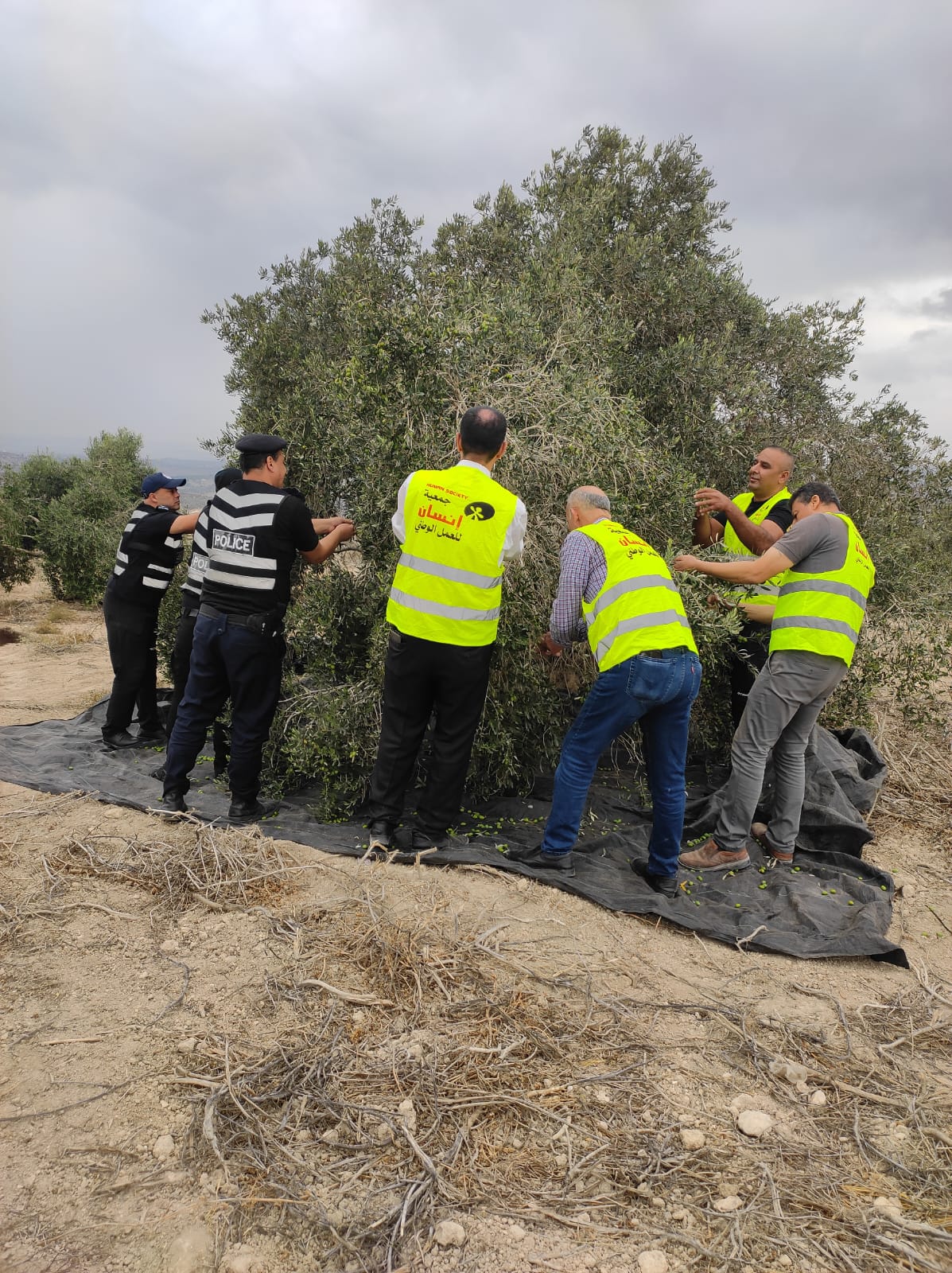
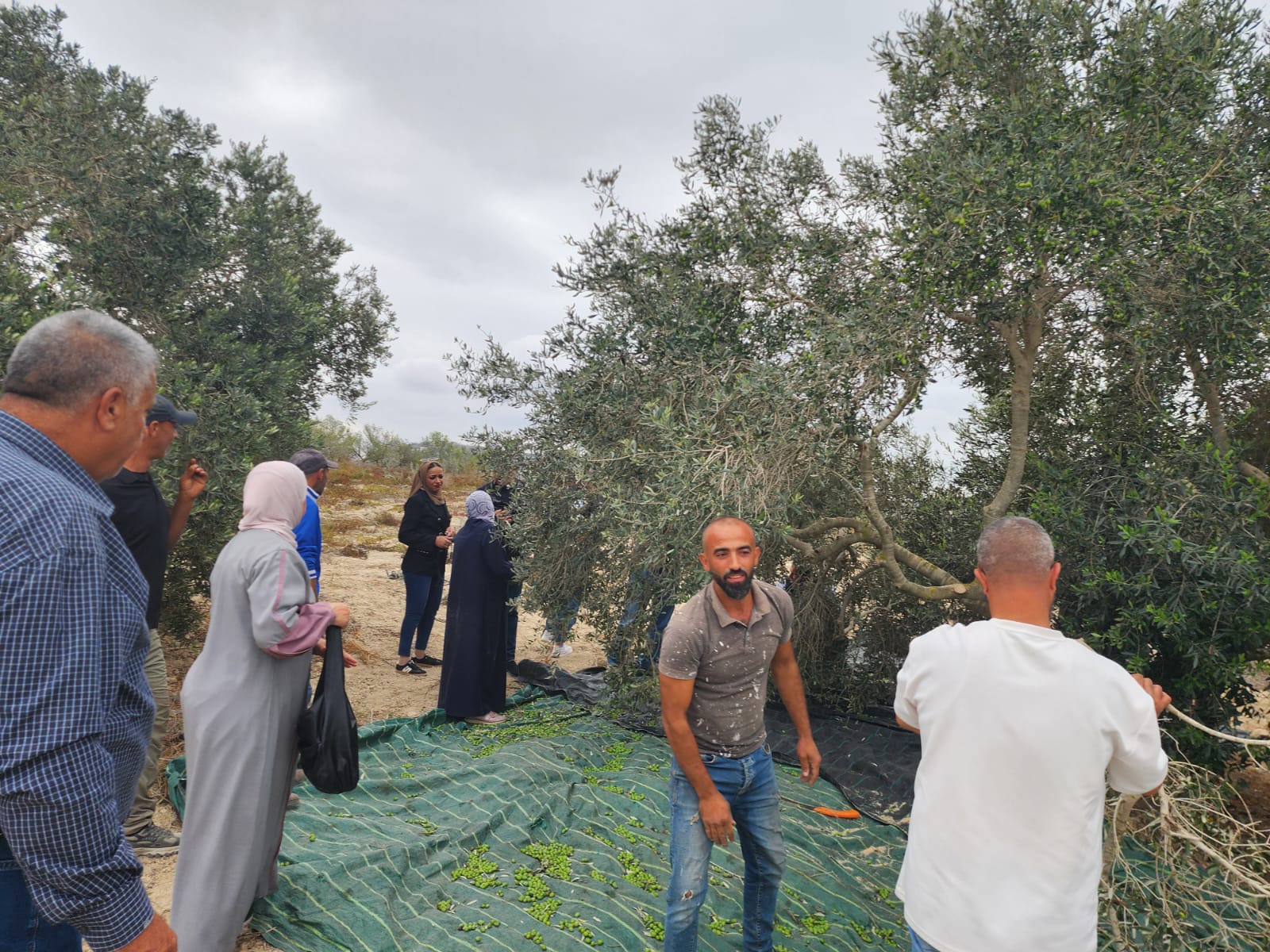
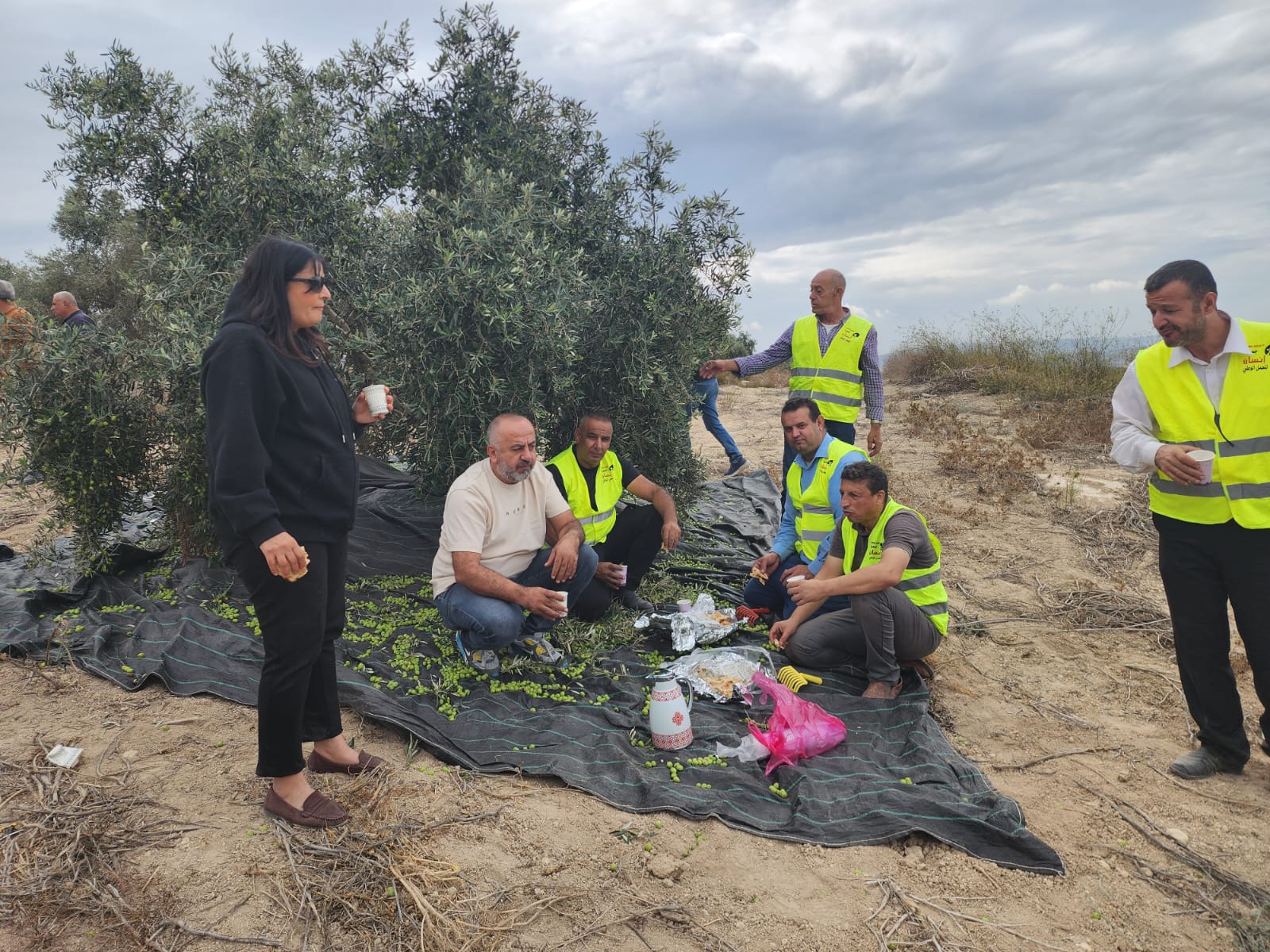
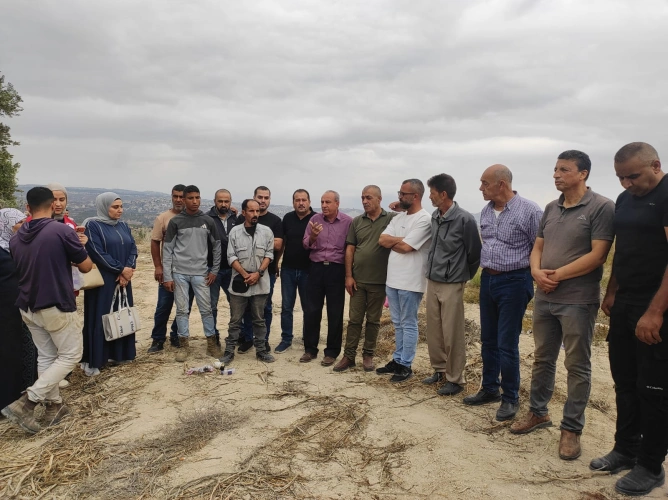
On Sunday, the local committee for the national olive harvest campaign in Jenin Governorate held its second event in the town of Kafr Ra’i. The initiative aimed to support farmers and bolster their steadfastness on agricultural lands under threat. Participants included representatives from Jenin Directorate of Agriculture, various civil, security, and community organizations, local associations, heads of local governing bodies, and Ahmad Sadaqa, Deputy Secretary of the Fateh movement in Jenin district, alongside staff from the Directorate of Agriculture.
Basem Hammad, Director-General of Jenin Directorate of Agriculture, emphasized the importance of supporting farmers in "friction zones"—areas located near Israeli settlements and the annexation and expansion wall—particularly those facing frequent attacks by the occupation forces and settlers. He underscored the need to strengthen cooperation among institutions, local committees, and community groups to provide essential support to farmers throughout the olive harvest season. Such efforts, he noted, are vital for protecting the agricultural season and reinforcing the farmers' resilience and commitment to their land.
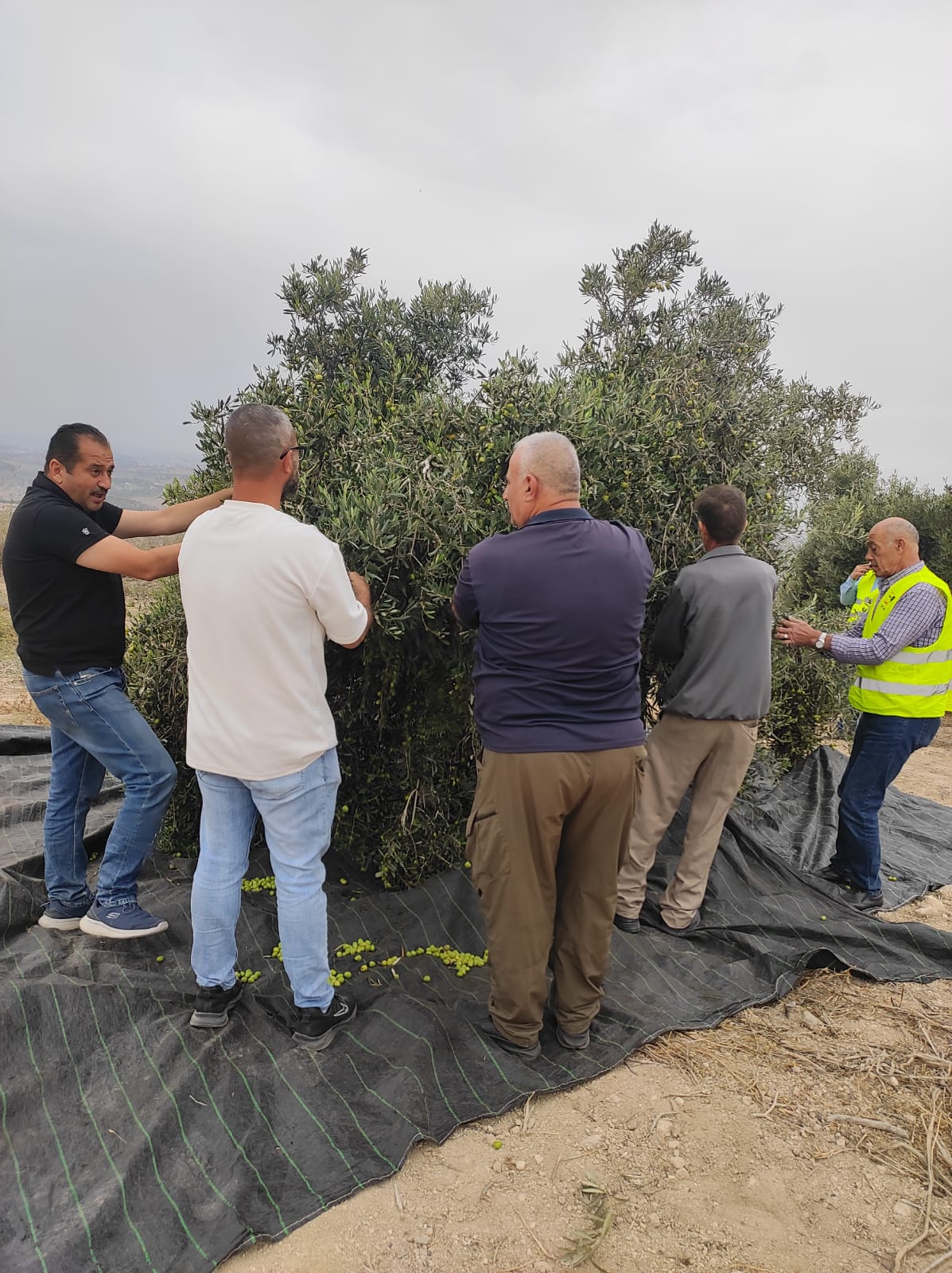
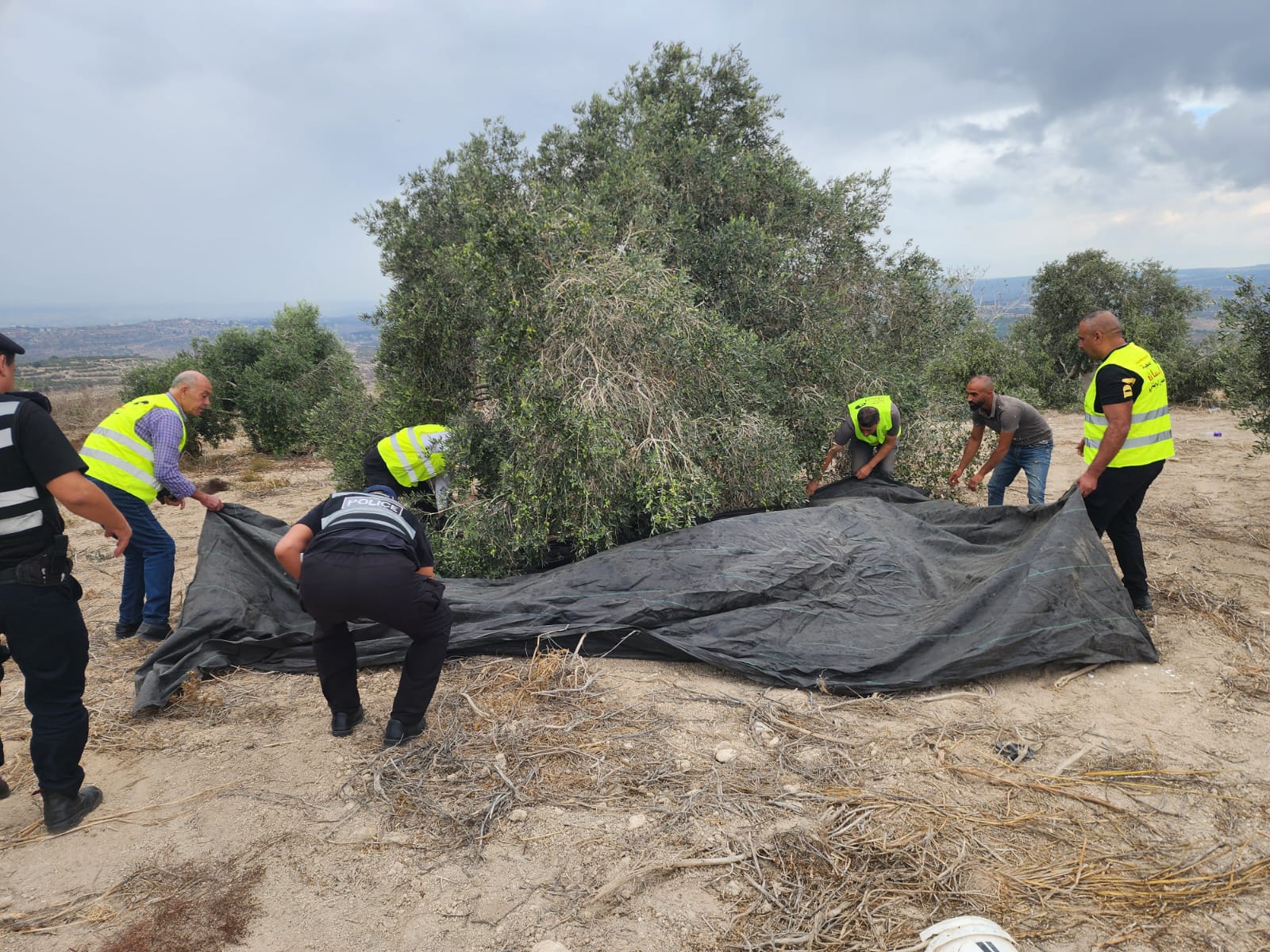
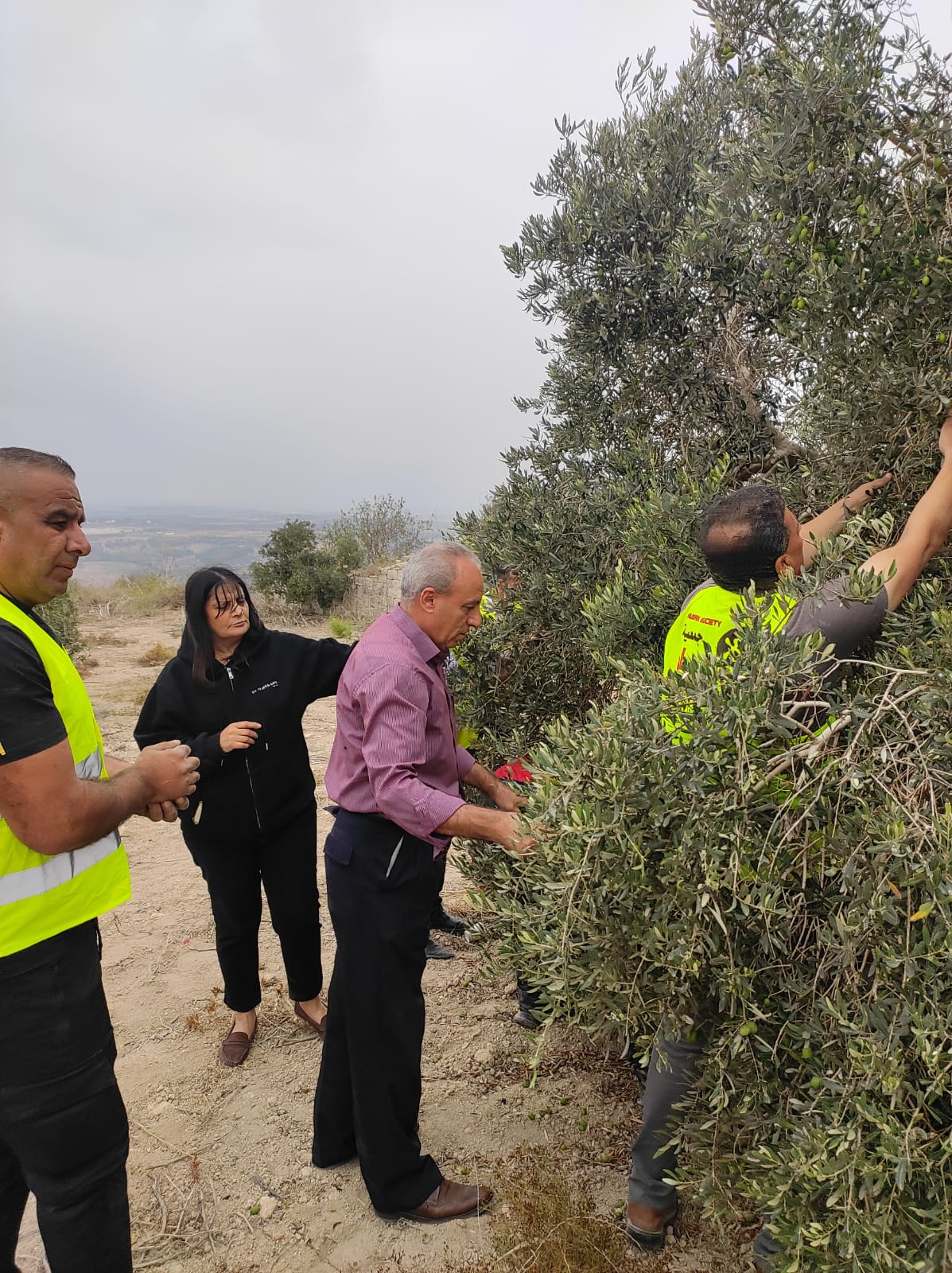
For his part, the Mayor of Kafr Ra’i, Dr. Lu’ay Al-Sheikh Ibrahim, expressed his gratitude to the Directorate of Agriculture and its partner organizations for their support. He commended their role in standing by the farmers amidst the difficult conditions currently affecting the region, where agricultural lands are frequently subjected to seizure and attacks by settlers and the occupation army—including the uprooting of trees. The event saw the participation of farmers, volunteers, local committees, and various official and community representatives—a scene that embodies the spirit of social solidarity and cooperation. It serves to support landowners, enabling them to access their property and complete the olive harvest, particularly in vulnerable areas where farmers face significant challenges in reaching their land.
The national olive harvest campaign stands as a model of community cohesion, bringing together the efforts of farmers, volunteers, institutions, and local committees to protect agricultural land and assist landowners during the harvest season. It reaffirms that the olive tree remains a symbol of resilience and generosity—an integral part of the Palestinian land, identity, and agricultural heritage—as well as a vital source of income and livelihood for many rural families.