Notification
حظر استيراد كافة أنواع الطيور الحية الداجنة والبرية وطيور الزينة وبيض التفقيس والصيصان عمر يوم ومخلفاتها الغير معاملة حراريا من تركيا ولحين استقرار الوضع الصحي

Monday, February 16, 2026
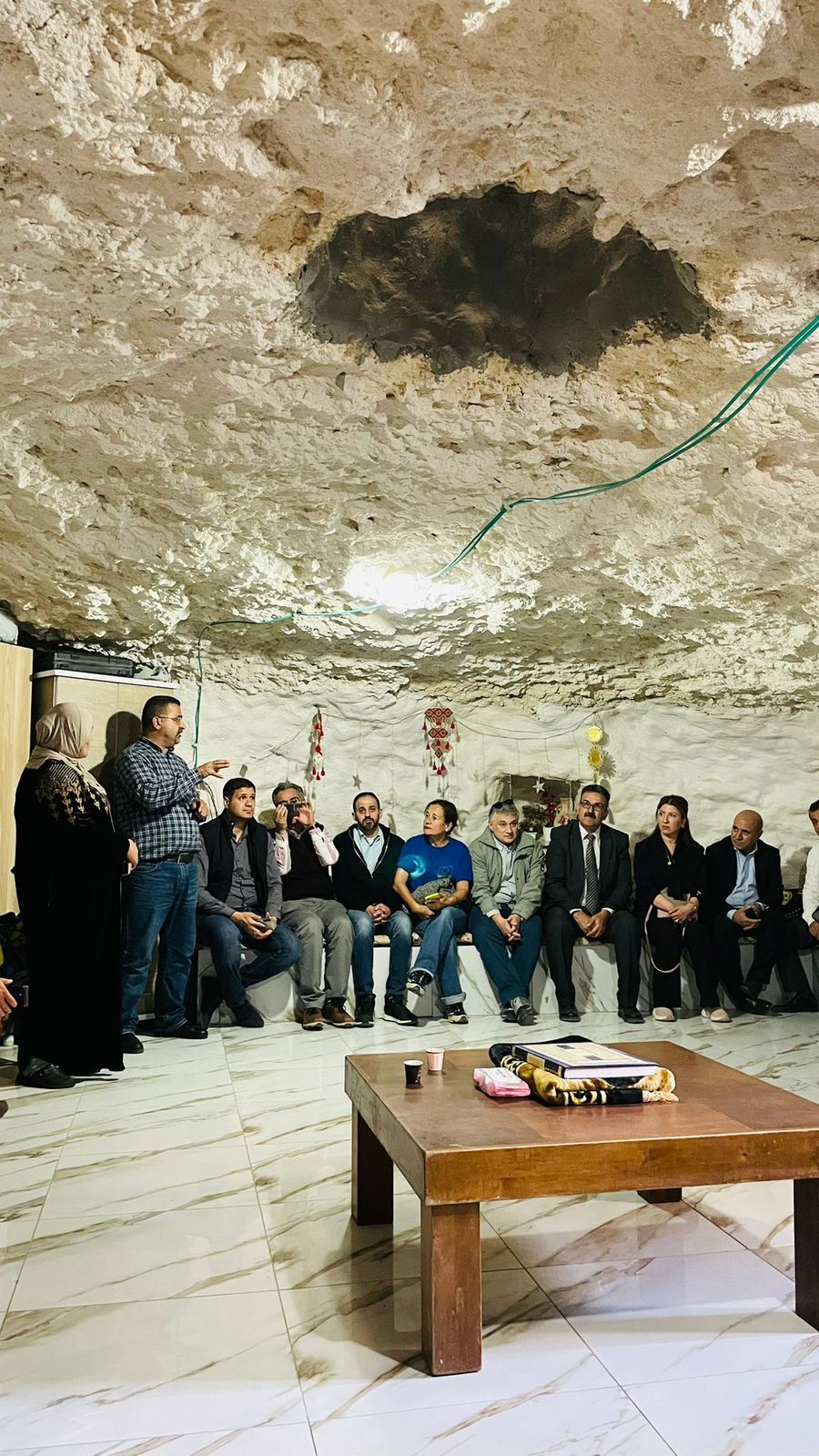
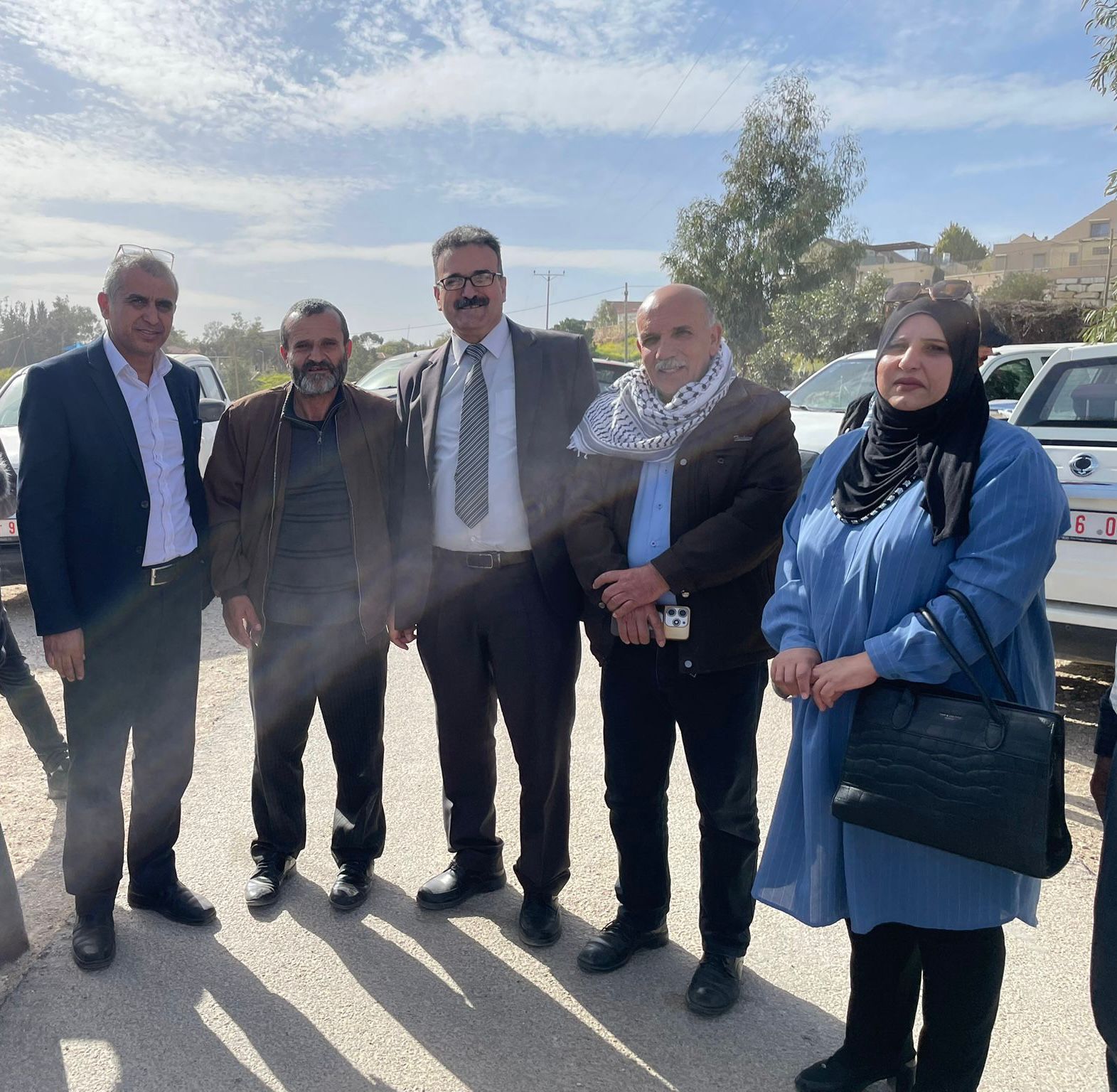
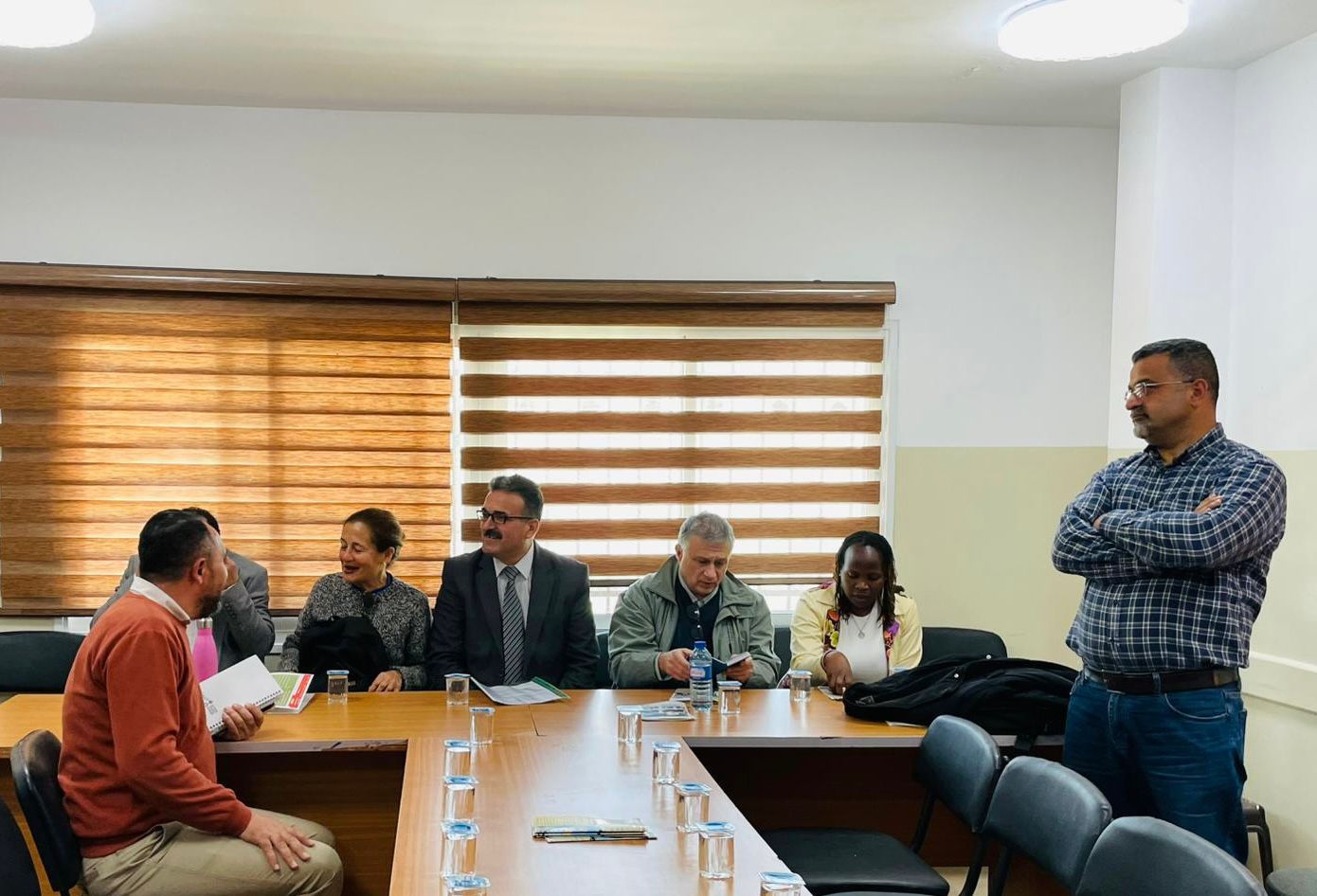
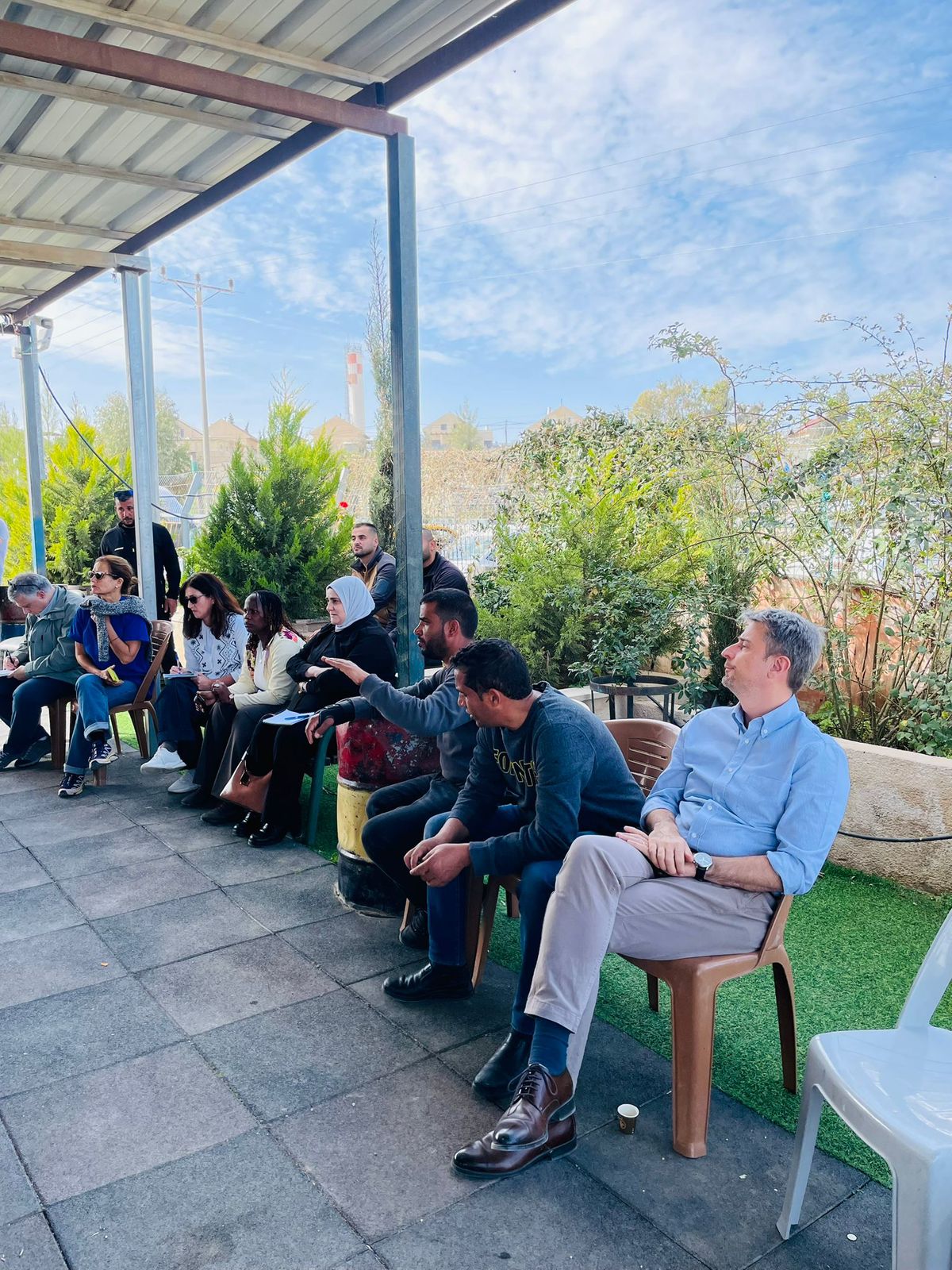
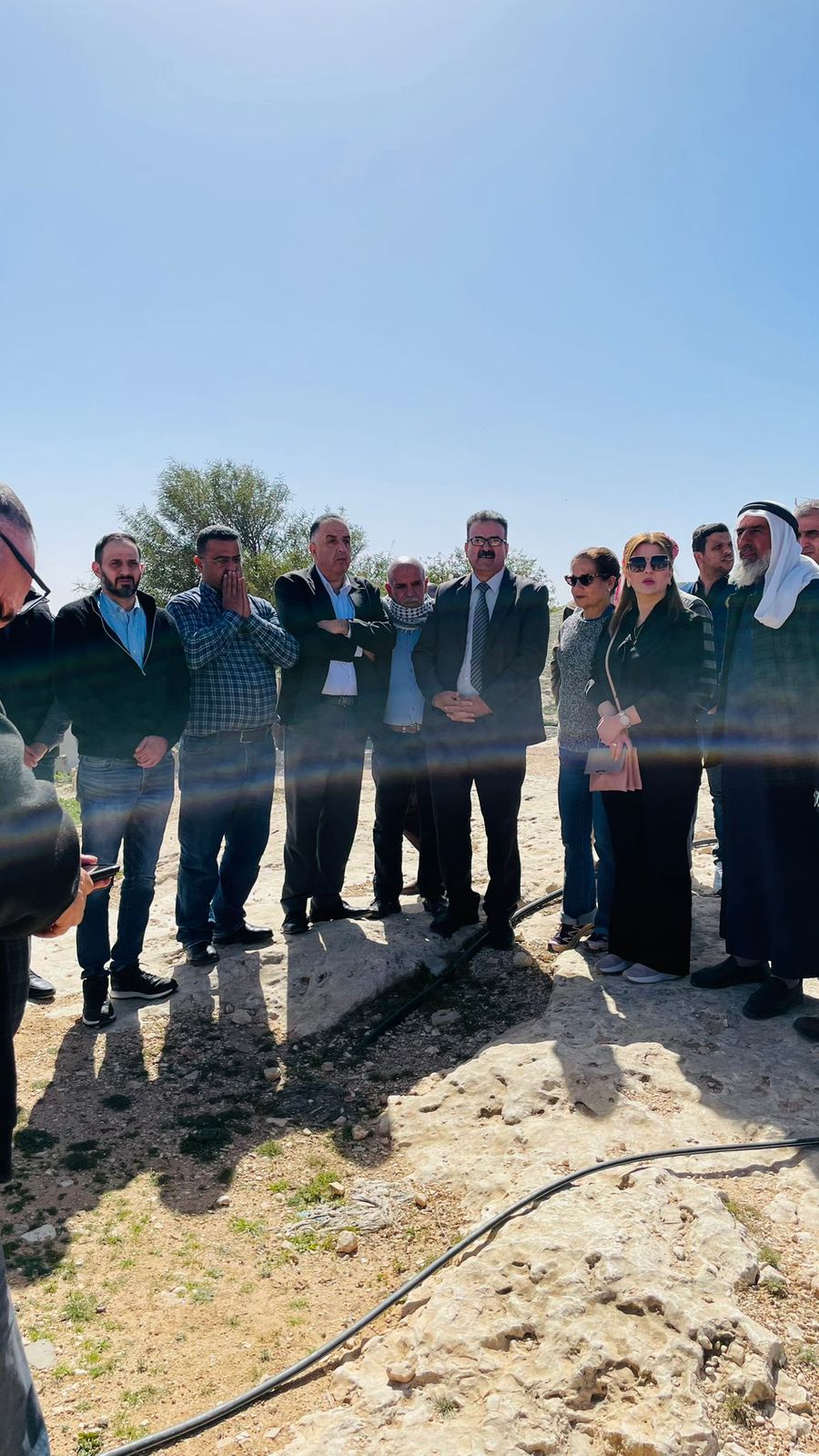
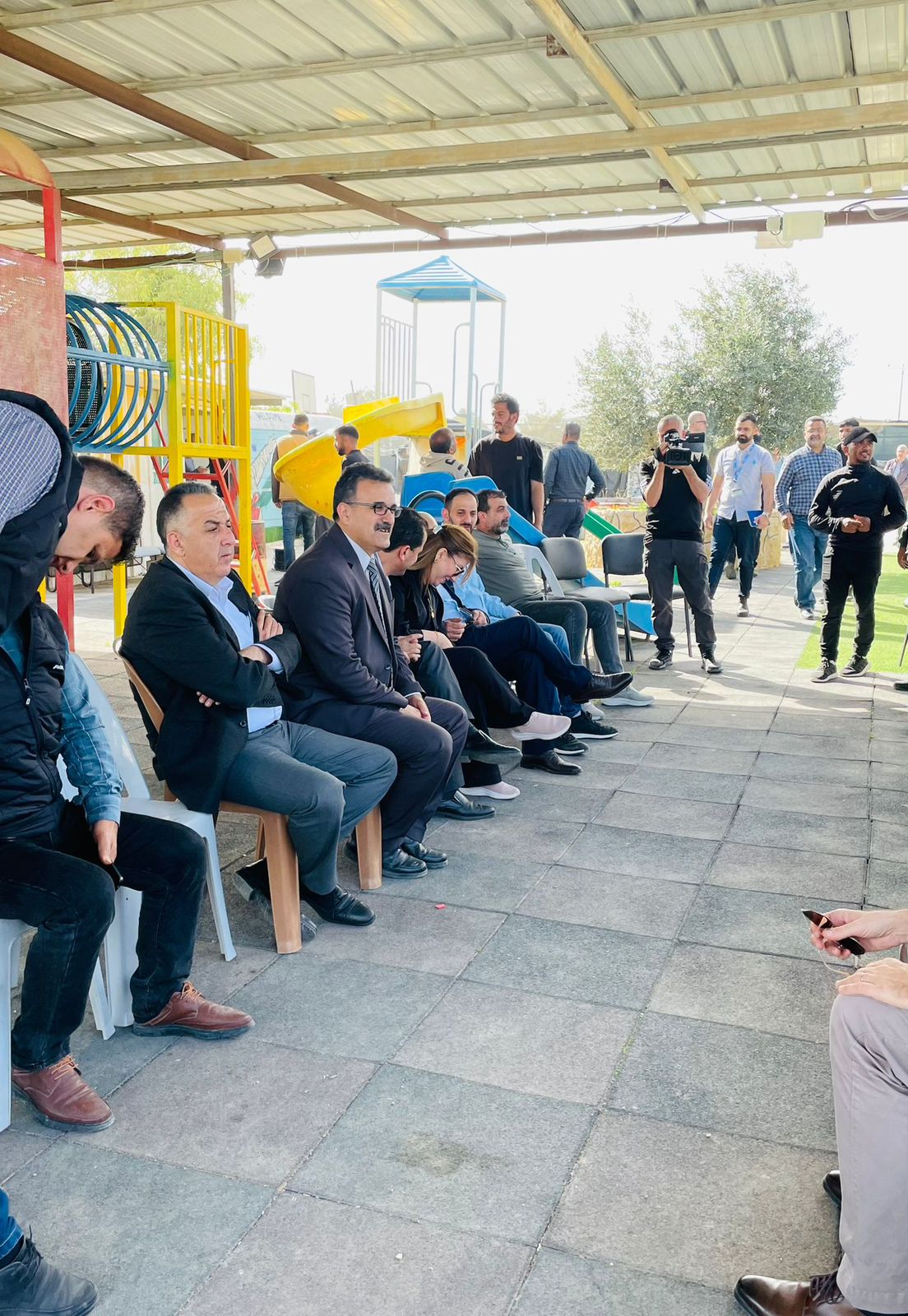
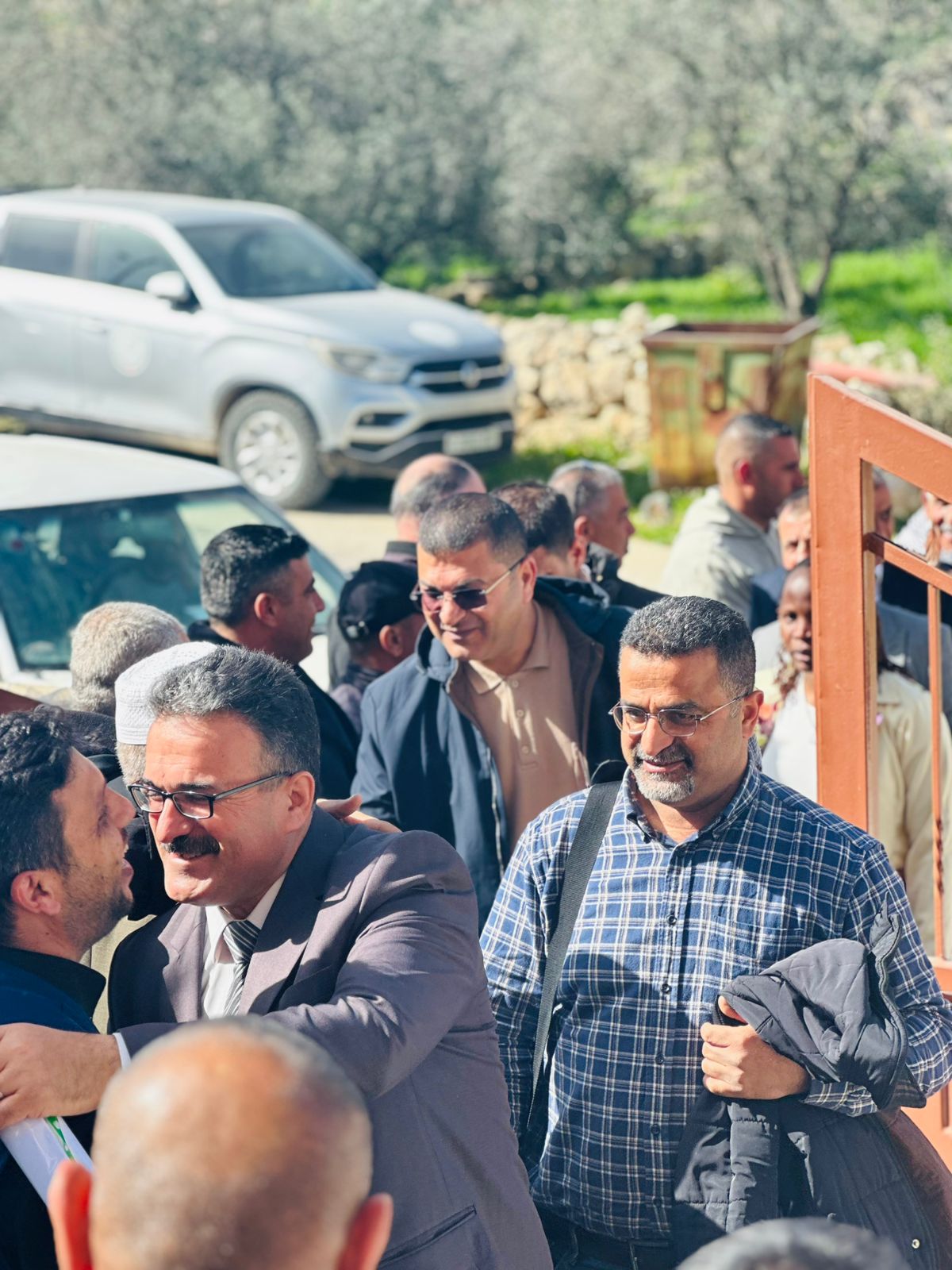
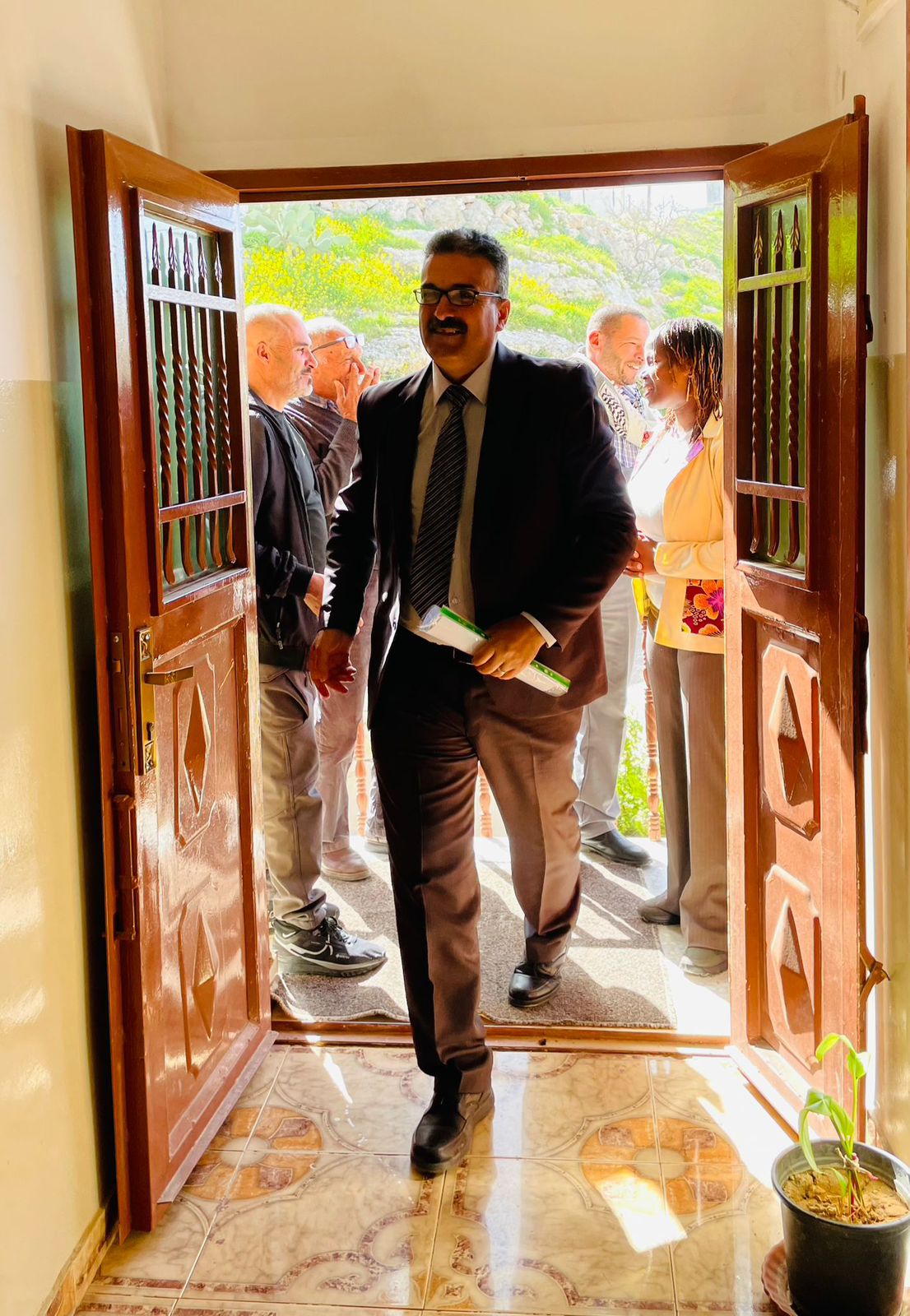
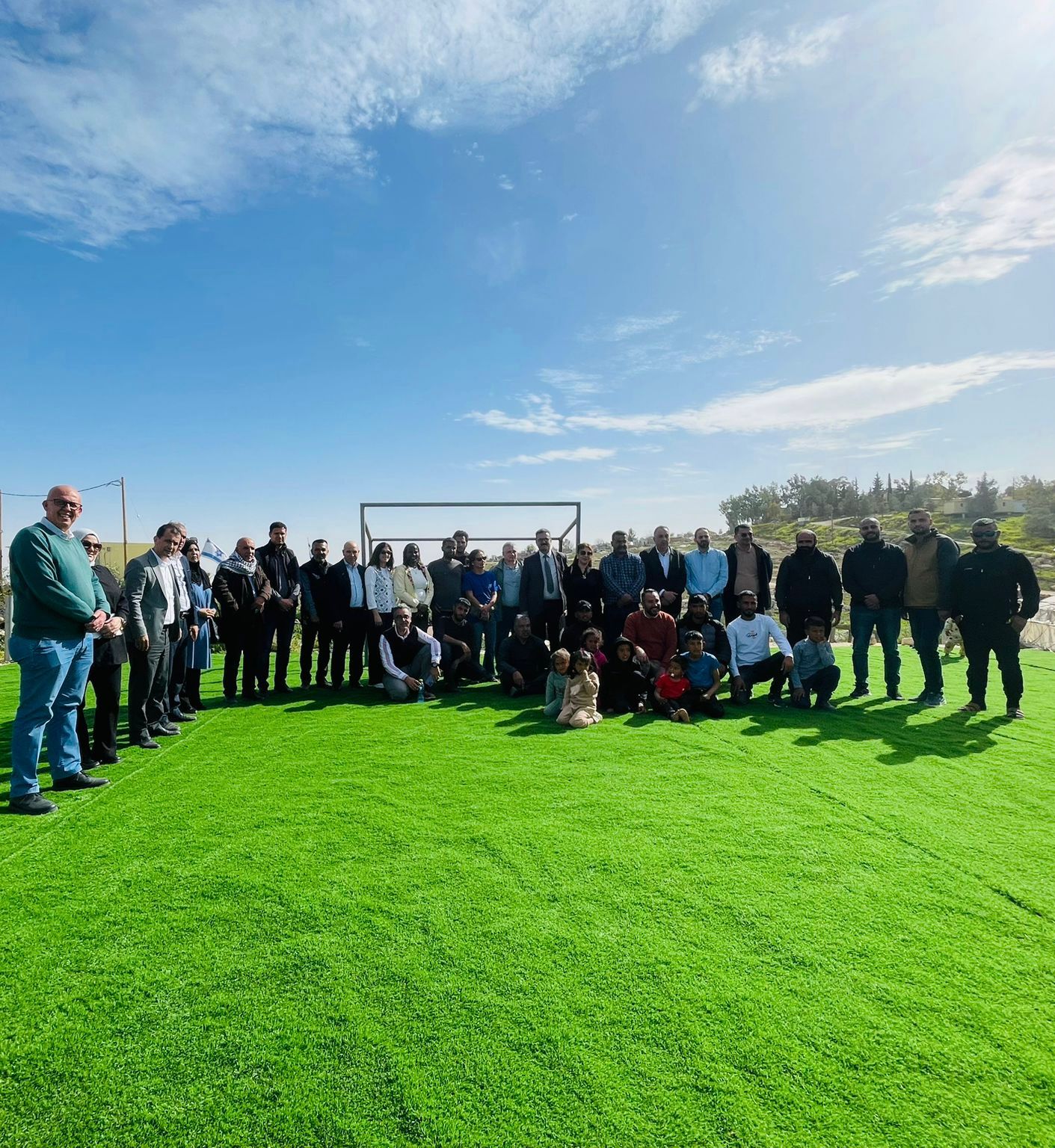
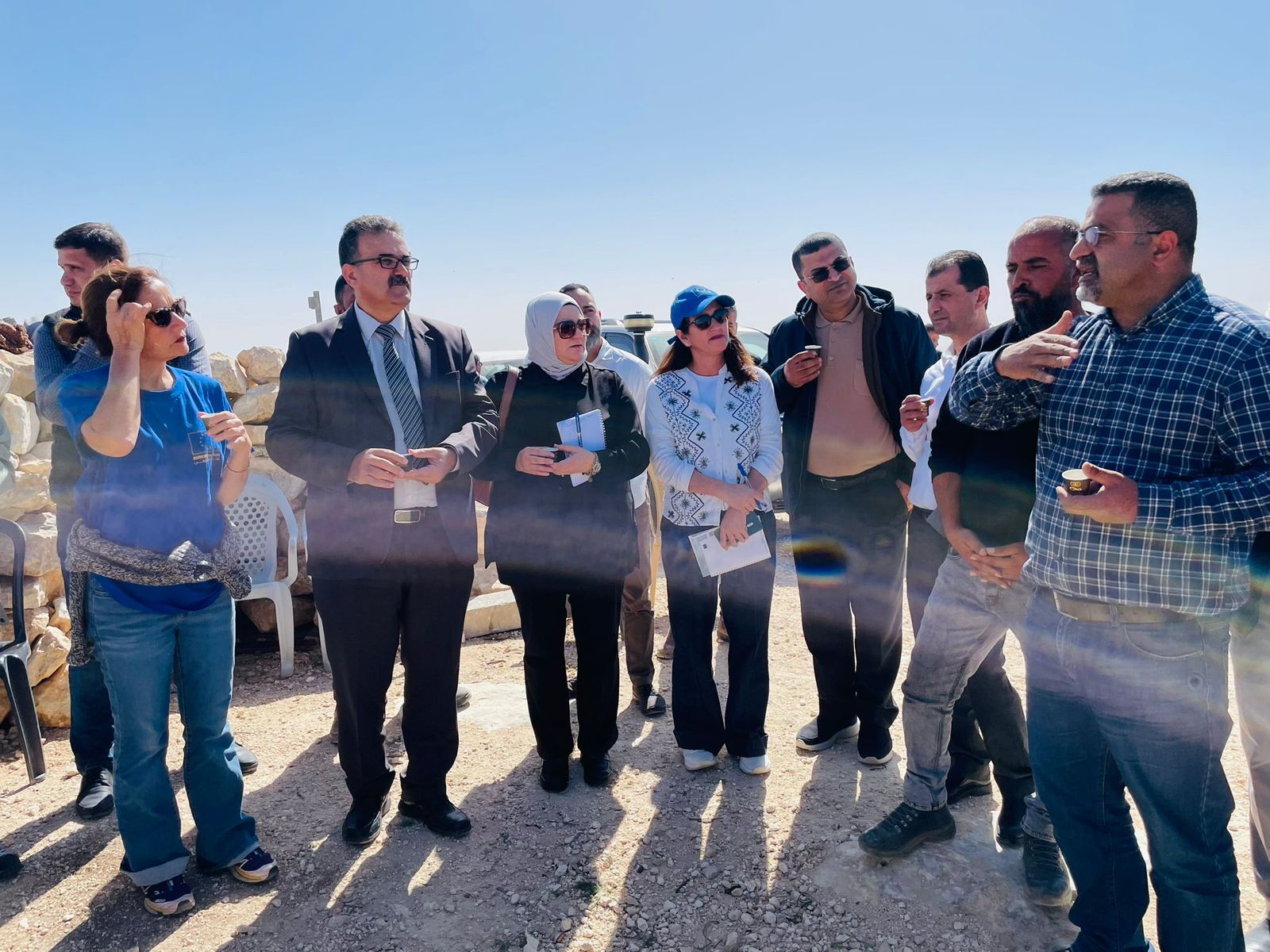
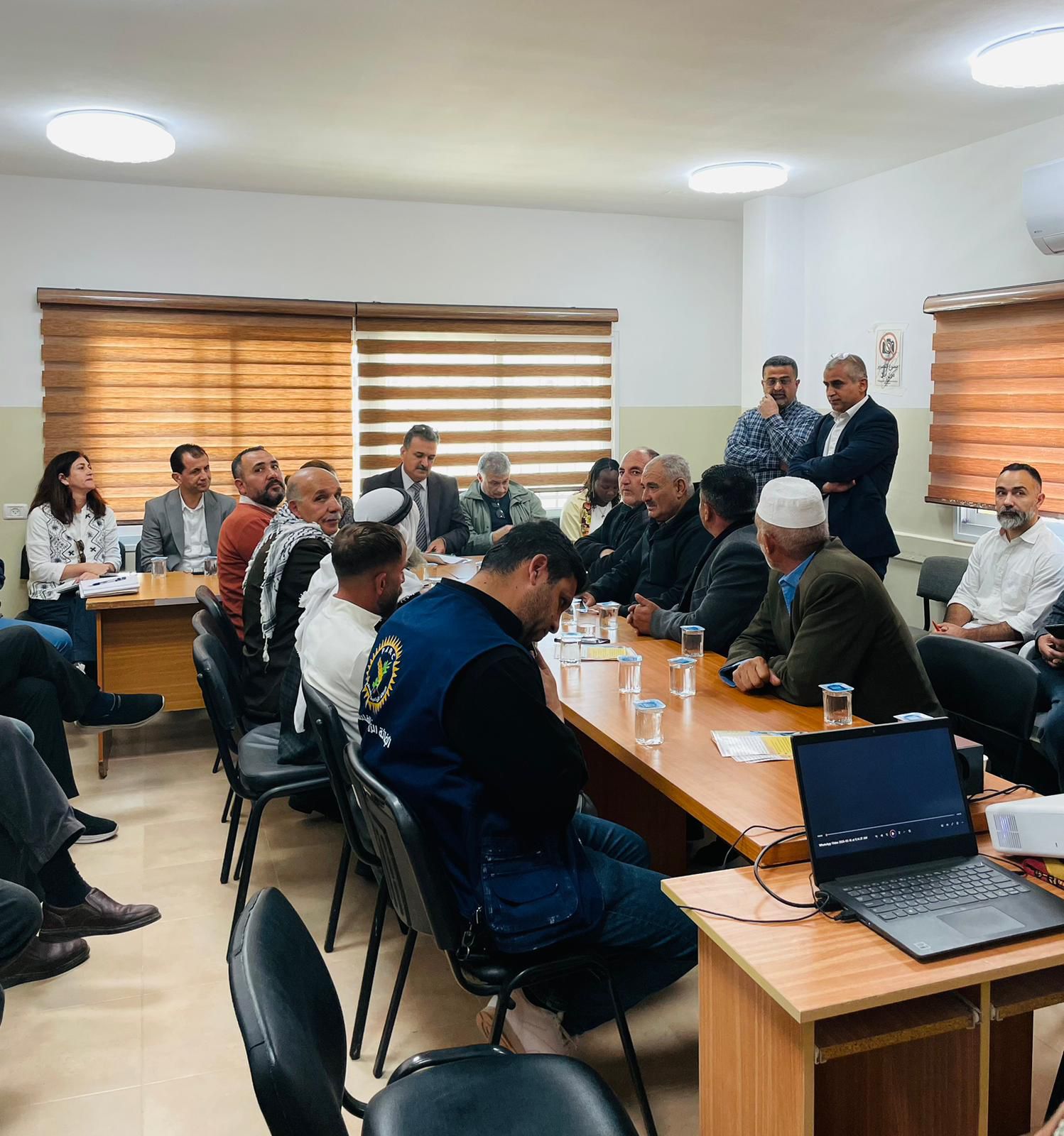
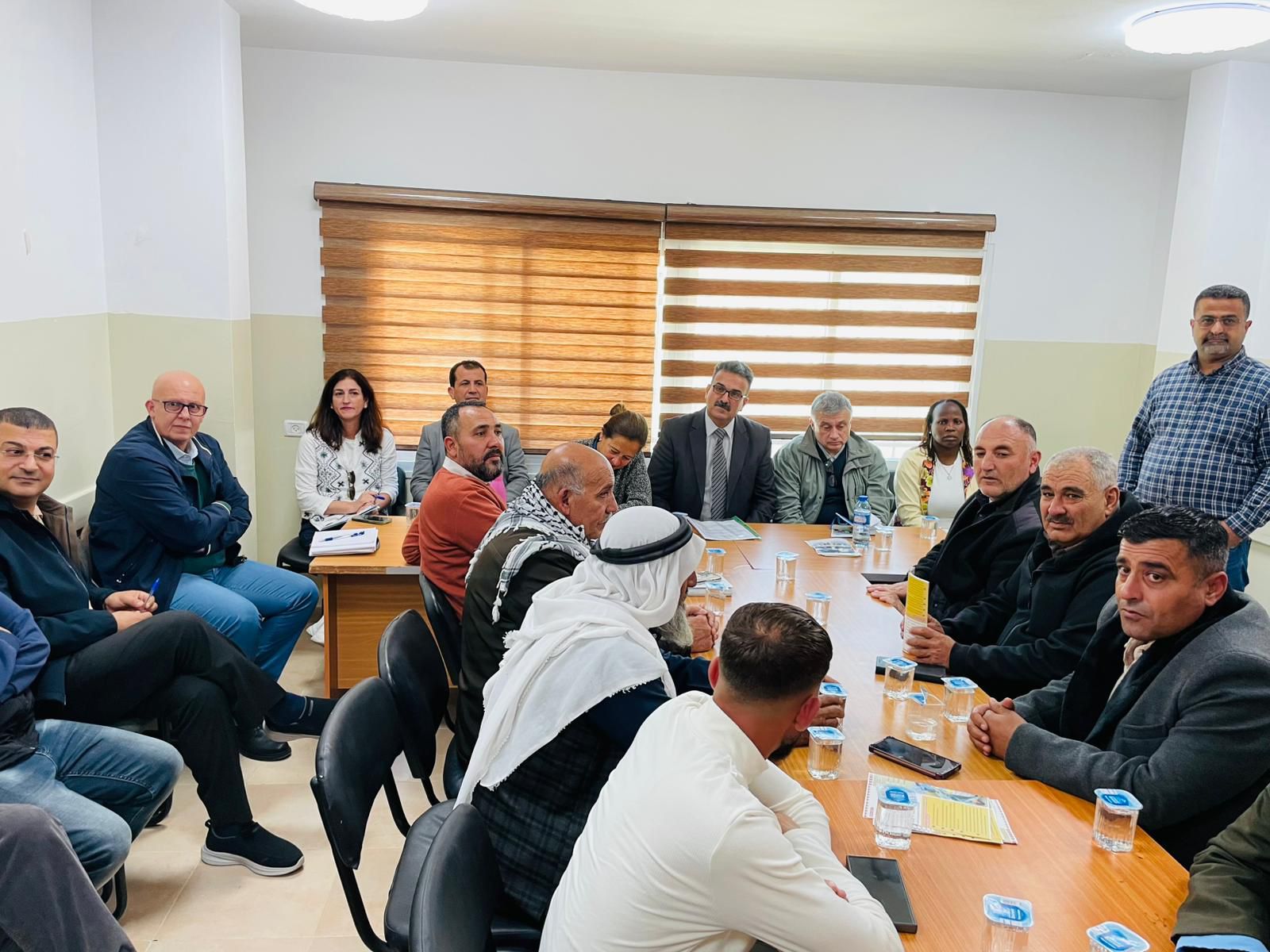
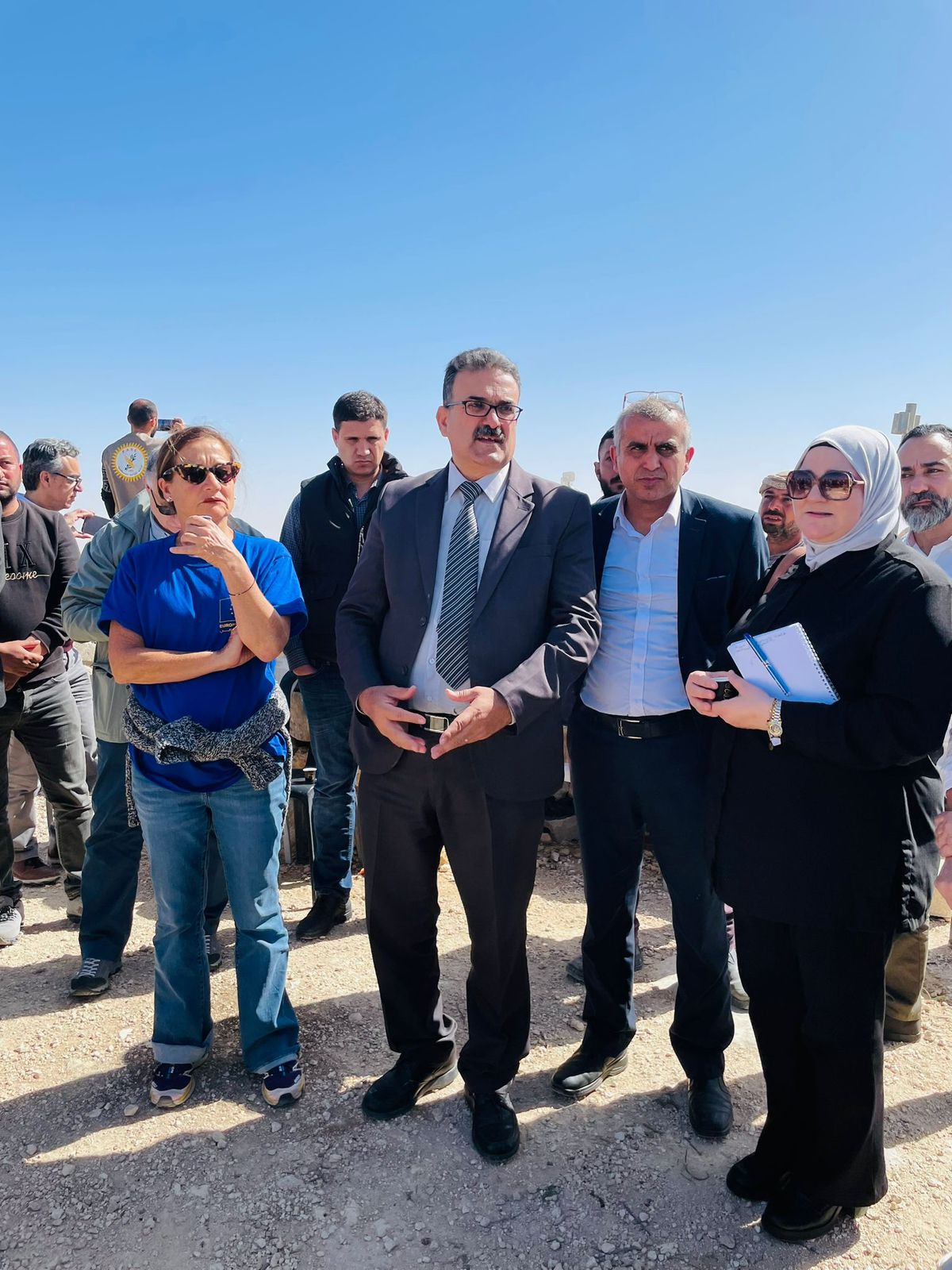
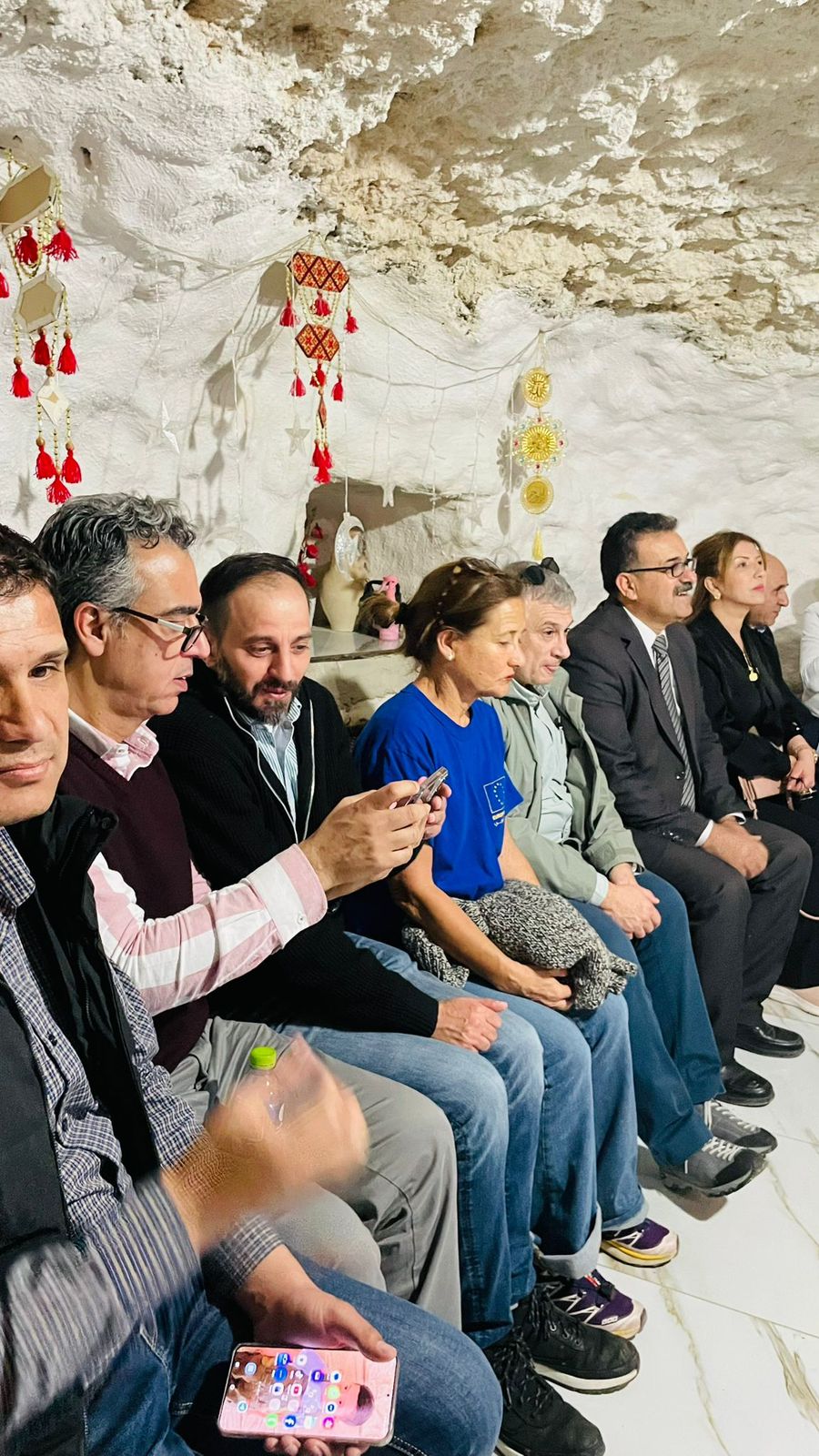
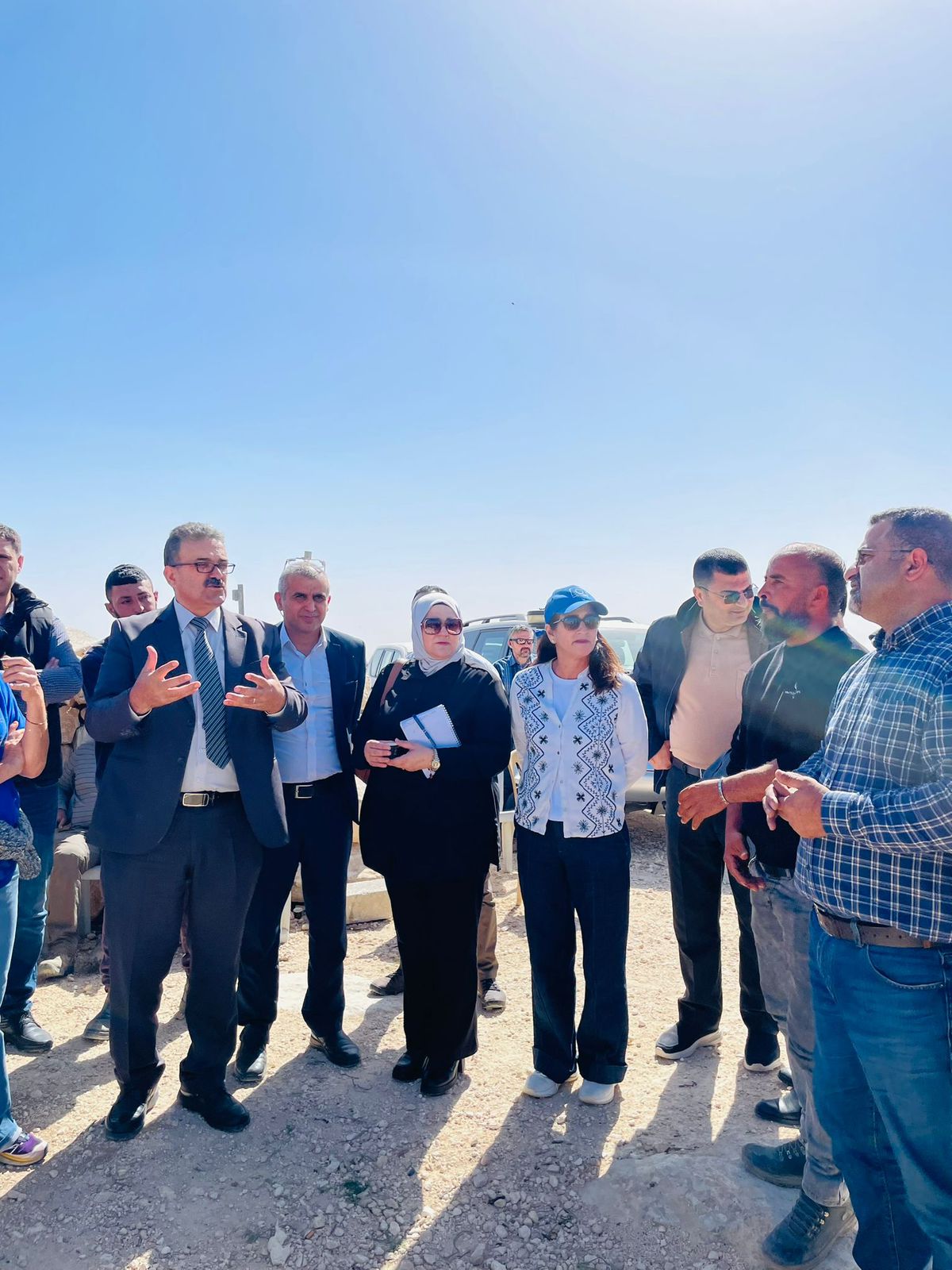
In line with the Palestinian government's efforts to protect the agricultural sector and strengthen the resilience of farmers on their land, the Palestinian Ministry of Agriculture, in cooperation with the Agricultural Sector Working Group, conducted an extensive field visit to the Masafer Yatta . Representatives from international partners, UN agencies, supporting organizations, and several Palestinian civil society organizations participated in the visit, which aimed to gain firsthand knowledge of the situation in the agricultural communities and assess their urgent needs. The tour began with a large meeting in the Tuwaneh Village Council hall, bringing together representatives of local councils, farmers, and community leaders. A comprehensive overview was presented of the living and agricultural conditions and the complex challenges facing rural communities, including the direct threat these pose to livelihoods and food security. A documentary film depicting the hardships and challenges faced by Palestinian farmers in the area was also screened.
In his address, Engineer Bader Al-Hawamdeh, Deputy Minister of the Ministry of Agriculture, representing the Minister of Agriculture, emphasized that this tour underscores the commitment of the Palestinian government and its partners to stand with Palestinian farmers during one of the most challenging periods the agricultural sector has ever faced. He noted that the escalating restrictions and attacks on communities in the area not only target agricultural production but also threaten social stability, the dignity of rural families, their ability to survive, and their livelihoods. He emphasized that supporting agriculture is a fundamental pillar for strengthening national resilience and food security, stressing the importance of enhancing coordination among partners, accelerating emergency responses, and prioritizing the water, livestock, and agricultural infrastructure sectors, in line with national priorities and agricultural initiatives. He also commended the role of international institutions and supporting partners in assisting the Palestinian agricultural sector, affirming that effective partnership and joint field work are essential for bolstering farmers' resilience.
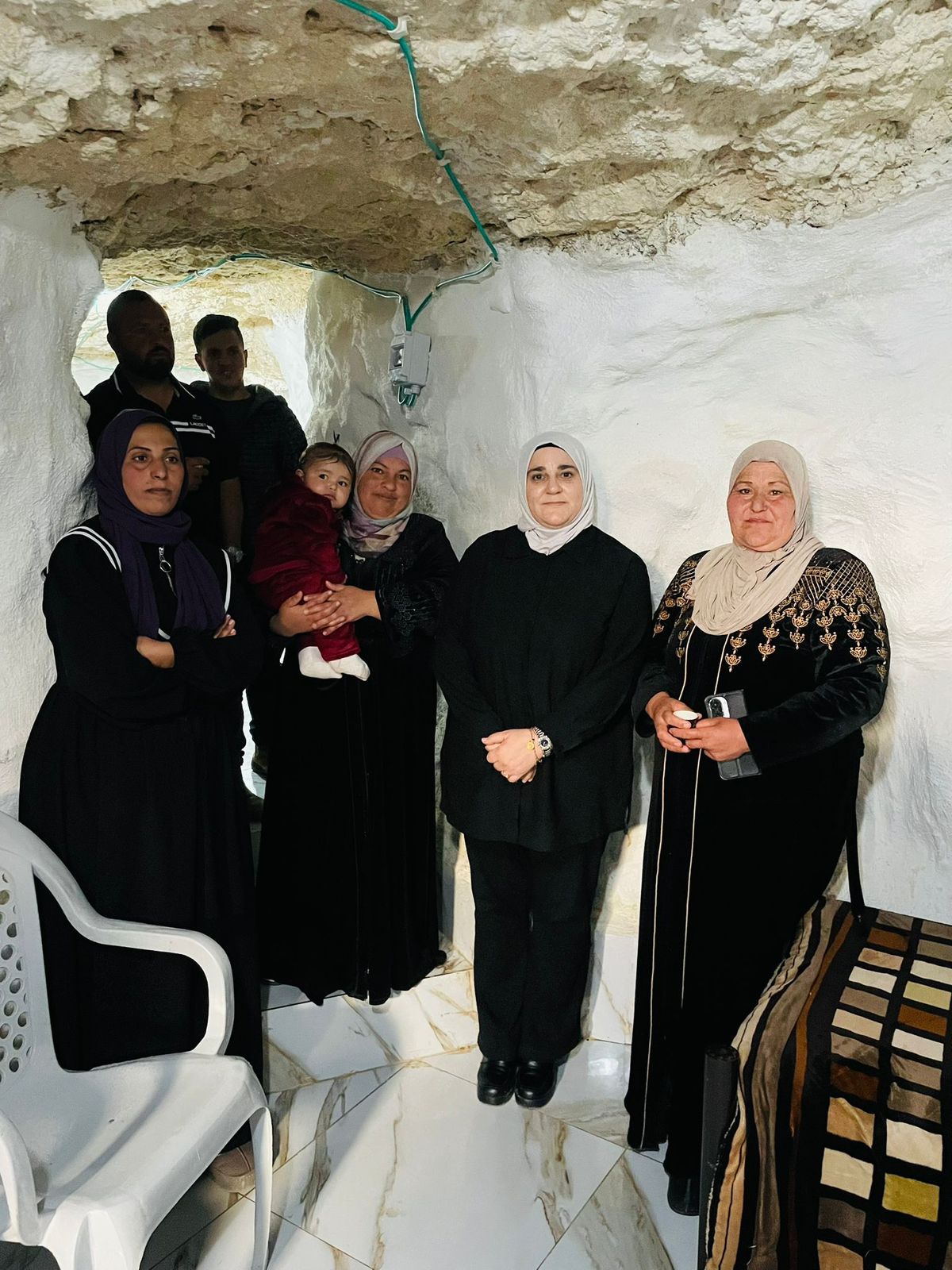
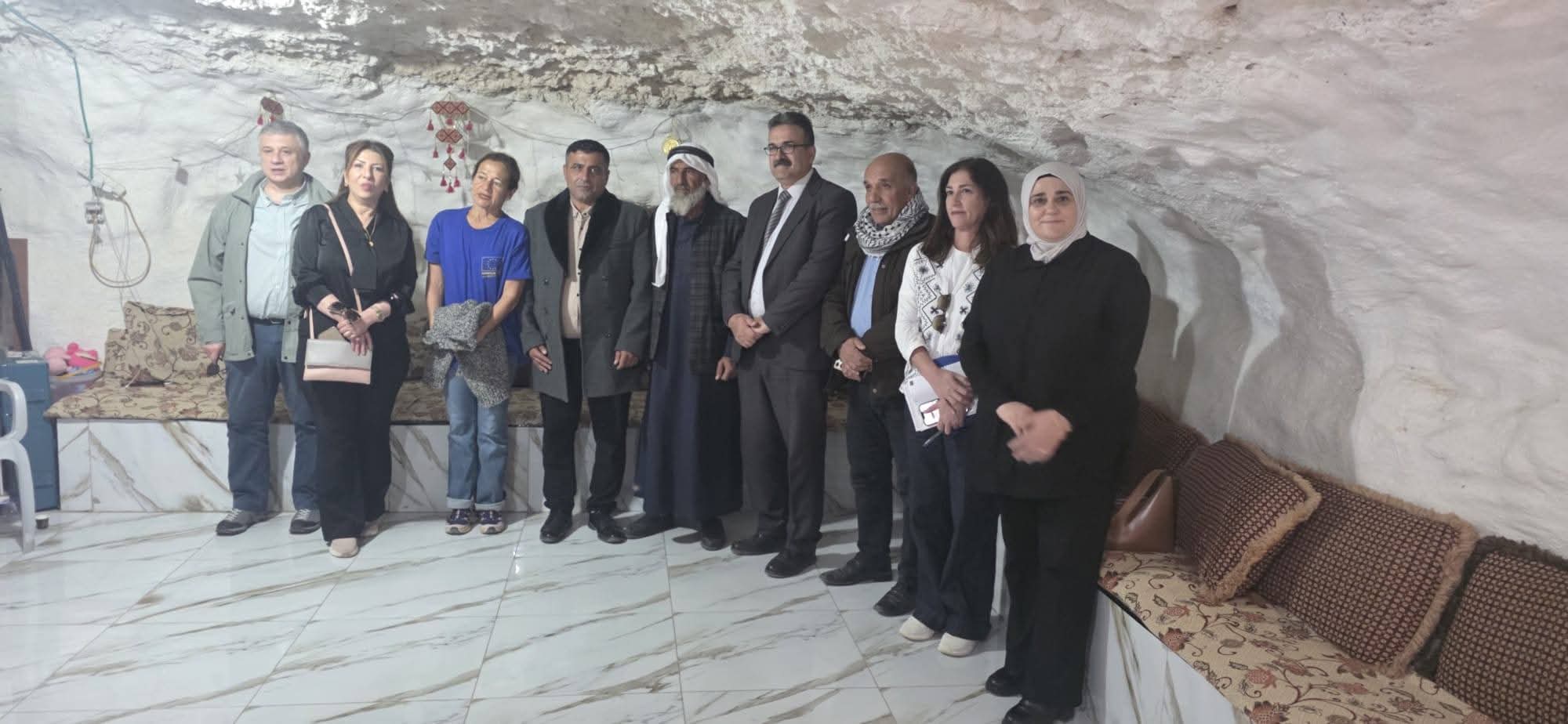
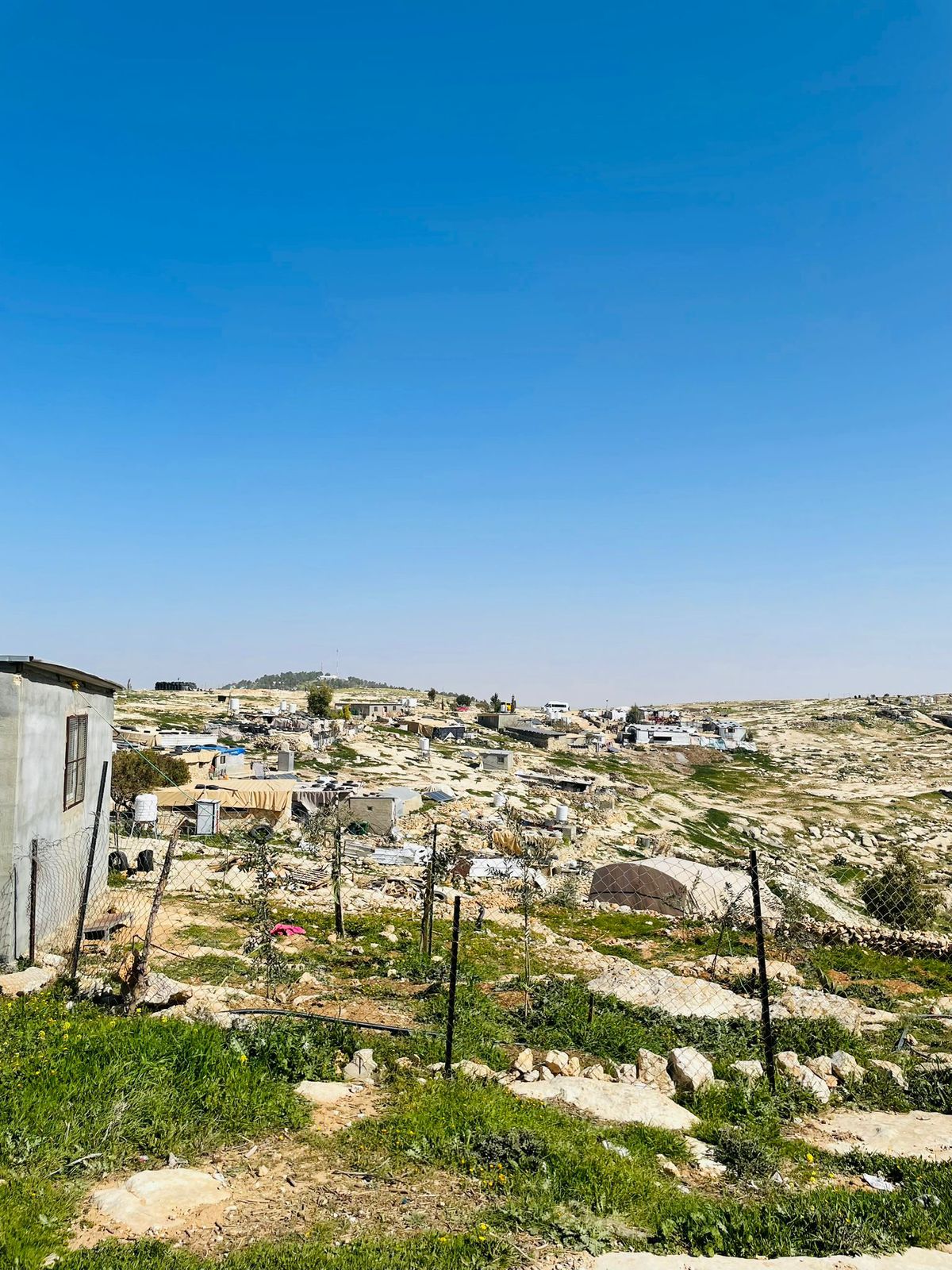
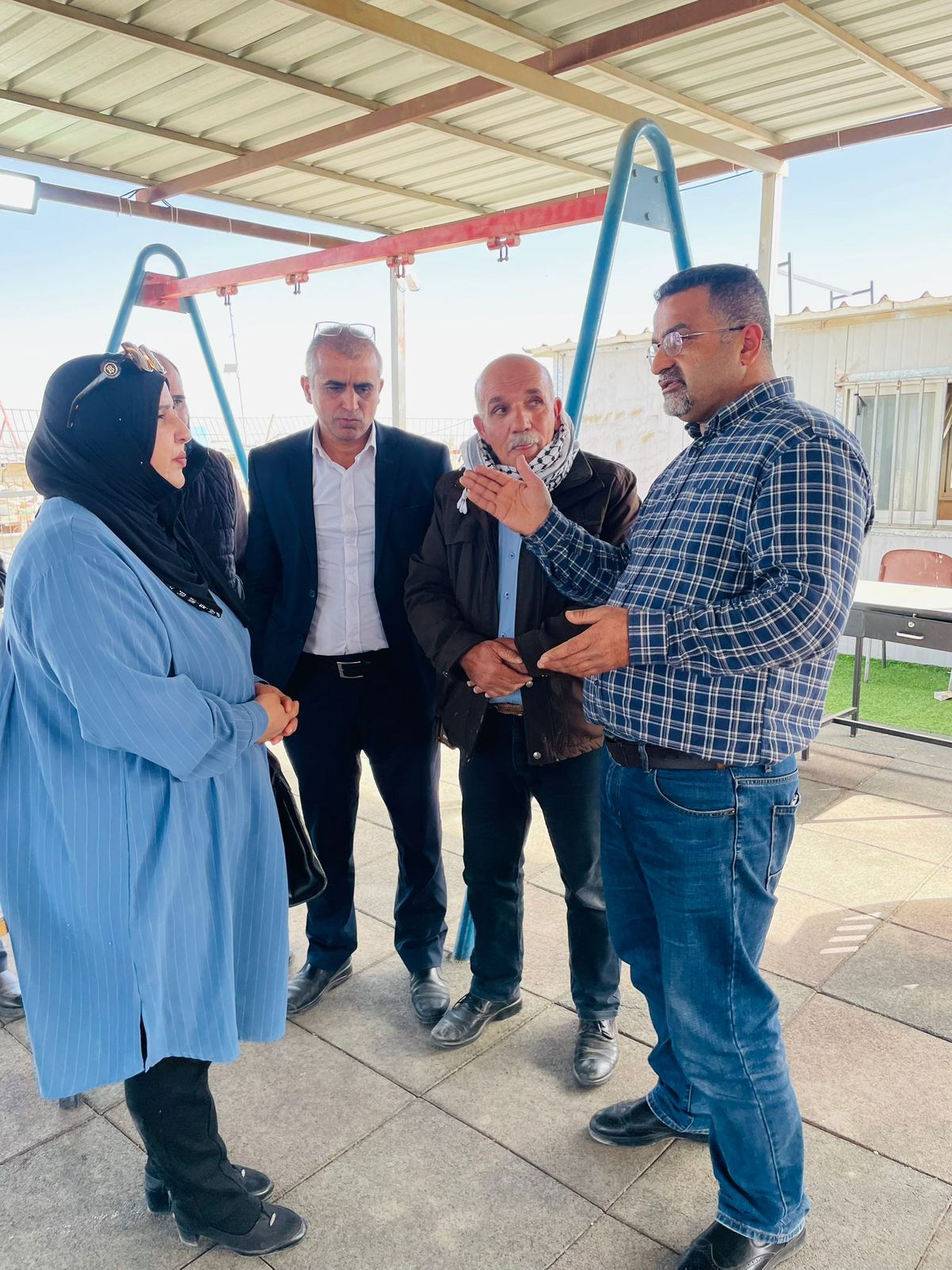
During the tour, the delegation visited several agricultural communities, where they witnessed firsthand the extent of the damage and the daily challenges faced by residents. In the village and hamlet of Al-Mufaqara, the delegation heard firsthand accounts of attacks targeting trees, crops, and livestock, as well as the prevention of access to land and pastures and the sabotage of water lines. This has exacerbated the economic burdens on farmers and threatened the continuity of their agricultural livelihoods. The residents are simply demanding their natural right to access their land and water and to continue farming and grazing, emphasizing that the farmers' resilience now hinges on urgent interventions to protect them and support their survival. At another stop, the heads of the local councils in Tuwaneh, Susya, Al-Musafer, Munizel, and Al-Basayta unanimously agreed that the proliferation of pastoral settlements surrounding their communities has severely restricted farmers and herders, preventing them from accessing their grazing lands. They also cited repeated attacks on property and livestock, emphasizing that the communities live under constant daily pressure despite the residents' steadfastness on their land. In Khirbet al-Daba', Jaber al-Dababseh, a farmer from the community, described the impact of demolitions on residents' homes, properties, grazing lands, agricultural lands, and the grazing reserve established in their area. He explained how this has forced residents to resort to living in ancient caves due to the restrictions imposed on their livelihoods, noting that this resilience requires tangible support to preserve people's dignity and enable them to continue their lives.
In Khirbet Umm al-Khair, Khalil Hadhaleen explained that the community suffers from a de facto siege due to its encirclement by settlements. This siege is accompanied by the uprooting of trees, the theft of property, demolition orders, and the destruction of buildings and infrastructure, making living conditions extremely harsh. He emphasized that the repeated attacks and the denial of access to land and grazing areas have led to a significant increase in feed costs and a decline in livestock farming, threatening one of the most important sources of income for families. He stressed that supporting the livestock sector directly impacts the resilience of these communities.
Based on the field observations in Masafer Yatta, which serves as a model for all pastoral and livestock communities in Palestine, the Ministry of Agriculture and the Agricultural Sector Working Group affirmed that the next phase requires urgent and coordinated action. This action should focus on strengthening the protection of agricultural communities from settler attacks, providing direct support to families to bolster their resilience, intensifying the urgent response to humanitarian and agricultural needs, and implementing integrated programs to enhance food and water security, support livestock, and develop agricultural infrastructure. The Ministry emphasized that the results of this tour will form the basis for a joint intervention plan with international and local partners. This plan will translate field needs into practical programs that protect farmers' livelihoods, support their right to remain, produce, and cultivate their land, thereby strengthening the stability of rural communities and preserving agriculture's role as a pillar of resilience and development.
It is worth noting that the tour was conducted with the participation of the Assistant Undersecretaries for Planning and Administration, Ahmed Zakarna; Natural Resources, Hussam Talib; Aid and Insurance, Adiba Musleh; and the Economic Sector, Tariq Abu Laban; as well as the Director General of Veterinary Services, Iyad Al-Adra; the Director General of Planning, Maram Sawalha; the Director General of International Relations, Mahmoud Fatafta; the Director of Agriculture and Veterinary Services in Yatta, Iyad Farajallah; and a number of the Directorate's staff. Anis Abu Sheikha and Ali Karakra from the Local Aid Coordination Secretariat were also present.