Notification
حظر استيراد كافة أنواع الطيور الحية الداجنة والبرية وطيور الزينة وبيض التفقيس والصيصان عمر يوم ومخلفاتها الغير معاملة حراريا من تركيا ولحين استقرار الوضع الصحي

Ramallah: June 29, 2026
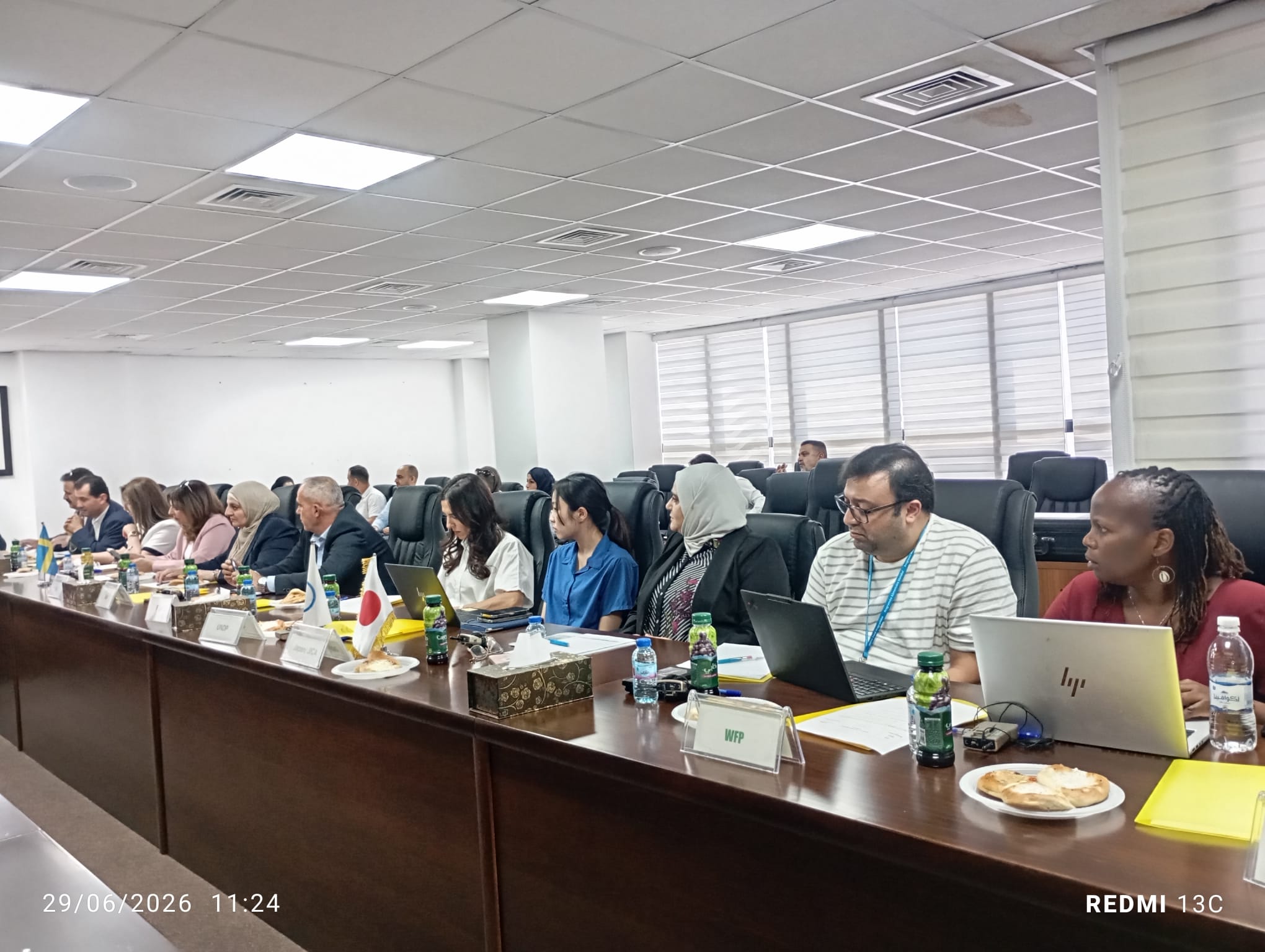
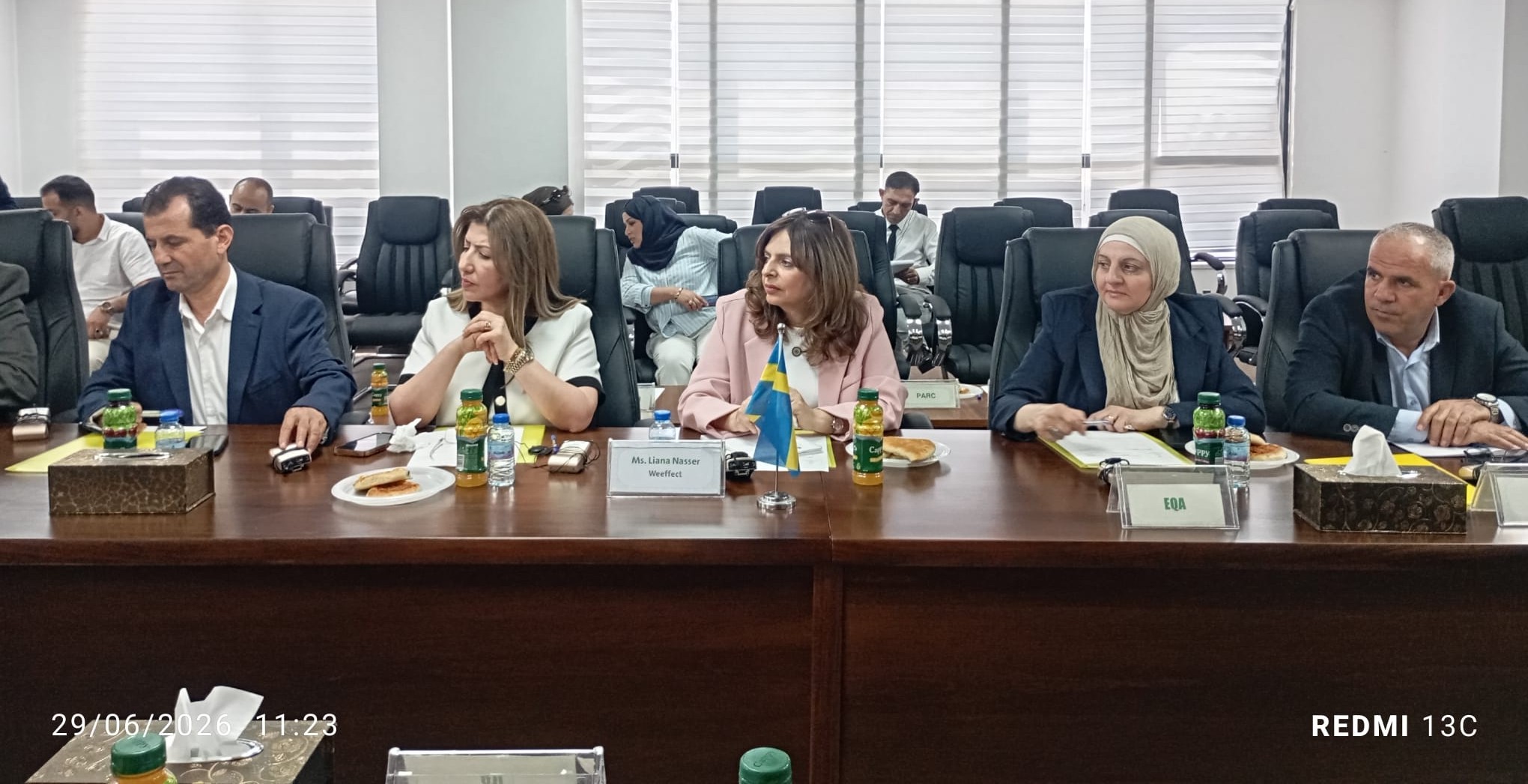
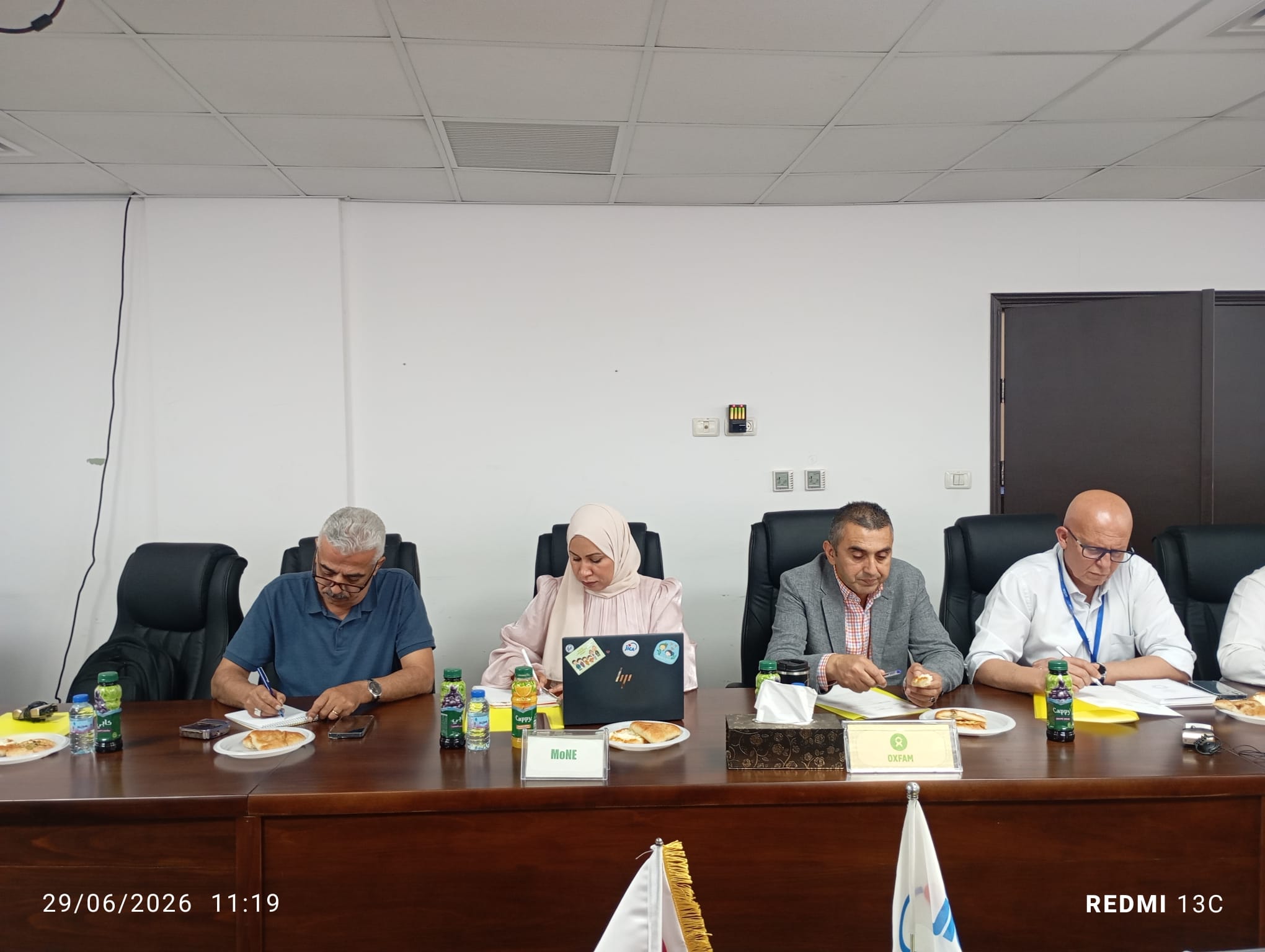
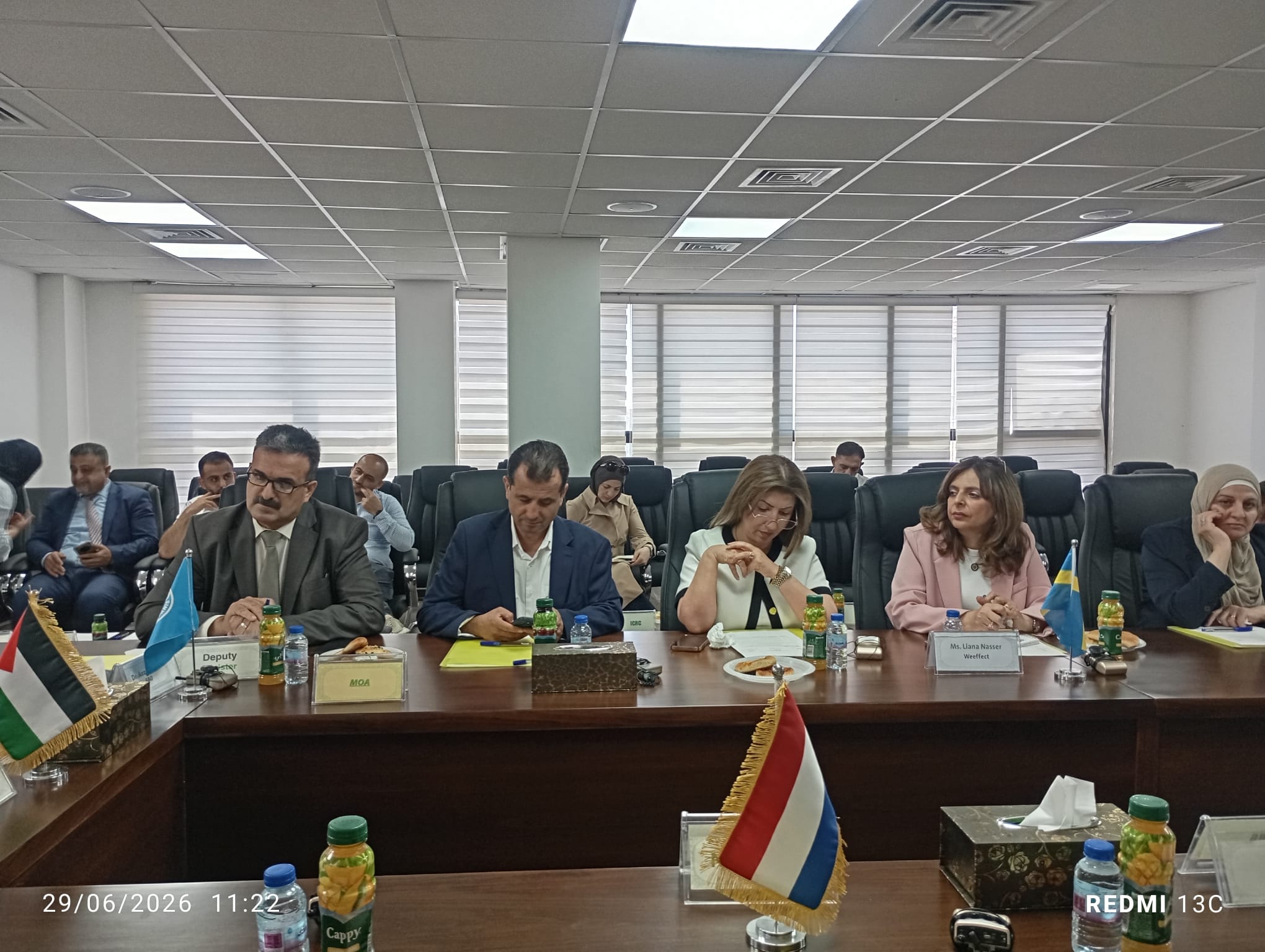
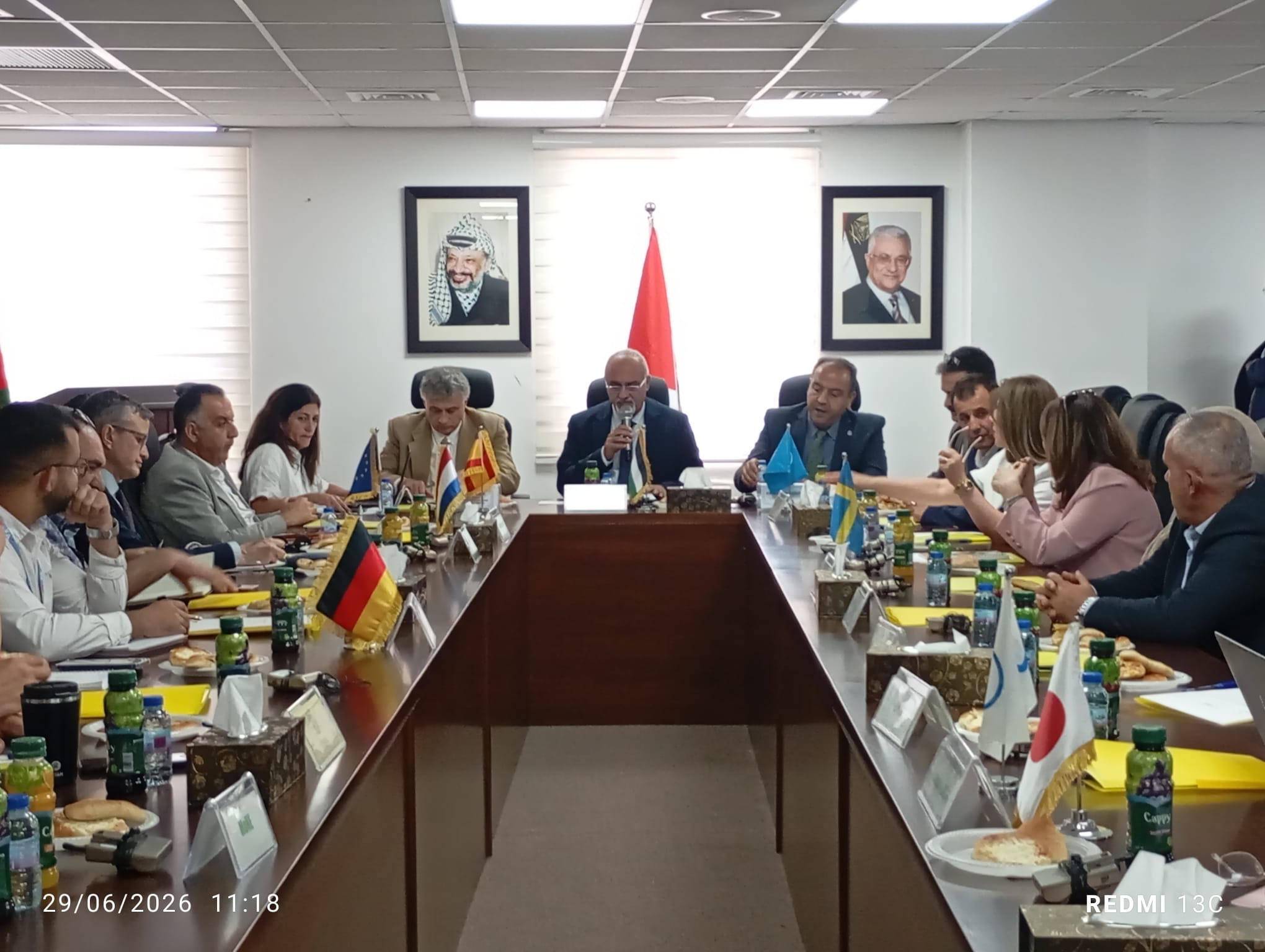
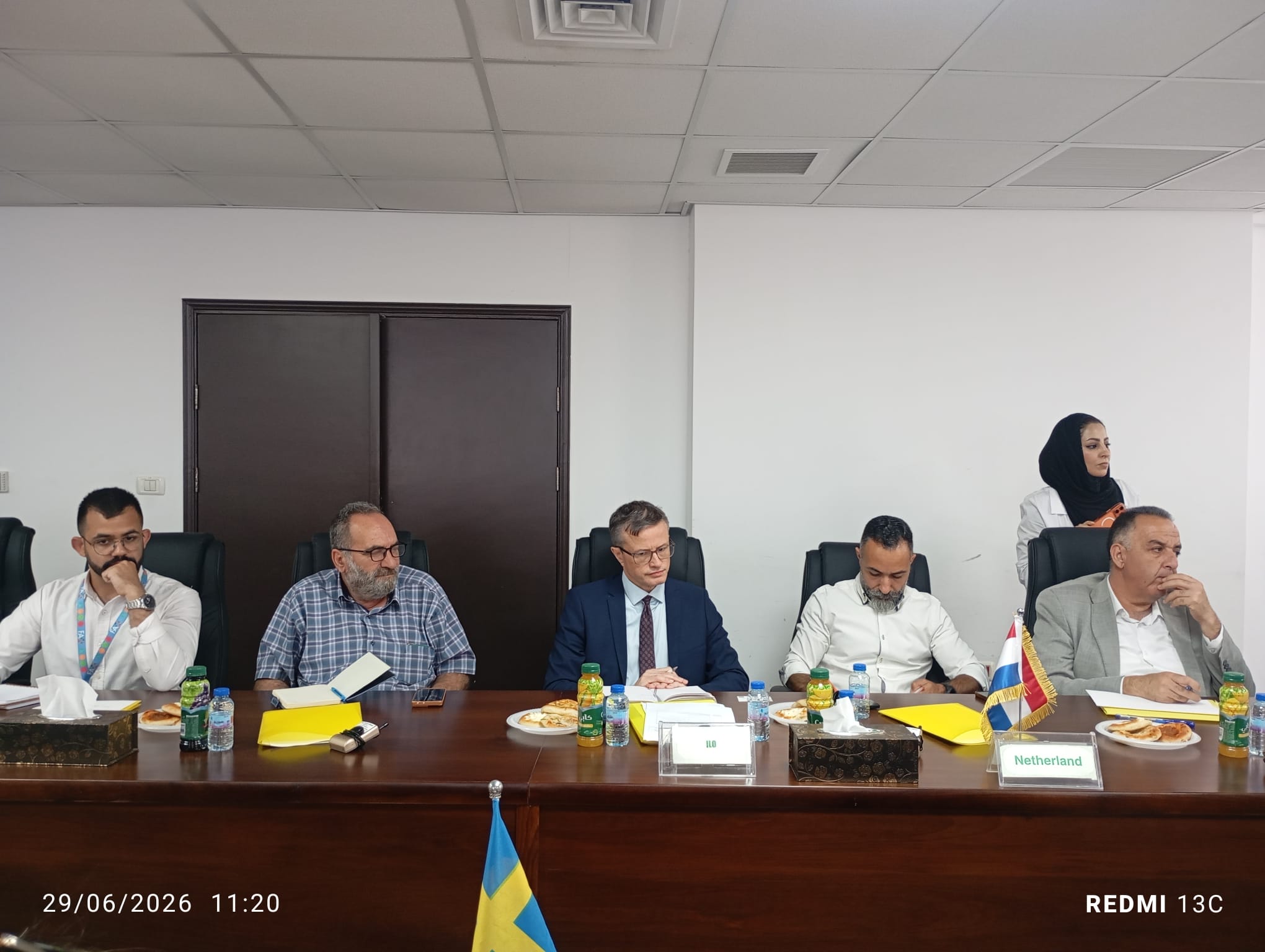
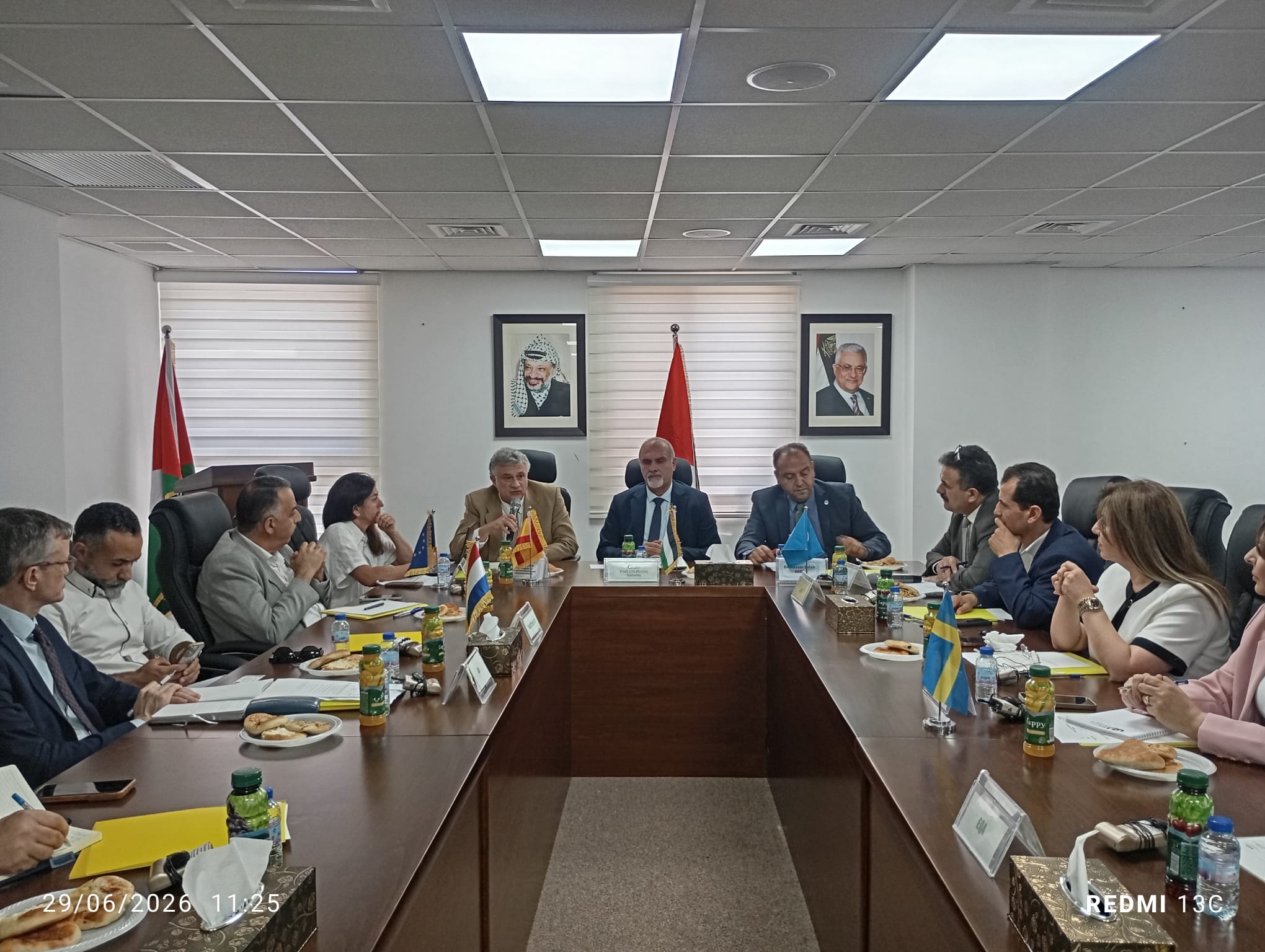
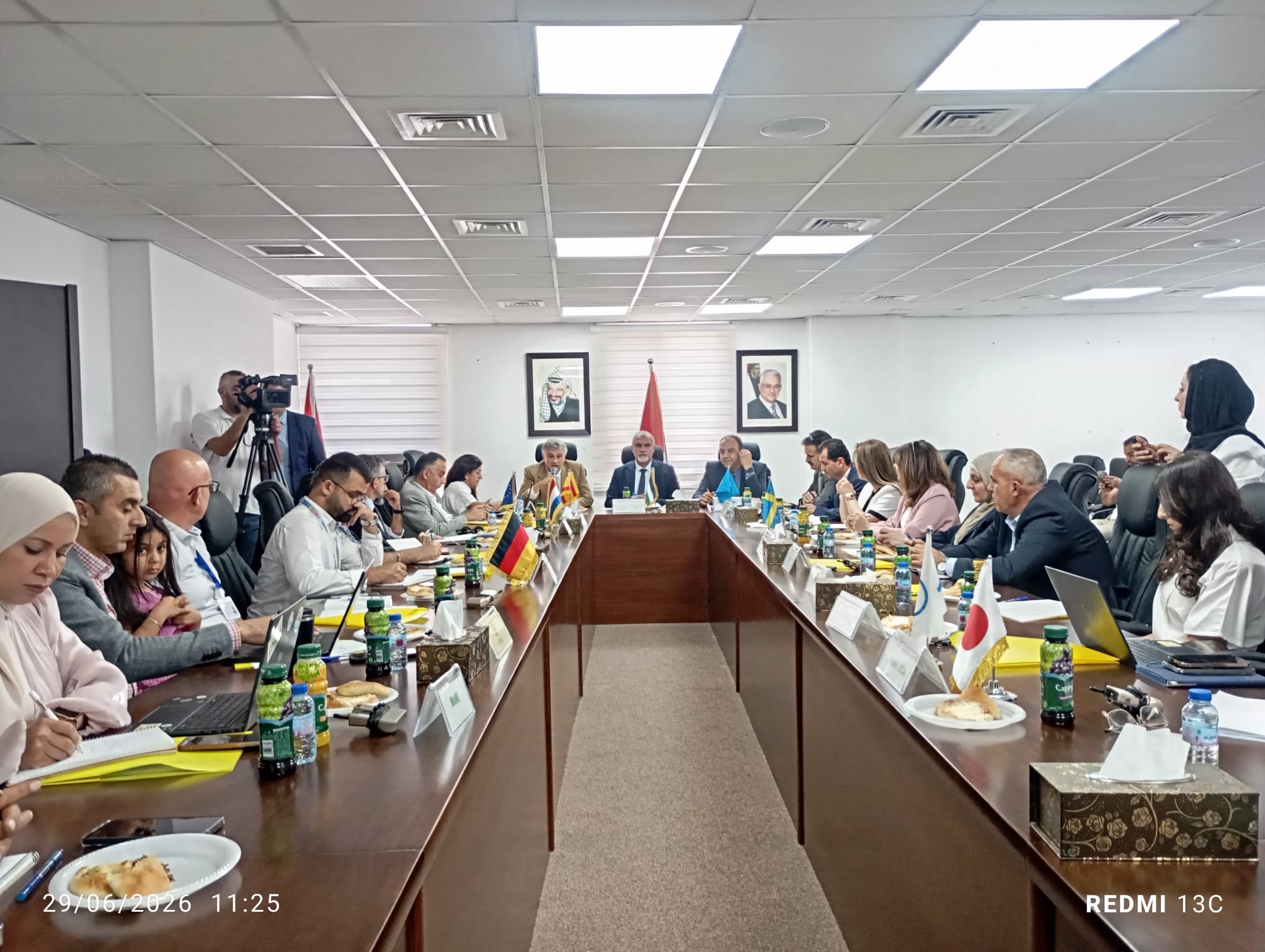
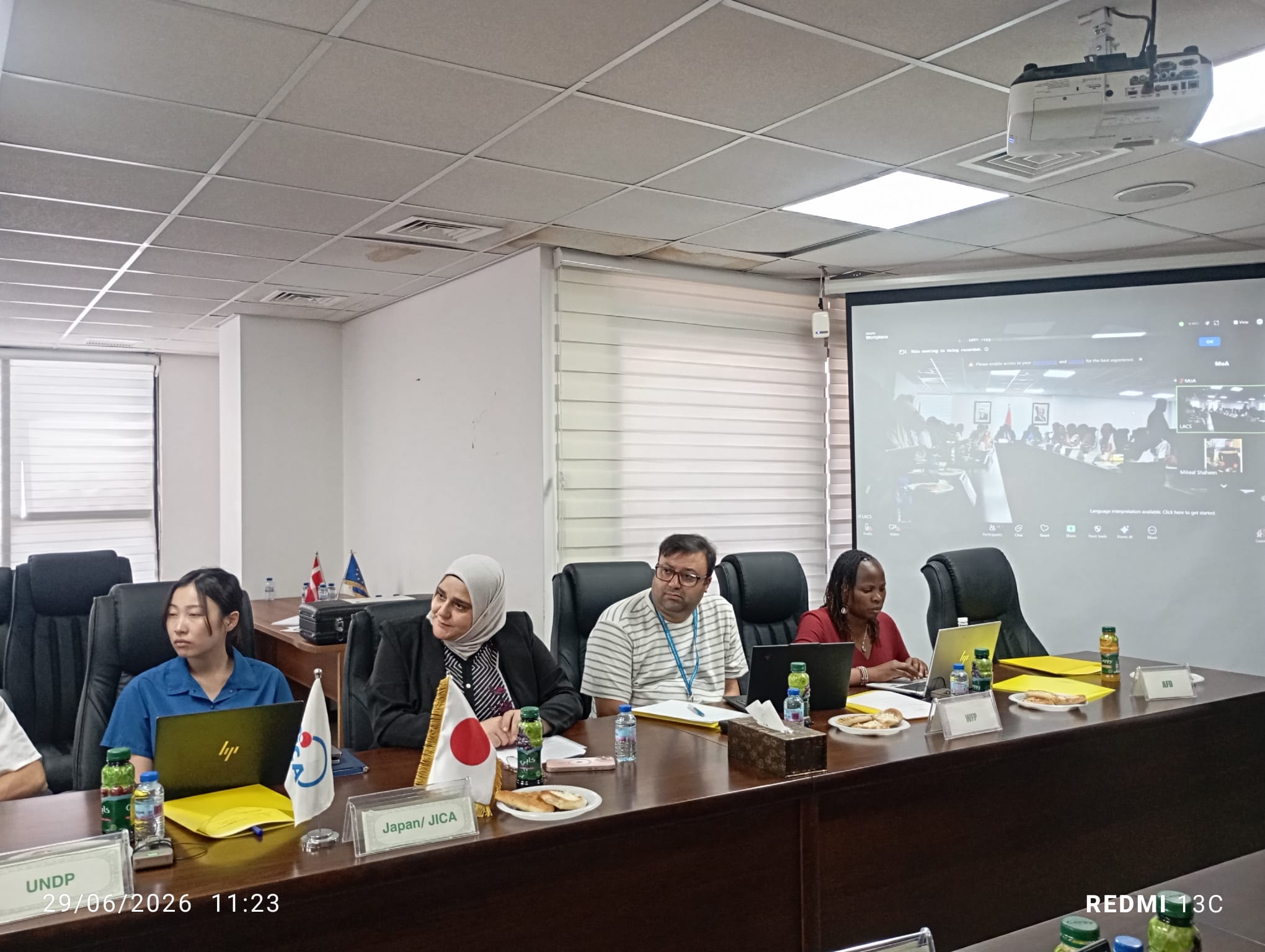
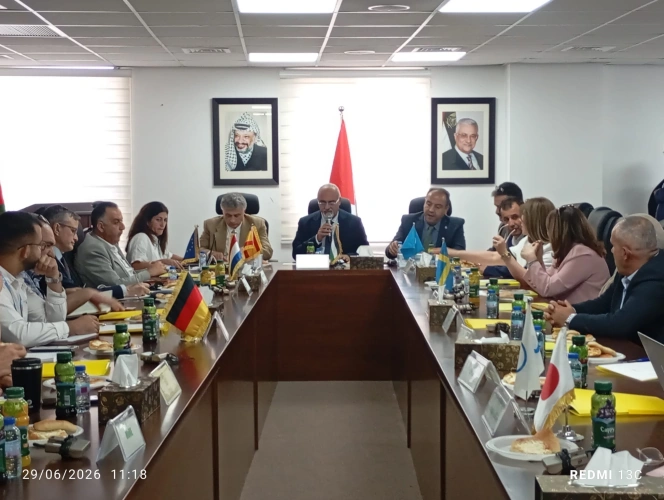
The Ministry of Agriculture affirmed that the current stage requires strengthening strategic coordination between the government, development partners, and donors, and unifying efforts in line with national priorities to ensure a more effective response to the challenges facing the Palestinian agricultural sector. This came during a meeting of the Agriculture Sector Working Group (ASWG), held by the Ministry on Monday at its headquarters in Ramallah, in coordination with the Office for the Coordination of International Aid (LACS) at the Ministry of Finance and Planning. The meeting was chaired by the Minister of Agriculture, Professor Rizq Slaimiya, and included representatives of international institutions, donors, and development partners. Minister Slaimiya opened the meeting by welcoming partners and donors, emphasizing that Palestinian agriculture is no longer merely a productive sector, but a fundamental pillar of national resilience, a source of livelihoods, and one of the most important foundations of food security and stability. He noted that the meeting, which is held periodically, aims to review the most significant developments and challenges the agricultural sector has faced over the past six months and to discuss work priorities for the next phase, ensuring that partners' interventions align with the national strategy and achieve a greater impact for farmers and rural communities.
Slaimiya stressed that the Palestinian agricultural sector is experiencing a profound and multifaceted crisis that extends beyond production losses to encompass the food security system and livelihoods. He explained that approximately 3.6 million Palestinians are in need of assistance, including 2.1 million in Gaza Strip and 1.5 million in the West Bank, including Jerusalem. He also noted that losses in the agricultural sector in Gaza Strip have exceeded $1.4 billion, with approximately 75% of agricultural land damaged and more than half of greenhouses destroyed. This is in addition to the severe damage inflicted on irrigation networks, wells, livestock infrastructure, and the fishing sector. Meanwhile, farmers in the West Bank face increasing restrictions on access to land and water, rising production costs, and frequent settler attacks targeting agricultural land and livestock.
The Minister outlined the Ministry's vision for the next phase, which is based on seven strategic priorities. These include strengthening national coordination and leadership; rehabilitating the agricultural sector in Gaza Strip as part of reconstruction efforts; supporting farmers and restoring productive capacity; developing the livestock sector through the implementation of the national livestock identification and registration system; expanding animal health programs; empowering small farmers, women, and youth; ensuring the sustainable management of natural resources; and strengthening agricultural value chains and agro-processing, thereby contributing to enhanced food security and sustainable economic development. Slaimiya stressed that the next phase requires moving beyond mere information exchange to joint planning and collective decision-making. This will ensure the mobilization and allocation of resources according to national priorities and enhance the agricultural sector's capacity to recover and meet challenges. He emphasized that investing in agriculture is an investment in resilience, food security, and economic stability.
The meeting included remarks from representatives of the Spanish Agency for International Development Cooperation (AECID) and the Food and Agriculture Organization of the United Nations (FAO), who affirmed their continued support for the Ministry of Agriculture. They also stressed the importance of strengthening coordination among partners and aligning interventions with national priorities to protect farmers' livelihoods, revitalize the agricultural sector, and bolster food security and rural development.
The meeting concluded with an extensive discussion session addressing work priorities for the next phase and mechanisms for enhancing coordination and resource mobilization. This aims to ensure that partner interventions are aligned with national priorities, achieve a more effective response to the needs of the Palestinian agricultural sector, and strengthen farmers' resilience and the sustainability of agricultural development.