Notification
حظر استيراد كافة أنواع الطيور الحية الداجنة والبرية وطيور الزينة وبيض التفقيس والصيصان عمر يوم ومخلفاتها الغير معاملة حراريا من تركيا ولحين استقرار الوضع الصحي

Nablus: October 4, 2026
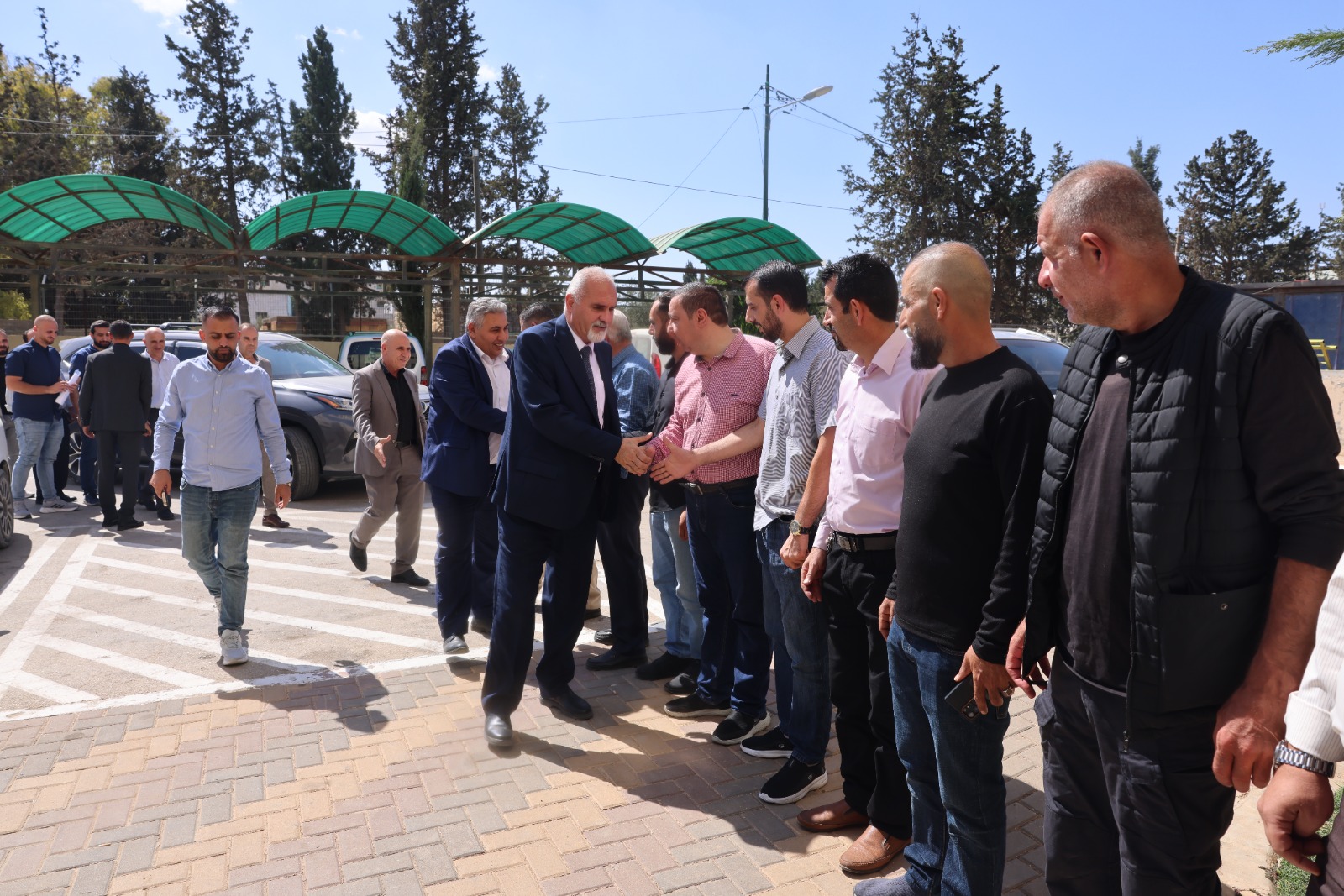
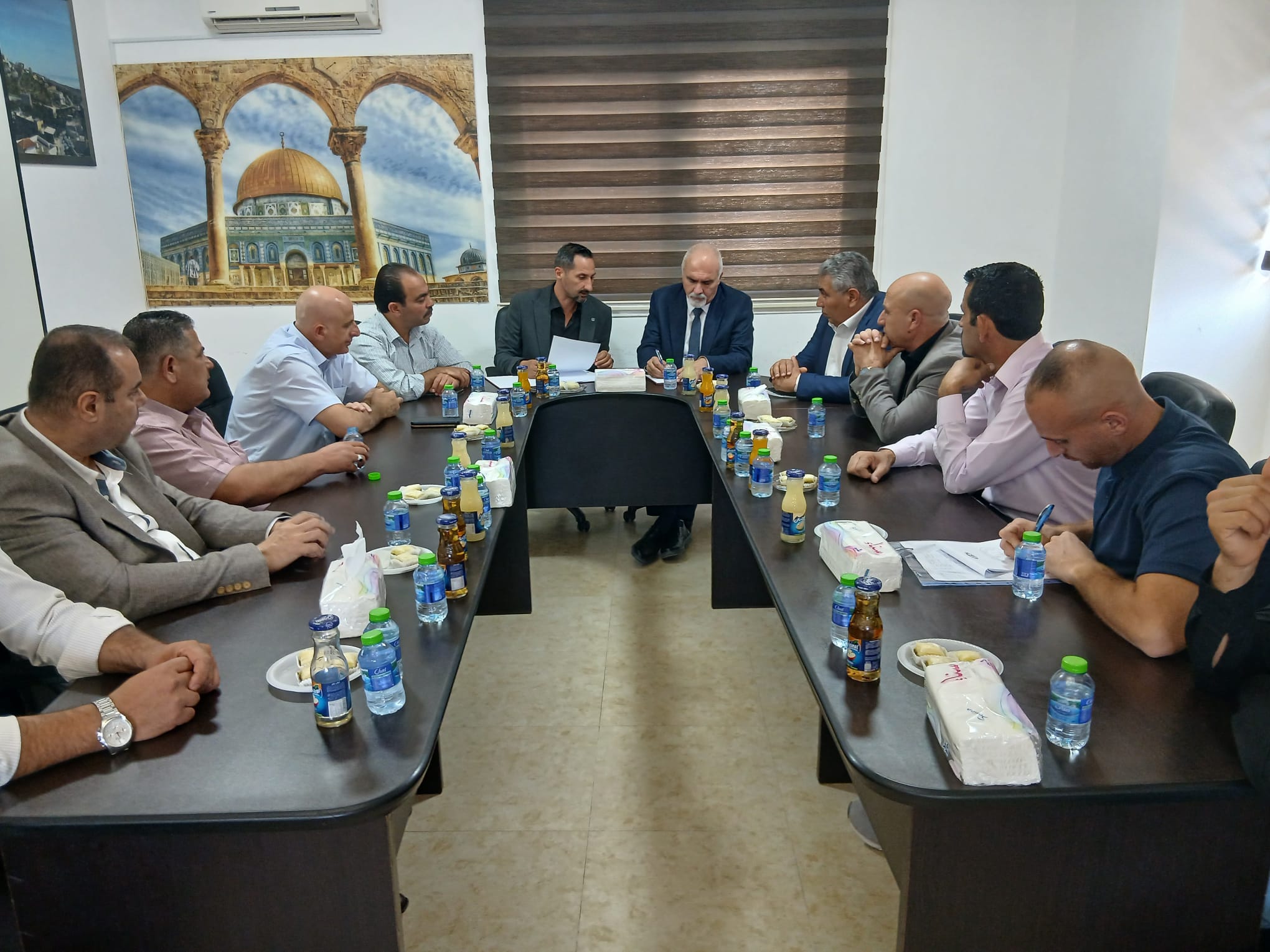
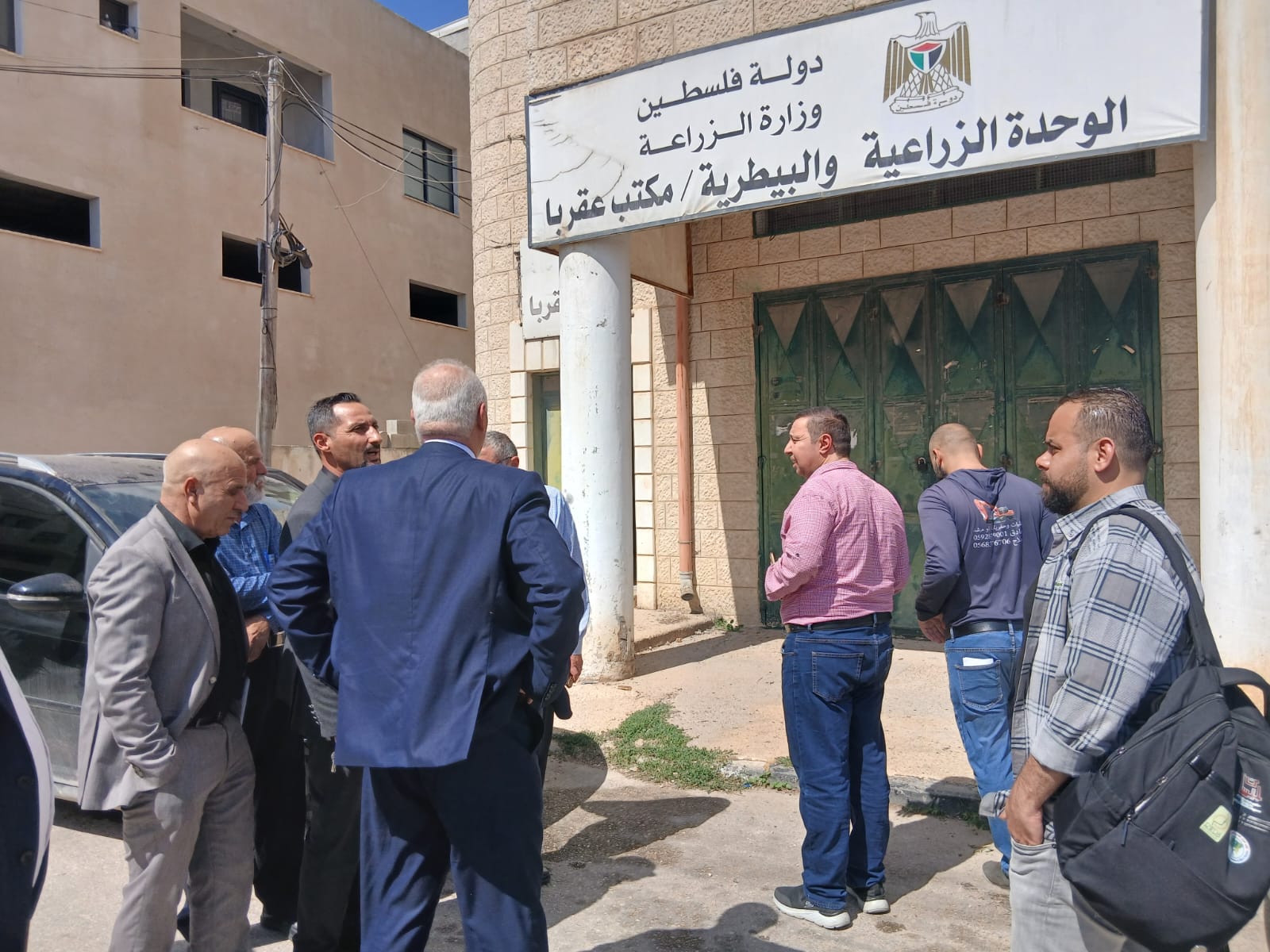
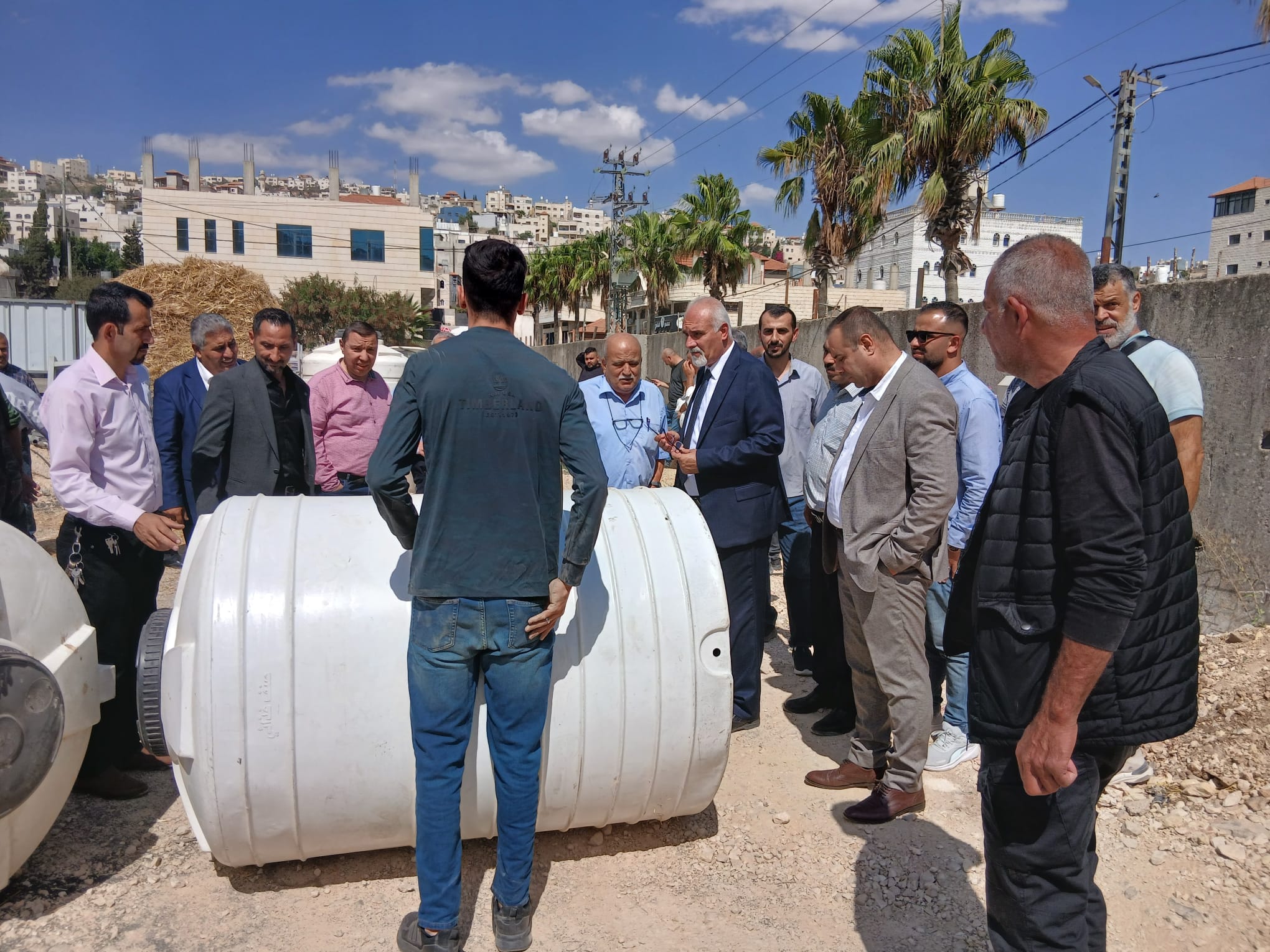
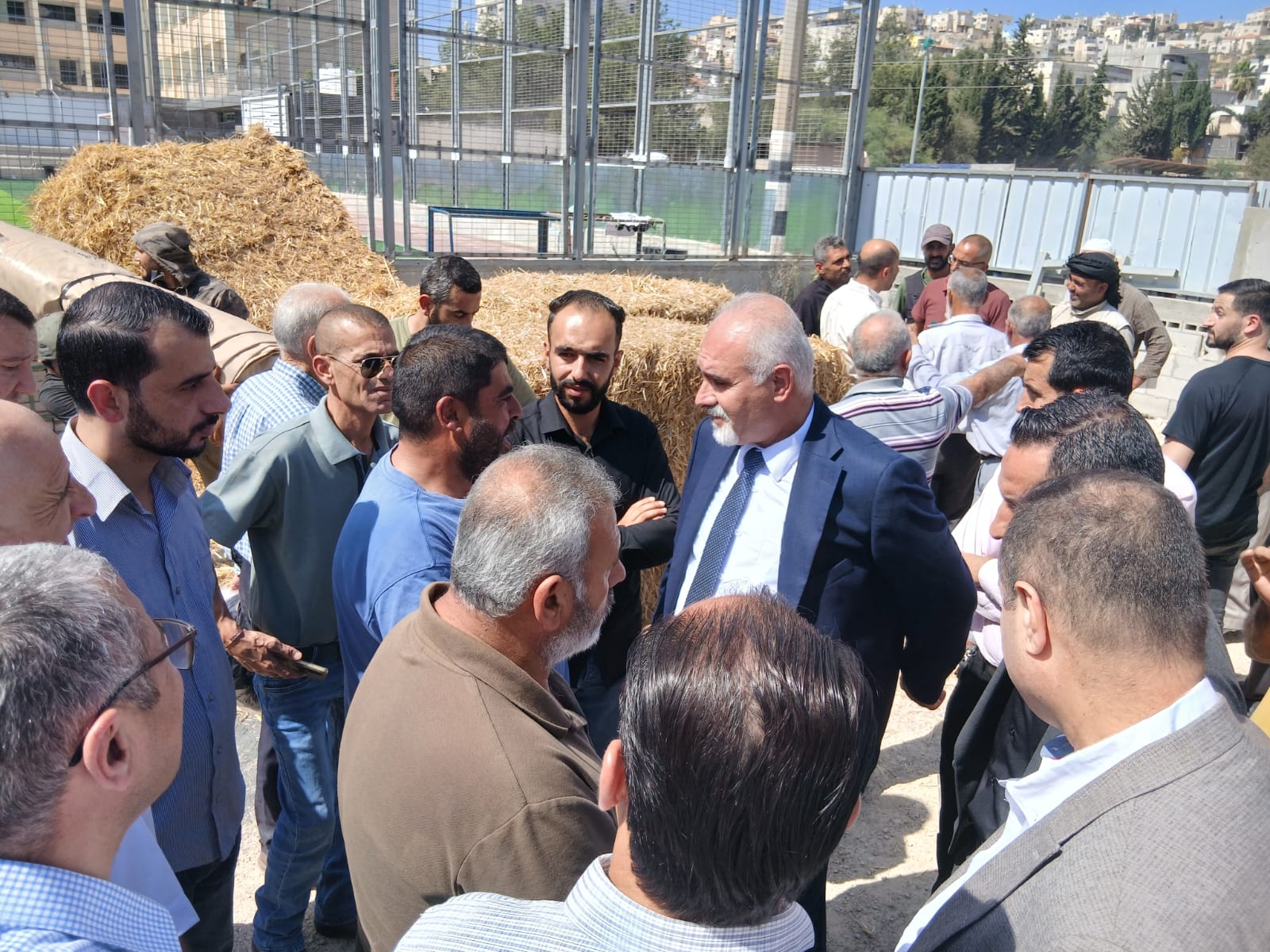
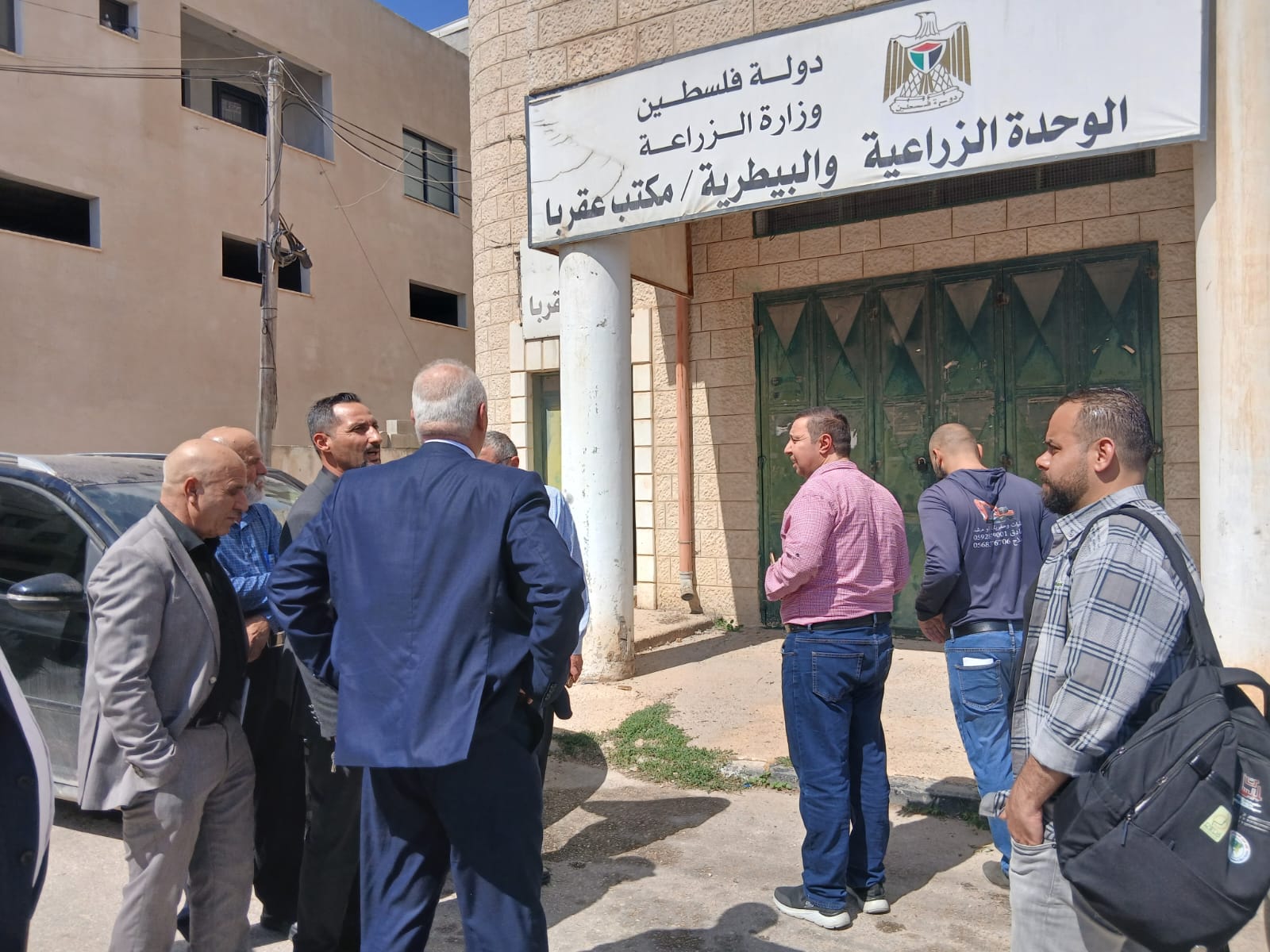
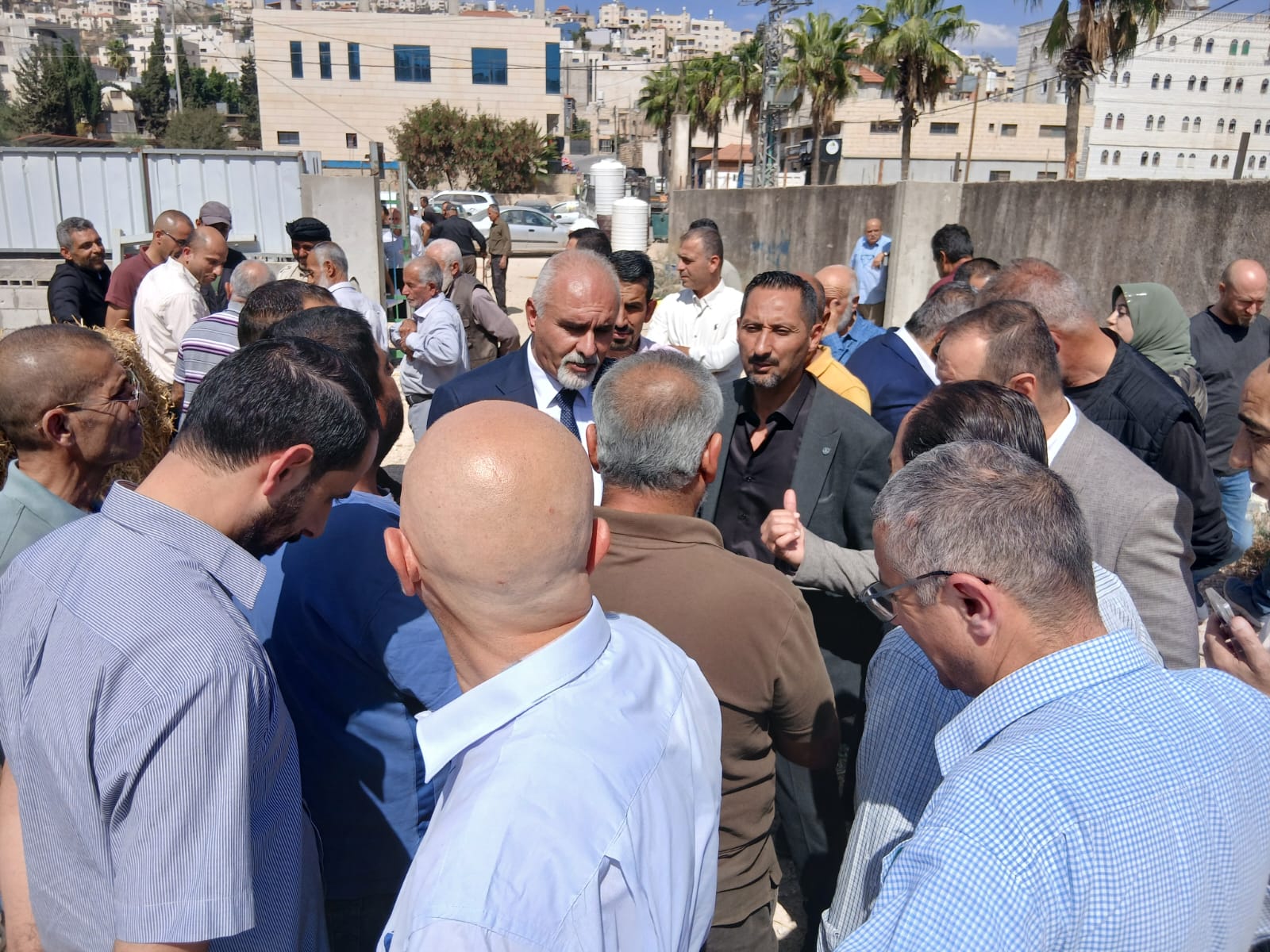
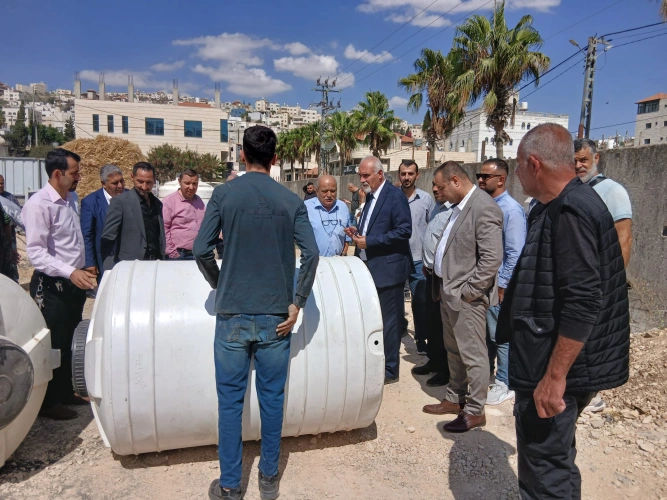
Minister of Agriculture Professor Rizq Slaimiya held a meeting today with Aqraba Mayor Salah Al-Din Jaber and members of the municipal council. The meeting was attended by local institutions and community representatives, as well as an accompanying delegation that included the Assistant Undersecretary for the Technical Sector, the Assistant Undersecretary for Administration and Planning, the Minister’s Advisor for Governorate Affairs, the Director General of Agriculture of Nablus Directorate, and the Director of the Aqraba Agriculture Office. The discussion focused on the needs of the agricultural sector and ways to improve services provided to farmers.
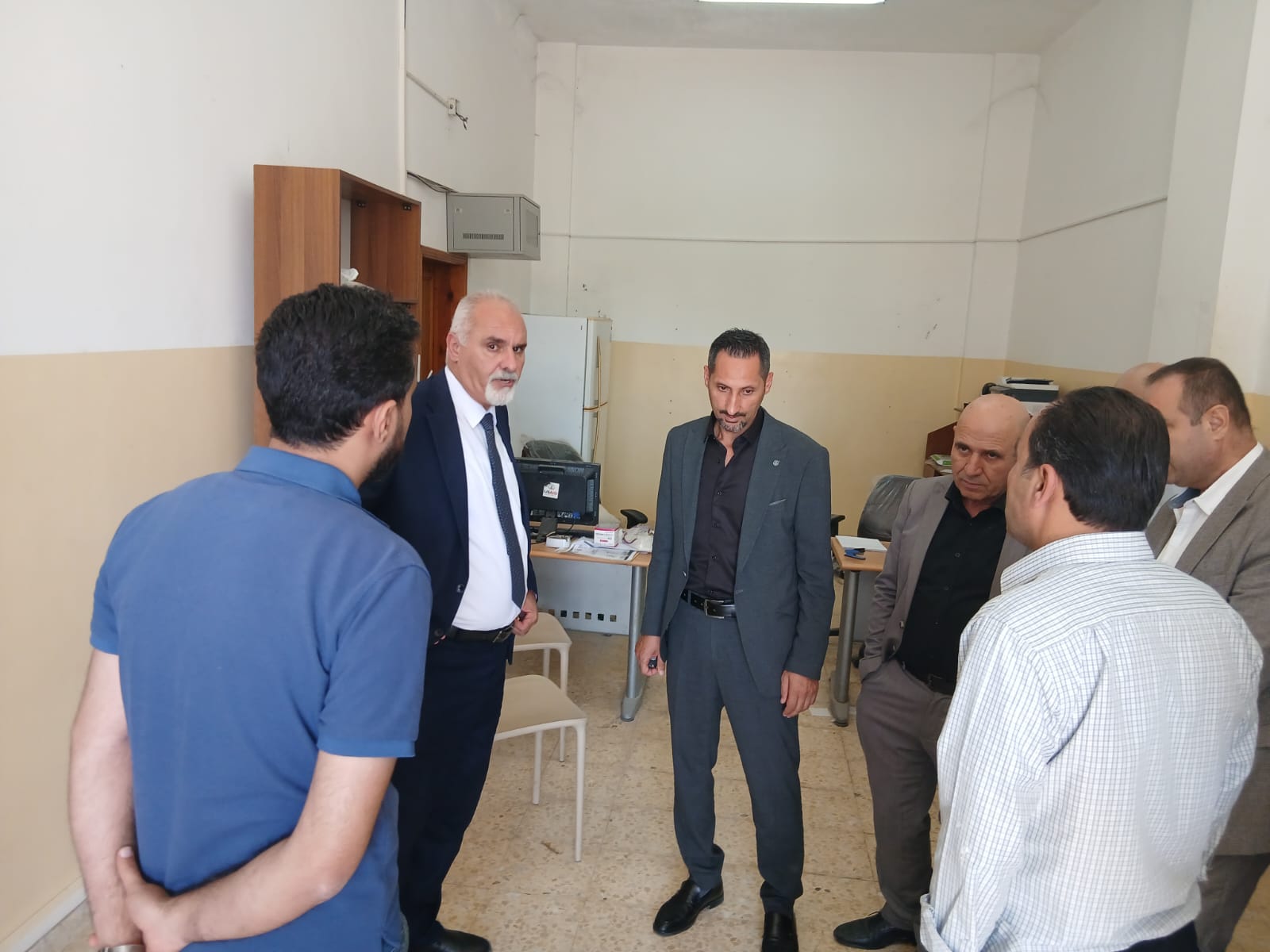
The meeting examined the current state of the agricultural sector and farmers' needs, as well as methods to bolster agricultural and veterinary services. Several requests were discussed—foremost among them the need to strengthen Aqraba Agriculture Office and provide it with the necessary staff. Minister Slaimiya directed the staff of Aqraba Agriculture and Veterinary Office to begin livestock tagging next week; this initiative aims to inventory and monitor livestock, enhance their protection, and facilitate the tracking of herds, vaccination programs, and veterinary services. The Minister emphasized the continued monitoring of vaccination campaigns against brucellosis and foot-and-mouth disease—efforts that contribute to protecting livestock, maintaining herd health, and supporting the sustainability of animal production—while stressing the importance of tailoring agricultural and veterinary services to the actual needs of livestock breeders and farmers.
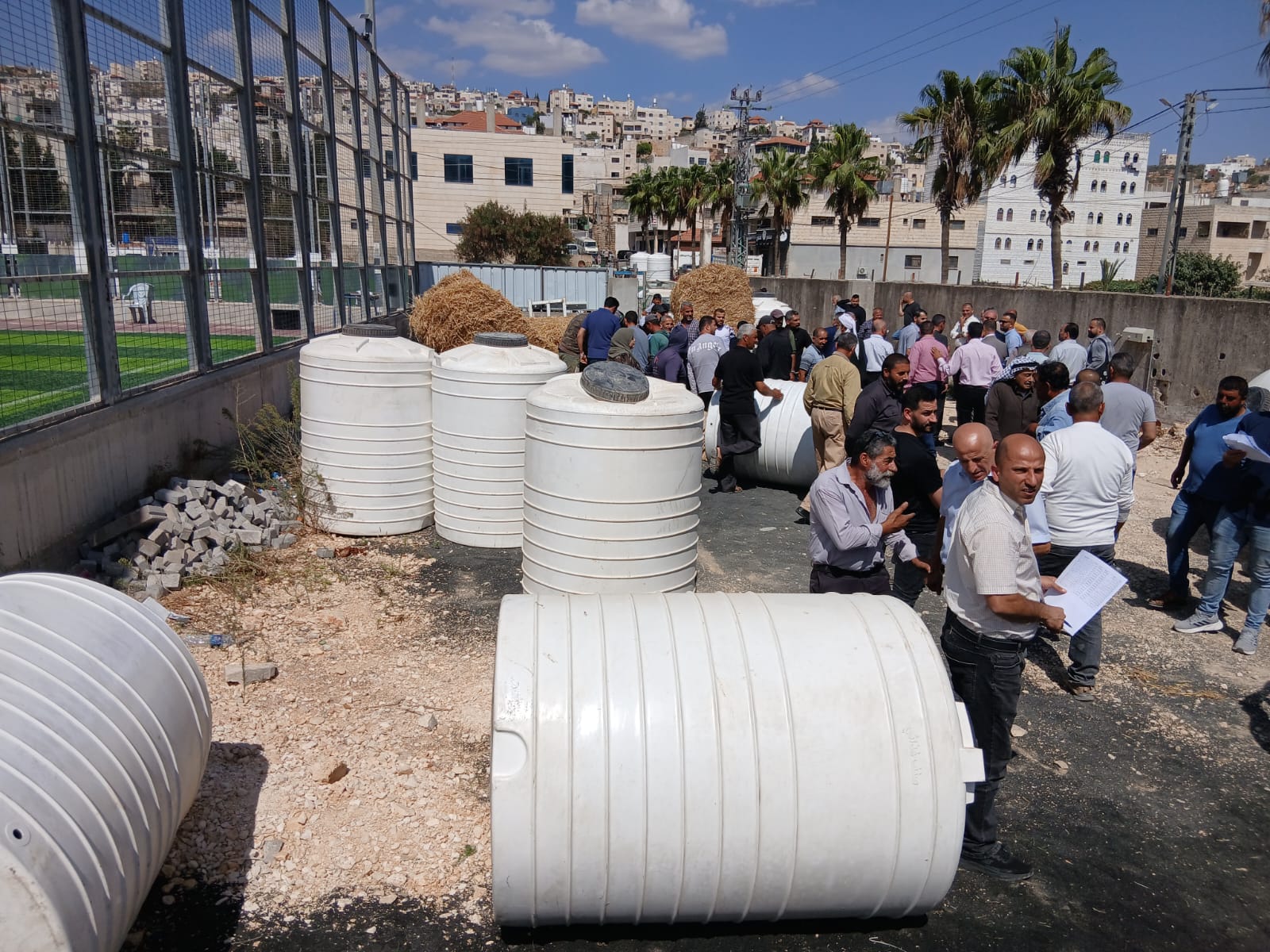
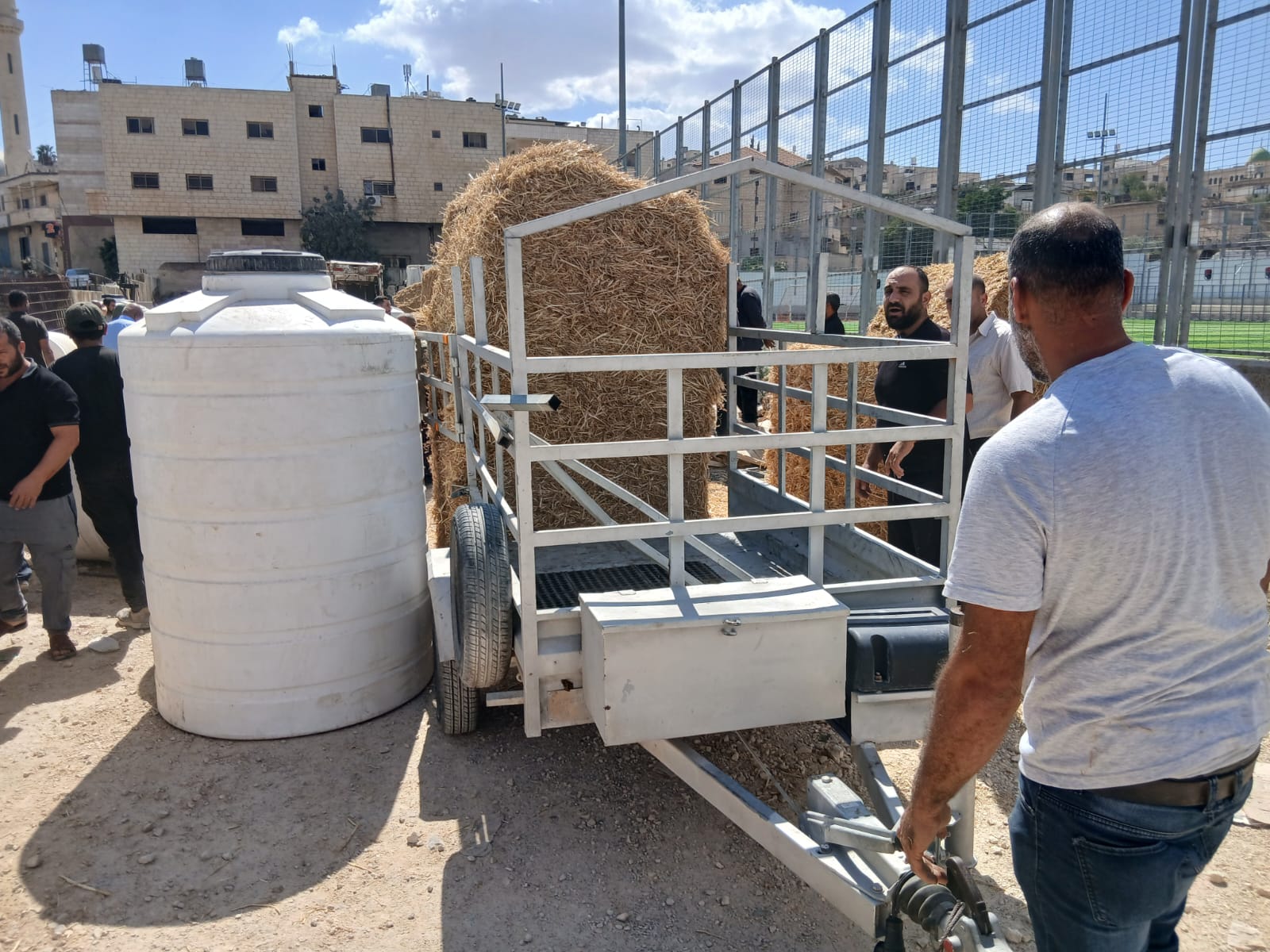
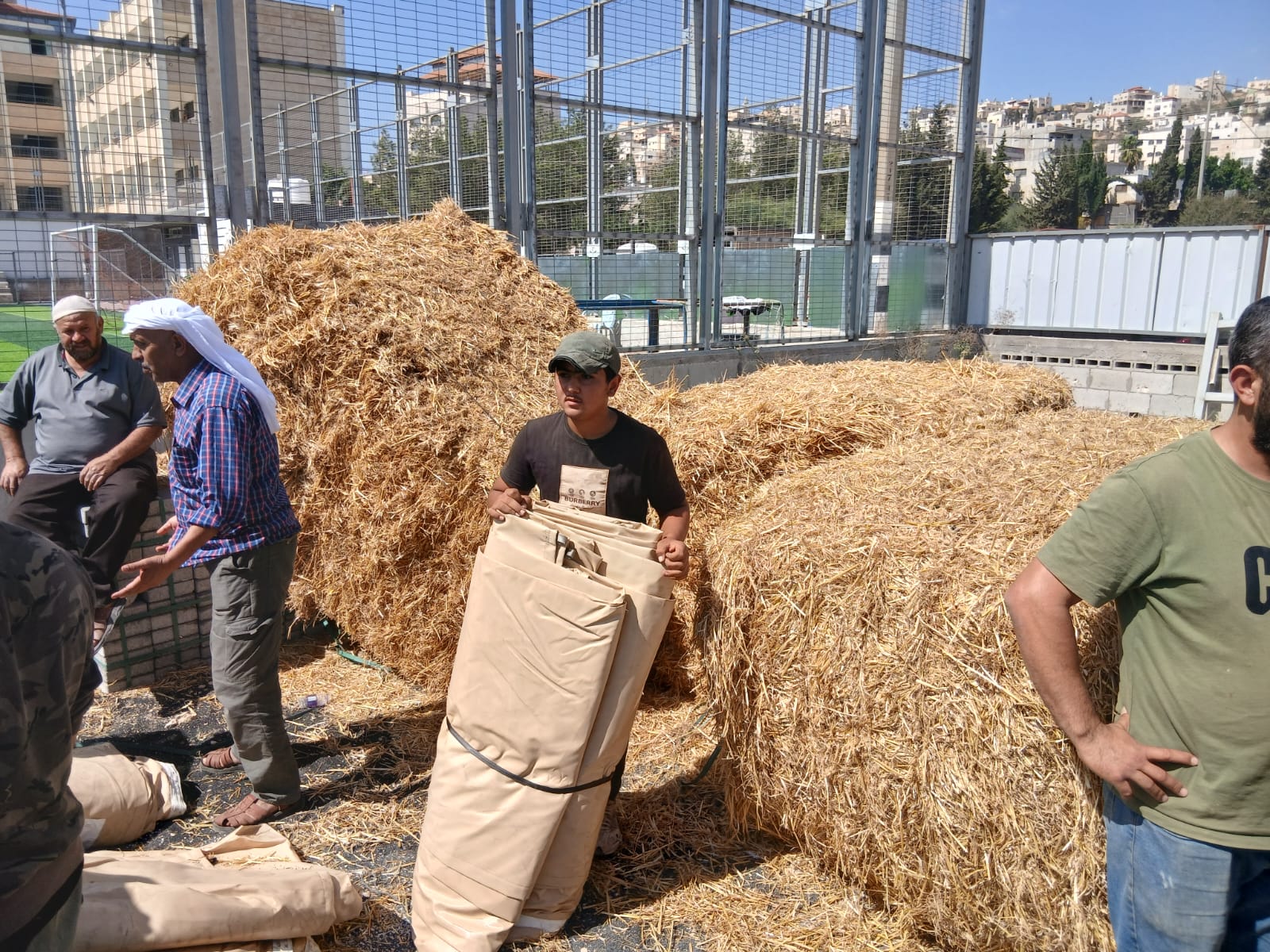
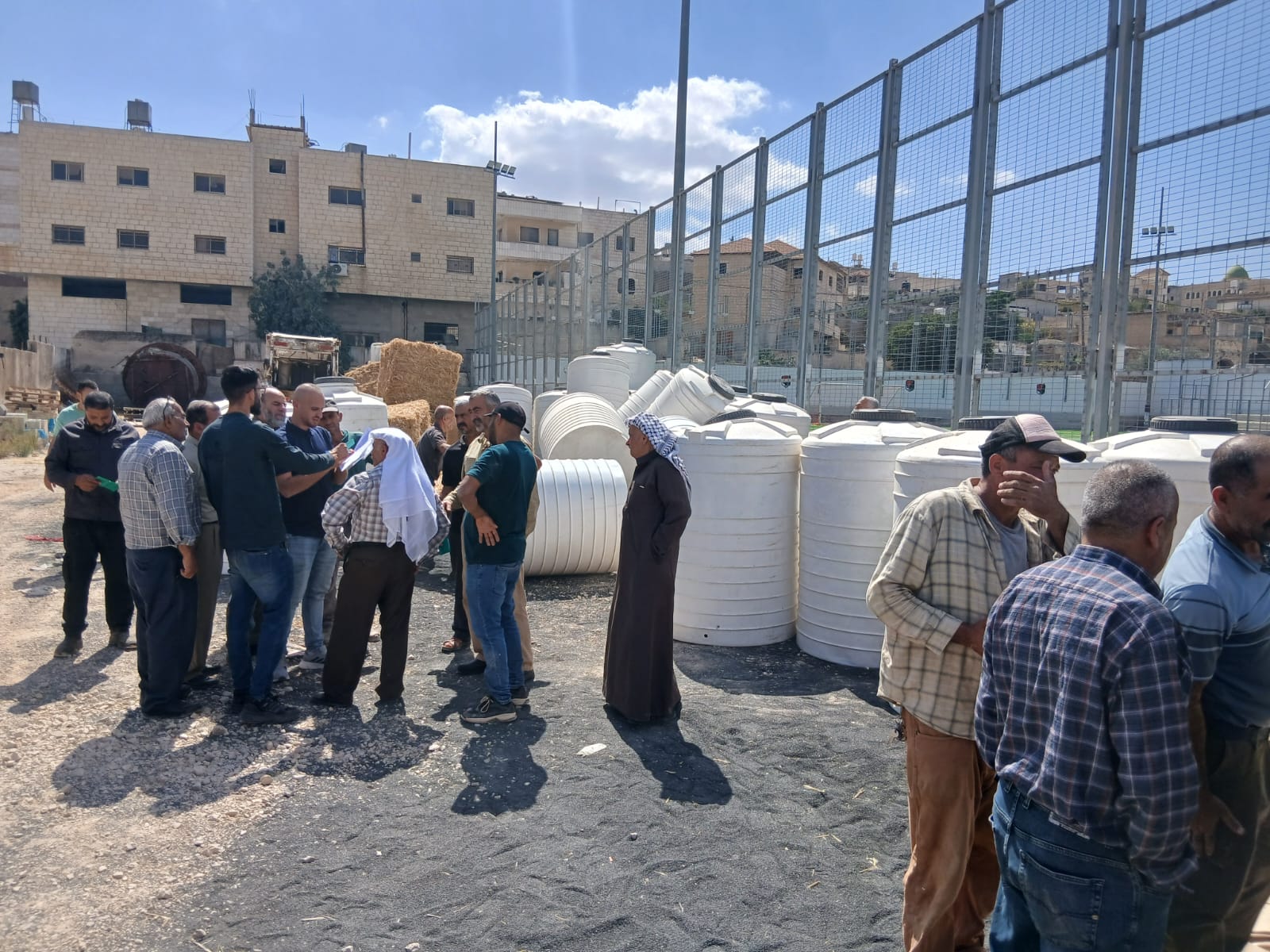
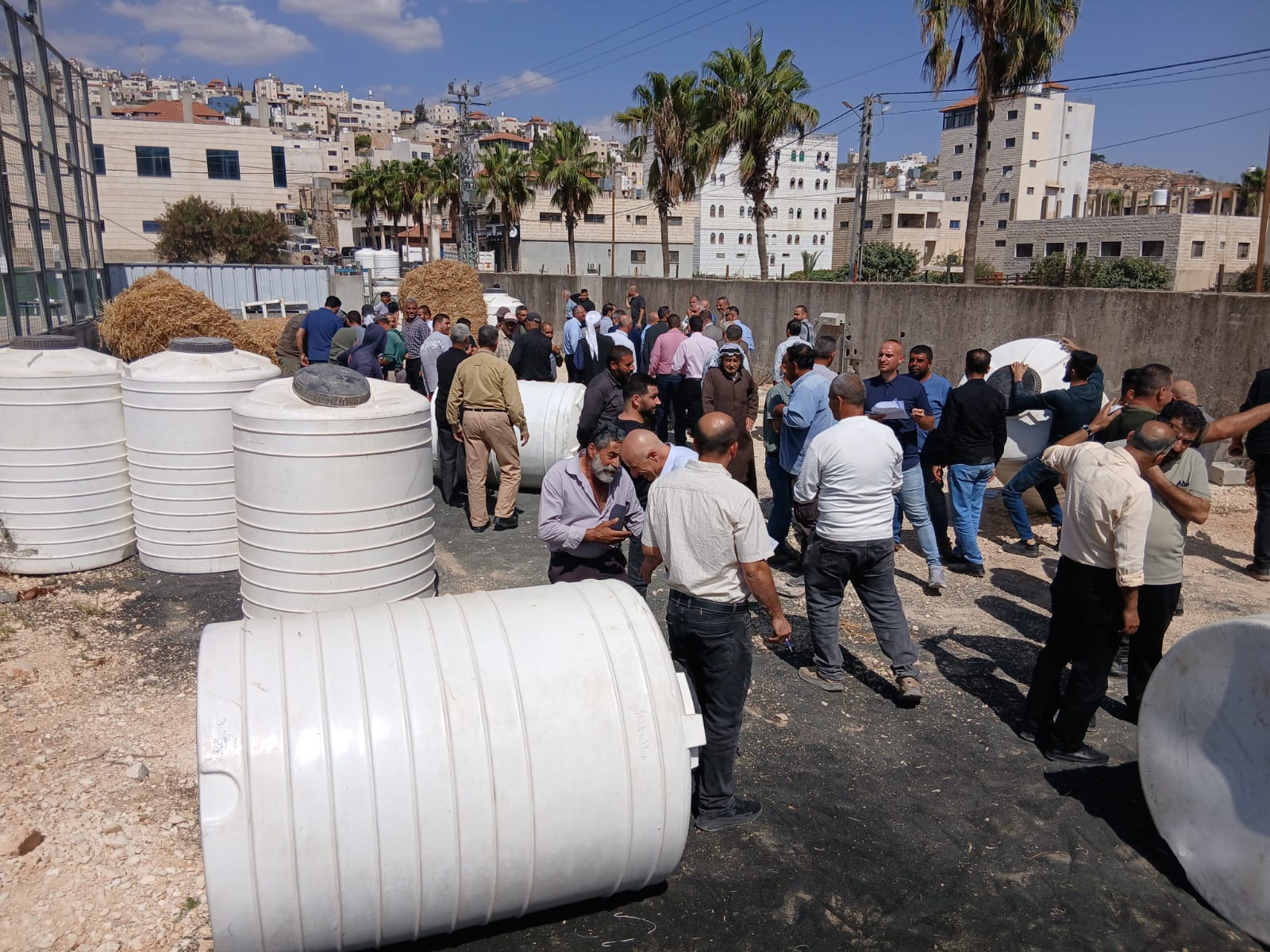
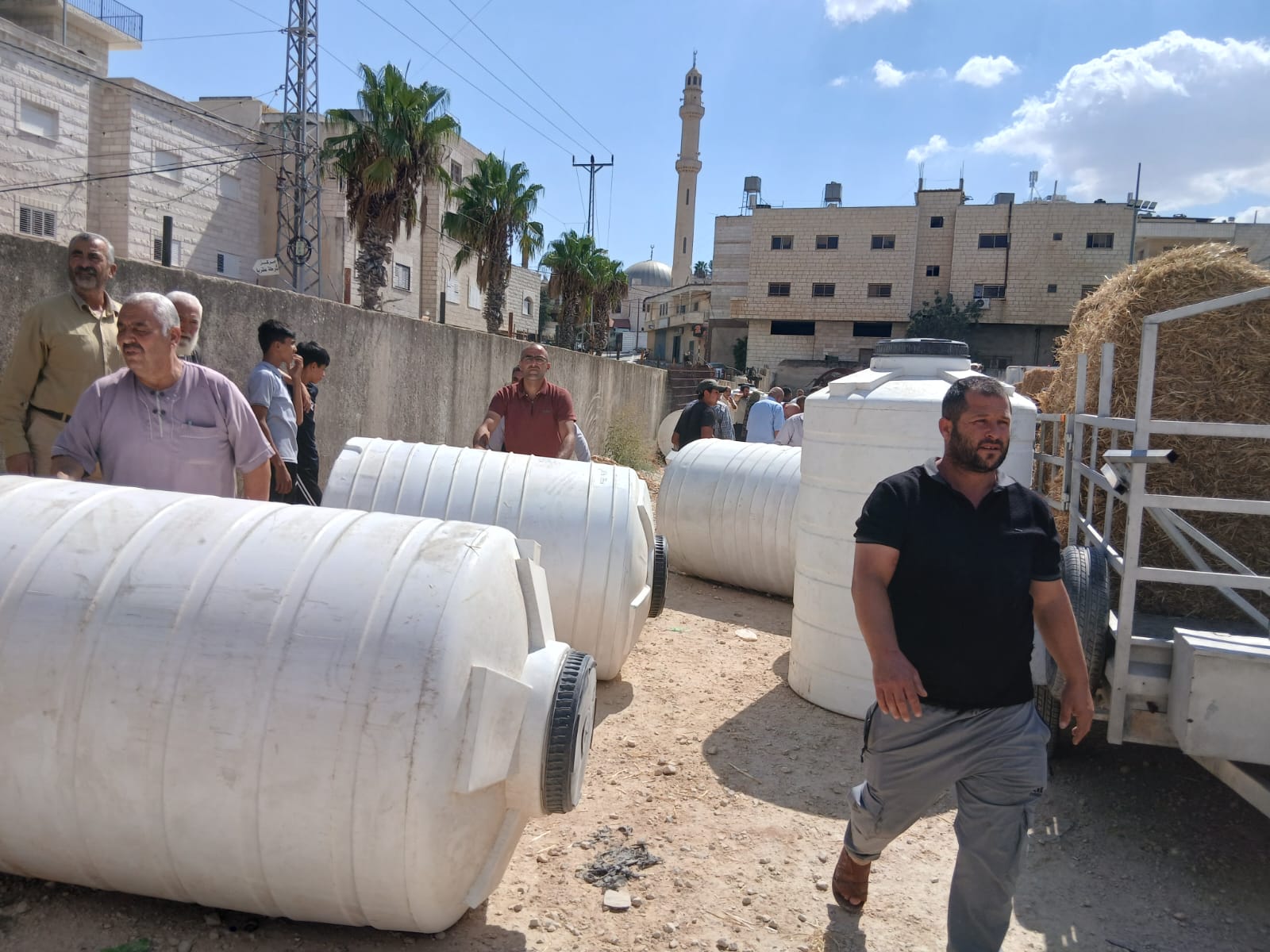
Moreover , emergency aid was distributed to affected farmers in villages south of Nablus as part of the Ministry of Agriculture’s government-funded urgent response program. The aid included 40 water tanks, 40 tarpaulins, and 15 large straw bales (weighing 450 kg each), provided to address urgent needs and bolster the farmers' ability to protect their property and livestock while maintaining their agricultural operations.
The Ministry of Agriculture affirmed its commitment to implementing relief interventions for affected farmers and addressing the needs of various regions—thereby strengthening their resilience, preserving the land and livestock, and supporting food security. Meanwhile, Slaimiya emphasized that serving farmers, bolstering their resilience, and protecting their agricultural and livestock assets remain on the top priorities for the Ministry.