Notification
حظر استيراد كافة أنواع الطيور الحية الداجنة والبرية وطيور الزينة وبيض التفقيس والصيصان عمر يوم ومخلفاتها الغير معاملة حراريا من تركيا ولحين استقرار الوضع الصحي

⭕ The olive tree is a symbol of national identity and a witness to the history of the Palestinian land.
⭕ Protecting the national product and promoting the marketing of Palestinian olive oil.
⭕ Municipalities and local authorities lead the national campaign and foster community partnership.
Bethlehem: October 31, 2026
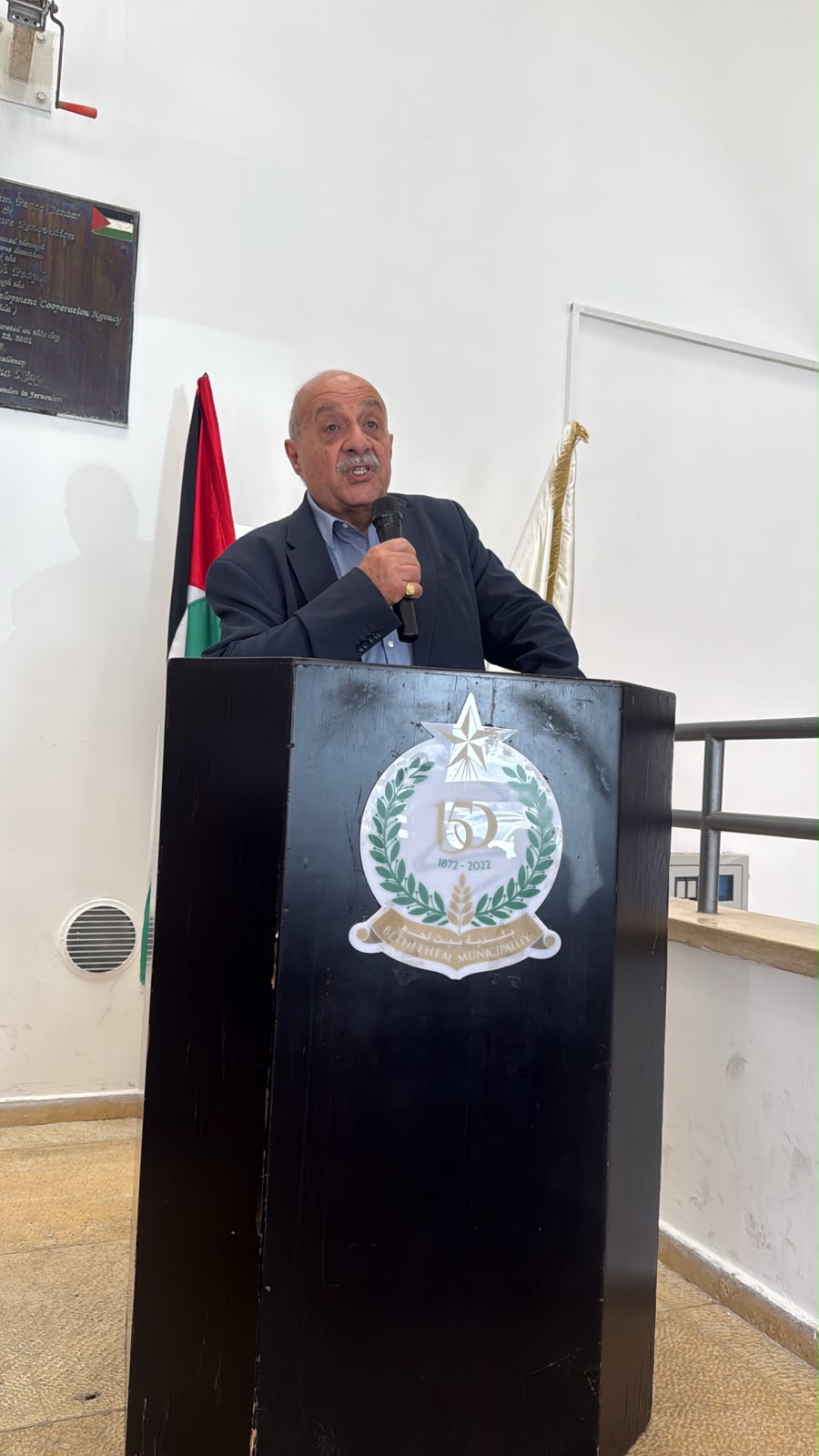
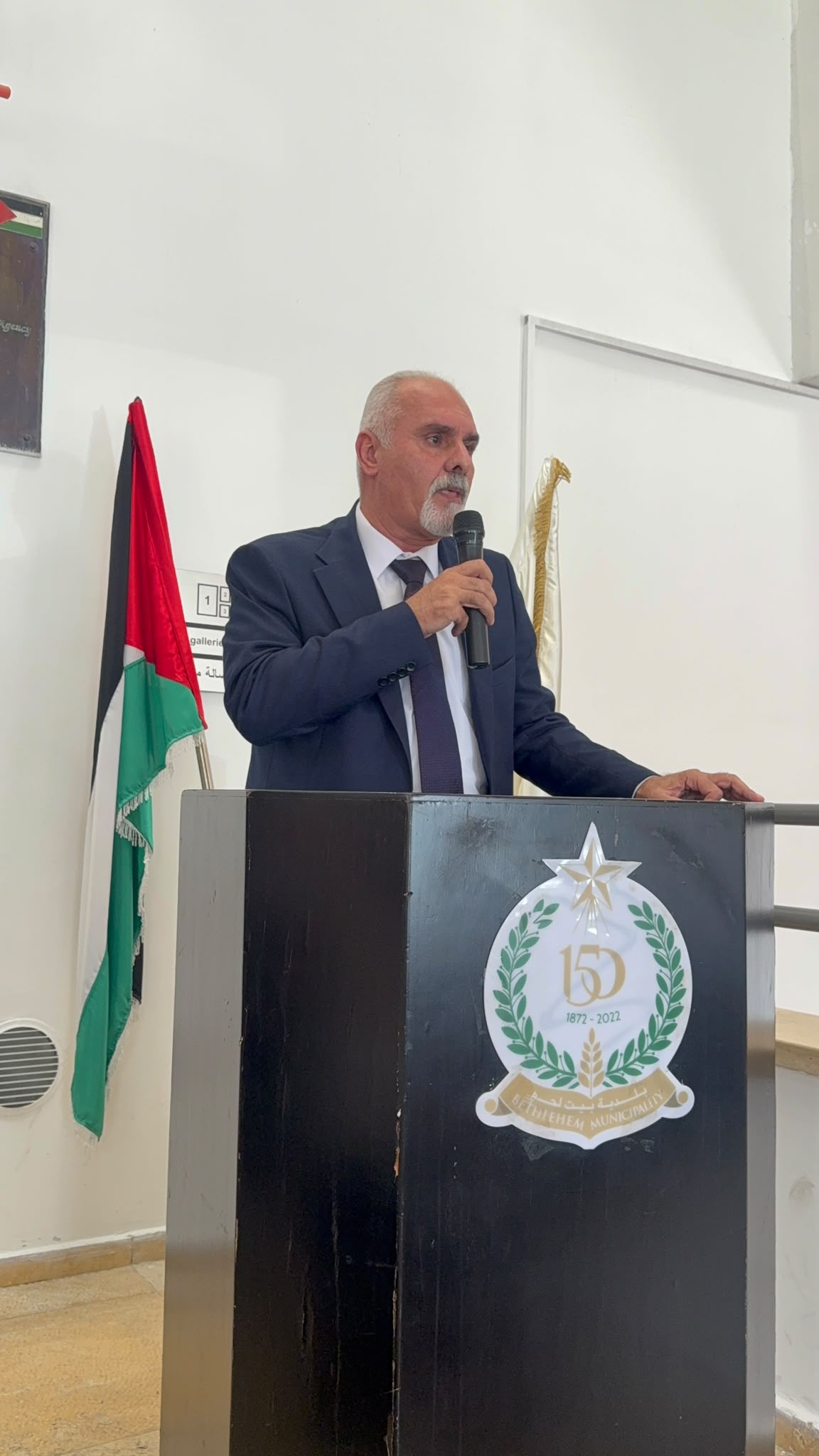
Minister of Agriculture, Professor Rizq Slaimiya, affirmed that the olive tree represents a symbol of national identity, historical memory, and Palestinian heritage. It embodies the deep connection of the Palestinian people to their land and their steadfast commitment to it across generations. He emphasized that protecting both the trees and the farmers is a national duty, especially in light of the attacks targeting Palestinian land, trees, and the livelihoods of the people.
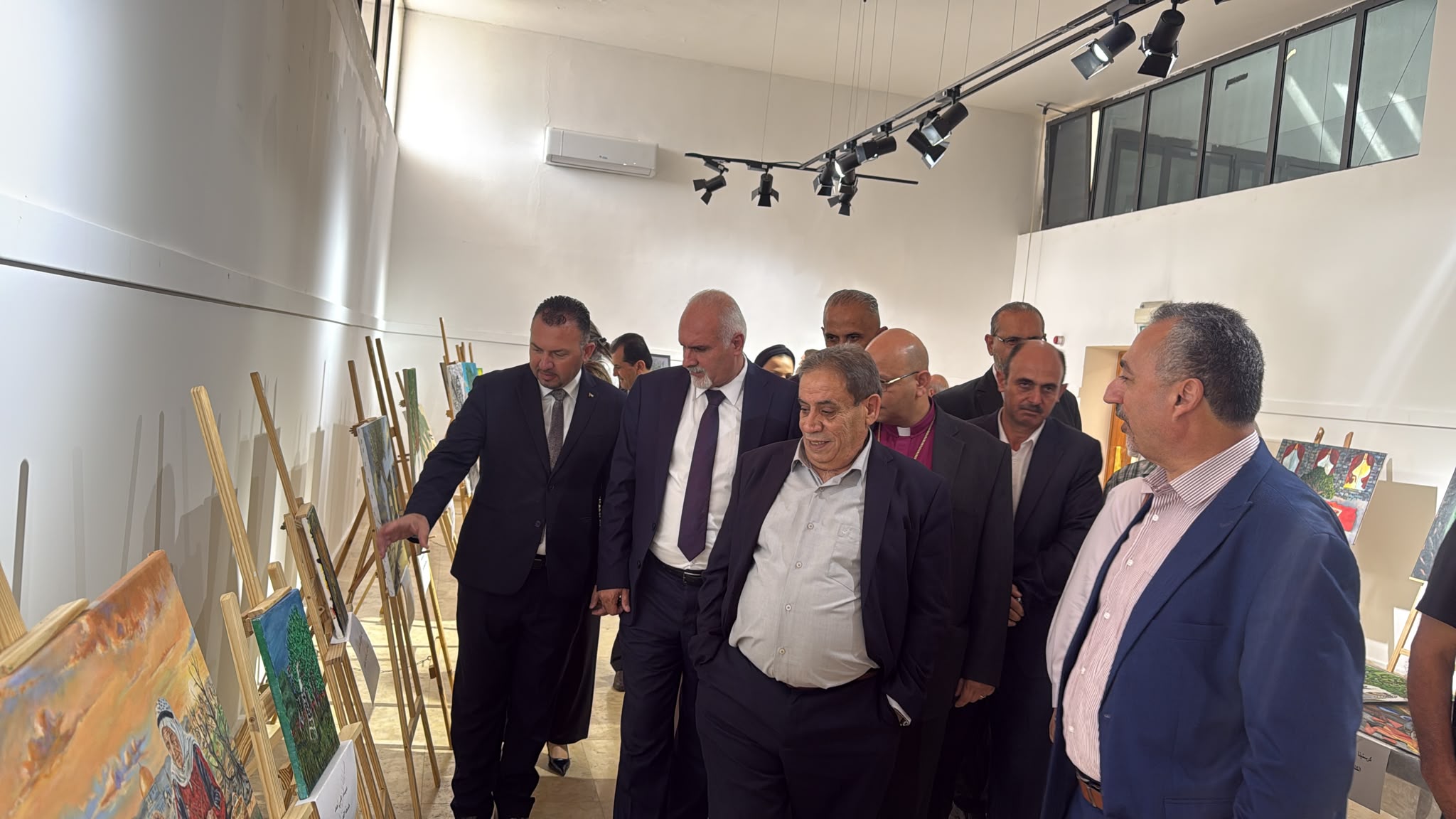
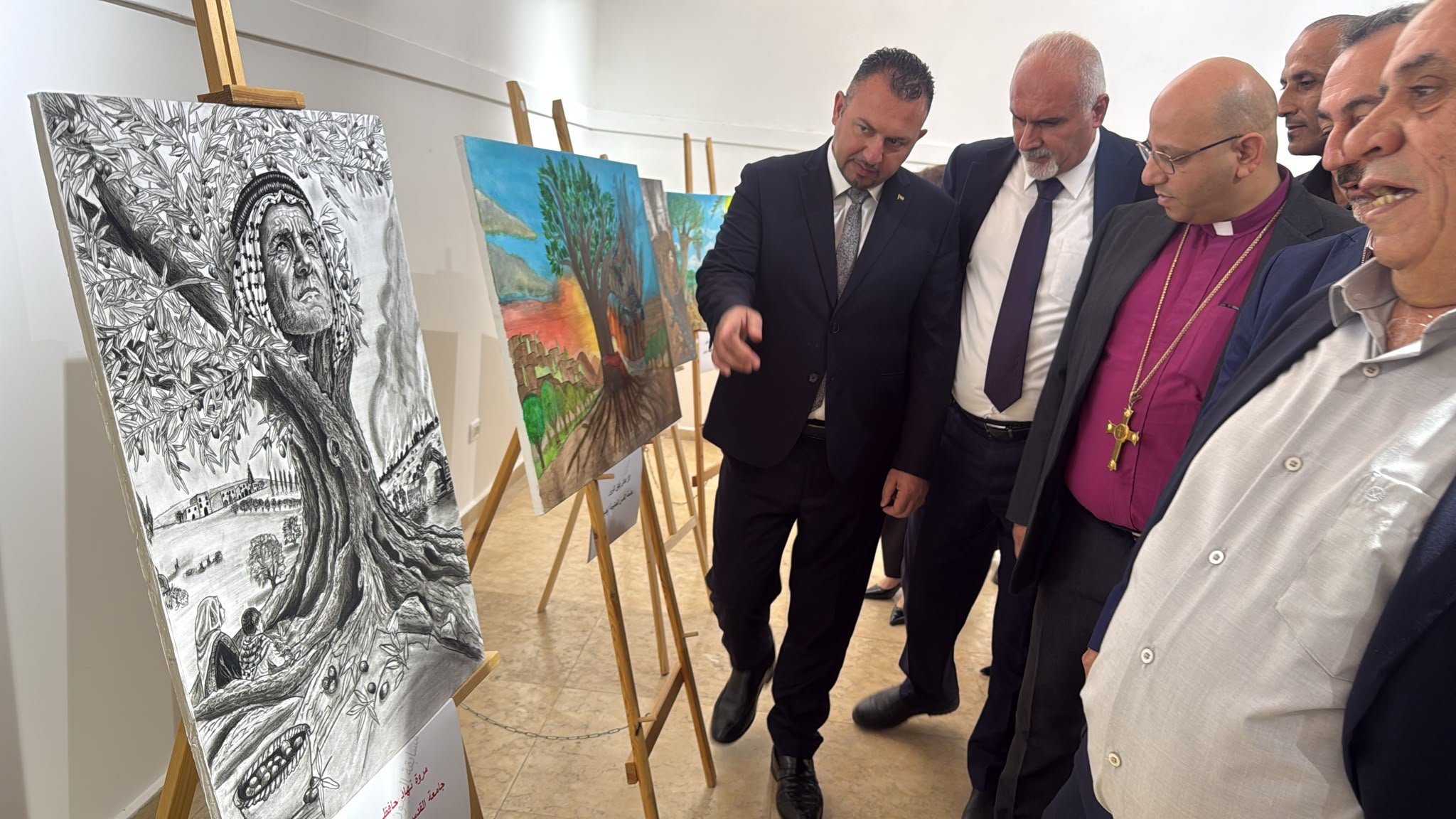
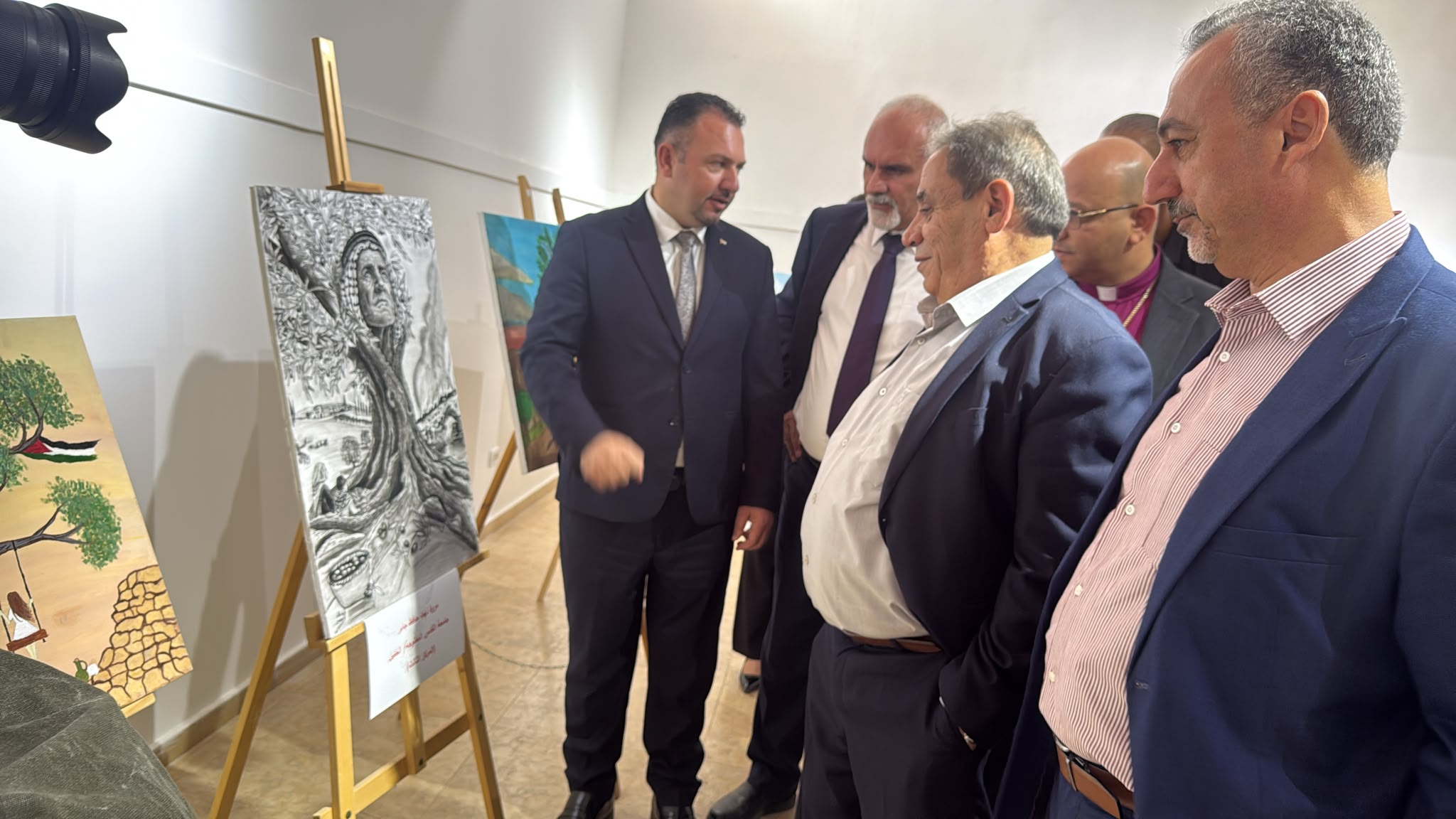
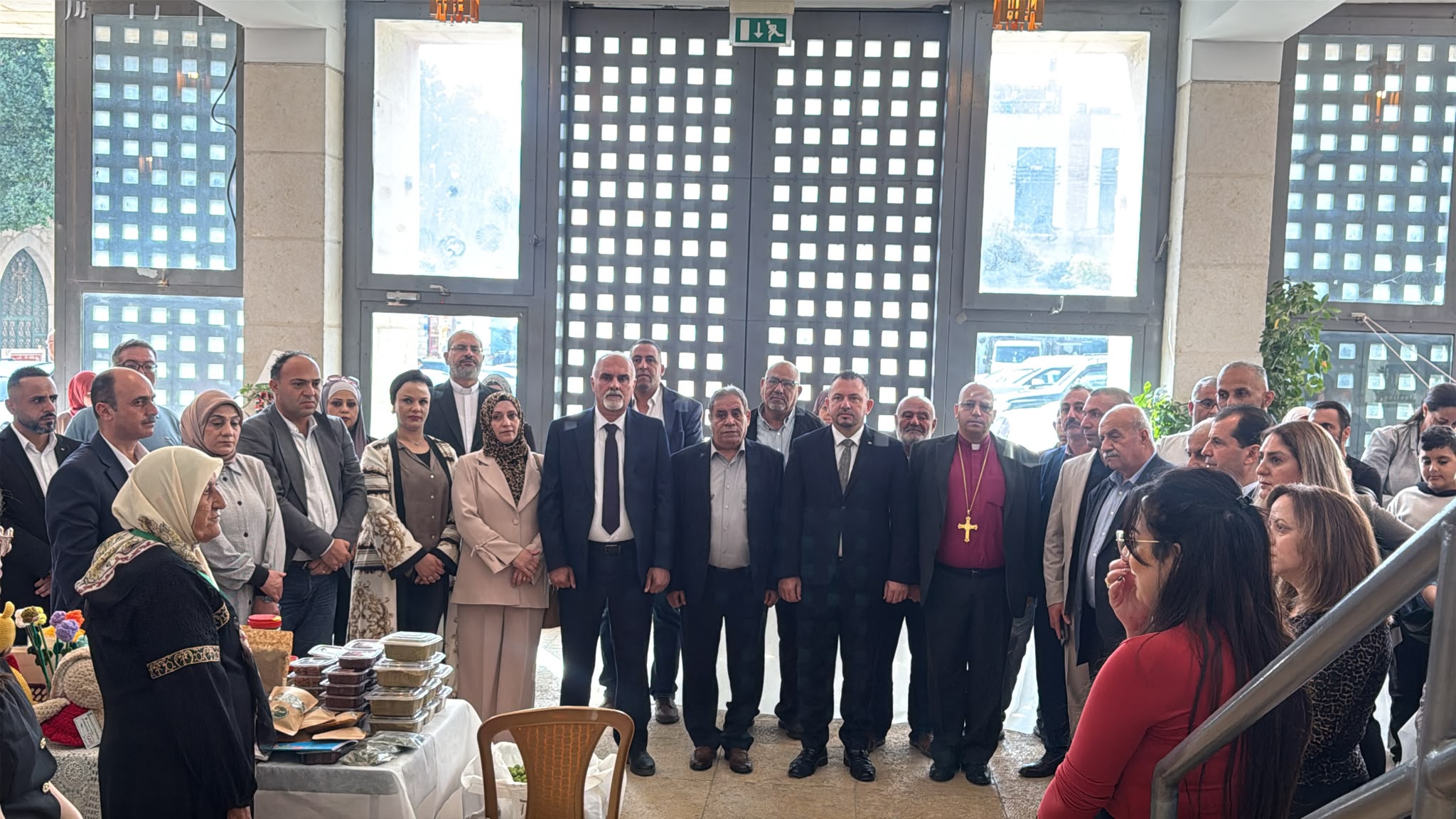
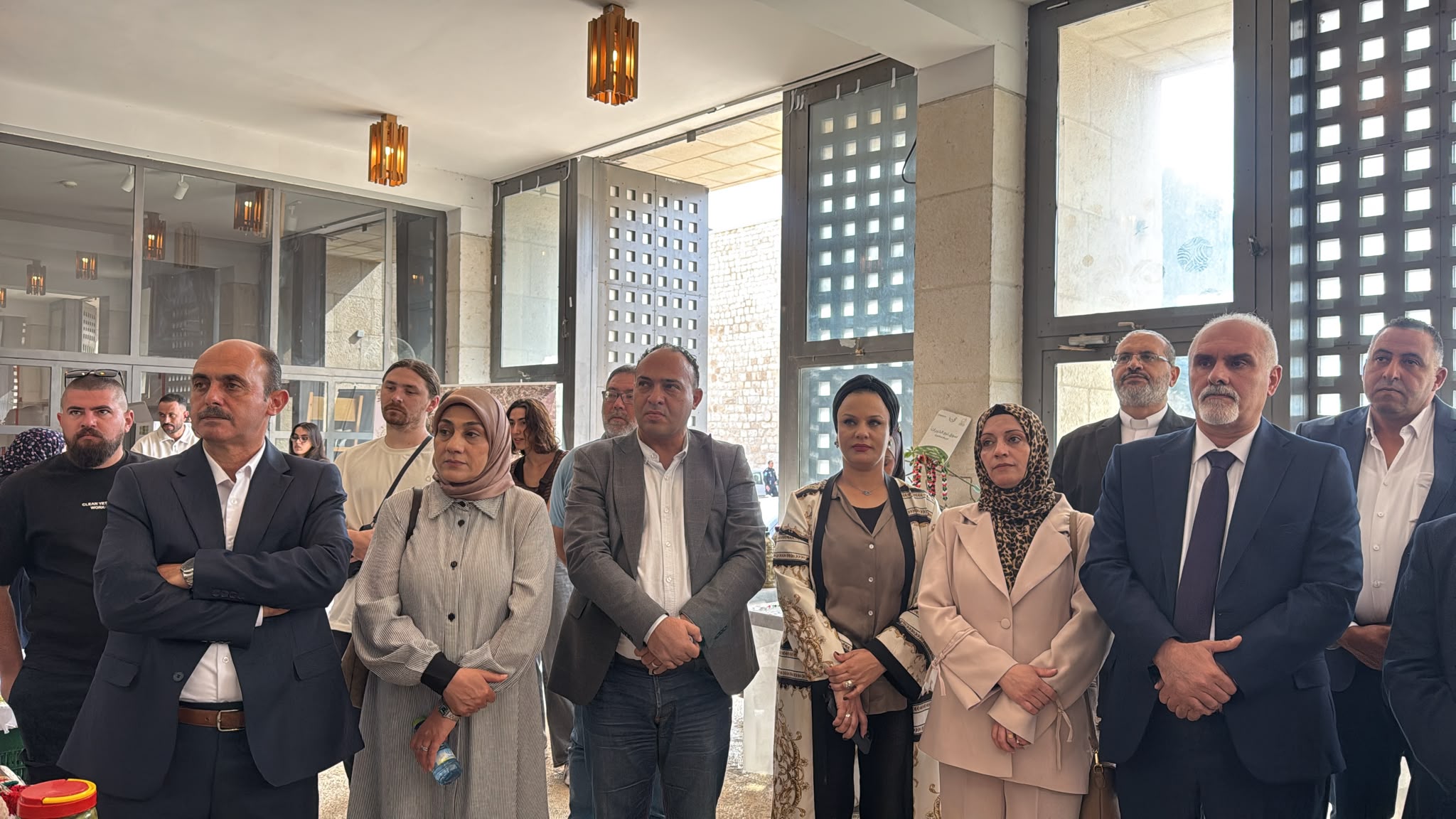
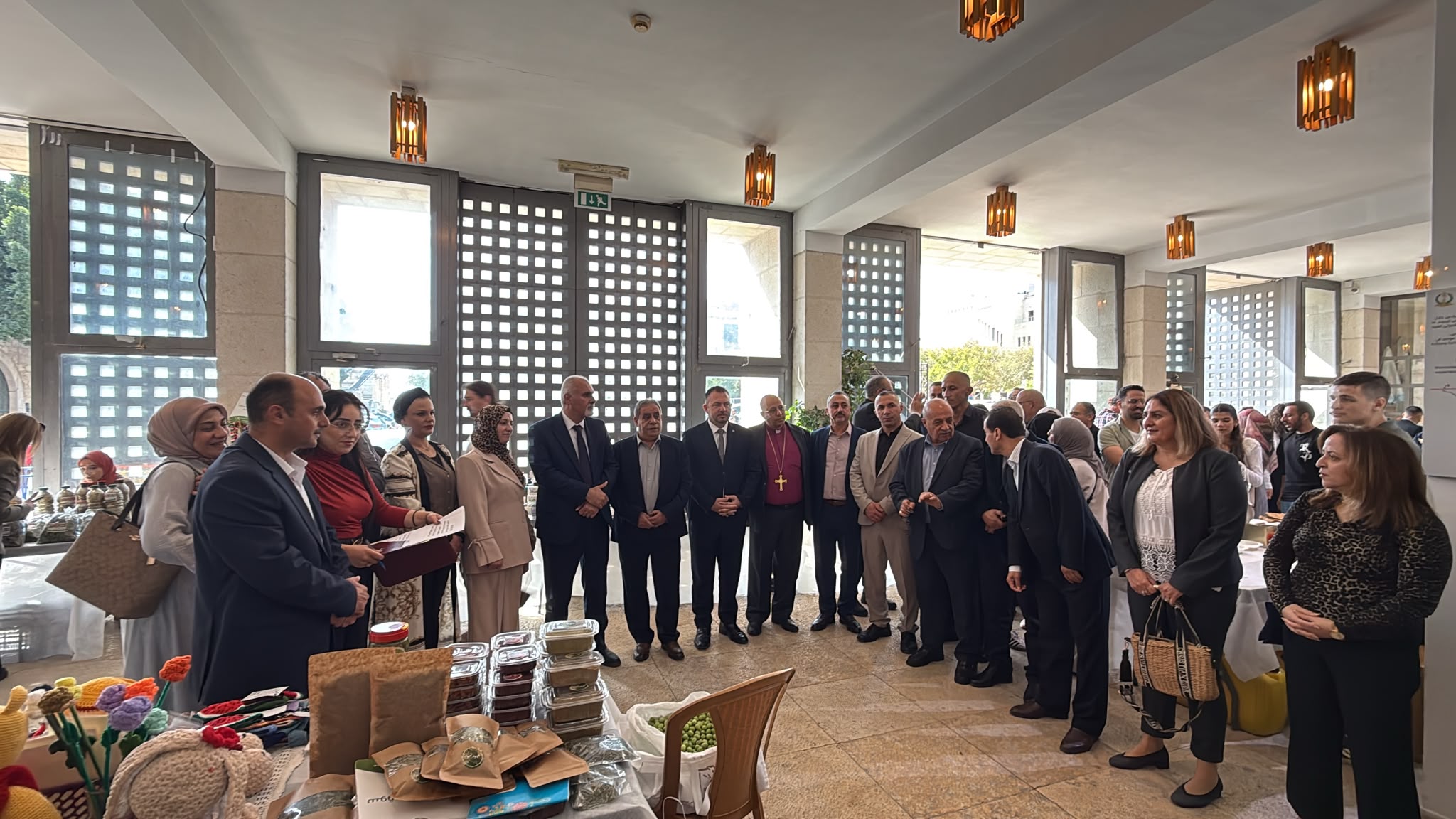
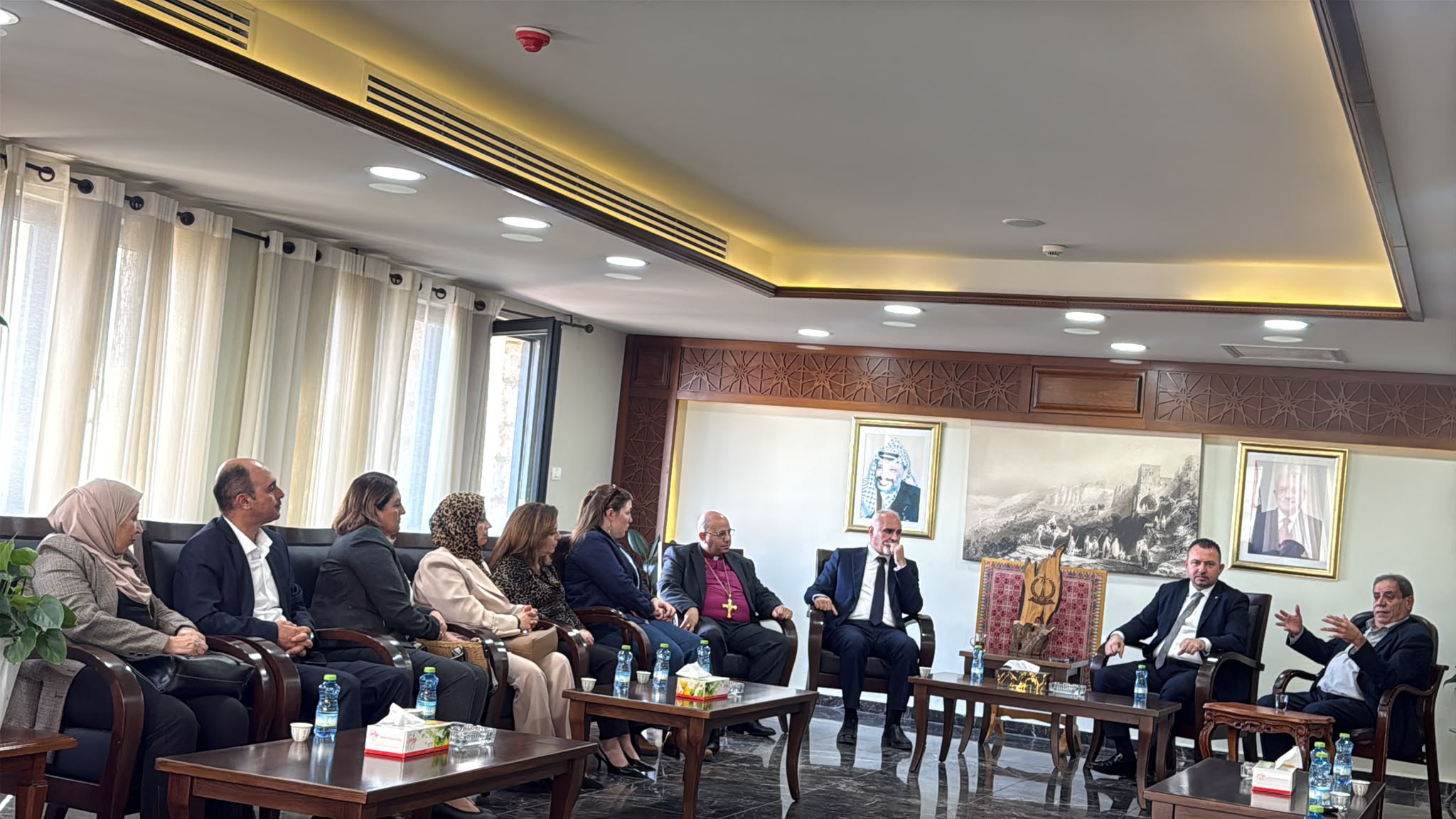
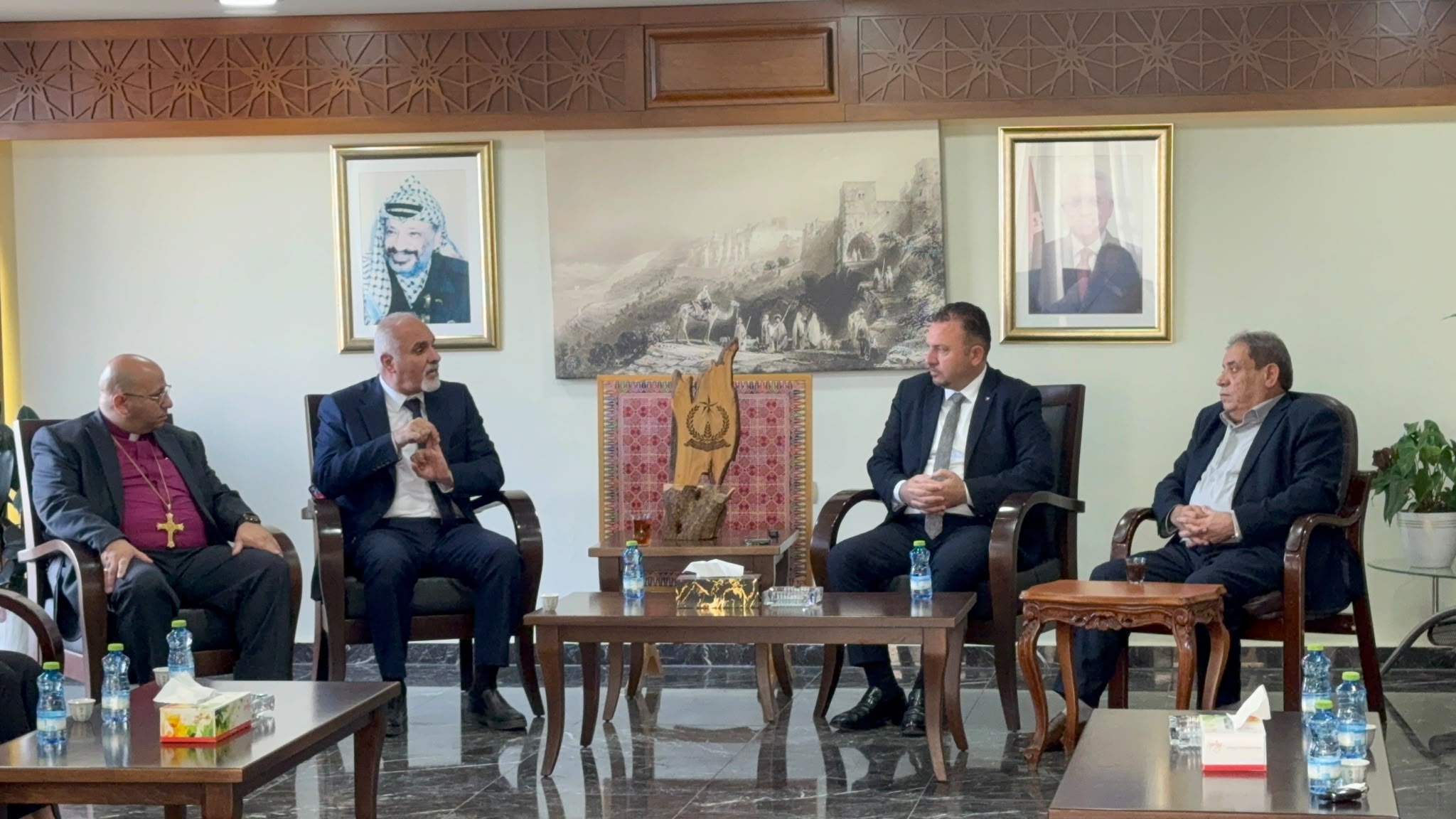
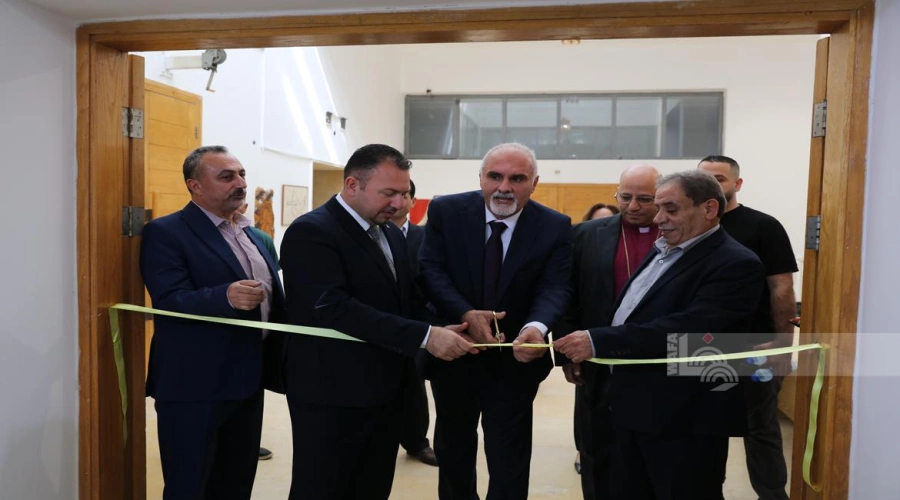
These remarks were made during his participation in the opening of the 26th annual olive harvest festival in Bethlehem Governorate, held under the theme "The Tree of Heaven in the Eye of the Fire." The event was attended by the Governor of Bethlehem, the Mayor, the head of the Chamber of Commerce, the head of the Evangelical Lutheran Church in Jordan and the Holy Land, the director of the Environmental Center, the head of the Women’s Association for Rural Development, and representatives from various relevant institutions and organizations.
The Minister noted that the olive harvest has reached approximately 60% of the total yield, reaffirming the commitment of the Ministry and its partners to support farmers and facilitate their access to their lands. He also highlighted the scale of the losses in the Gaza Strip, where approximately 1.62 million olive trees—out of a total of nearly 1.8 million—have been destroyed or uprooted. Salimiya emphasized the importance of protecting national products and promoting the marketing of Palestinian olive oil. He pointed to the government’s decision to halt the importation of olives and olive oil—while also cracking down on their smuggling from abroad—as a measure to safeguard local production and support farmers. "Our olives are here, and we are here; there is no alternative," he stated.
He explained that the national olive harvest campaign has seen an expanded role for municipalities, local councils, and local authorities in leading field activities. In partnership with the Ministry of Agriculture and supporting organizations, this initiative fosters greater community involvement in assisting farmers and protecting their harvest.
The Minister also outlined the Ministry’s efforts in monitoring the "model" market for agricultural produce, assessing agricultural damages, and providing compensation to those affected—all under an agricultural assistance program funded by the European Union.
Furthermore, he highlighted the Ministry’s commitment to prioritizing support for products created by women and rural communities—facilitated through the opening of dedicated marketplaces—as well as upholding the right of farmers to access their lands located beyond the separation wall.
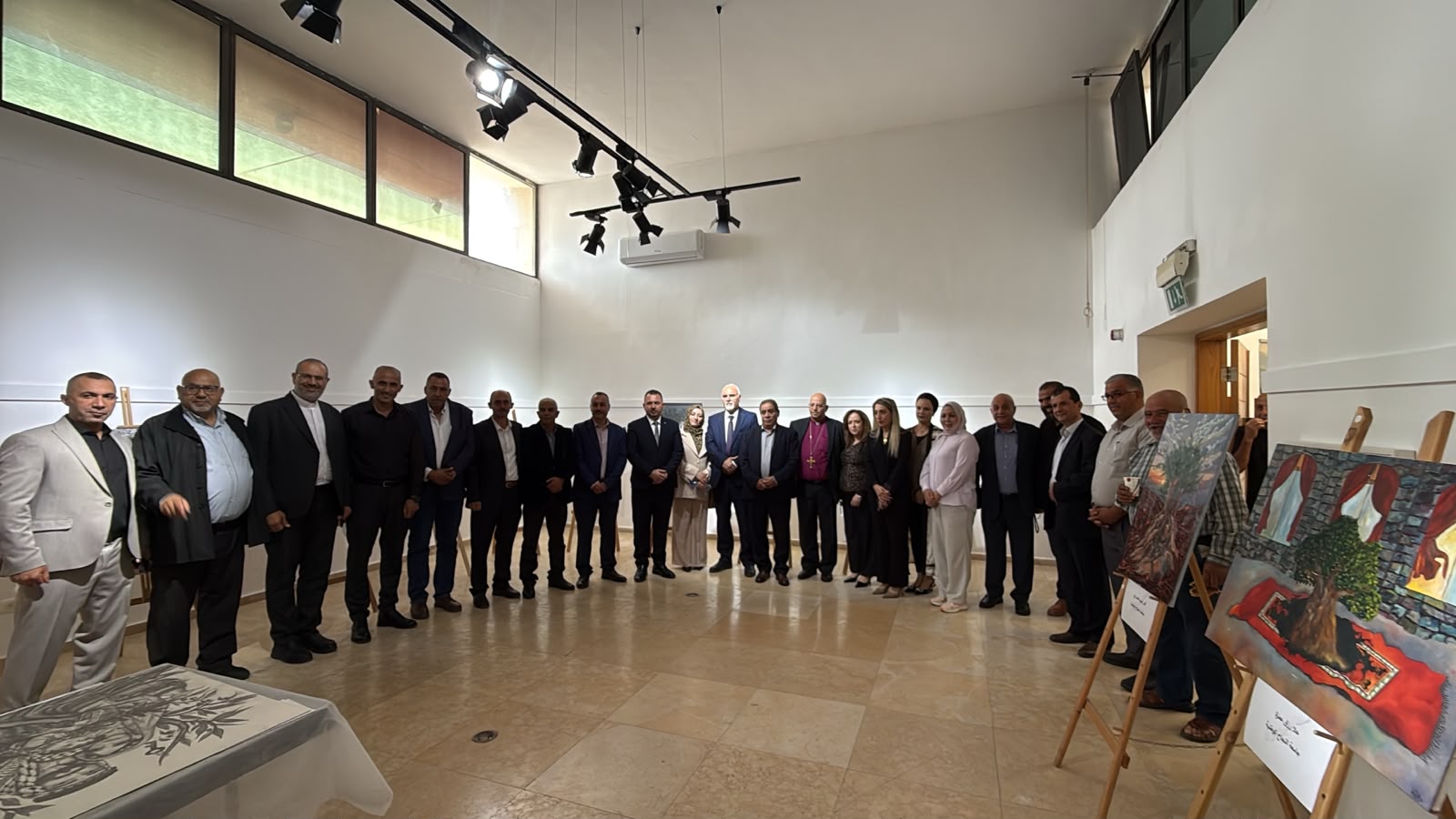
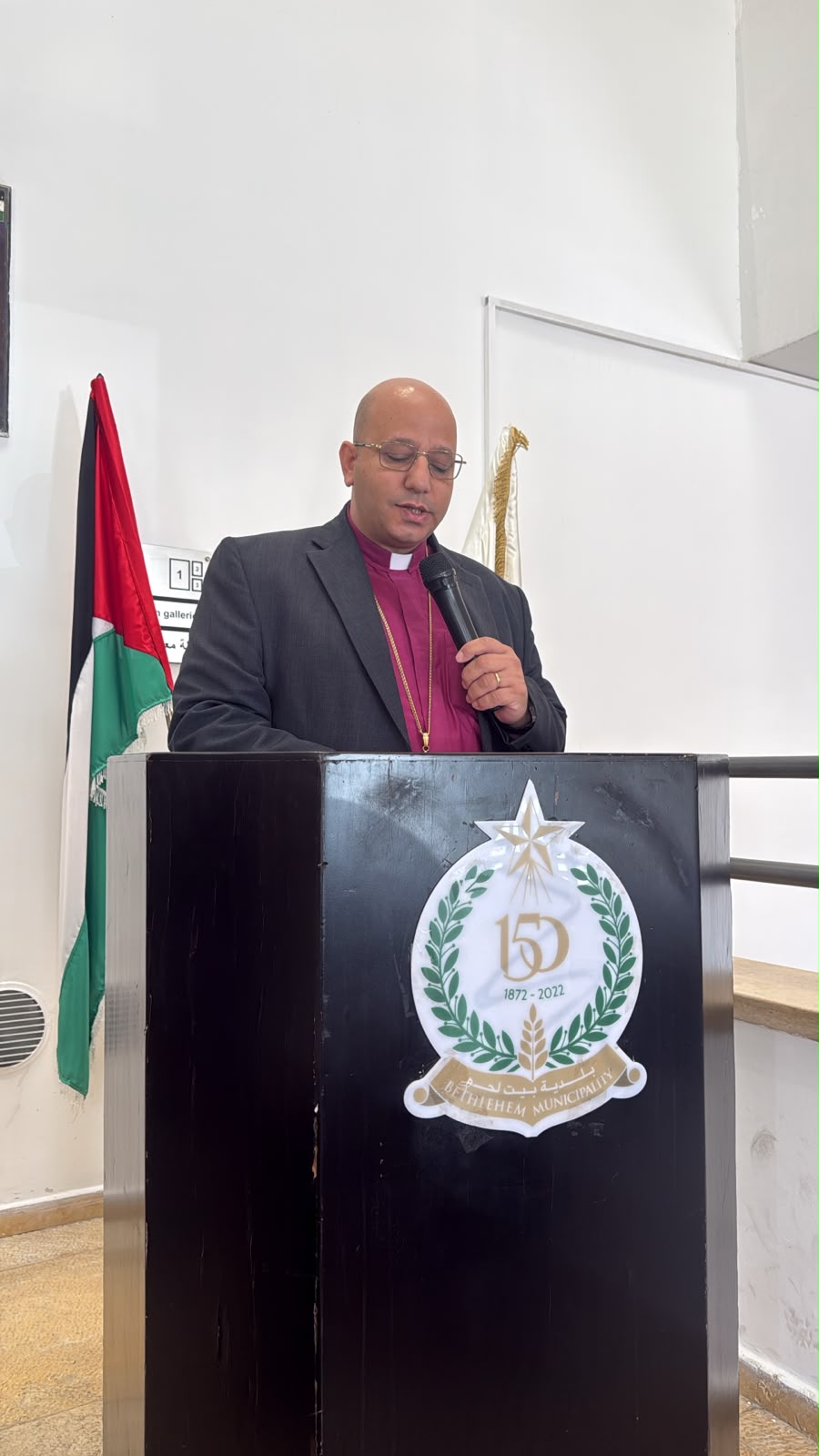
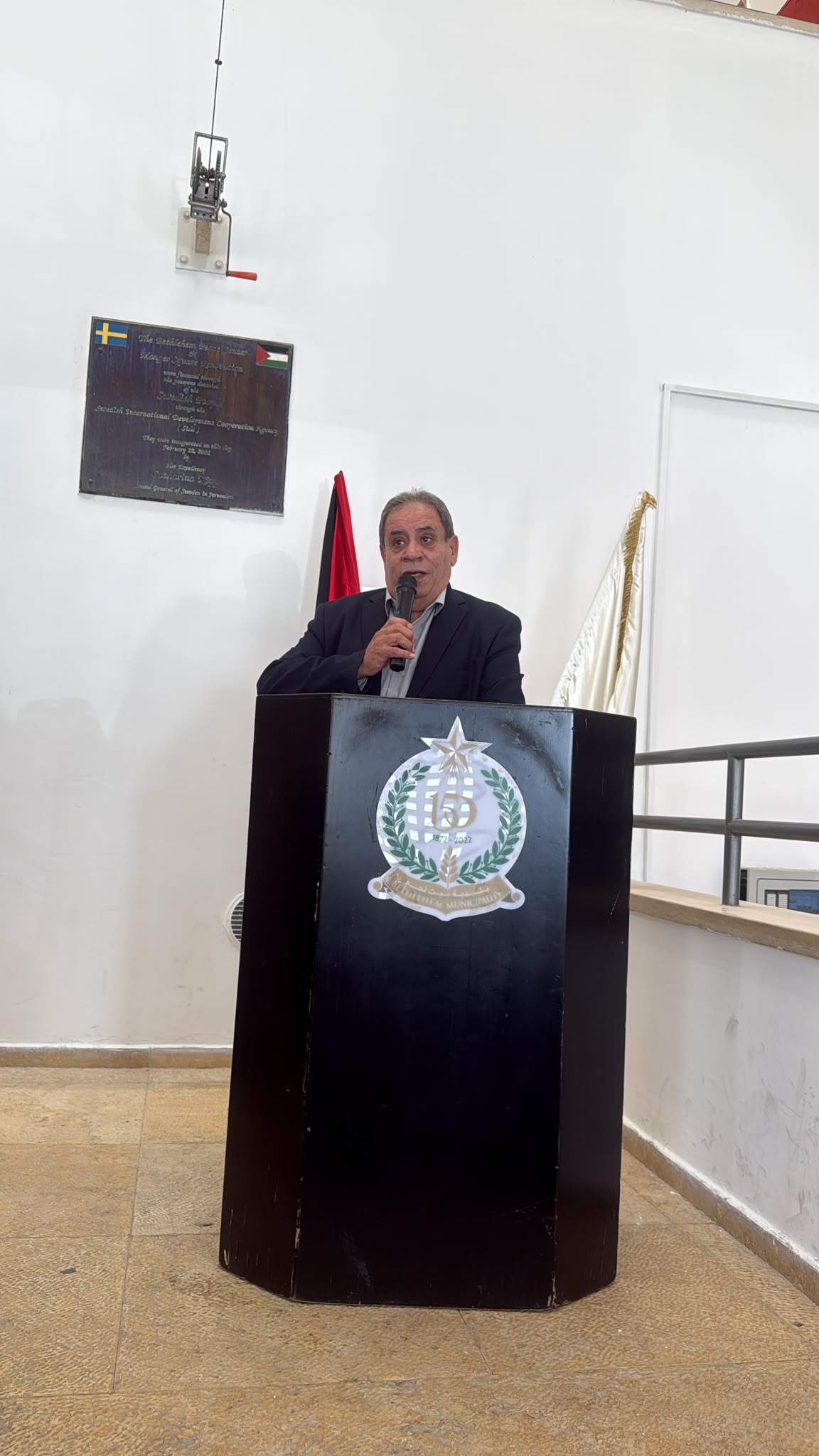
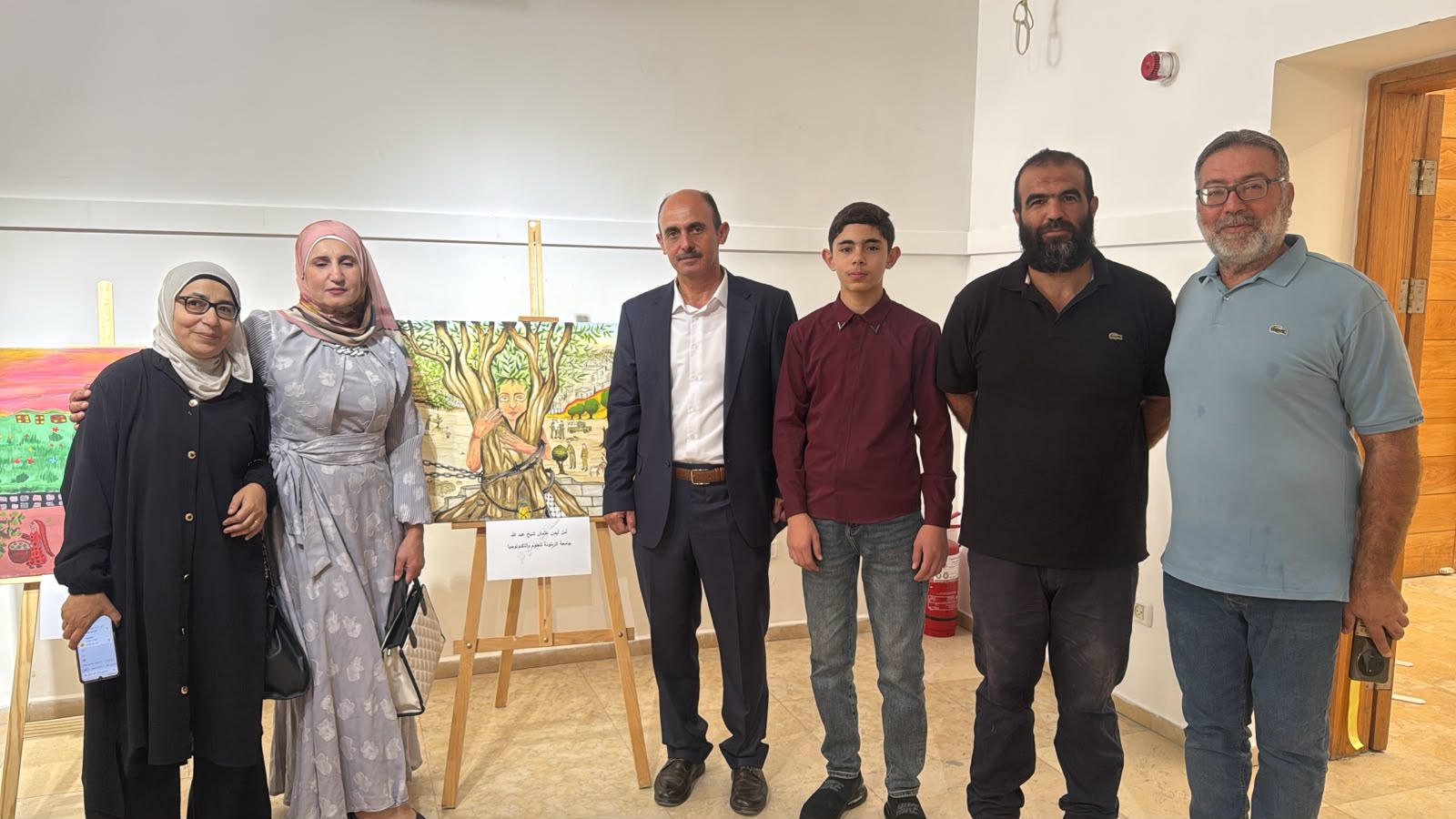
The festival was organized by the Environmental Education Center and the Peace Center (affiliated with Bethlehem Municipality), in cooperation with the Ministry of Agriculture, Bethlehem Chamber of Commerce and Industry, and the Rural Women’s Development Society. The event featured addresses by the Governor of Bethlehem, Mr. Mohammed Taha; the Mayor, Mr. Hanna Hanania; the Chairman of the Chamber of Commerce, Dr. Samir Hazboun; and Imad Haddad of the Lutheran Church. Each speaker underscored the significance of the olive tree, the necessity of supporting farmers, and the importance of strengthening their resilience. The festival also included an art exhibition and a competition titled "The Tree of Heaven in the Eye of Fire," organized in collaboration with the Ministry of Education and Higher Education, with the participation of several Palestinian universities. The festival embodies a partnership between official institutions, civil society organizations, and the local community, aimed at protecting olive trees, supporting farmers, and preserving the land and Palestine’s agricultural heritage.