Notification
حظر استيراد كافة أنواع الطيور الحية الداجنة والبرية وطيور الزينة وبيض التفقيس والصيصان عمر يوم ومخلفاتها الغير معاملة حراريا من تركيا ولحين استقرار الوضع الصحي

Ramallah: August 17, 2026
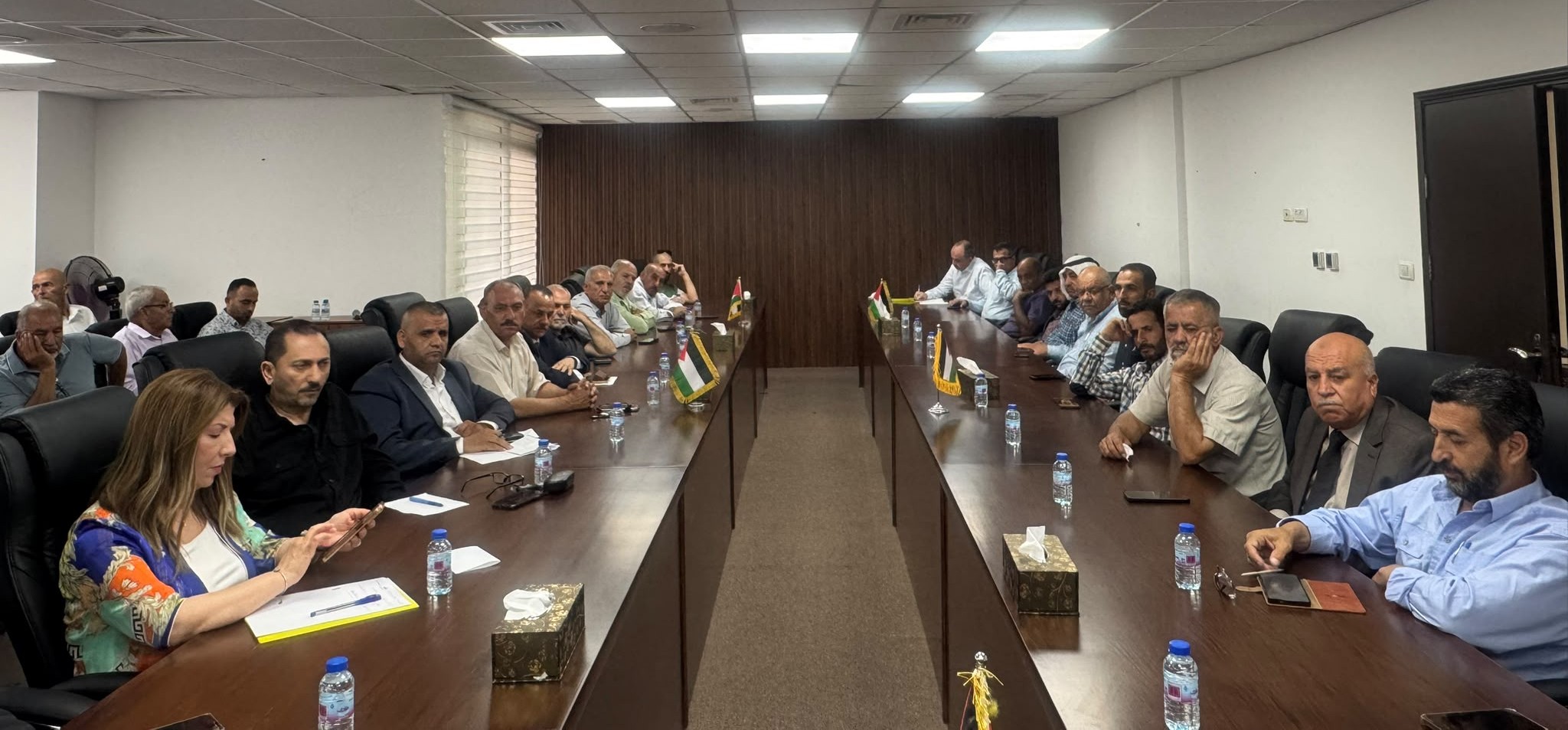
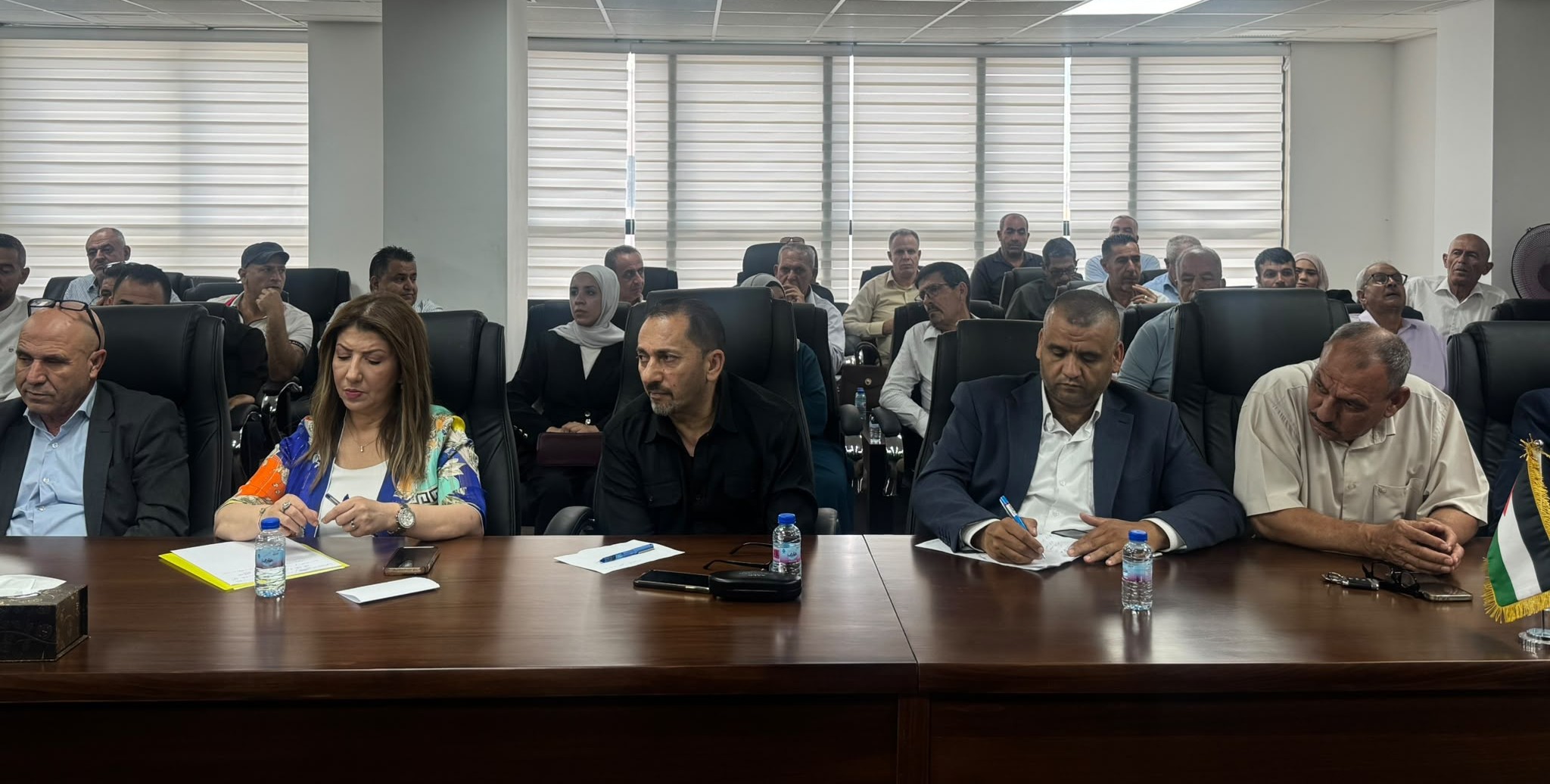
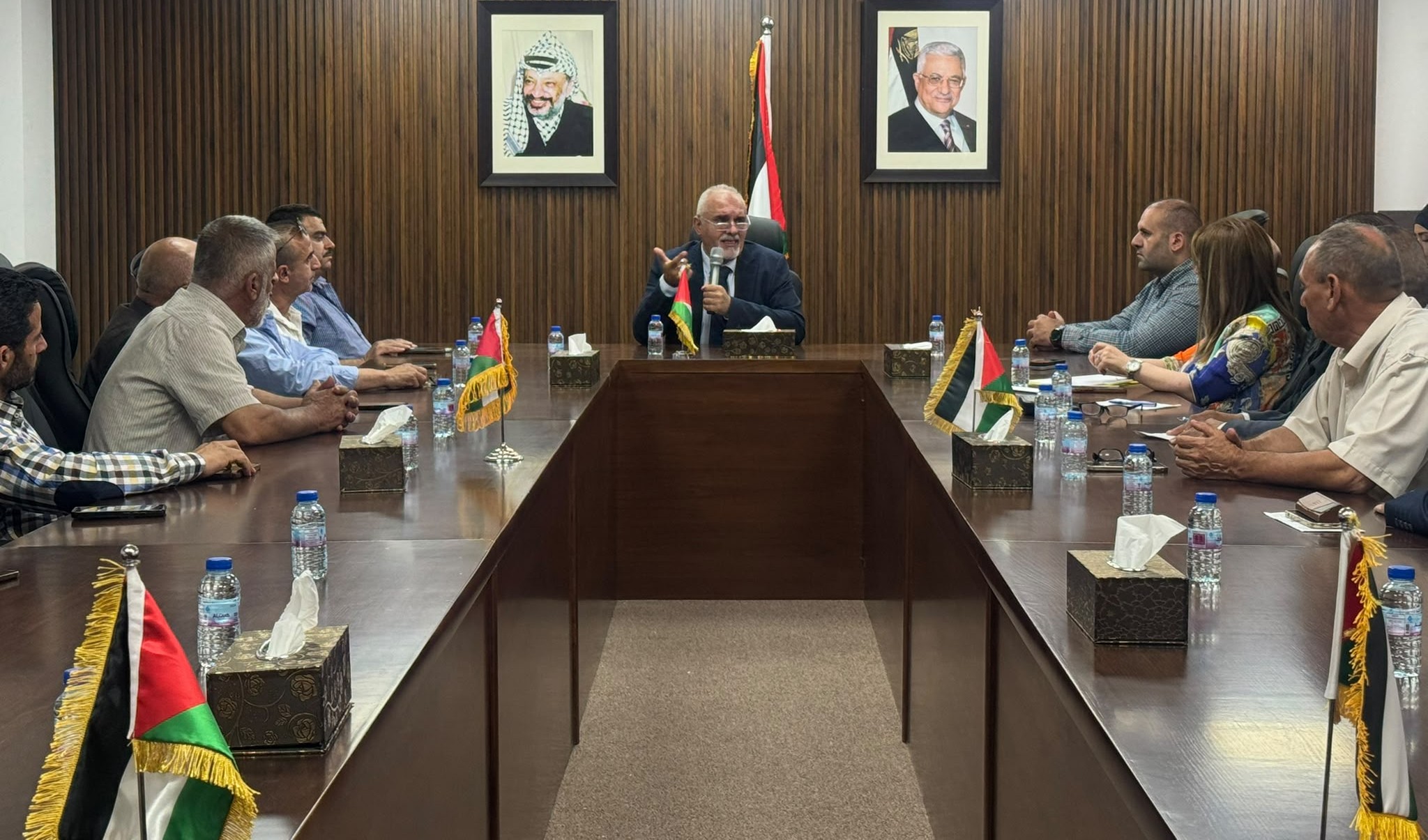
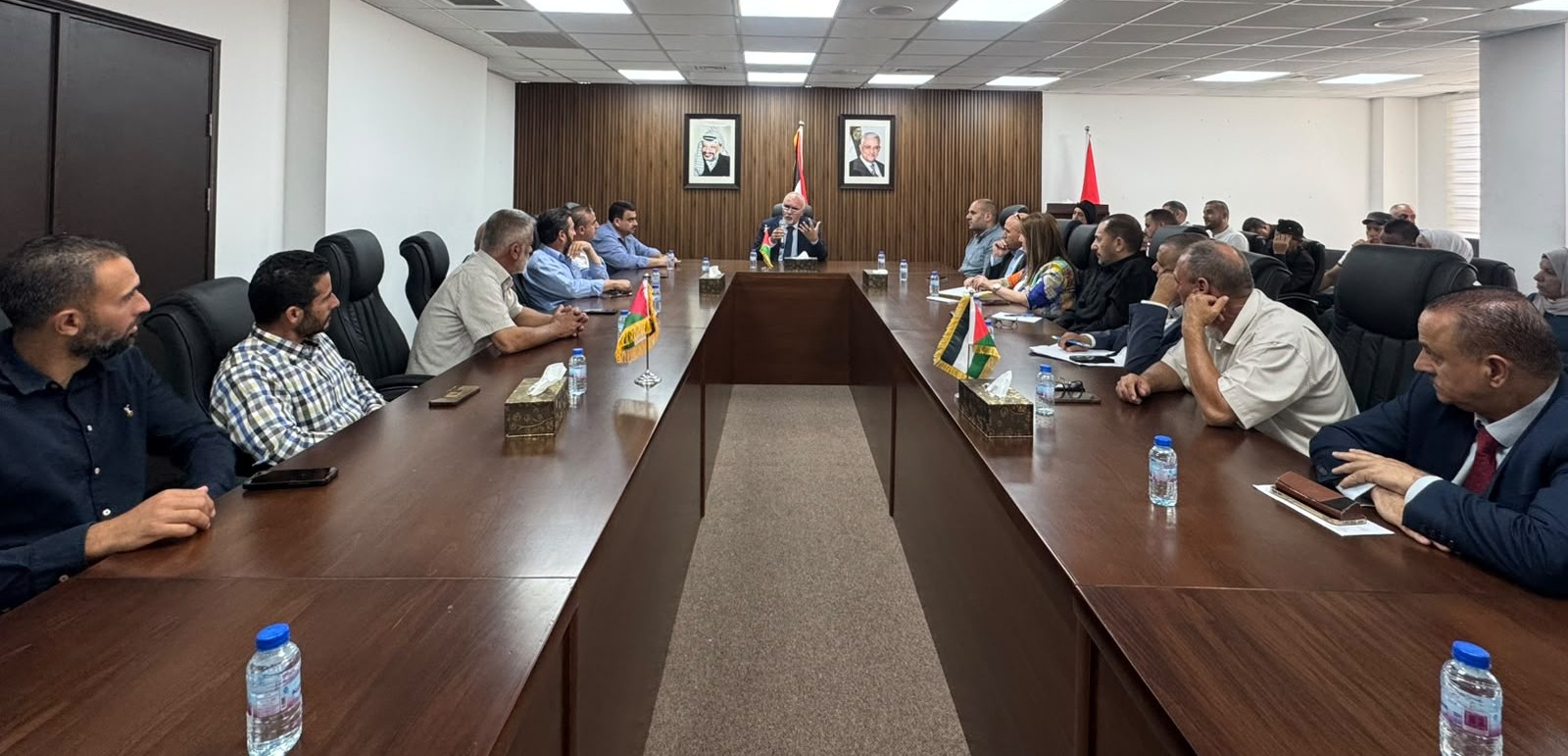
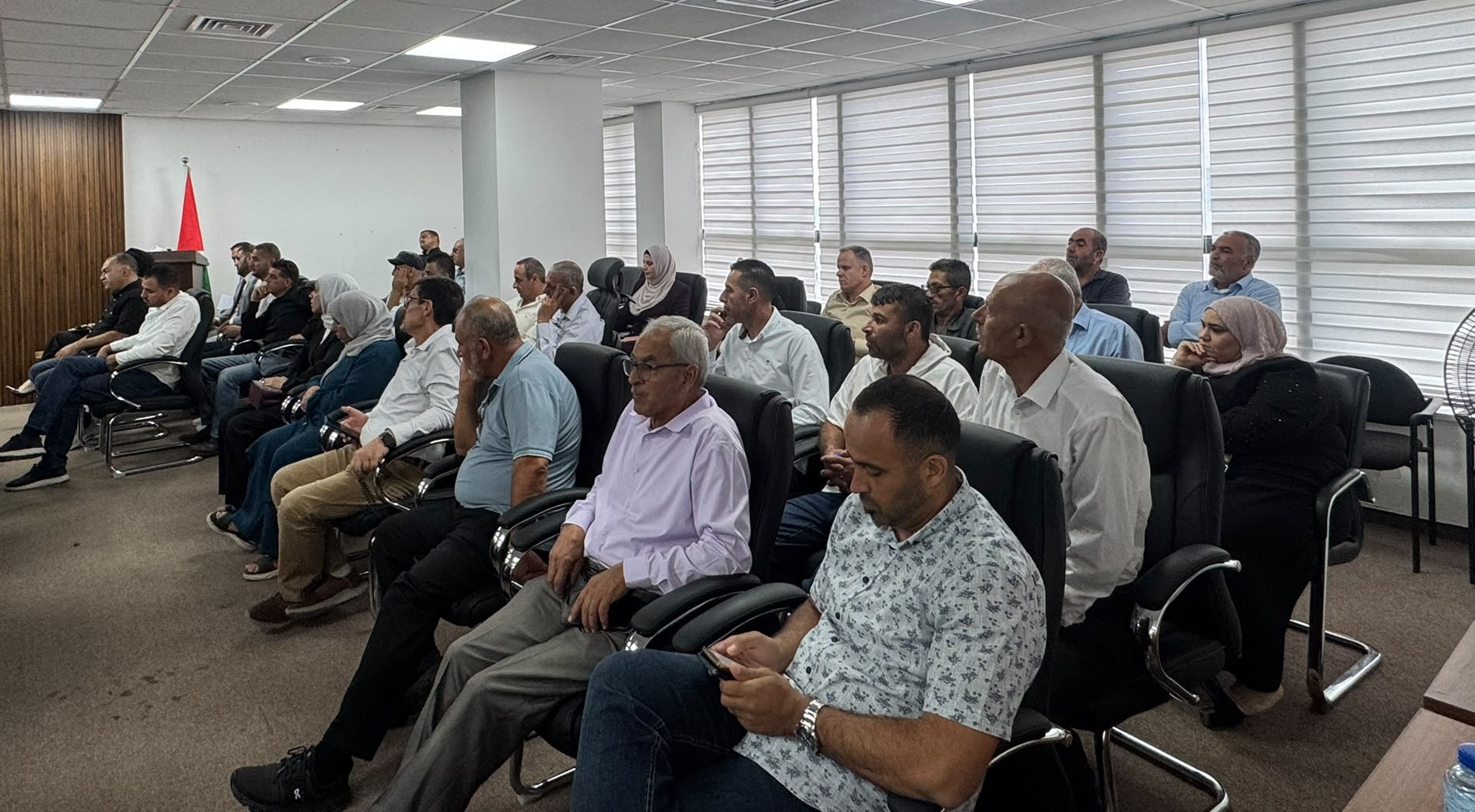
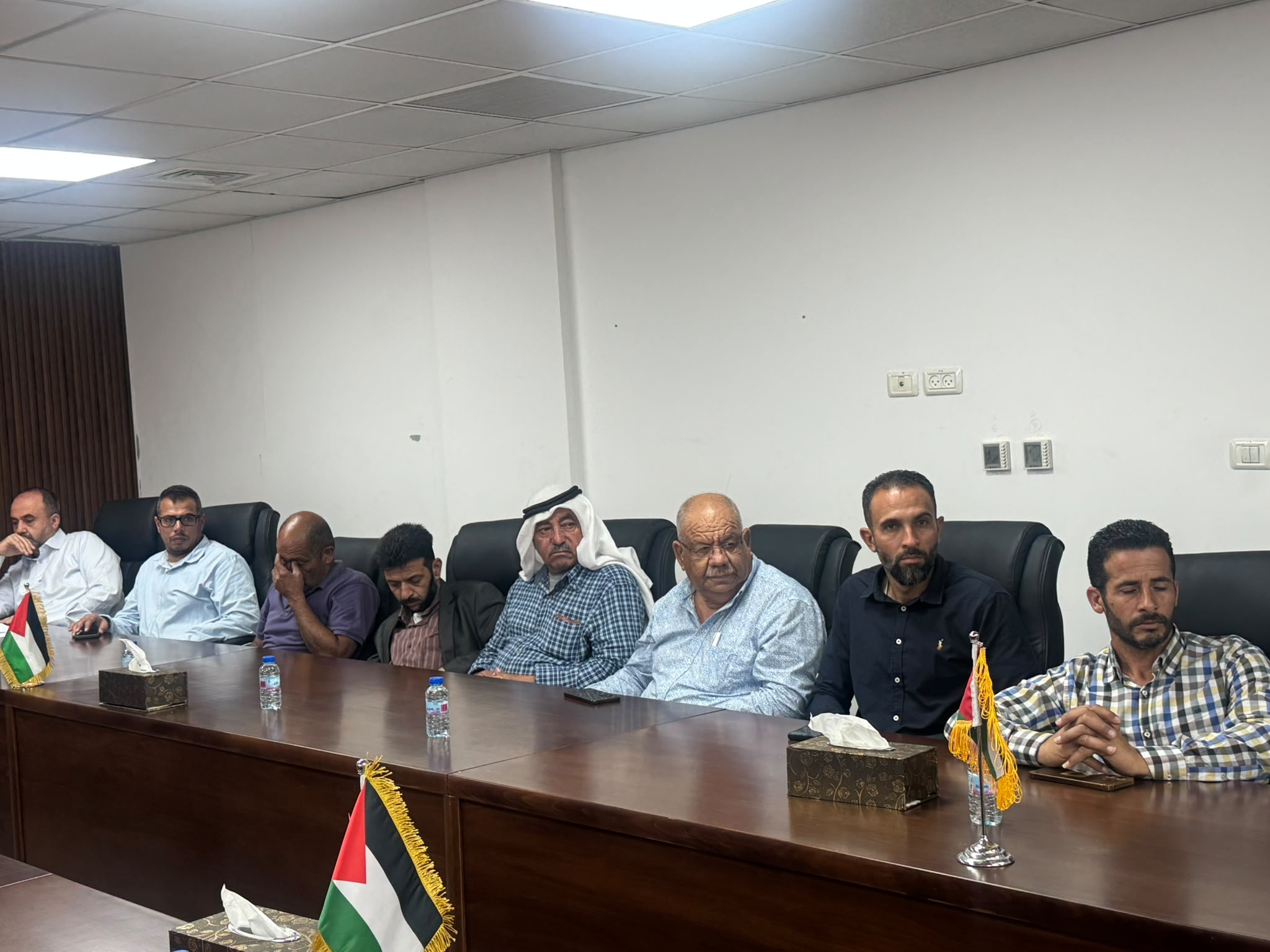
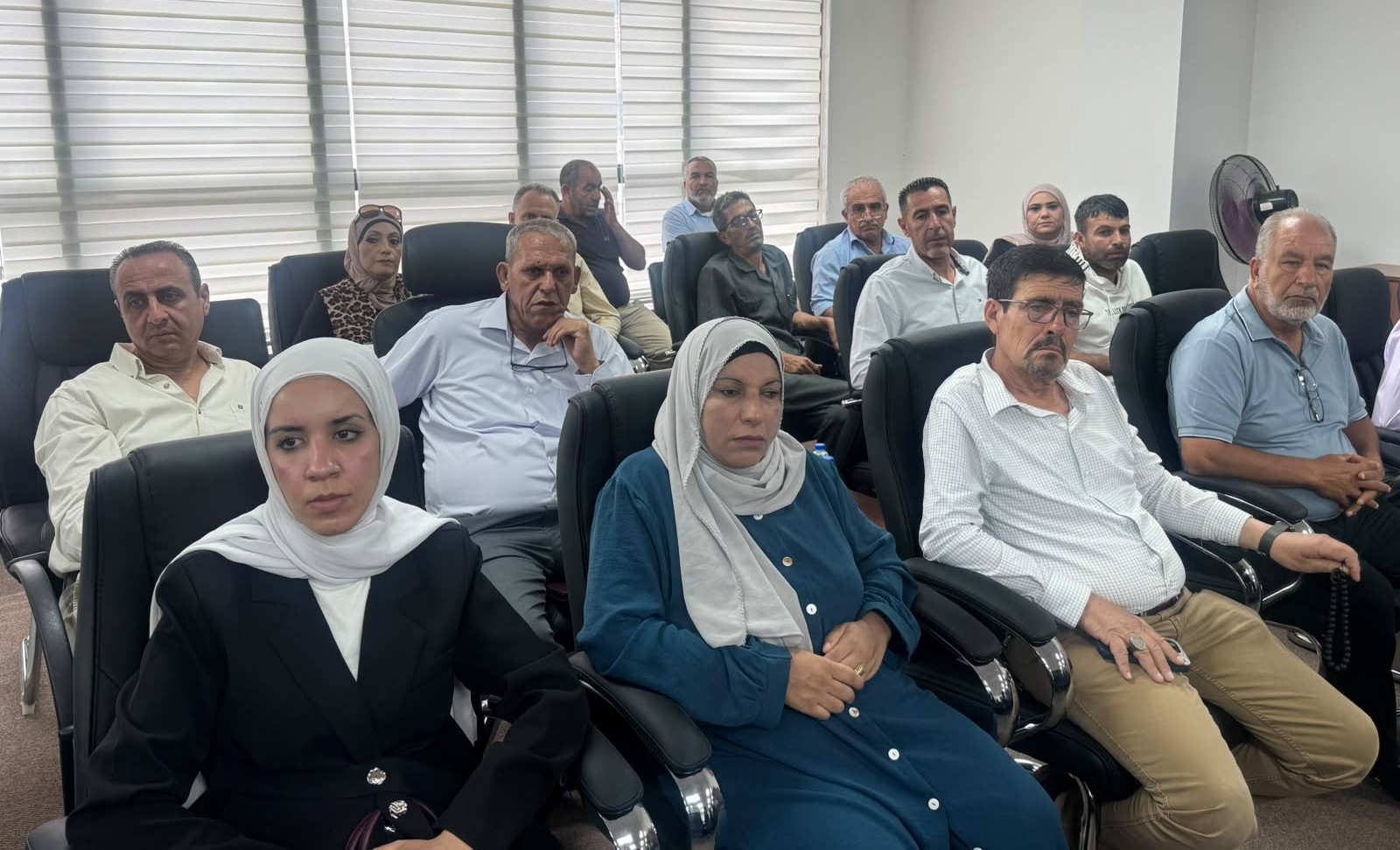
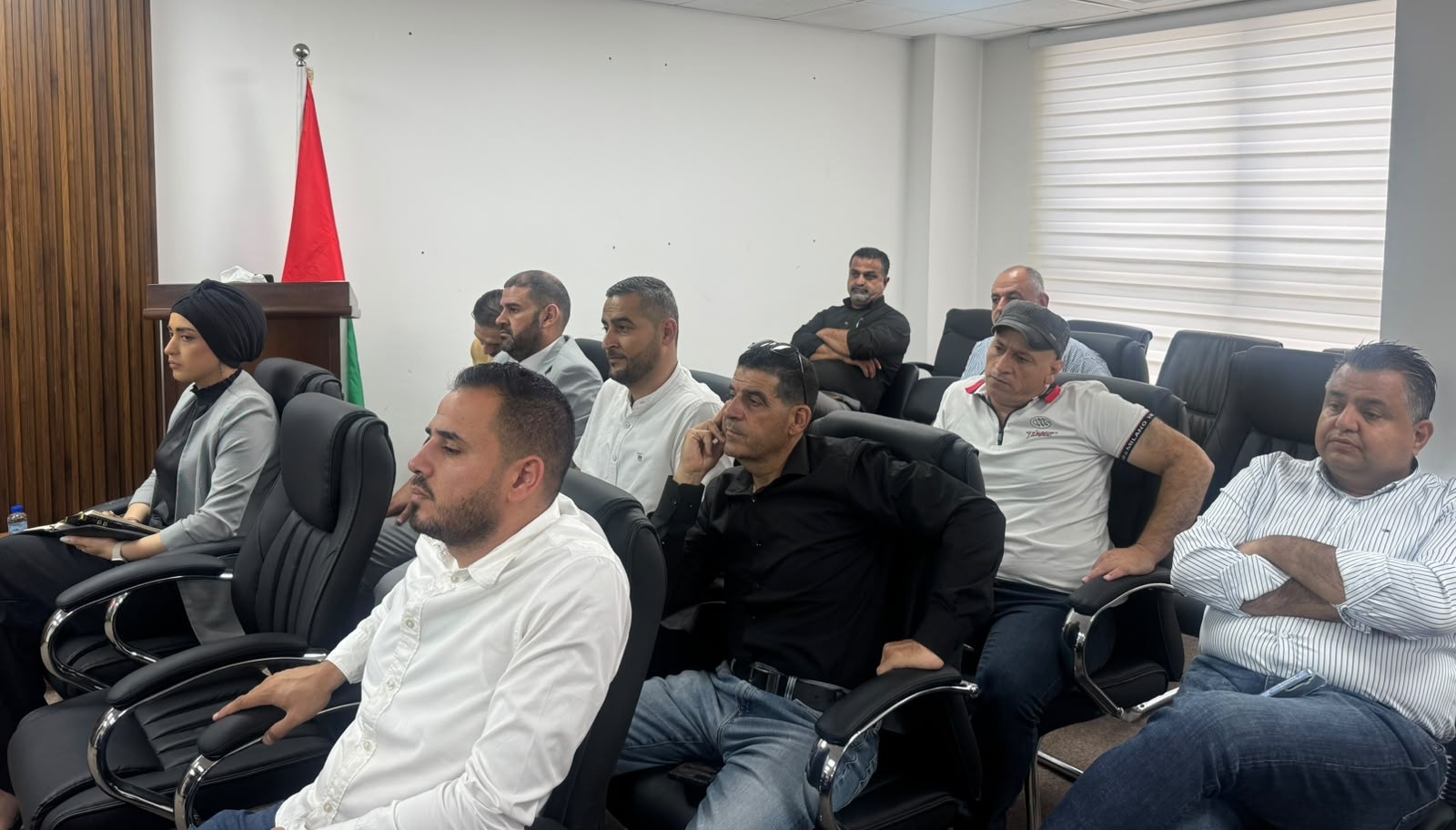
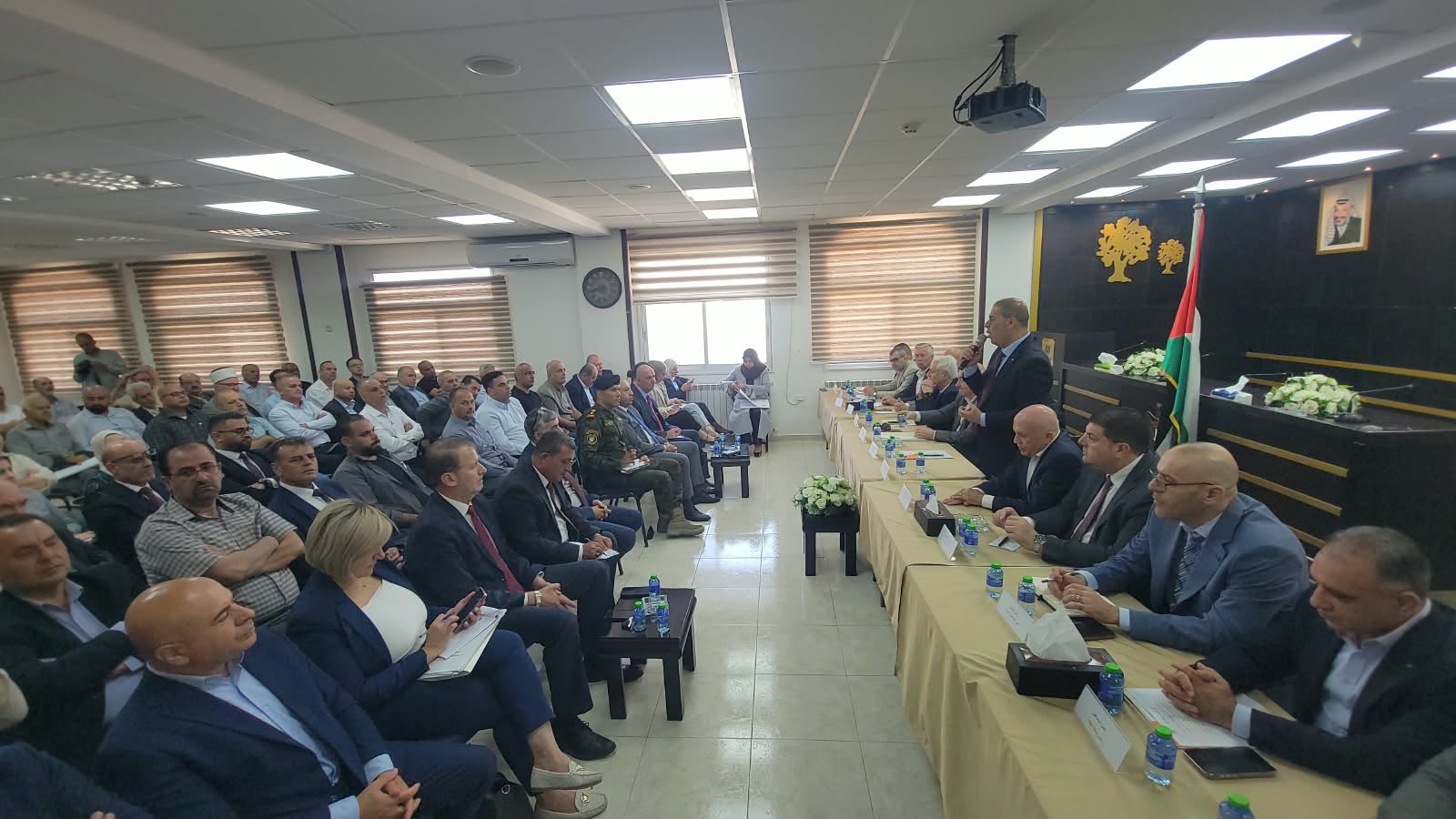
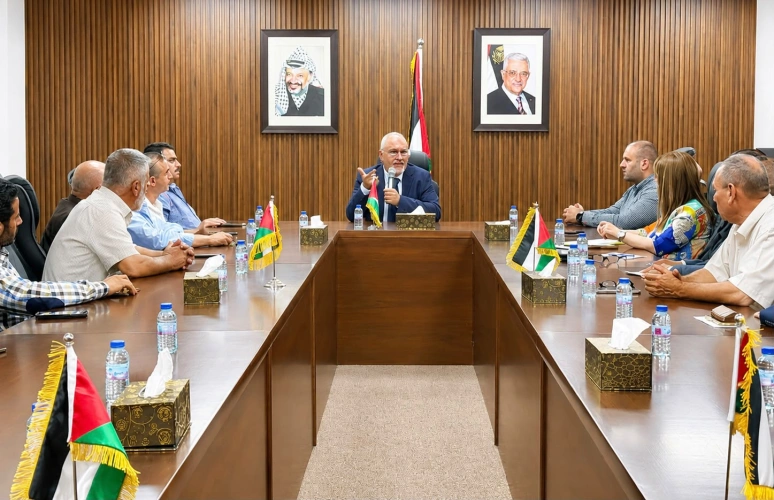
Minister of Agriculture, Professor Rizq Slaimiya, held an extensive meeting with the heads and representatives of 26 municipal and village councils from Ramallah and Al-Bireh Governorate at the Ministry of Agriculture headquarters in Ramallah. The meeting was attended by assistant undersecretaries, the Director General of Ramallah and Al-Bireh Agriculture Directorate and its staff, and a number of ministry officials. The purpose of the meeting was to discuss the current state of the agricultural sector and the needs of the regions, and to guide local authorities toward integrating agriculture into their plans and priorities. This will contribute to directing agricultural projects and interventions toward actual needs and achieving the greatest possible benefit for farmers.
Minister Slaimiya emphasized that agriculture is not merely an investment, but rather an identity, a source of resilience, and a cornerstone of the homeland. It encompasses land, people, and water. He stressed the necessity of ensuring fairness for this sector and granting it its due share of the national budget, given the ongoing targeting and attacks it faces from the Israeli occupation and settler groups. He affirmed that the Palestinian people are engaged in a struggle for survival, requiring the integrated efforts of various stakeholders to protect the land and bolster the resilience of farmers.
Slaimiya explained that the Ministry's vision rests on three main pillars: agriculture as a culture, a source of resilience, and a symbol of belonging; fostering a culture of integration and compassion; and achieving water and food security to the greatest extent possible. He noted that the difficult experience in the Gaza Strip has underscored the critical importance of water and food as fundamental pillars of resilience.
The Minister called on every municipal and village council and local authority to develop a clear agricultural vision and plan for its region, identifying its priorities and needs. This includes agricultural roads, land and tree protection, land reclamation, livestock support, and other interventions. This will enable the Ministry to work with local authorities to transform these priorities into feasible projects and programs. He emphasized the Ministry's readiness to dedicate its staff and technical expertise to support this approach.
Slaimiya reviewed the most prominent agricultural programs, projects, and interventions implemented by the Ministry, as well as the mechanisms for progress and benefiting from them. He noted the distribution of 318 projects within agricultural aid and intervention programs, in addition to the handover of 53 new agricultural projects. He affirmed the Ministry's continued commitment to directing support according to established priorities and criteria, ensuring that projects reach farmers and the most needy areas.
He also pointed to the Ministry's ongoing efforts to protect livestock, explaining that the national vaccination and tagging campaign had covered over 145,000 head of livestock as of last Thursday, within a comprehensive national tagging system. He added that the Ministry continues to implement programs and interventions aimed at supporting farmers, protecting their sources of income, and strengthening their resilience on their land.
For their part, the heads and representatives of municipal and village councils and bodies raised the most prominent agricultural needs and challenges in their areas, stressing the importance of strengthening communication and direct coordination with the Ministry of Agriculture and its directorates, and benefiting from the available programs and projects. The meeting emphasized the importance of continuing the partnership between the Ministry and local bodies, and turning the priorities and needs that were raised into practical plans, projects and interventions that support farmers, protect the land and enhance the resilience of the agricultural sector in Ramallah and Al-Bireh Governorate.