Notification
حظر استيراد كافة أنواع الطيور الحية الداجنة والبرية وطيور الزينة وبيض التفقيس والصيصان عمر يوم ومخلفاتها الغير معاملة حراريا من تركيا ولحين استقرار الوضع الصحي

Salfit – June 3, 2026
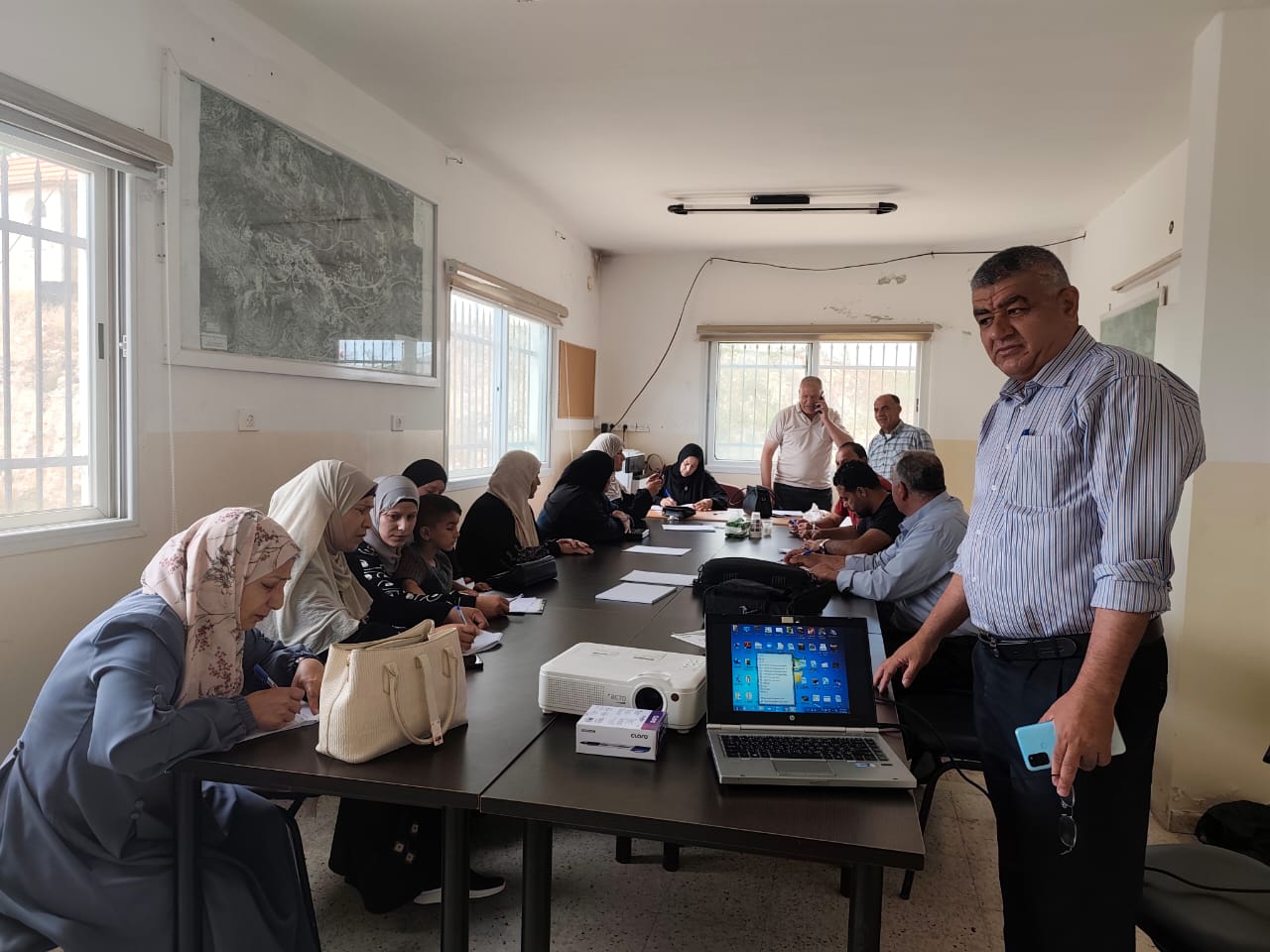
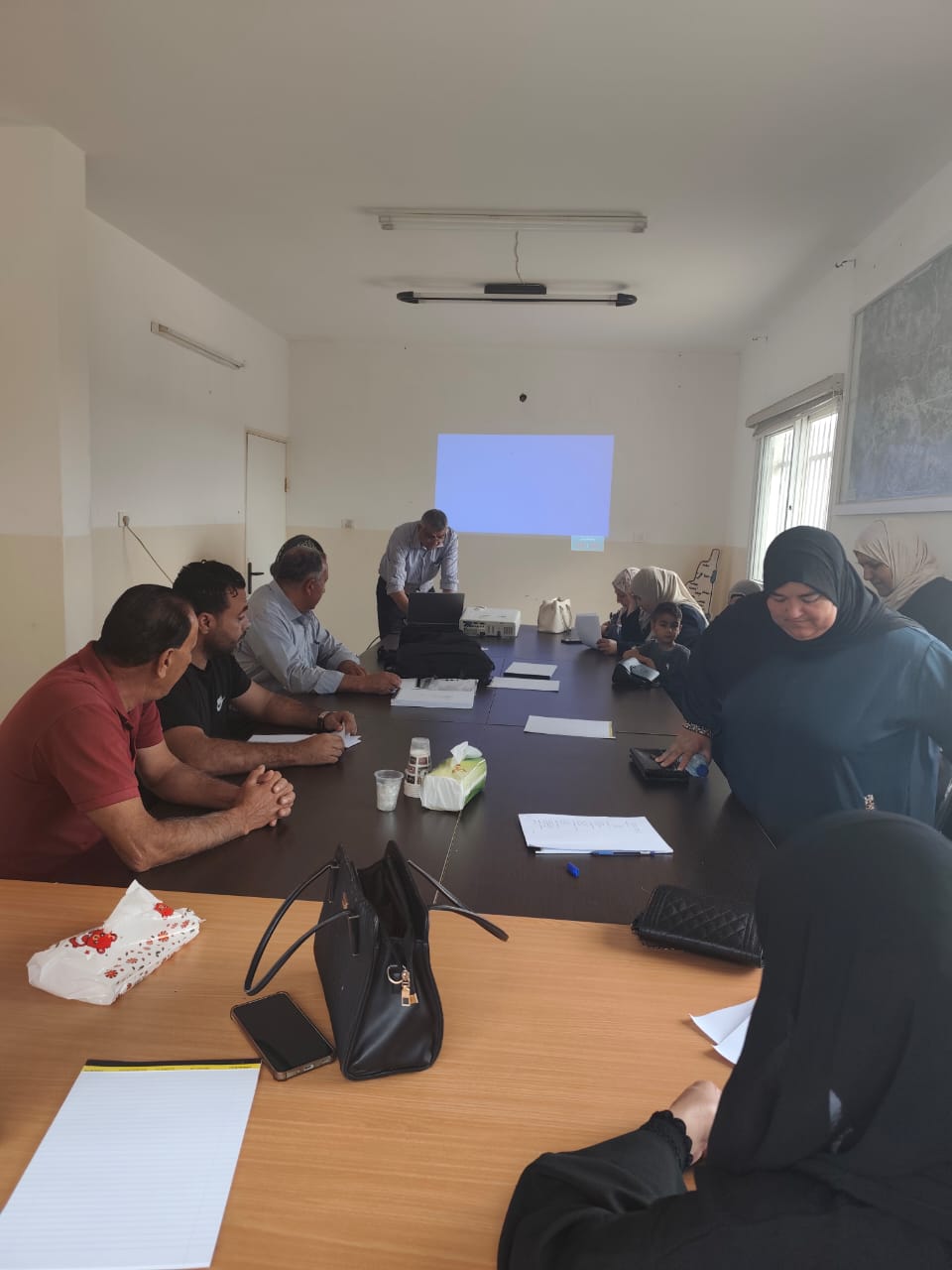
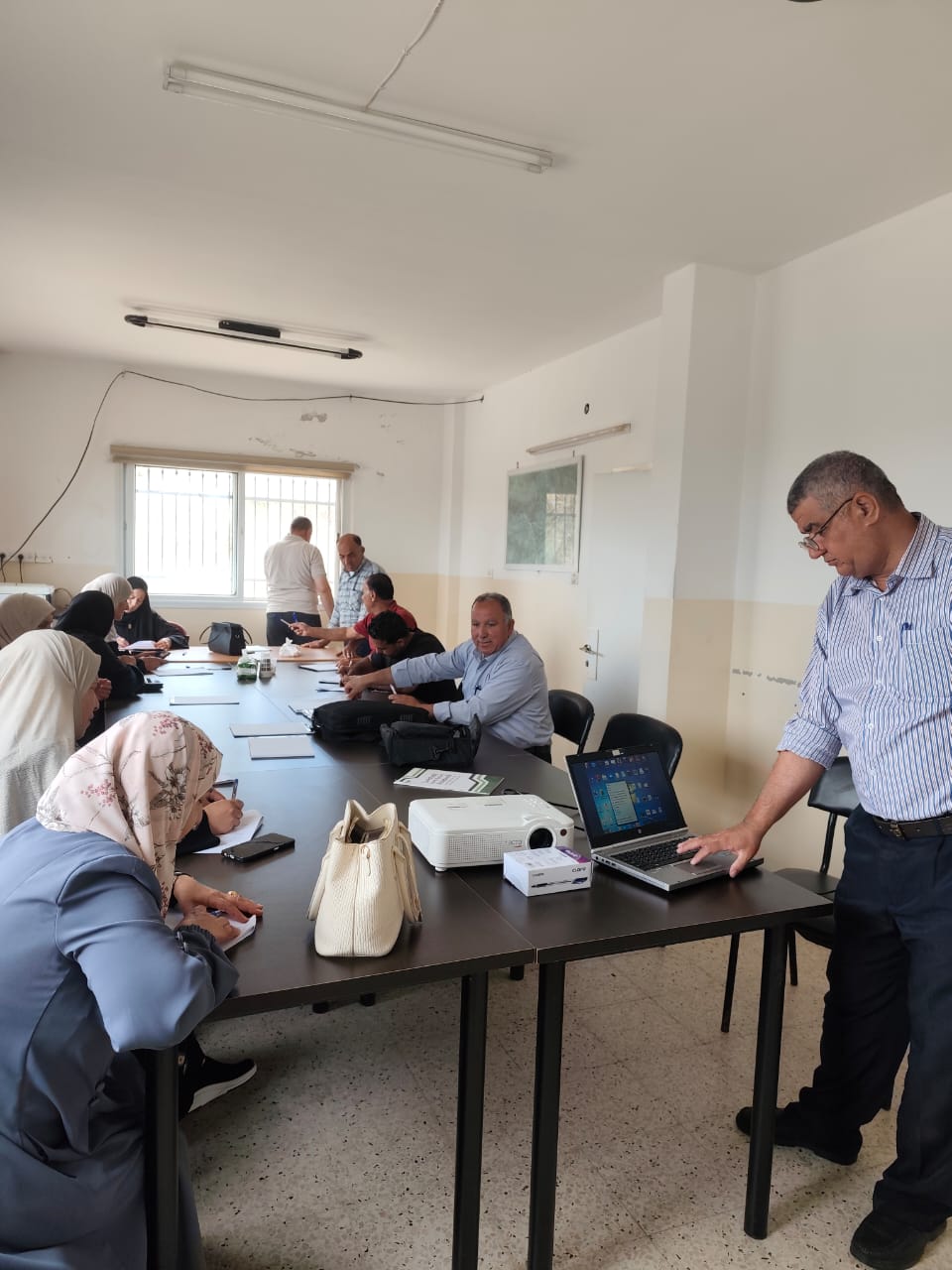
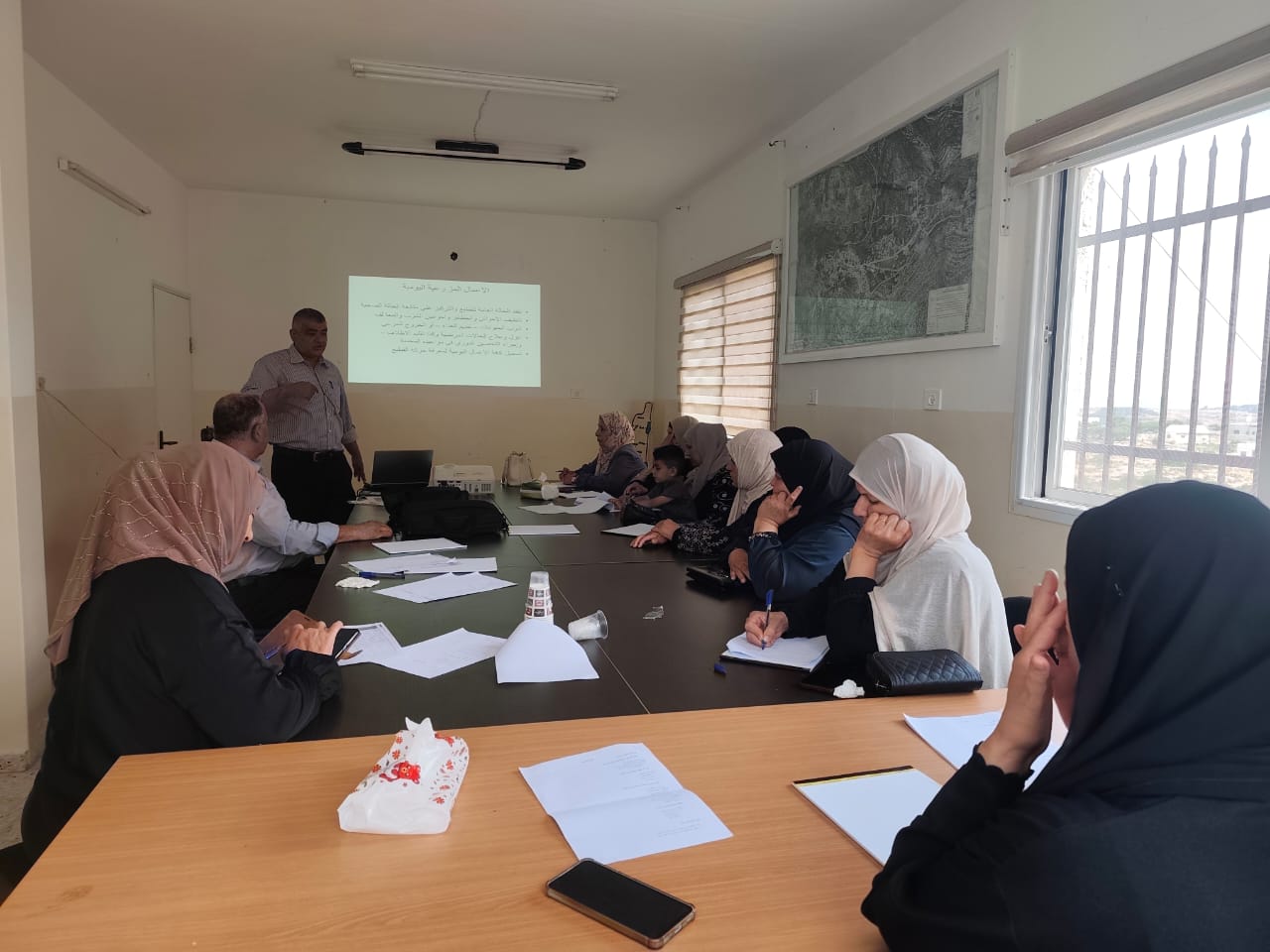
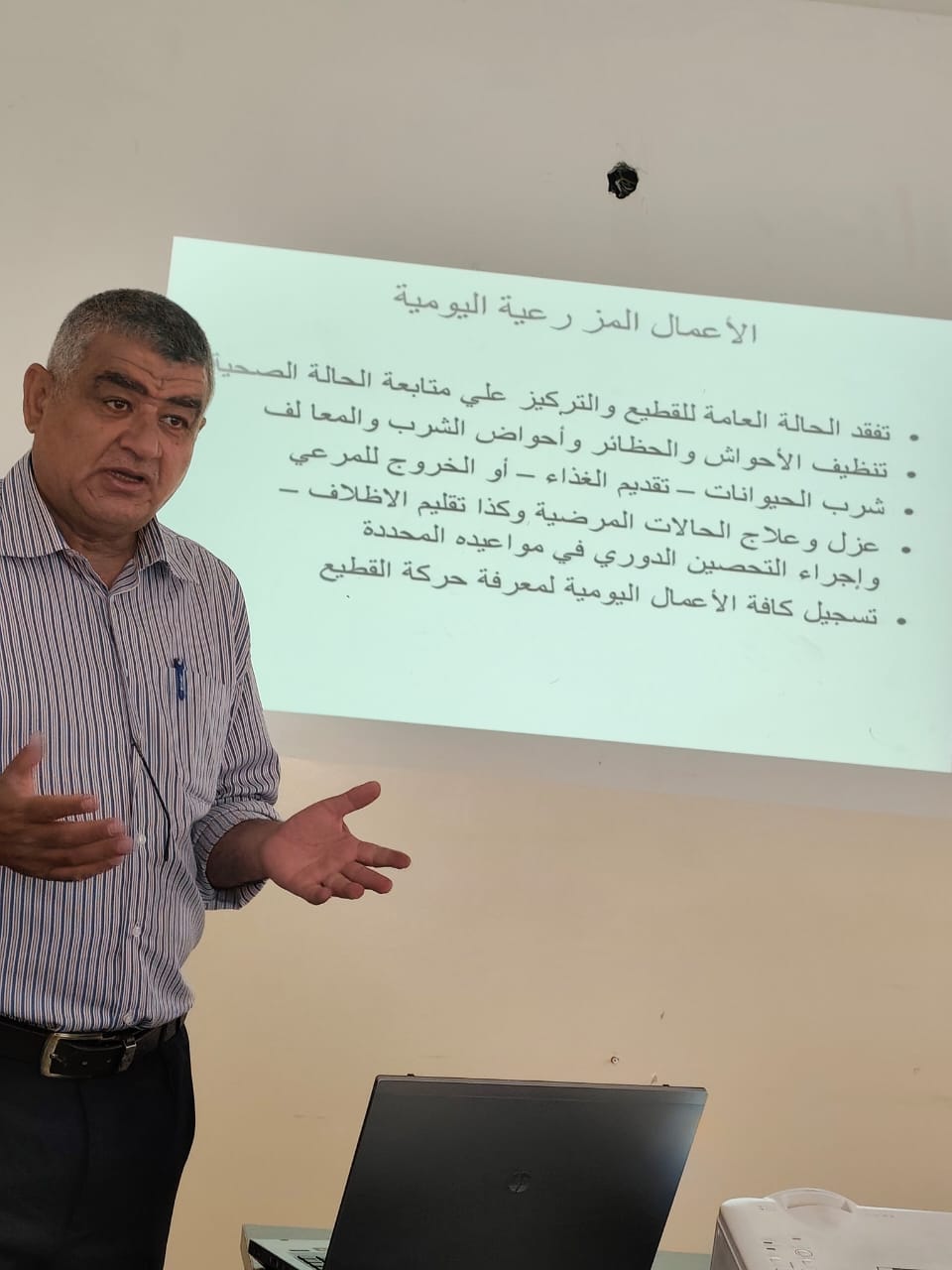
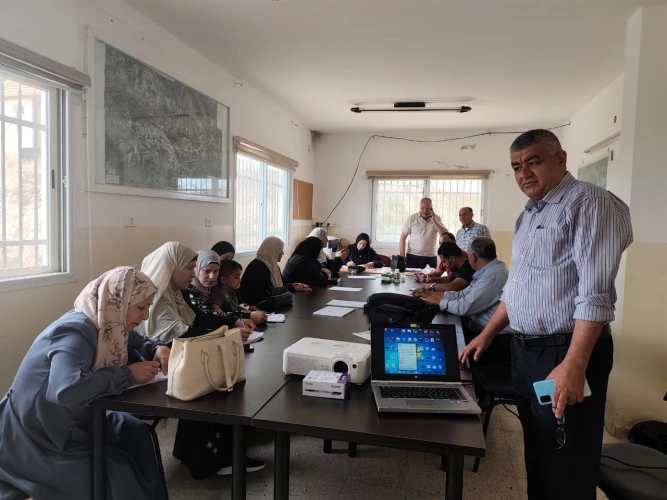
The Agricultural Extension Department at Salfit Directorate of Agriculture conducted two training workshops targeting 15 women livestock breeders in the village of Farkha. These workshops were part of the "Strengthening the Skills and Practices of Livestock Breeders at All Stages of the Animal Value Chain" project, funded by the Food and Agriculture Organization of the United Nations (FAO).
The workshops were part of the Ministry of Agriculture's efforts to develop the capabilities of livestock breeders and enhance their knowledge of sound agricultural practices that contribute to improving livestock production and the quality of food products.
During the first workshop, Engineer Ahmed Abdullah, Head of the Livestock Department at the Salfit Directorate of Agriculture, addressed the topic of ruminant farm management. He reviewed the technical and administrative principles necessary for efficient farm management and the importance of applying sound practices in feeding, healthcare, and daily herd management, which positively impacts productivity and the economic returns for breeders. Agricultural engineer Maysaa Maakousa, head of the Rural Development Department, delivered the second lecture, titled "Health and Safety of Dairy Products." She discussed the health procedures that must be followed during the production, processing, and handling of dairy products, and the importance of adhering to hygiene and food safety standards to ensure product quality and protect consumer health.
The project aims to develop the skills and knowledge of livestock breeders and improve production and processing practices, thereby contributing to enhanced food security and improved livelihoods for families working in the livestock sector across the targeted regions.