Notification
حظر استيراد كافة أنواع الطيور الحية الداجنة والبرية وطيور الزينة وبيض التفقيس والصيصان عمر يوم ومخلفاتها الغير معاملة حراريا من تركيا ولحين استقرار الوضع الصحي

Ramallah: May 24, 2026
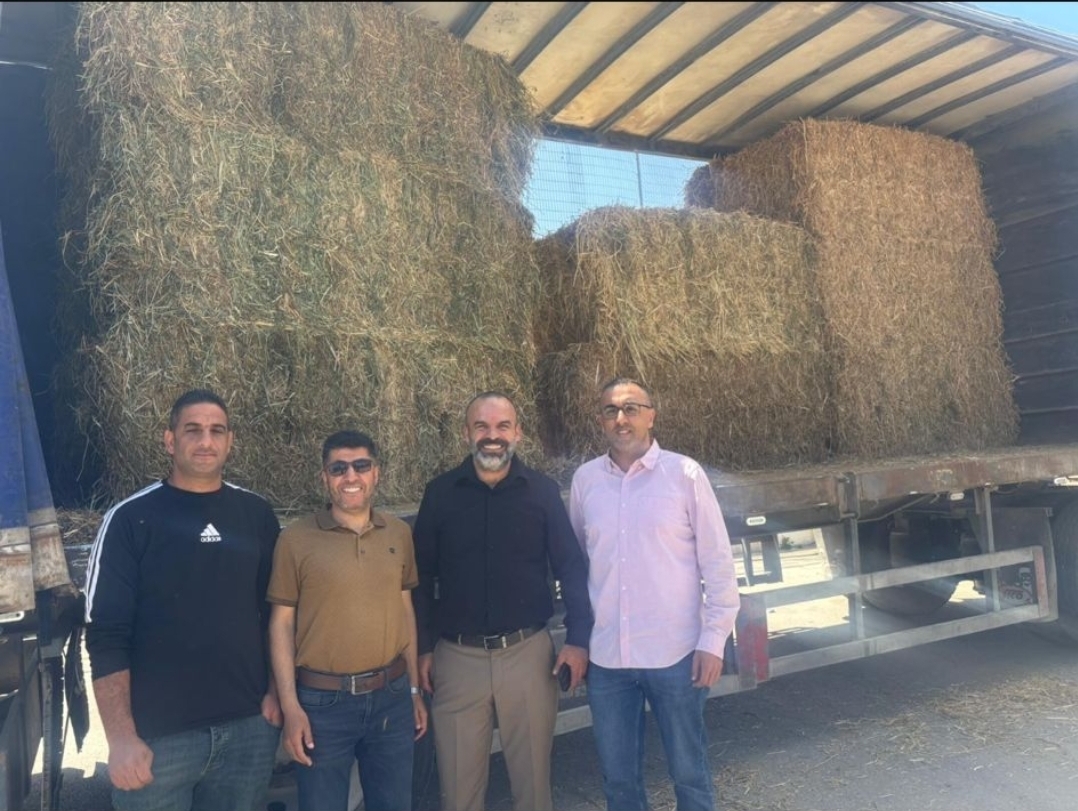
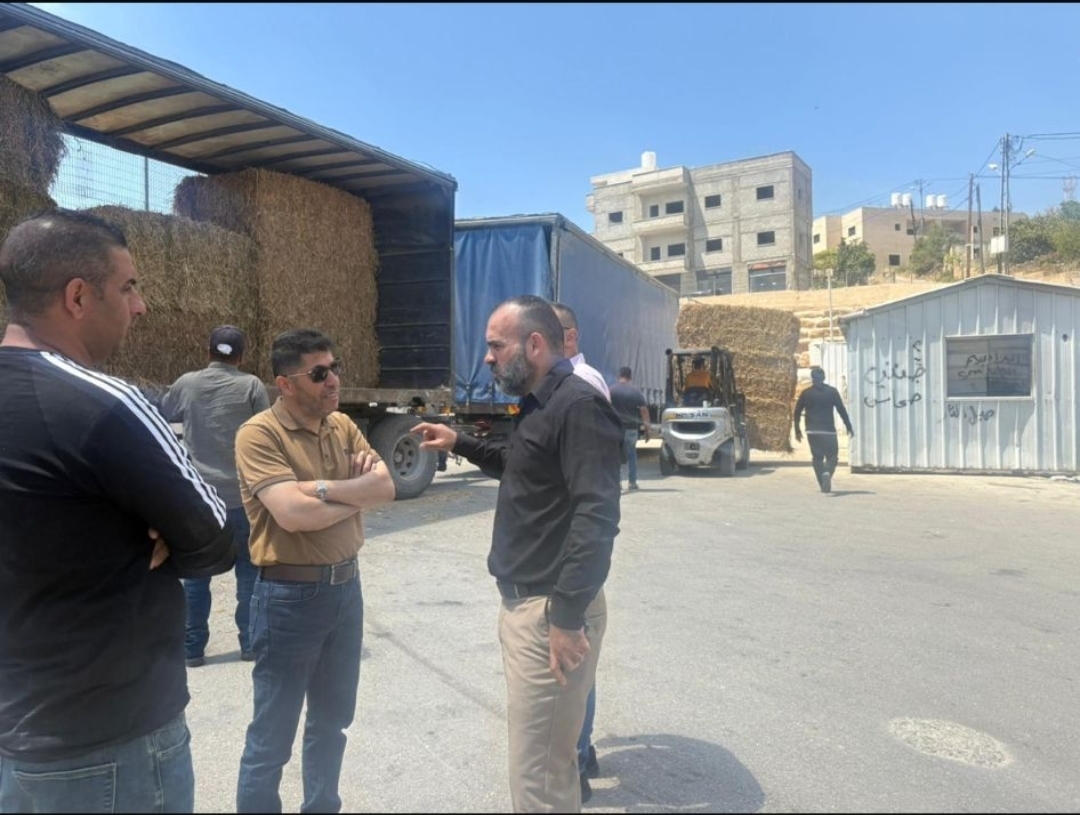
As part of its ongoing efforts to support farmers and bolster their resilience in targeted areas, Ramallah and Al-Bireh Directorate of Agriculture conducted an urgent field intervention this morning in the town of Sinjil, north of Ramallah. This intervention addressed the immediate needs of livestock breeders affected by repeated settler attacks on agricultural lands and properties in the town and surrounding areas.
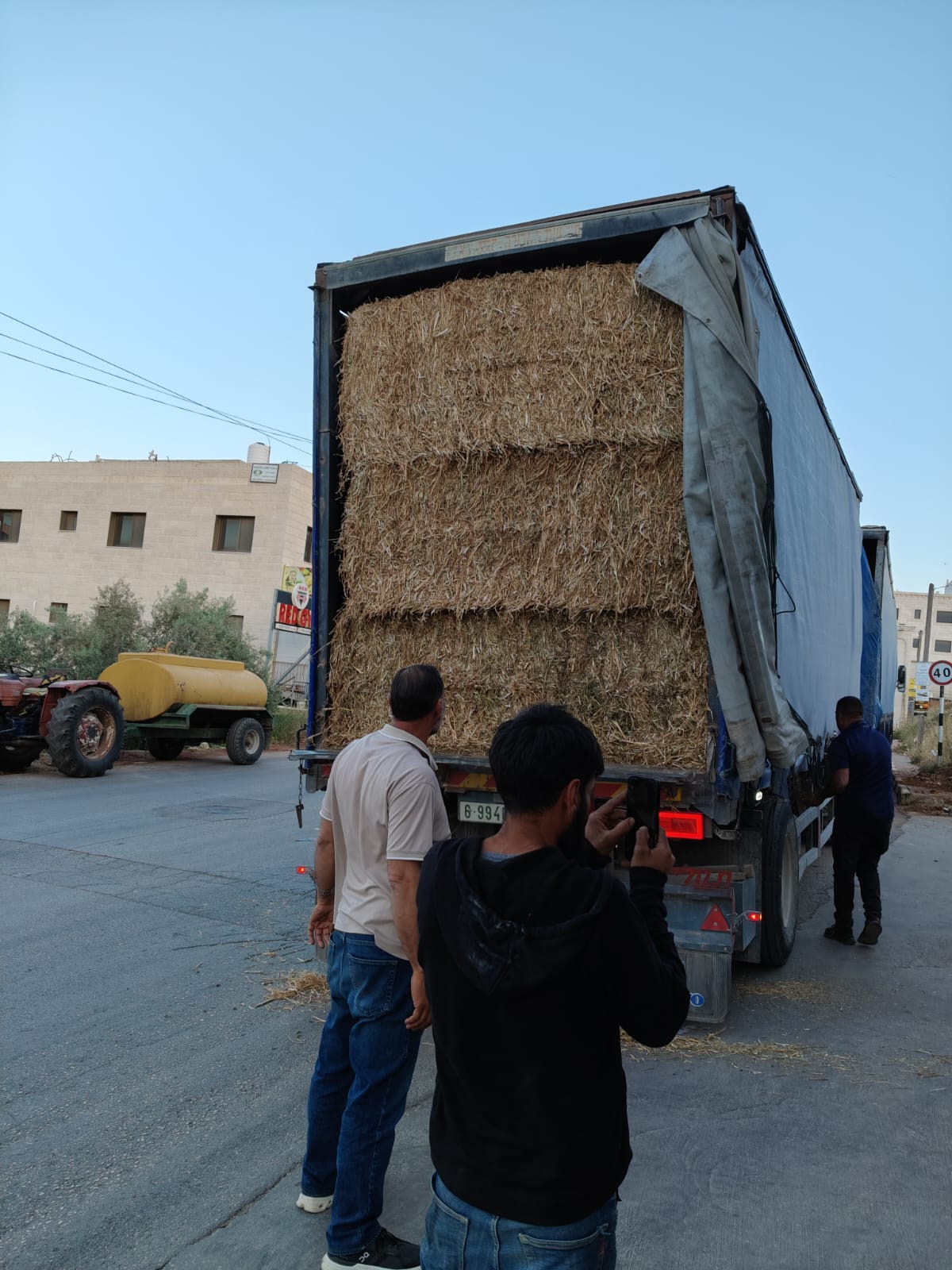
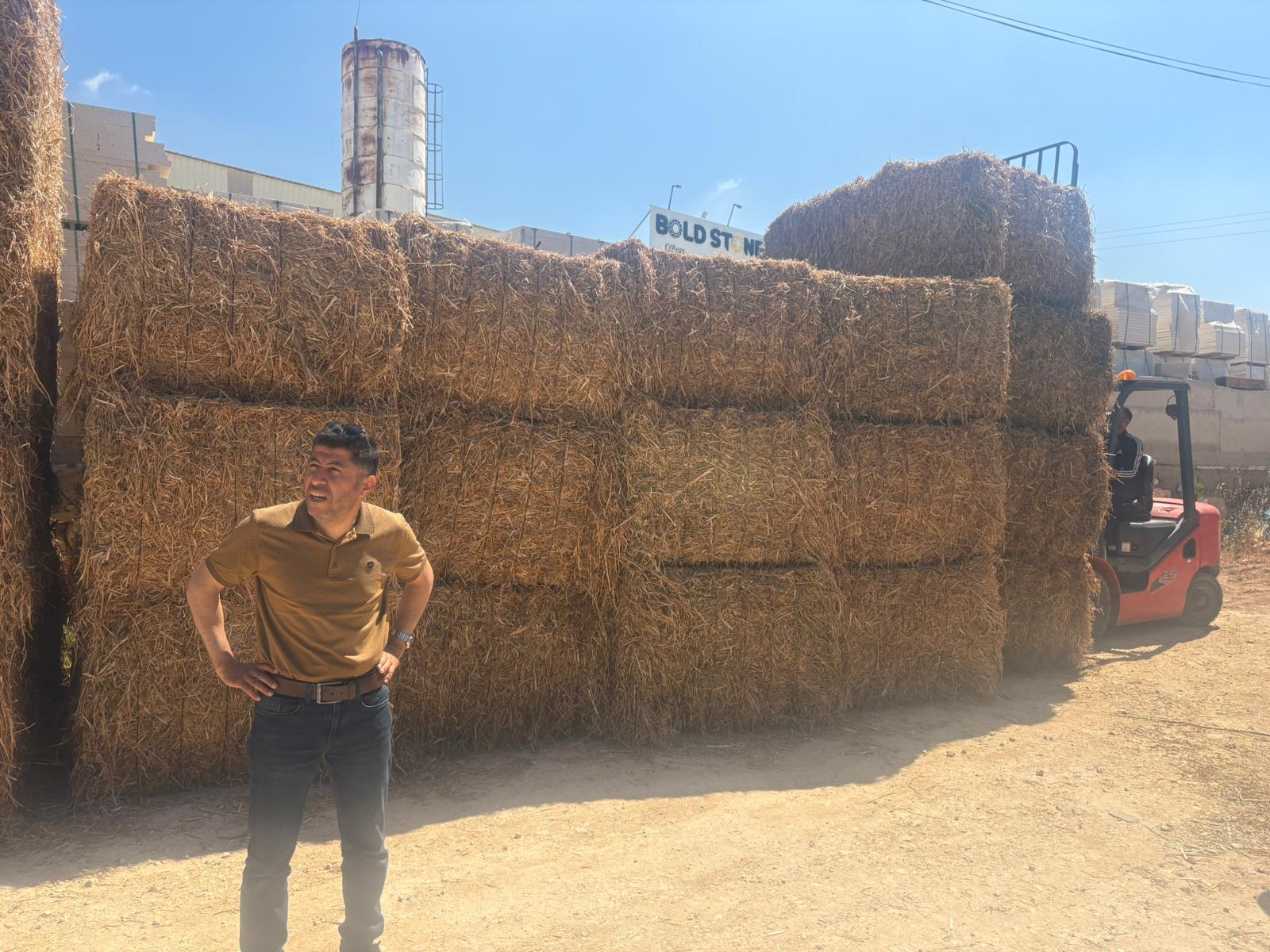
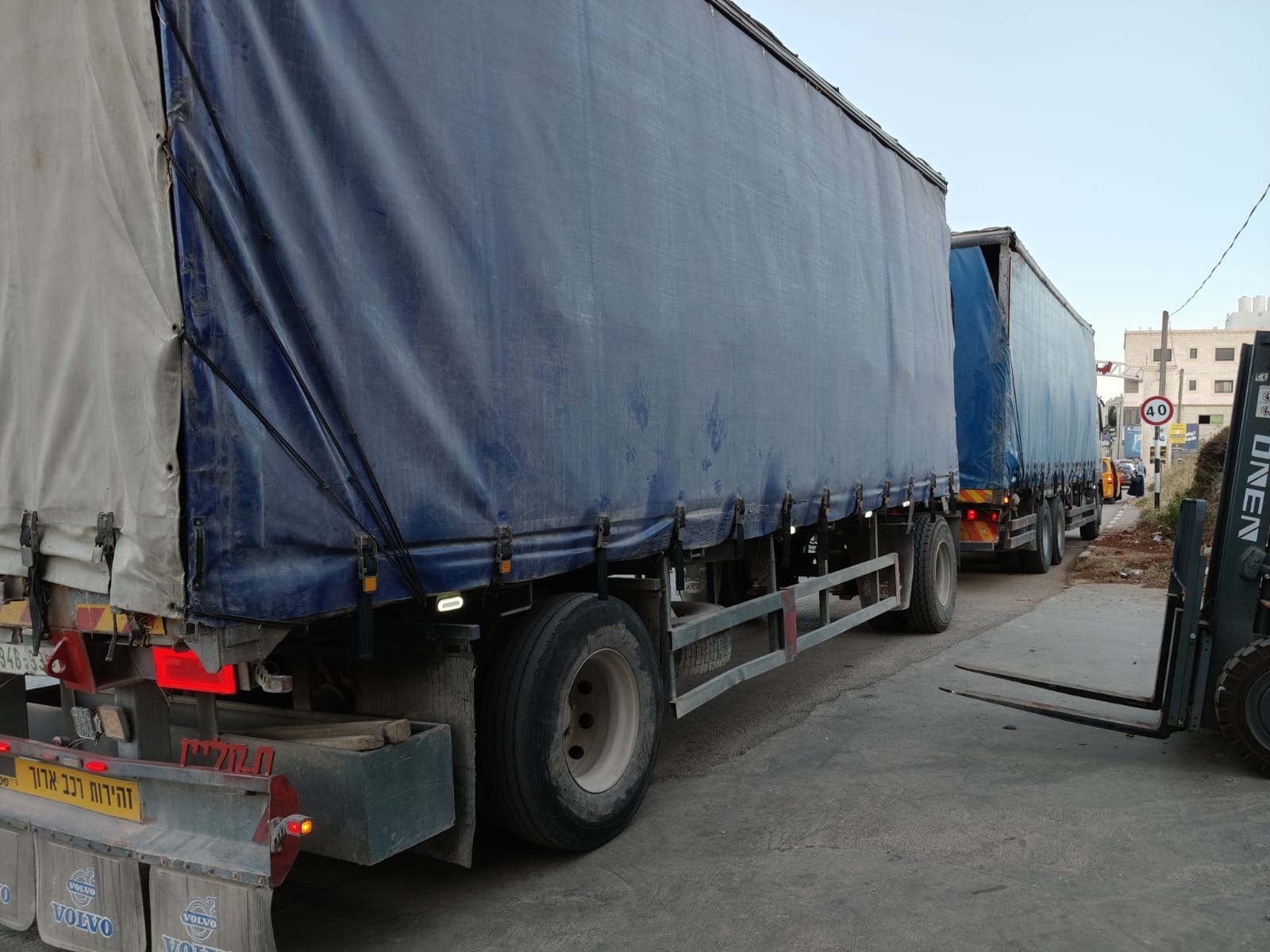
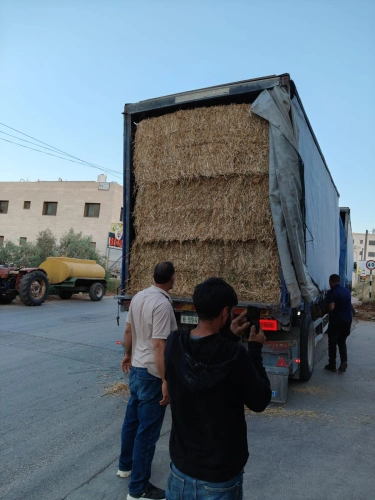
The intervention included the distribution of 38 large bales of alfalfa and vetch, each weighing approximately 450 kilograms, to several livestock breeders. This aims to provide necessary fodder for their animals given the difficult circumstances faced by farmers, particularly following the escalation of attacks and the prevention of their access to natural pastures and agricultural lands.
The Directorate of Agriculture affirms that this intervention comes within the framework of supporting affected farmers and alleviating their increasing economic burdens, at a time when grazing areas in the town are subjected to continuous restrictions that limit citizens' ability to practice their agricultural activities and raise their livestock normally. This directly impacts their sources of income and livelihood stability.
The town of Sinjil is among the towns most vulnerable to settler attacks in the Ramallah and Al-Bireh Governorate. Recently, it has witnessed a series of violations targeting olive trees, agricultural property, and livestock, in addition to preventing shepherds from accessing pastures. This has directly harmed farmers and negatively affected their ability to continue agricultural production.
In this context, the Ministry of Agriculture emphasizes its continued implementation of support programs for farmers in threatened and targeted areas. This support is provided through emergency interventions and development projects aimed at protecting the agricultural sector and strengthening the resilience of citizens and their attachment to their land. Supporting farmers and protecting agricultural lands constitutes a national priority in confronting current challenges.