Notification
حظر استيراد كافة أنواع الطيور الحية الداجنة والبرية وطيور الزينة وبيض التفقيس والصيصان عمر يوم ومخلفاتها الغير معاملة حراريا من تركيا ولحين استقرار الوضع الصحي

Hebron: March 26, 2026
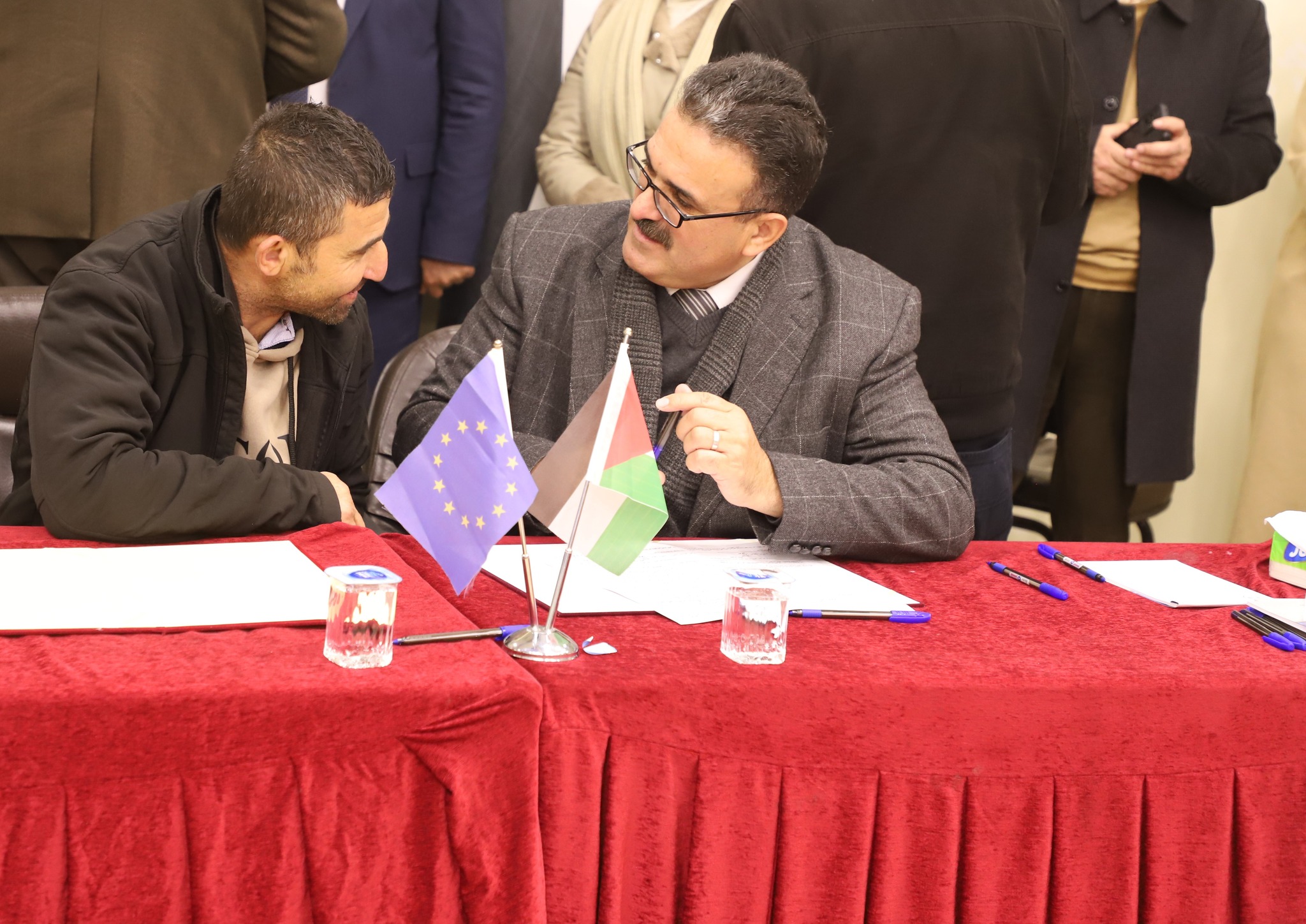
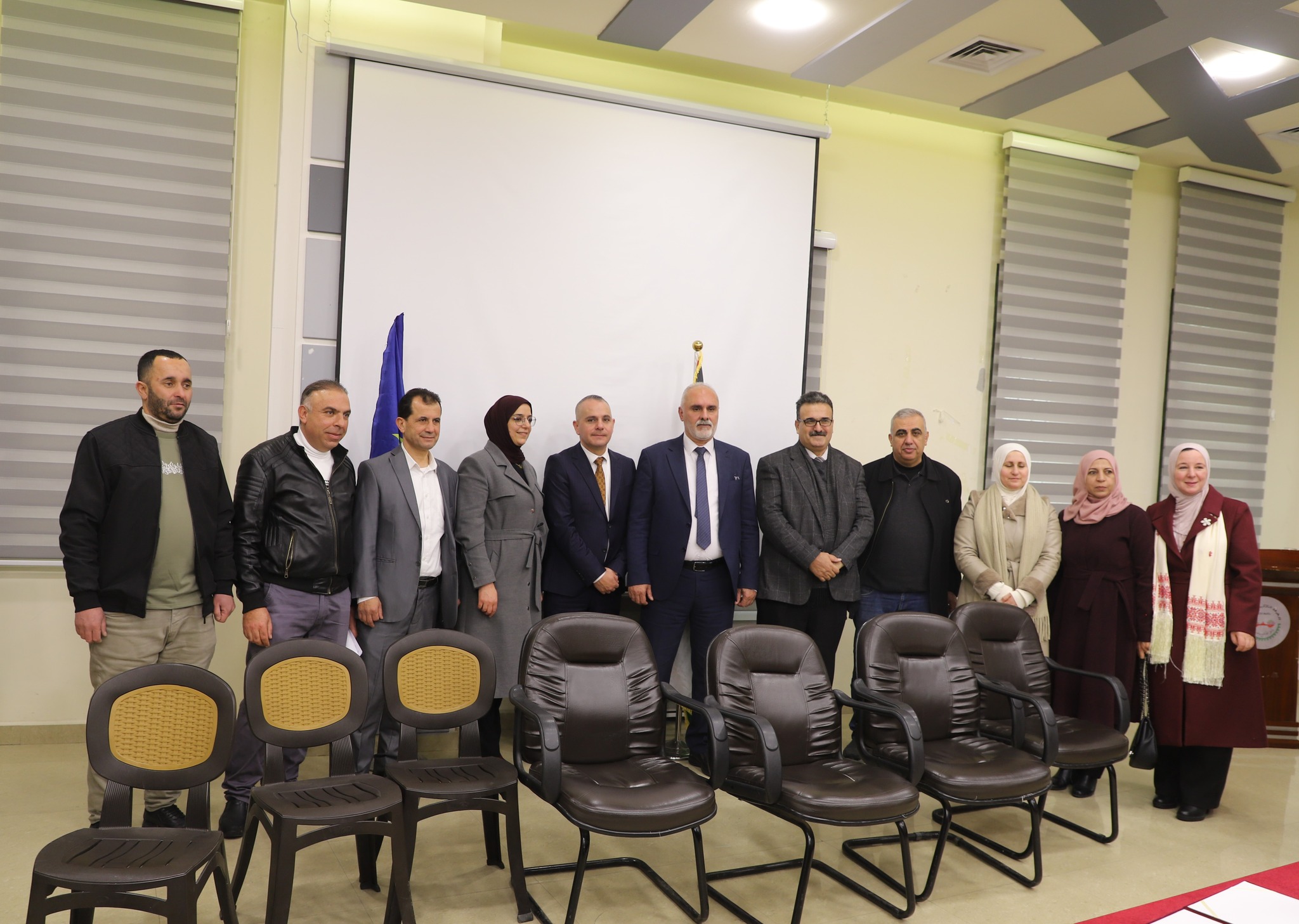
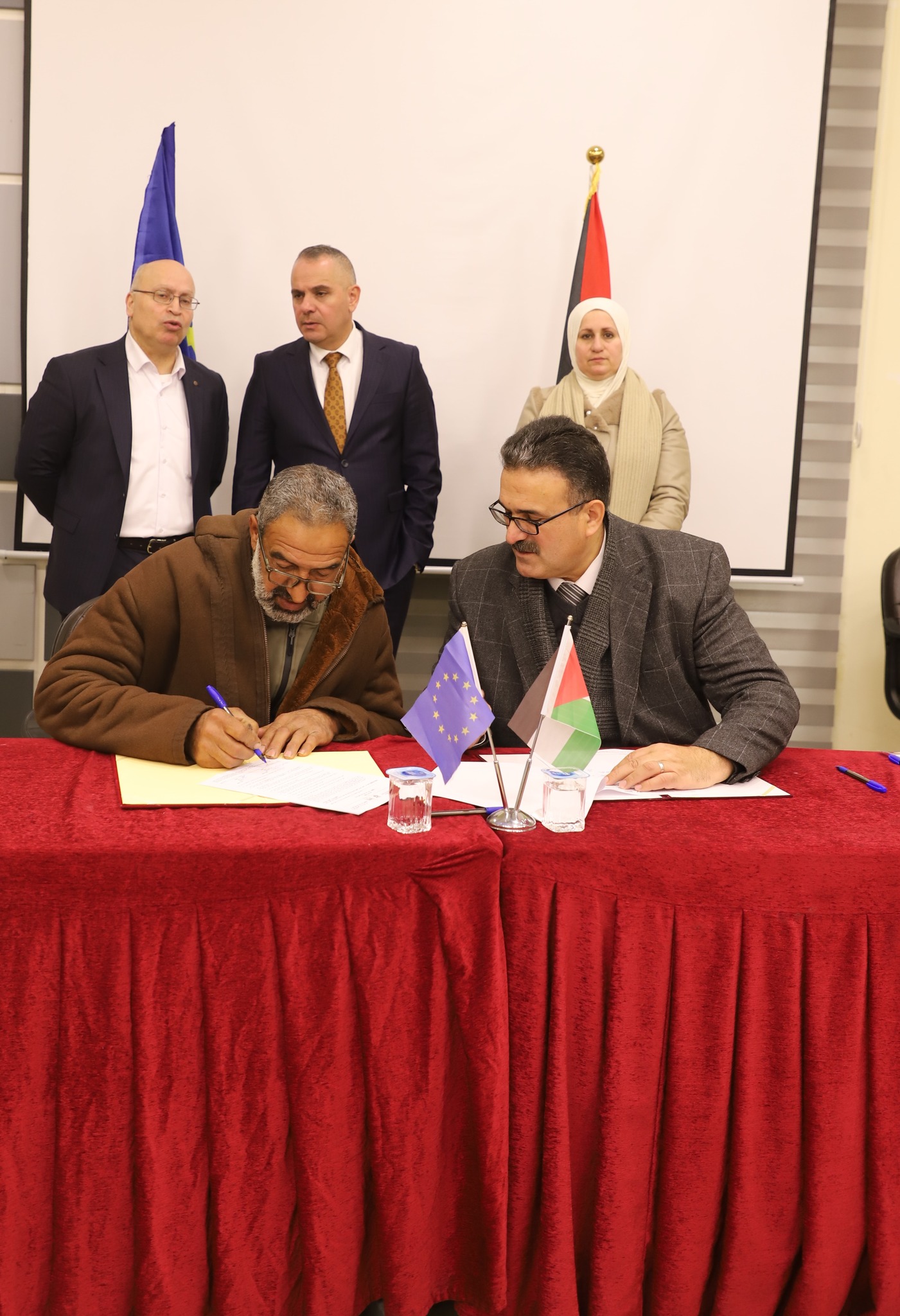
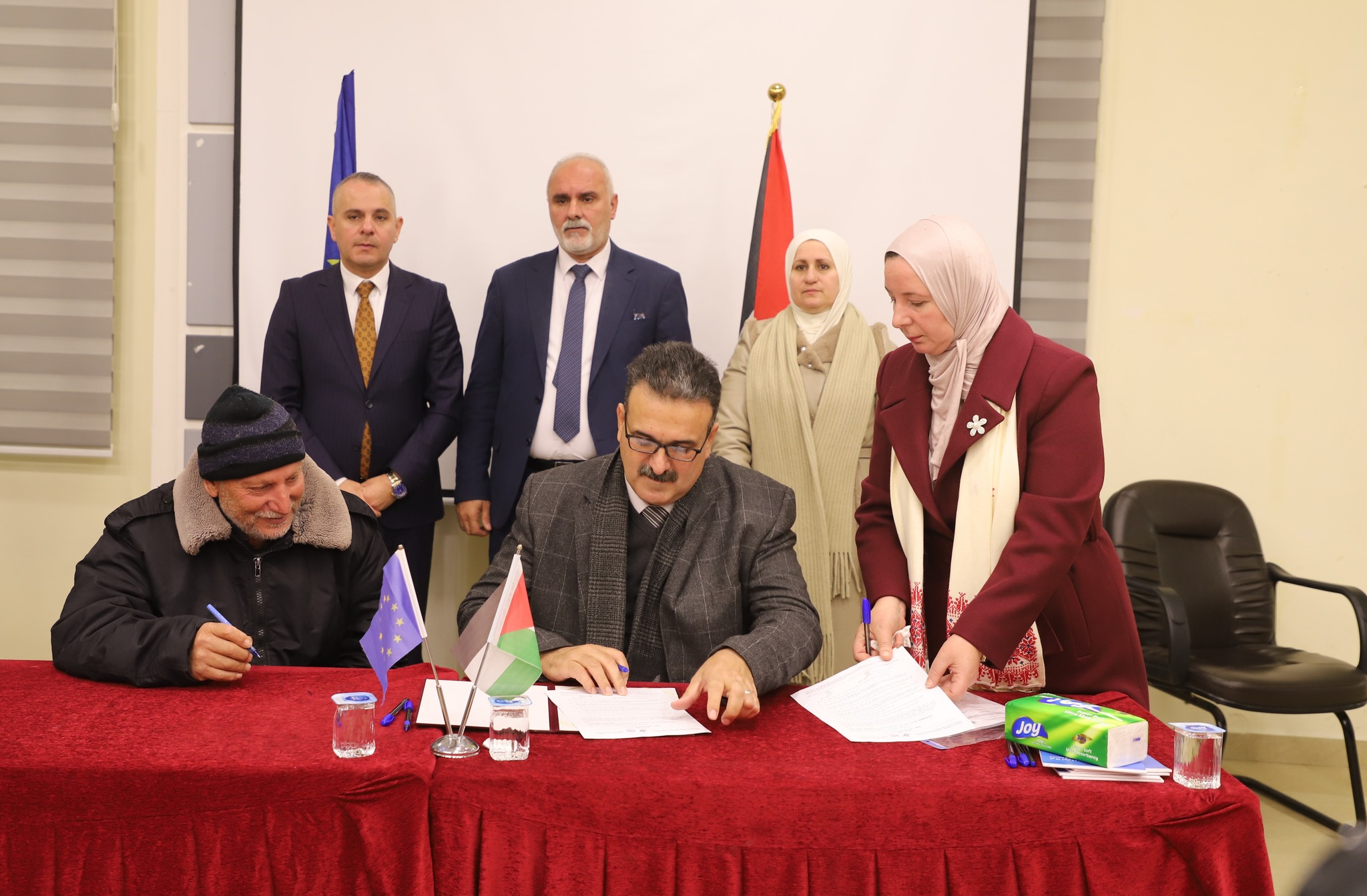
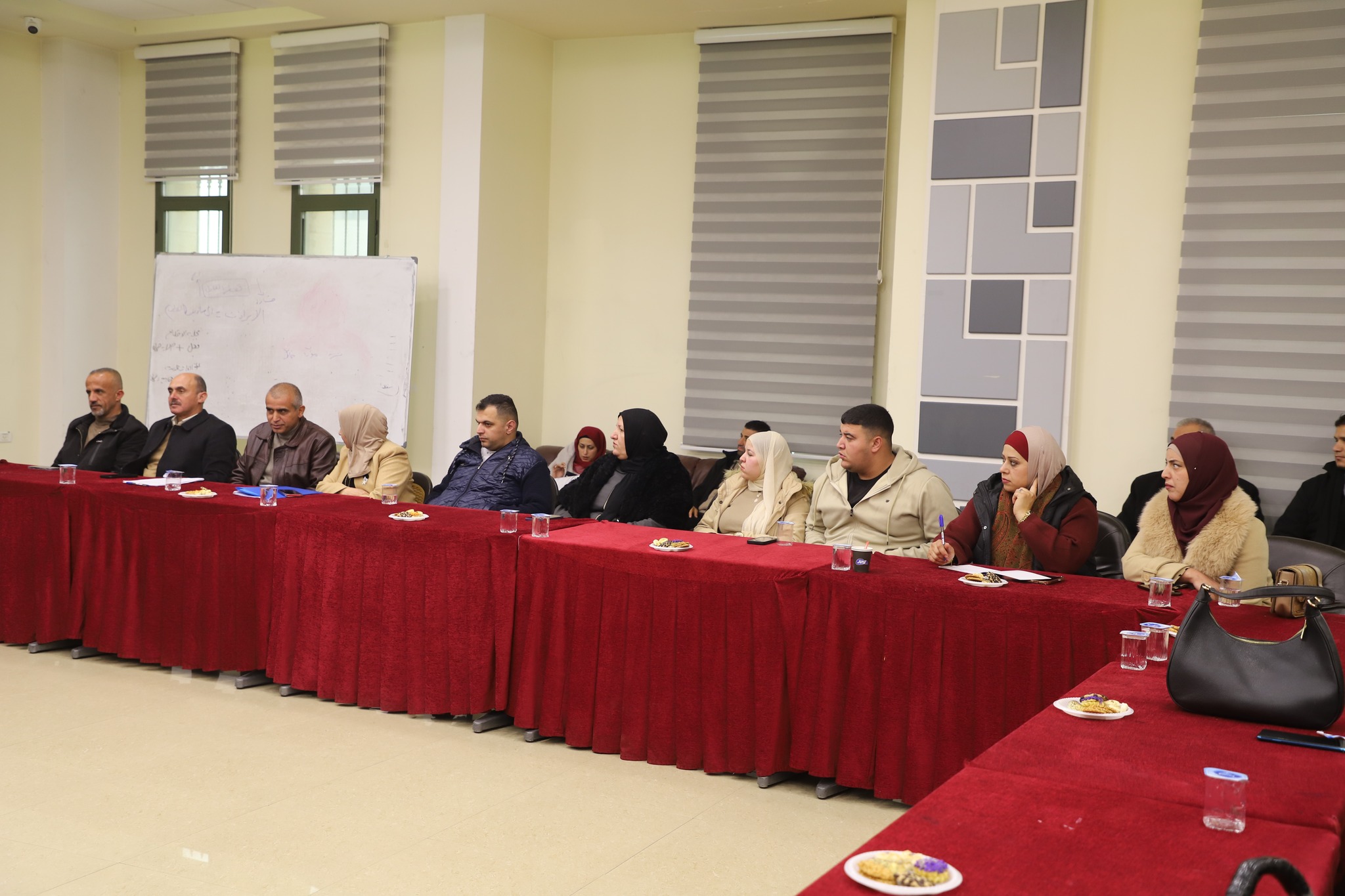
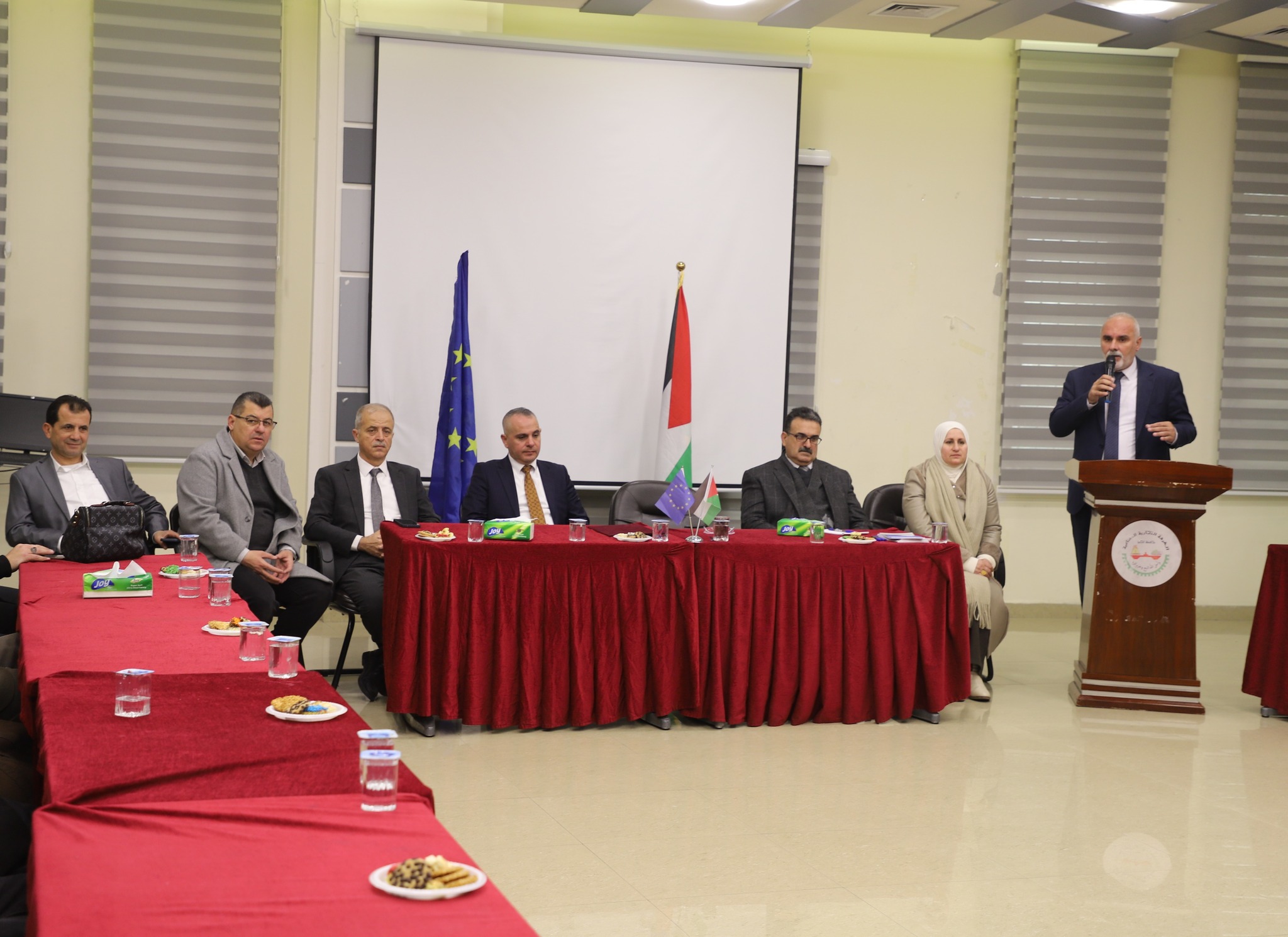
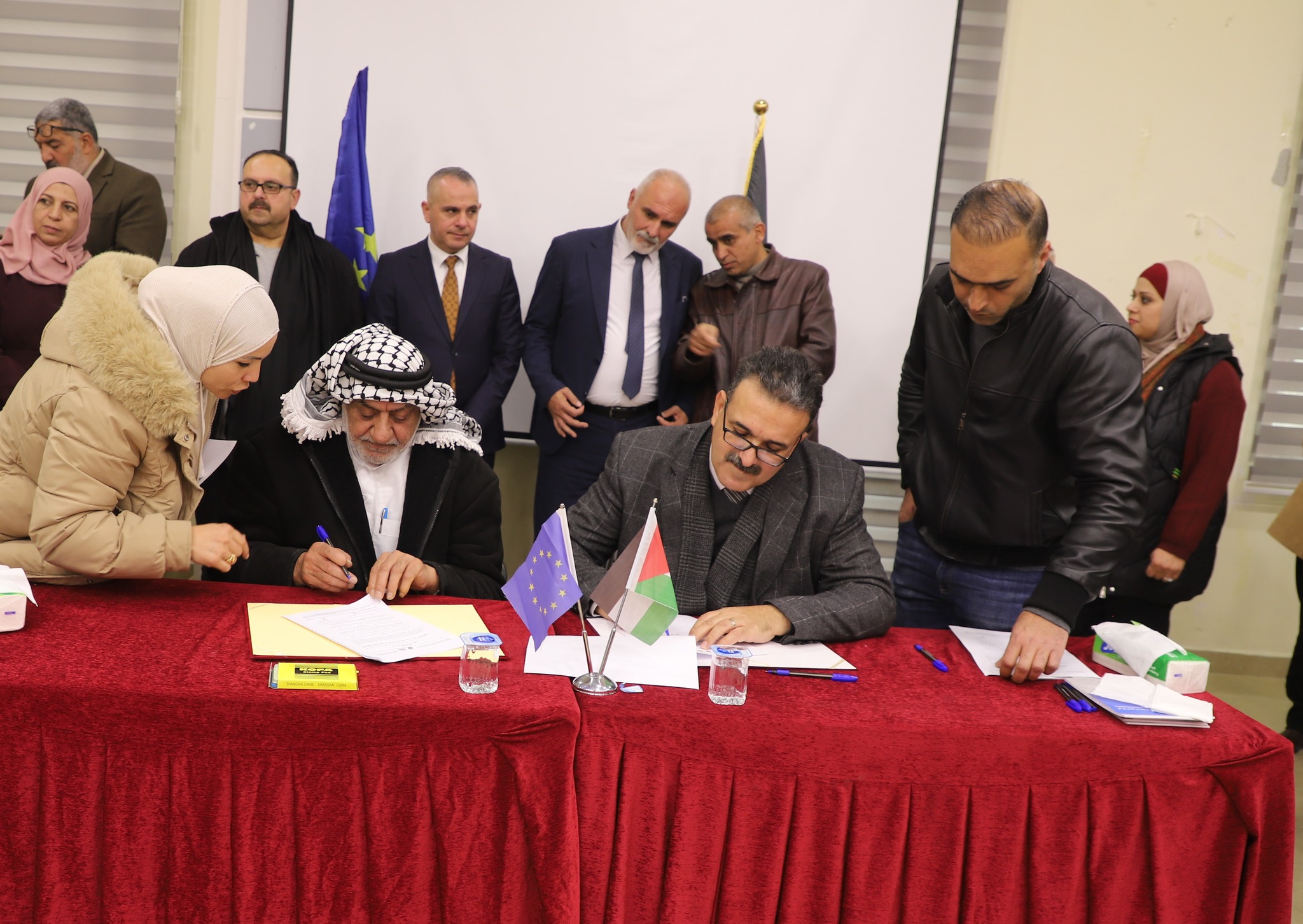
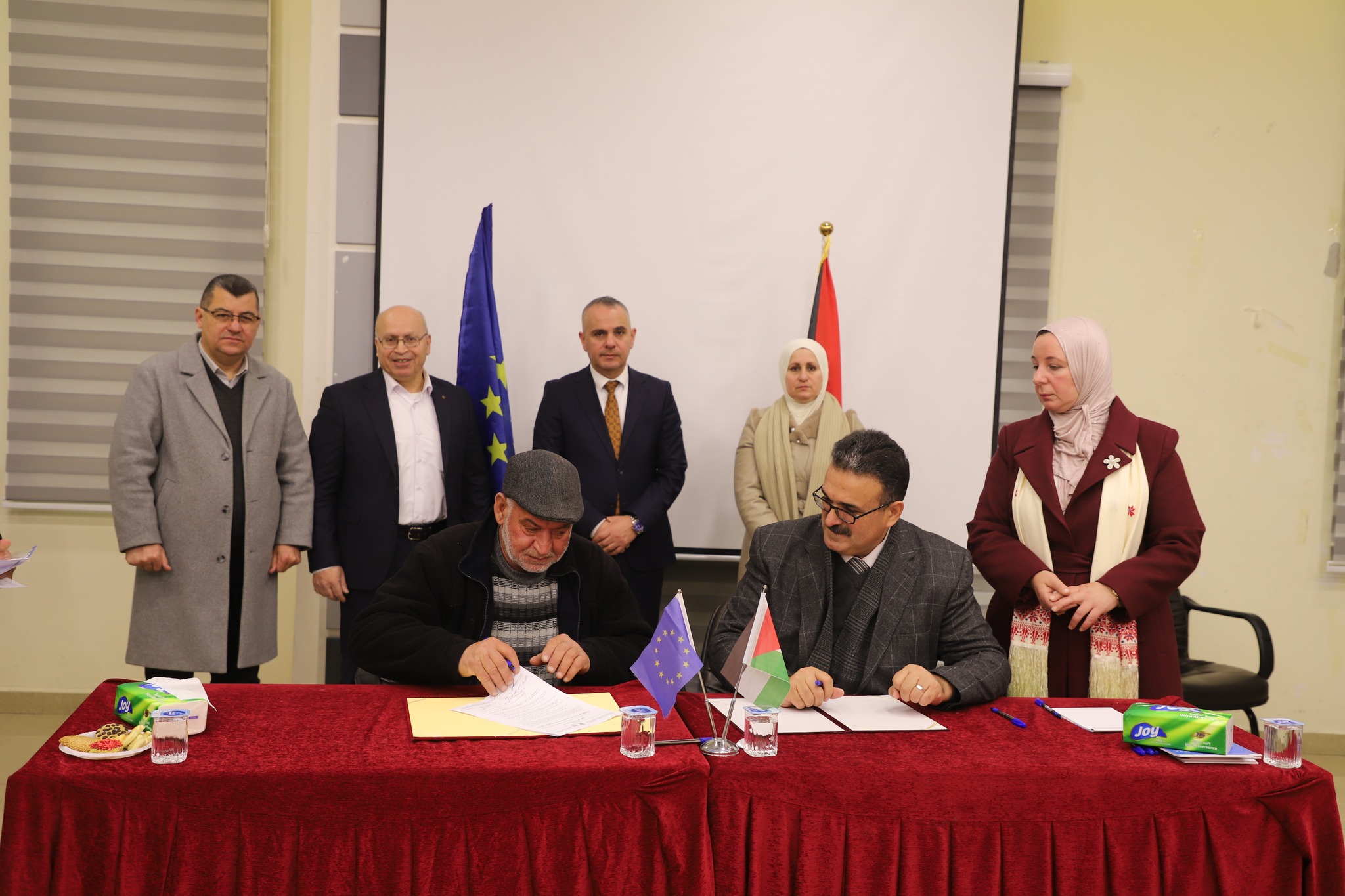
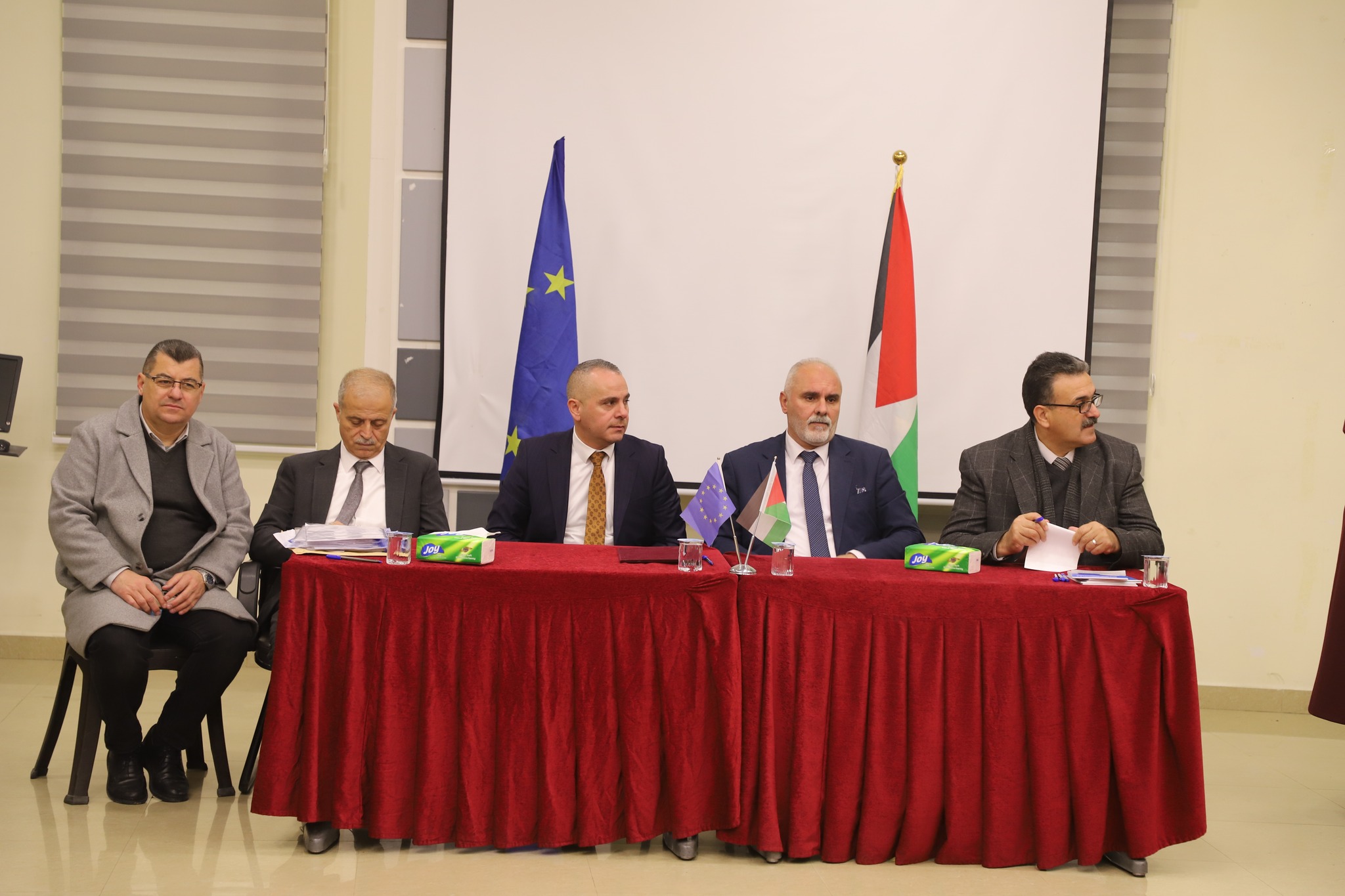
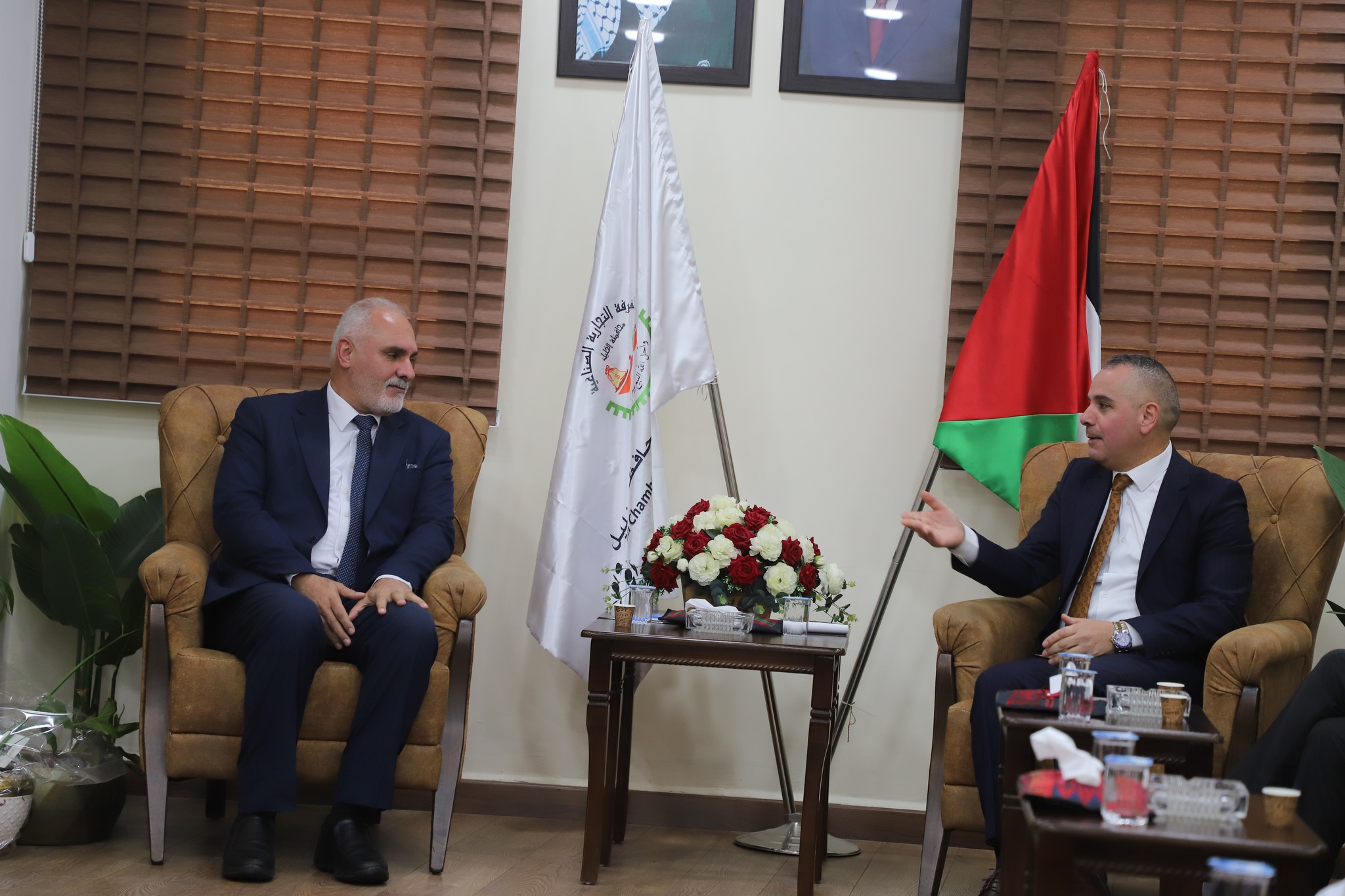
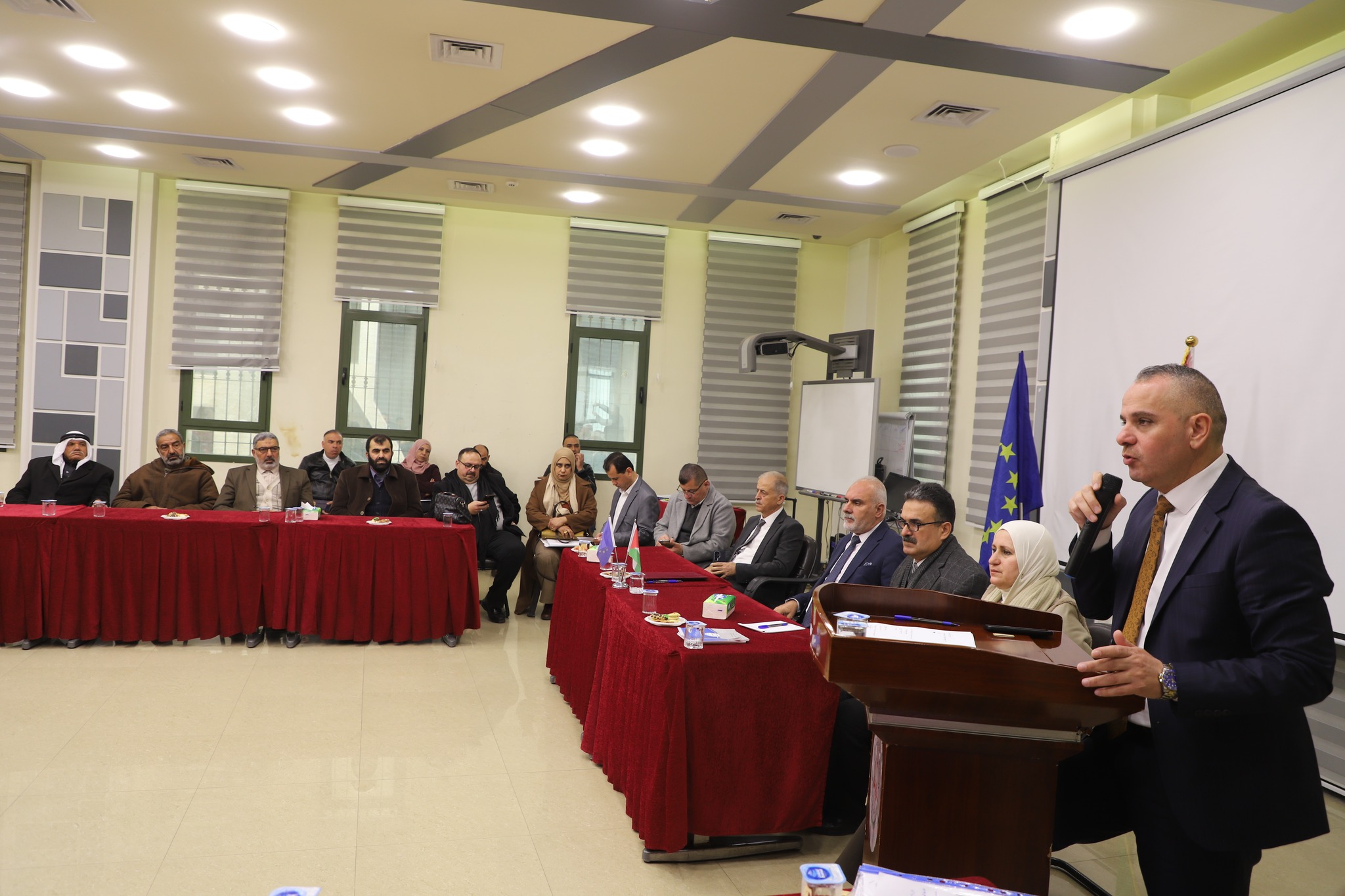
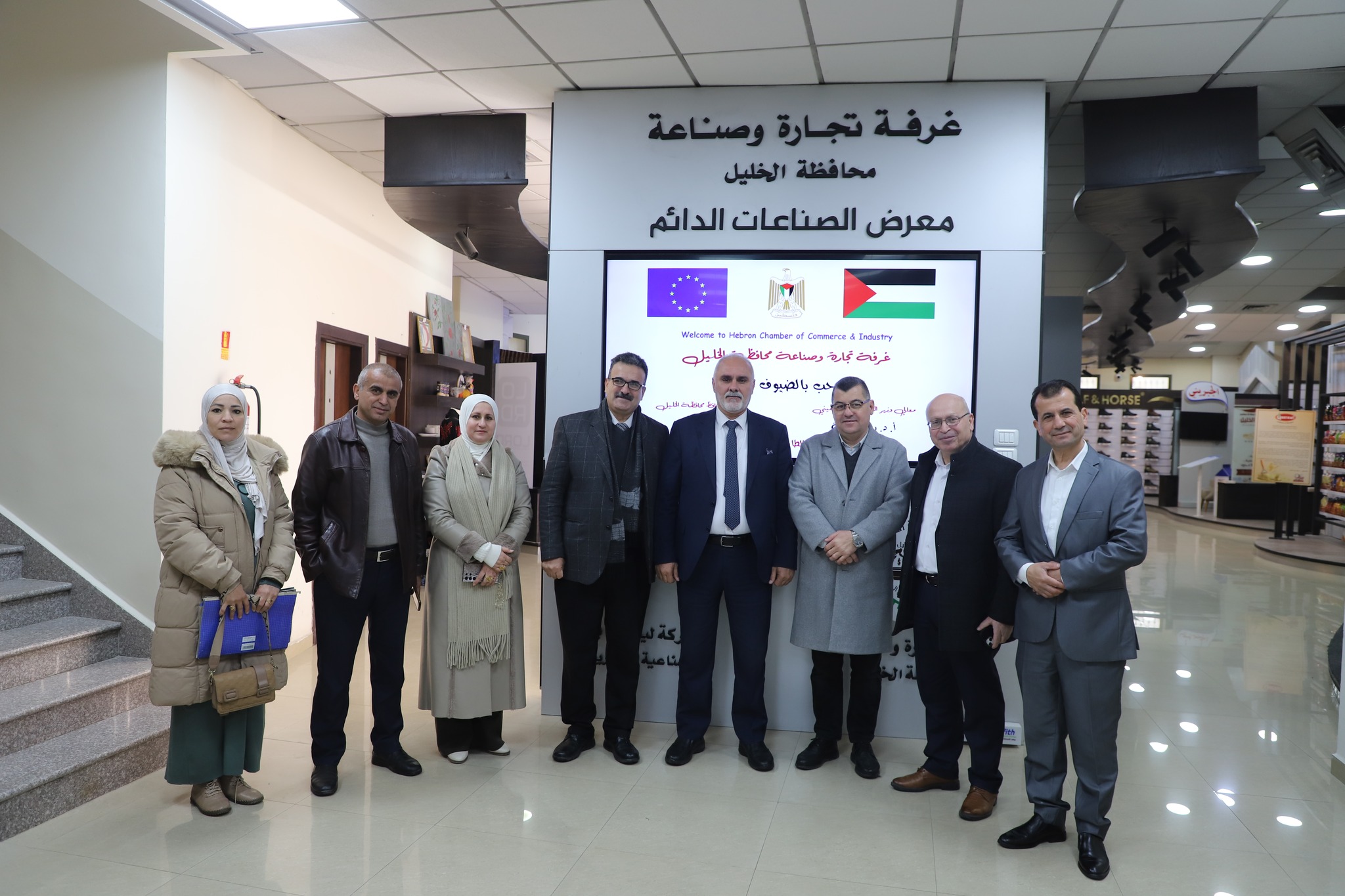
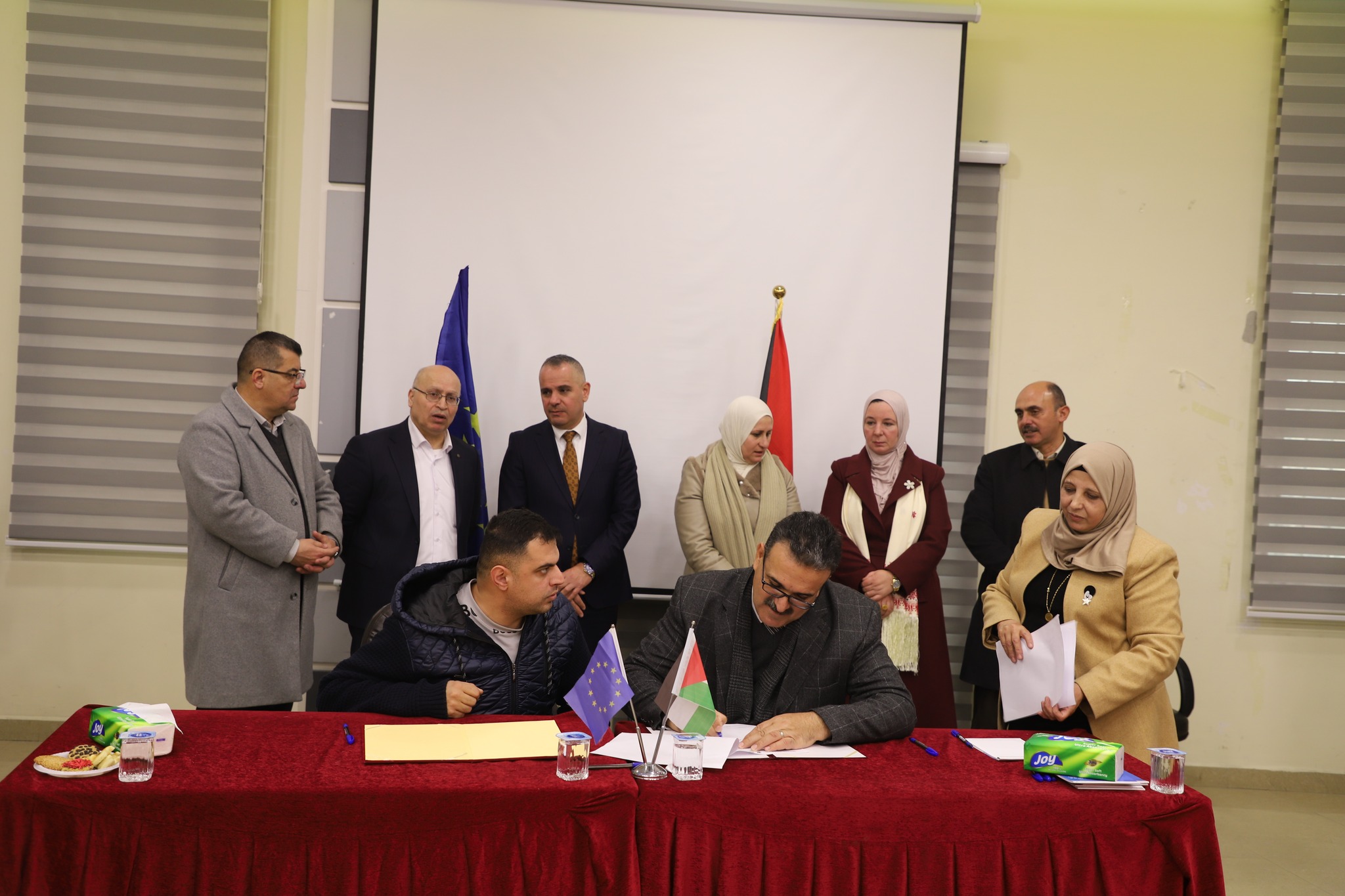
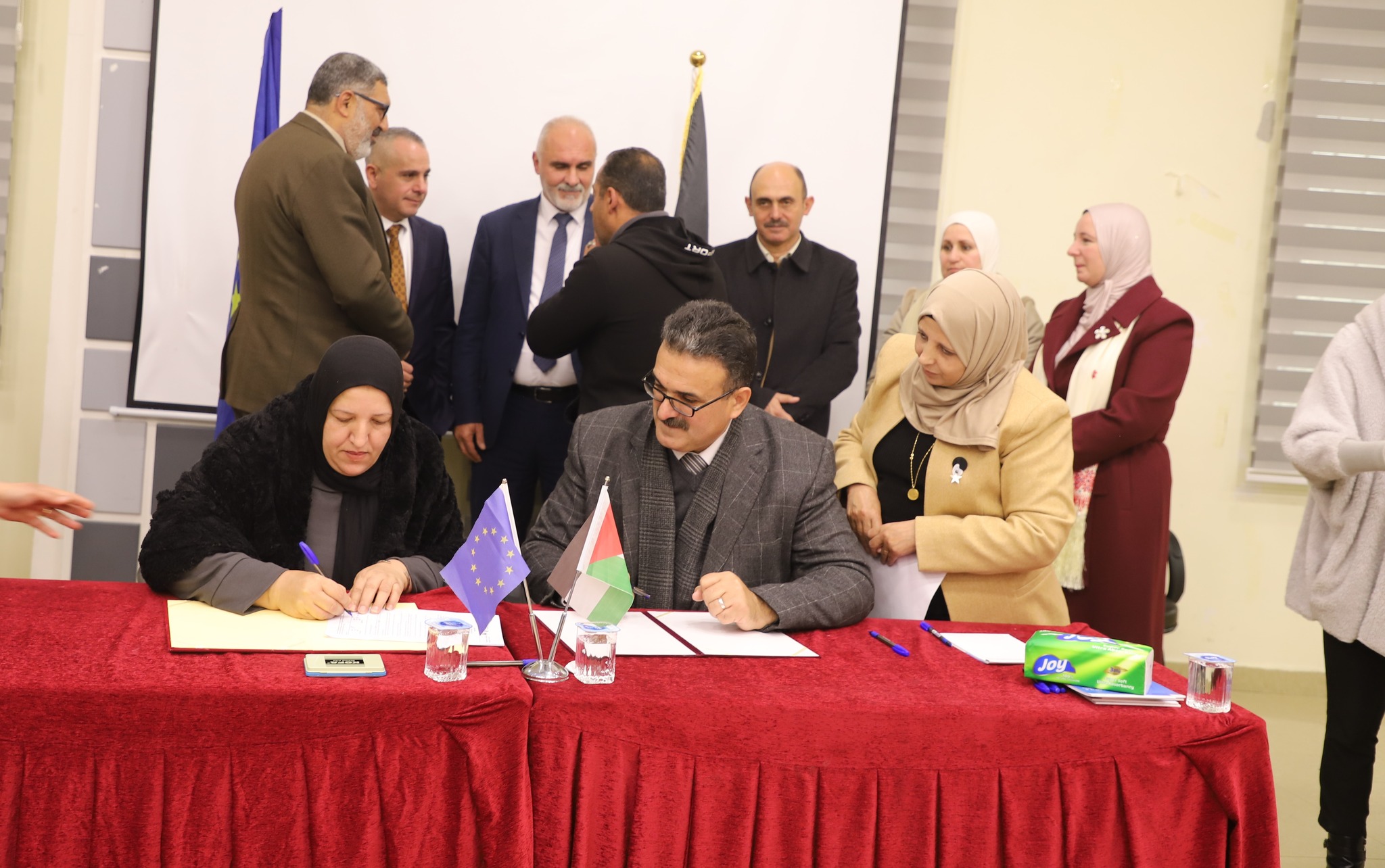
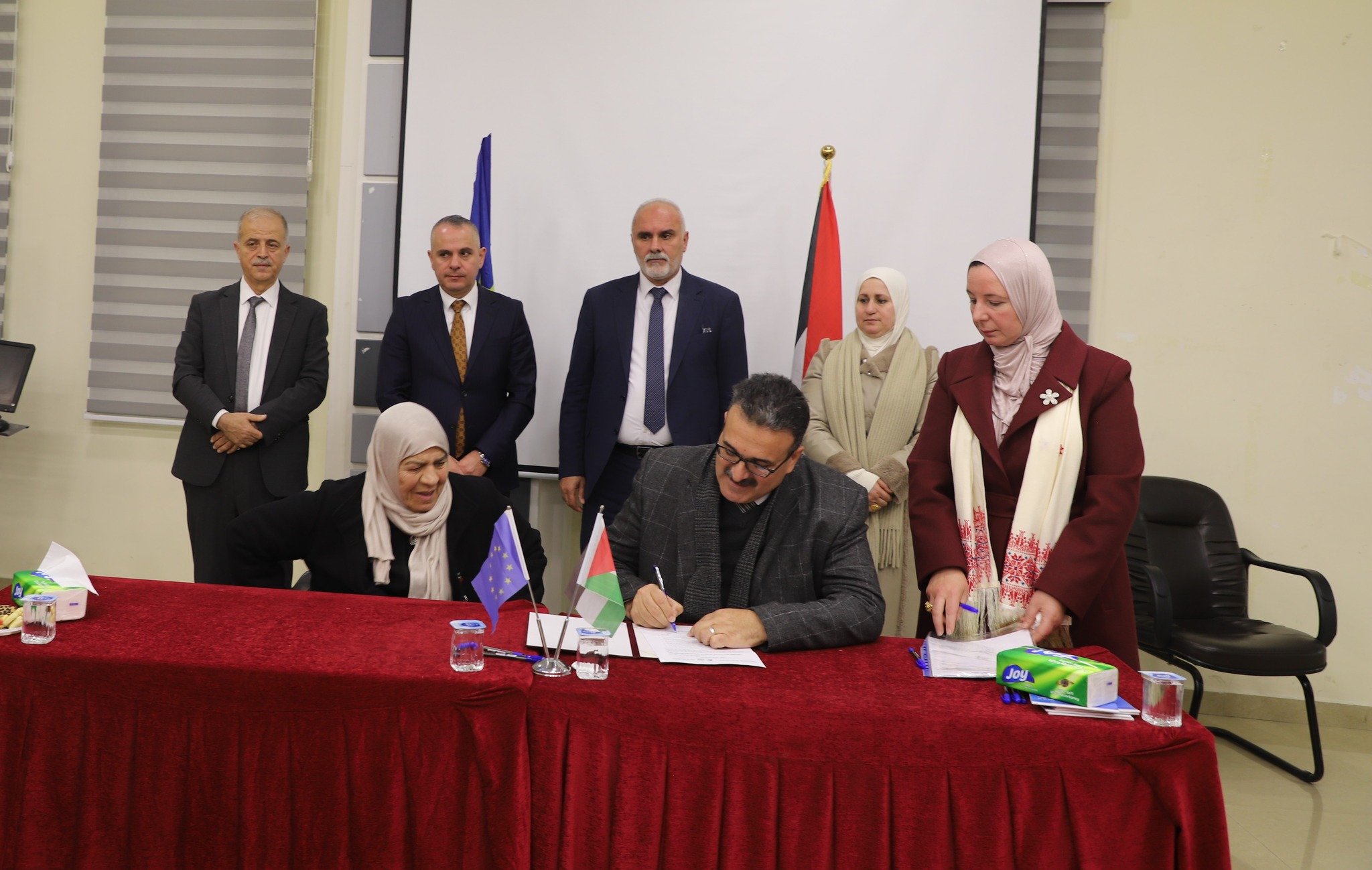
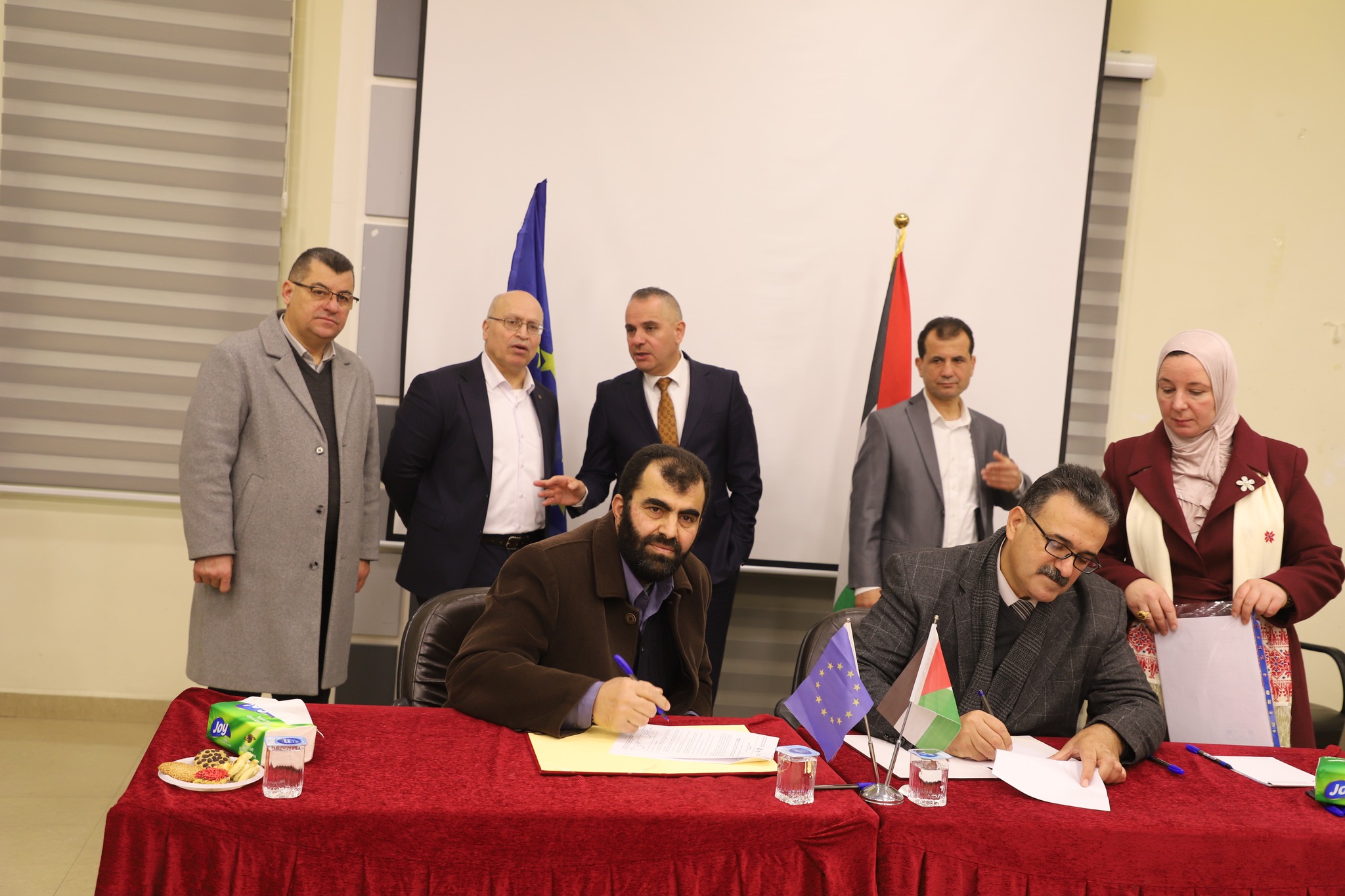
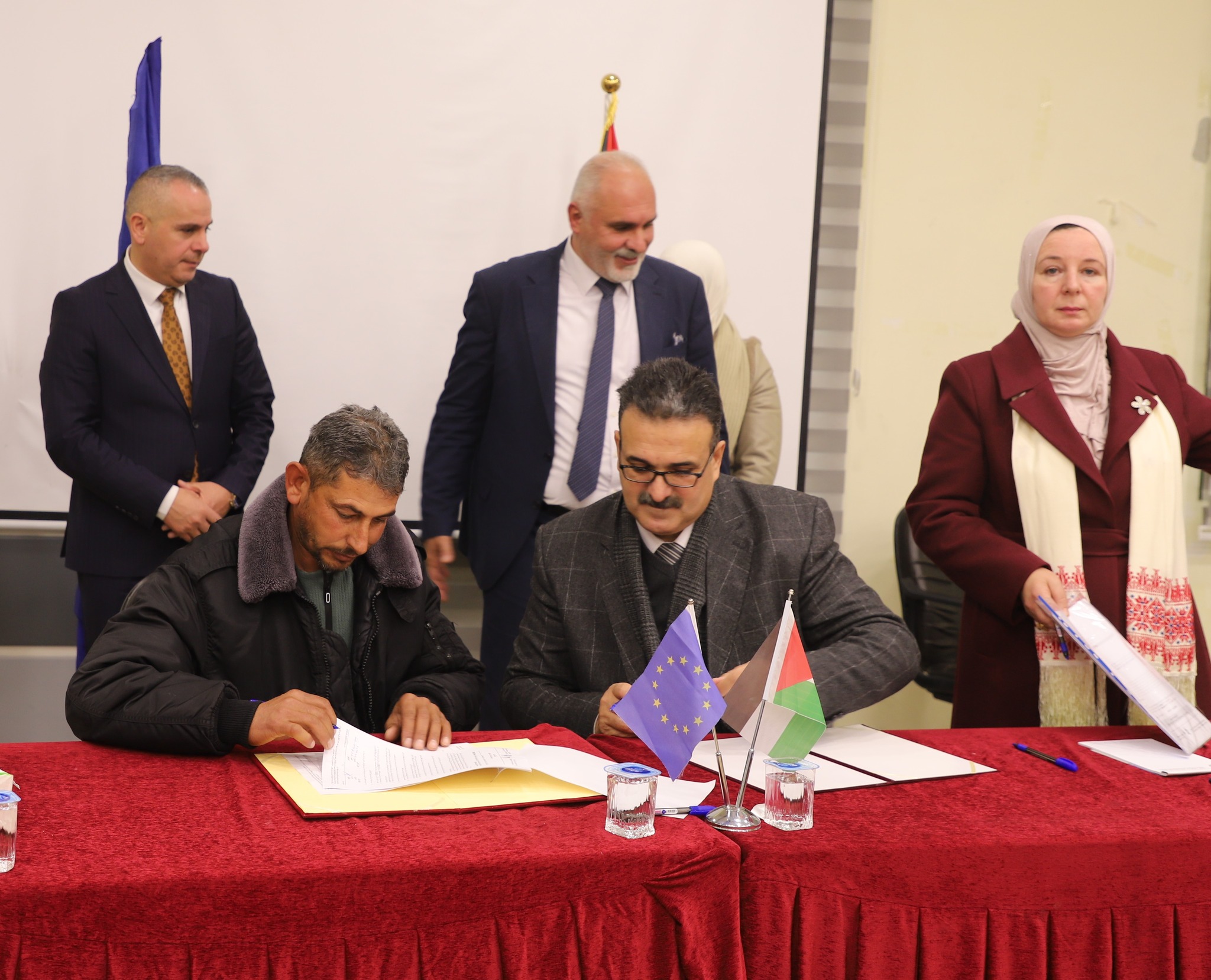
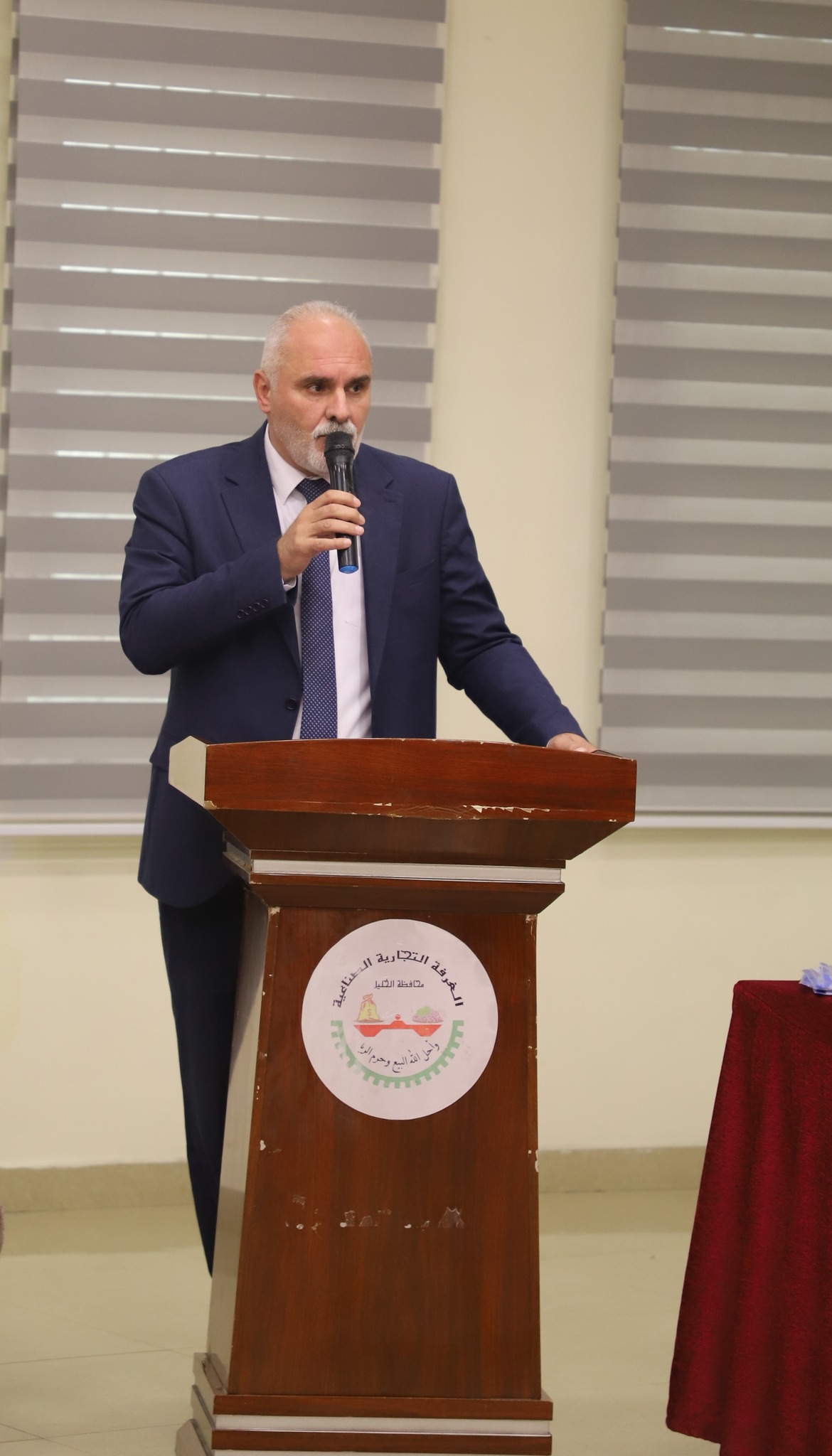
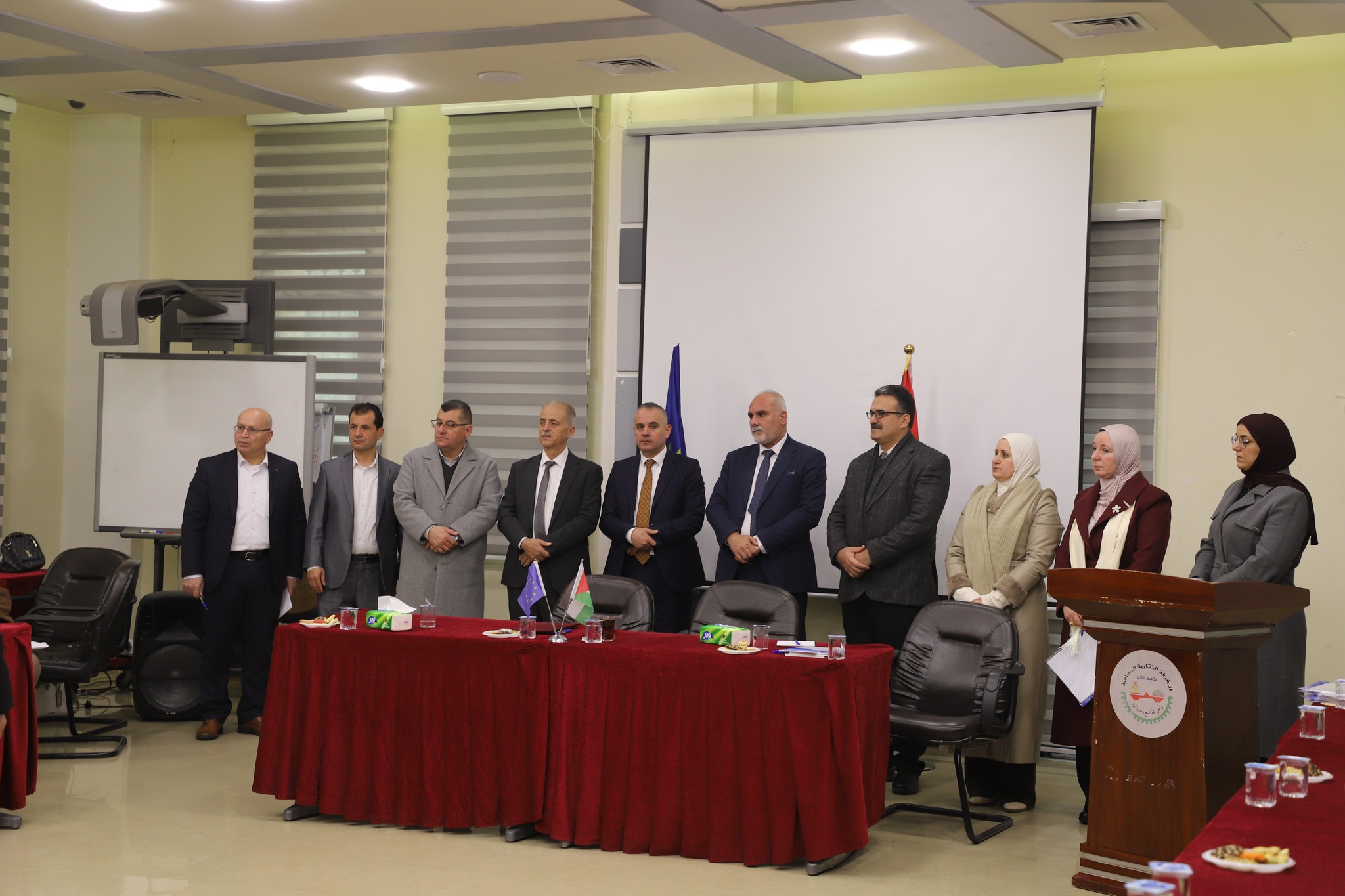
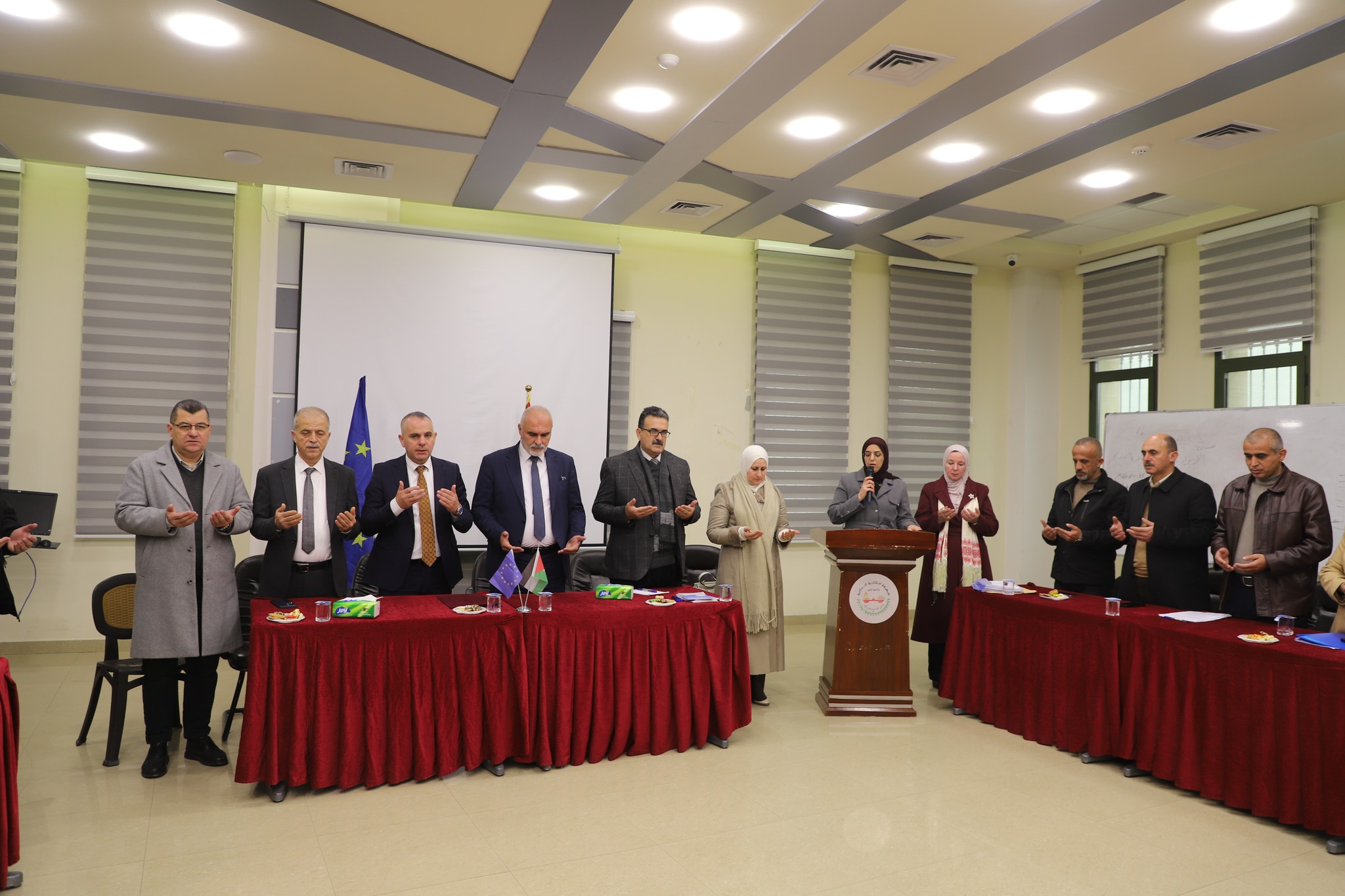
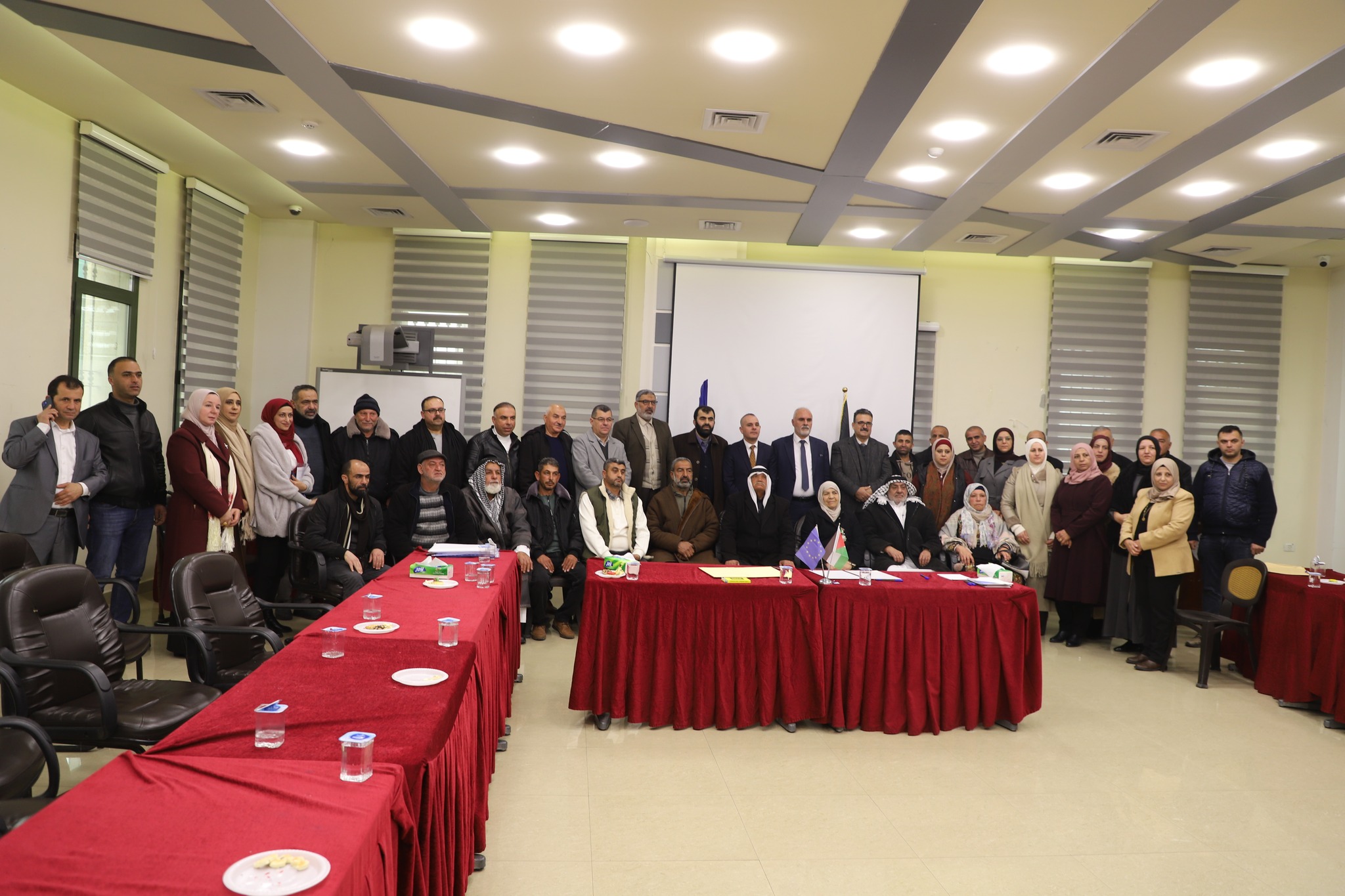
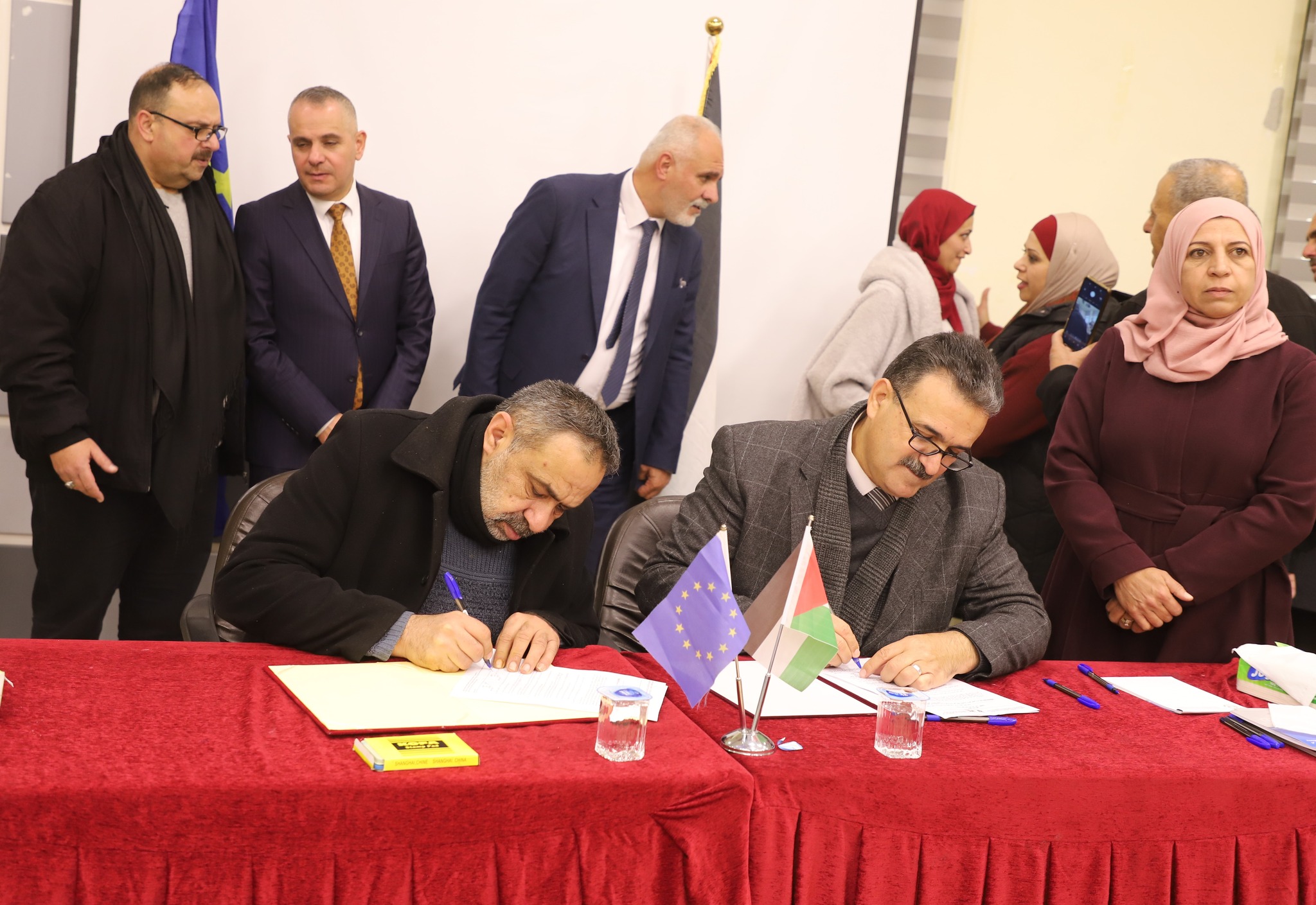
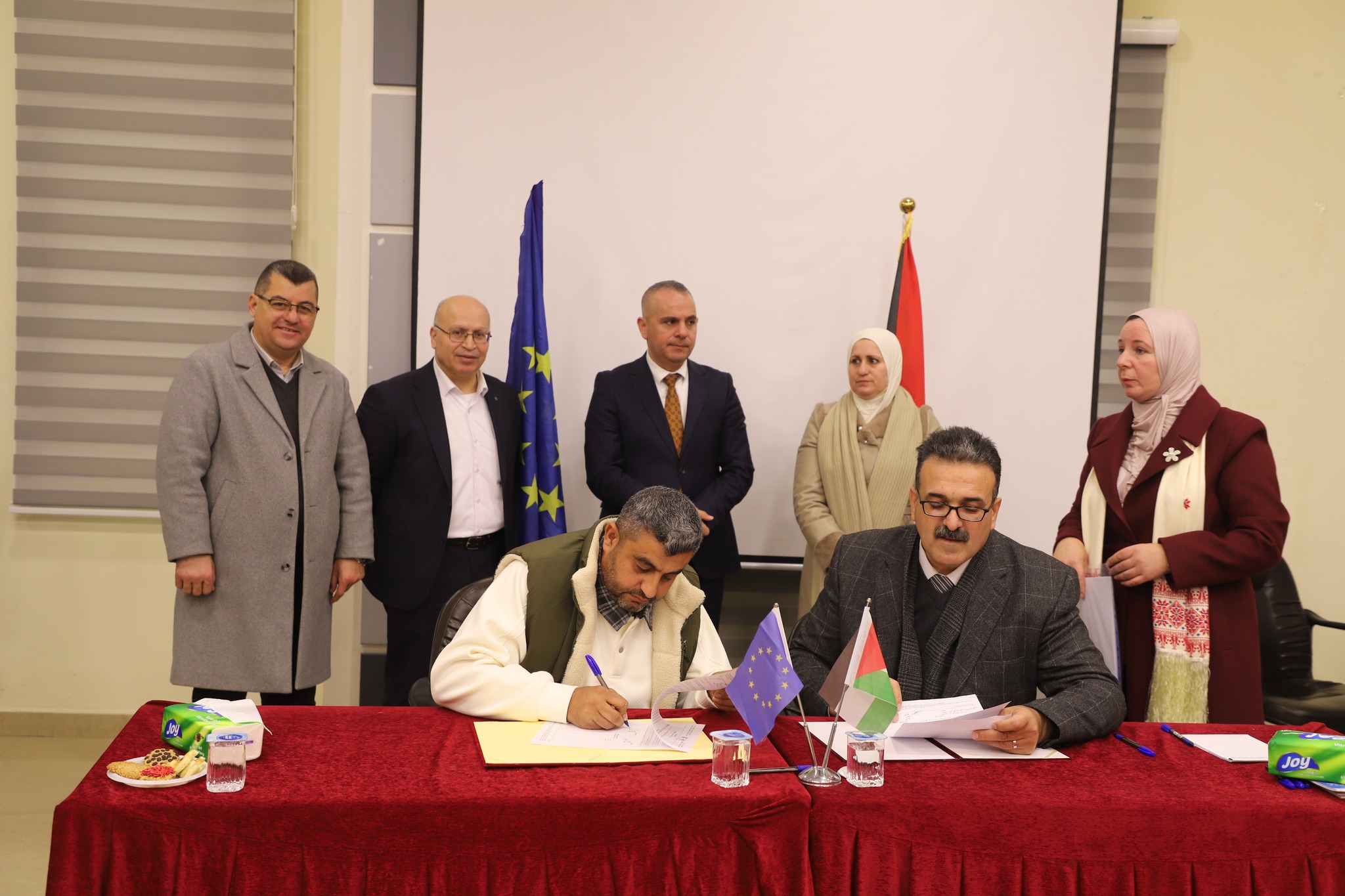
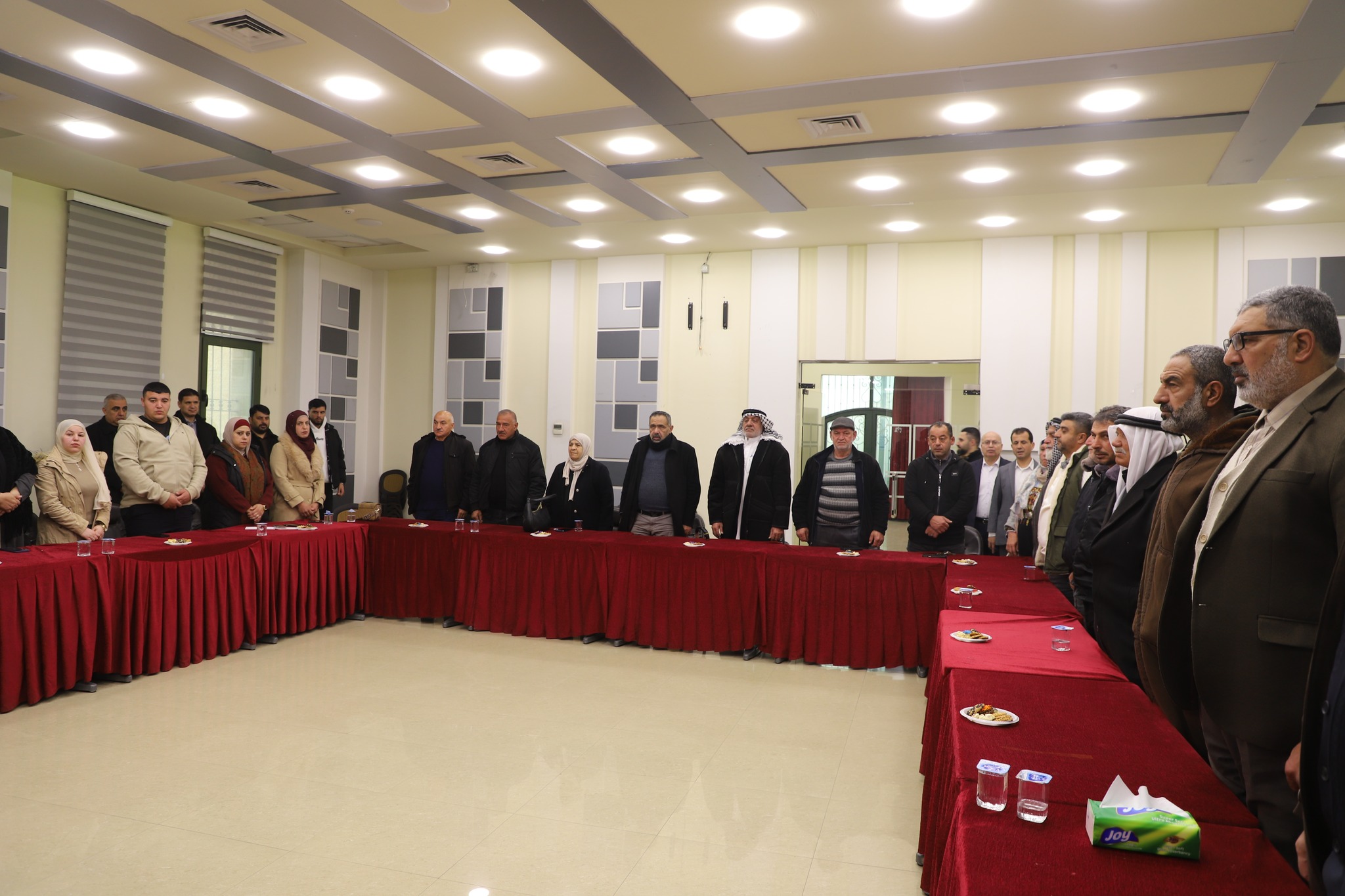
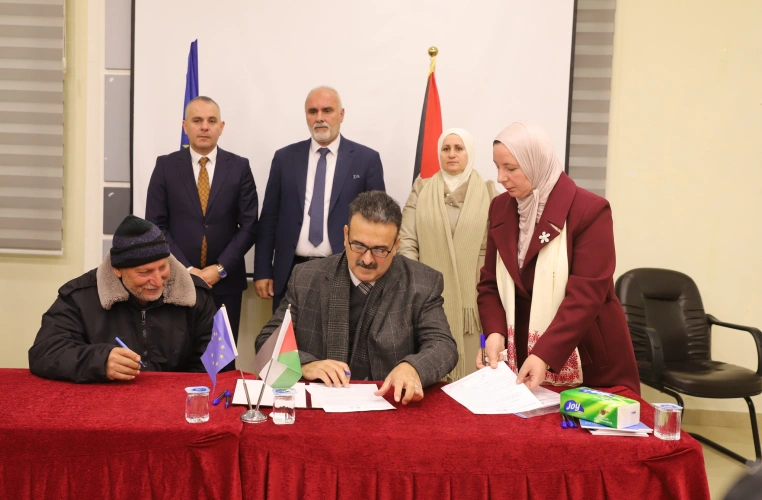
The Ministry of Agriculture, in the presence of Minister Professor Rizq Slaimiya, signed support and resilience agreements with a number of farmers in Hebron and Bethlehem governorates. This initiative falls under the European Union-funded agricultural assistance program and was hosted by the Hebron Chamber of Commerce and Industry, with the participation of its president, Abdul Idris.
Minister Slaimiya emphasized the importance of documenting damages according to the mechanisms adopted by the Ministry of Agriculture. He stressed the ministry's readiness to conduct the documentation process and affirmed that the government will spare no effort in providing the necessary funding to support Palestinian farmers and strengthen their resilience.
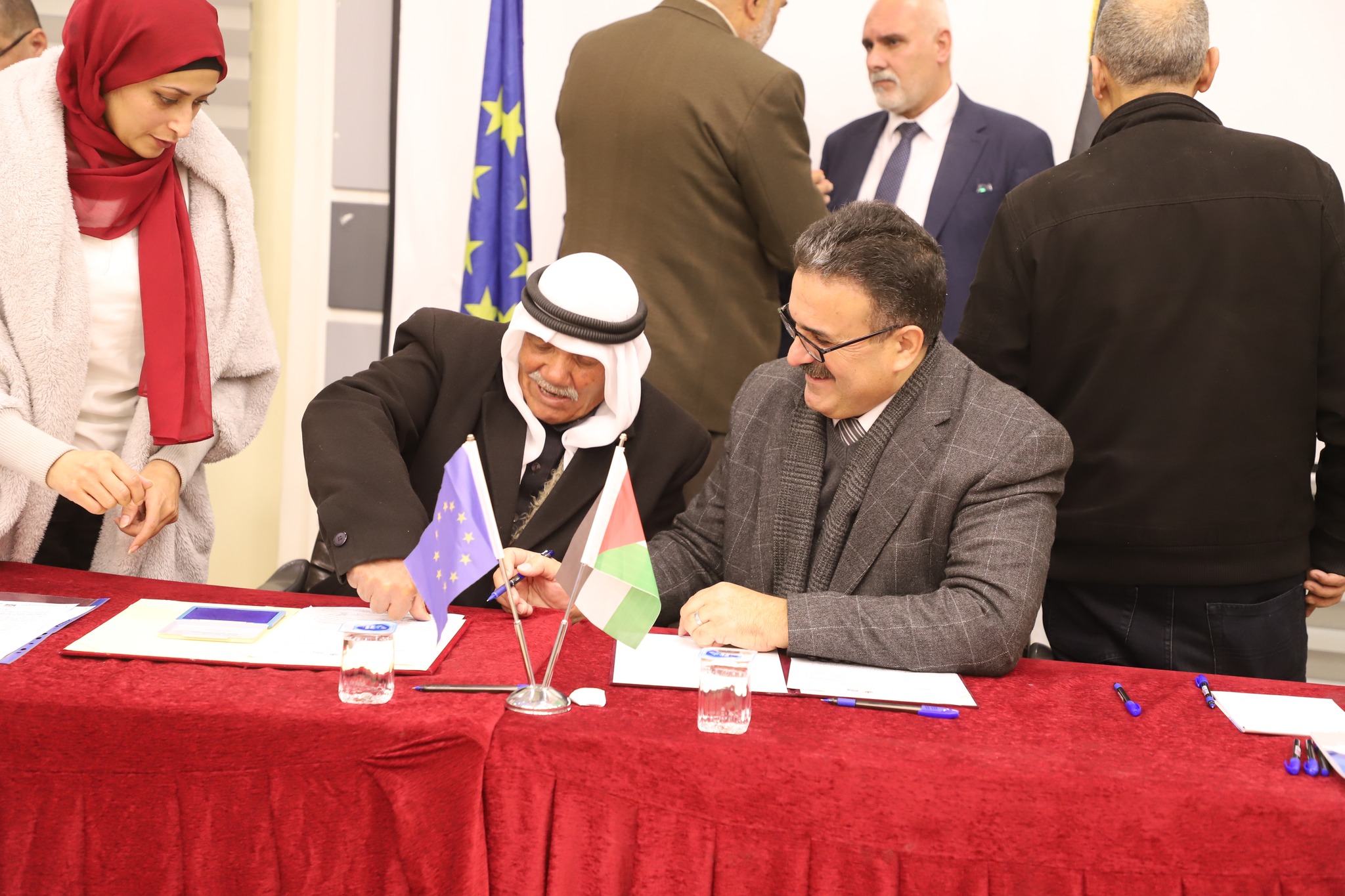
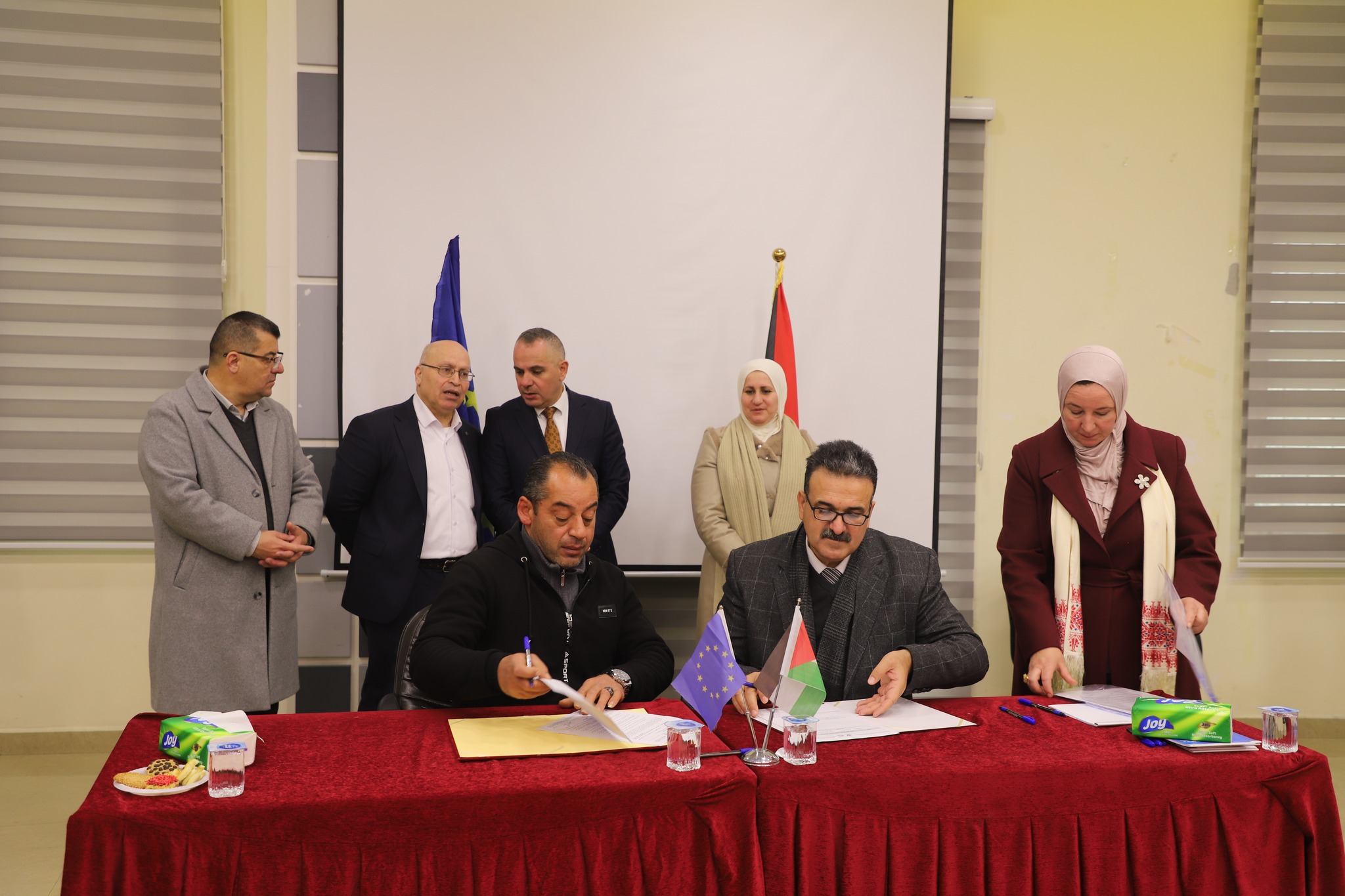
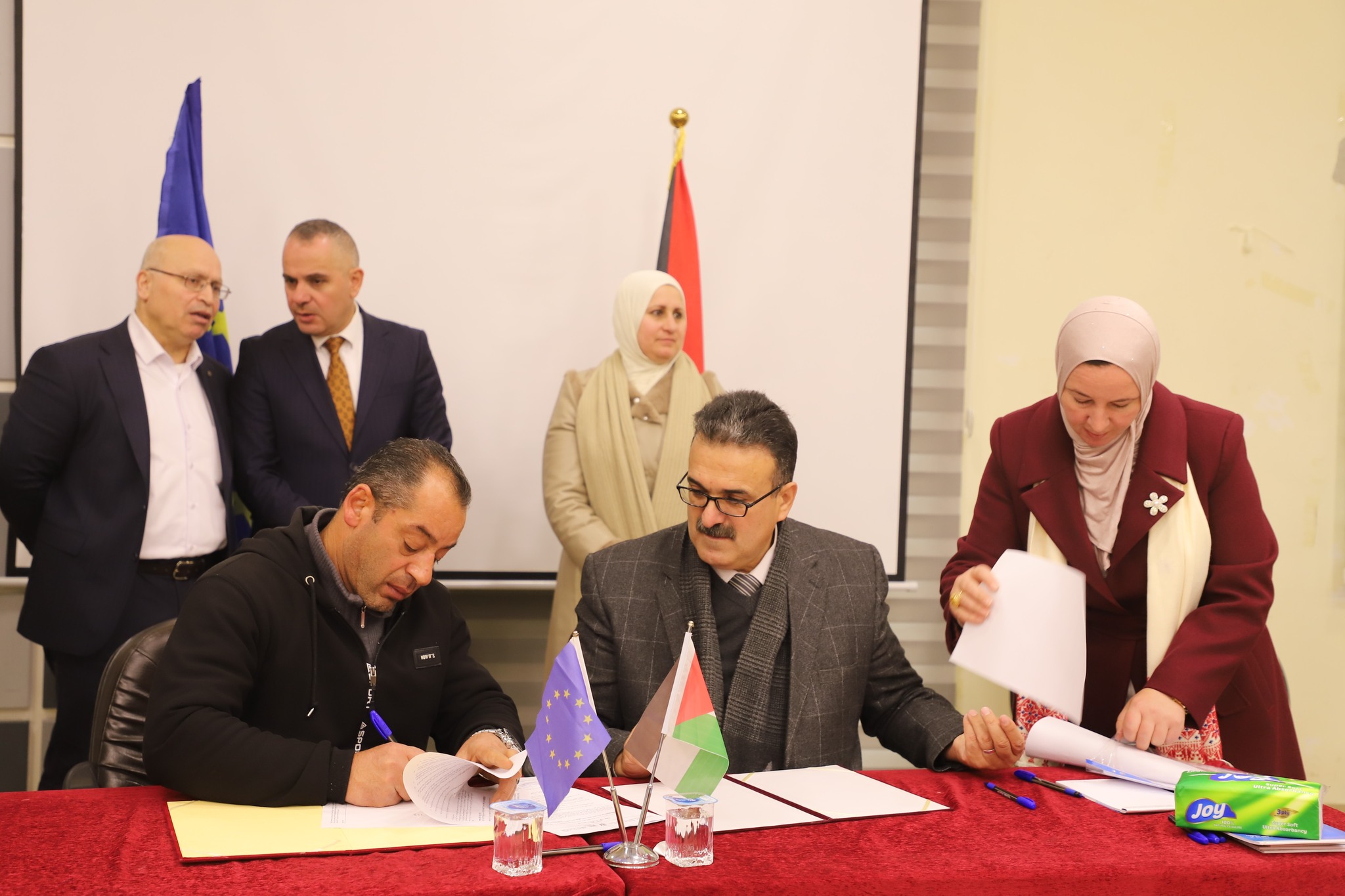
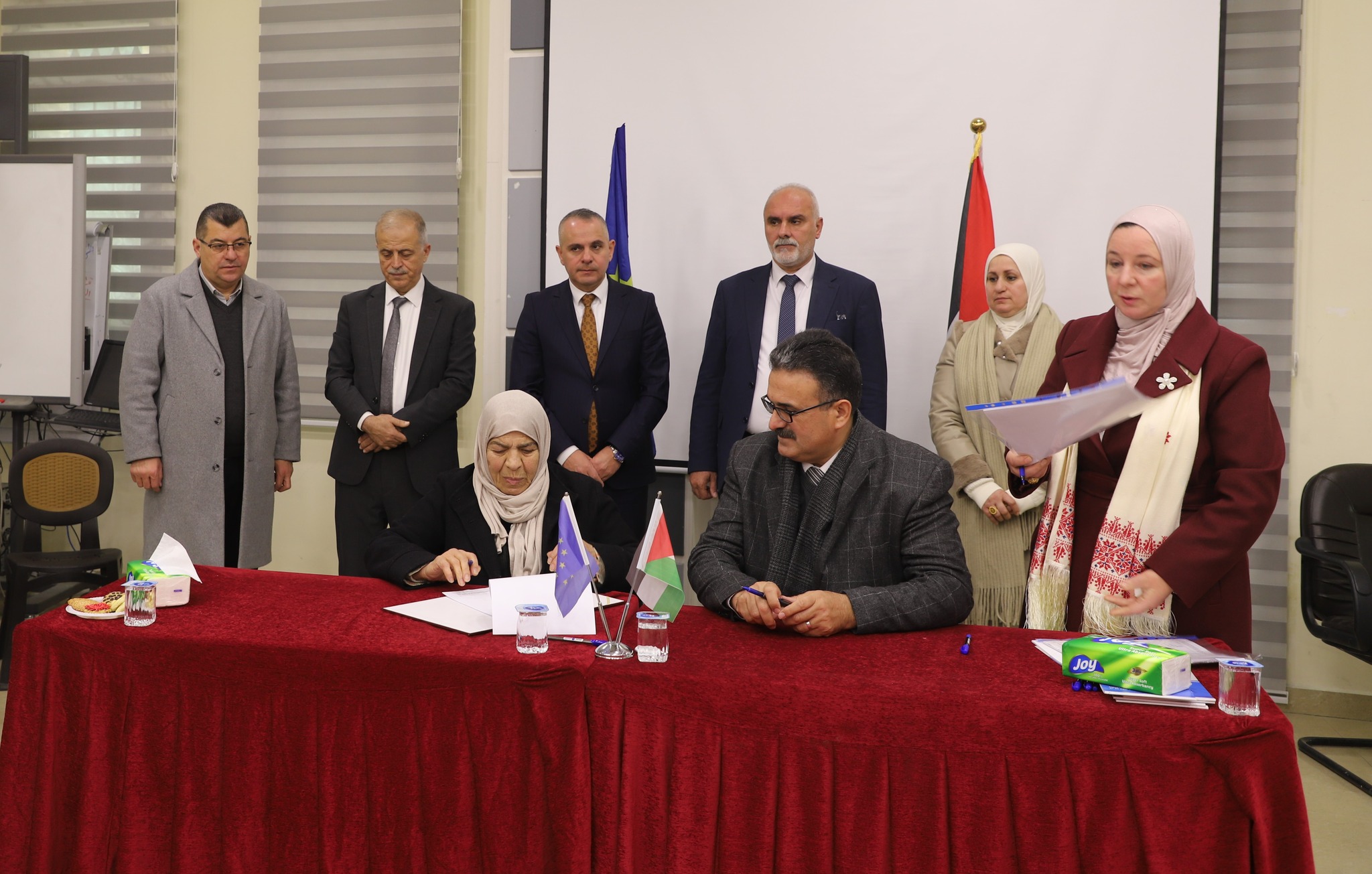
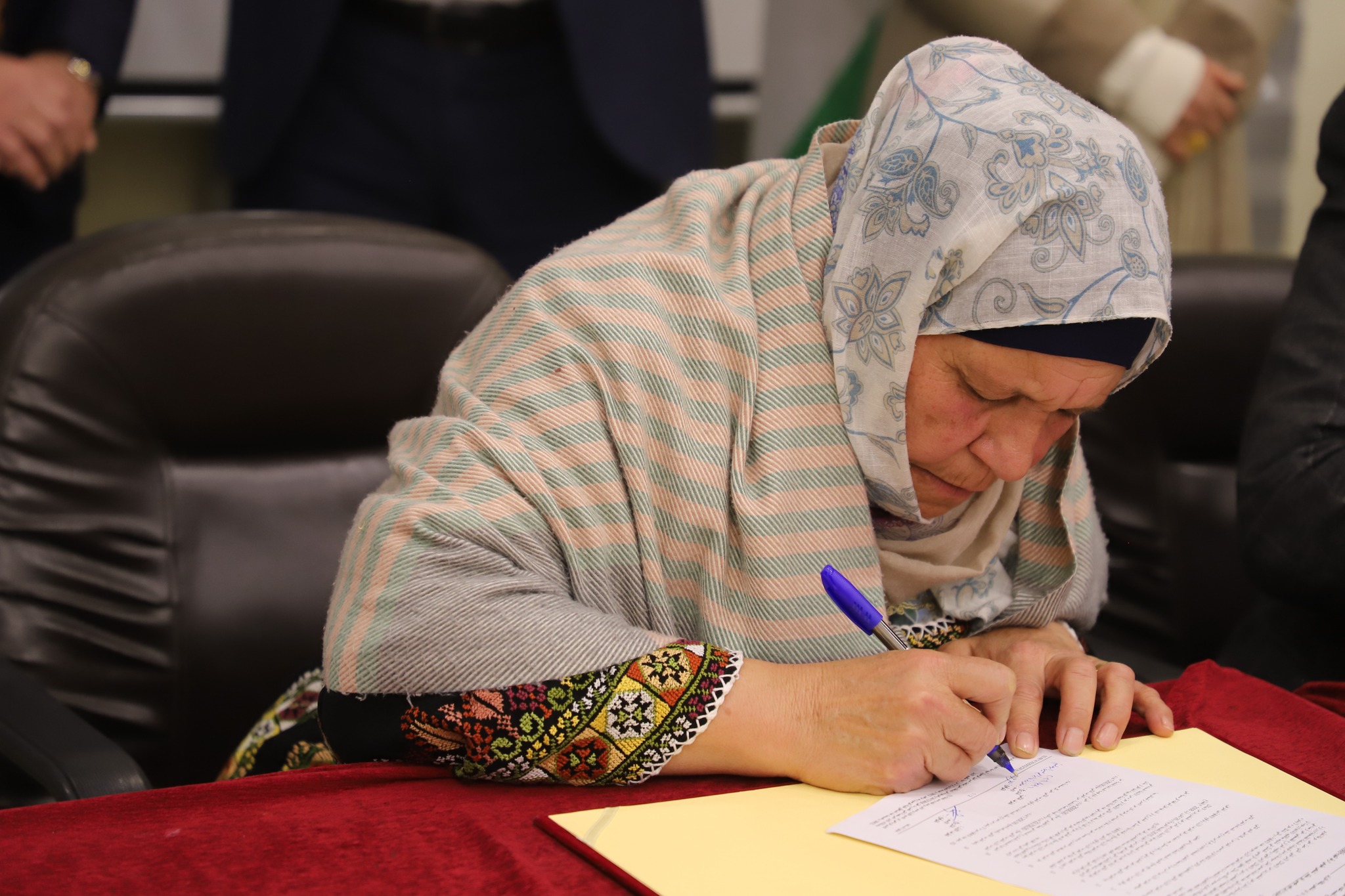
During the event, (16) support agreements were signed for farmers from Hebron and Bethlehem governorates, with a total value of (862) thousand shekels. These agreements covered (14) farmers affected by the occupation's measures in Hebron governorate, receiving (768) thousand shekels, and (2) farmers from Bethlehem governorate, receiving (94) thousand shekels.
This project targets farmers affected by Israeli occupation attacks in previous years, as documented in the Ministry of Agriculture's records. Beneficiaries were selected according to European Union criteria, after fulfilling all requirements and submitting the necessary documentation, and completing their files properly.
For his part, Abed Idris emphasized the importance of strengthening the resilience of Palestinian farmers in the face of the systematic settlement expansion targeting agricultural lands, stressing the need for concerted efforts to support this vital sector.
These agreements complement the implementation of the EU-funded agricultural assistance program, which aims to revitalize the productive capacities of farmers/producers directly affected by occupation practices, thereby contributing to sustainable social and economic development.
The development plans for the implemented projects included establishing zinc farms, supplying (Awassi sheep), purchasing cows and feed, and digging water collection tanks. Additionally, farmers were provided with tractors and modern equipment, sheep fattening projects were implemented, agricultural lands were rehabilitated, and greenhouses were constructed, all contributing to increased agricultural production in the two governorates.