Notification
حظر استيراد كافة أنواع الطيور الحية الداجنة والبرية وطيور الزينة وبيض التفقيس والصيصان عمر يوم ومخلفاتها الغير معاملة حراريا من تركيا ولحين استقرار الوضع الصحي

Ramallah: March 29, 2026
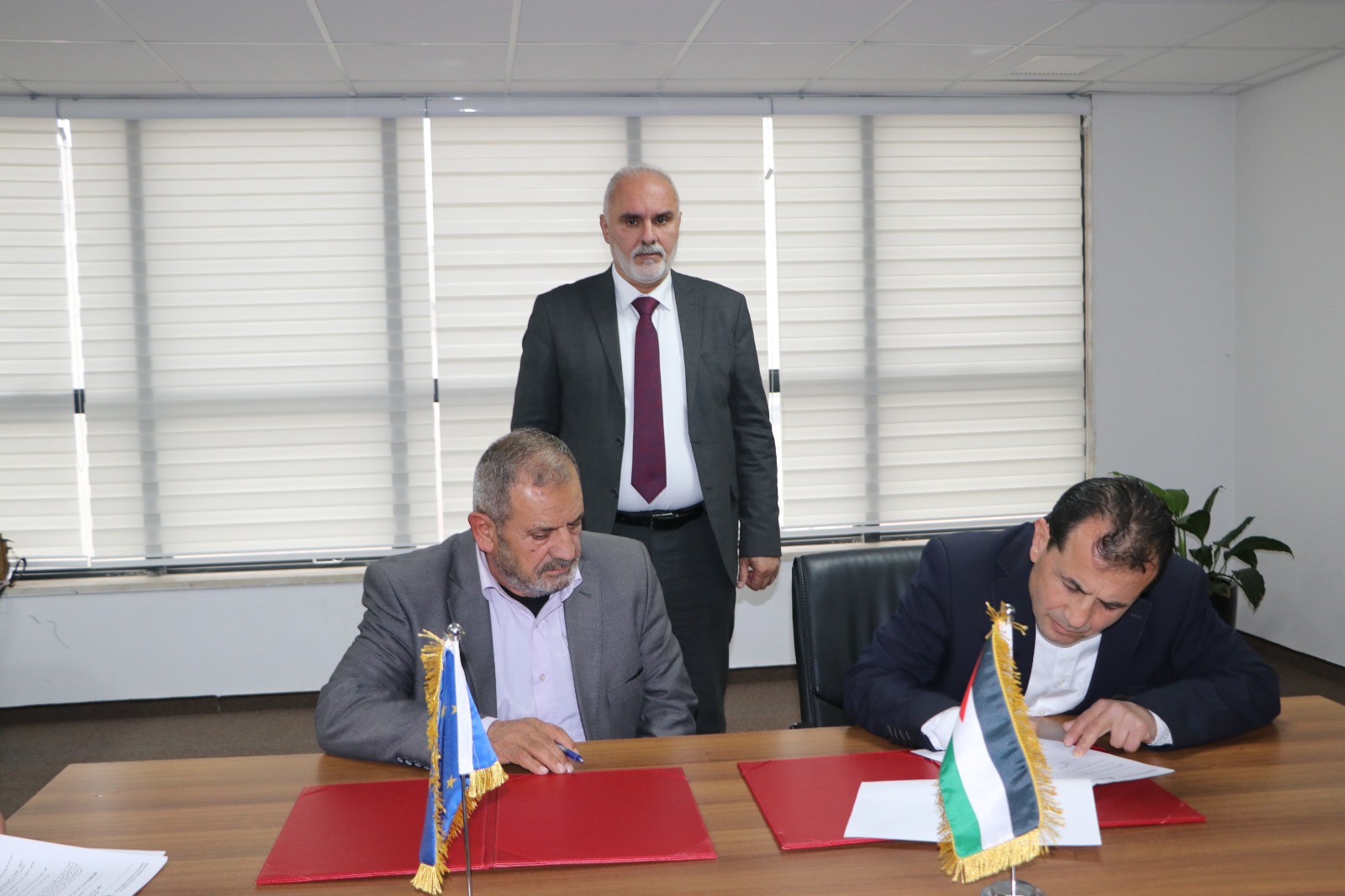
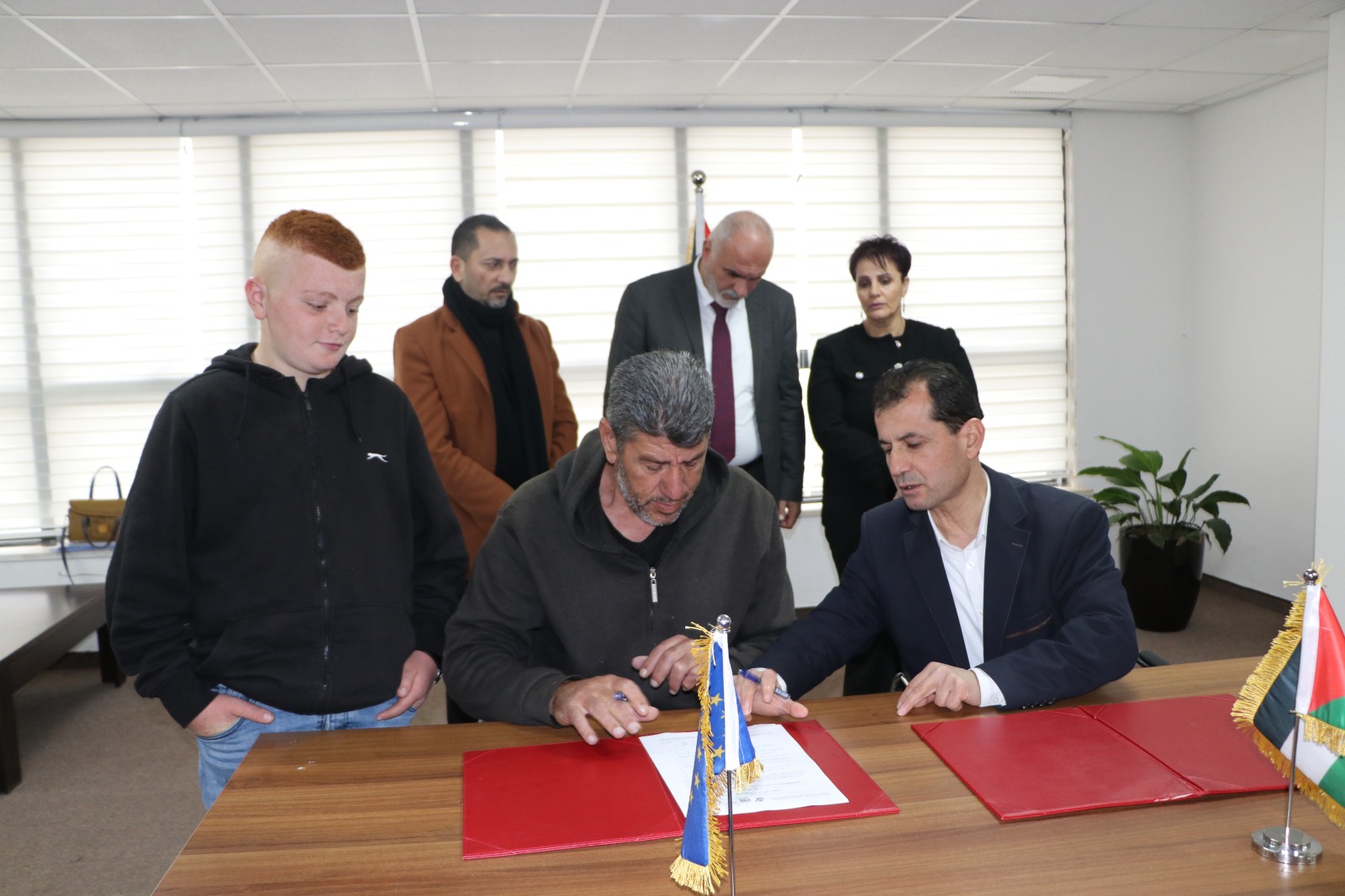
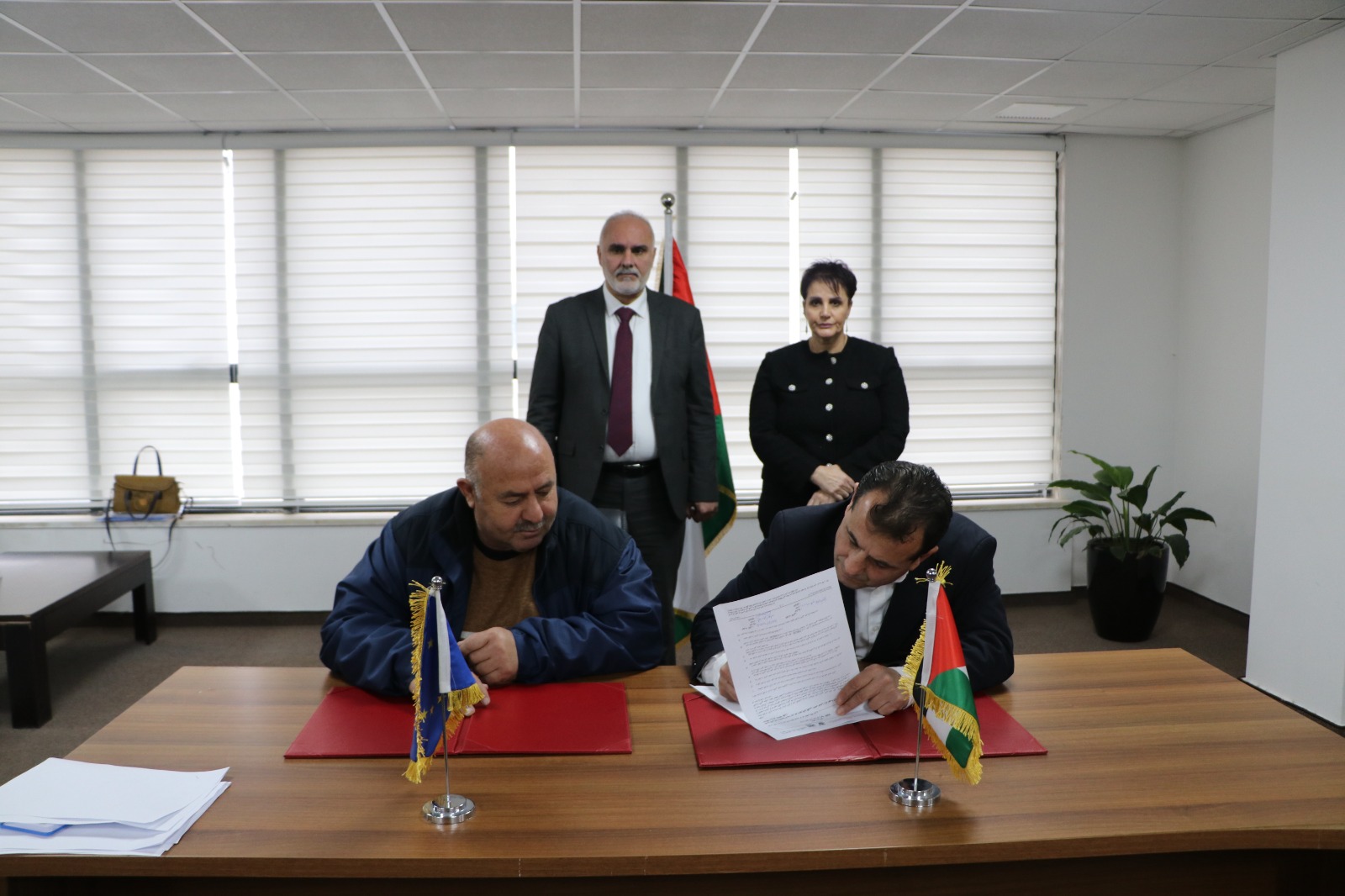
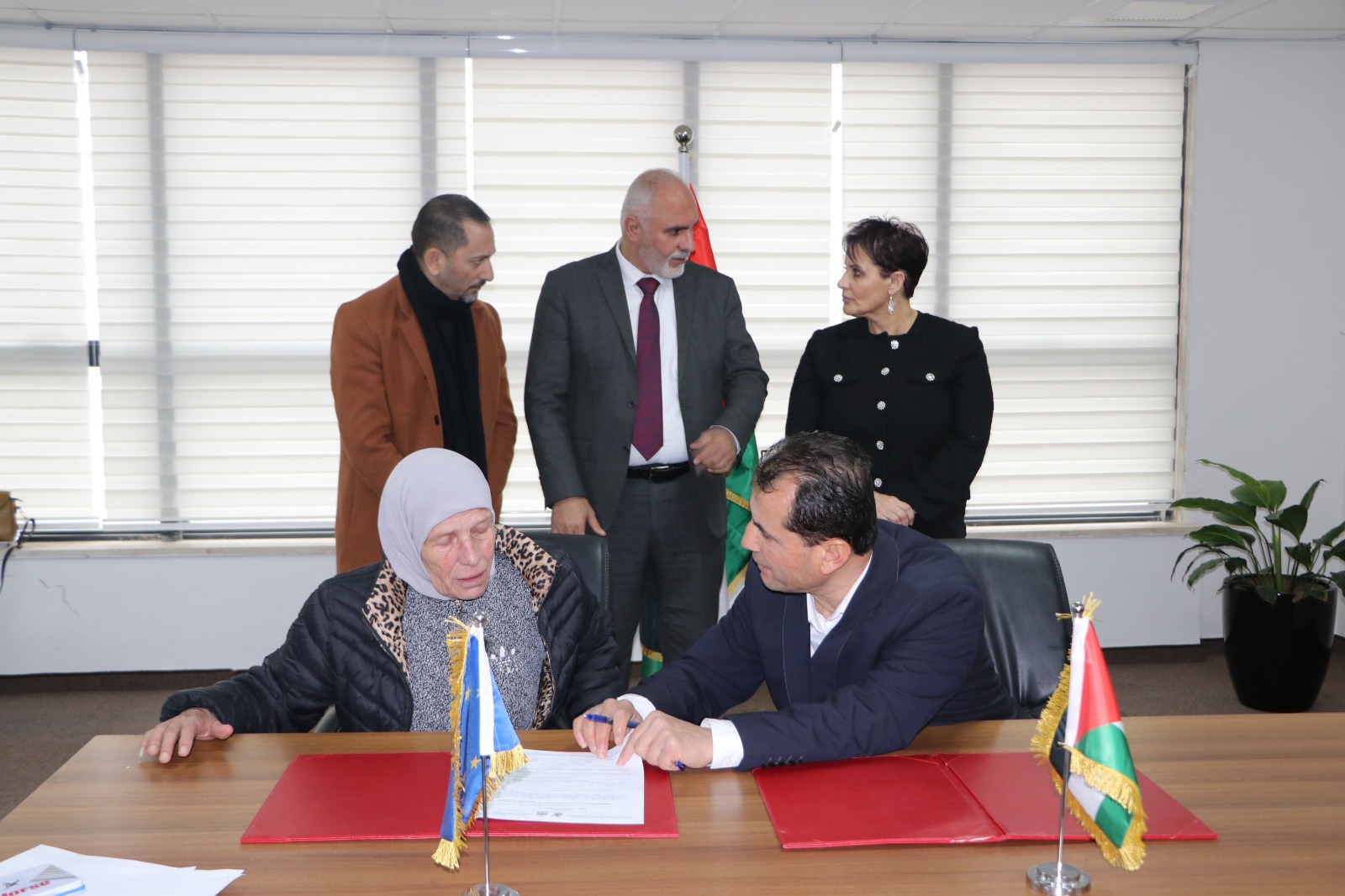
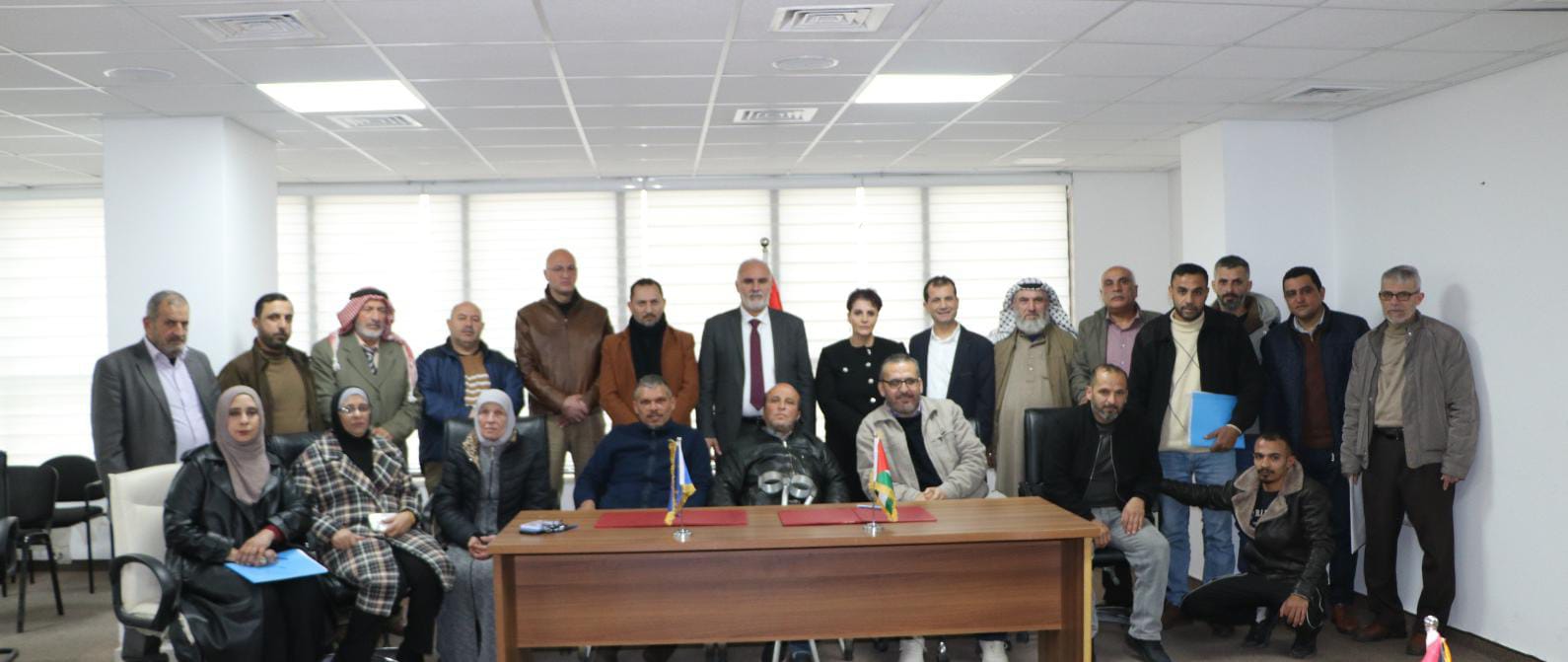
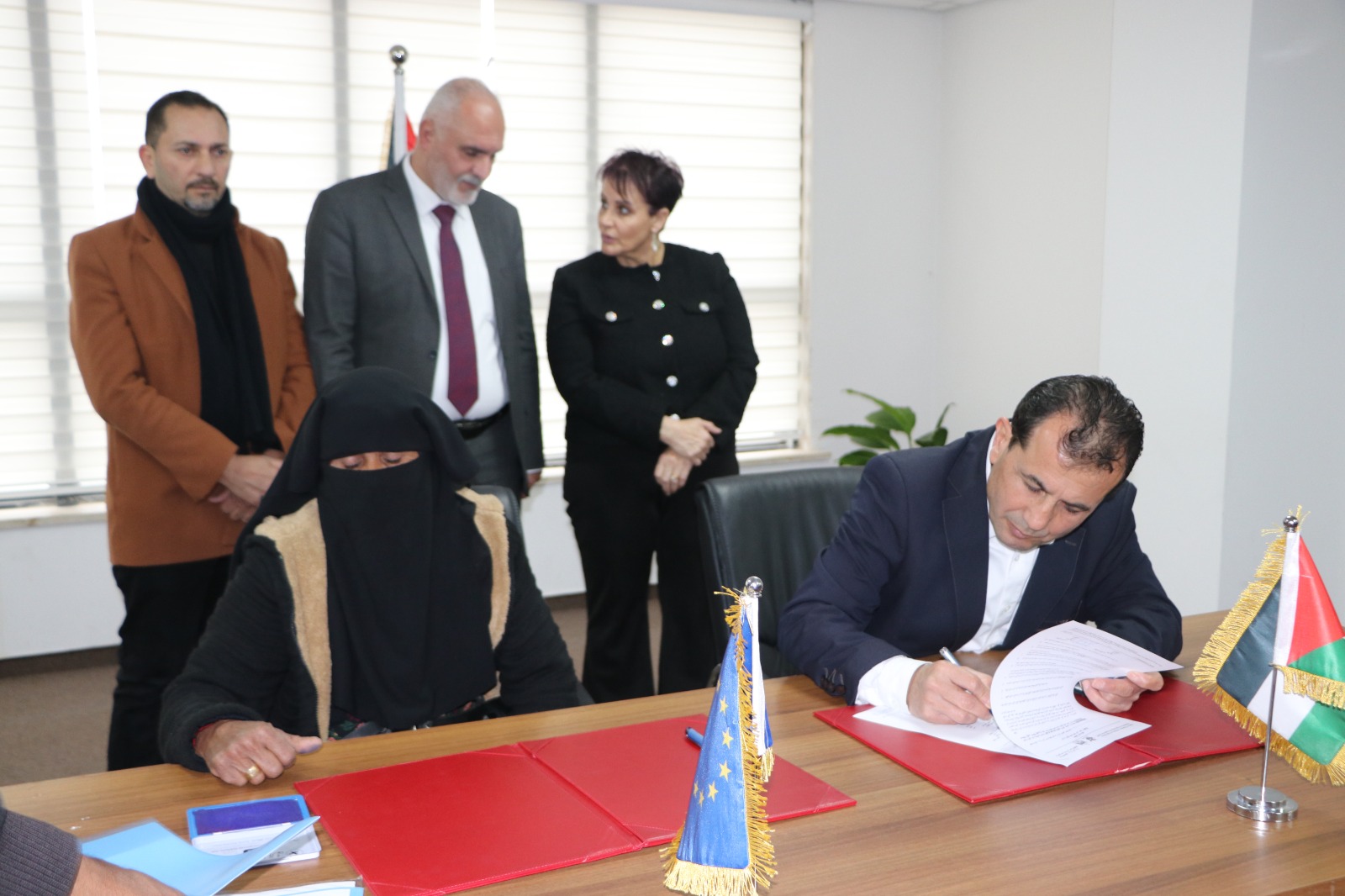
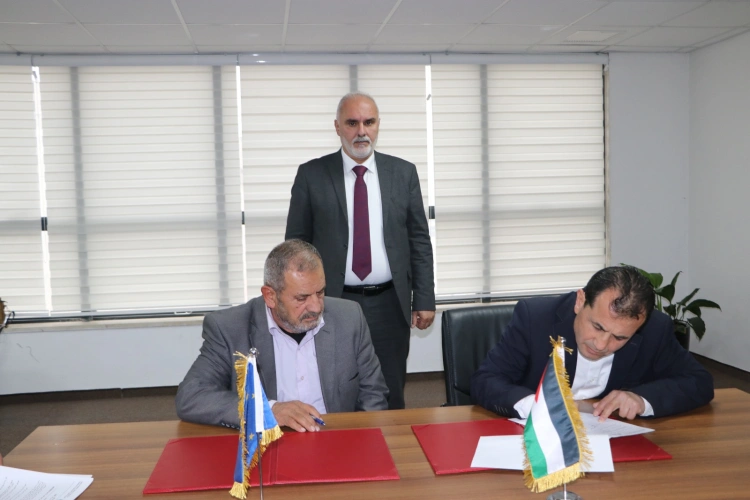
The Ministry of Agriculture signed 12 agreements today, to support agricultural projects for farmers affected by Israeli attacks. The signing took place at the Ministry's headquarters in Ramallah, in the presence of Minister of Agriculture Professor Rizهiq Slaimiya. The agreements, part of the EU-funded agricultural assistance program, total approximately 605,000 shekels.
The agreements were distributed among four farmers from Jerusalem area (152,000 shekels), five farmers from the Salfit Governorate (292,000 shekels), and three farmers from the Ramallah and Al-Bireh Governorate (160,000 shekels).
Slaimiya stated that these agreements are part of the Ministry's efforts to restore production for affected farmers. He emphasized that some of the damage dates back several years, but the aid was disbursed during this period after the Ministry completed the necessary documentation and the European Union verified the projects according to established procedures. He added that the Ministry is proceeding with the implementation of the remaining projects included in the agricultural assistance program until the end of this year, stressing the importance of cooperation from affected farmers with the Ministry's teams and the completion of all documentation and ongoing follow-up procedures in accordance with European Union requirements.
Slaimiya affirmed that the Ministry is working to serve farmers and strengthen their resilience, based on the principle of continuity and sustainability, thus ensuring the sustainability of the agricultural sector and enhancing food security.
He explained that the highest funding amount within these agreements reached approximately 76,000 shekels, while the lowest amount was approximately 18,000 shekels. Eight farmers benefited from funding exceeding 60,000 shekels, while the funding for four beneficiaries ranged between 18,000 and 40,000 shekels, reflecting a diversity in the targeted categories between small and large farmers.
These projects aim to empower farmers to restore their productive capacities and transform them into active producers, thereby contributing to improving their income and stimulating the local economy. The development plans for the projects varied, encompassing the purchase of beehives and related equipment, the improvement of agricultural infrastructure through the construction of fences and storage facilities, and the planting of fruit trees. They also included livestock production projects such as sheep and poultry farming and lamb fattening, in addition to providing farmers with essential agricultural equipment like small tractors, water tanks, and milking machines.
This program targets farmers whose losses have been documented in the records of the Ministry of Agriculture. Beneficiaries were selected according to European Union criteria, after fulfilling all the necessary conditions and providing the required documentation and complete application files.
These agreements complement the implementation of the EU-funded agricultural assistance program, which aims to revitalize the productive capacities of farmers/producers who have been directly affected, thereby contributing to the promotion of sustainable social and economic development.