Notification
حظر استيراد كافة أنواع الطيور الحية الداجنة والبرية وطيور الزينة وبيض التفقيس والصيصان عمر يوم ومخلفاتها الغير معاملة حراريا من تركيا ولحين استقرار الوضع الصحي

Ramallah: August 9, 2026
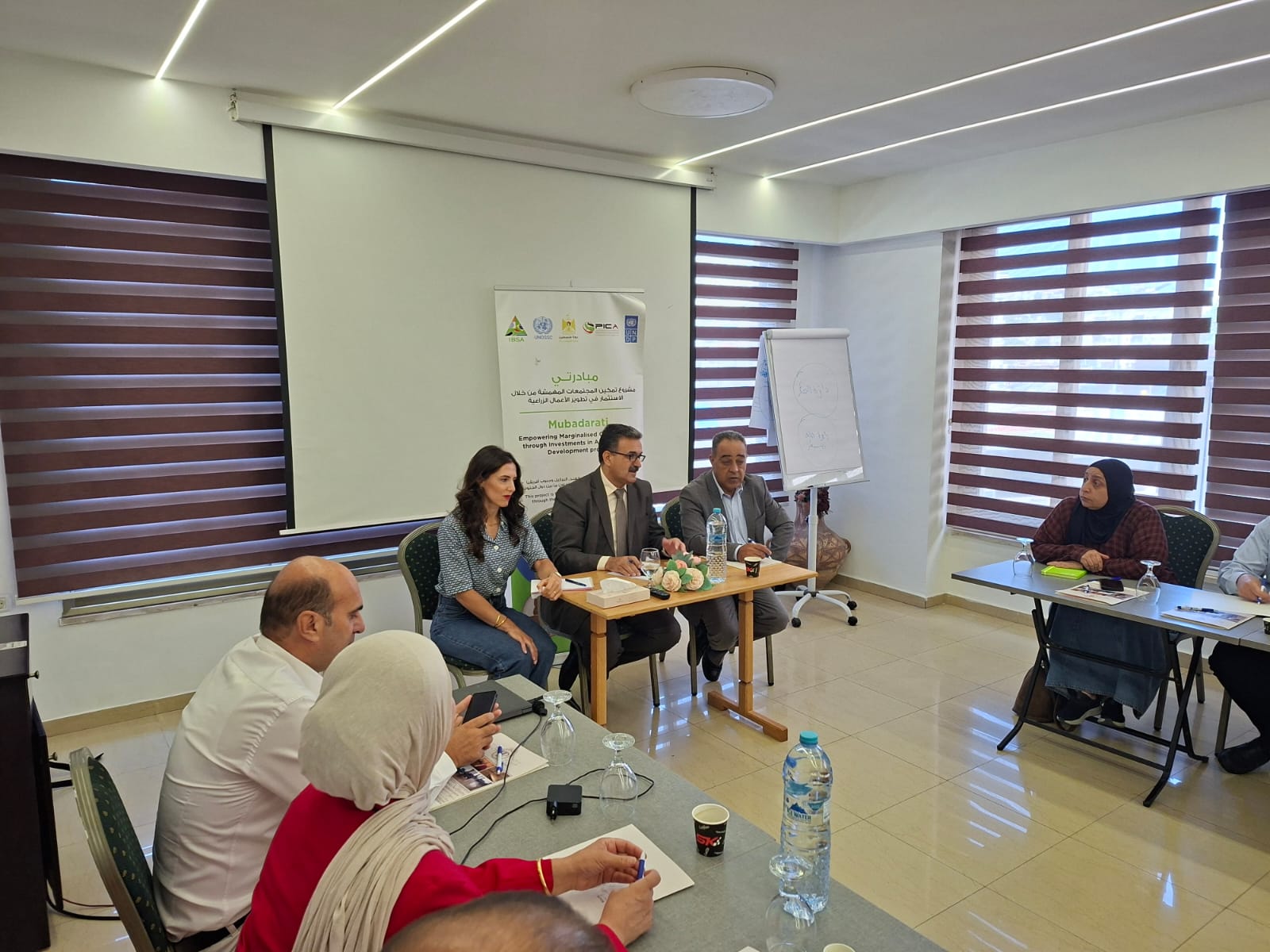
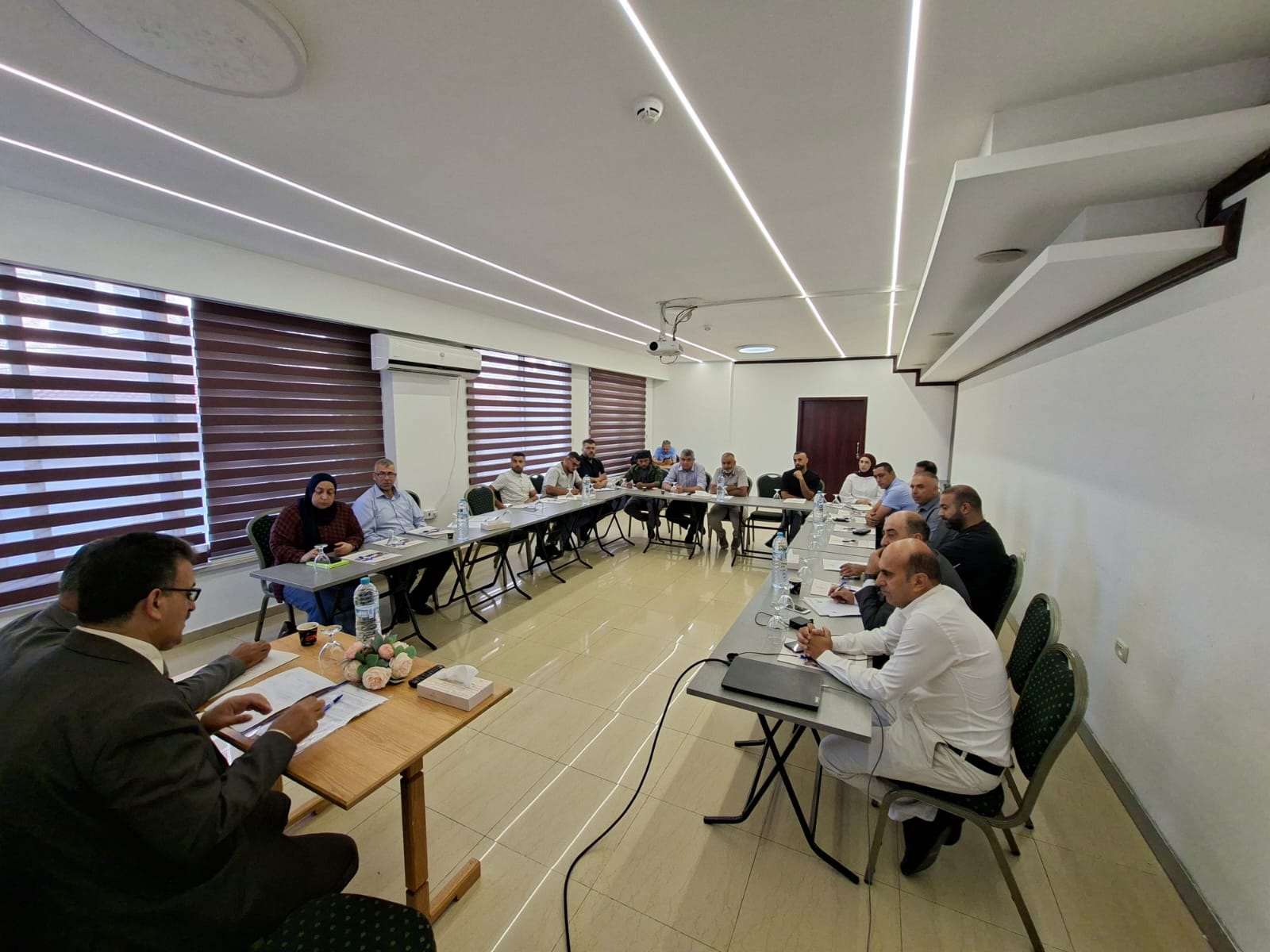
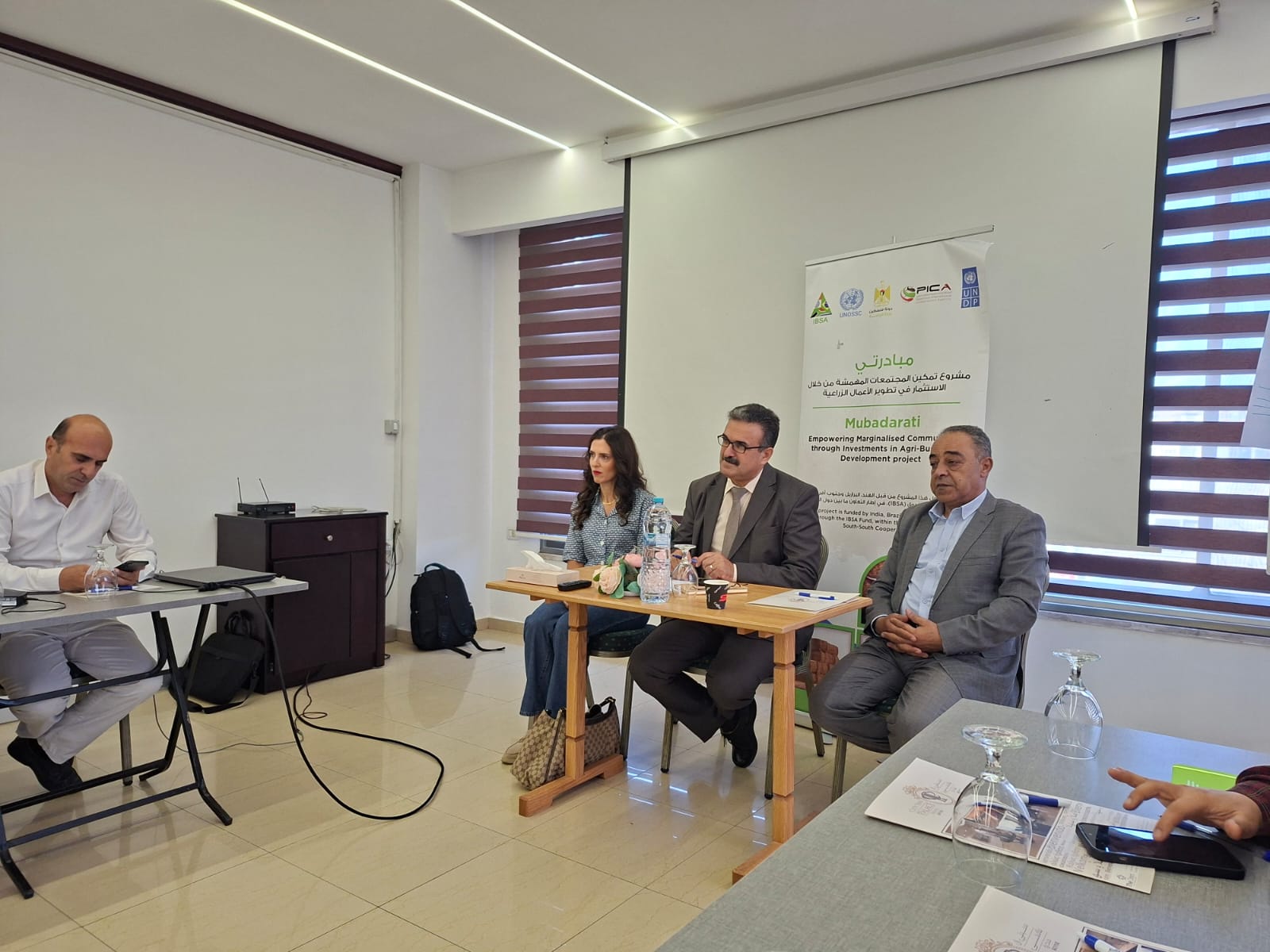
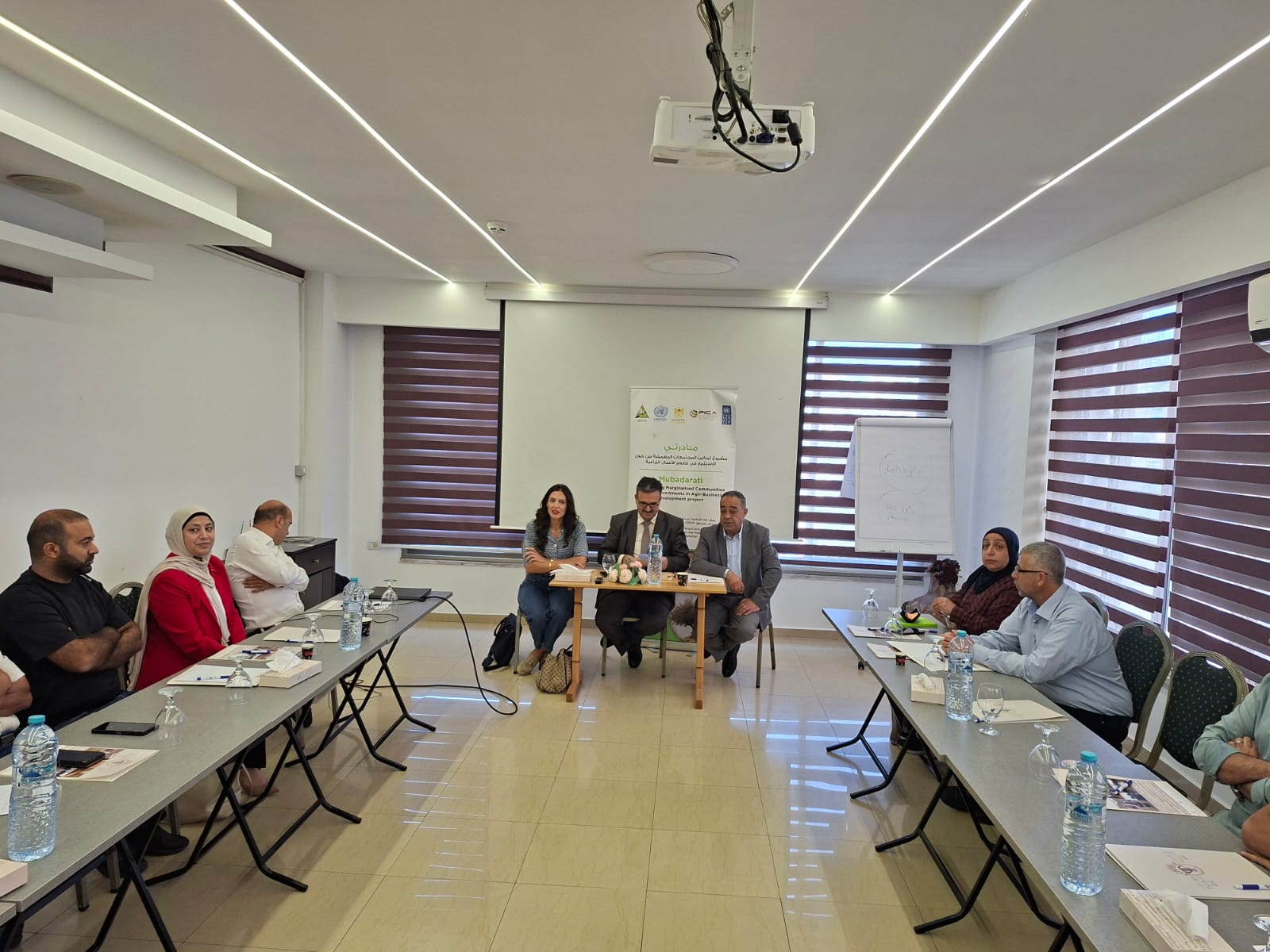
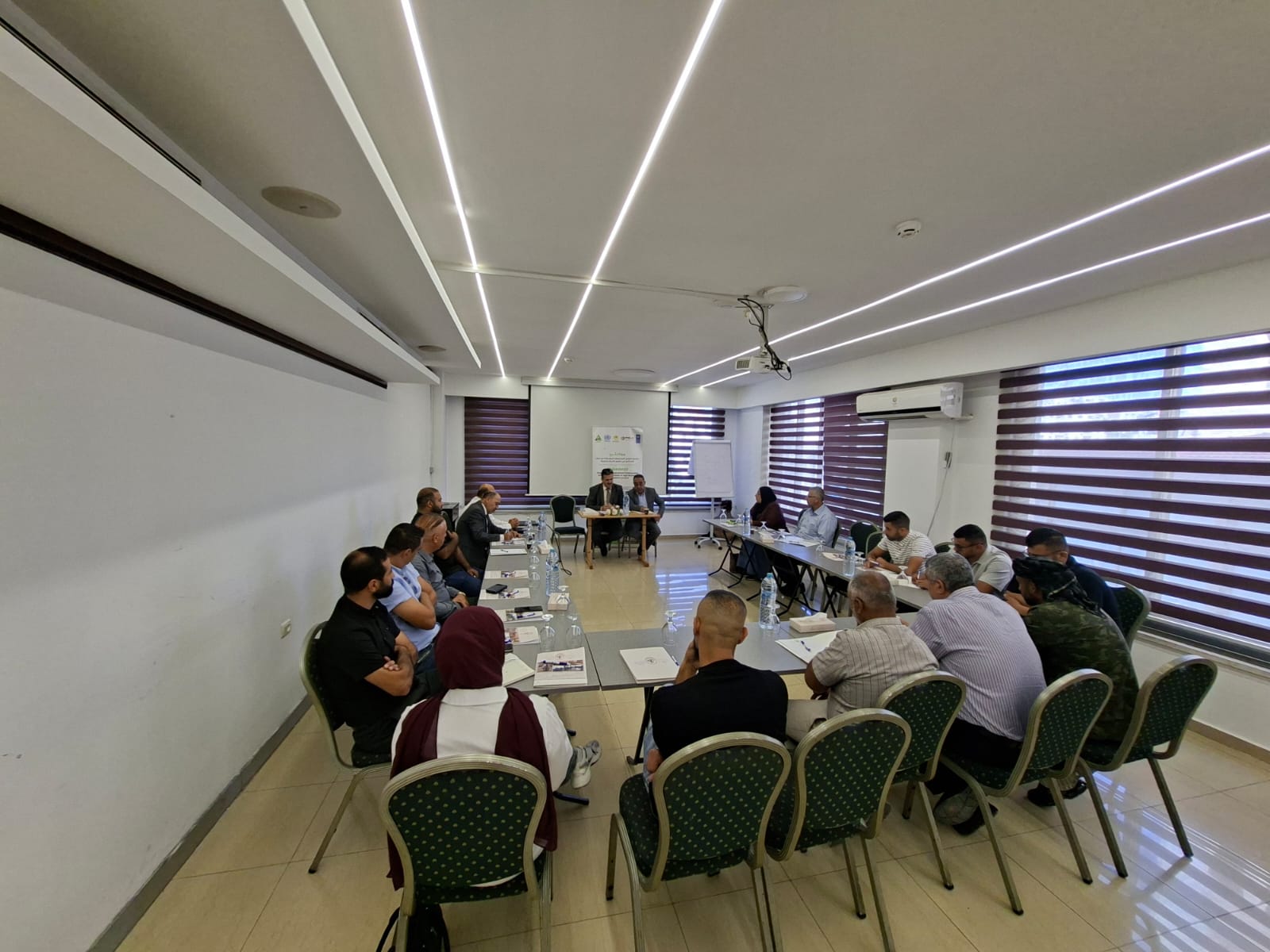
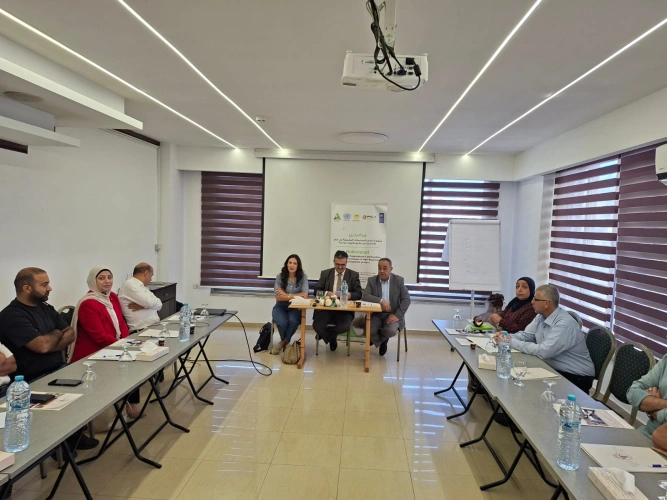
The Undersecretary of the Ministry of Agriculture, Engineer Bader Al-Hawamdeh, inaugurated an advanced training course entitled "Analysis and Interpretation of Laboratory Test Results for Animal Feed Samples." The course, held in partnership with the United Nations Development Programme (UNDP), attended by engineers from the poultry and ruminant departments of various agricultural directorates and departments. This initiative is part of the Ministry's efforts to enhance the efficiency of its technical and supervisory staff and develop their capabilities in handling laboratory test results and making scientifically based professional decisions.
The course falls under the Ministry's food security initiative and is part of the "My Initiative" project, implemented in partnership between UNDP and the Ministry of Agriculture, with support from the Palestinian International Cooperation Agency (PICA) and funding from the governments of India, Brazil, and South Africa through the IBSA Fund, within the framework of South-South cooperation. The project's feed component focuses on building the capacities of farmers and livestock breeders, developing alternative feed production, and upgrading specialized feed testing facilities and laboratories, thus linking production, training, and quality assurance. The Ministry affirms that the importance of the training course stems from the pivotal role of animal feed in animal health, breeding efficiency, and the quality of livestock products.
It notes that enhancing the skills of specialized personnel in analyzing test results contributes to improved oversight of production inputs, reduced risks associated with feed quality, protection of livestock, and increased production efficiency, food security, and farmer resilience.
The four-day course covers advanced practical topics, including reading analysis certificates and understanding composition tables, identifying energy, mineral, and vitamin measurements, detecting mycotoxins and additives, and managing emergency food-related situations. It also addresses preparing technical reports, interpreting laboratory results, and making appropriate regulatory decisions, thereby strengthening the standardization of technical guidelines and raising the level of professional performance in agricultural directorates and departments.
The Ministry of Agriculture emphasizes its continued investment in building the capacity of its staff and developing the monitoring system and technical services provided to farmers and livestock breeders. It also stresses the importance of aligning training with the actual needs of the agricultural sector, which contributes to improving the quality of production inputs, protecting livestock, increasing production efficiency, and strengthening the role of the agricultural and livestock sectors in supporting the national economy and food security.