Notification
حظر استيراد كافة أنواع الطيور الحية الداجنة والبرية وطيور الزينة وبيض التفقيس والصيصان عمر يوم ومخلفاتها الغير معاملة حراريا من تركيا ولحين استقرار الوضع الصحي

Ramallah: August 31, 2026
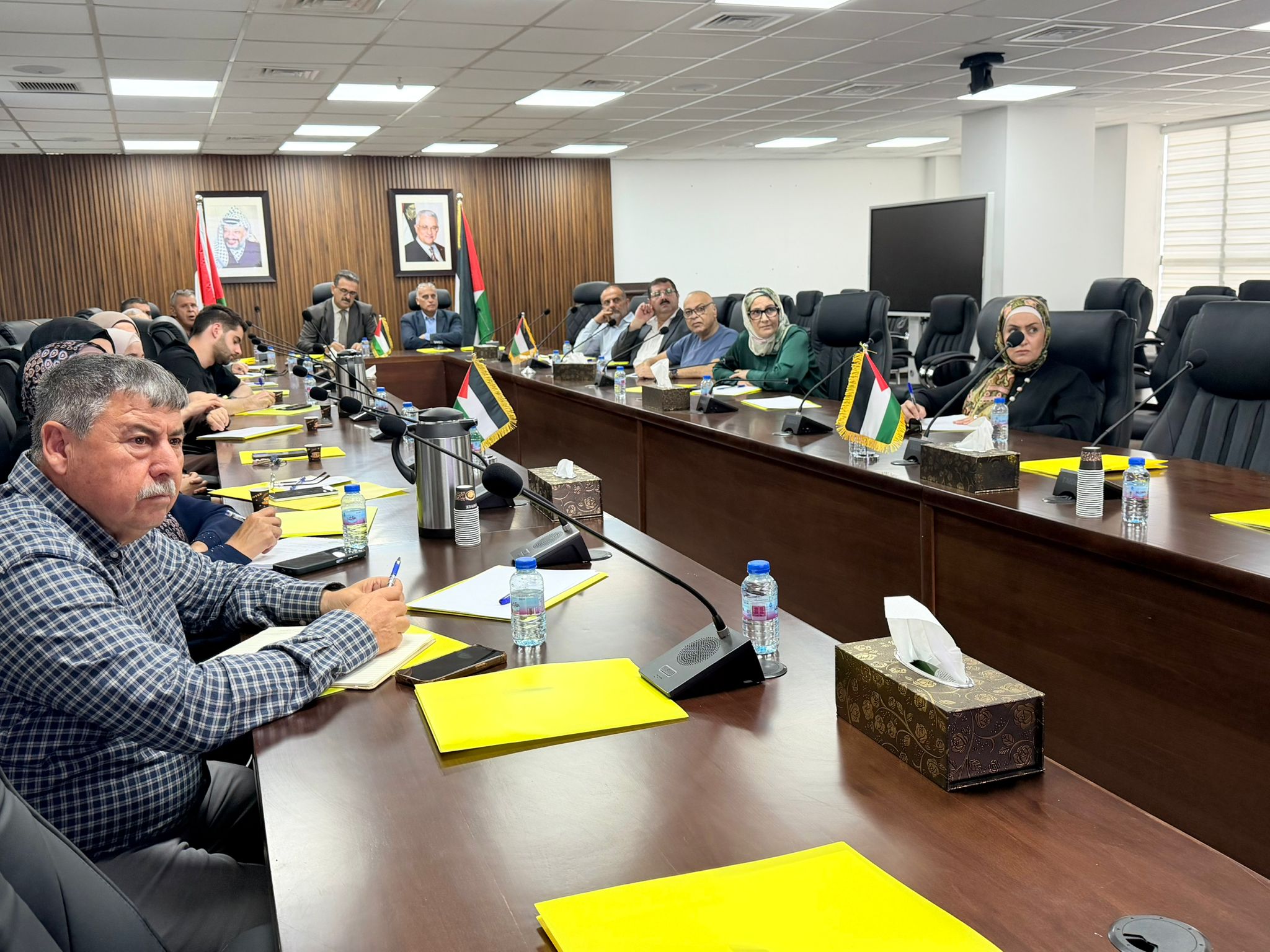
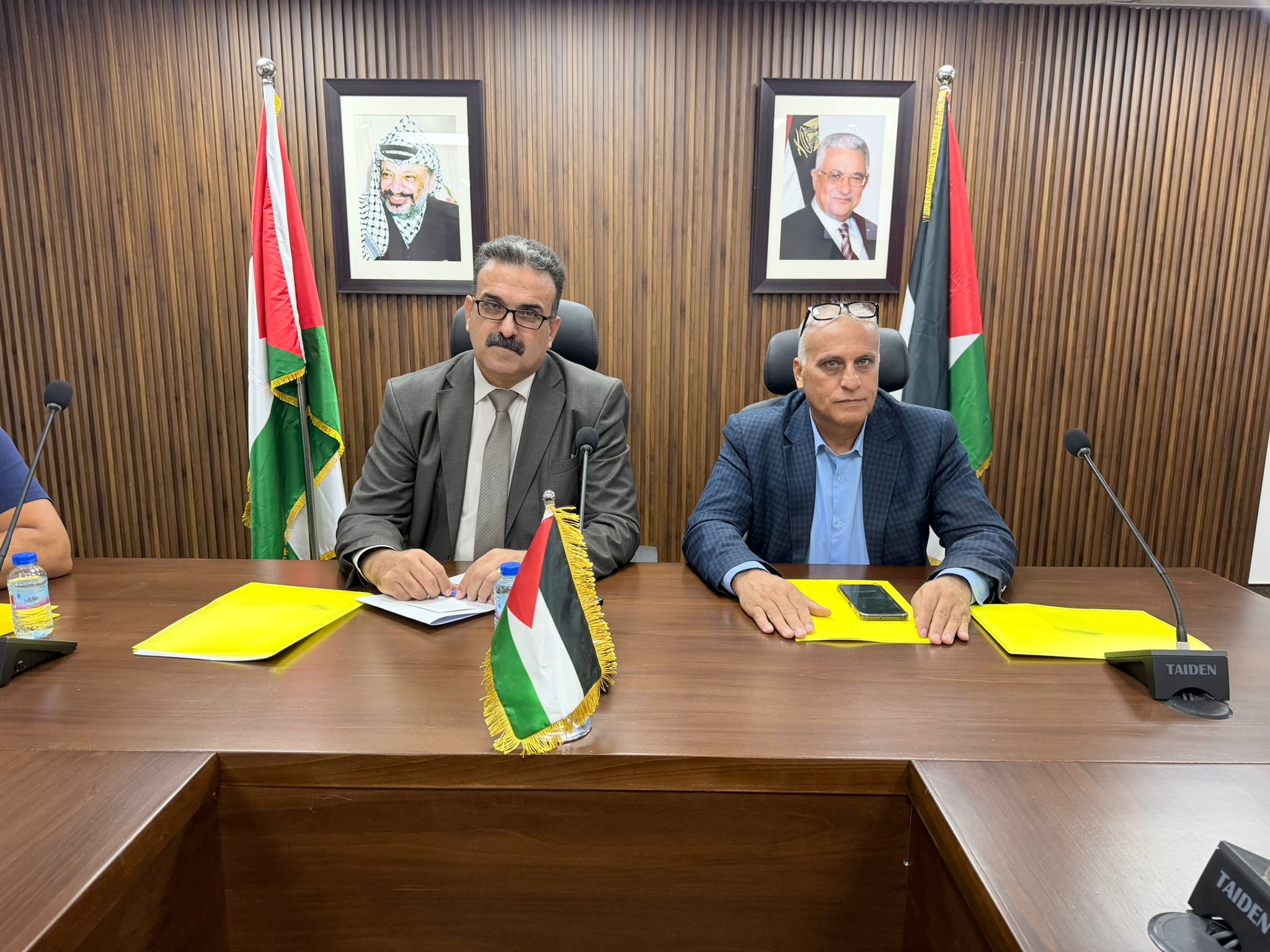
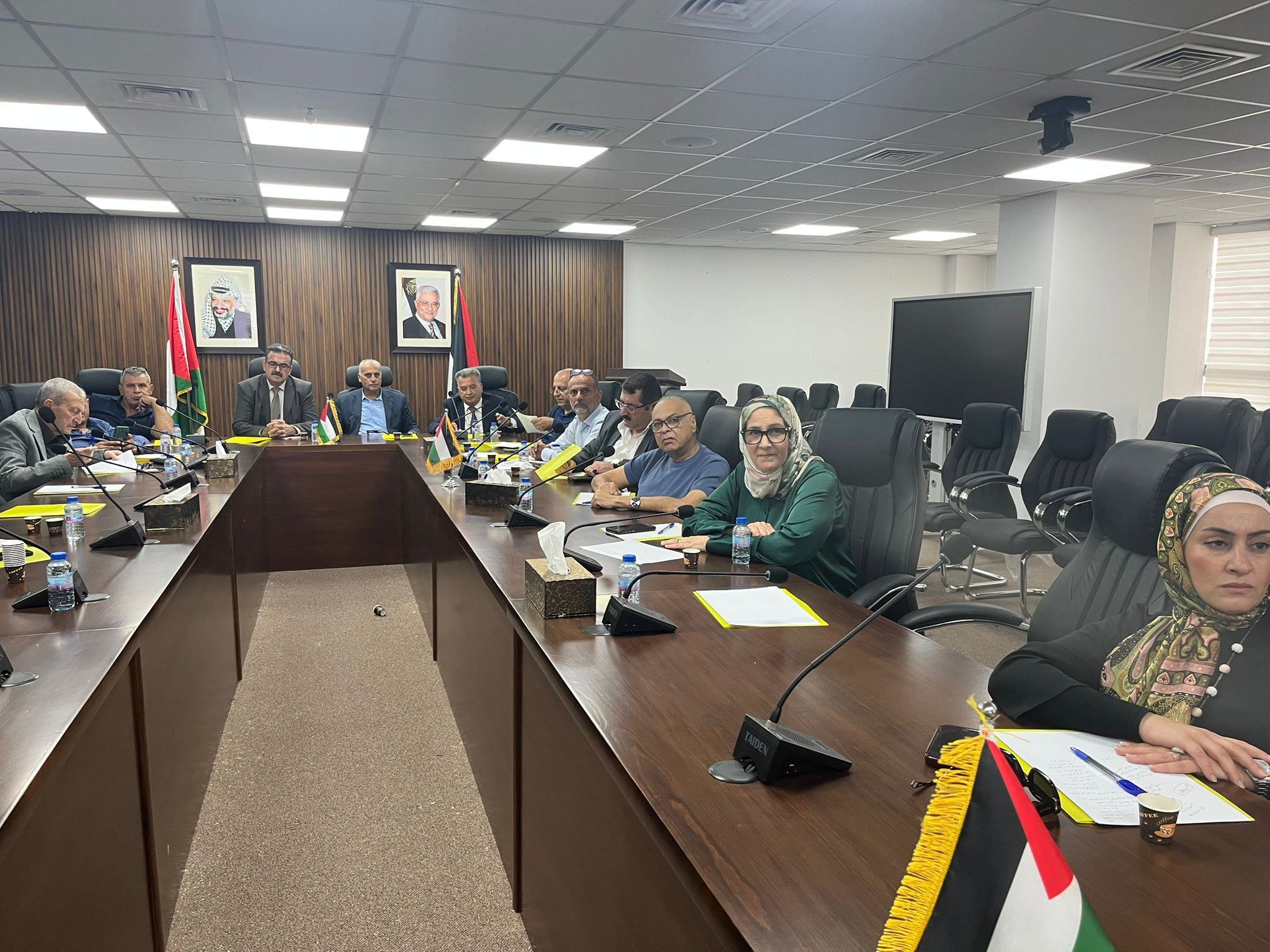
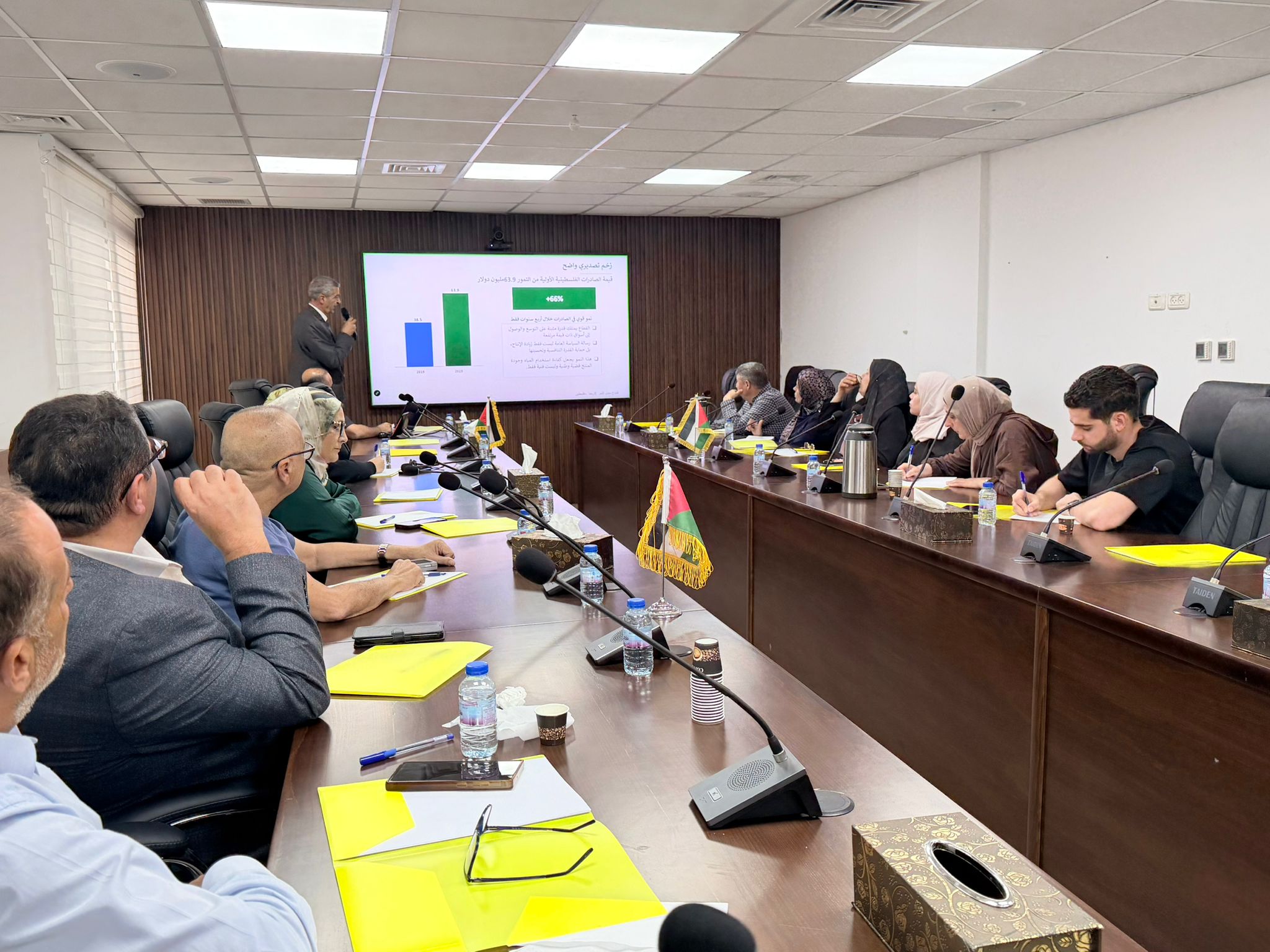
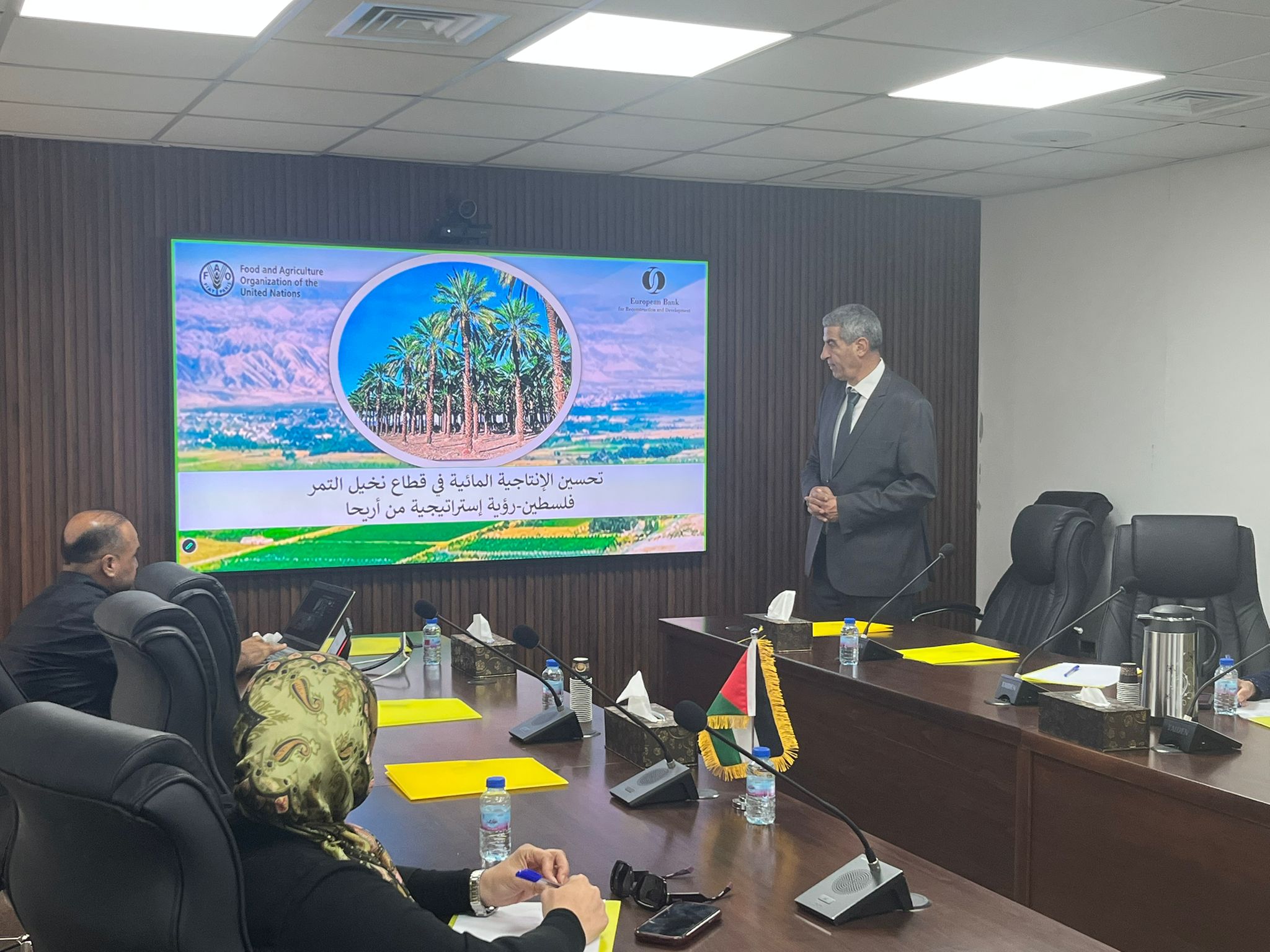
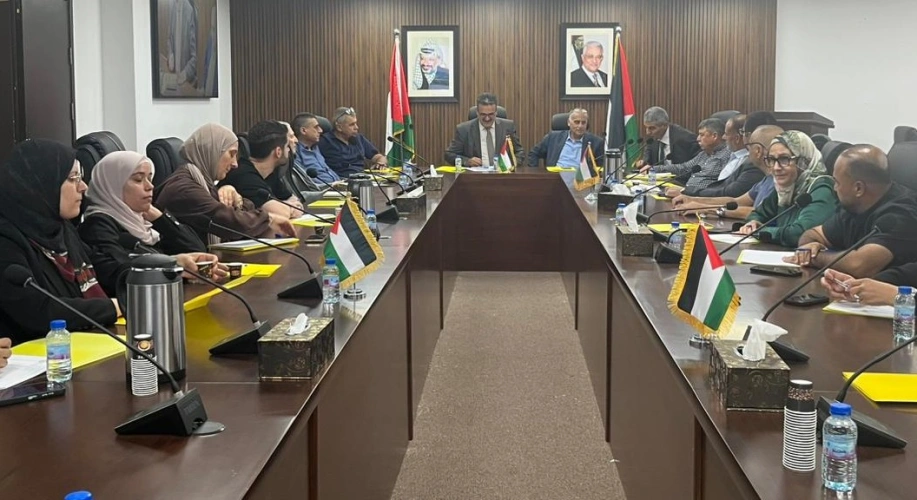
Undersecretary of the Ministry of Agriculture, Eng. Bader Al-Hawamdeh, inaugurated a workshop organized by the Ministry in cooperation with the Food and Agriculture Organization of the United Nations (FAO) and the European Bank for Reconstruction and Development (EBRD). The workshop discussed the findings of a study on "Improving Water Productivity in the Date Palm Sector in Jericho and the Jordan Valley," with the participation of representatives from the Ministry, the Palestinian Water Authority, date palm farmers and companies, and partner institutions.
Al-Hawamdeh emphasized the importance of the study in supporting the Ministry's efforts to improve water use efficiency and maximize the economic value derived from every cubic meter, in parallel with developing the date sector, which is considered a promising agricultural sector with significant economic and export value. He stressed the need to move towards more precise water management, production, and quality to enhance the competitiveness of Palestinian products.
The workshop reviewed the study's key findings, which showed variations in water consumption and water productivity among farms. Physical water productivity ranged from 0.5 to 2.1 kg of dates per cubic meter of water, improving with the age of the trees. The results also showed that irrigation scheduling was the leading administrative factor affecting performance, accounting for 24.1%, which underscores the importance of linking irrigation quantities and timing to tree age, climatic conditions, and crop growth stages.
The workshop also discussed water losses in open collection ponds and tanks, where evaporation losses from a typical 600 m² tank can reach approximately 653 cubic meters annually. It also addressed the importance of improving sorting and grading processes, post-harvest practices, and enhancing trust and transparency between farmers and packing stations. This will increase the market value of dates and improve their competitiveness in international markets.
The Ministry affirms that the study's findings and technical discussions will form the basis for developing practical interventions and evidence-based policies that combine water use efficiency, product quality improvement, and linking production to market needs. In this context, the Ministry explained that work is underway in cooperation with the FAO, within the framework of the Land and Water Productivity Monitoring Project (WAPOR), to develop a mobile application for irrigation scheduling for date palm farmers, which is expected to be available by the end of this year. The ministry stressed that enhancing the competitiveness of the palm sector requires dealing with water, production, quality and the market as an integrated system, in order to ensure higher value for the resources used, and to support the sustainability of the Palestinian farme.