Notification
حظر استيراد كافة أنواع الطيور الحية الداجنة والبرية وطيور الزينة وبيض التفقيس والصيصان عمر يوم ومخلفاتها الغير معاملة حراريا من تركيا ولحين استقرار الوضع الصحي

Ramallah: September 29, 2026
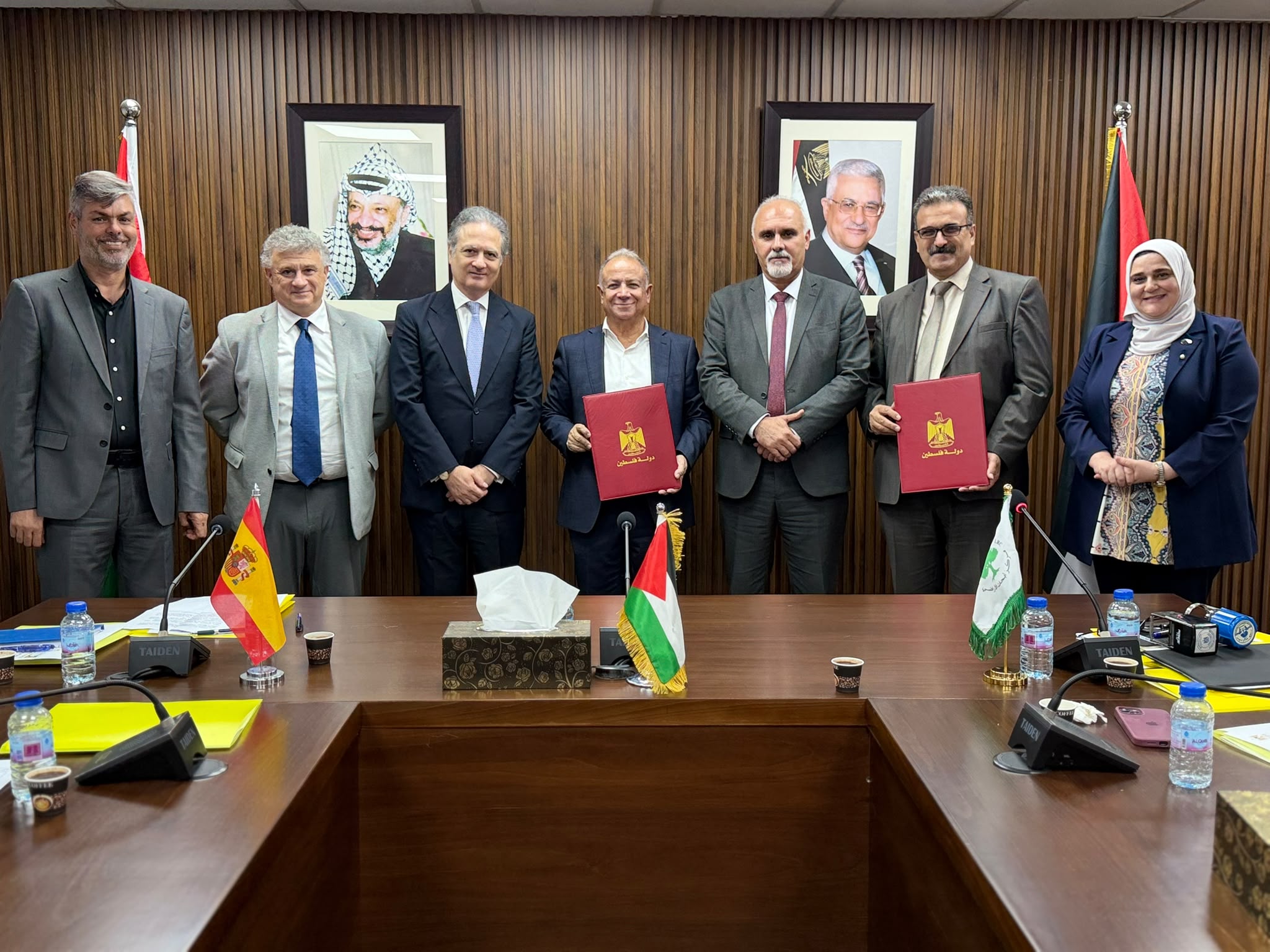
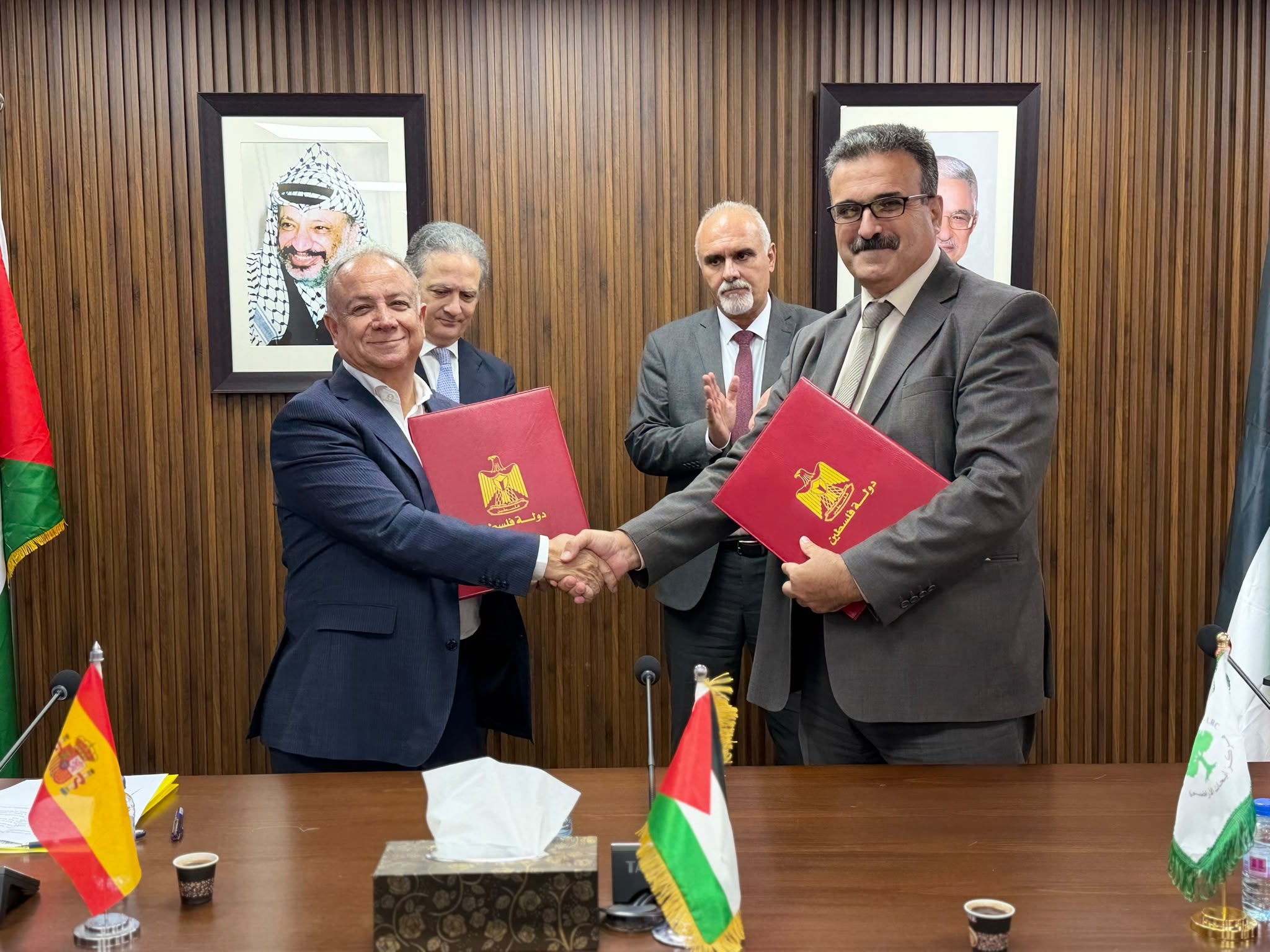
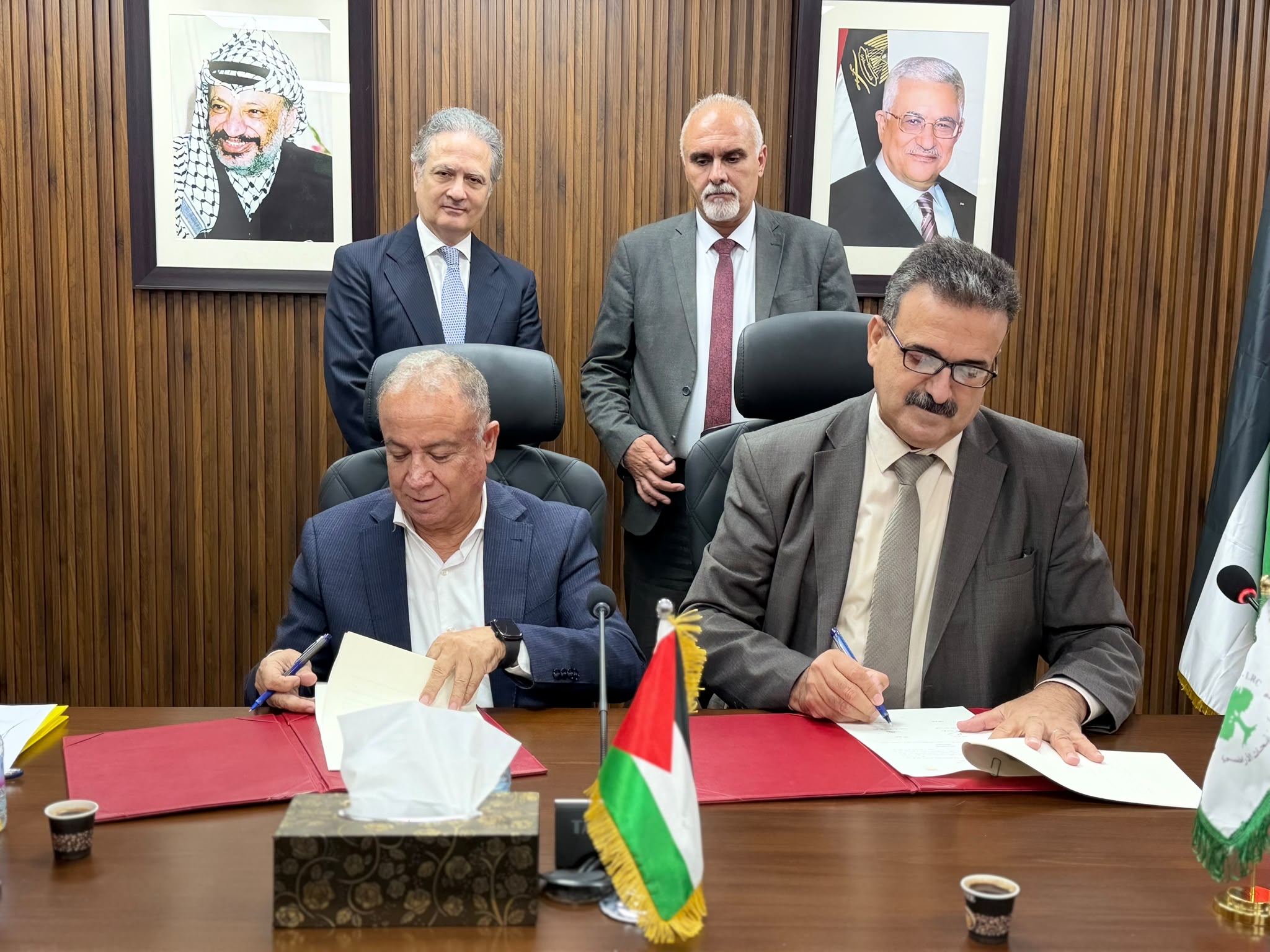
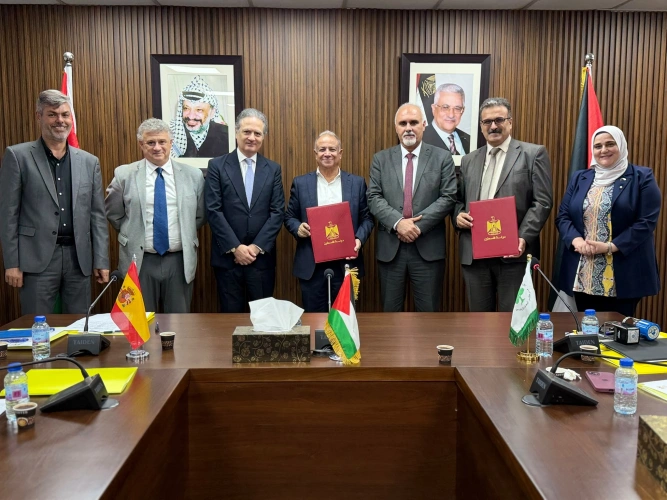
The Ministry of Agriculture, in partnership with the Land Research Center, launched a project today, Tuesday, titled "Enhancing Climate Resilience and Sustainable Agriculture through Integrated Water Resource Development in the Eastern Slopes." With a total value of approximately 3.5 million shekels, the project aims to strengthen the ability of farming communities in the targeted areas to adapt to the impacts of climate change and water scarcity, while improving the sustainable management of water and agricultural land with external support.
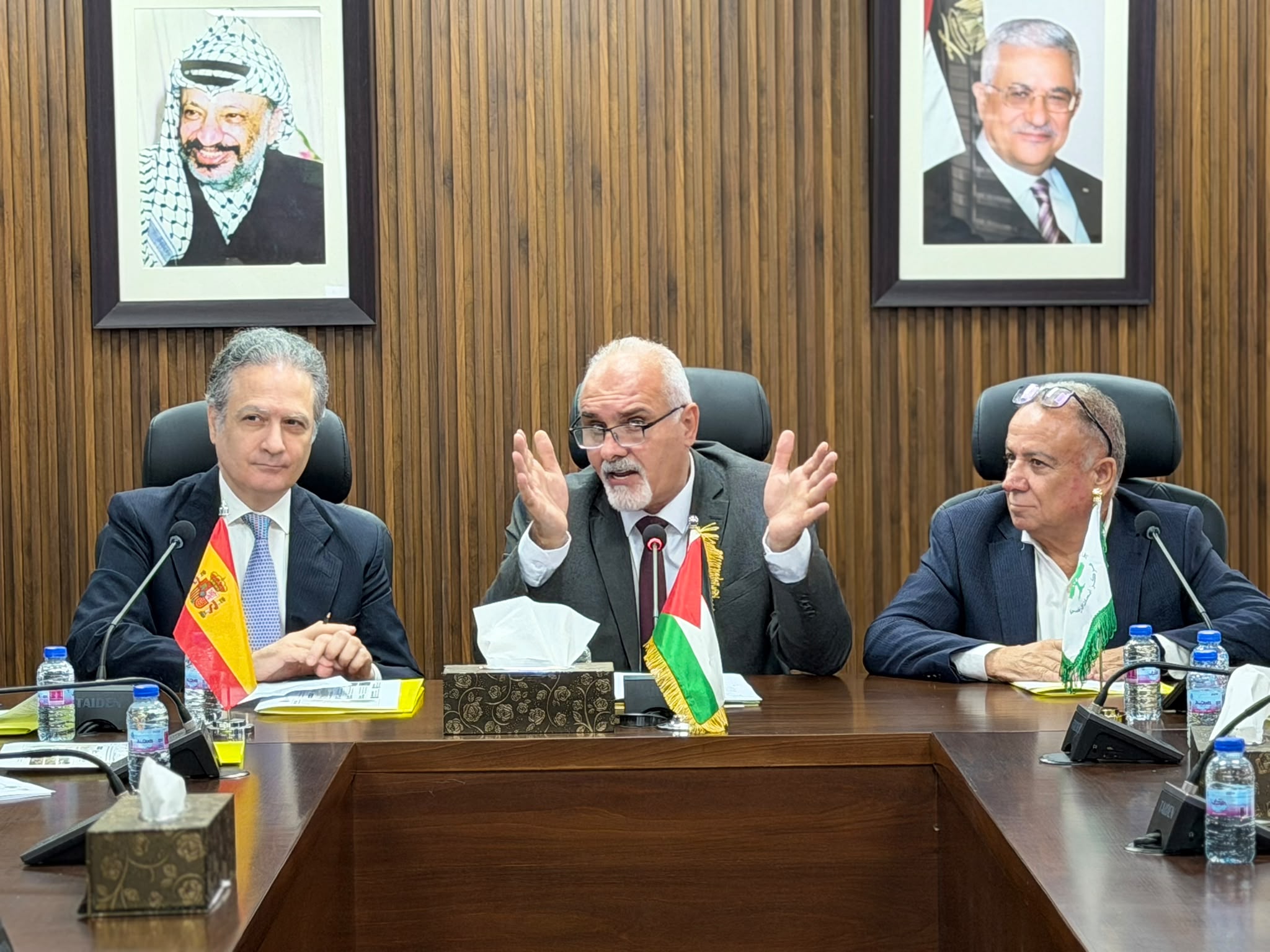
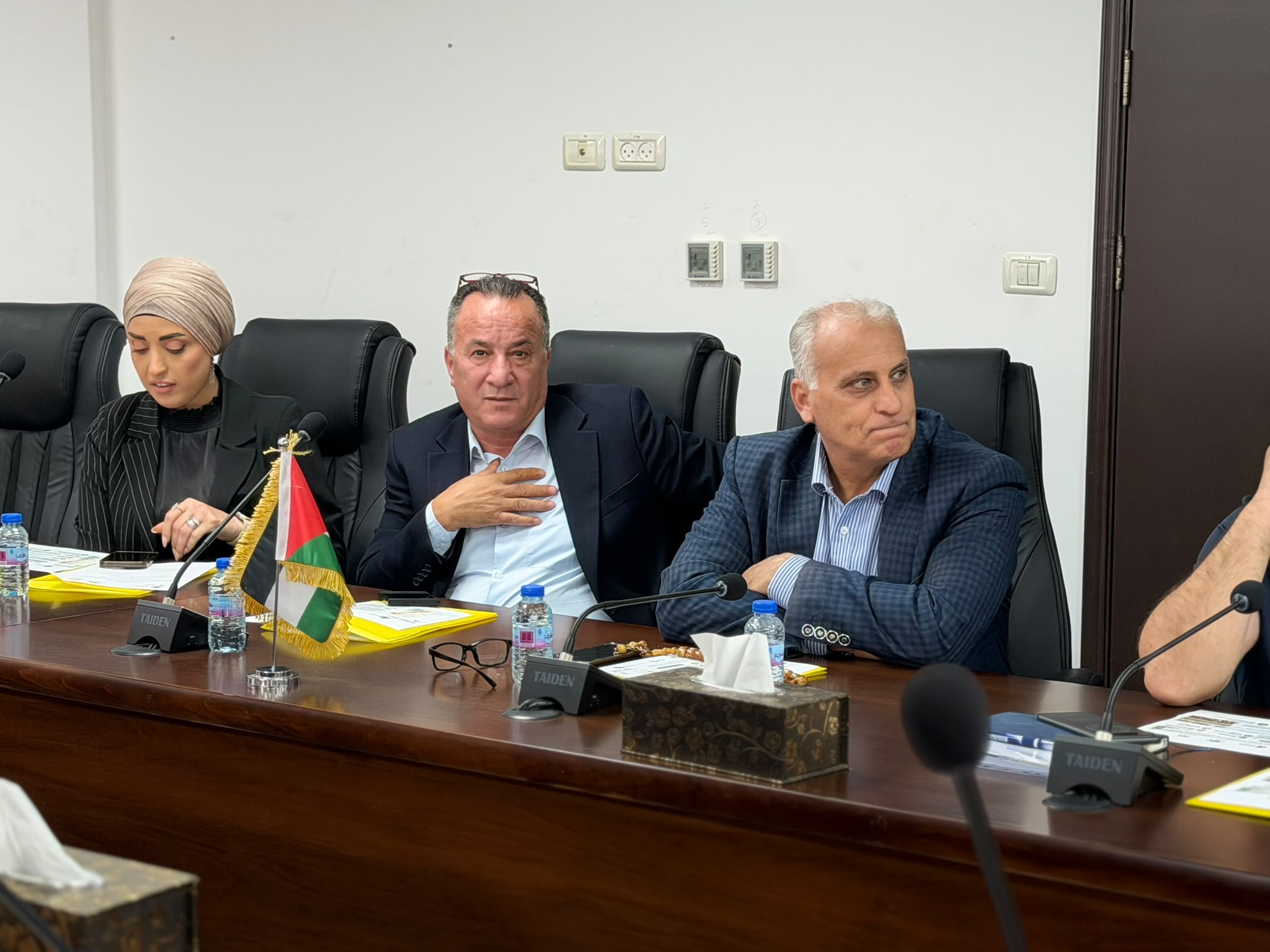
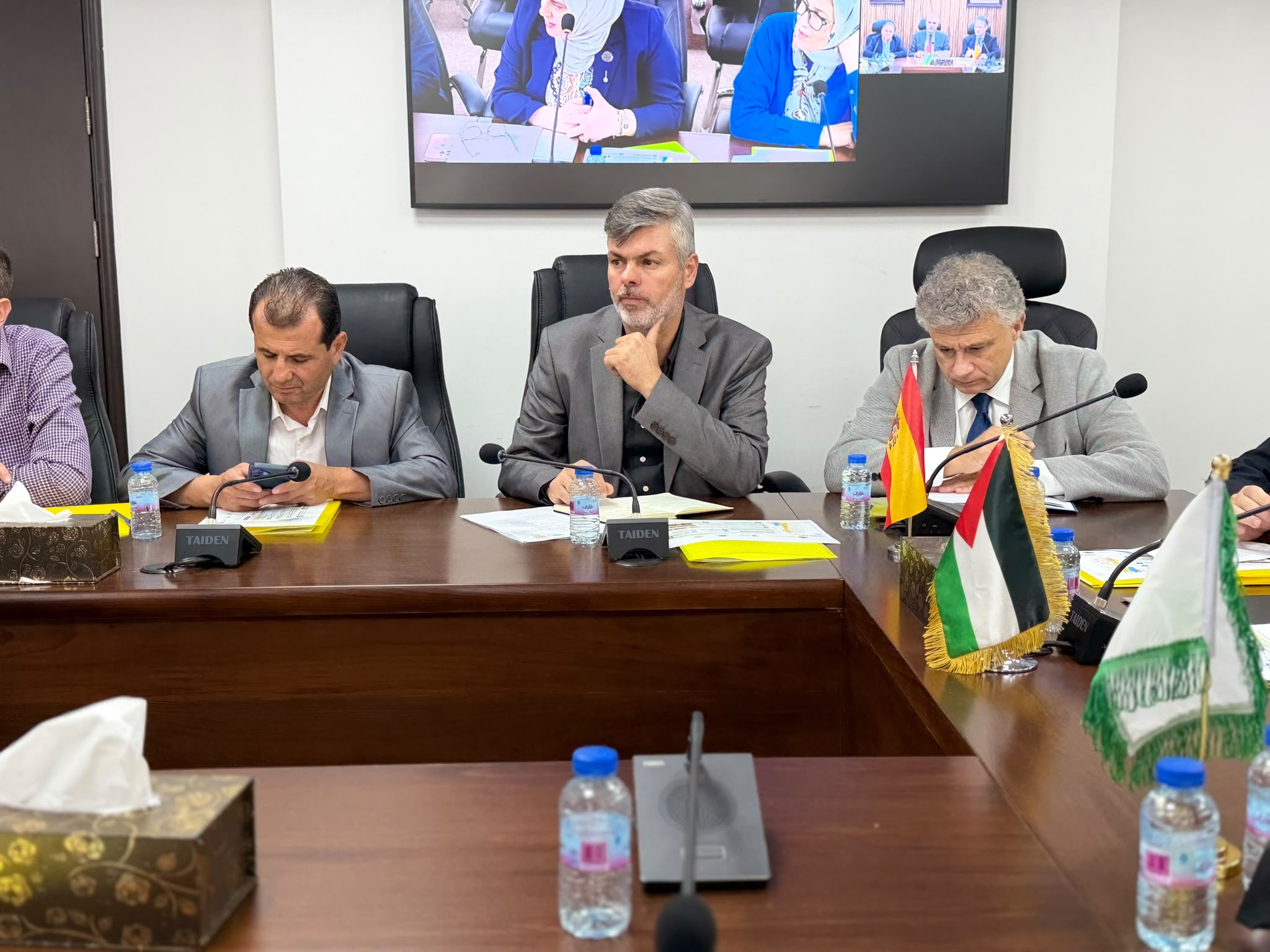
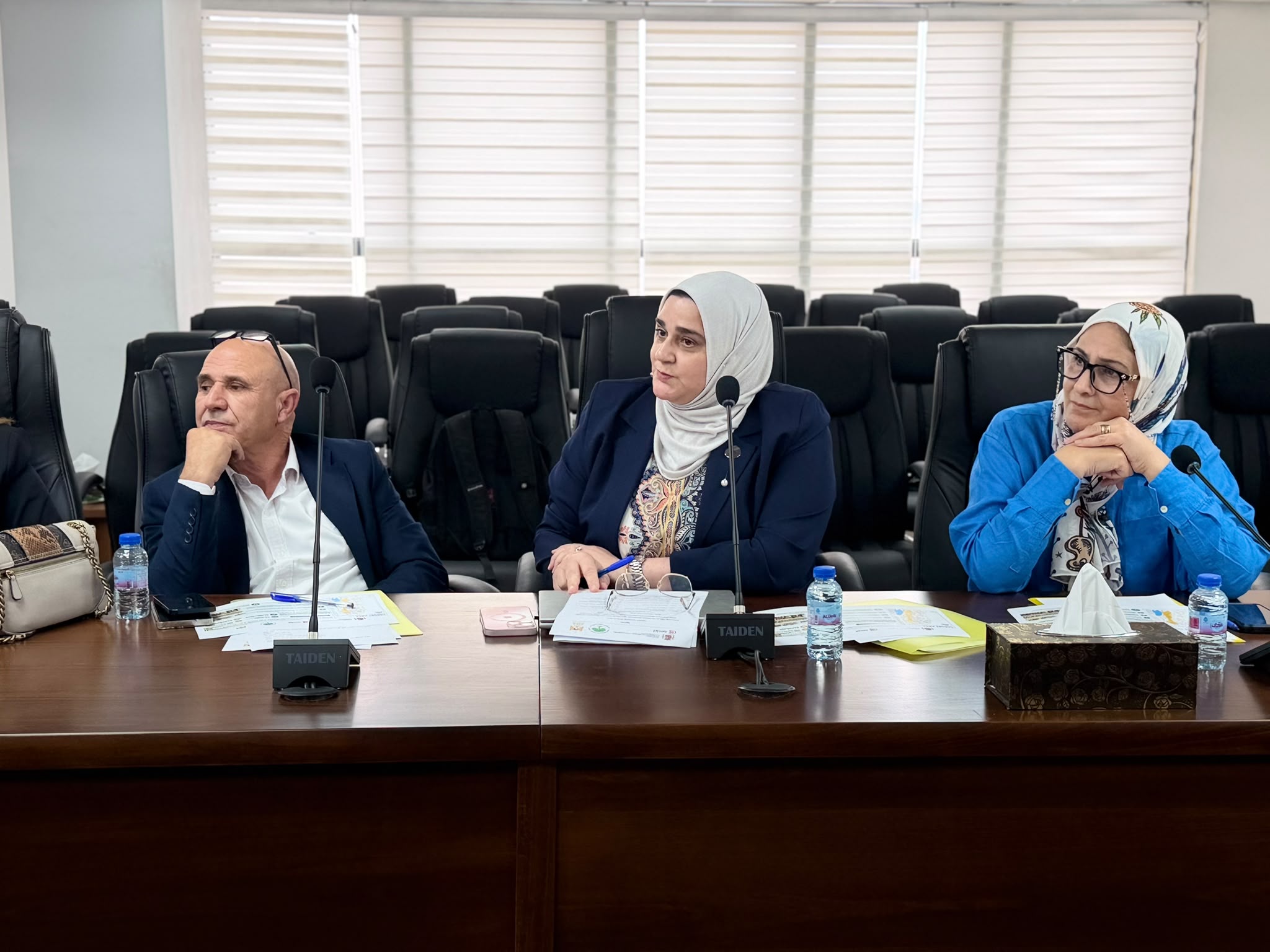
The project was launched at the Ministry of Agriculture headquarters in Ramallah, attended by Minister of Agriculture Prof. Rizq Slaimiya ; Spanish Consul to the State of Palestine, Javier Gutierrez; Project and Program Manager Mr. Jesus; Director General of the Land Research Center Mr. Mohammad Hassasneh; Deputy Director for International Relations and Fundraising Dr. Mohammad Slaimiya ; Ministry Undersecretary Eng. Badr Al-Hawamdeh; as well as assistant undersecretaries, directors general from the Ministry, and representatives from relevant entities.
Slaimiya emphasized that investing in water, land, and climate-smart agriculture is a priority for bolstering farmers' resilience. He highlighted the importance of developing natural resources and improving their utilization efficiency—measures that support agricultural production and food security while enhancing the ability of farming communities to cope with the impacts of climate change and water scarcity.
The project is scheduled for implementation between 2026 and 2028. It encompasses conducting studies, surveys, and needs assessments in target areas; constructing and rehabilitating water collection wells, rainwater harvesting tanks, and springs; and providing water tanks to farming households. Additionally, the project involves developing and rehabilitating approximately 200 dunums of irrigated agricultural land and implementing activities to improve irrigation water efficiency.
The project also includes training around 510 farmers in sustainable water management and climate-smart agricultural practices, conducting farmer field schools and extension and awareness-raising activities, and building the capacity of staff from the Ministry of Agriculture and the Land Research Center in the fields of water management and climate-smart agriculture.
Additionally, the project aims to develop a digital agricultural database and a dashboard for monitoring agricultural and water-related data and indicators. It also focuses on updating data and utilizing it for planning, monitoring, and decision-making, thereby contributing to improved natural resource management and enhanced efficiency in agricultural operations. The project is expected to contribute to enhancing the resilience of agricultural communities to the impacts of climate change and water scarcity, improving the efficiency of agricultural water resource management and use, boosting the productivity and sustainability of irrigated lands, increasing farmers' adoption of sustainable and climate-smart agricultural practices, and strengthening the capacities of agricultural institutions in water management, data handling, and planning.