Notification
حظر استيراد كافة أنواع الطيور الحية الداجنة والبرية وطيور الزينة وبيض التفقيس والصيصان عمر يوم ومخلفاتها الغير معاملة حراريا من تركيا ولحين استقرار الوضع الصحي

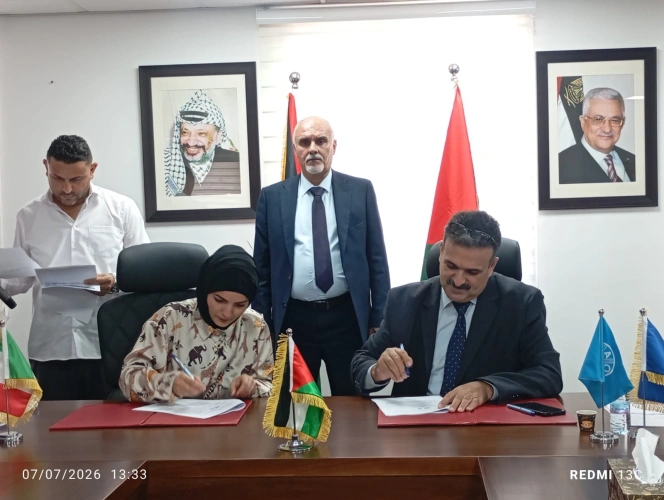
Ramallah: July 7, 2026
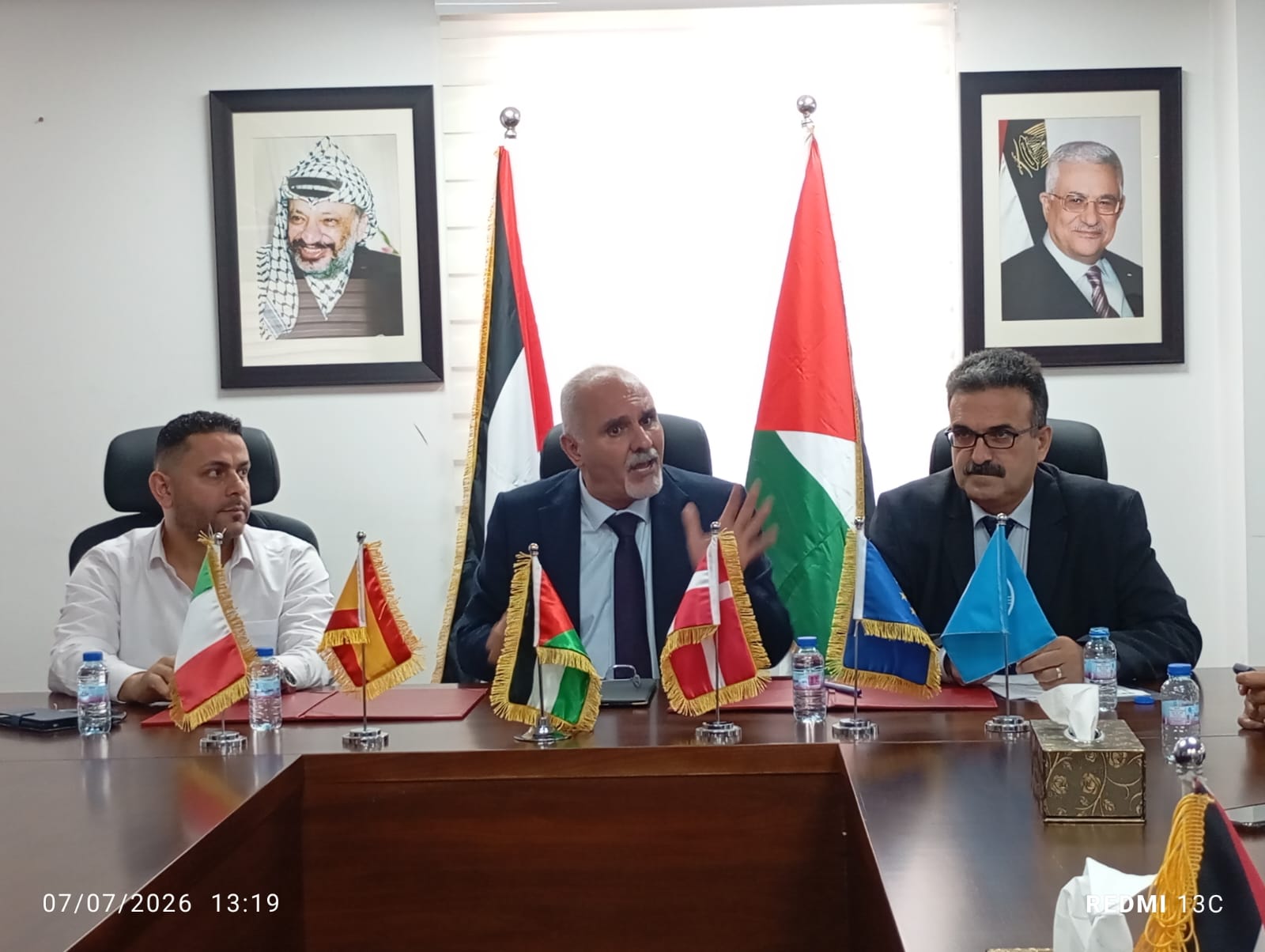
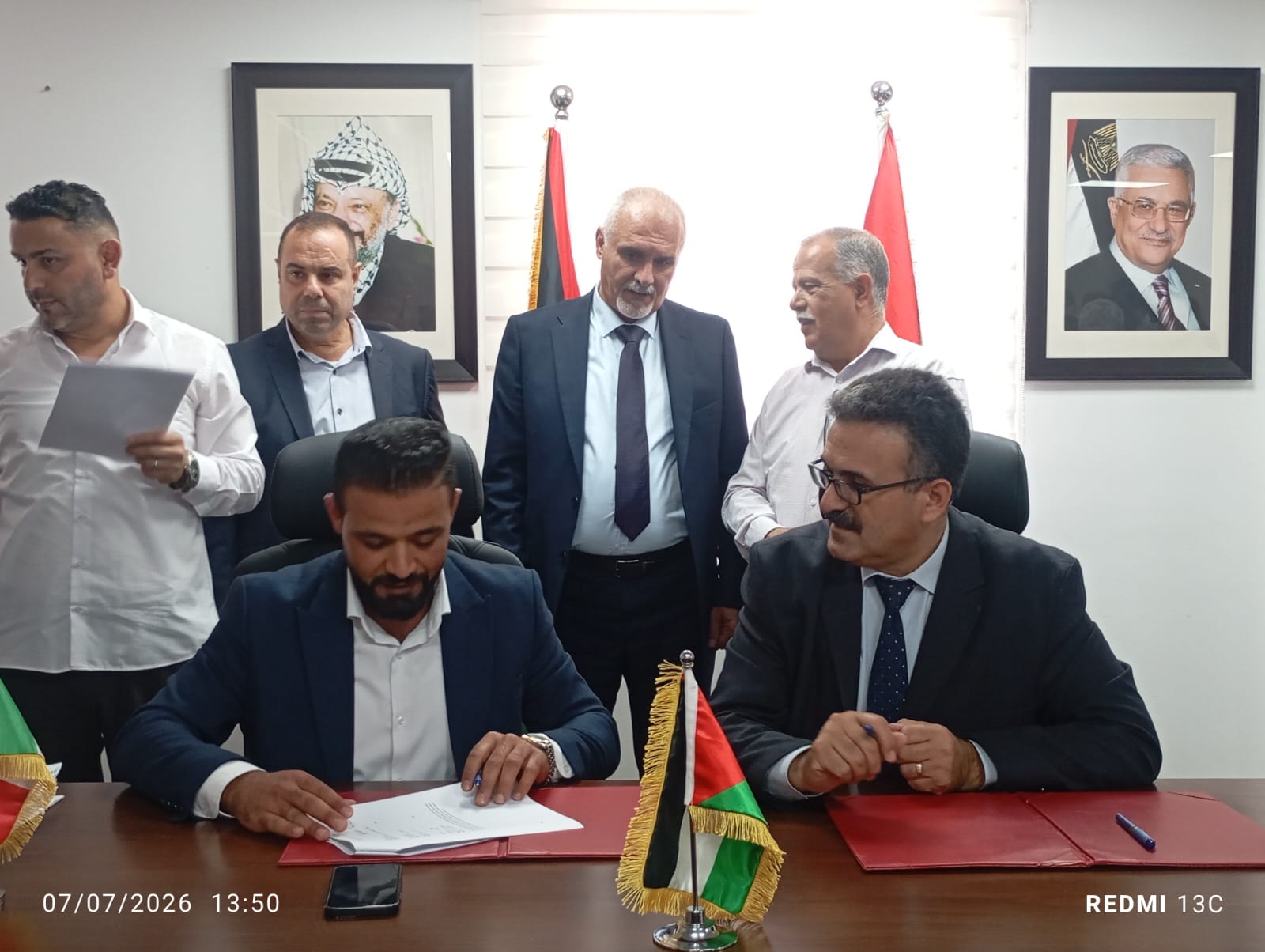
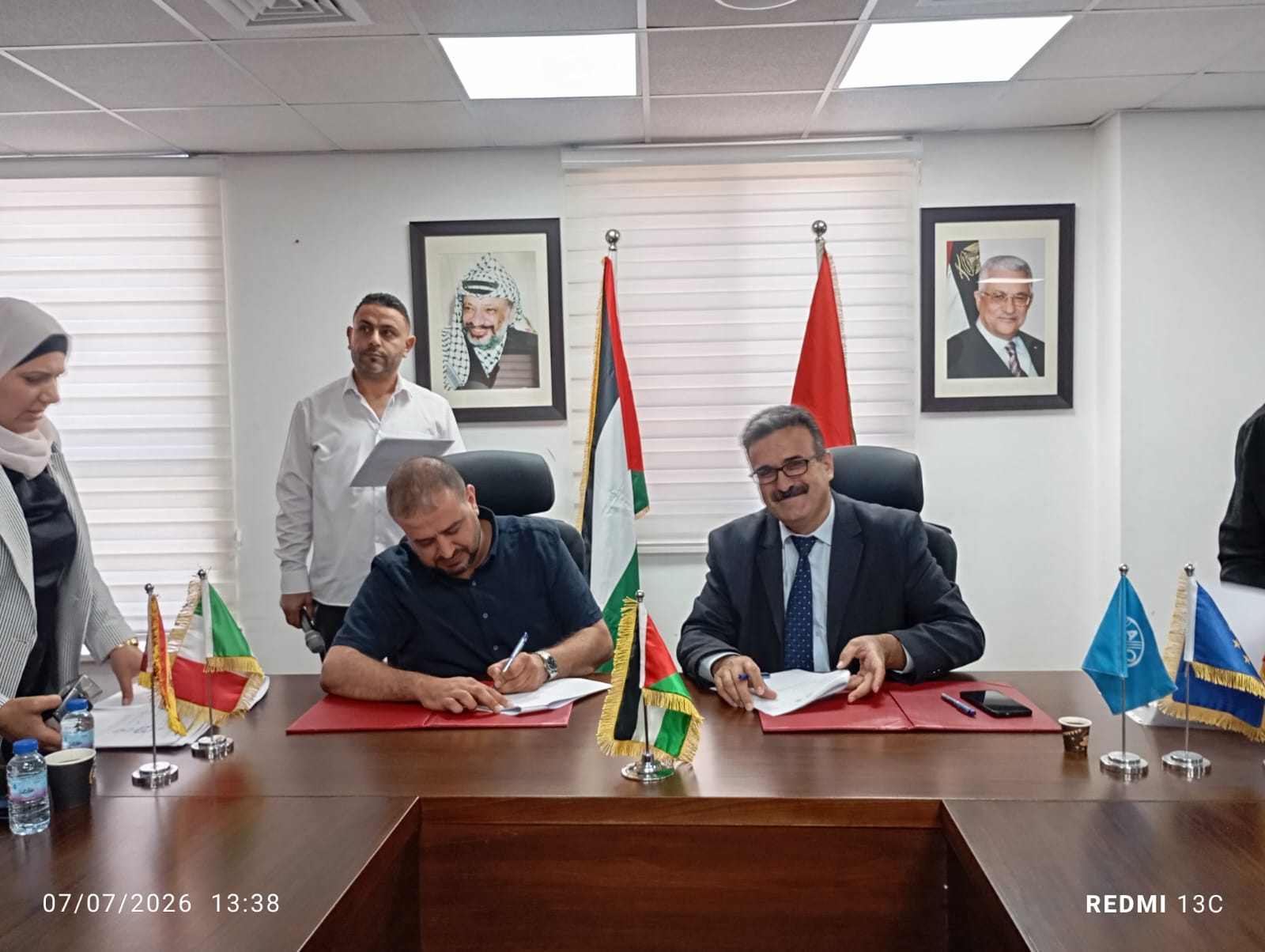
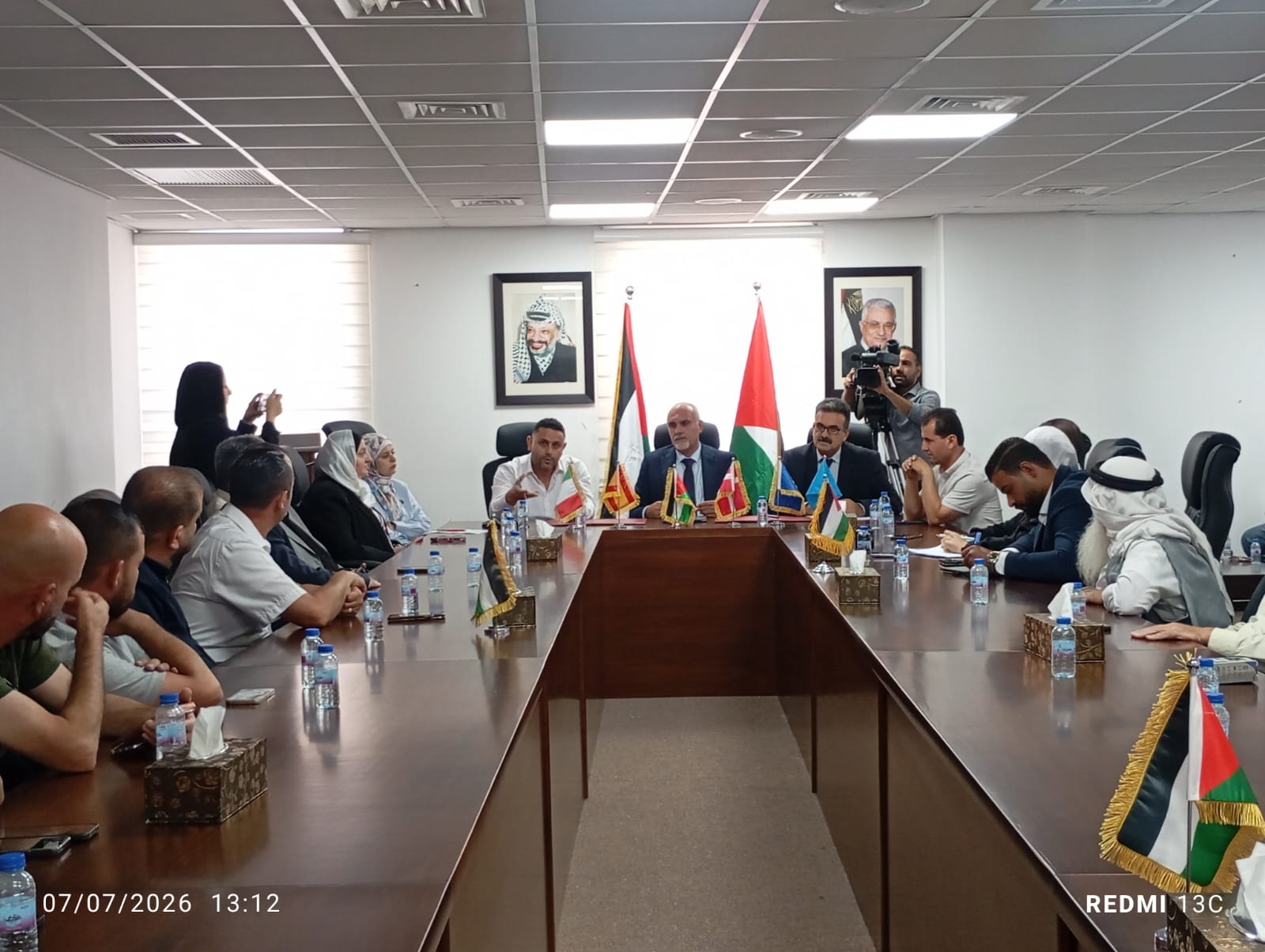
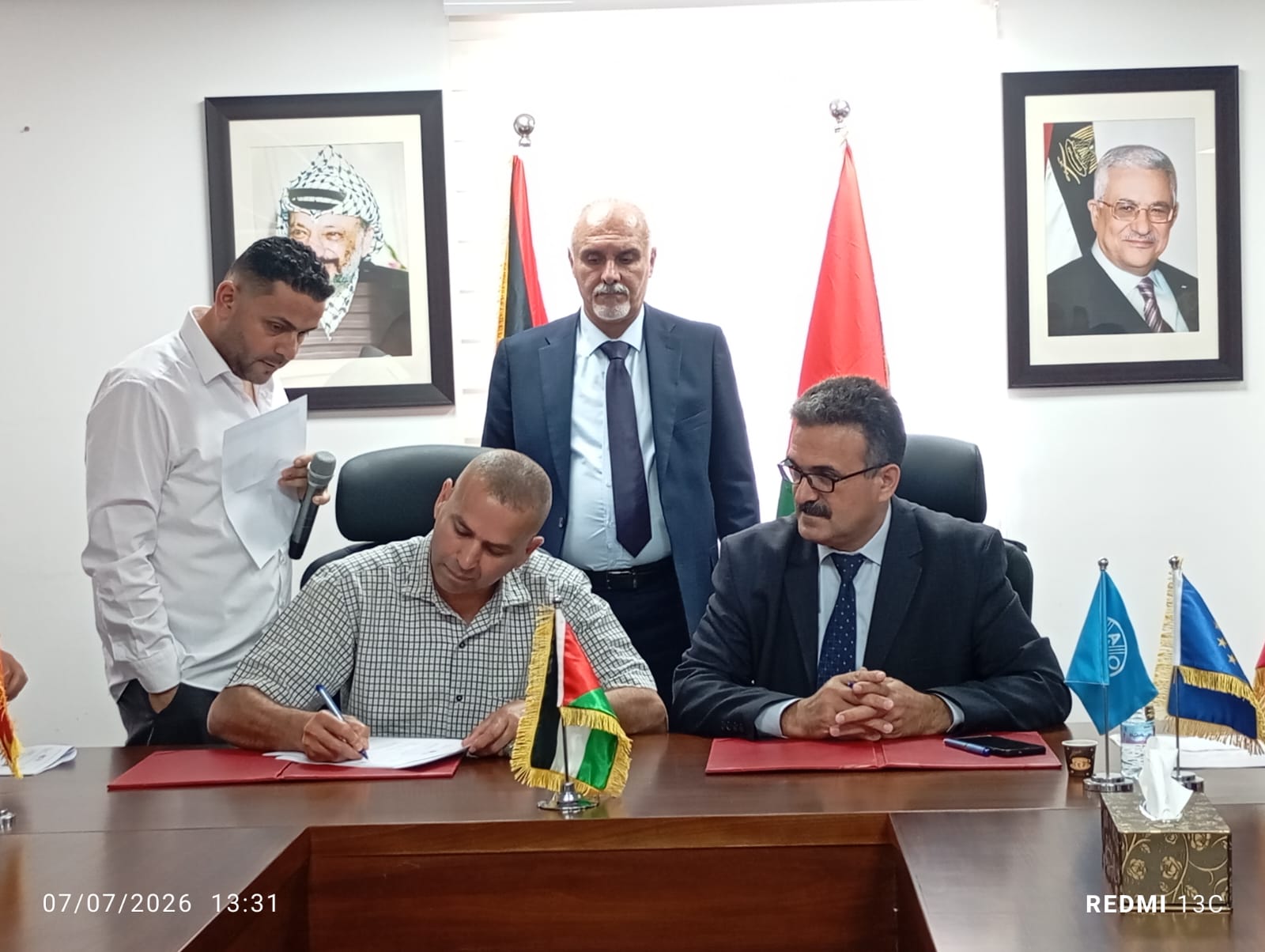
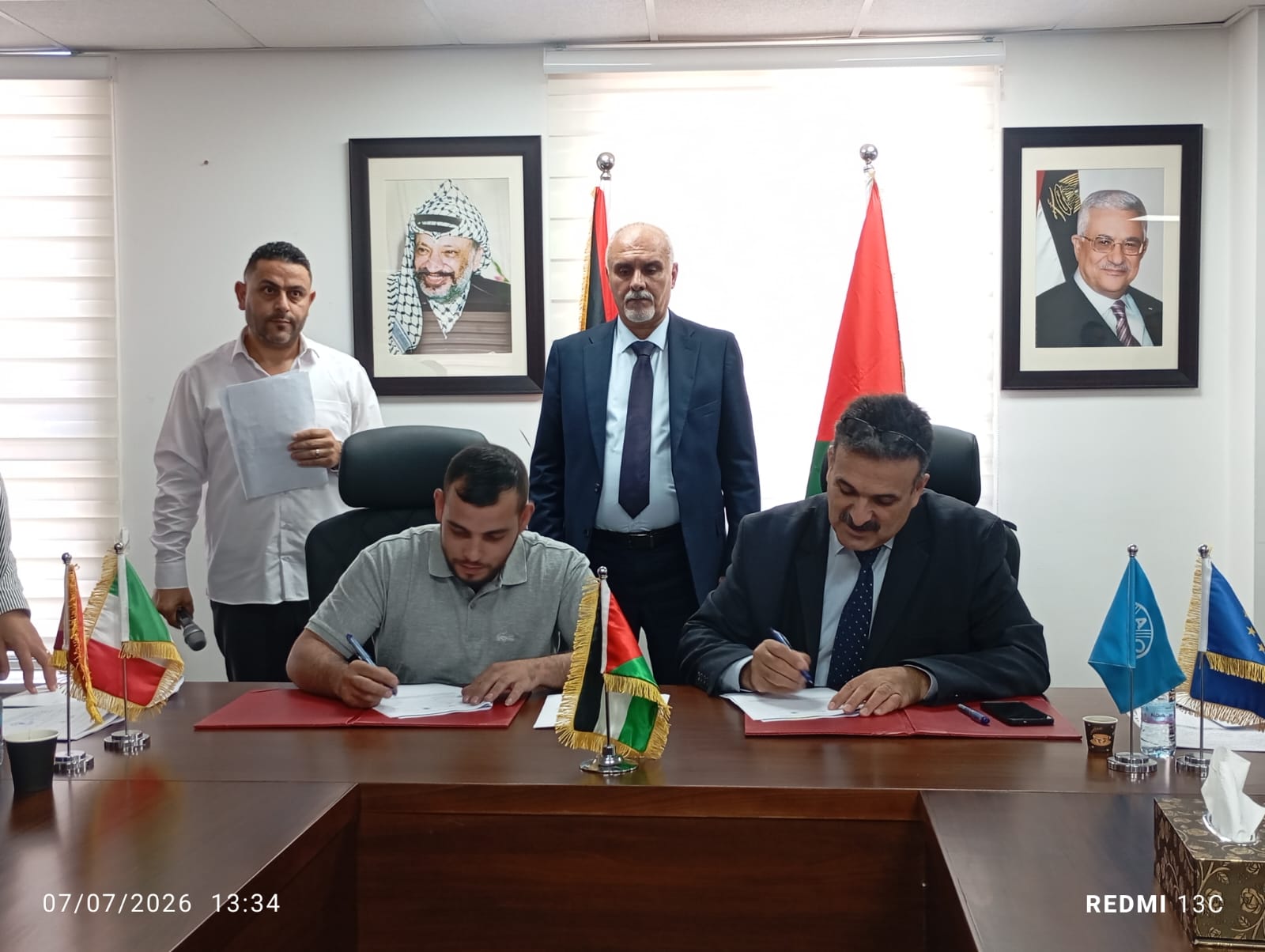
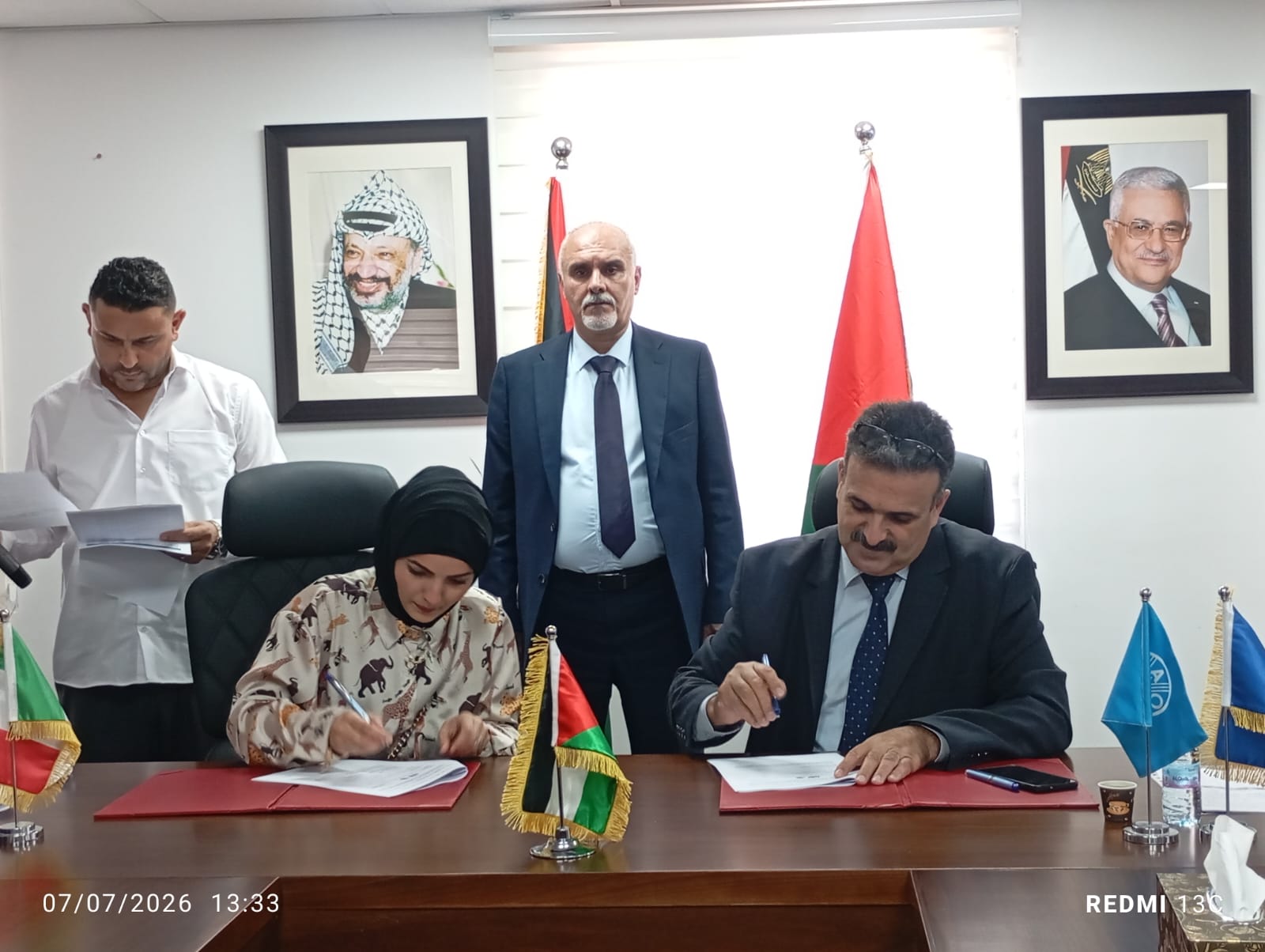
The Ministry of Agriculture, in cooperation with the Food and Agriculture Organization of the United Nations (FAO), signed a new phase of investment support agreements within the MAP II program, which aims to promote market-oriented investments and innovations to develop a sustainable agricultural and food system. The program is being implemented in the West Bank governorates.
This latest round of funding comes as part of the program's ongoing support for quality agricultural investments. It includes 23 investment agreements distributed across eight governorates: Jenin (5), Nablus (4), Salfit (4), Qalqilya (3), Tulkarm (3), Tubas (2), Ramallah (1), and Hebron (1), with a total investment volume exceeding 8 million shekels. The MAPII program contributed approximately half (51%) of the total investment.
This new round is distinguished by the diversity of its investment projects, encompassing crop production, livestock production, and food processing. This will strengthen agricultural value chains and increase the added value of Palestinian products. The projects include the establishment of cold storage facilities, stone fruit orchards, avocado and dragon fruit farms, the development of sheep, poultry, and fish farms, dairy and pickle production and processing units, olive oil mills, and a beekeeping workshop. Additionally, there are projects to develop the beekeeping sector, all of which will contribute to improving the quality of agricultural production and enhancing its competitiveness. Minister of Agriculture Professor Rizq Slaimiya affirmed that reaching this new round of agreements under the MAP II program reflects the success of the strategic partnership between the Ministry of Agriculture, the Food and Agriculture Organization of the United Nations (FAO), and donor countries. He emphasized that it underscores the program's continued support for quality agricultural investment and empowers farmers, associations, and cooperatives to develop sustainable production projects that enhance their resilience and increase the agricultural sector's contribution to the national economy.
Slaimiya added that the Ministry views these agreements as an investment in the future of the Palestinian agricultural sector, not merely financial grants. He noted that the funded projects contribute to developing agricultural value chains, improving the efficiency of production, processing, and marketing, and enhancing the competitiveness of Palestinian products, in line with the Ministry's vision of building a more sustainable agricultural sector capable of facing challenges. The Minister emphasized that the Ministry of Agriculture's role extends beyond simply providing funding and signing agreements. It also includes technical and administrative follow-up on projects and oversight of their implementation to ensure the achievement of desired goals and maximize the developmental and economic impact of these investments. He affirmed that the Ministry will continue working with its partners to attract more high-quality investments and build upon the successes of previous phases of the MAP II program. This will contribute to developing agricultural value chains, improving farmers' incomes, enhancing food security, and consolidating sustainable agricultural development in Palestine.
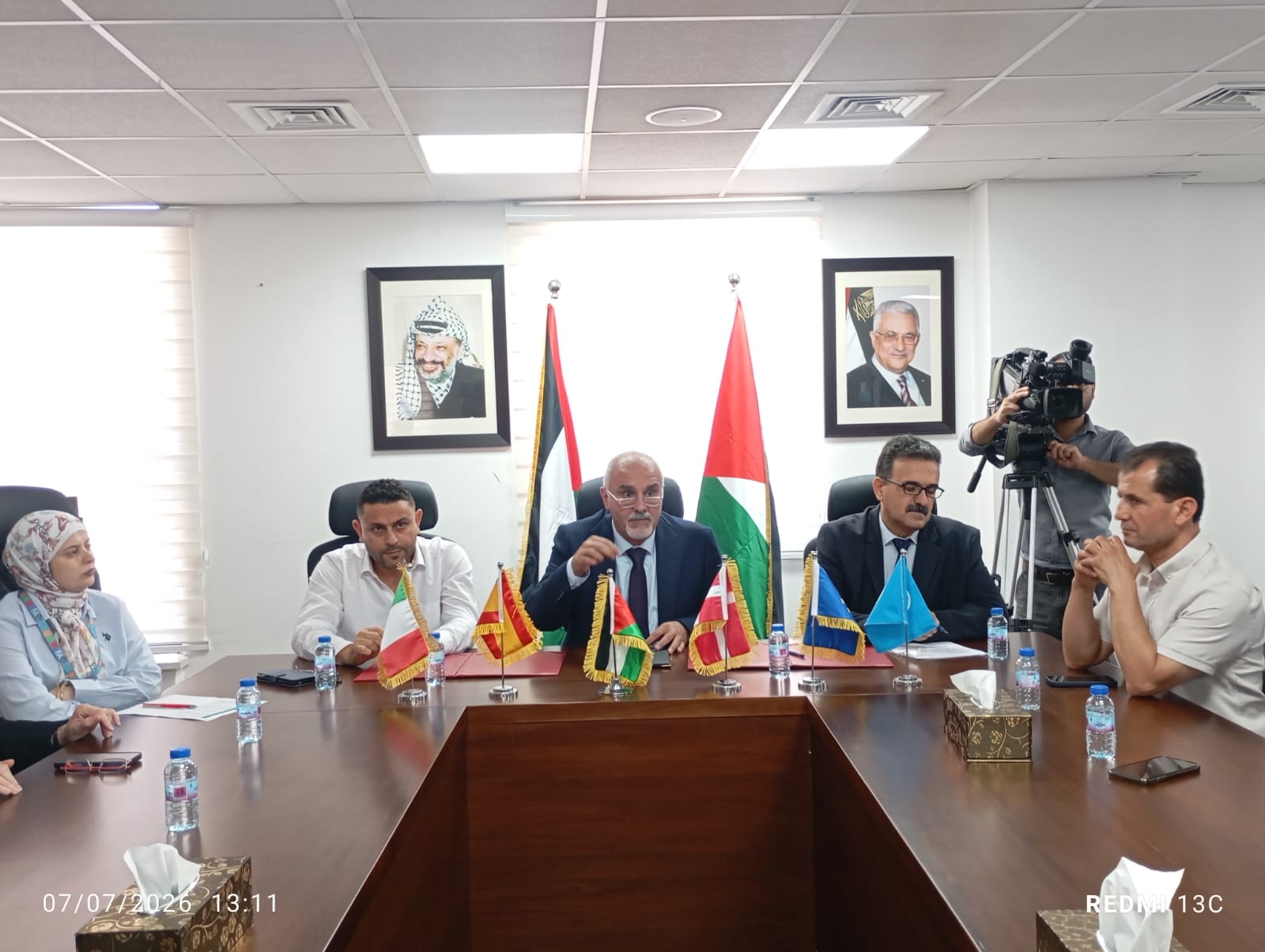
These investment support agreements are implemented within the framework of the "Promoting Market-Oriented Investments and Innovations for Sustainable Agricultural and Food System Development" project. This project is implemented by the Food and Agriculture Organization of the United Nations (FAO) in cooperation with the Palestinian Ministry of Agriculture, and is funded by the governments of Denmark, Switzerland, Spain, and the European Union, in addition to parallel funding from the Italian government.
This latest disbursement underscores the continued success of the MAP II program, building on previous installments that have funded dozens of high-quality agricultural projects across the West Bank. This reflects the successful partnership between the Ministry of Agriculture, the Food and Agriculture Organization of the United Nations (FAO), and donor countries in expanding agricultural investments, supporting farmers, associations, and cooperatives, and bolstering economic development in rural Palestine. The ultimate goal is to build a more sustainable agricultural and food system, enhance food security, and strengthen the resilience of the Palestinian agricultural sector.
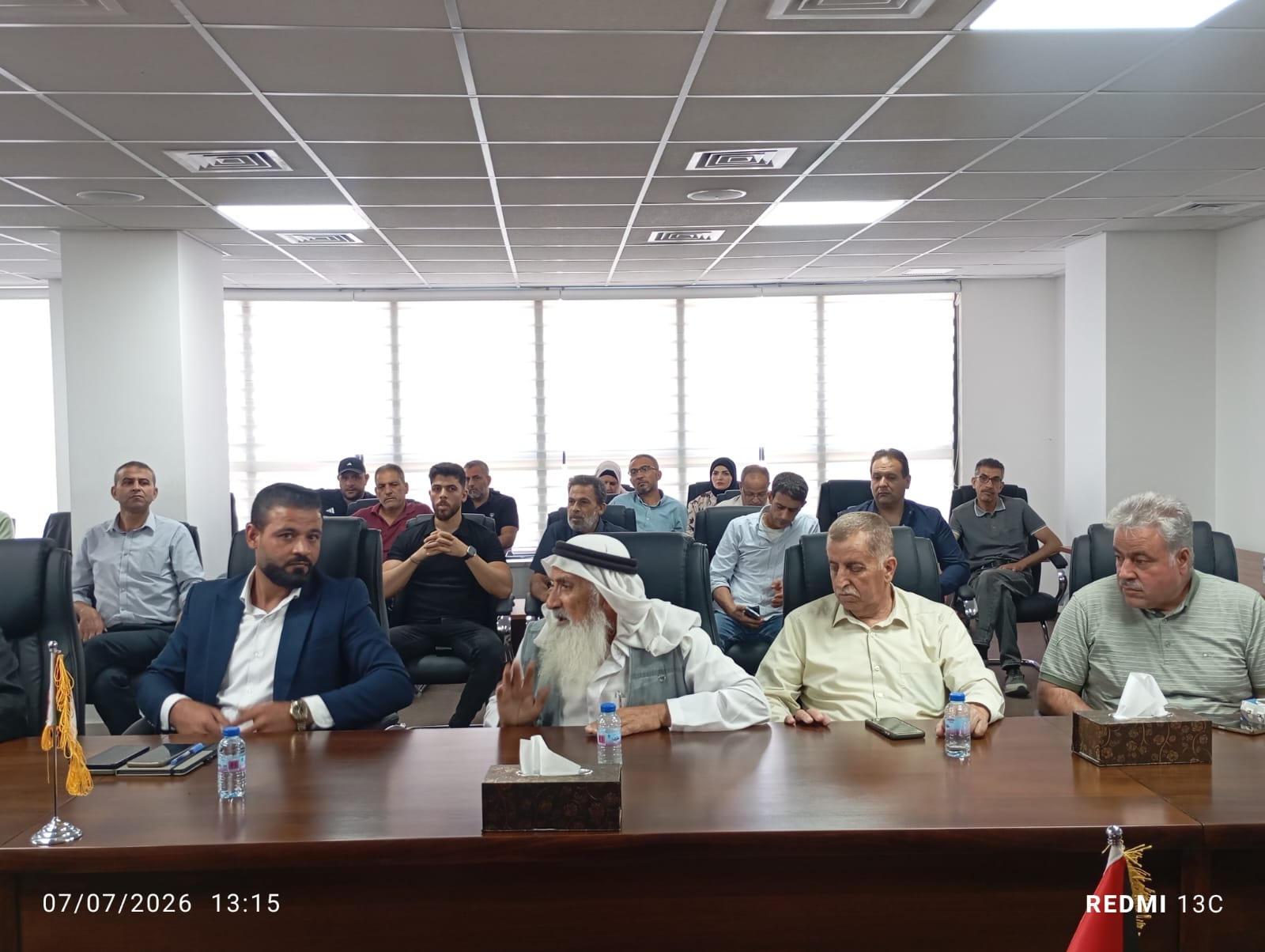
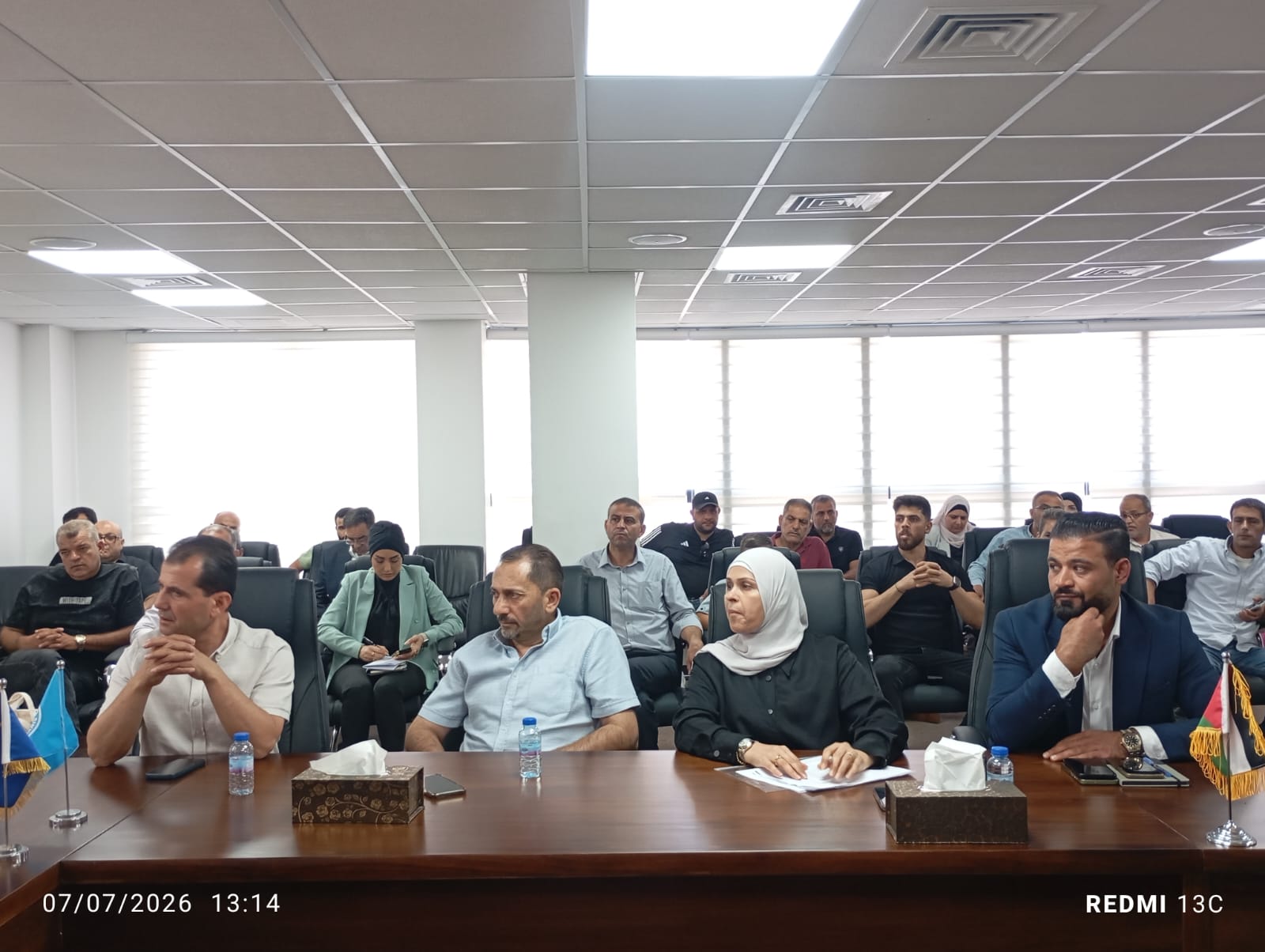
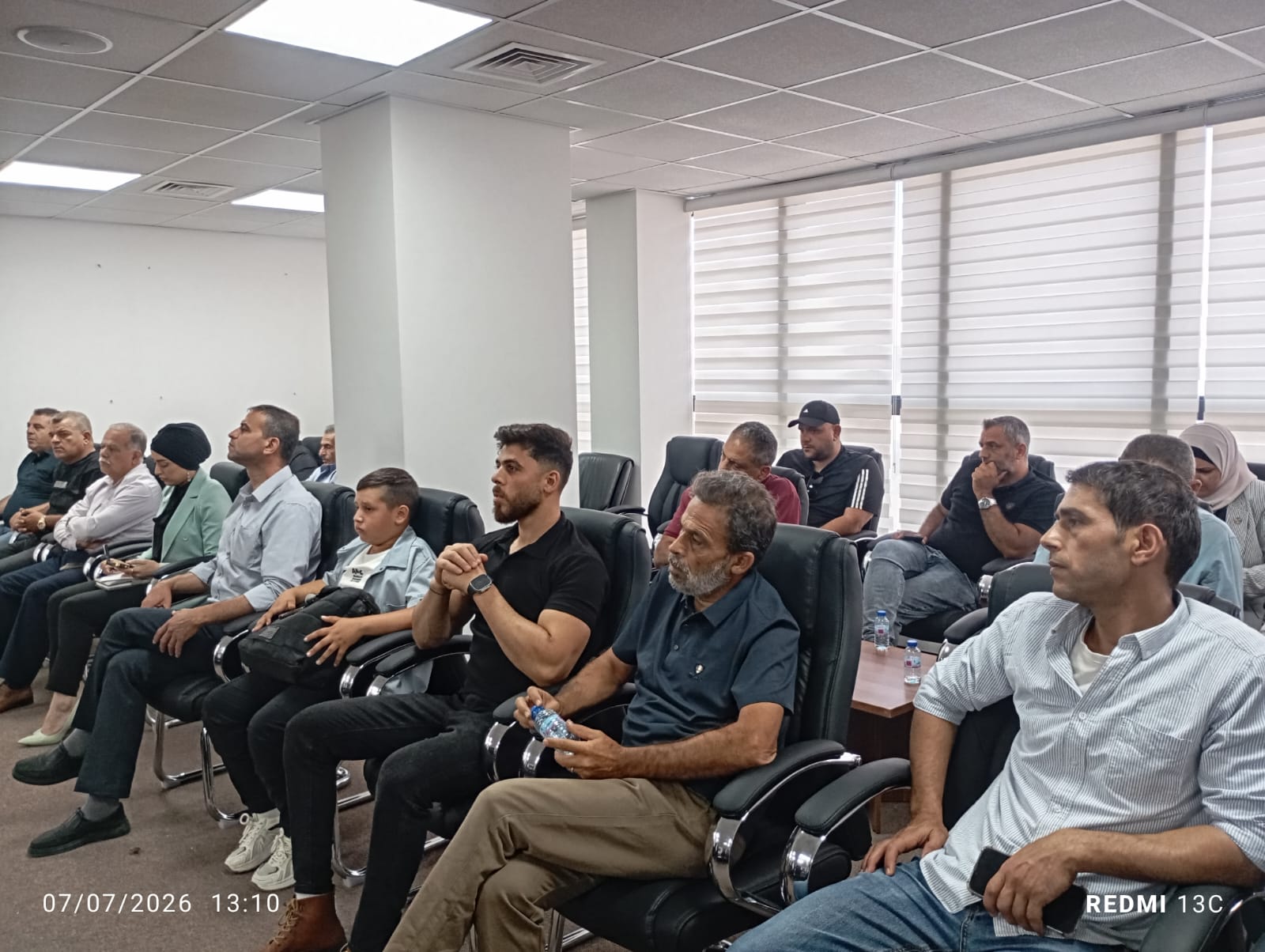
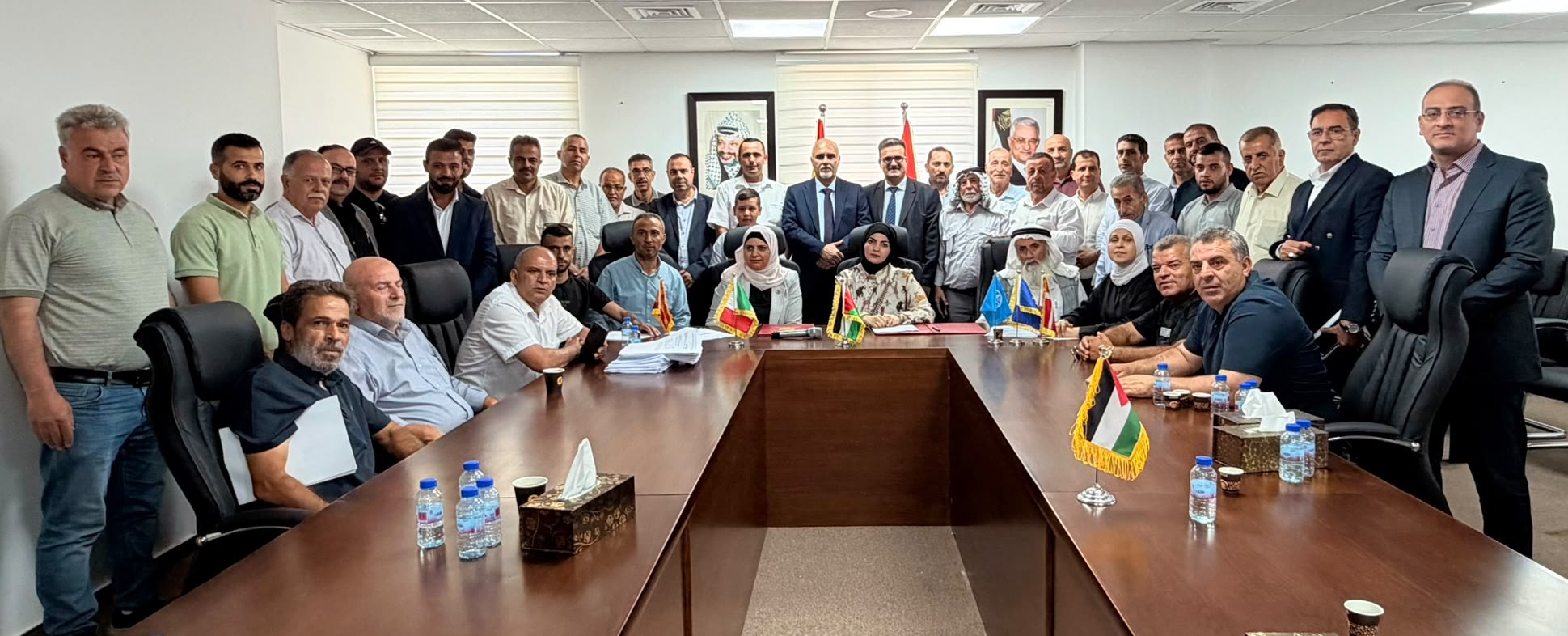
The agreements were signed at the Ministry of Agriculture headquarters in Ramallah, in the presence of Minister of Agriculture Professor Rizq Slaimiya, Undersecretary of the Ministry Engineer Bader Hawamdeh, several undersecretaries and assistant undersecretaries, ministry staff overseeing the program's implementation, representatives from the FAO, and beneficiaries.