Notification
حظر استيراد كافة أنواع الطيور الحية الداجنة والبرية وطيور الزينة وبيض التفقيس والصيصان عمر يوم ومخلفاتها الغير معاملة حراريا من تركيا ولحين استقرار الوضع الصحي

⭕ Slaimiya: The occupation is the problem... and supporting the resilience of farmers is a national, and moral duty.
⭕ 18 investment agreements totaling 5.877 million shekels, with the program contributing 41% of the investment value as non-refundable grants.
⭕ FAO Director-General and Canadian Representative: Agricultural projects have brought about a qualitative leap in production, strengthened resilience, and facilitated the transition from local to international markets.
Ramallah: August 19, 2026
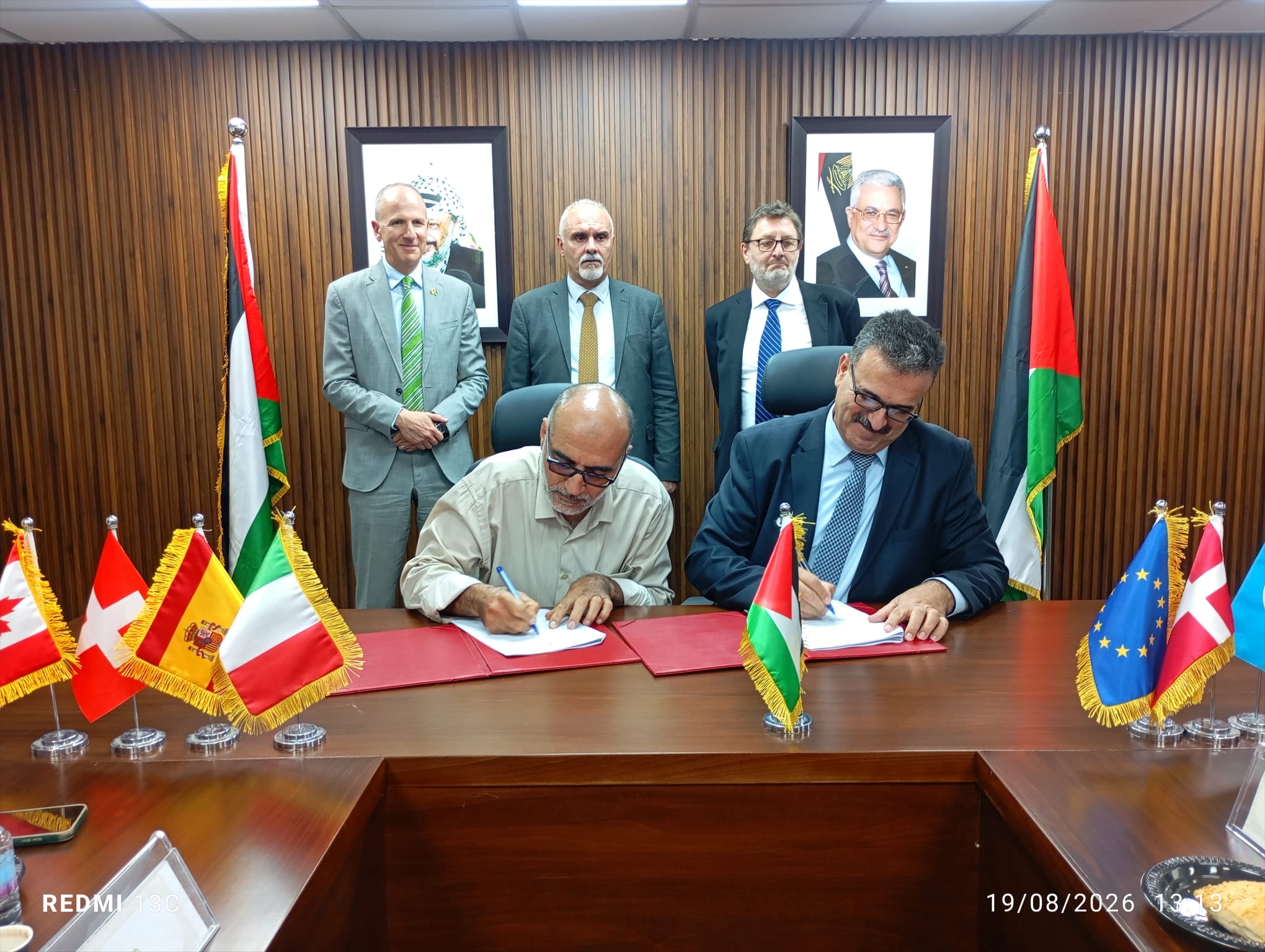
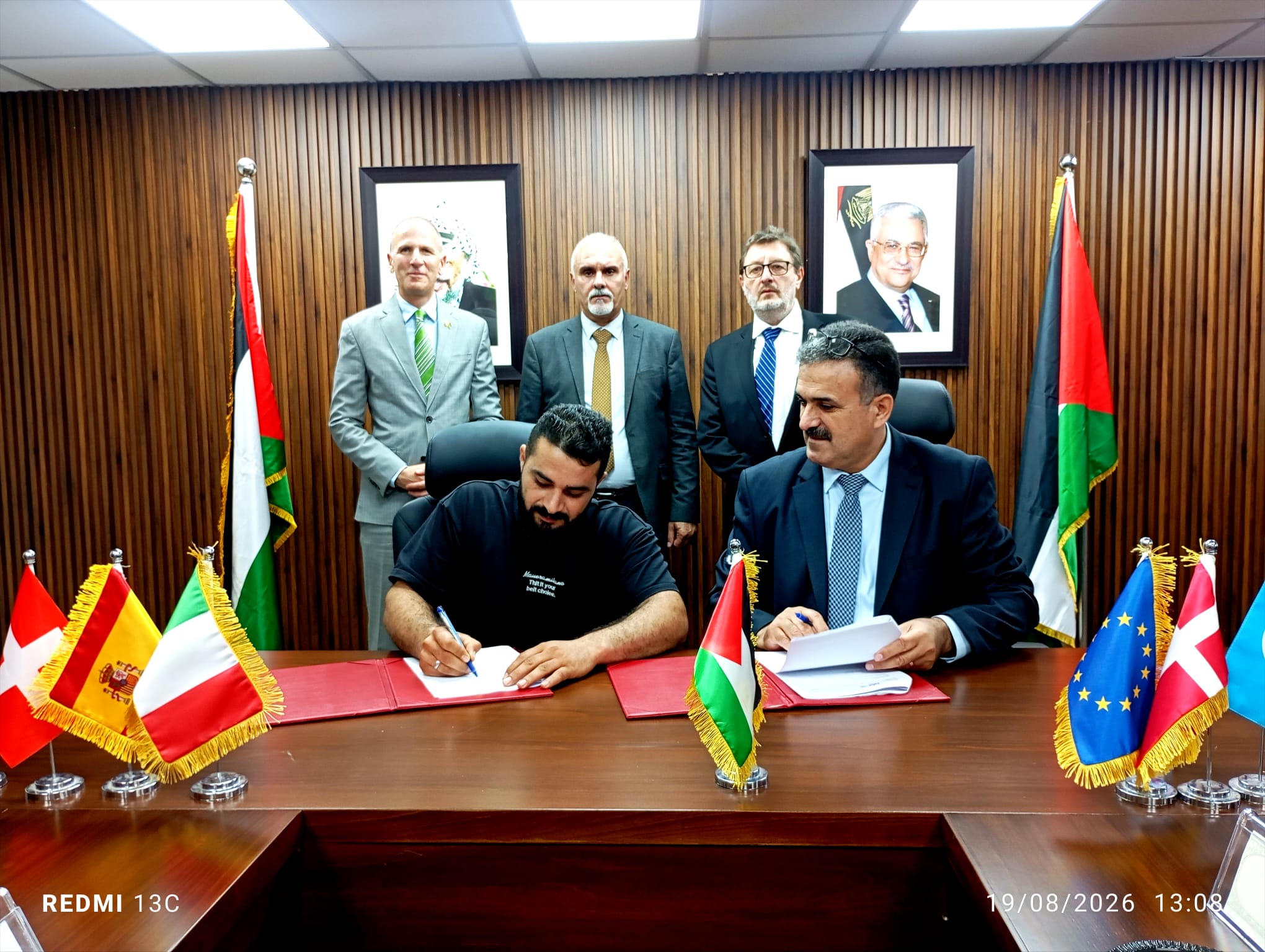
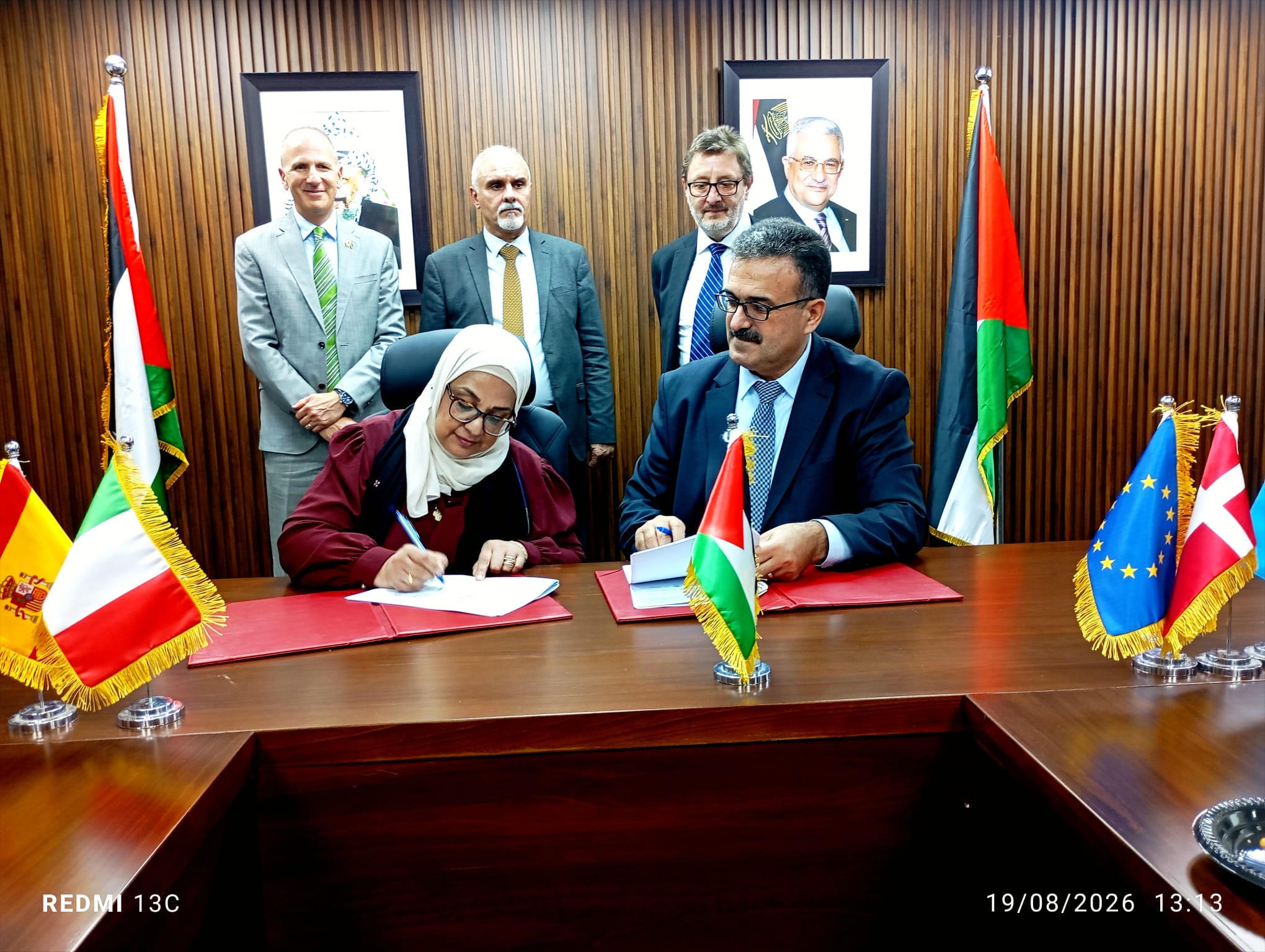
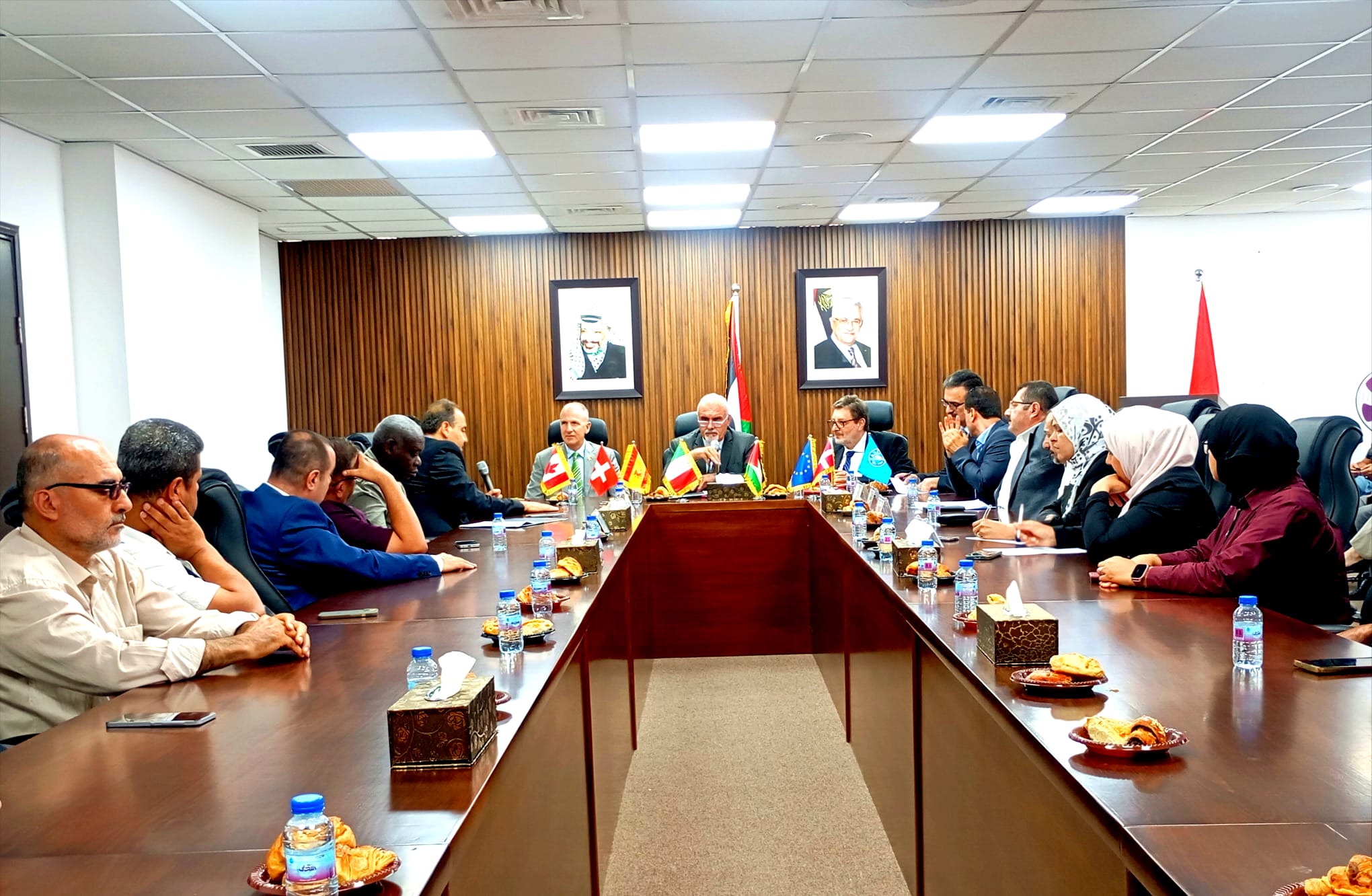
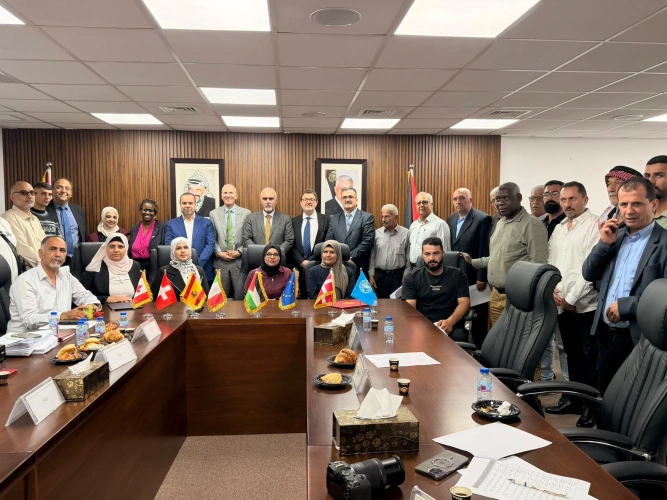
The Ministry of Agriculture, in cooperation with the Food and Agriculture Organization of the United Nations (FAO), signed 18 agricultural investment project agreements, within the framework of the (MAP II). The aim of the program is to promote market-oriented investments and innovations, develop agricultural production, support individual and cooperative projects, and enhance the resilience of farmers.
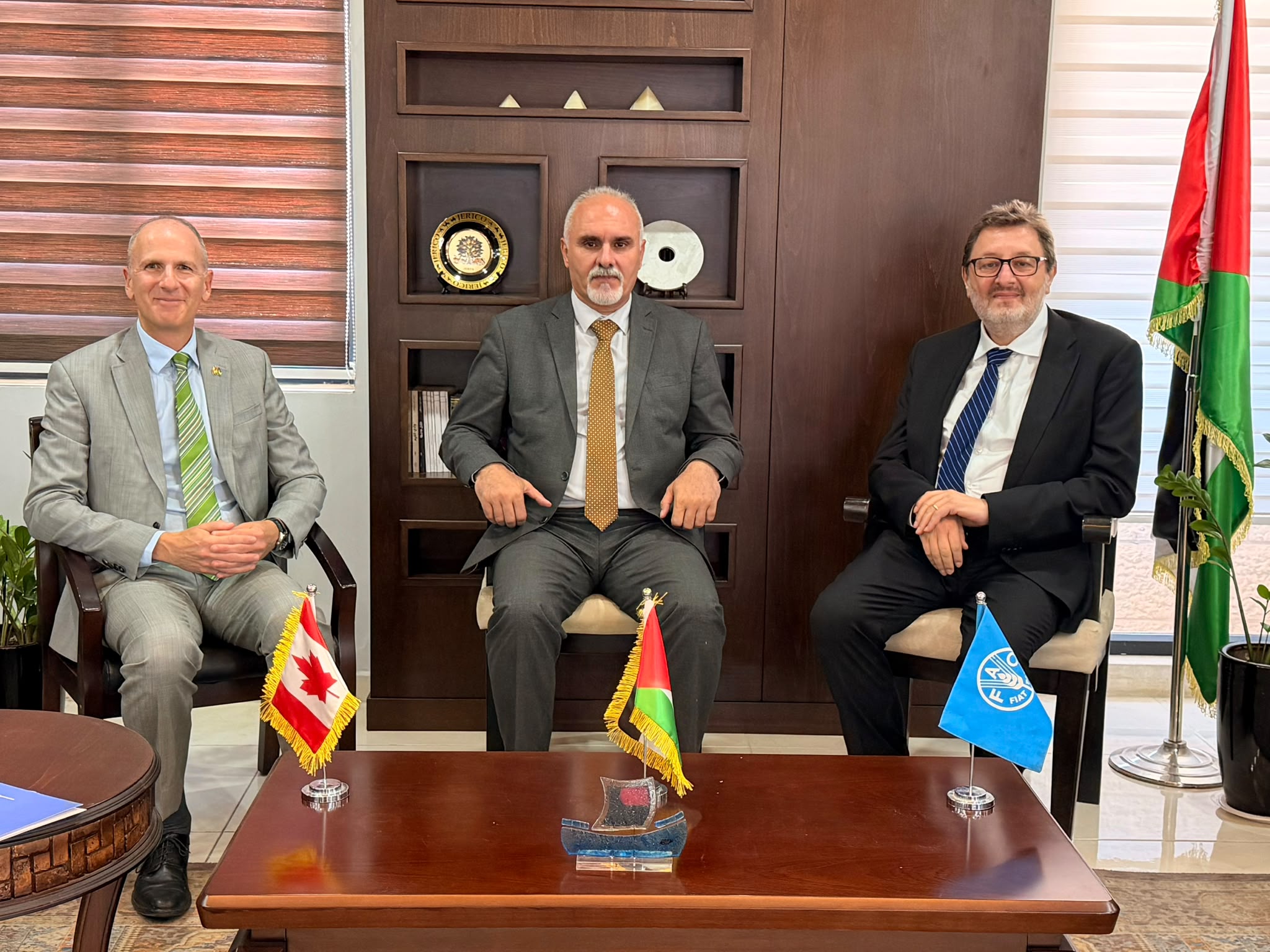
The total investment volume for the signed projects reached 5,877,000 shekels, with the program contributing approximately 41%, compared to contributions from farmers and beneficiary companies as non-refundable grants. Minister of Agriculture Professor Rizq Slaimiya confirmed that the project to support investment in the agricultural sector is valued at approximately $33 million, in addition to parallel funding from Italy and Canada. He noted that Canada recently contributed to funding ten individual and cooperative projects.
Slaimiya explained that the selection of projects was based on the idea, feasibility, and overall project structure, as well as their alignment with the Ministry's programs and plans, and not on the names of the applicants. He emphasized that these funds belong to the Palestinian people, and the Ministry's responsibility is to ensure they are directed scientifically and logically towards projects that achieve production, create job opportunities, and strengthen resilience and continuity.
He stressed that the Ministry's role does not end with the signing of agreements, but includes monitoring and supervising project implementation and adherence to agreements. He affirmed that the Ministry exists to serve farmers and follow up on their projects. Slaimiya stated, "We are not the problem; the occupation created this problem for us, and we are the solution." He emphasized that the Ministry works alongside farmers to confront challenges, strengthen their resilience, and ensure the continuity of their production. For his part, FAO Representative Mr. Shiro emphasized the importance of partnership in implementing investment projects, noting that approximately 50% of the funded projects were selected with complete transparency. He added that evaluations of previous phases showed an increase of about 15% in project revenues and 50% in agricultural production, expressing his hope for continued funding and the implementation of the third phase of the project.
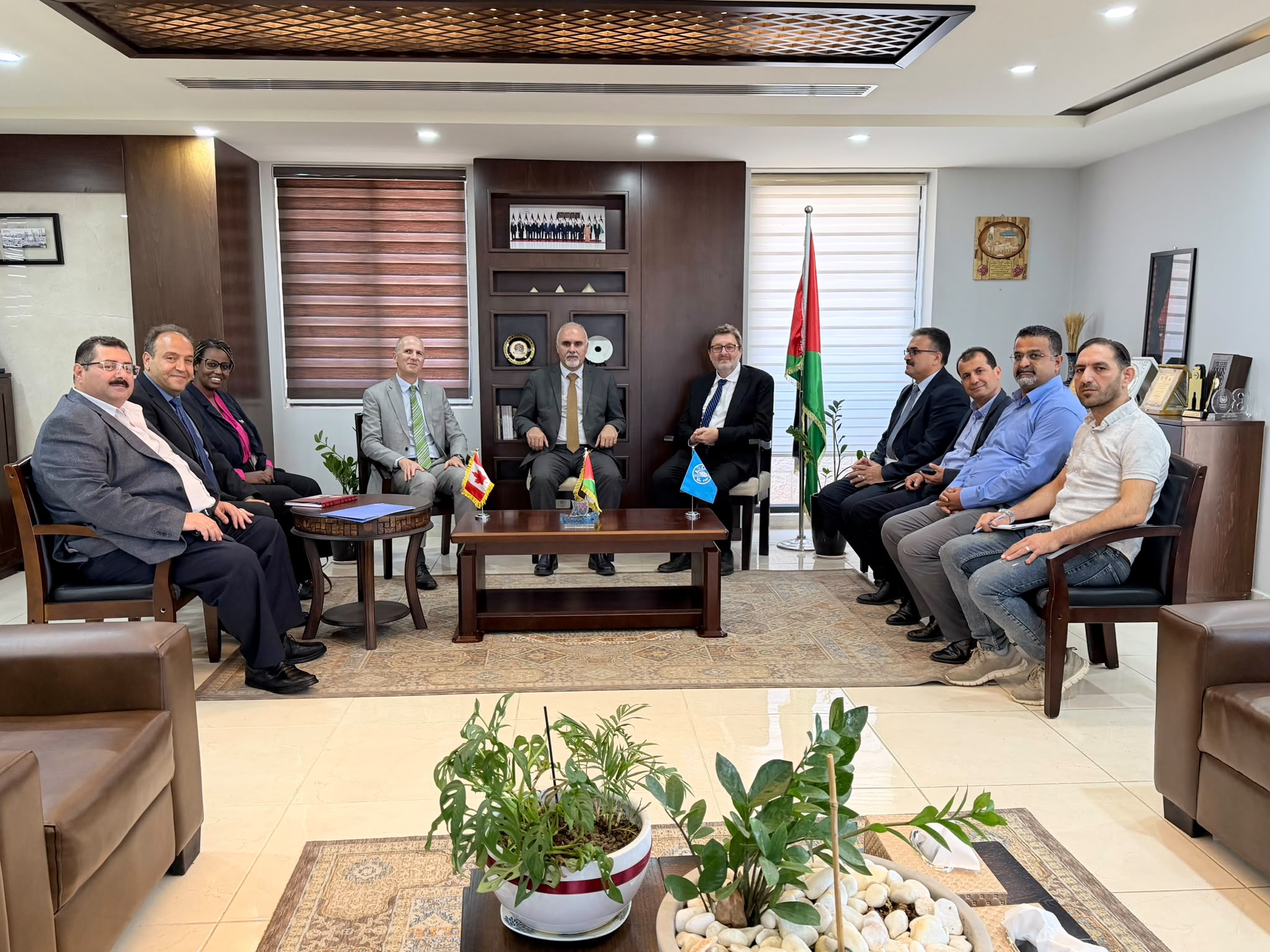
For his part, the Canadian Representative to Palestine, Mr. Graham Datels, expressed his pleasure at participating in the signing of the agreements, praising the development witnessed in the Palestinian agricultural sector. He pointed out that these projects have brought about a qualitative shift and helped in transitioning from local to international markets, stressing the importance of continued support for the agricultural sector under the current difficult circumstances.
The investment support agreements are being implemented within the framework of two projects under an initiative by the Food and Agriculture Organization of the United Nations (FAO), in cooperation with the Palestinian Ministry of Agriculture. These projects are funded by the Multi-Donor Agribusiness Programme II (MAP II), entitled "Promoting Market-Oriented Investments and Innovations for Sustainable Development of Food and Agriculture Systems," and are supported by the governments of Denmark, Switzerland, Spain, and the European Union, in addition to parallel funding from the governments of Italy and Canada under the project "Promoting Innovative and Sustainable Market-Oriented Investments in the Agri-Food Sector in the West Bank."
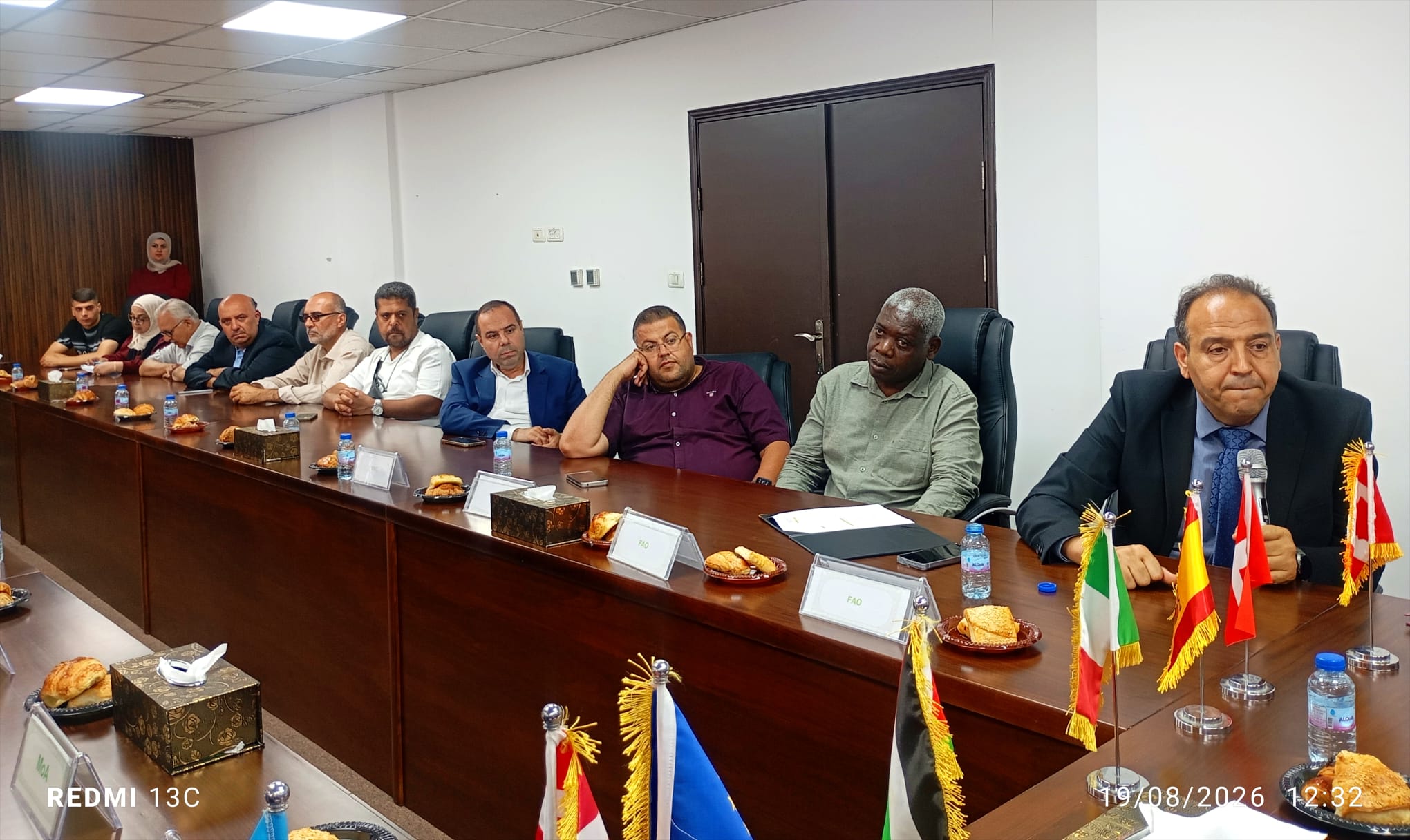
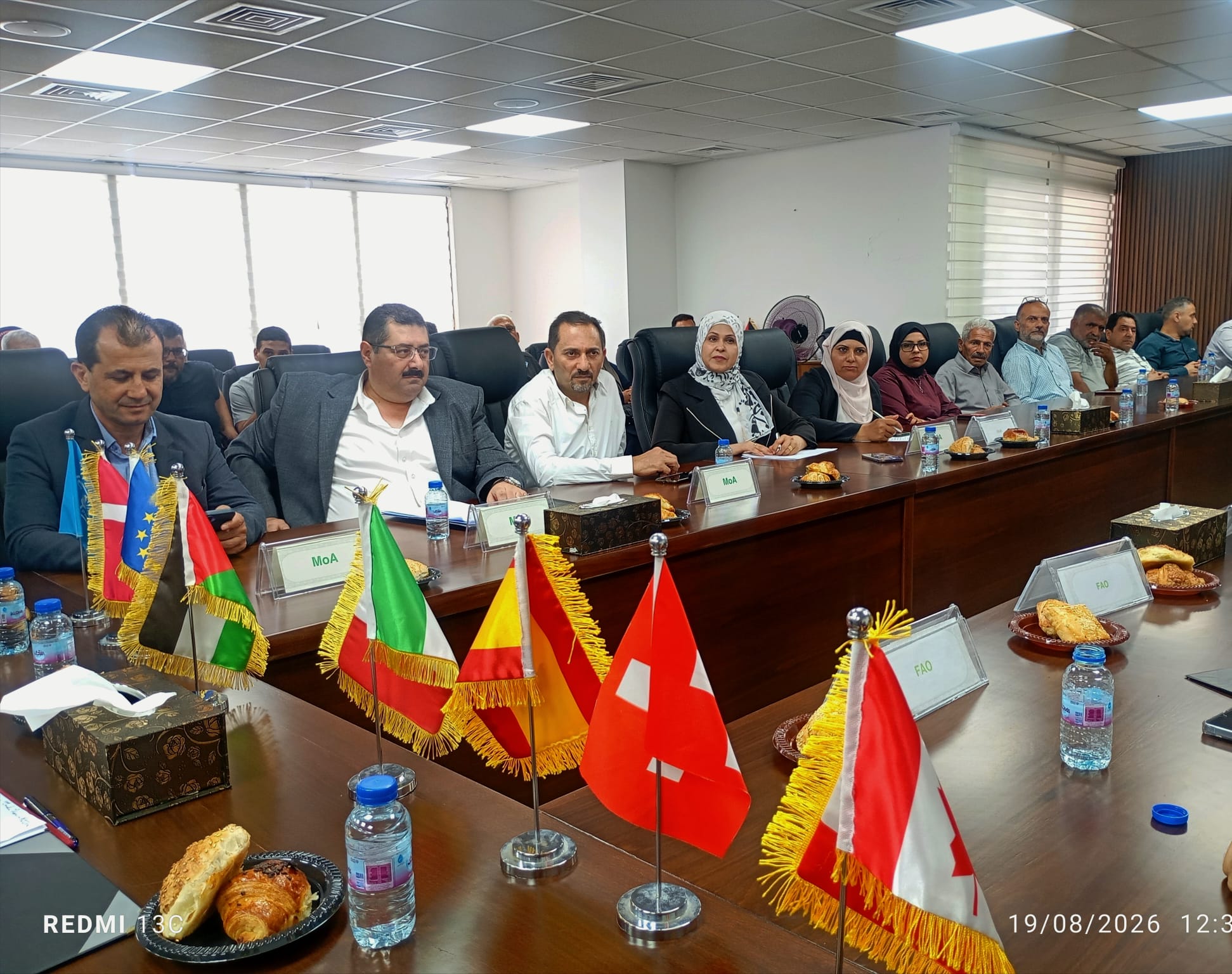
The agreements were signed at the Ministry of Agriculture headquarters in Ramallah, in the presence of the Undersecretary of the Ministry, Eng. Bader Hawamdeh, assistant undersecretaries, and the program staff at the Ministry, as well as FAO representatives, including Dr. Azzam Saleh and Mr. Thimba.