Notification
حظر استيراد كافة أنواع الطيور الحية الداجنة والبرية وطيور الزينة وبيض التفقيس والصيصان عمر يوم ومخلفاتها الغير معاملة حراريا من تركيا ولحين استقرار الوضع الصحي

Jerusalem – June 3, 2026
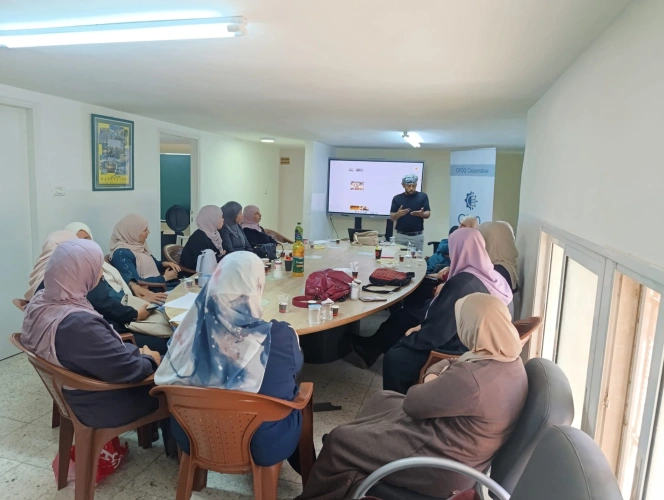
Jerusalem Directorate of Agriculture conducted a specialized training program for 20 women from the Abu Dis Cooperative Society for Livestock Development and those working in the livestock sector. The training focused on public safety in dairy product processing and good farm management, as part of the project "Strengthening the Skills and Practices of Livestock Breeders at All Stages of the Animal Value Chain in the West Bank – Palestine," funded by the Food and Agriculture Organization (FAO).
The training aimed to enhance the capabilities of women working in the agricultural sector, raise awareness of sound health practices during dairy product processing, and develop good farm management skills. This, in turn, will positively impact production quality, food safety, and improve the income of beneficiary families.
The training included theoretical and practical sessions on public safety, hygiene, and sterilization procedures during dairy product processing. Participants also received training on producing new cheese varieties, including mozzarella, contributing to product diversification, improved marketing opportunities, and increased added value for livestock products. The training also included guidance on safe handling of dairy products and best practices for farm management and livestock care, contributing to increased production efficiency and improved quality of animal products.
Jerusalem Agriculture Directorate affirms that this activity is part of a series of training and extension programs implemented by the Ministry in cooperation with its partners. These programs aim to support livestock breeders, empower rural women, enhance their economic participation, disseminate sound agricultural practices, and promote the concepts of sustainable agricultural development.
This training is part of the joint efforts between the Ministry of Agriculture and (FAO) to develop the capacities of those working in the livestock sector and improve various stages of the animal value chain. This contributes to strengthening food security and improving the livelihoods of farming families in the targeted areas.