Notification
حظر استيراد كافة أنواع الطيور الحية الداجنة والبرية وطيور الزينة وبيض التفقيس والصيصان عمر يوم ومخلفاتها الغير معاملة حراريا من تركيا ولحين استقرار الوضع الصحي


⭕ The Palestinian government is funding the provision of 400,000 doses of foot-and-mouth disease vaccine in support of protecting livestock and to complement the national numbering and vaccination campaign.
⭕ The Ministry of Agriculture prepares to expand the vaccination campaign that launched two months ago to reach various livestock herds in the country’s governorates.
⭕ The national campaign, exceeded the threshold of 140,000 vaccination and numbering operations and continues to implement the first phase in Masafer Yatta and the northern Jordan Valley.
Ramallah: 12/8/2026
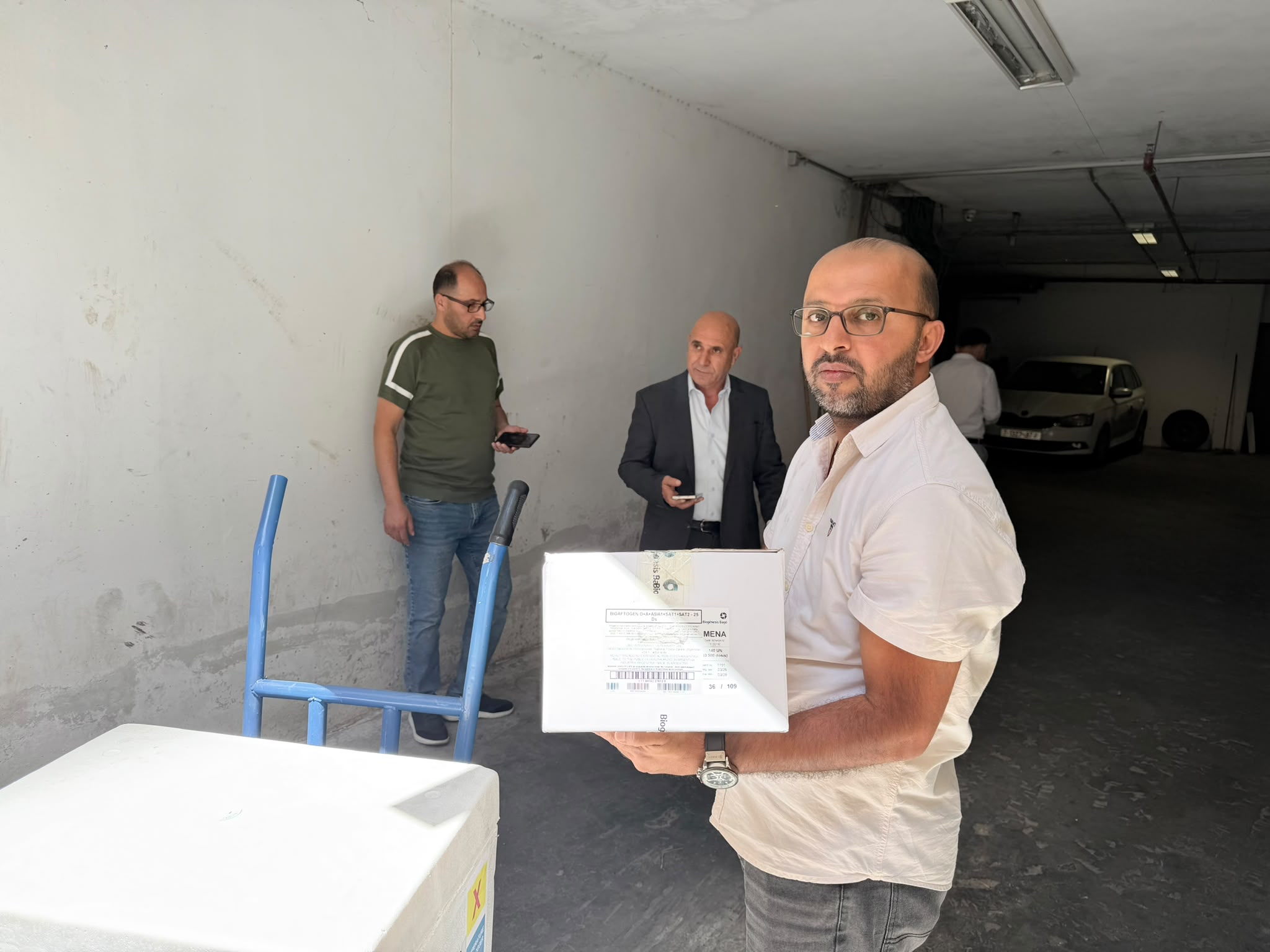
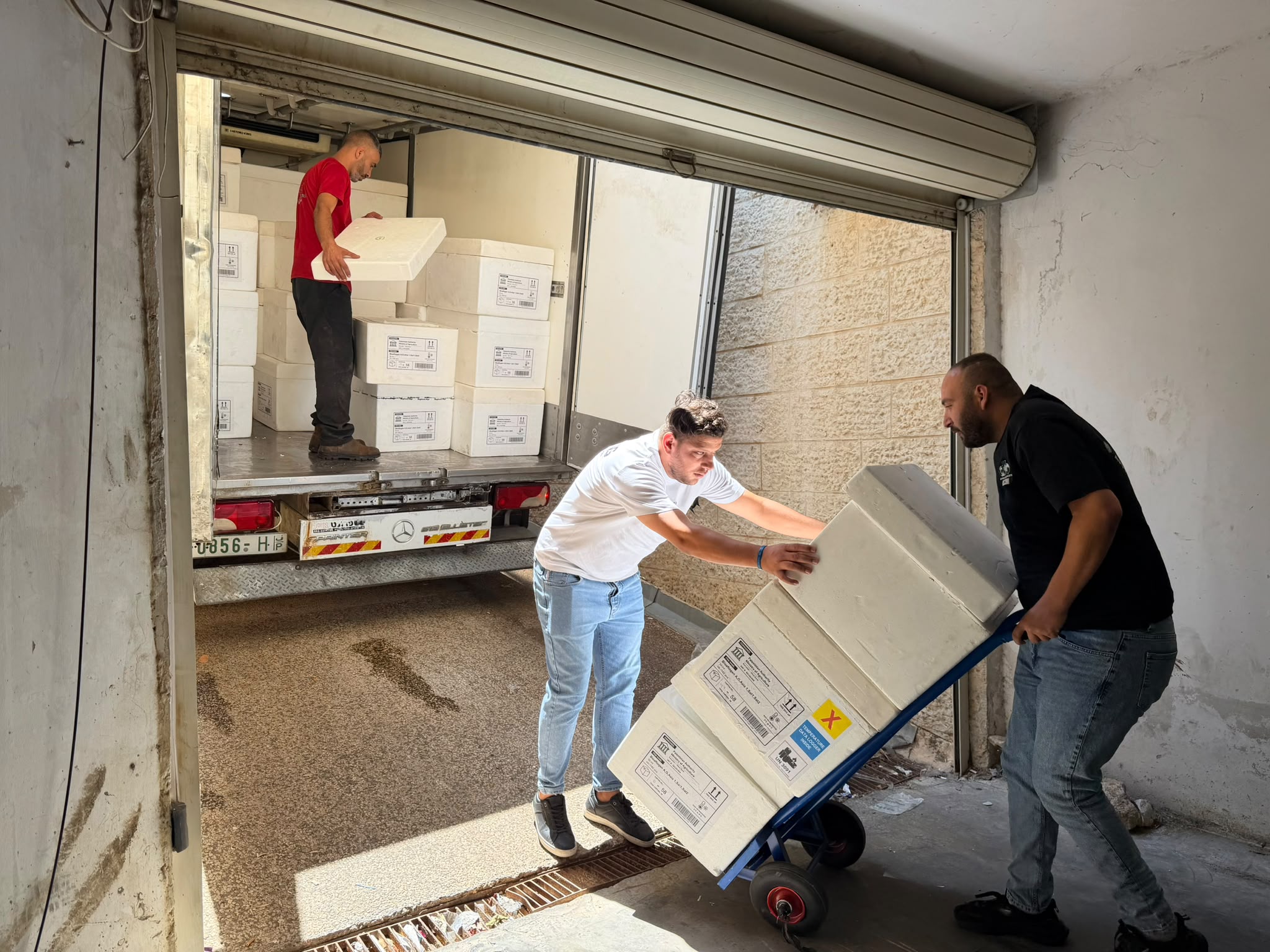
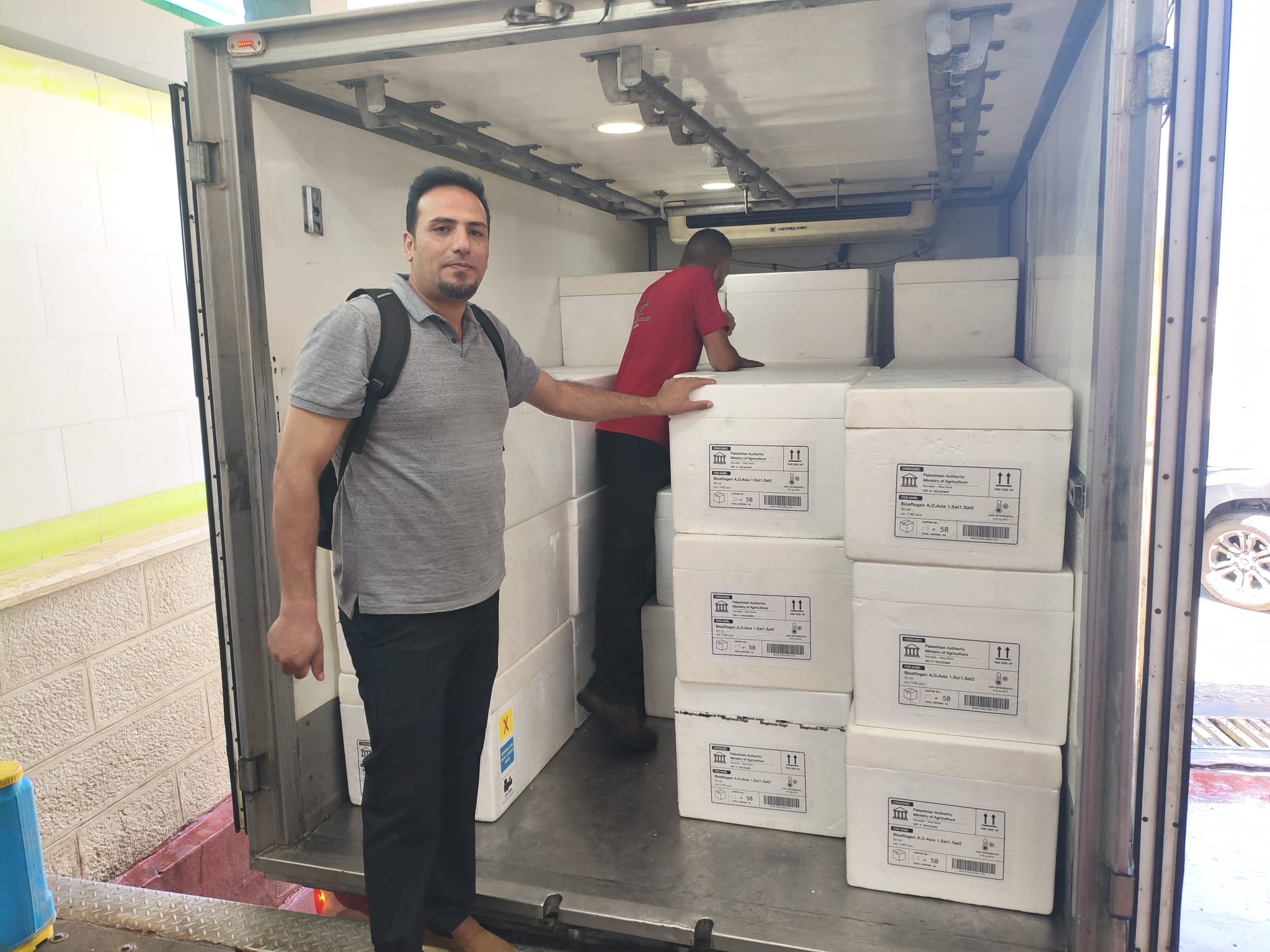
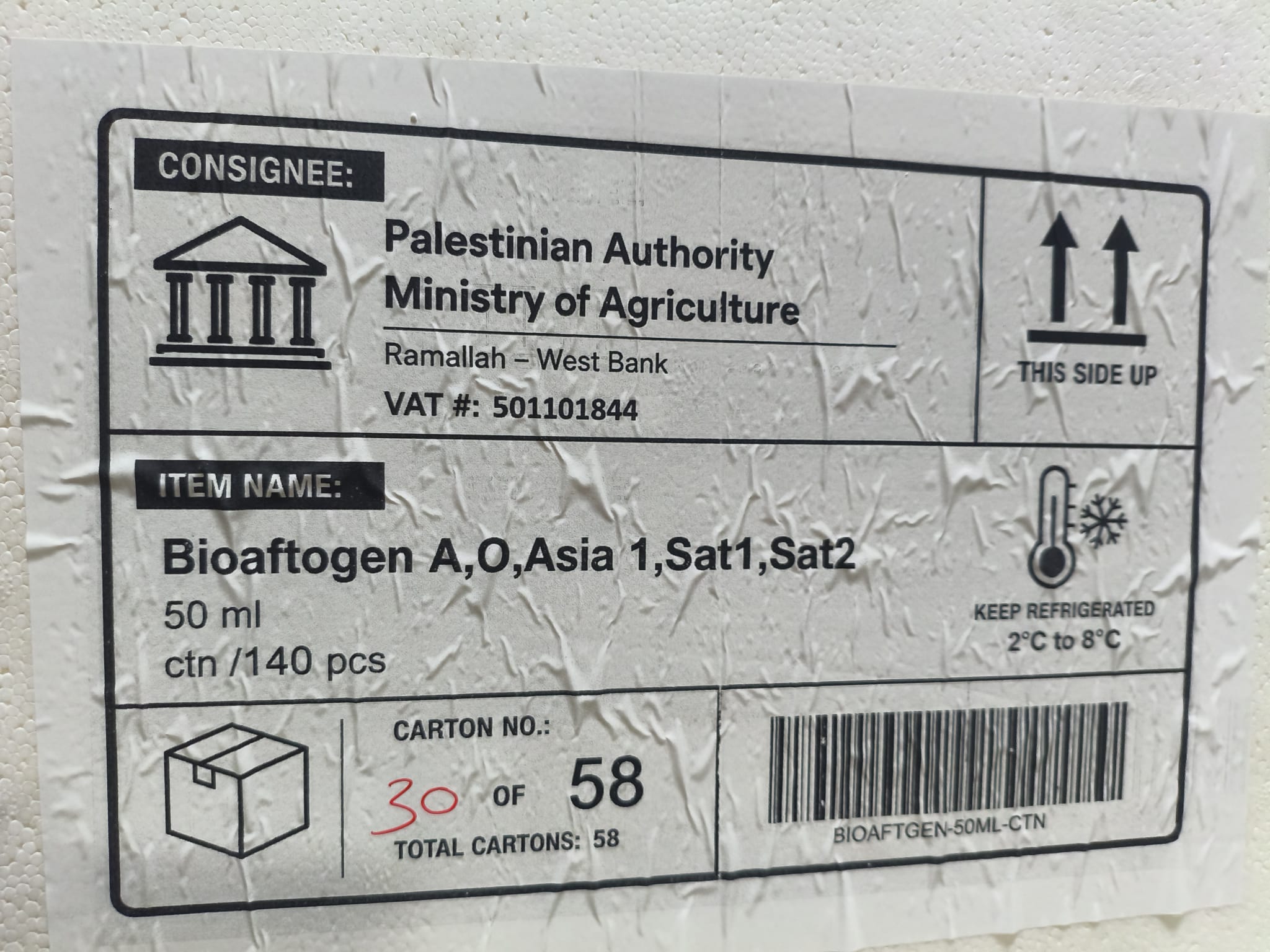
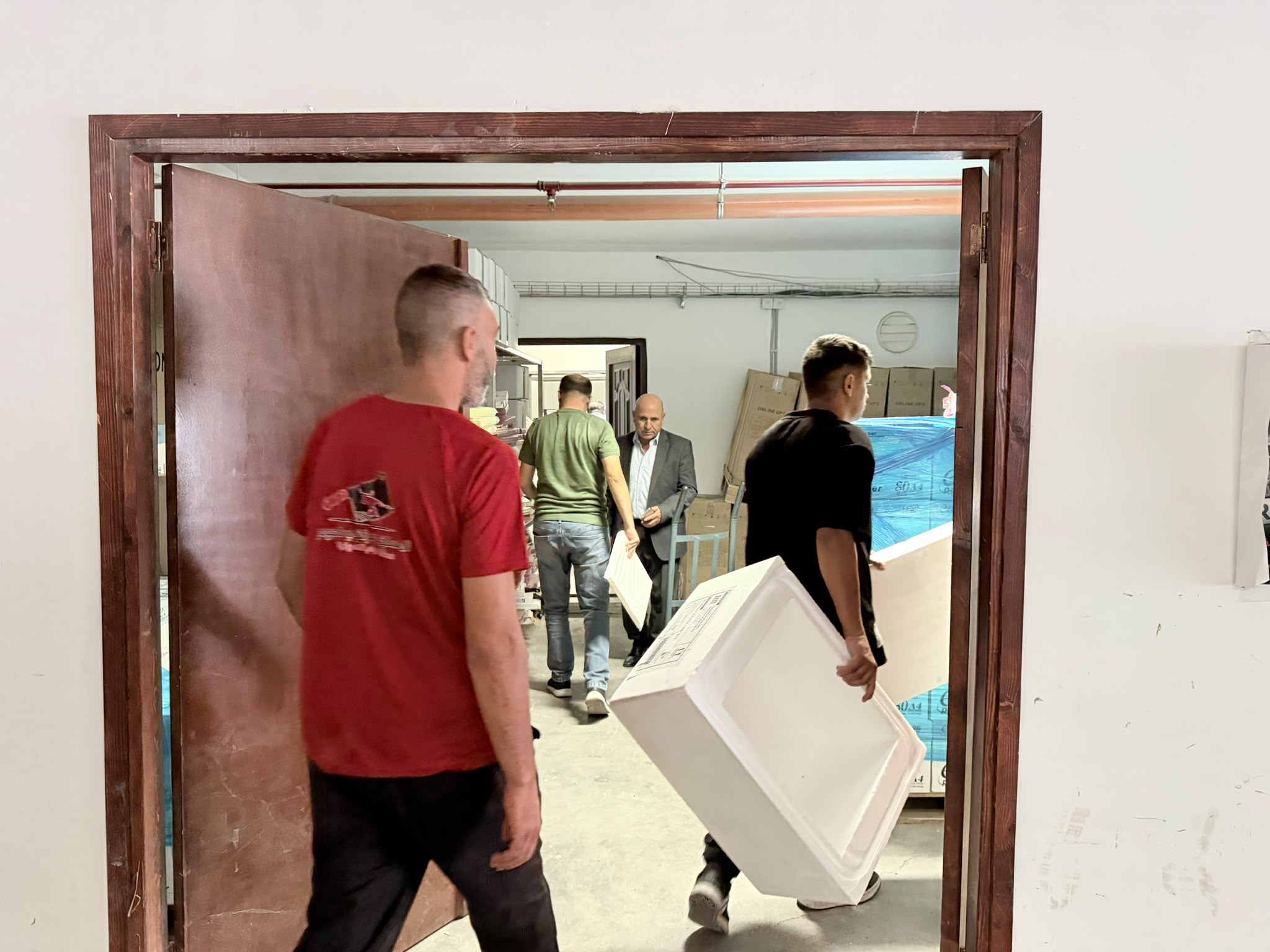
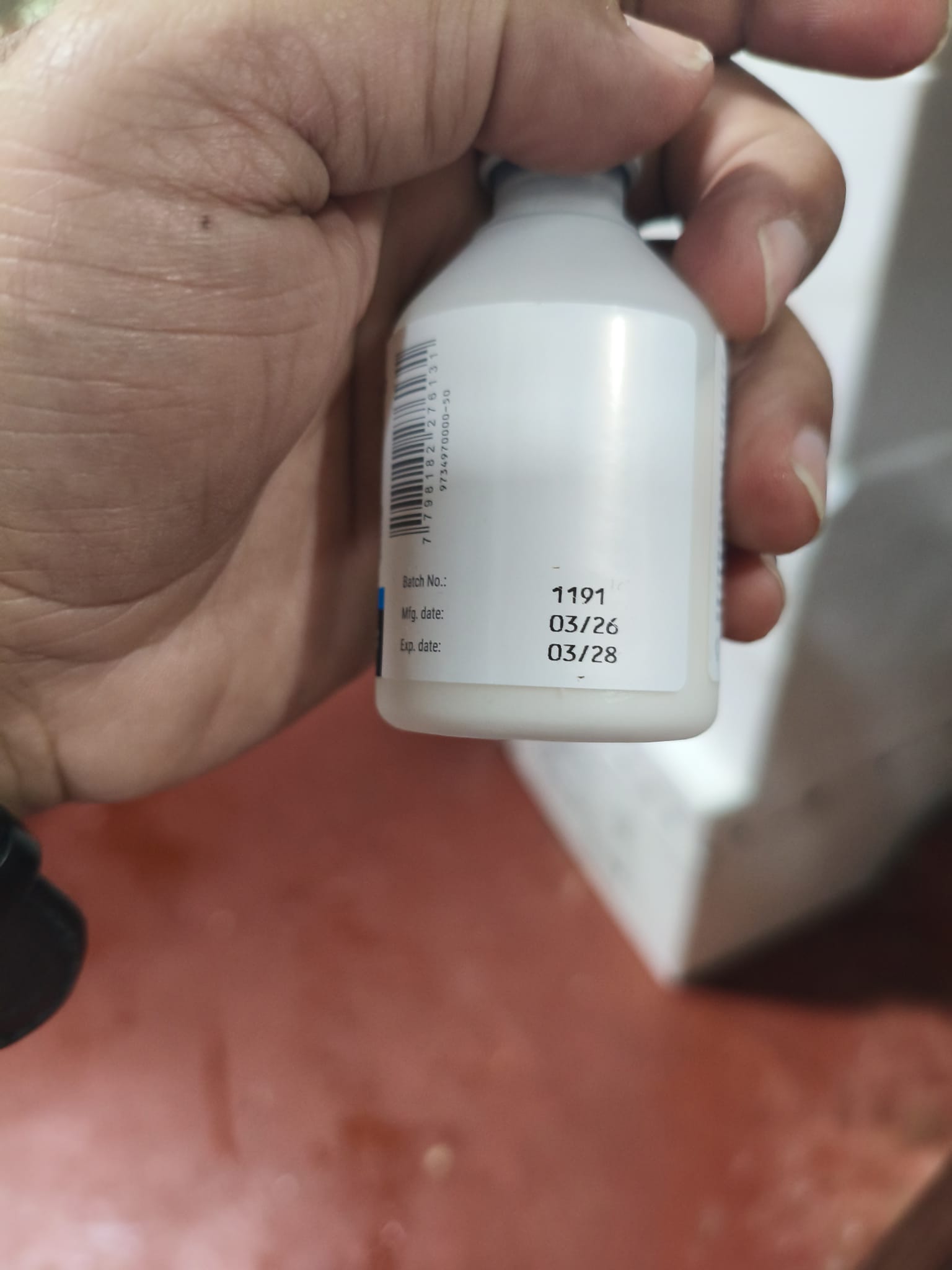
In a new step to enhance the protection of livestock and preserve one of the most important components of the national economy and food security, the Ministry of Agriculture received 400,000 doses of the SAT1 foot-and-mouth disease vaccine, funded by the Palestinian government, as part of its continuing efforts to secure the necessary vaccines and complete the national vaccination and vaccination campaign that it launched at the beginning of June.
The process of receiving this large quantity of vaccine comes at a time when the Ministry continues to implement the first phase of the campaign in the most sensitive and priority veterinary areas, most notably Masafer Yatta and the northern Jordan Valley, where the campaign has exceeded 140,000 vaccination and numbering operations, with wide participation from the cadres of the General Administration of Veterinary Services and the crews of the veterinary directorates, within the framework of an integrated national effort to protect herds and reduce the risks of the spread of animal diseases.
The Ministry confirms that the 400,000 doses received today will be distributed to the governorates of the country according to the needs, priorities, and the approved implementation plan, allowing the completion of vaccination operations and expanding the scope of the campaign to include various regions, gradually reaching the largest possible number of herds of sheep and cows, and enhancing the level of health protection for livestock at the national level.
The crews of the General Administration of Veterinary Services and the relevant directorates continue to implement the campaign in the field, by organizing vaccination and numbering operations and following up on the herds, ensuring the optimal use of vaccines and achieving the highest coverage rates, while giving priority to the areas most vulnerable to risks and the need for veterinary intervention.
The Ministry of Agriculture confirms that this campaign is part of an integrated system to prevent and control animal diseases, and that providing vaccines with funding from the Palestinian government reflects the state’s interest in protecting livestock, supporting breeders, reducing potential economic losses, and enhancing the sustainability of animal production and food security.
It is noteworthy that the Ministry had received a few days ago 500,000 doses of the brucellosis vaccine designated for vaccinating sheep and goats, as part of a grant provided by the Food and Agriculture Organization of the United Nations (FAO) with funding from the Italian government, as the Ministry is preparing to launch the campaign for this vaccine in accordance with the national calendar for veterinary vaccinations and the appropriate technical timing, in a way that ensures the widest possible coverage of breeding sheep herds.
The Ministry is also preparing to expand vaccination campaigns to include the rest of the country’s governorates, within a national plan with the participation of cadres from the General Administration of Veterinary Services, veterinary departments and departments, with the aim of enhancing the prevention of animal diseases and protecting livestock and the safety of their products, leading to a more comprehensive veterinary health system capable of responding to risks.
The Ministry of Agriculture calls on livestock breeders to cooperate with veterinary teams and visit the nearest veterinary department to arrange procedures for vaccinating and numbering their herds according to the established plans, stressing that vaccination operations are provided free of charge to breeders, and that the success of the national campaign depends on partnership and cooperation between the Ministry and breeders.
The Ministry of Agriculture emphasizes continuing its efforts to provide vaccines and veterinary supplies, and to develop prevention and vaccination programs in a way that protects livestock and enhances the steadfastness of breeders and the sustainability of the Palestinian agricultural sector.