Notification
حظر استيراد كافة أنواع الطيور الحية الداجنة والبرية وطيور الزينة وبيض التفقيس والصيصان عمر يوم ومخلفاتها الغير معاملة حراريا من تركيا ولحين استقرار الوضع الصحي

Tulkarem: April 29, 2026
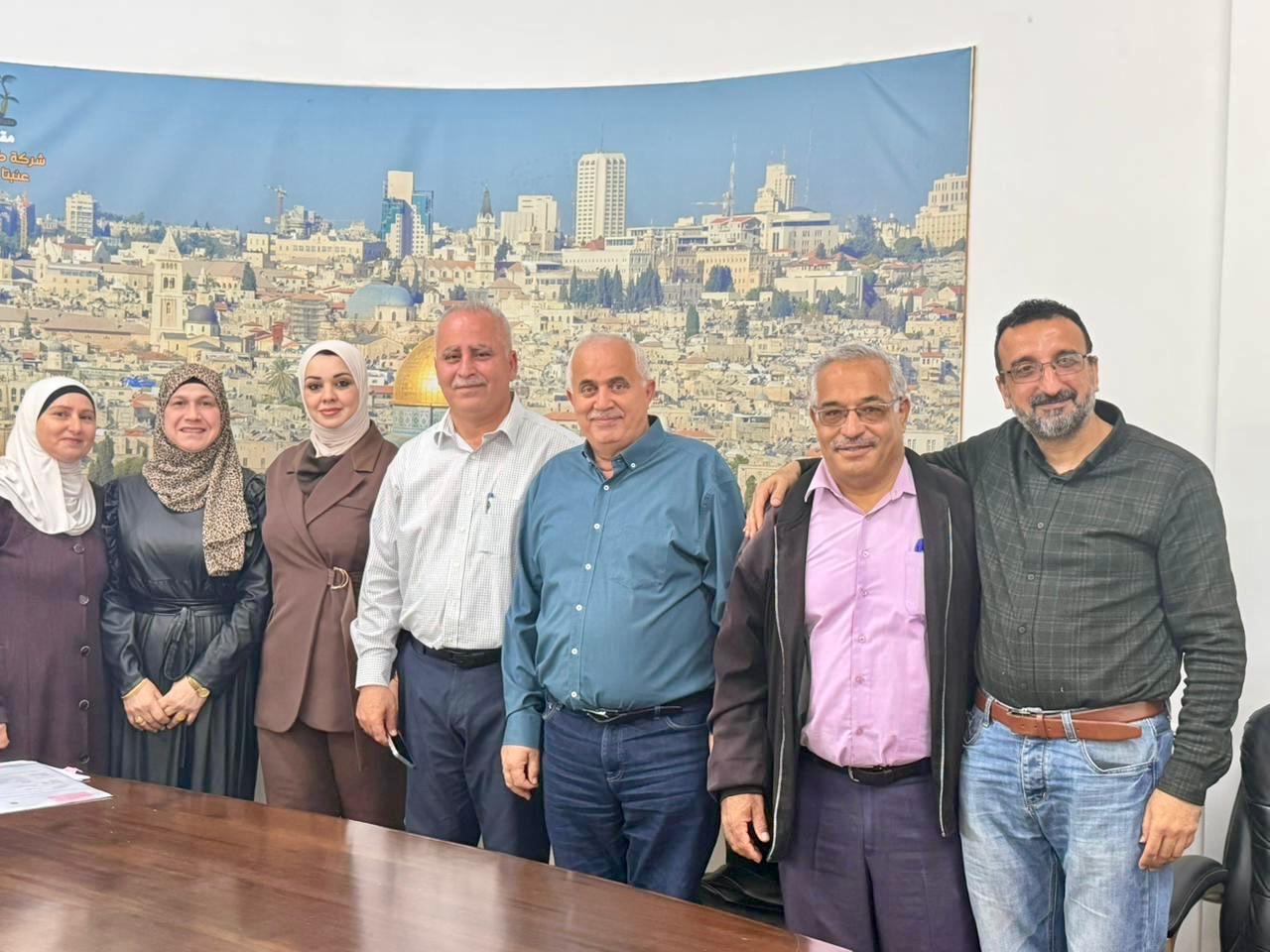
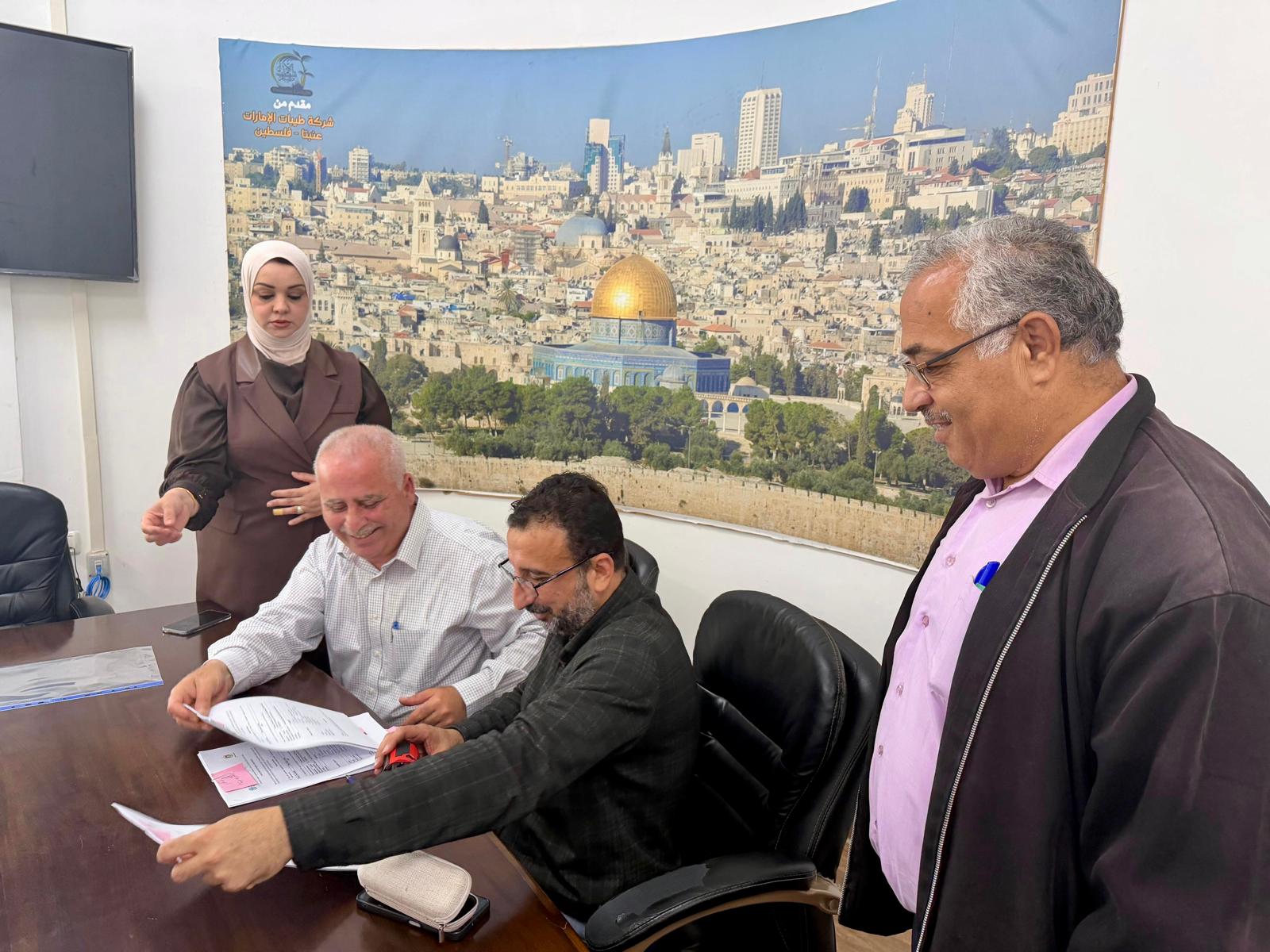
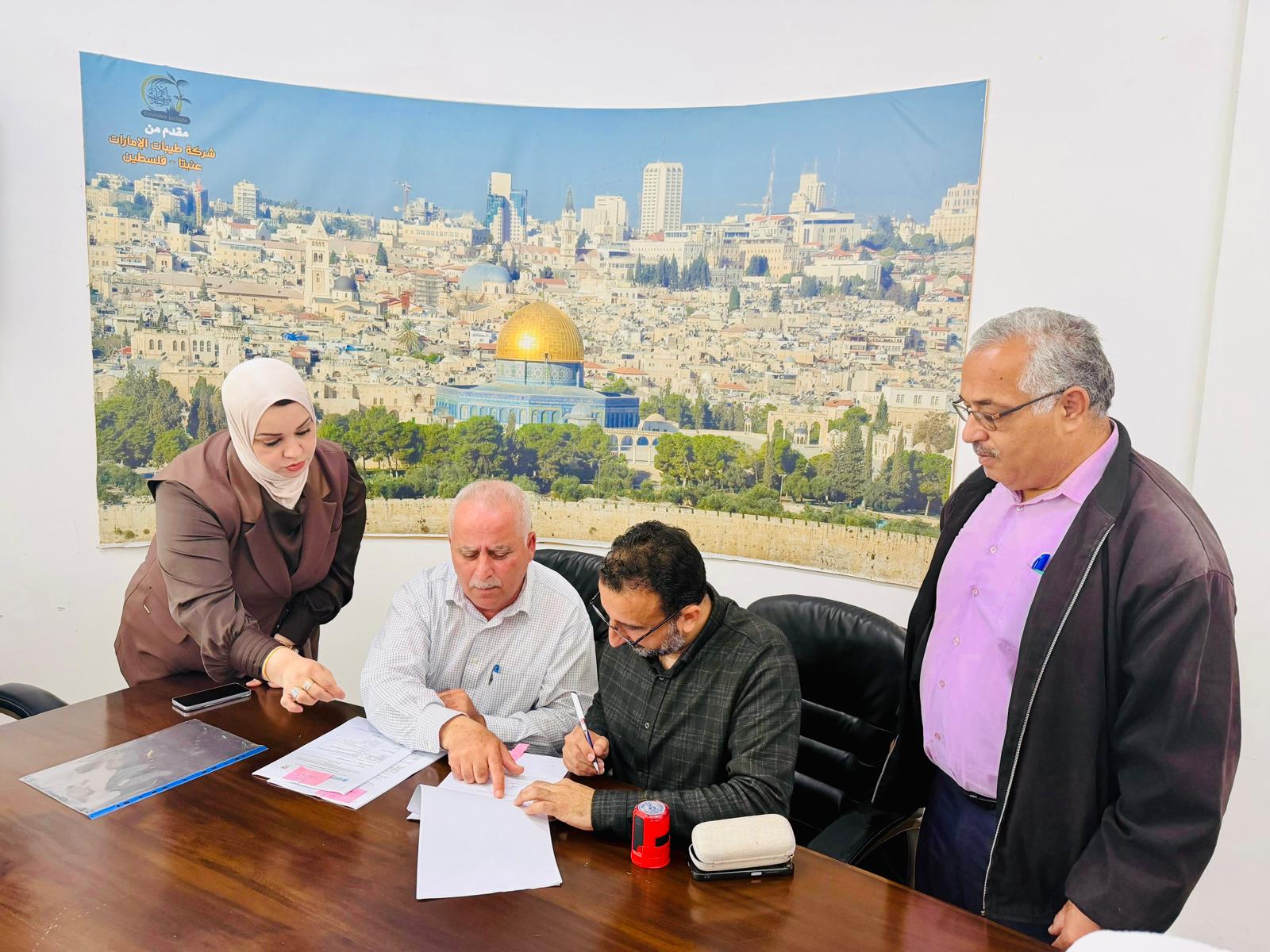
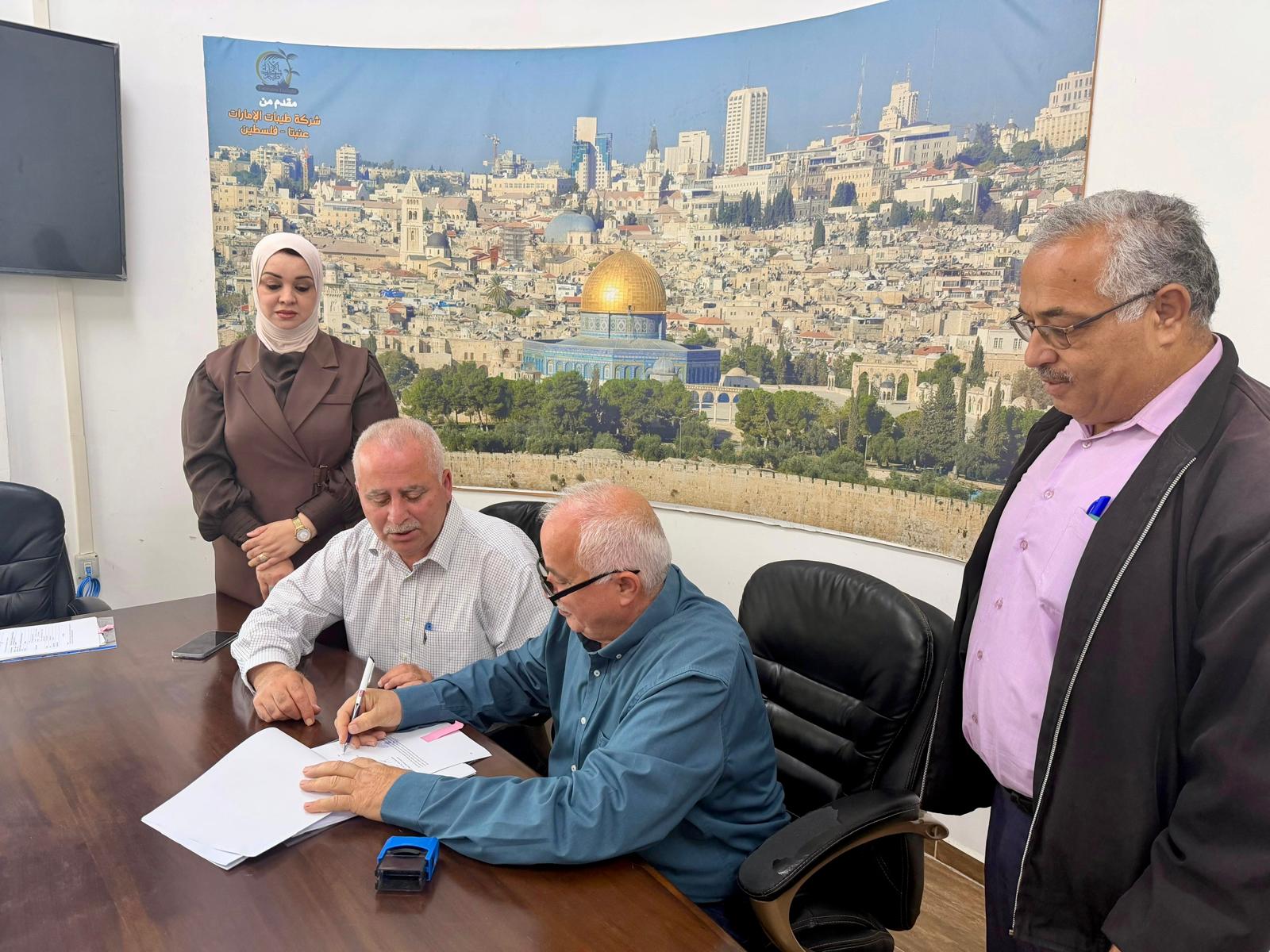
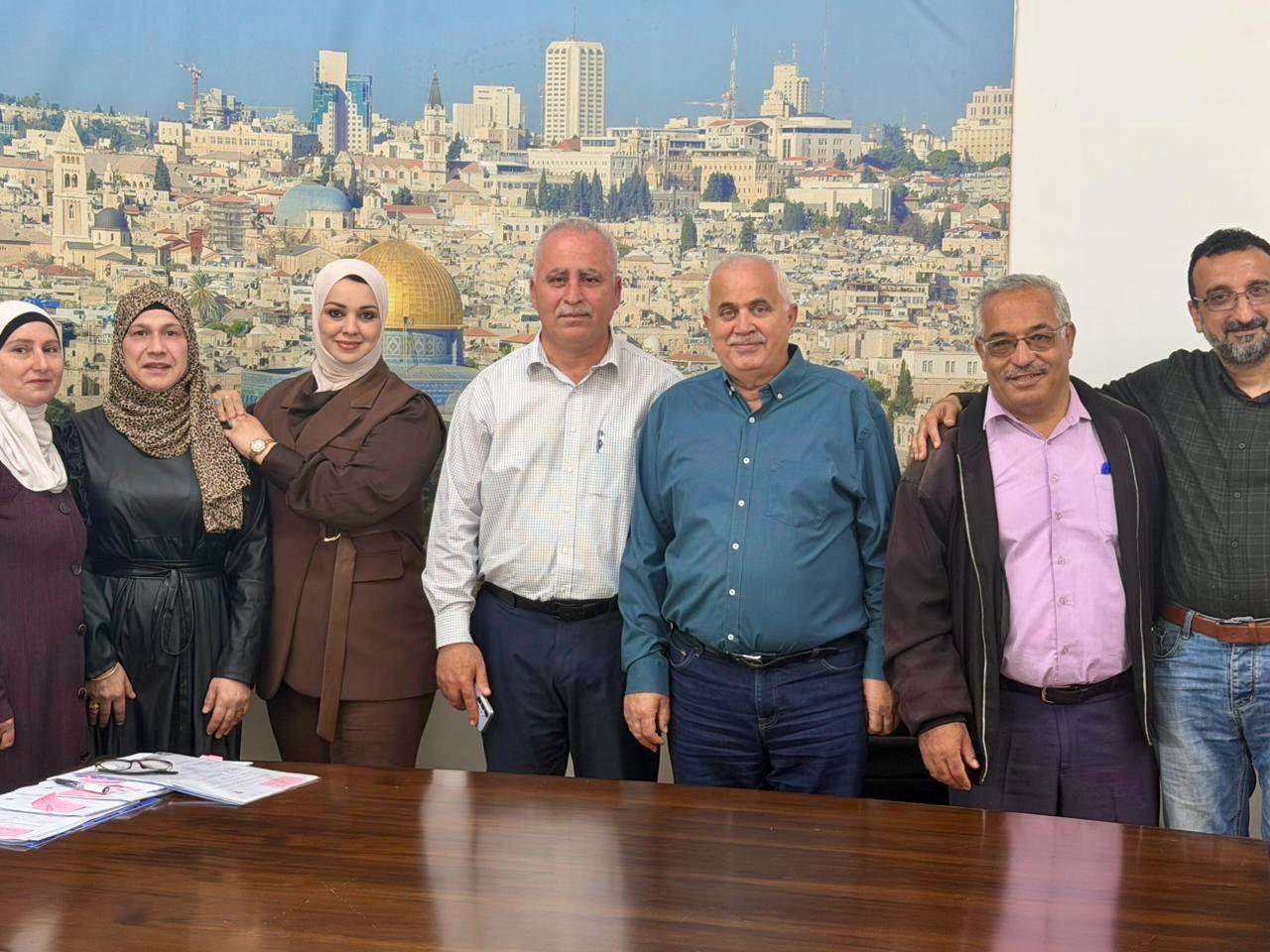
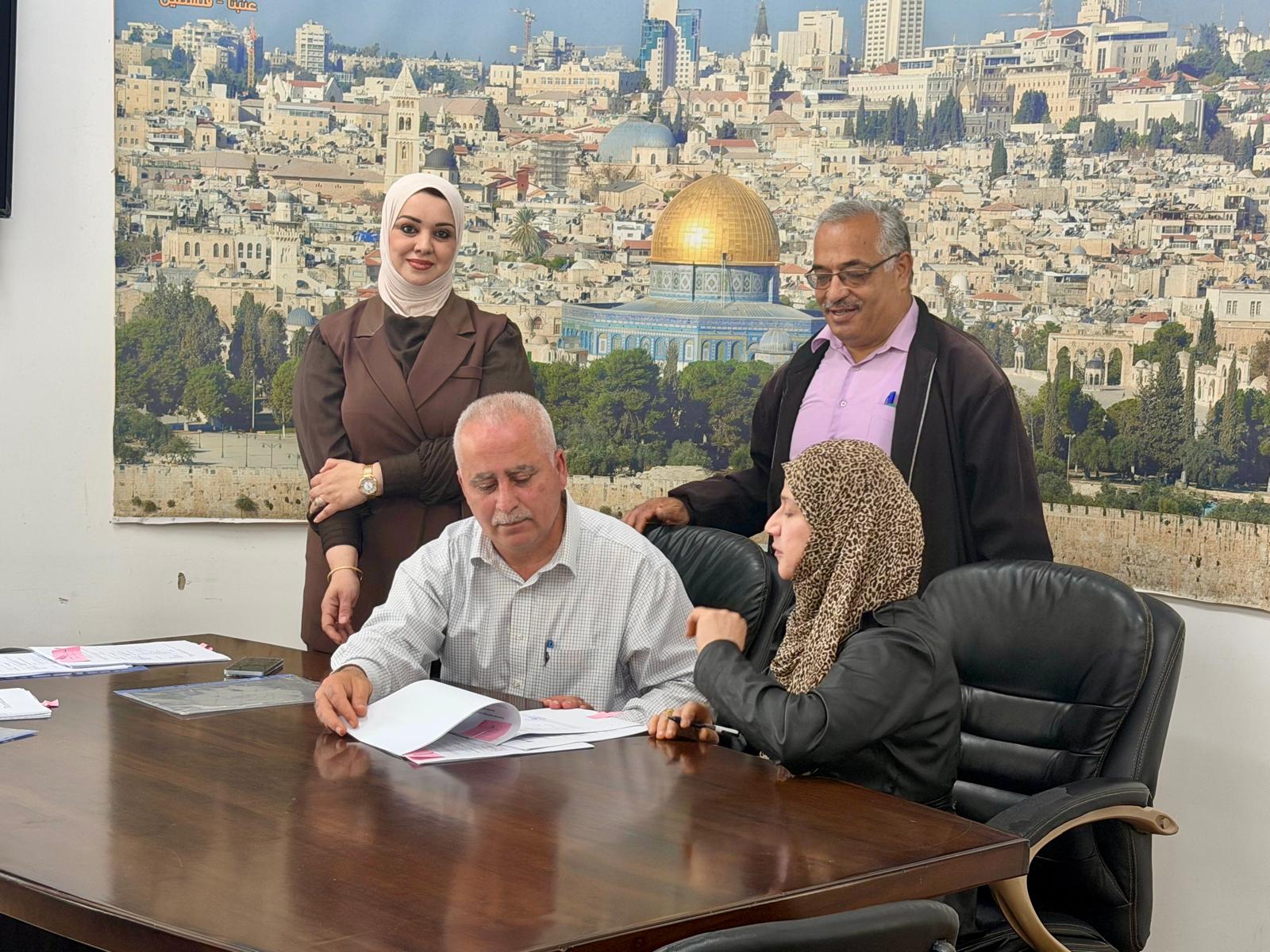
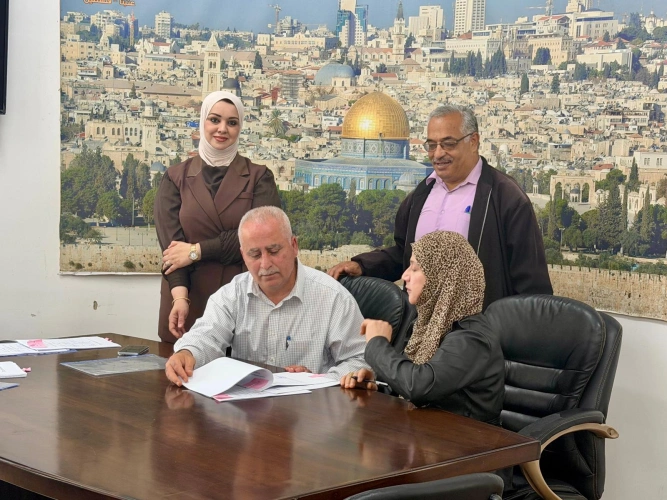
The Ministry of Agriculture, in cooperation with the Food and Agriculture Organization (FAO), signed five agreements to support agricultural investment in the Tulkarem Governorate. These agreements fall under the Multi-Donor Agricultural Business Program – Phase II (MAP II), which aims to promote market-oriented investments and innovations, contributing to the development of a sustainable agricultural and food system in the West Bank.
The total value of the agreements is 811,128,000 NIS. They cover the implementation of a range of diverse agricultural projects in several towns within the governorate, including Anabta, Kur, Shufa, and Deir al-Ghusun. The projects encompass the development of grape and fig orchards, the establishment of a food production unit, the construction of a modern greenhouse, and the upgrading of an olive oil mill. These initiatives will strengthen agricultural value chains and increase the added value of local products.
These projects will also contribute to supporting employment opportunities, improving the income of farming families, and enhancing the sustainability of agricultural production in the targeted areas. According to the data, the projects were distributed across various categories, including farmers and for-profit companies. Beneficiaries included farmer Zein Hassan Abdul Rahman Zayed, Montana Trading and Food Marketing Company, farmer Aisha Saif Al-Din Yousef Daroubi, farmer Ahmed Ihsan Amin Mahmoud, and the Anabta Automated Olive Press Company.
The agreements were signed in the presence of representatives from the Tulkarm Governorate Agriculture Directorate, the Food and Agriculture Organization (FAO), and the project beneficiaries.
The Ministry of Agriculture affirms that the signing of these agreements is part of ongoing efforts to strengthen farmers' resilience and support sustainable agricultural investments. The Ministry emphasizes the importance of directing projects toward enhancing production, improving quality, and increasing the competitiveness of agricultural products in the local market.
These agreements are being implemented within the framework of the MAP II program, implemented by the FAO in cooperation with the Ministry of Agriculture, with funding from the governments of Denmark, the European Union, Spain, and Switzerland, in addition to parallel funding from the Italian government. The program aims to promote innovative and sustainable market-oriented investments in the agri-food sector in the West Bank.