Notification
حظر استيراد كافة أنواع الطيور الحية الداجنة والبرية وطيور الزينة وبيض التفقيس والصيصان عمر يوم ومخلفاتها الغير معاملة حراريا من تركيا ولحين استقرار الوضع الصحي

Hebron: September 20, 2026
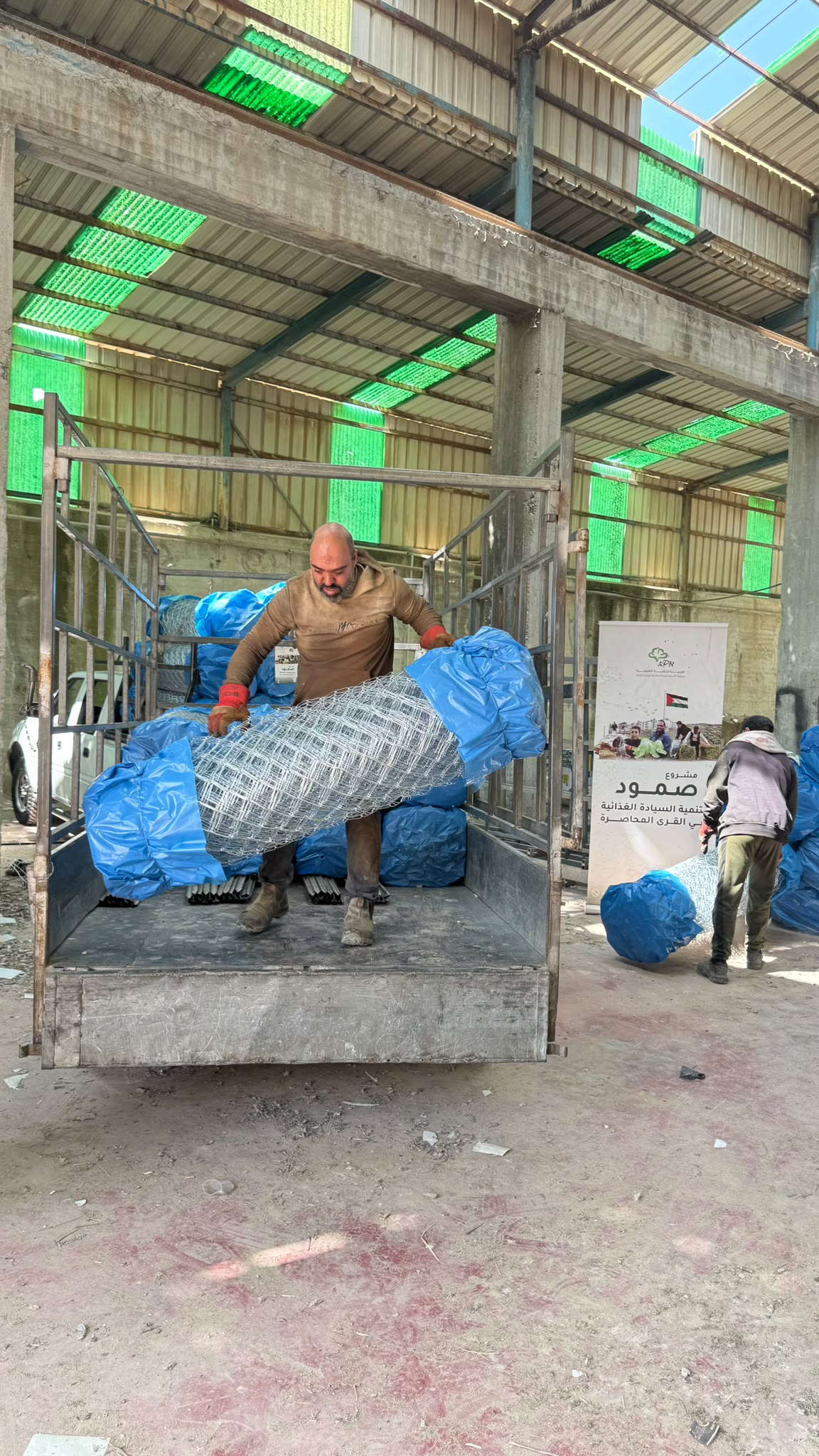
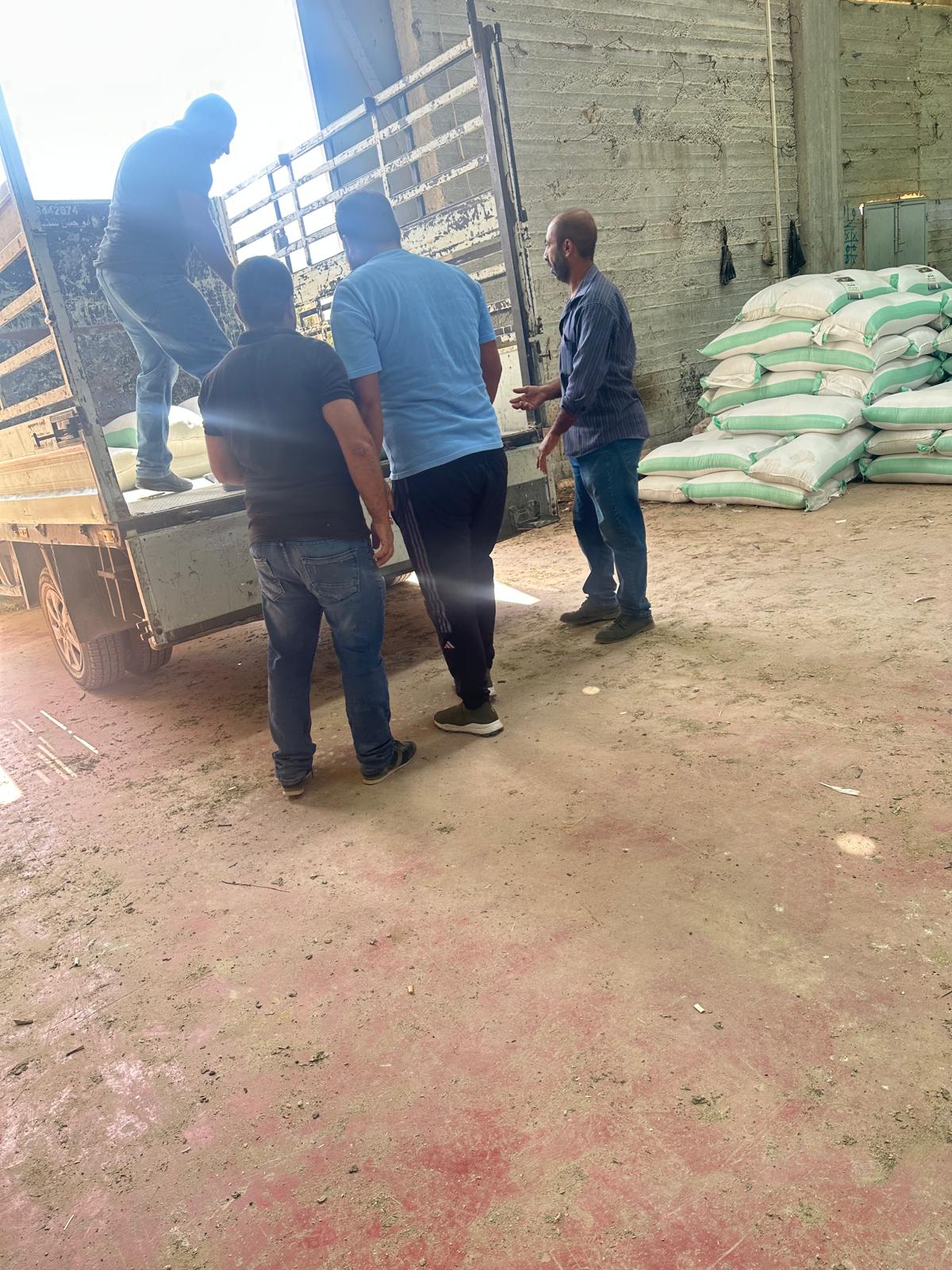
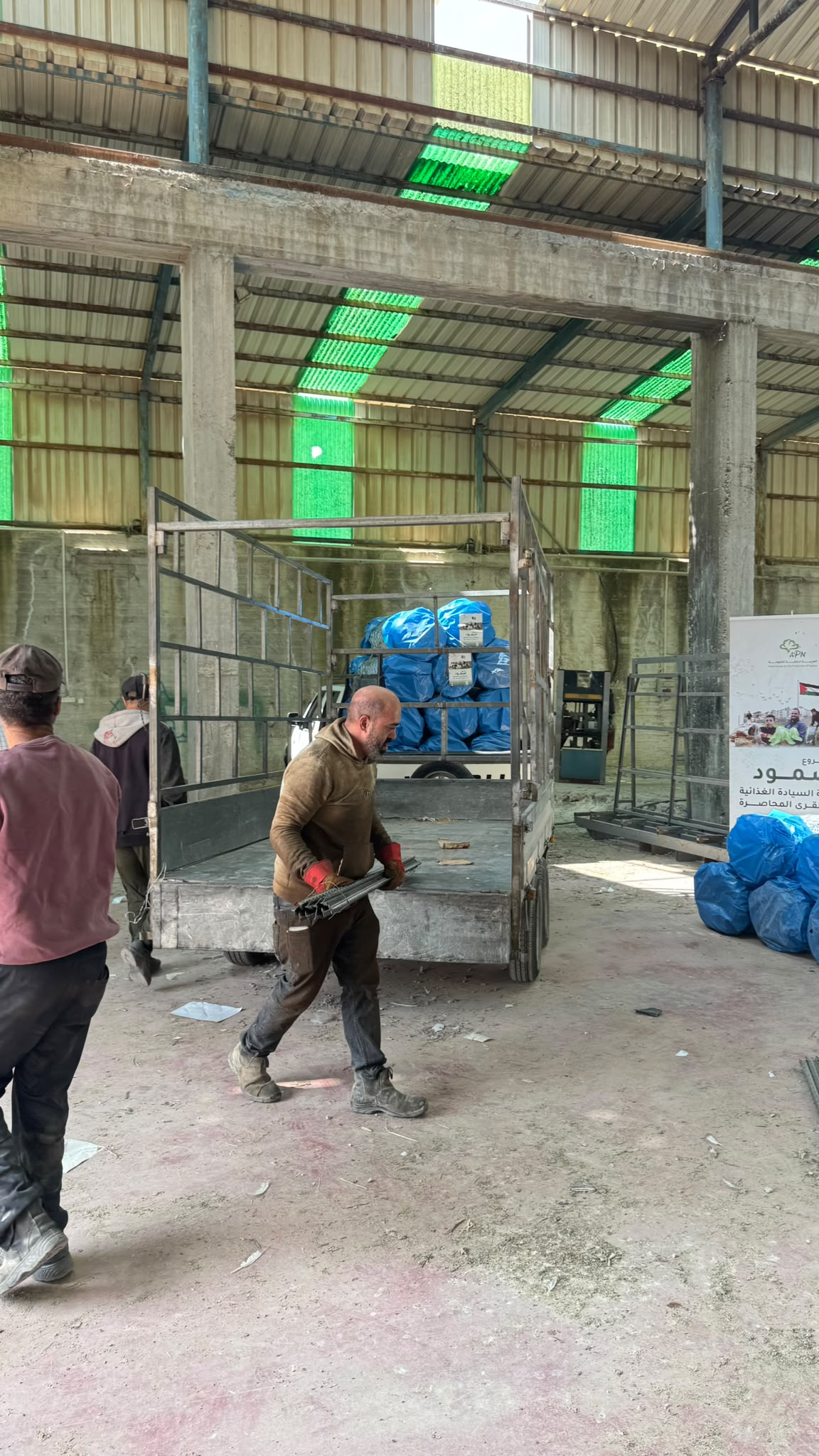
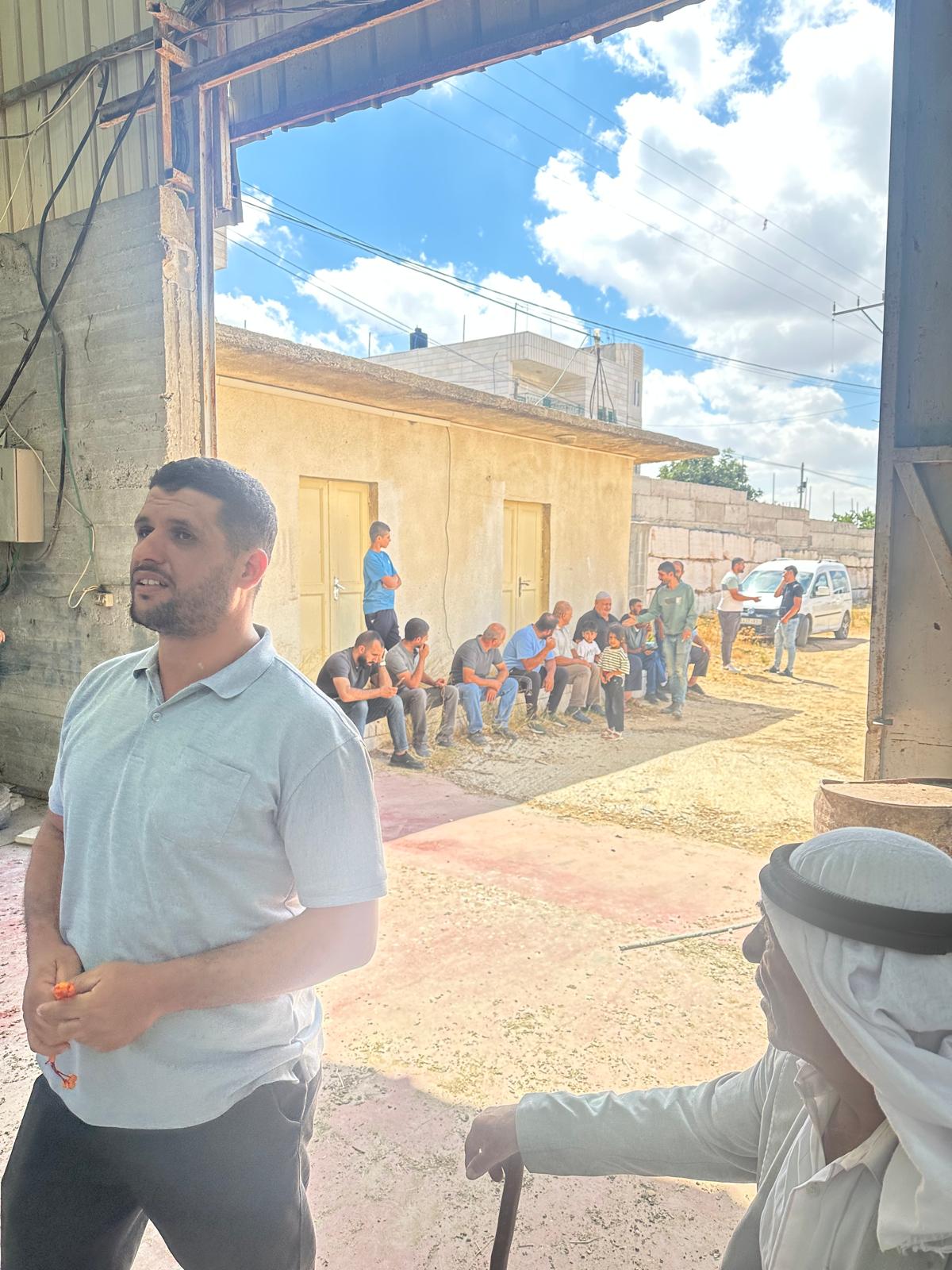
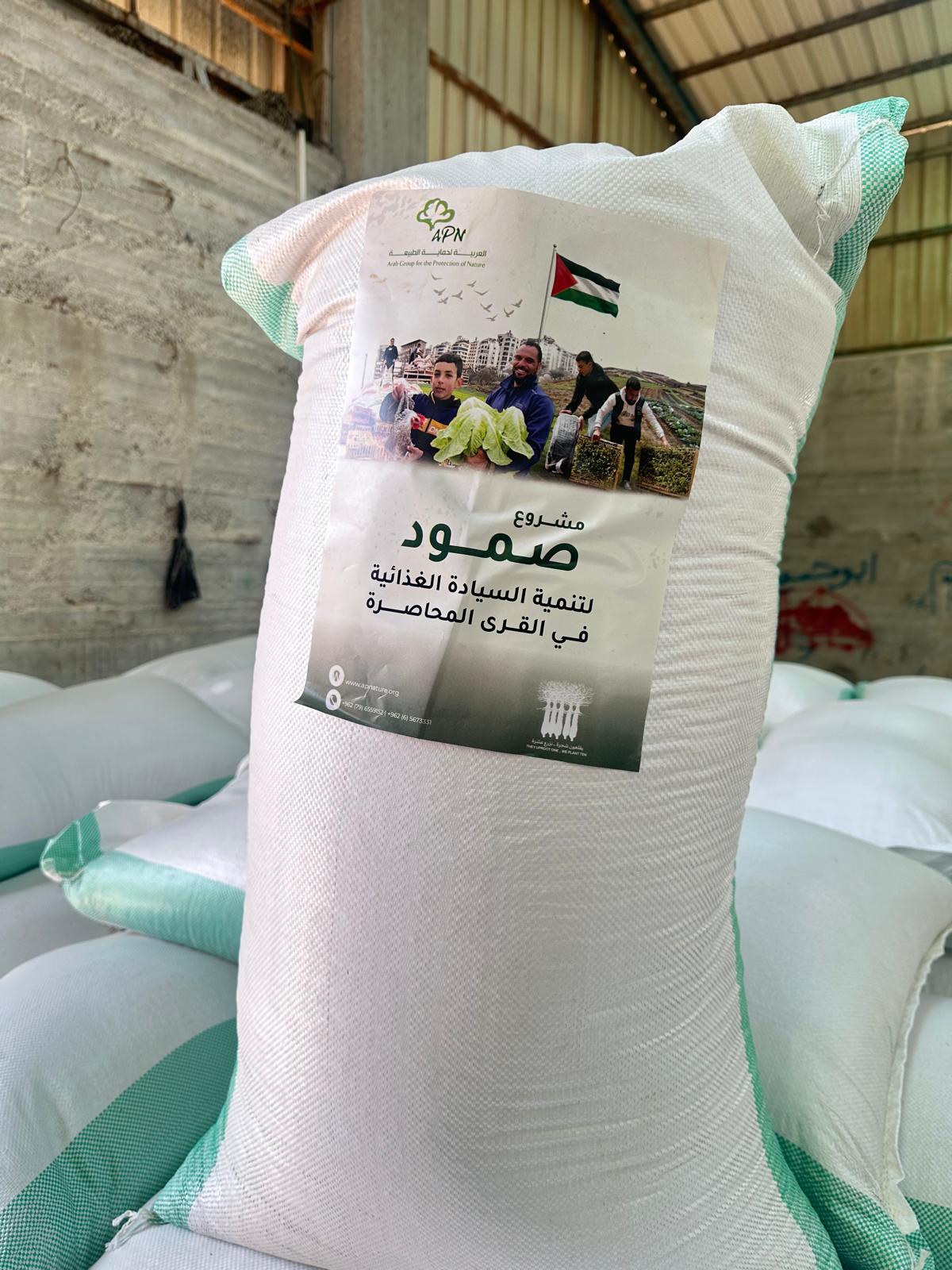
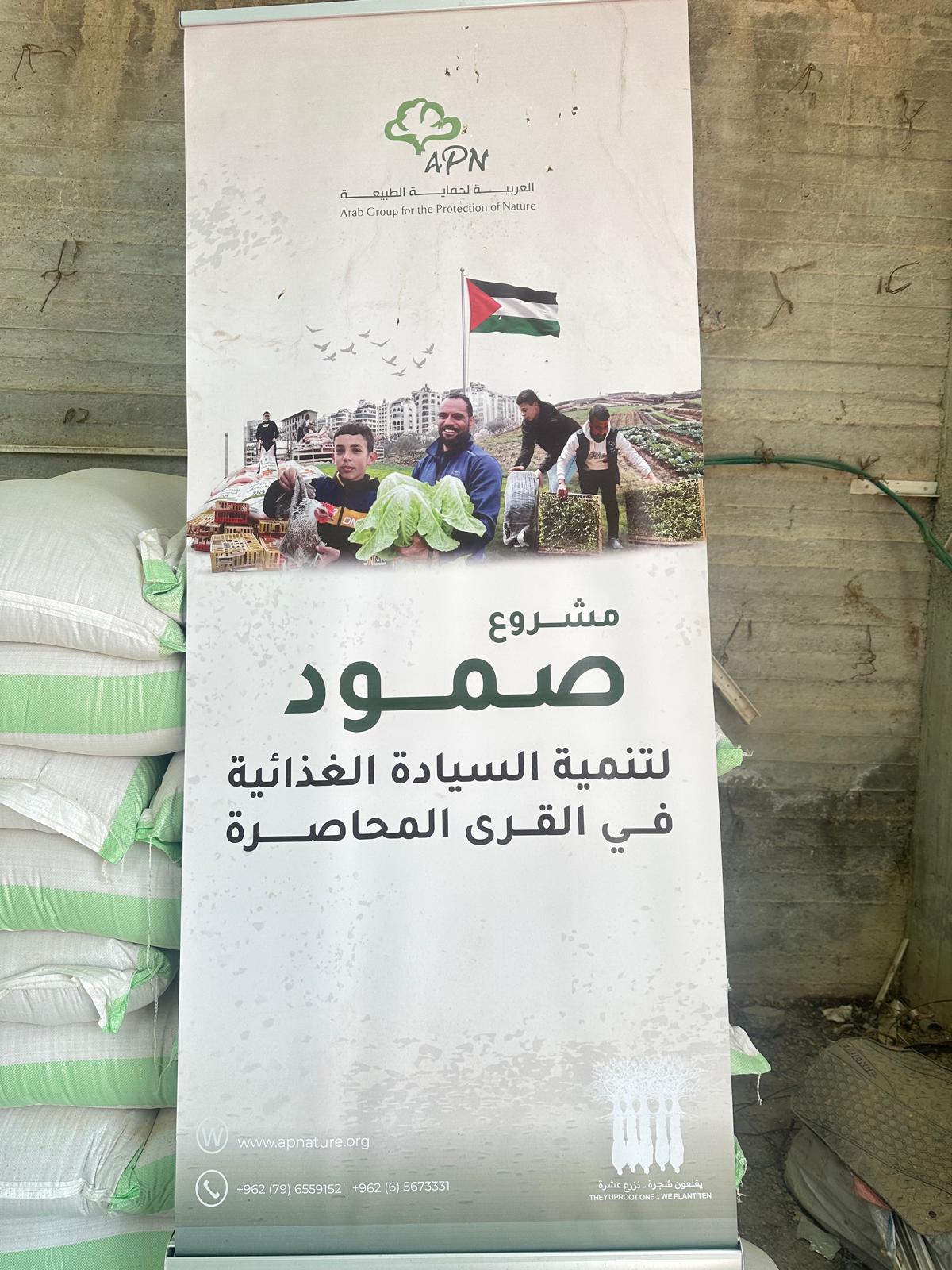
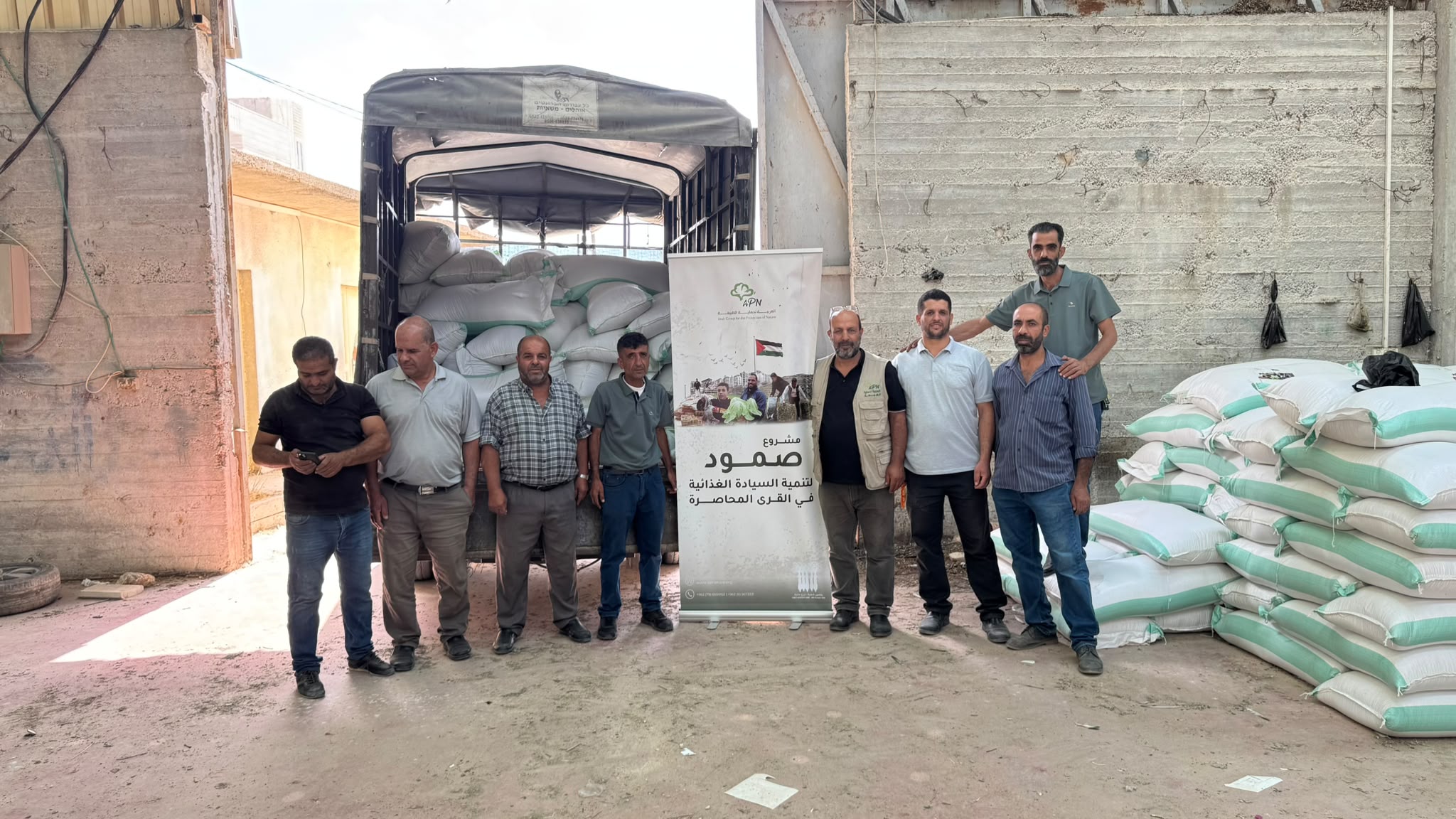
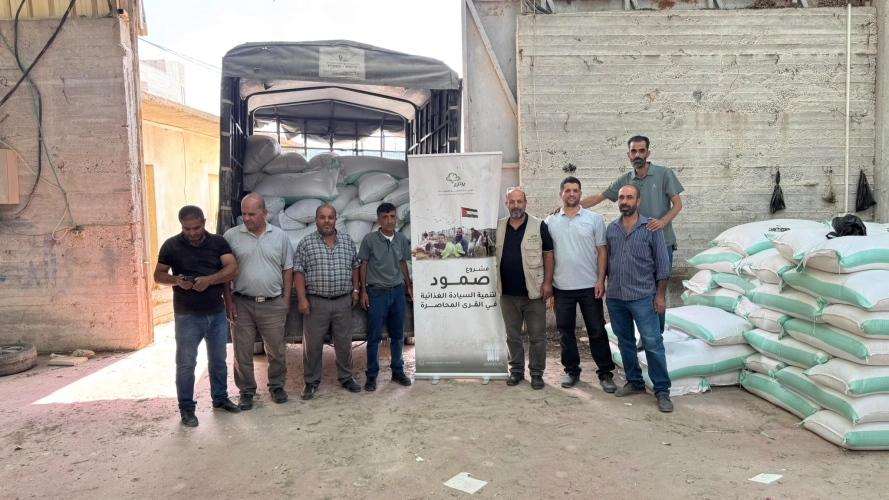
The North Hebron Agriculture Directorate and Sa'ir Agriculture and Veterinary Department—funded by the Arab Group for the Protection of Nature (APN)—implemented an integrated agricultural intervention in Khirbet Um al-Batam. Part of "Sumoud" (Resilience) project aimed at developing food sovereignty in sieged villages, the initiative had a total value of approximately 62,000 NIS and benefited 26 local residents, helping to bolster their resilience and enhance their agricultural and livestock production capabilities.
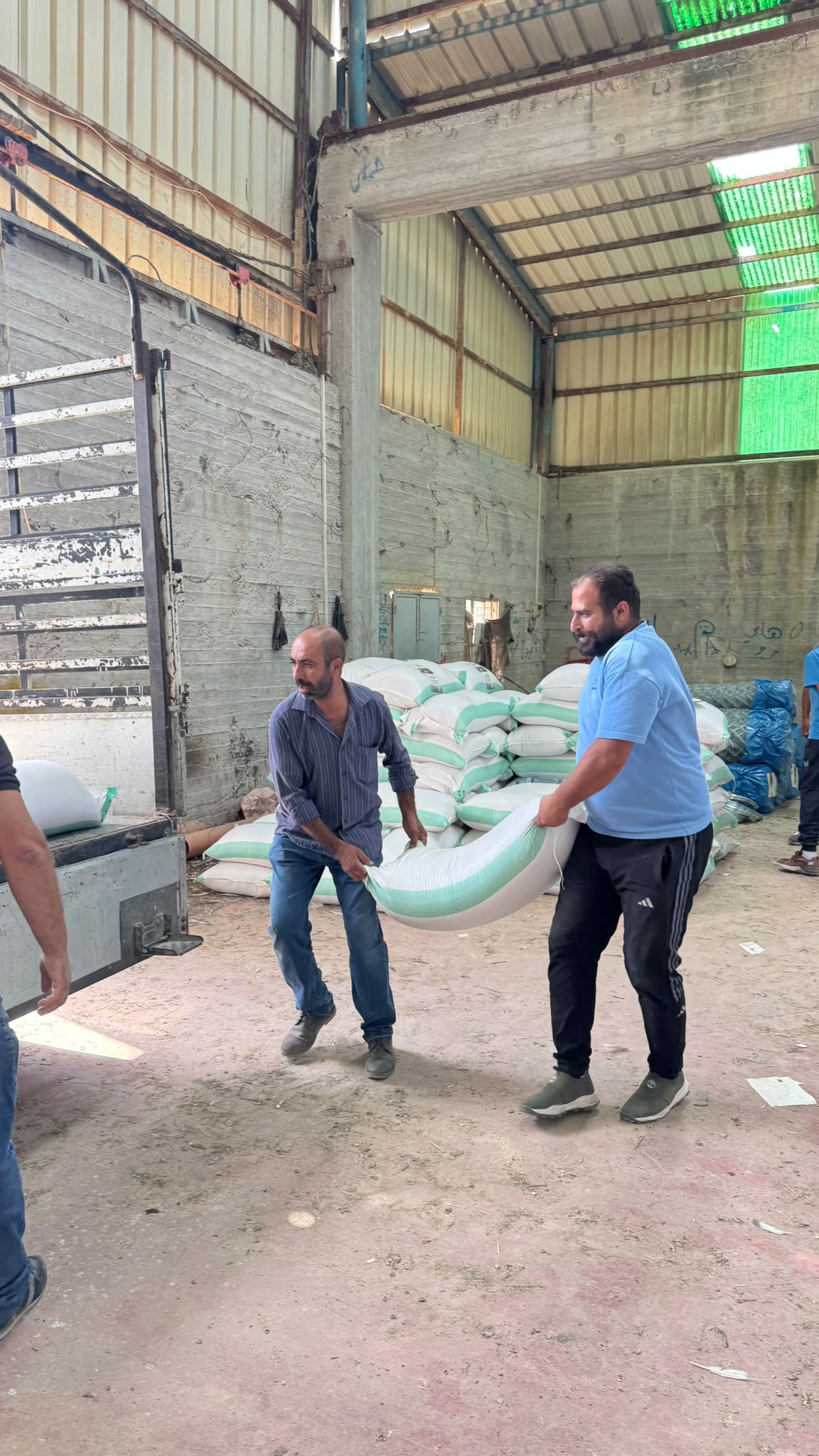
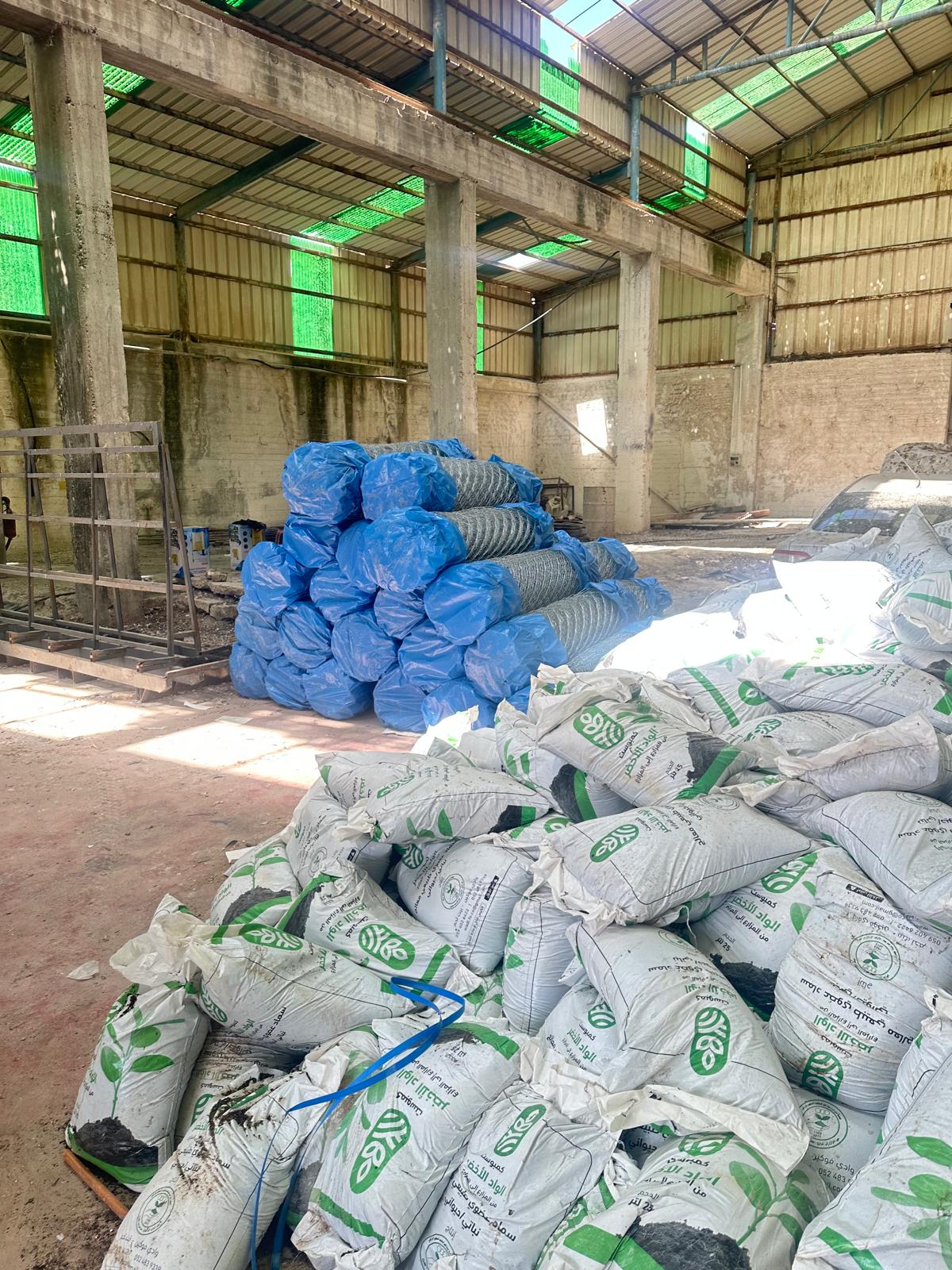
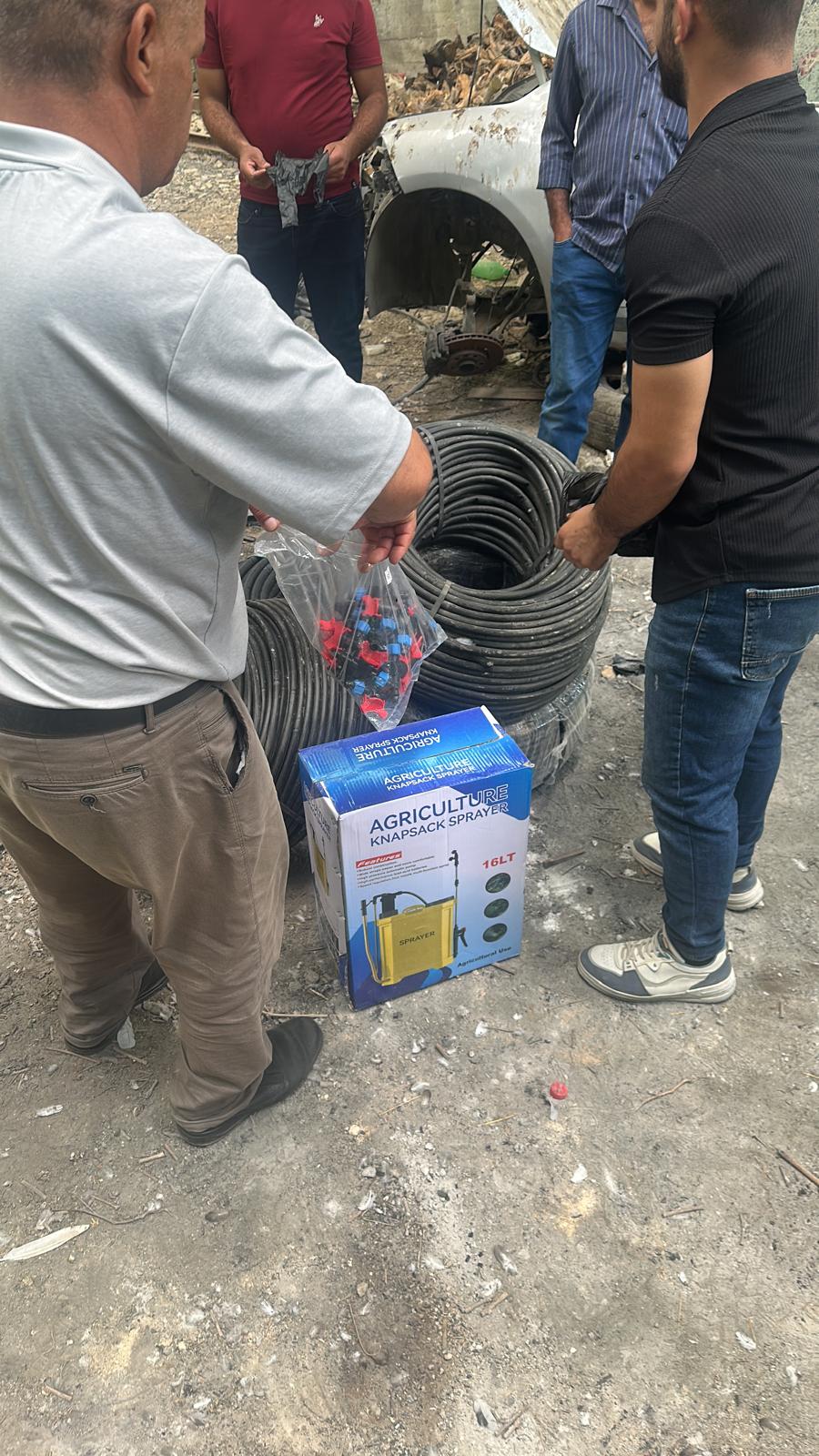
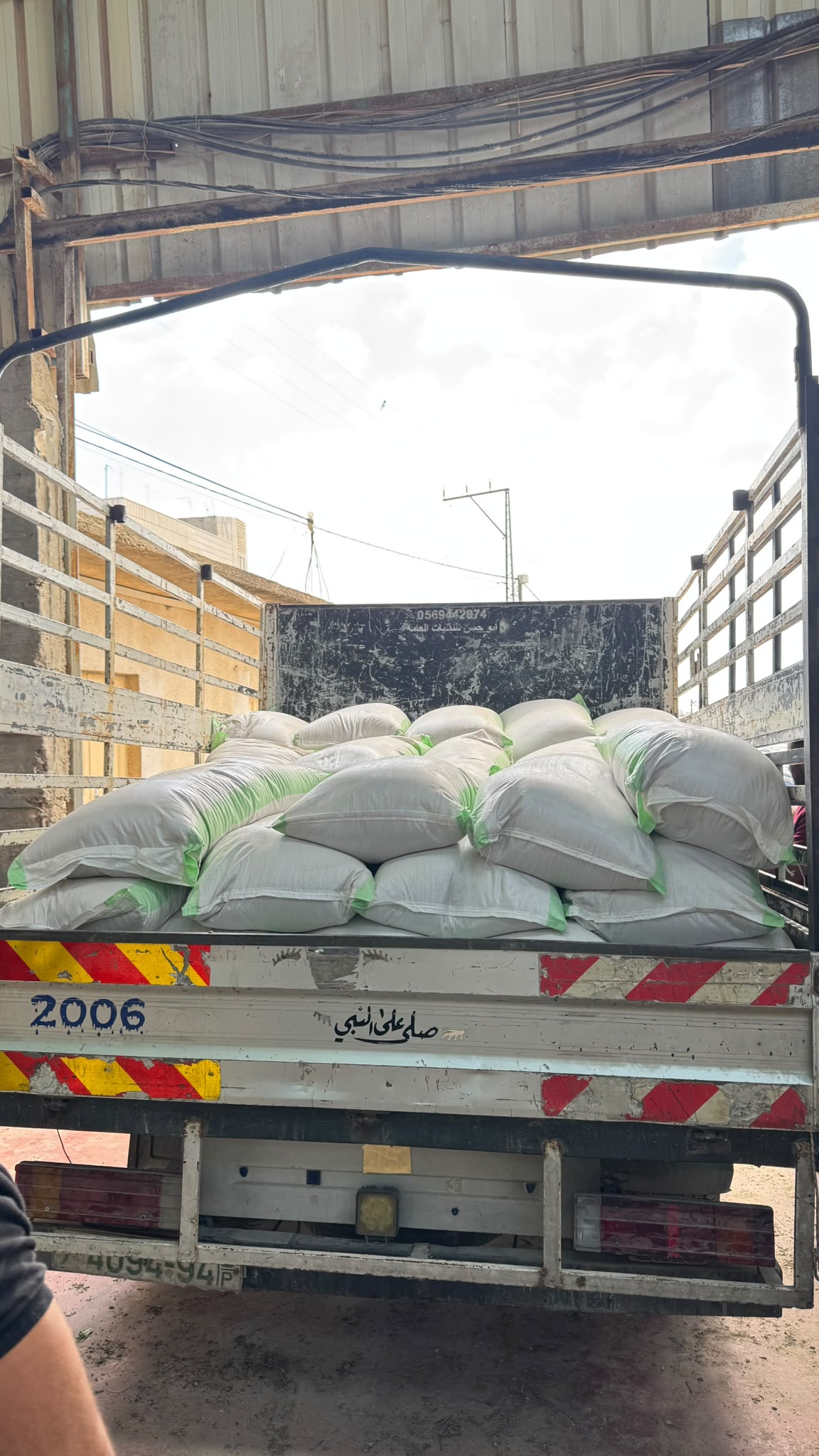
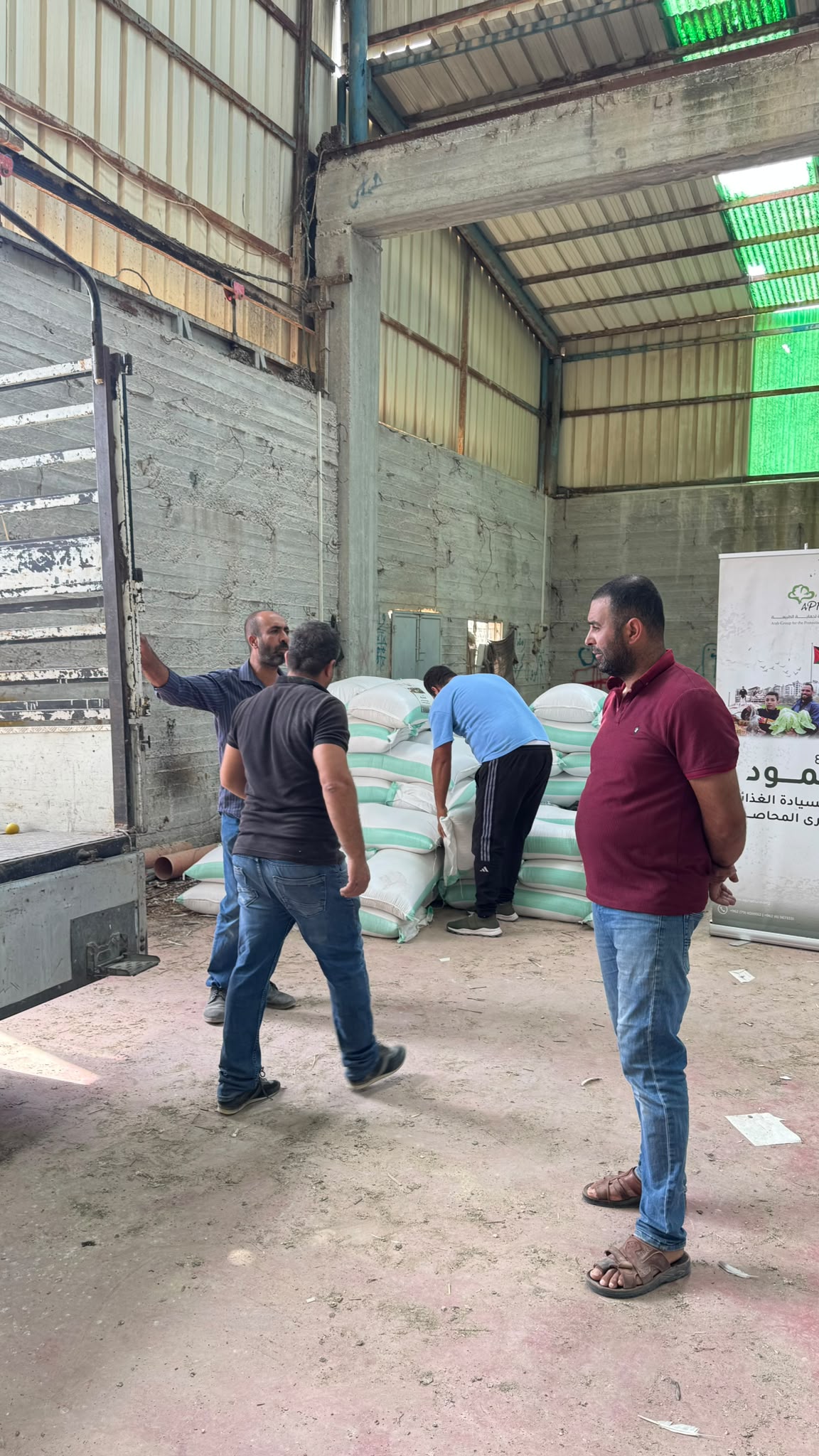
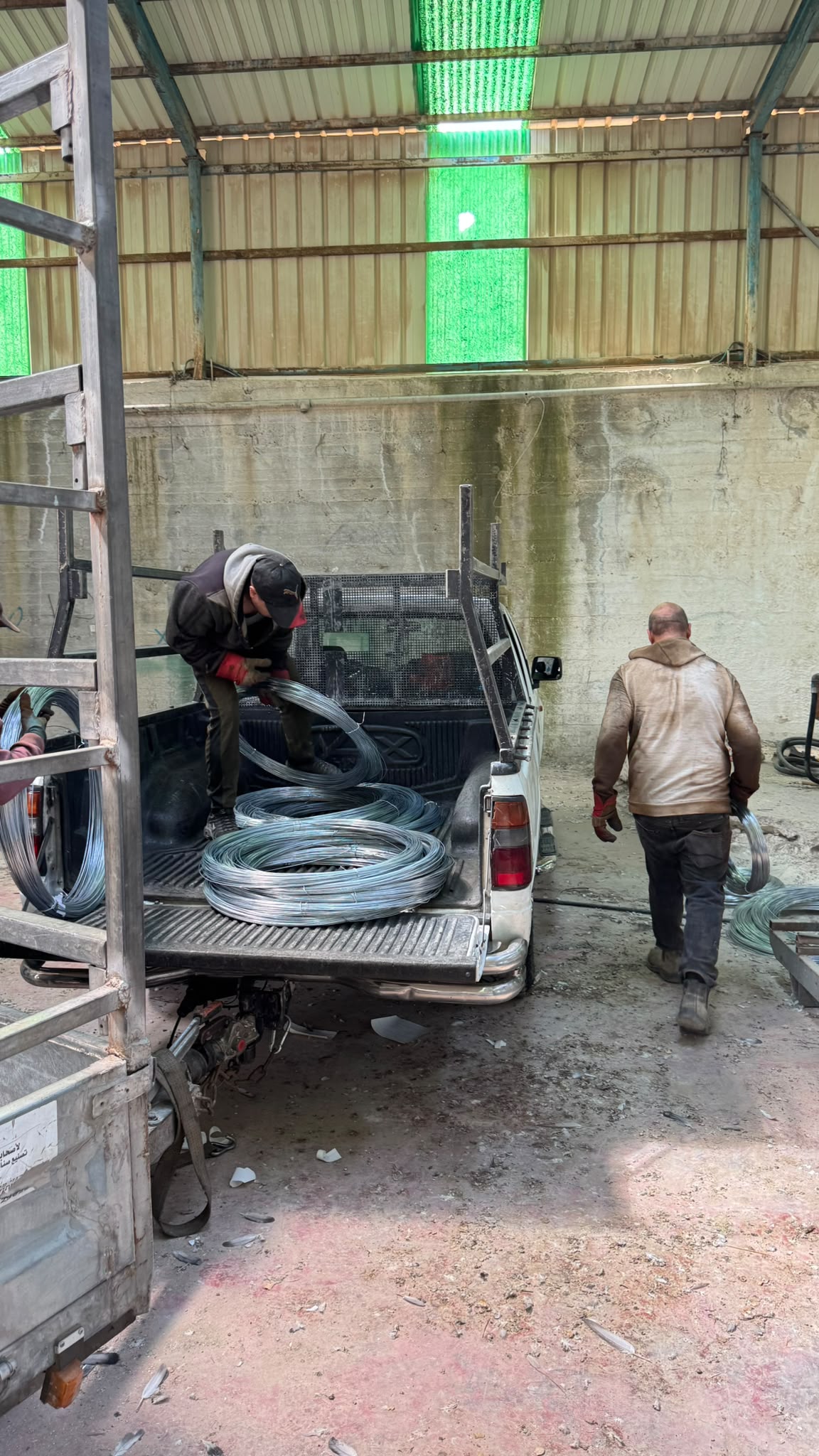
The intervention included the distribution of 9.5 tons of animal feed (barley and bran) to support livestock breeders and ensure the continuity of their operations. Additionally, the project involved fencing agricultural lands, establishing fully equipped home gardens, and providing vegetable seedlings and organic fertilizers; these measures aim to boost household production and provide beneficiary families with additional sources of food and income.
Regarding agricultural and water infrastructure, three water wells in the community were rehabilitated. This improves residents' ability to secure water for agricultural activities and maximizes the utilization of available land and resources. A range of agricultural inputs and services was also provided to address the residents' specific needs on the ground.
This intervention reflects an integrated approach to supporting vulnerable agricultural communities by combining livestock support, land protection, the promotion of home gardening, and improved access to water sources. These efforts contribute to enhancing food security and improving the living conditions of the beneficiary families. In partnership with national, civil society, and international institutions, the Ministry of Agriculture continues to direct agricultural interventions toward the affected areas, support farmers and livestock breeders, and strengthen their capacity to sustain production and remain on their land, thereby bolstering the resilience of agricultural communities and preserving their resources.