Notification
حظر استيراد كافة أنواع الطيور الحية الداجنة والبرية وطيور الزينة وبيض التفقيس والصيصان عمر يوم ومخلفاتها الغير معاملة حراريا من تركيا ولحين استقرار الوضع الصحي

Tubas: June 23, 2026
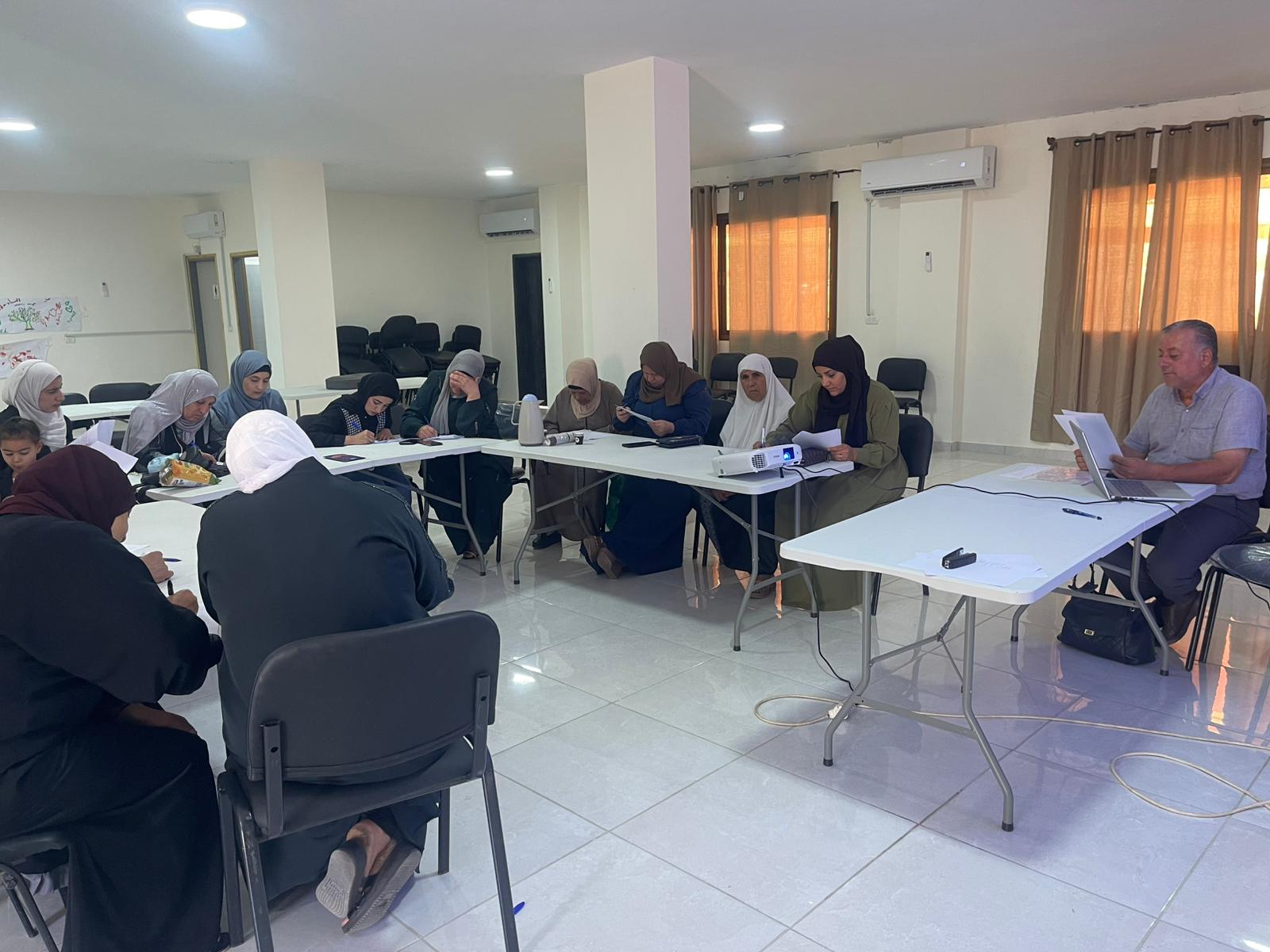
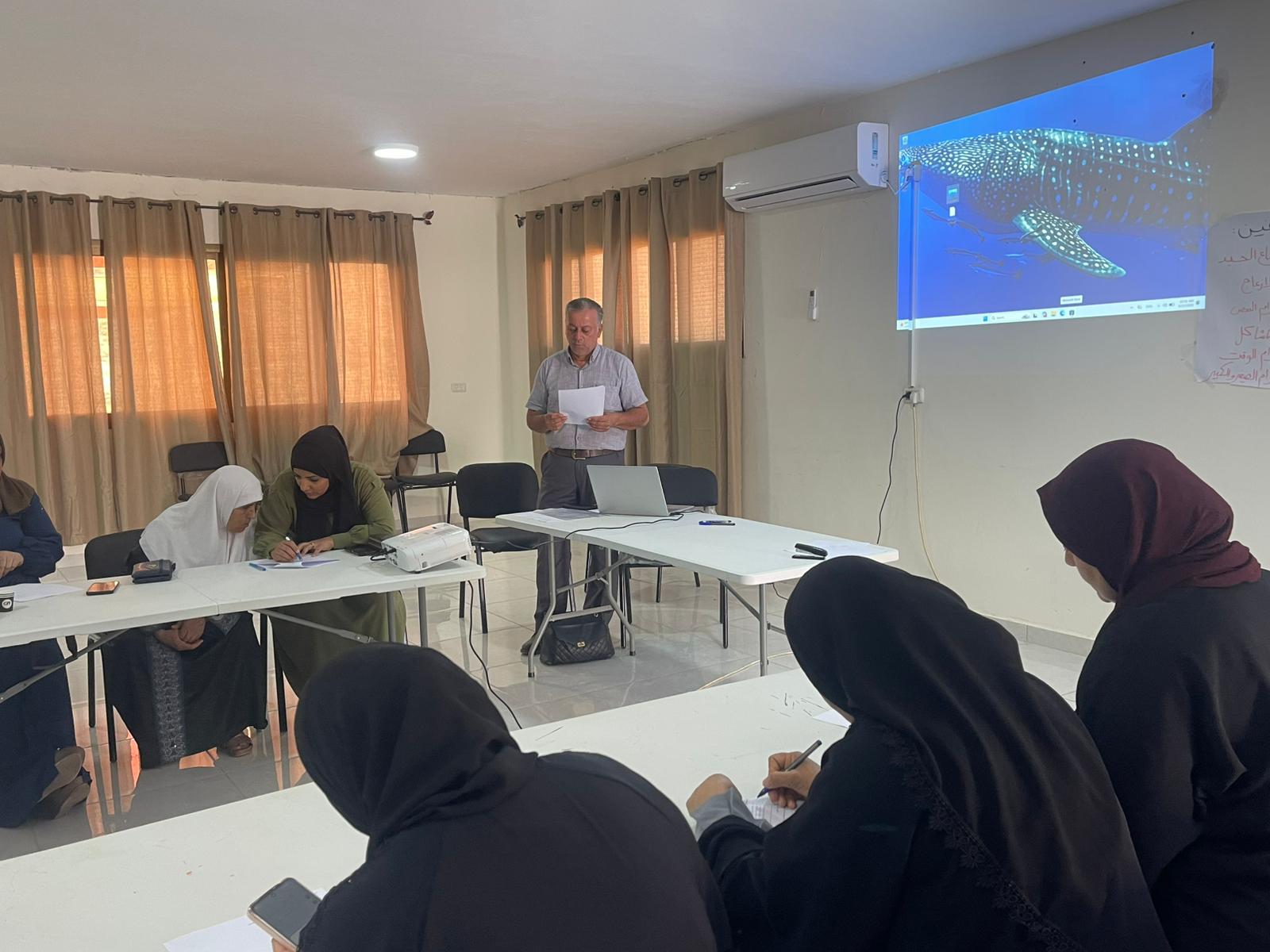
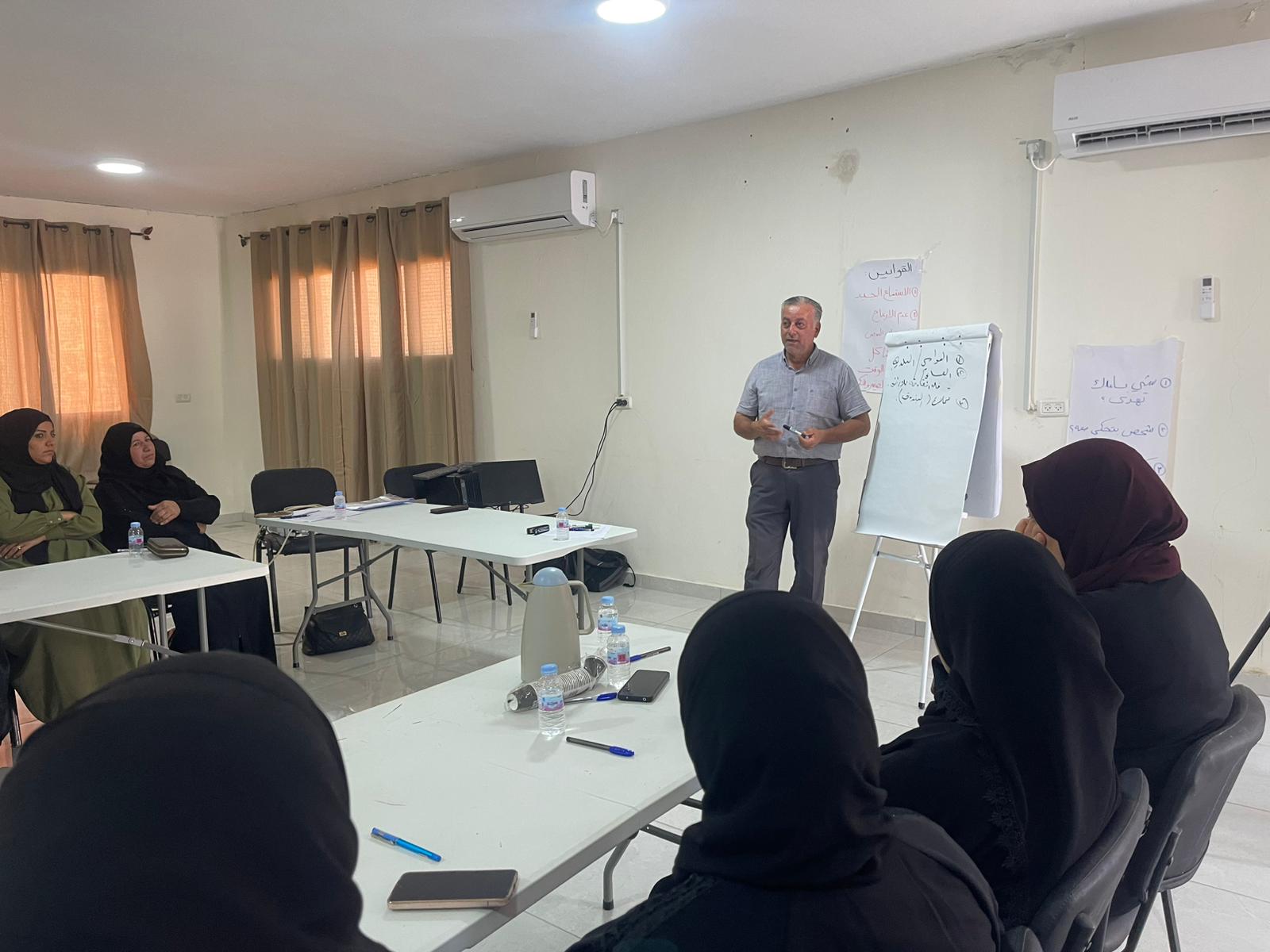
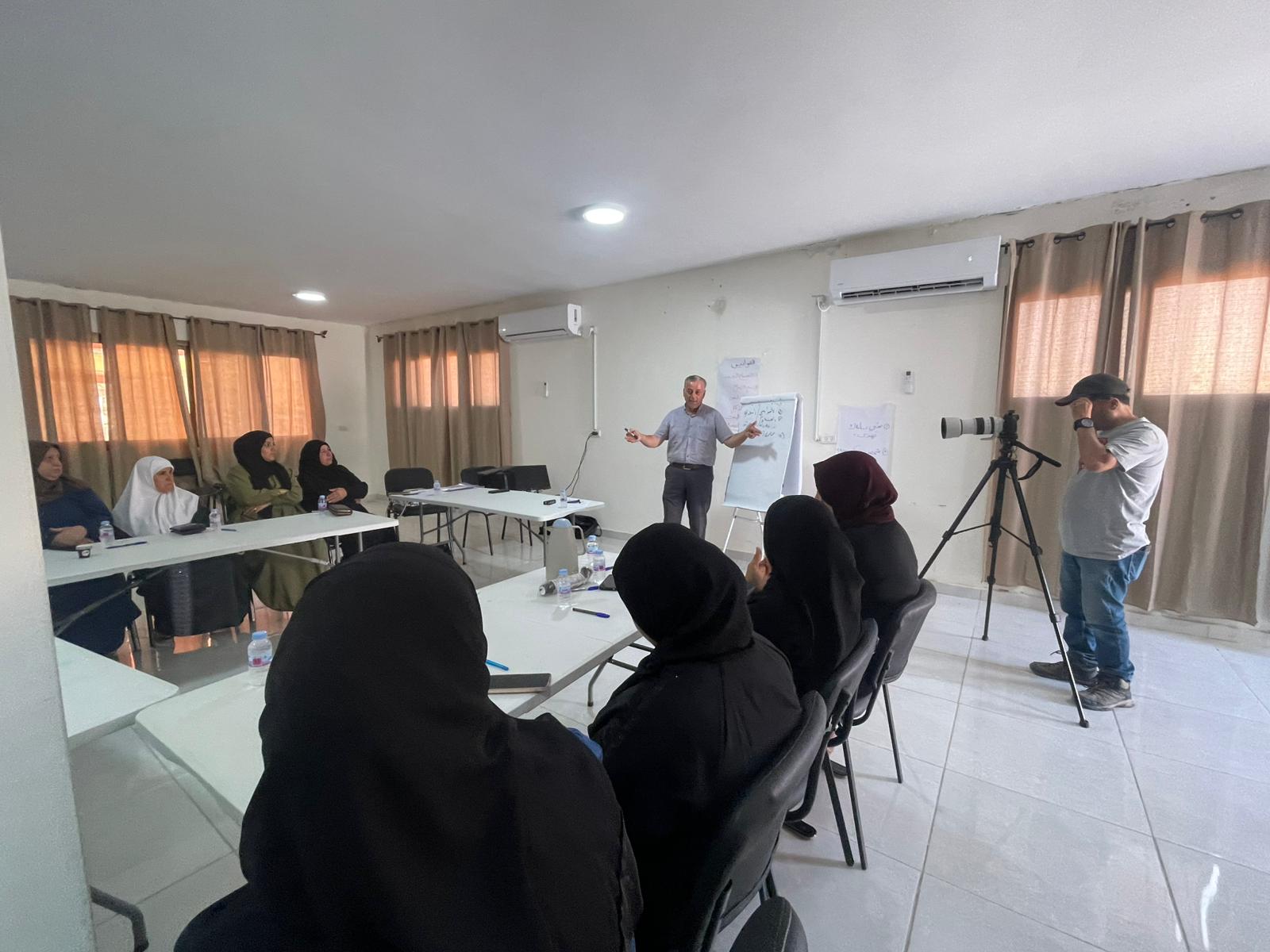
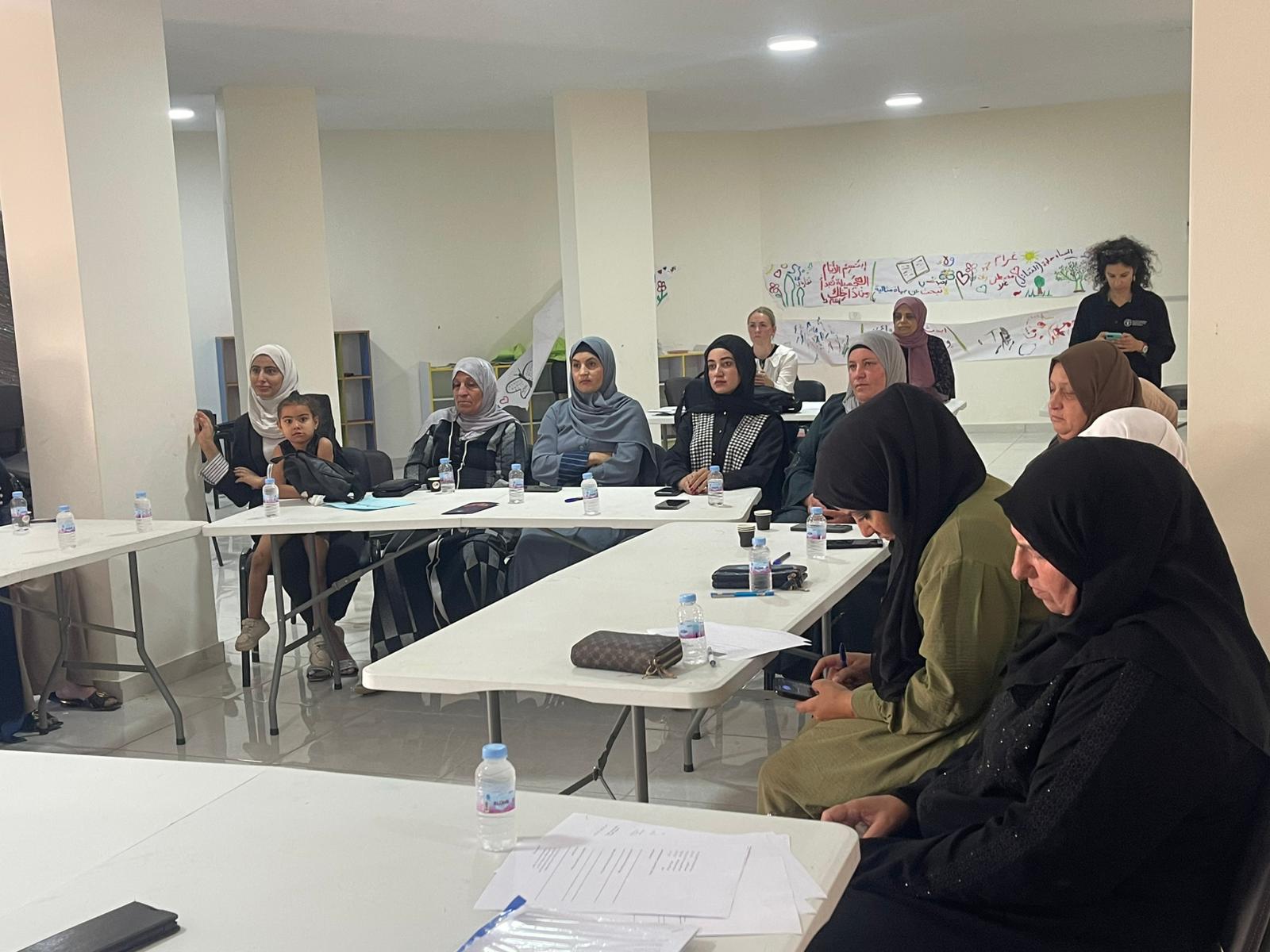
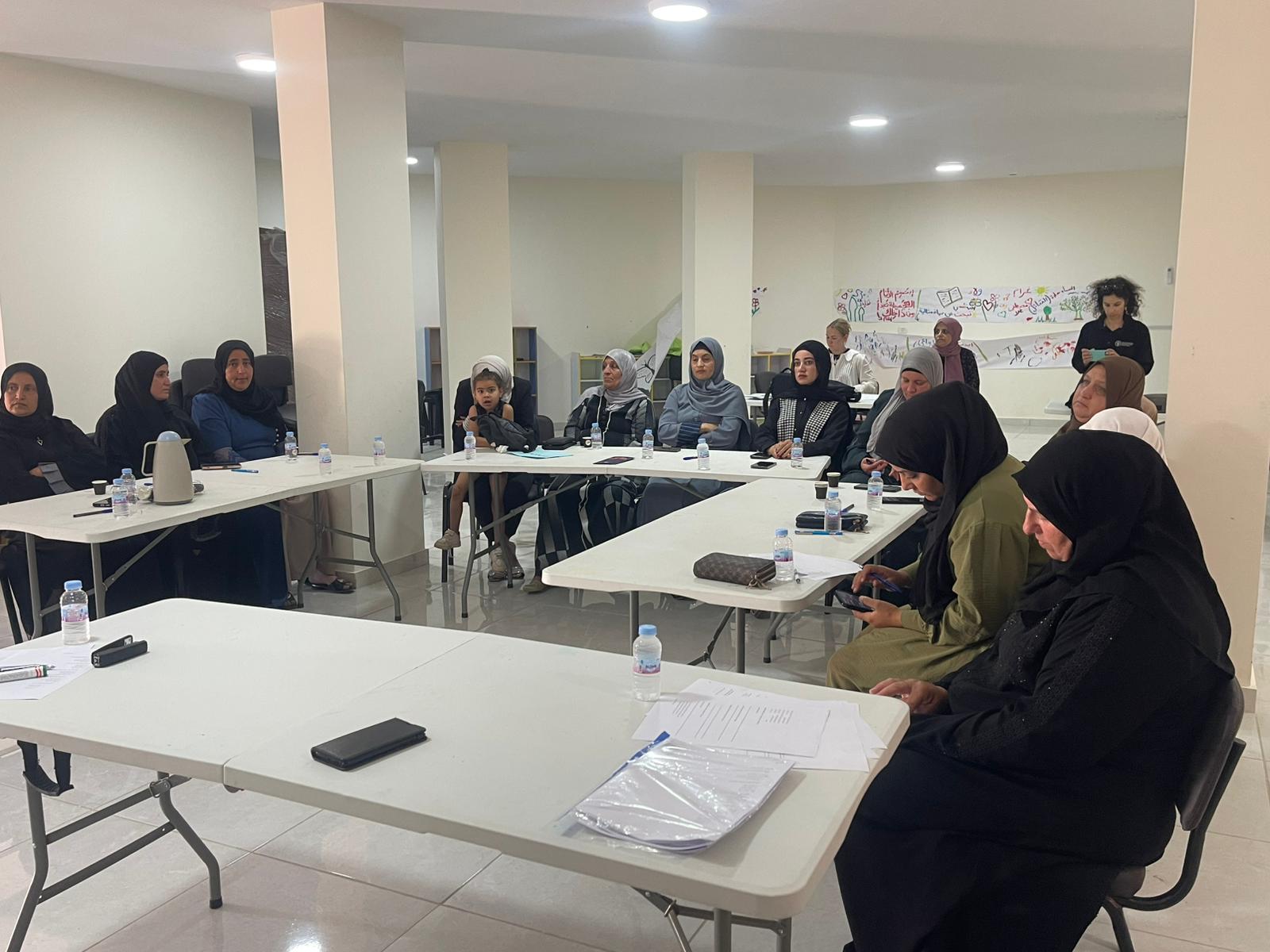
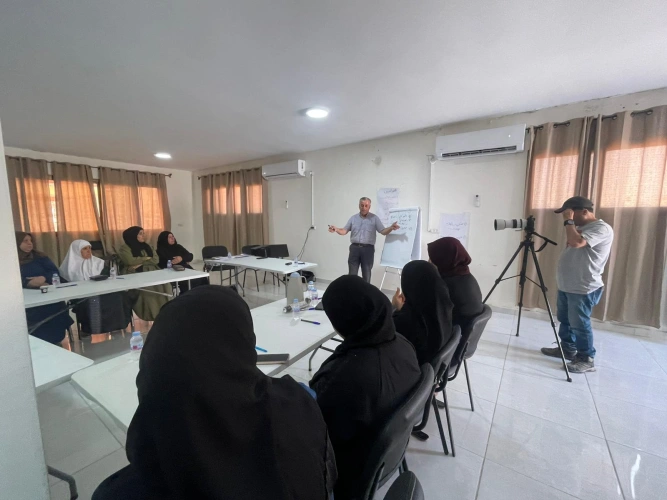
The Directorate of Agriculture in Tubas and Northern Jordan Valley Governorate, in partnership with the Food and Agriculture Organization of the United Nations (FAO), conducted specialized training for 17 women livestock farmers in the village of Al-Aqaba. This training was part of the project "Strengthening the Skills and Practices of Livestock Breeders at All Stages of the Animal Value Chain in the West Bank – Palestine," funded by the European Union.
The training covered several specialized technical topics, including sound farm management, proper handling of dairy products to ensure their quality and safety, and promoting health and safety practices within livestock farms.
This activity is part of the joint efforts between the Ministry of Agriculture and the FAO to develop the capacities of livestock breeders, empower women working in this sector, and enhance their role in the production process. This contributes to improving the quality of animal products, increasing the efficiency of the animal value chain, and strengthening food security. The Directorate of Agriculture in Tubas and the Northern Jordan Valley Governorate emphasizes the importance of these training sessions in developing the technical knowledge and skills of the participants, enabling them to implement sound agricultural practices on their farms. This, in turn, positively impacts the quality of production and increases the economic returns for families working in the livestock sector.
This training is part of a series of activities aimed at building the capacities of livestock breeders in the governorate, promoting the sustainability of livestock production, and improving the efficiency of practices throughout the livestock value chain.