Notification
حظر استيراد كافة أنواع الطيور الحية الداجنة والبرية وطيور الزينة وبيض التفقيس والصيصان عمر يوم ومخلفاتها الغير معاملة حراريا من تركيا ولحين استقرار الوضع الصحي

Jerusalem: September 13, 2026
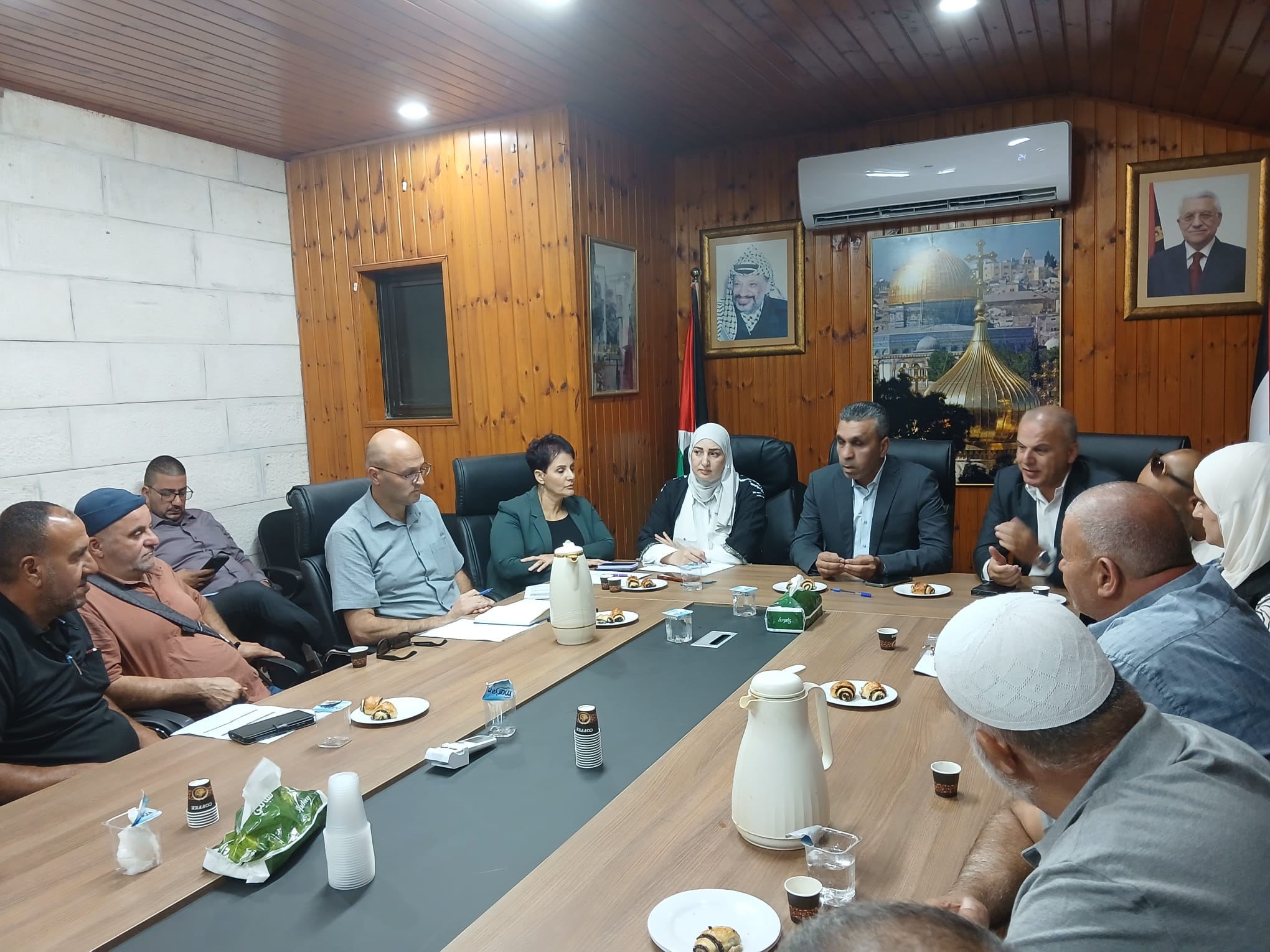
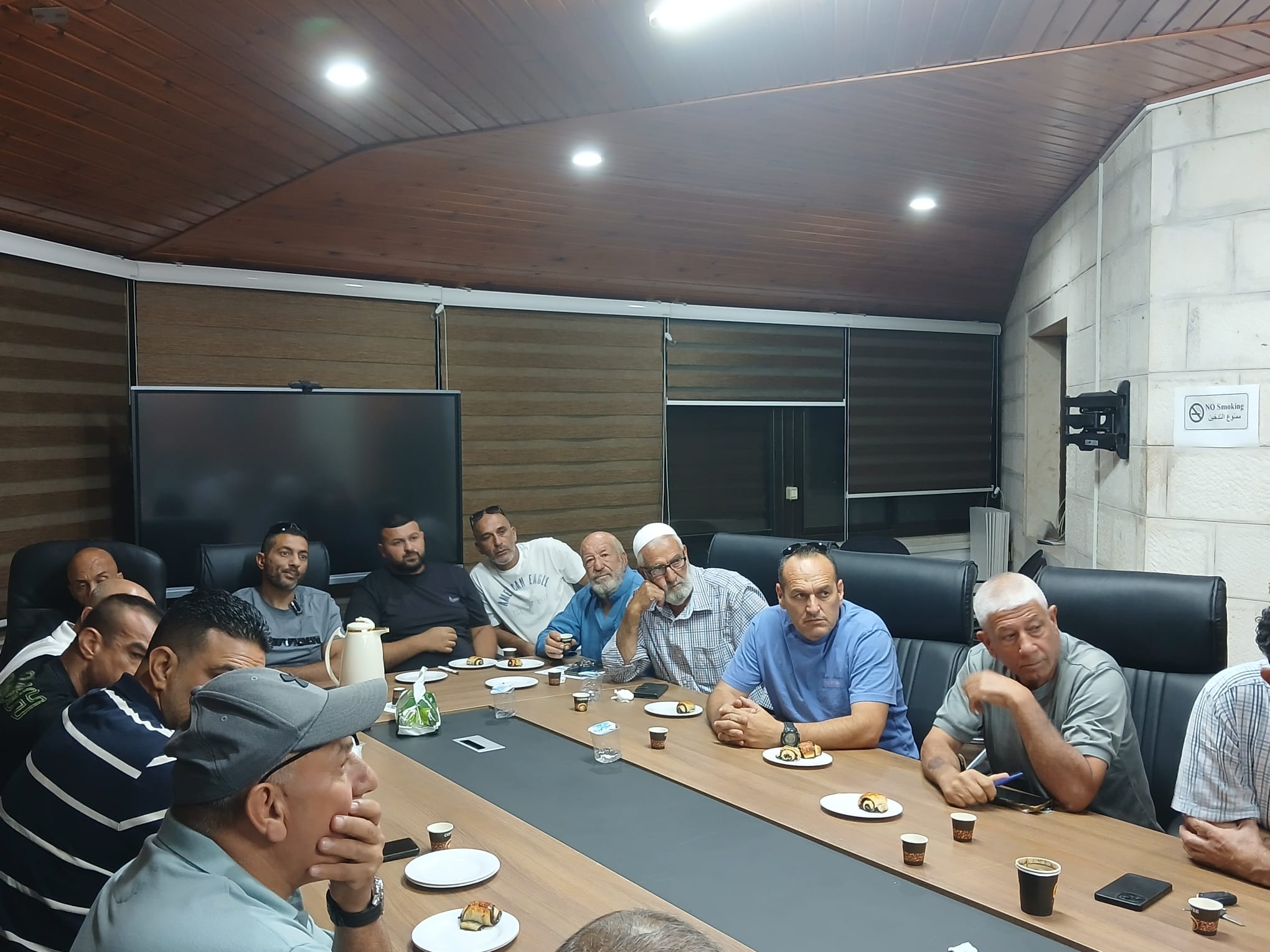
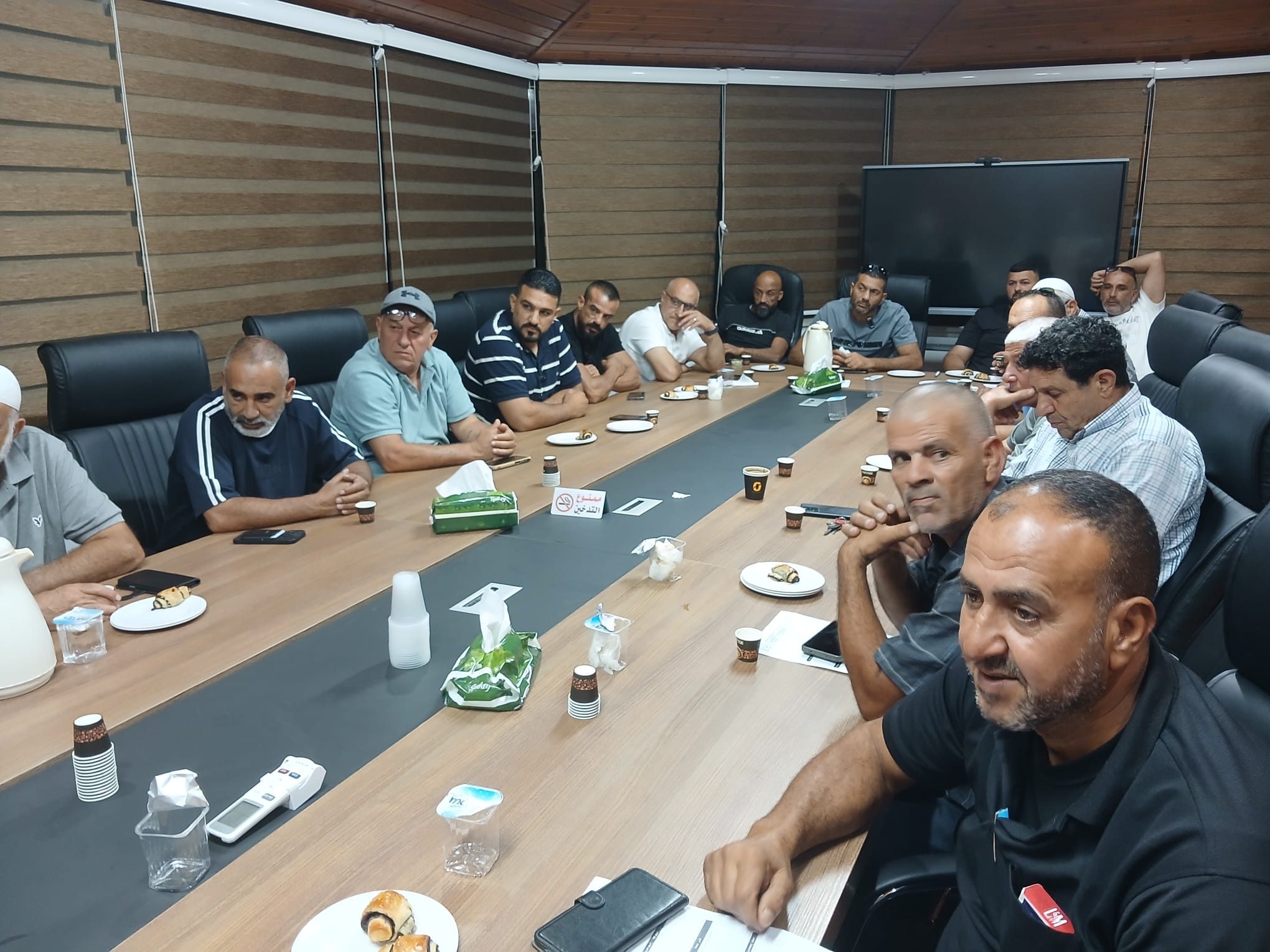
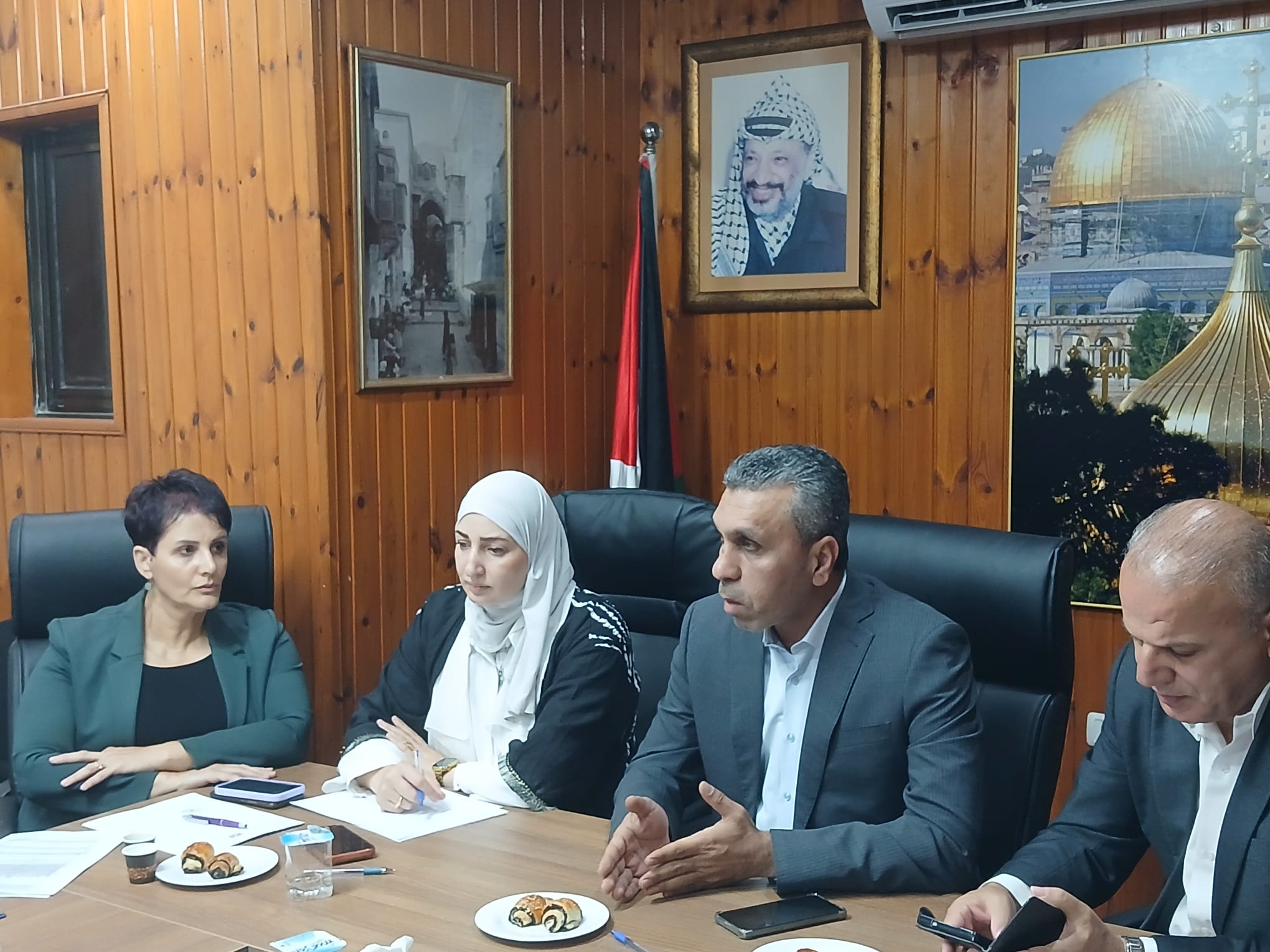
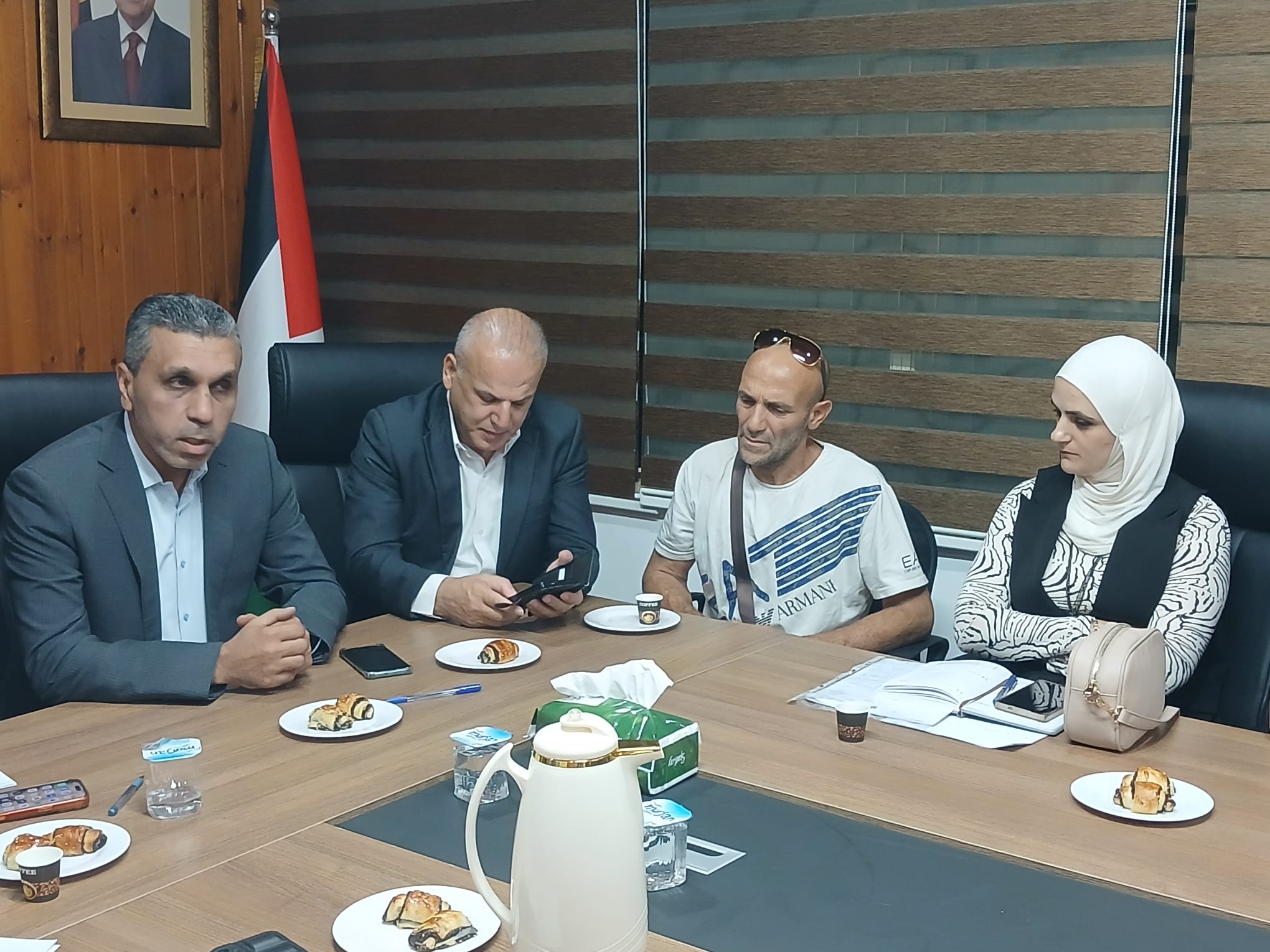
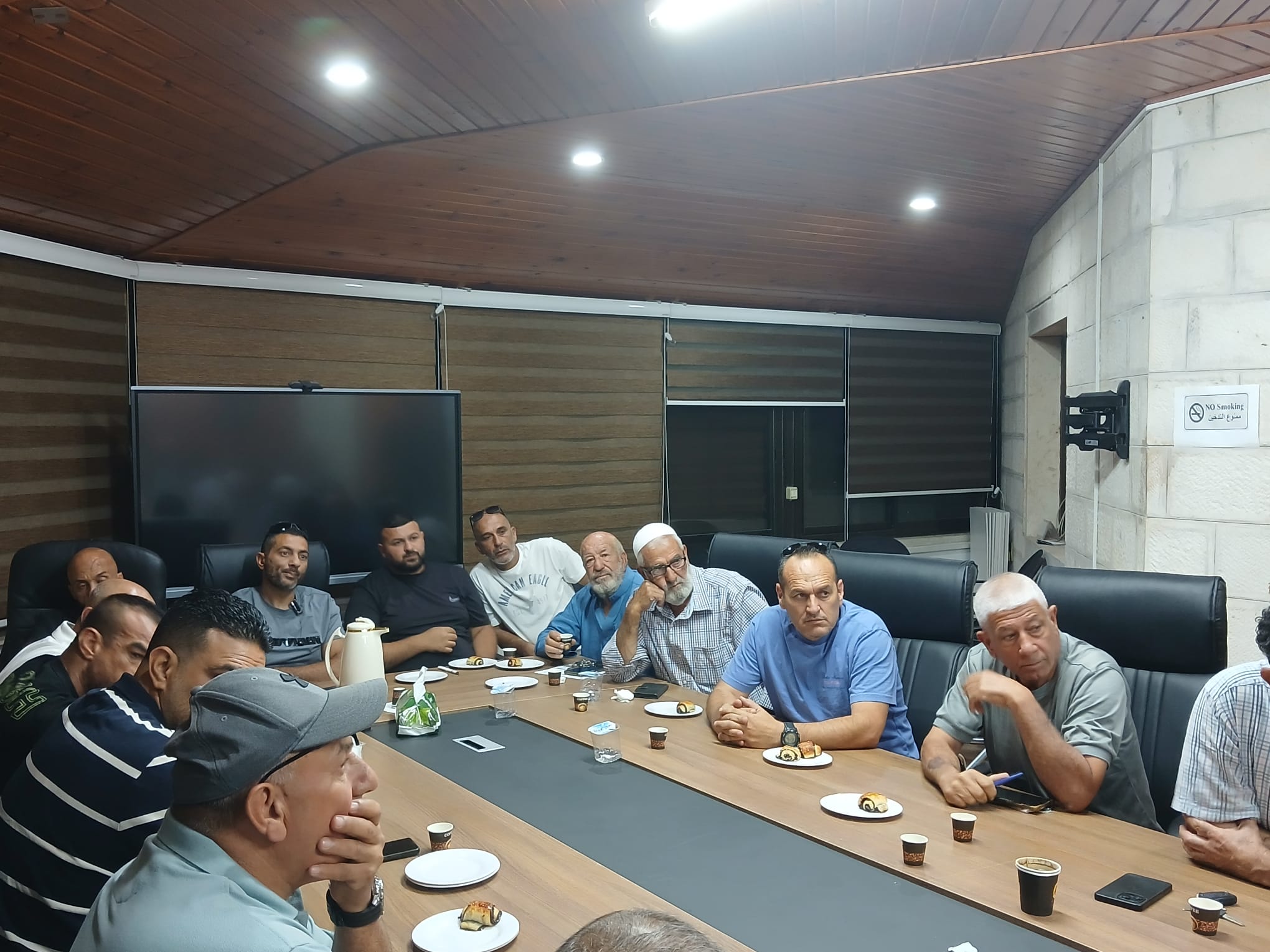
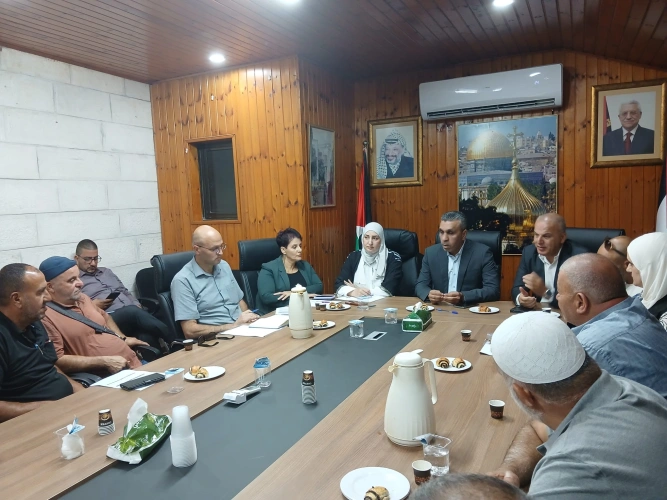
Jerusalem Agriculture Directorate held a meeting today, Sunday, with farmers selected to benefit from the second phase of the agricultural assistance program,funded by the European Union, and implemented by the Ministry of Agriculture. The meeting took place at Jerusalem Governorate headquarters under the auspices of Jerusalem Governor Adnan Ghaith and was attended by the Undersecretary of the Ministry of Jerusalem Affairs, Ahmed Alayan.
Participants included the Director General of Jerusalem Agriculture Directorate, Engineer Faiha Najm; the Head of the Old City Unit at Jerusalem Governorate, Dr. Tahani Al-Lawzi; and the Director General of Administrative and Financial Affairs, Jamal Abu Latifa, alongside project staff and the program’s legal advisor. The meeting covered grant disbursement mechanisms, required supporting documents, the administrative and legal procedures necessary to finalize applications, and the nature of the proposed agricultural projects.
The meeting aimed to follow up on the implementation procedures for the program's second phase and to familiarize farmers with the requirements and approved steps for accessing the agricultural grants, ensuring that applications are processed correctly. The Ministry affirms the importance of adhering to the established procedural sequence to expedite file completion, ensure the delivery of support to beneficiary farmers, and achieve the program's intended goals.
Jerusalem Governorate underscored the importance of continuing support programs for the agricultural sector in the governorate, highlighting their role in backing farmers and bolstering their resilience. It noted that the agricultural sector is a fundamental pillar in protecting and preserving the land, and in enabling farmers to continue cultivating their land and maintaining productivity despite the challenges they face. Ninety-four farmers from Jerusalem benefit from the second phase of the program, with a total project value of €535,000 (approximately NIS 1.88 million),through support for the development of their agricultural projects, increased production, and improved income sources, thereby strengthening their ability to sustain agricultural operations and preserve their land.