Notification
حظر استيراد كافة أنواع الطيور الحية الداجنة والبرية وطيور الزينة وبيض التفقيس والصيصان عمر يوم ومخلفاتها الغير معاملة حراريا من تركيا ولحين استقرار الوضع الصحي


Ramallah: 18/11/2026
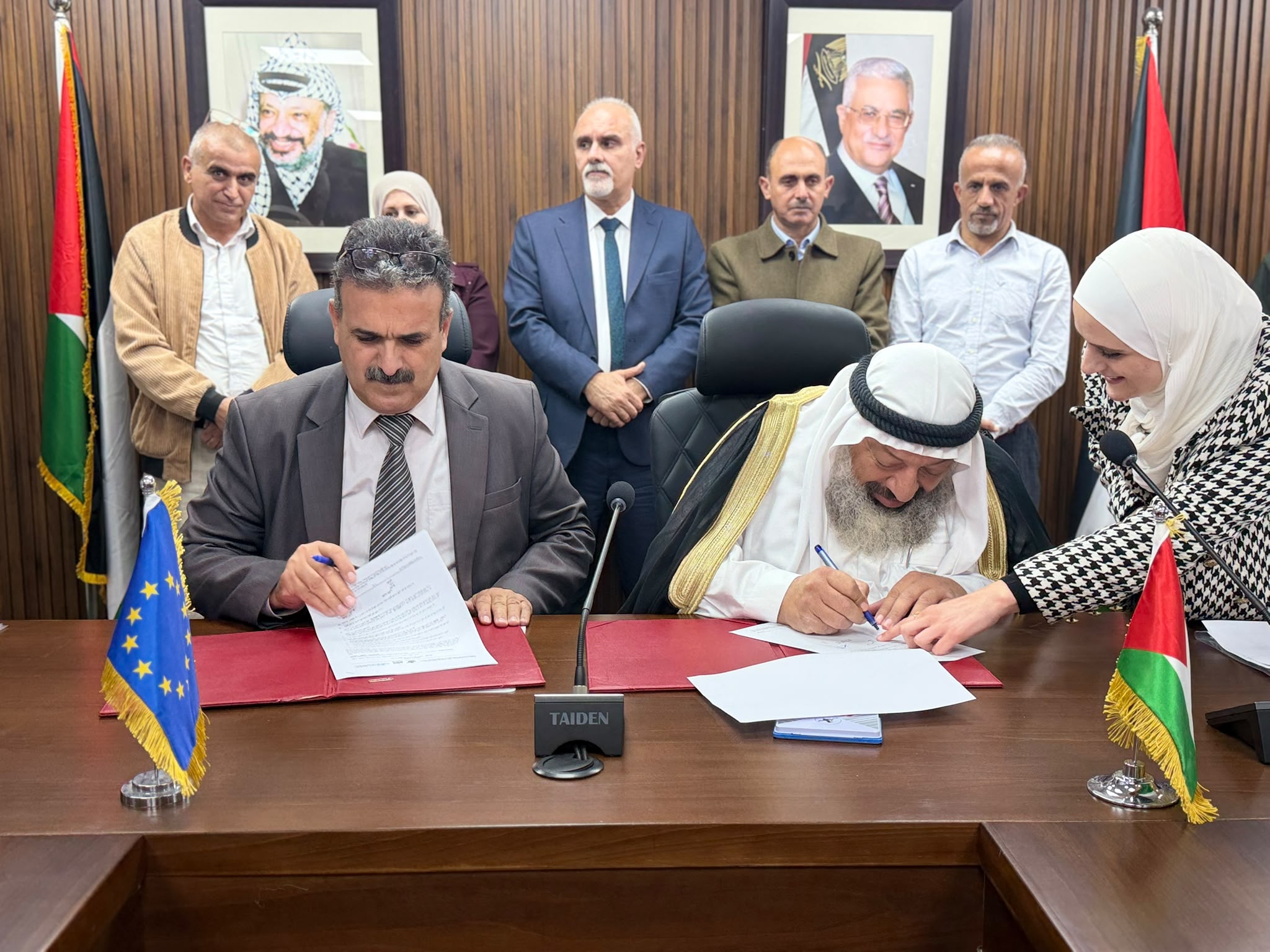
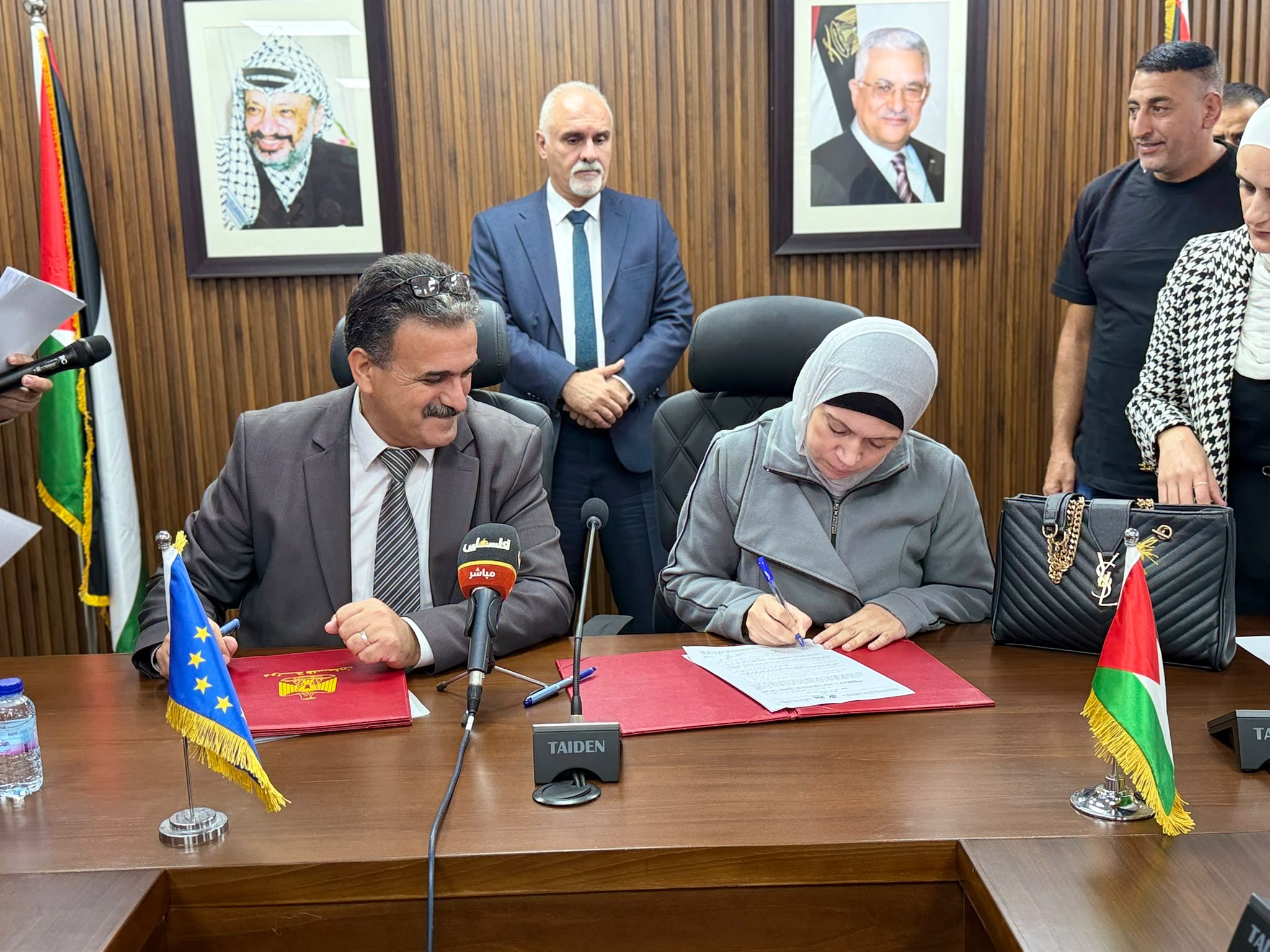
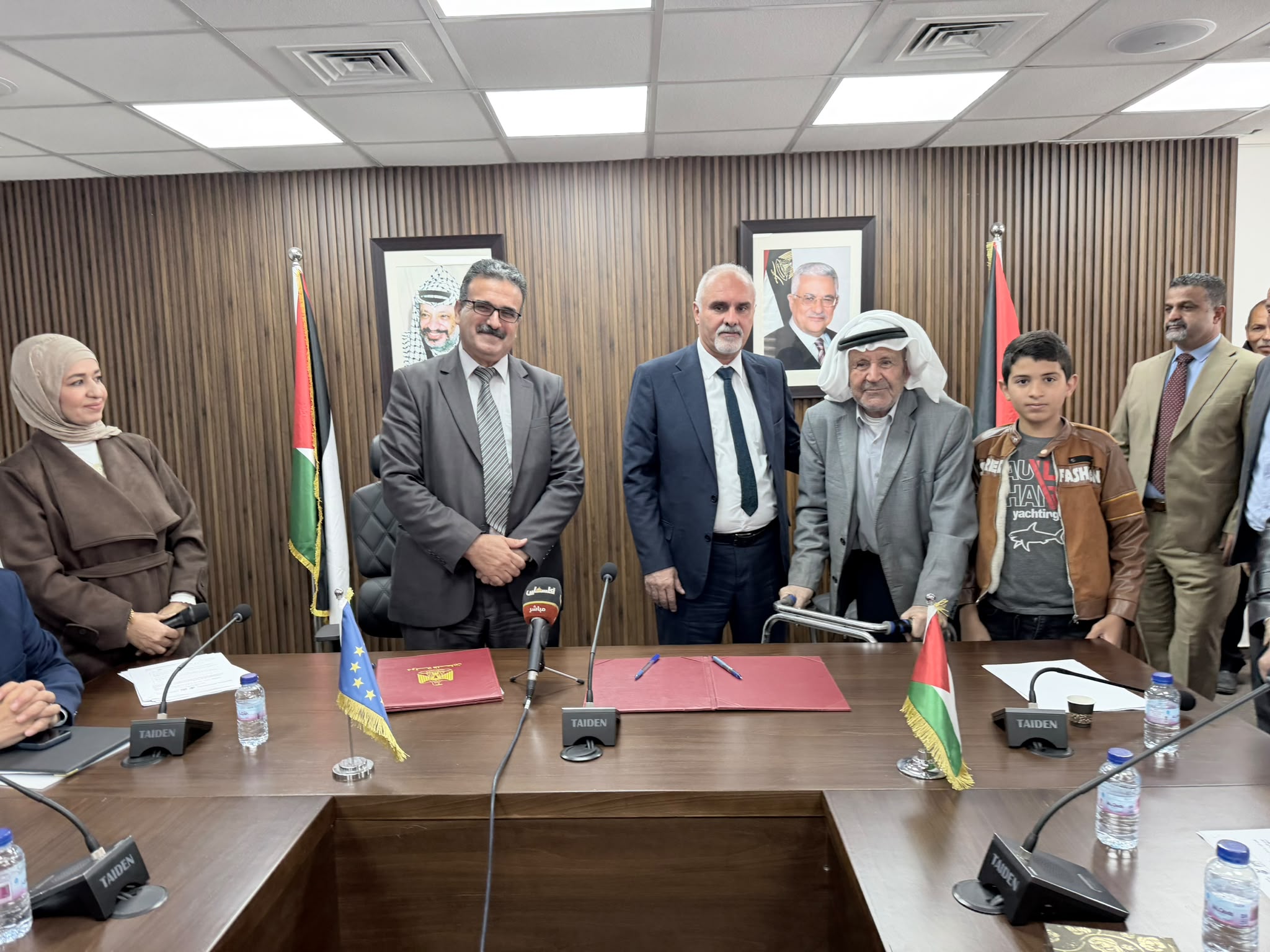
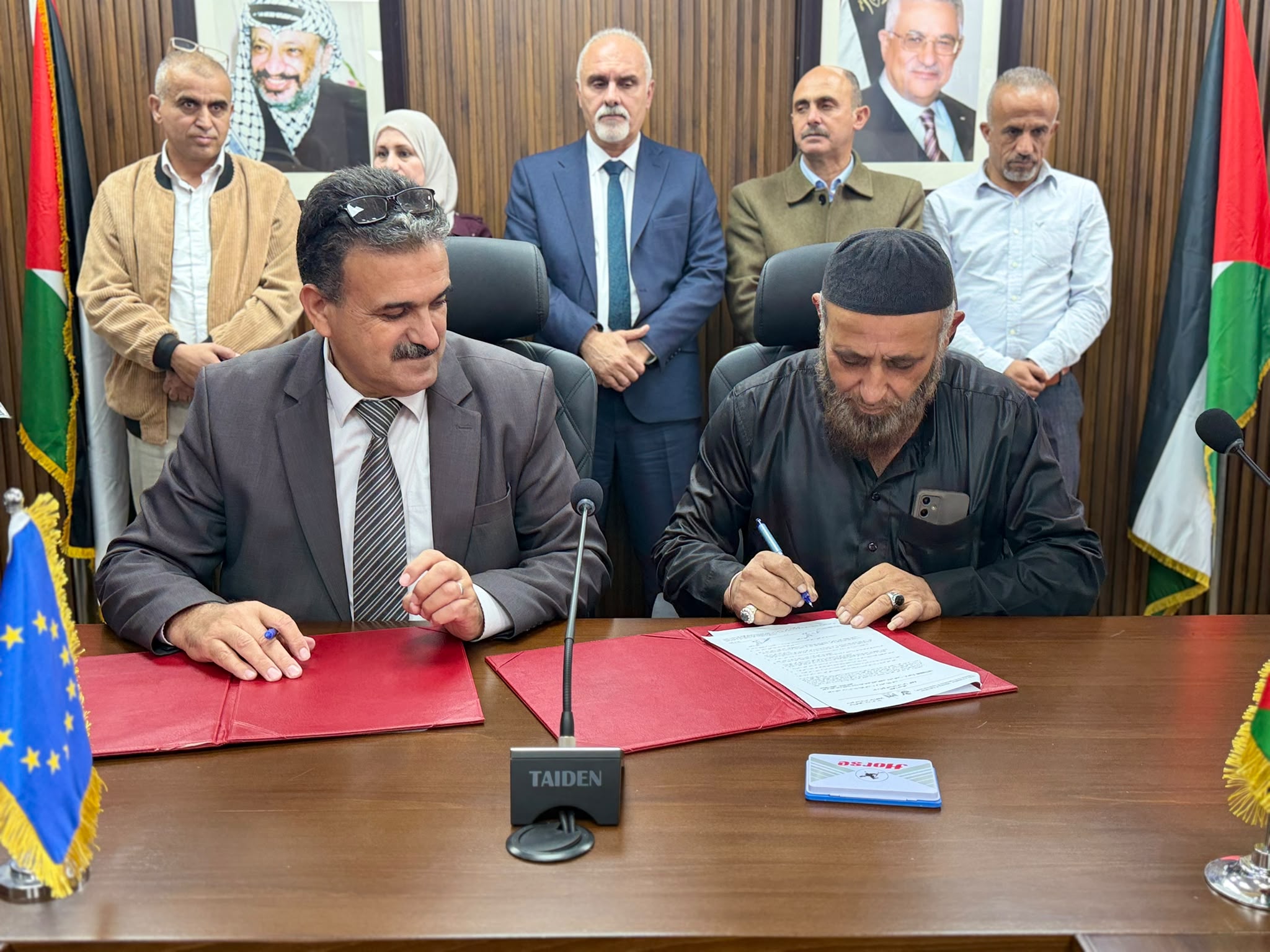
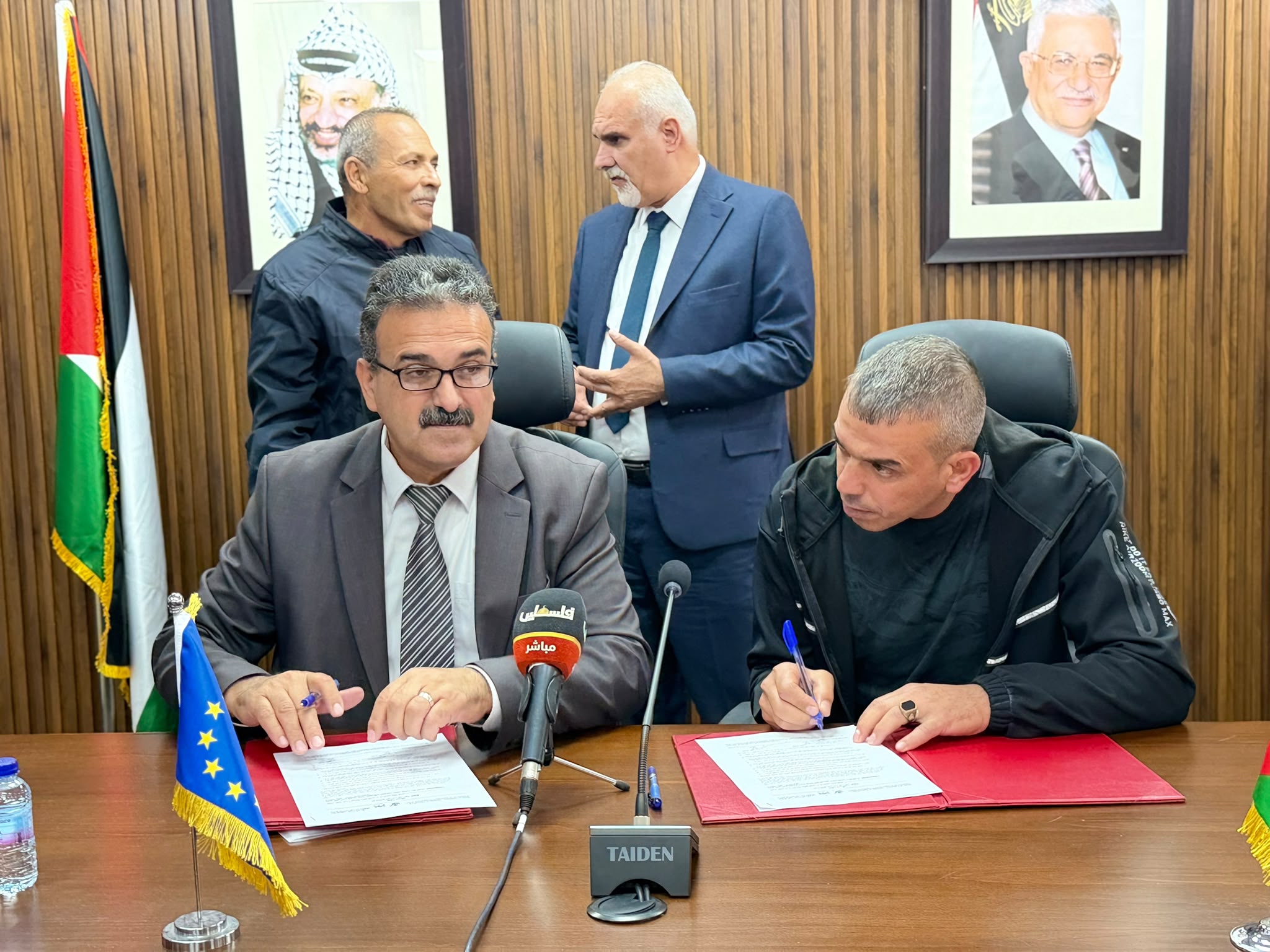
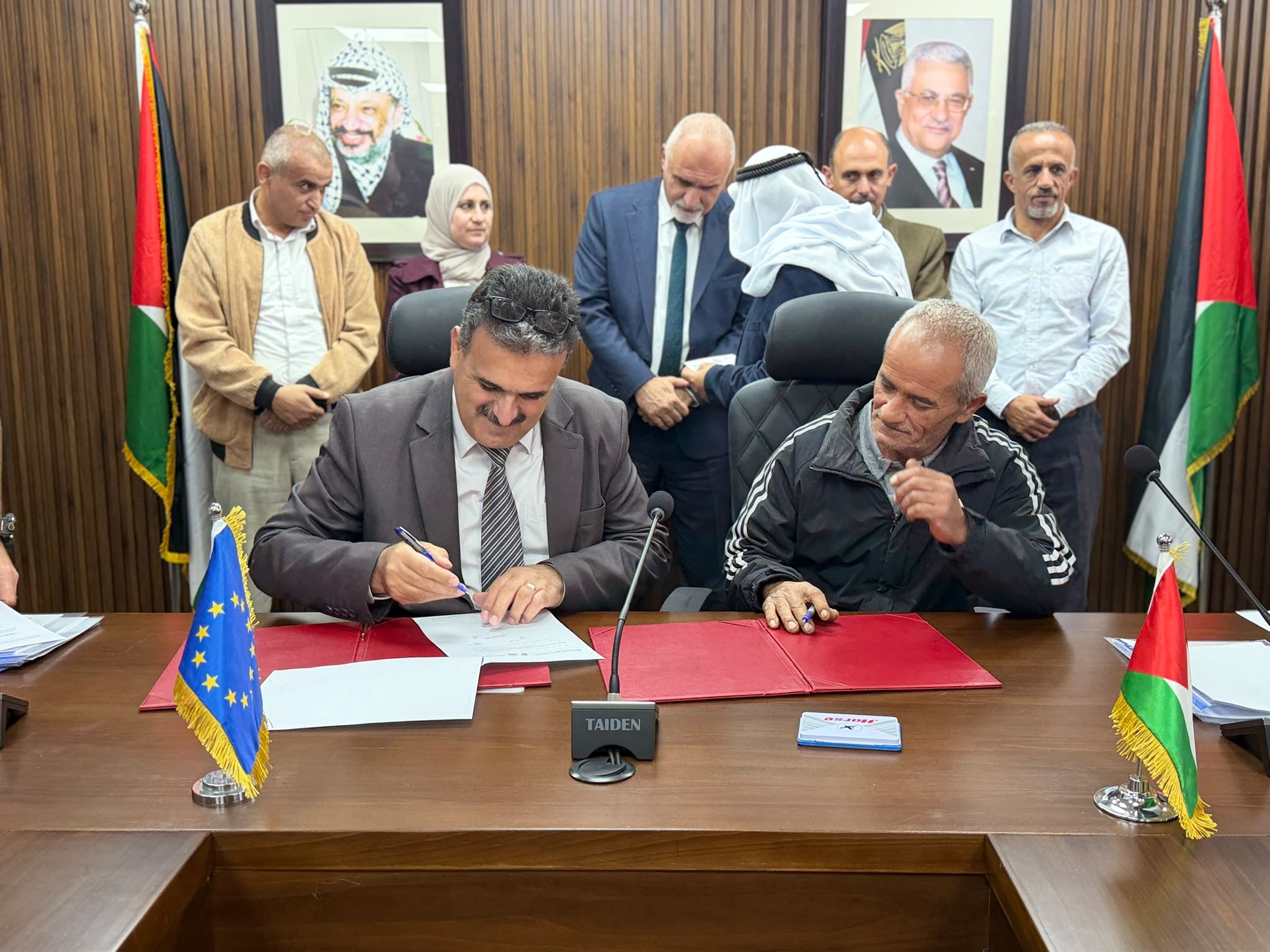
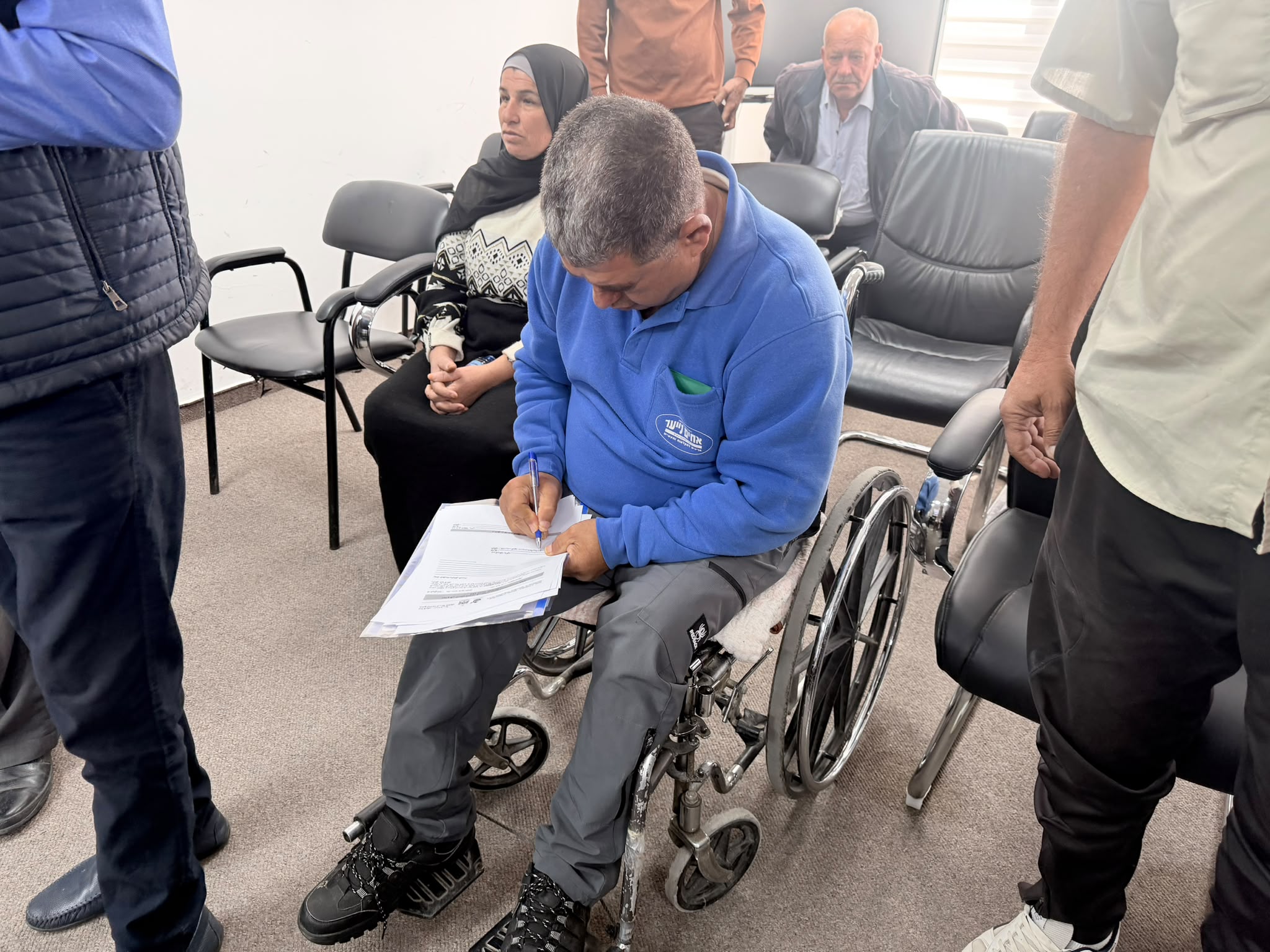
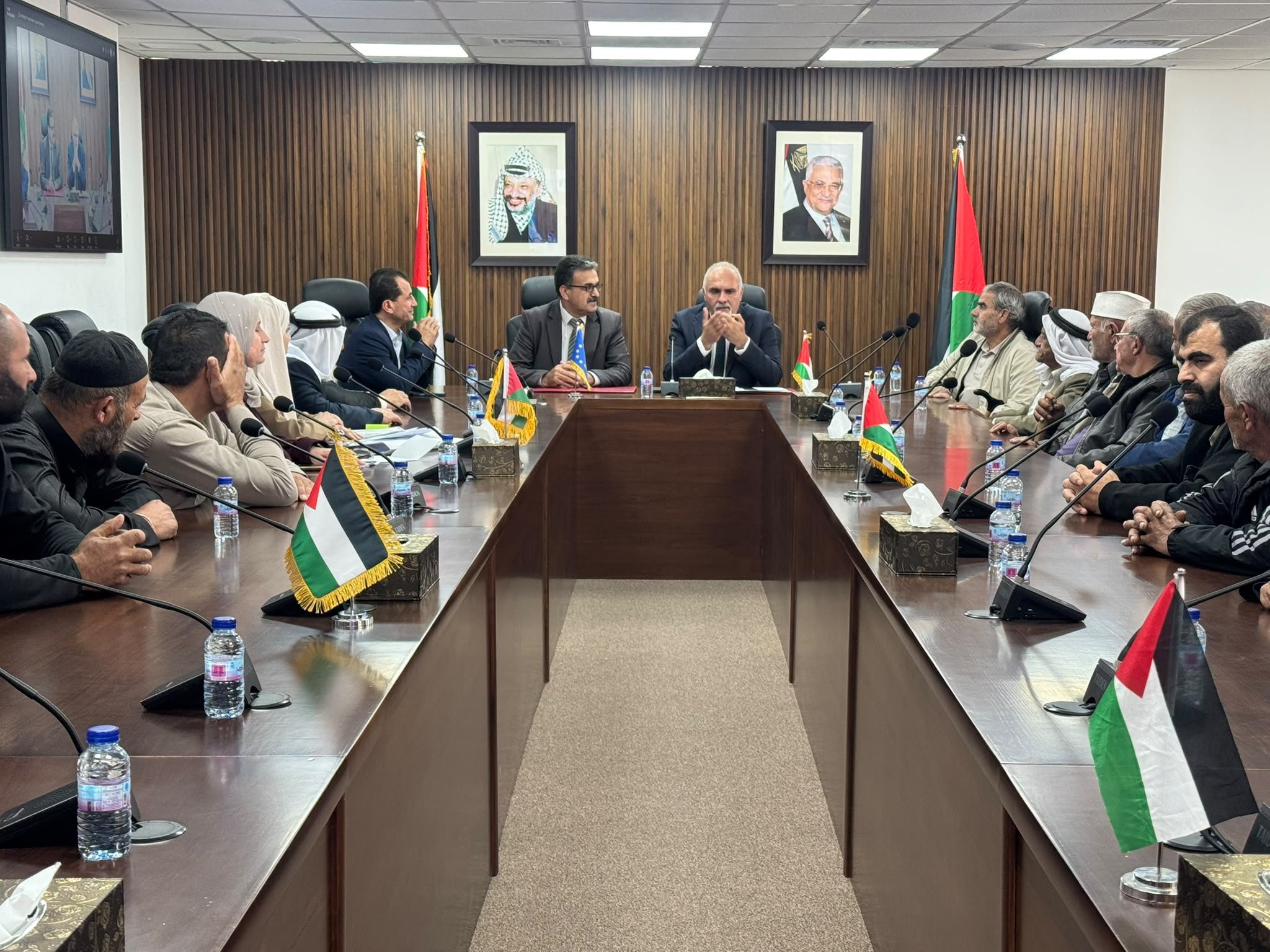
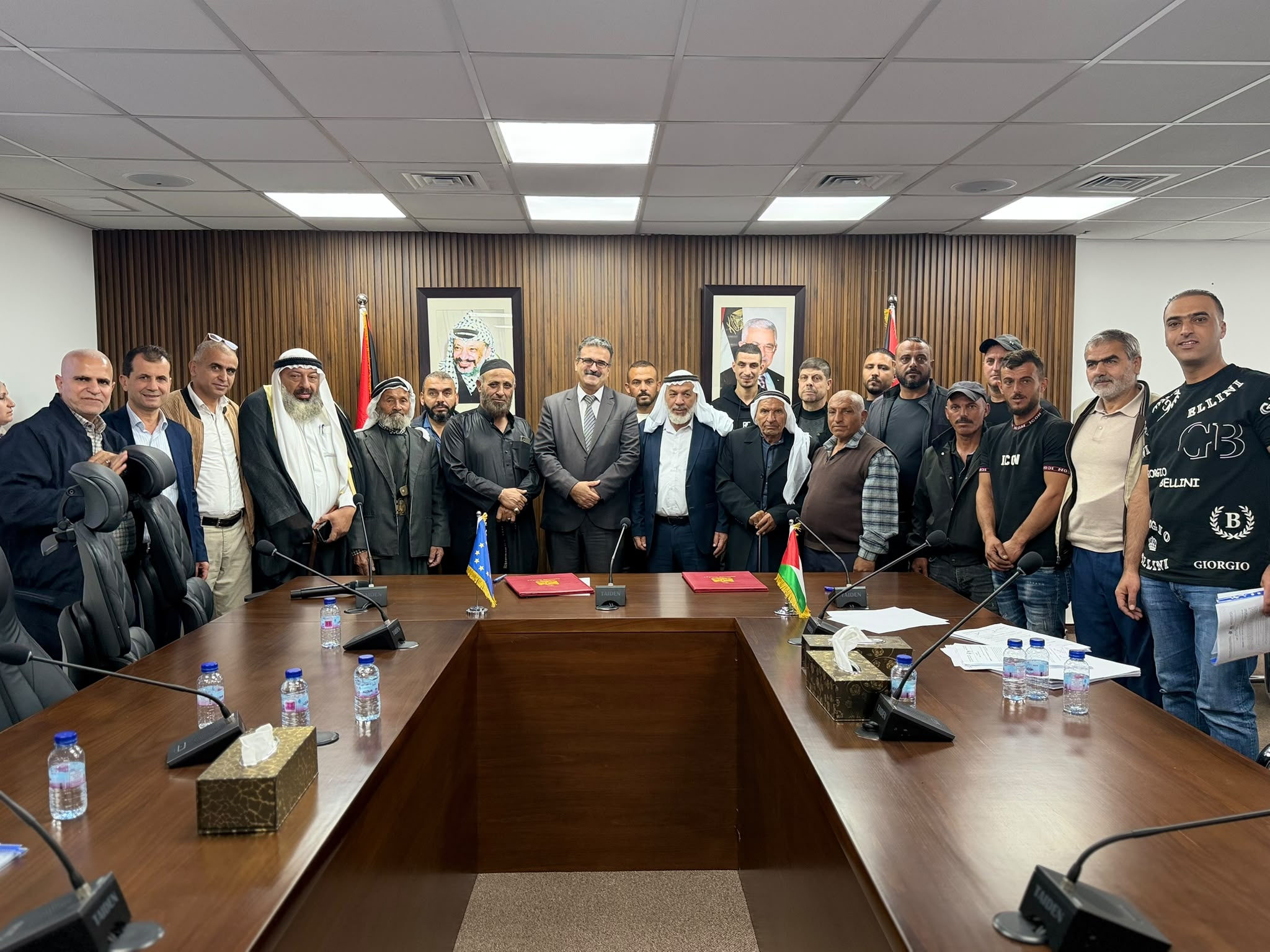
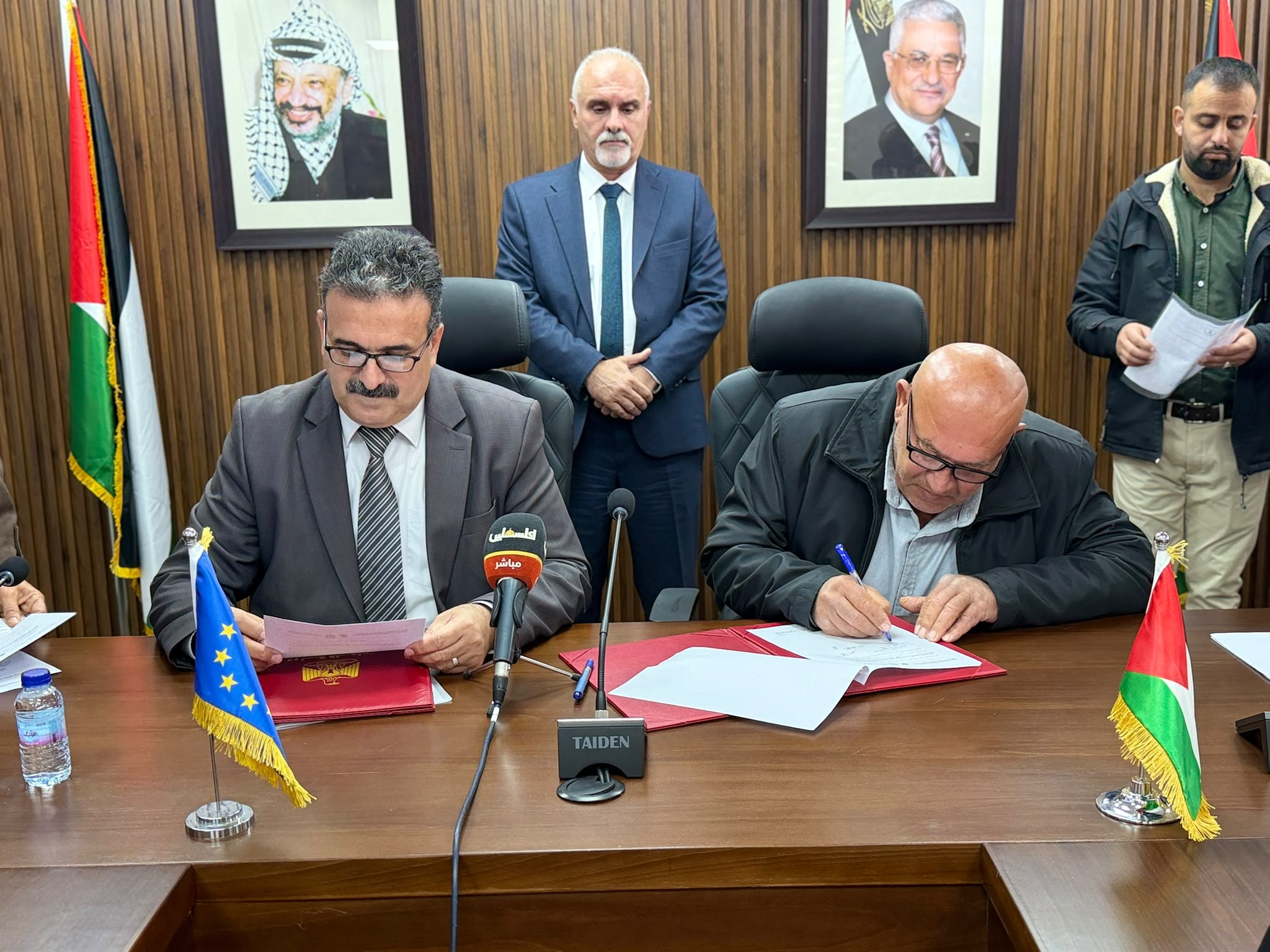
On Wednesday, the Ministry of Agriculture signed 114 support agreements for agricultural development projects. These agreements target farmers and producers across seven governorates in the West Bank, with a total value of approximately 3.871 million shekels. The initiative is part of an agricultural assistance program funded by the European Union, aligning with the Ministry’s efforts to bolster the resilience of farmers, enhance their productive capacities, and improve food security.
The agreements were distributed across two separate sessions; The first group included 80 beneficiaries from the governorates of Tubas, Nablus, Qalqilya, Jenin, and Tulkarm, with a total value of approximately 2.9 million shekels. This was distributed as follows: 31 beneficiaries in Tubas (561,000 shekels), 17 in Nablus (845,000 shekels), 14 in Qalqilya (993,000 shekels), 11 in Jenin (291,000 shekels), and 7 in Tulkarm (211,000 shekels). Qalqilya Governorate accounted for the highest total value of development plans in this session.
The second session included 34 beneficiaries from the governorates of Hebron and Bethlehem, with a total value of 970,535 shekels—comprising 30 beneficiaries in Hebron (627,499 shekels) and 4 in Bethlehem (343,036 shekels).
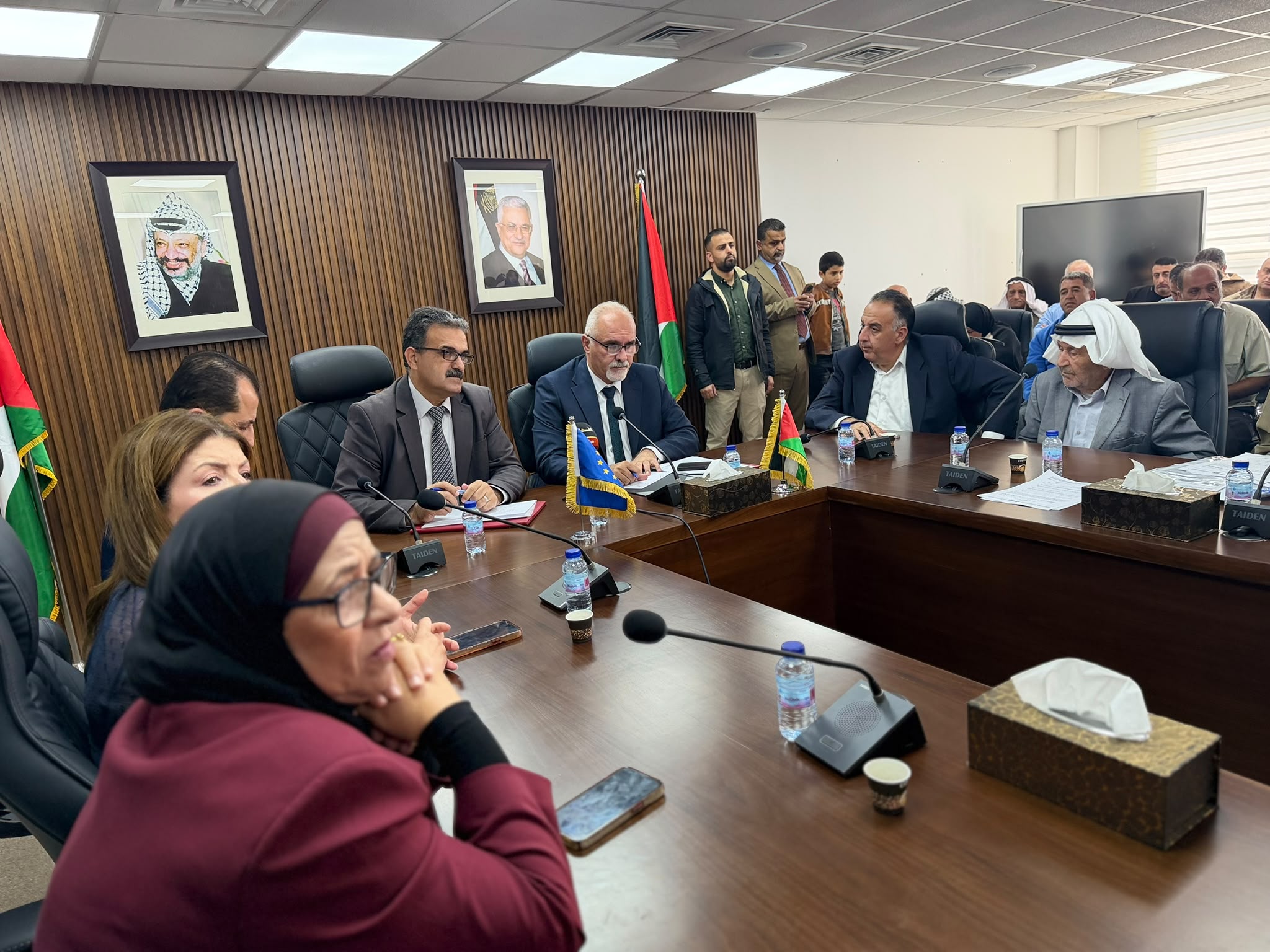
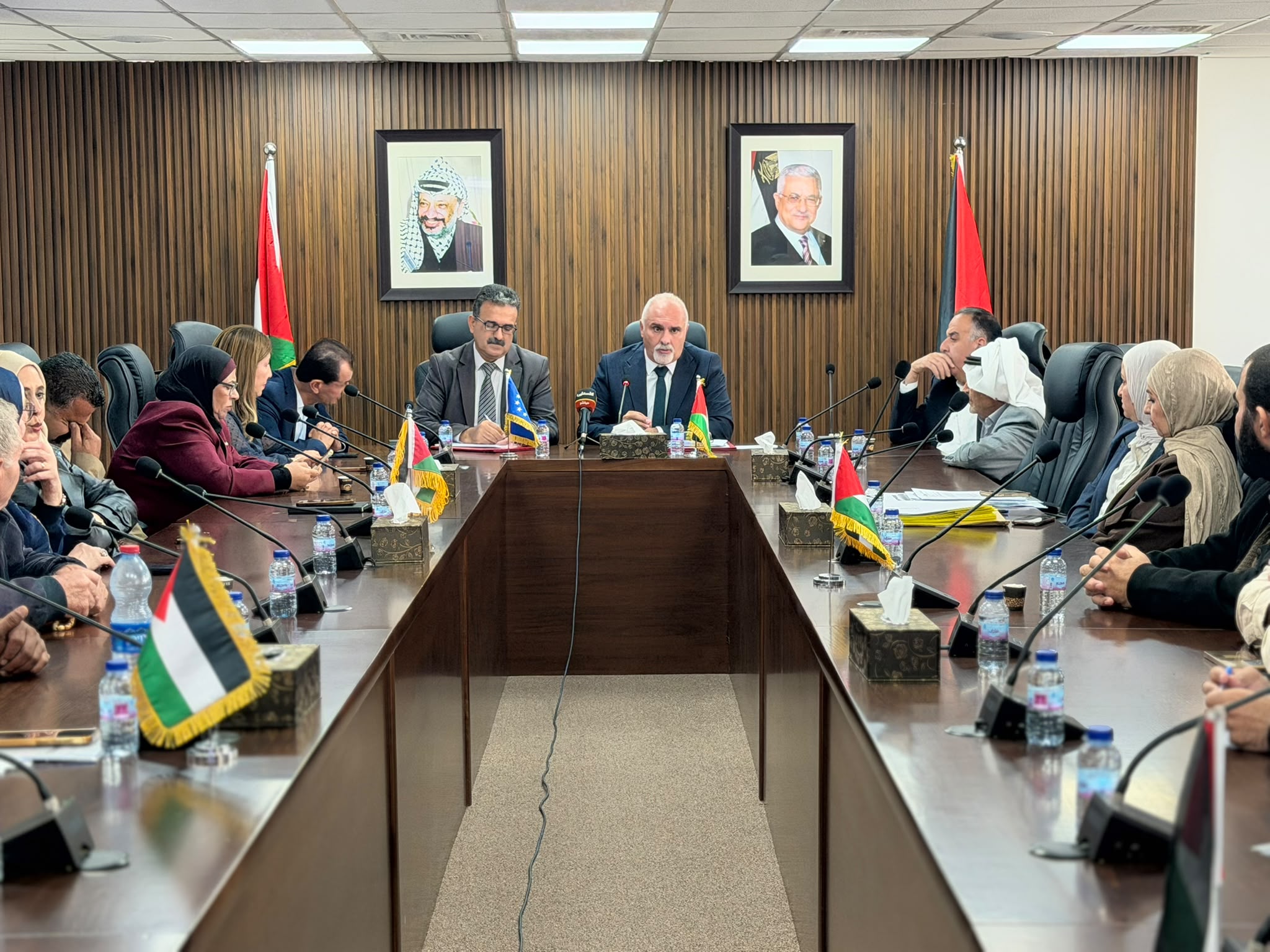
The development plans focused on upgrading sheep and goat farms, improving livestock-rearing efficiency, and increasing the production of milk and meat. These efforts aim to enhance the productive capacities of the beneficiaries, improve their incomes, ensure the sustainability of their agricultural and livestock projects, and create job opportunities within rural communities. At the beginning of the meeting, Minister of Agriculture Professor Rizq Slaimiya welcomed the farmers and beneficiaries. He emphasized that the agricultural assistance program has become a sustainable and ongoing initiative, following several phases implemented over the recent period—phases that have helped build and strengthen mutual trust between the Ministry of Agriculture and the European Union. He noted that 63 million shekels have been allocated for the program’s new phase for the coming year, building upon the successes achieved through the implementation of numerous agricultural projects over the past two years.
Slaimiya explained that these projects have assisted farmers affected by the Israeli occupation’s assaults in restarting their operations and restoring their productive activities, thereby revitalizing production and enhancing food security. He pointed out that this round of projects focuses specifically on developing the livestock sector, helping sheep and goat herders improve their production capacities and recover their sources of income, while also creating new job opportunities—a critical need in Palestine today.
He further highlighted that the Ministry is working to expand its field services and reach farmers directly in their locations, having opened over 45 agricultural departments and offices in the last two years to facilitate access to services in rural and agricultural areas. He stressed the importance of beneficiaries remaining committed to executing their development plans and ensuring the success of their projects; doing so, he noted, reinforces the confidence of donors and paves the way for continued support to the agricultural sector. Slaimiya added that the Ministry of Agriculture is a field-oriented institution, present to assist and serve the public. He described the agricultural sector as a sector of hope and resilience, calling for greater unity, solidarity, and a positive spirit in confronting the challenges and assaults faced by the Palestinian people. He emphasized that the current situation requires a concerted effort to safeguard the land and sustain agricultural production.
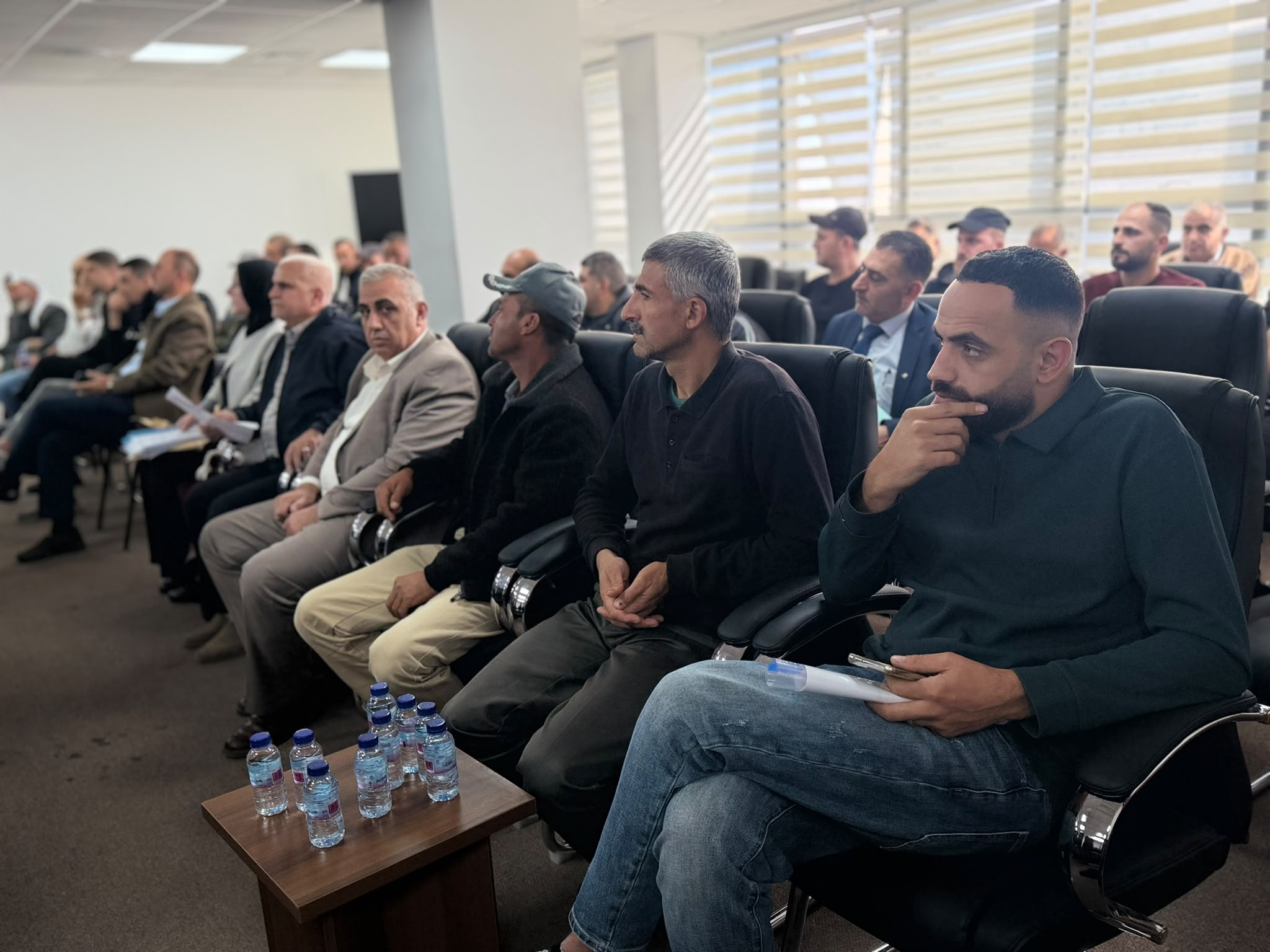
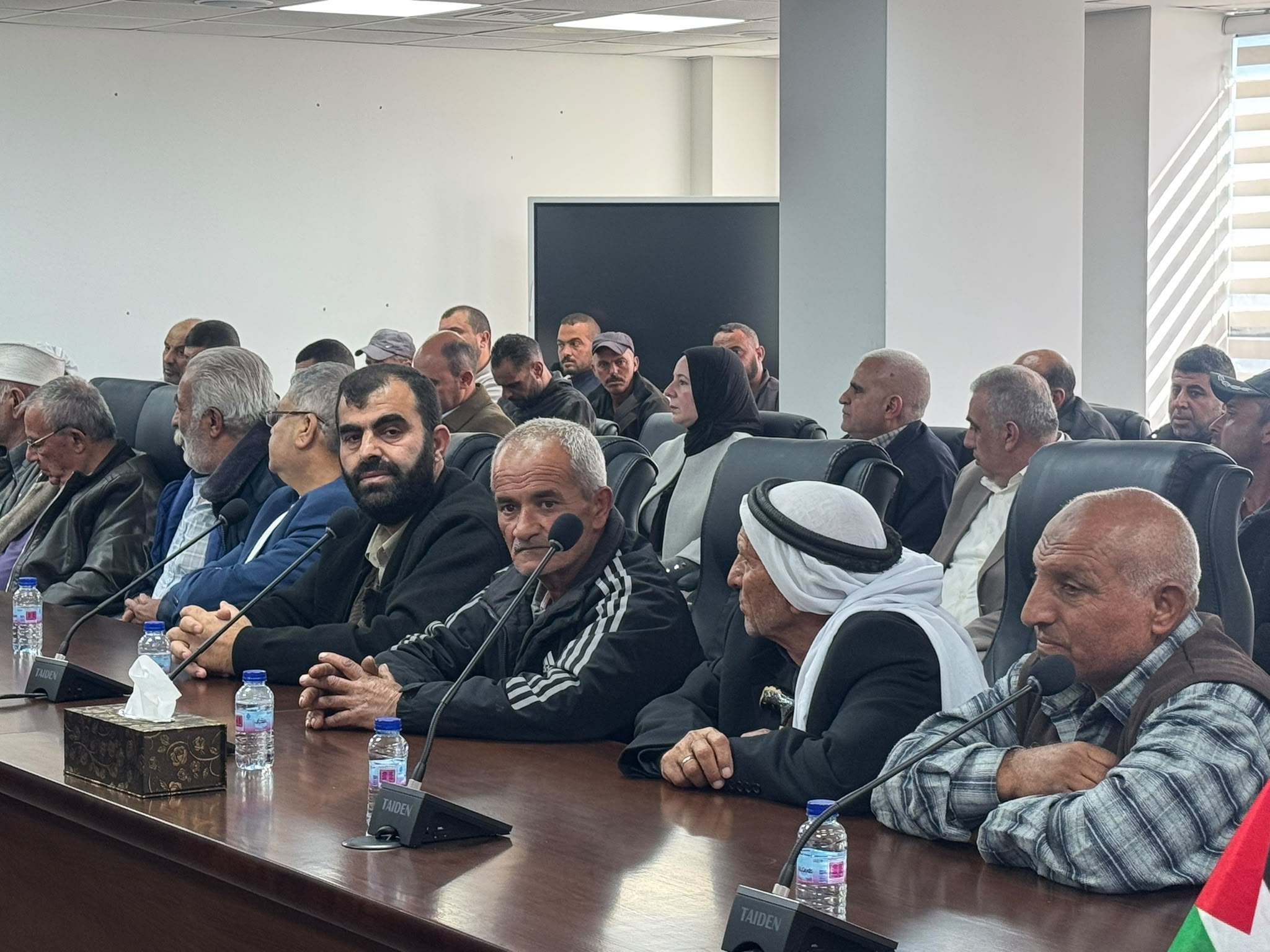
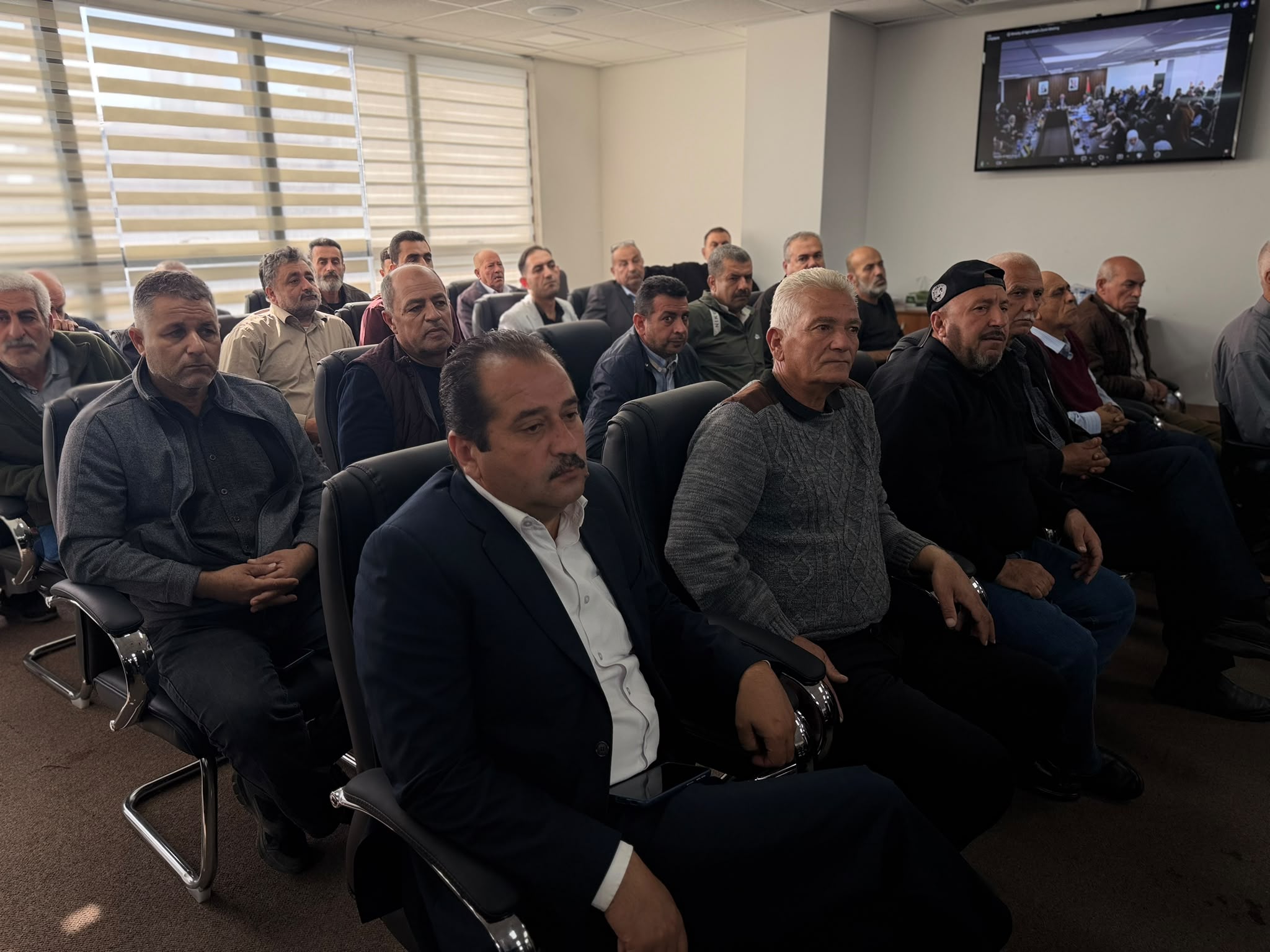
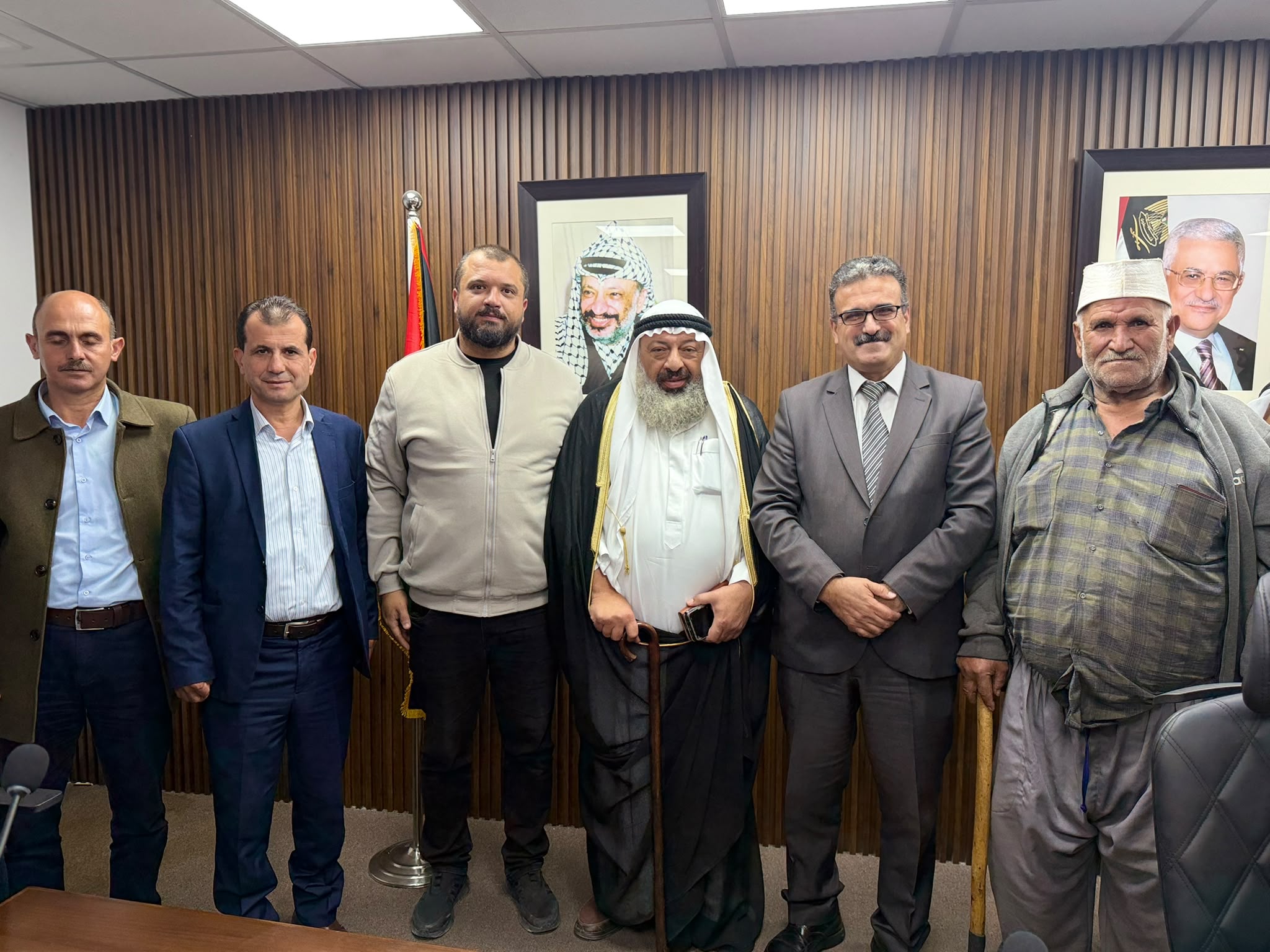
The meeting and the signing of the agreements were attended by Deputy Minister Eng. Badr Al-Hawamdeh, along with assistant deputy ministers, directors-general, heads of regional directorates, the staff of the agricultural assistance program, and various other ministry personnel.