Notification
حظر استيراد كافة أنواع الطيور الحية الداجنة والبرية وطيور الزينة وبيض التفقيس والصيصان عمر يوم ومخلفاتها الغير معاملة حراريا من تركيا ولحين استقرار الوضع الصحي

Tubas – April 22, 2026
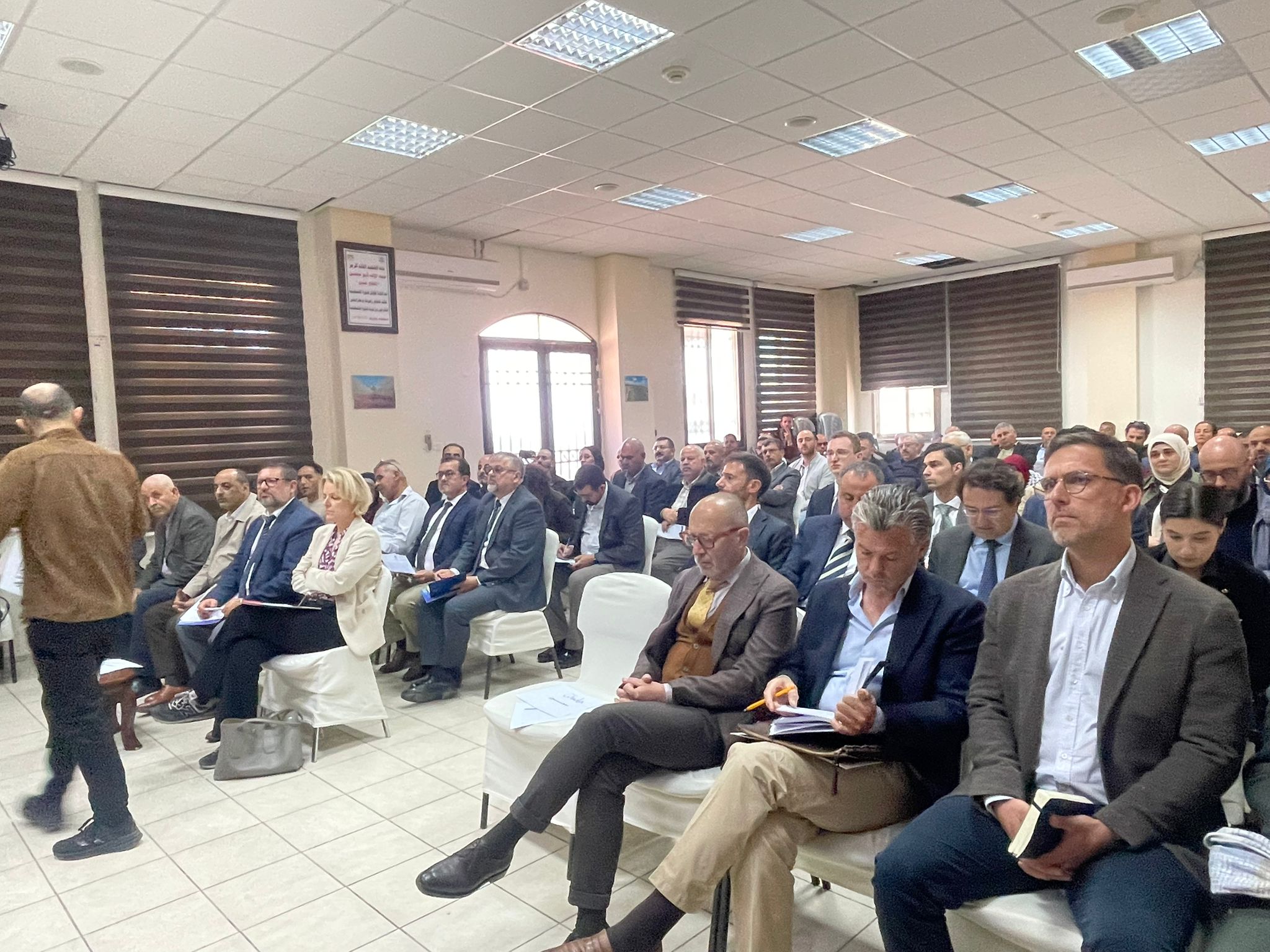
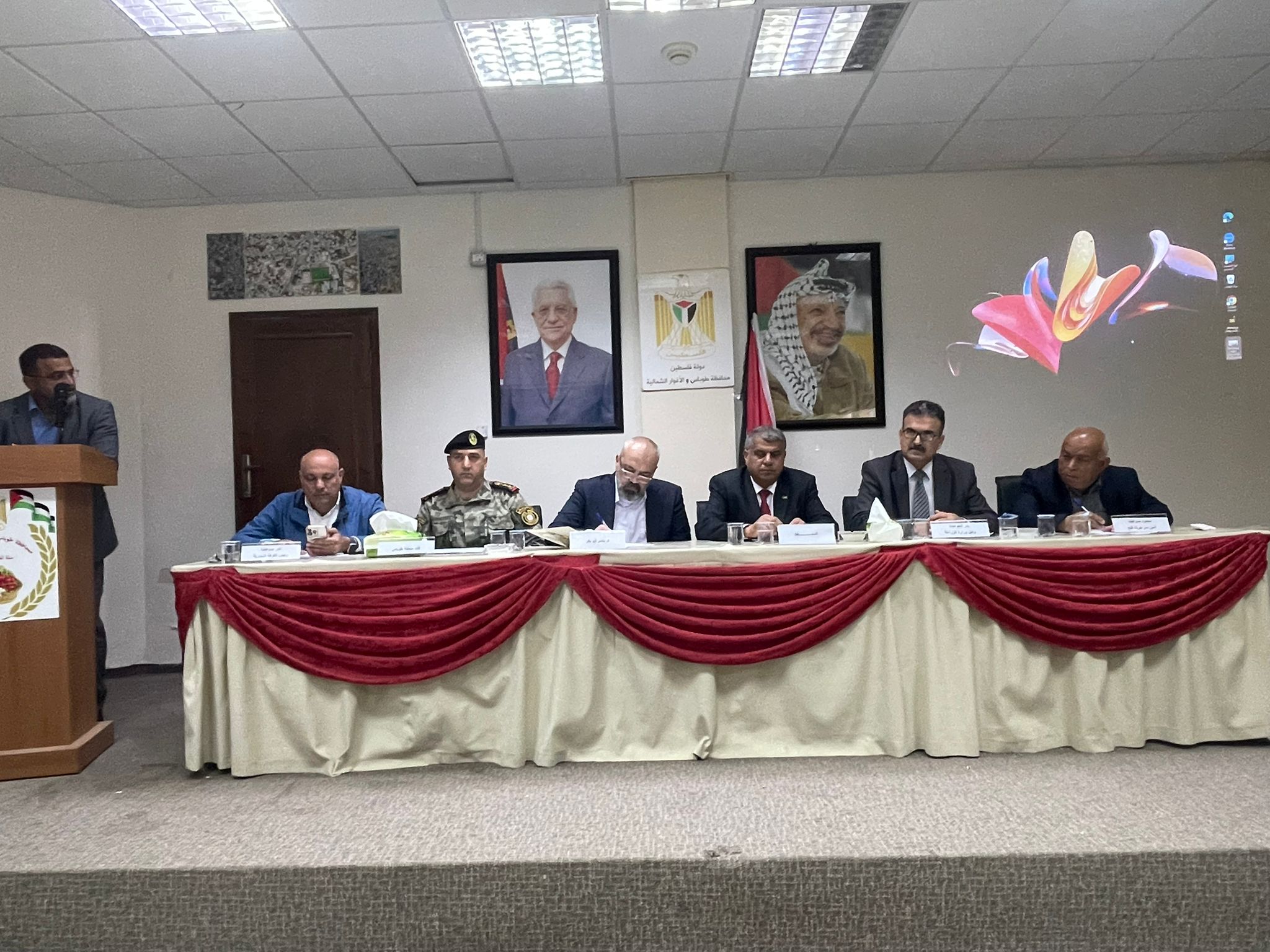
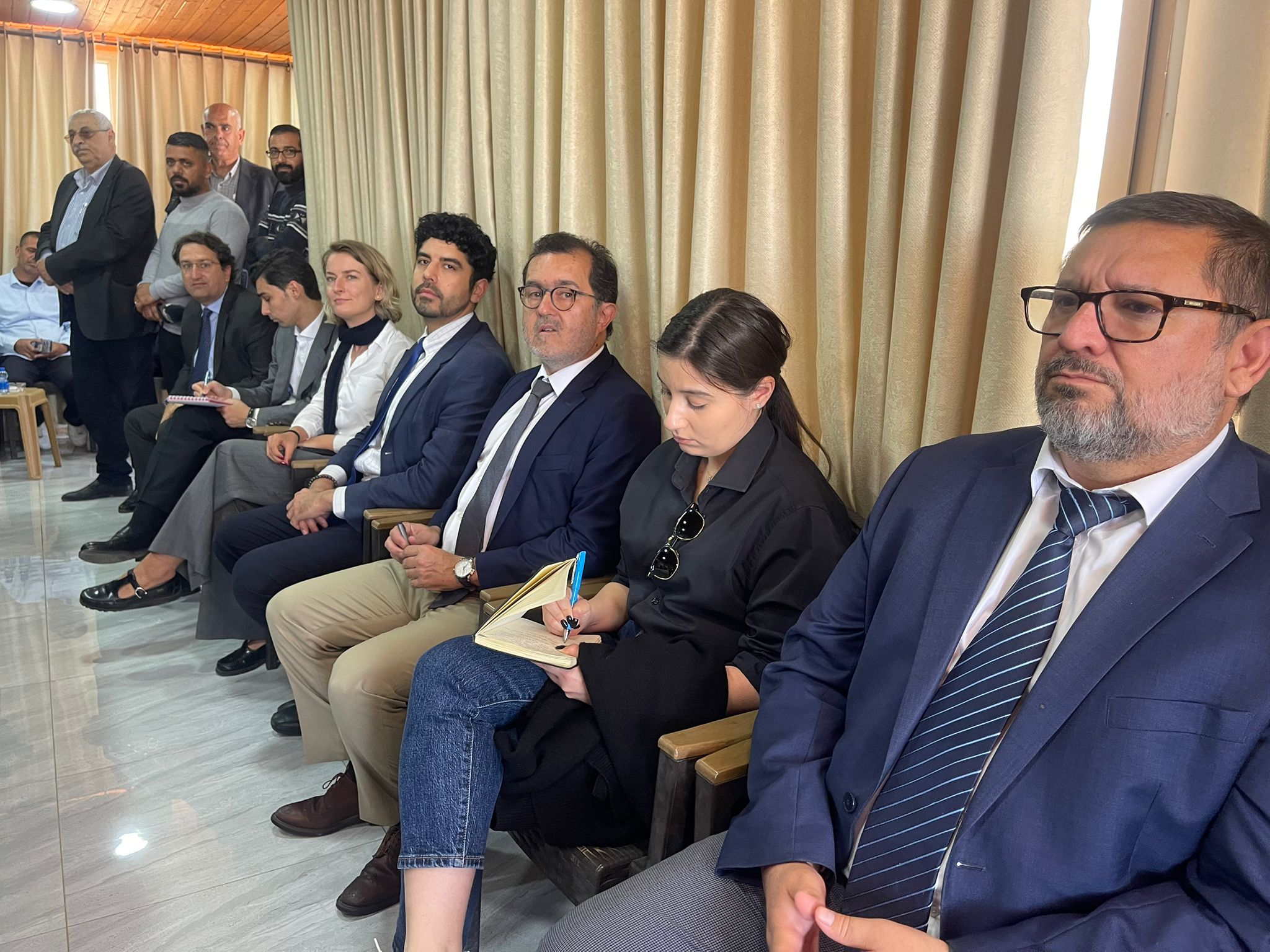
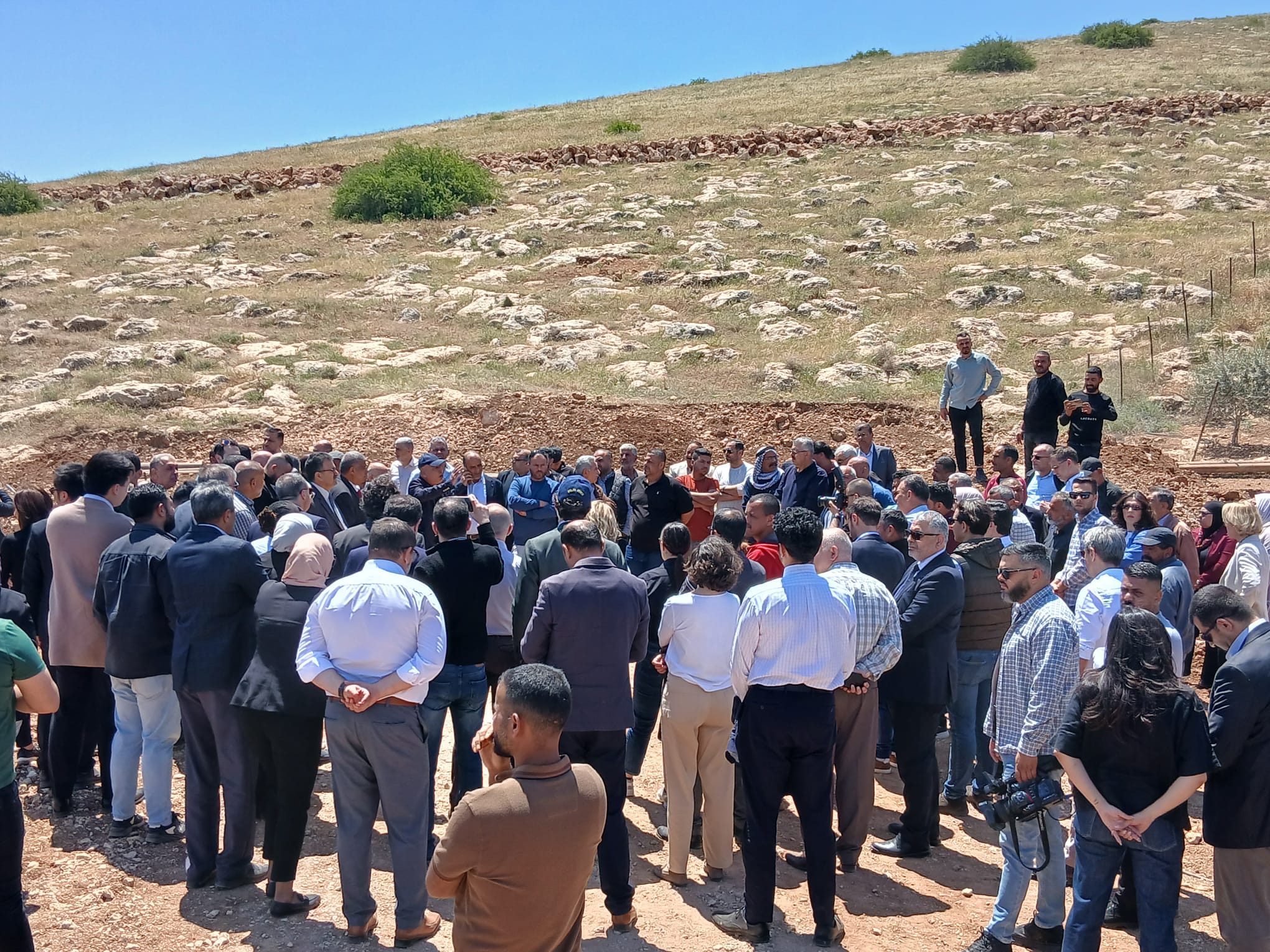
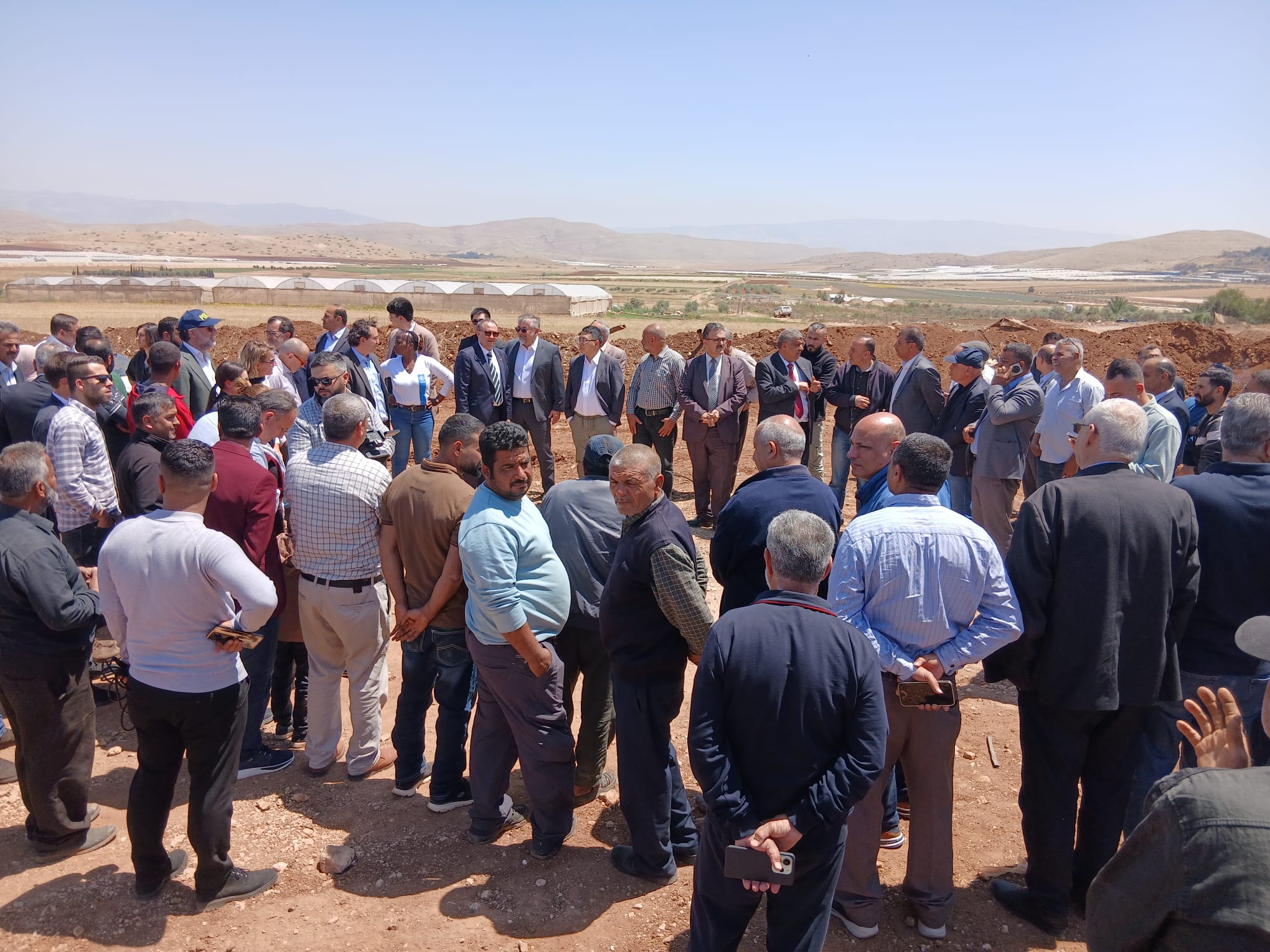
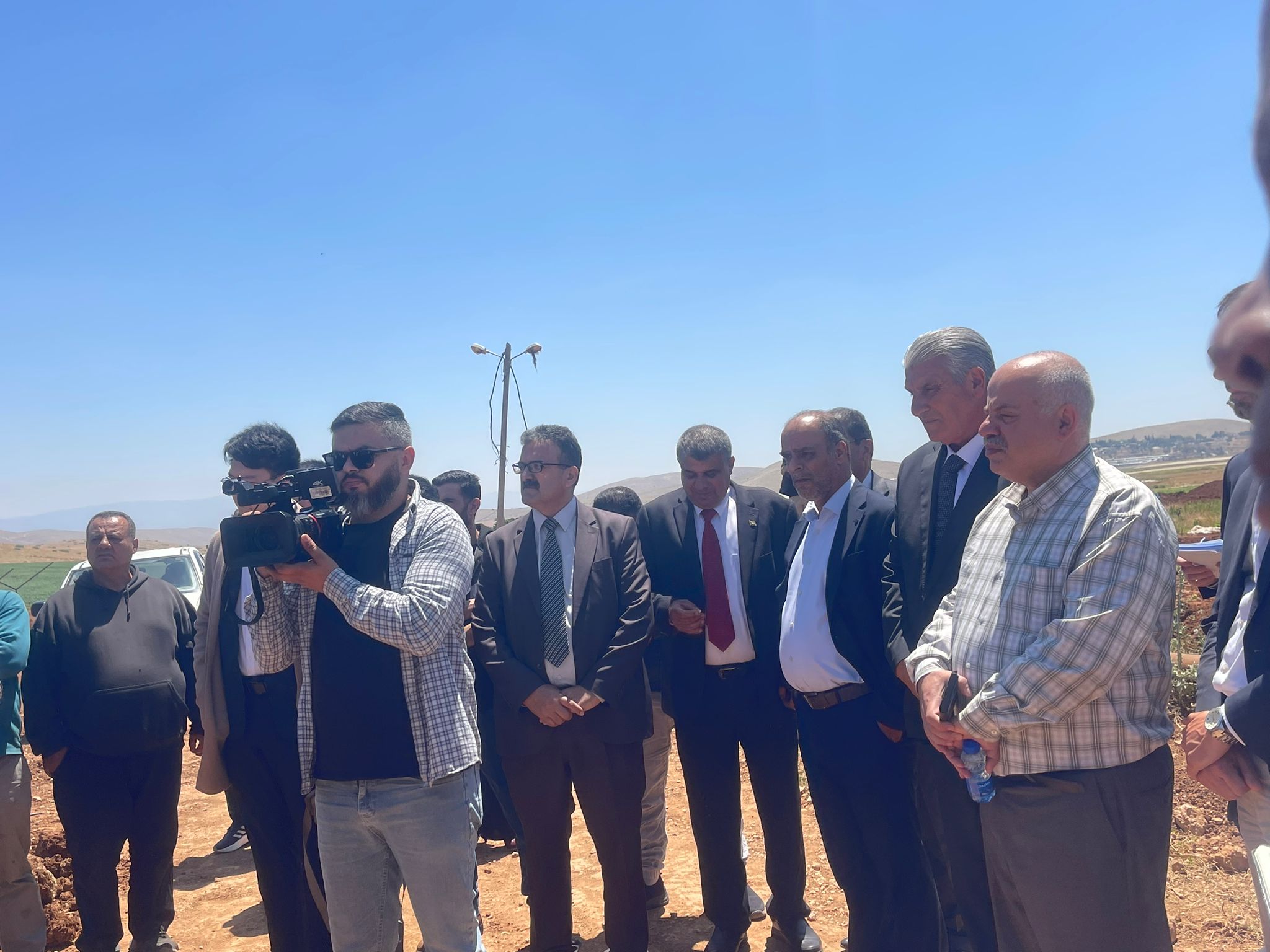
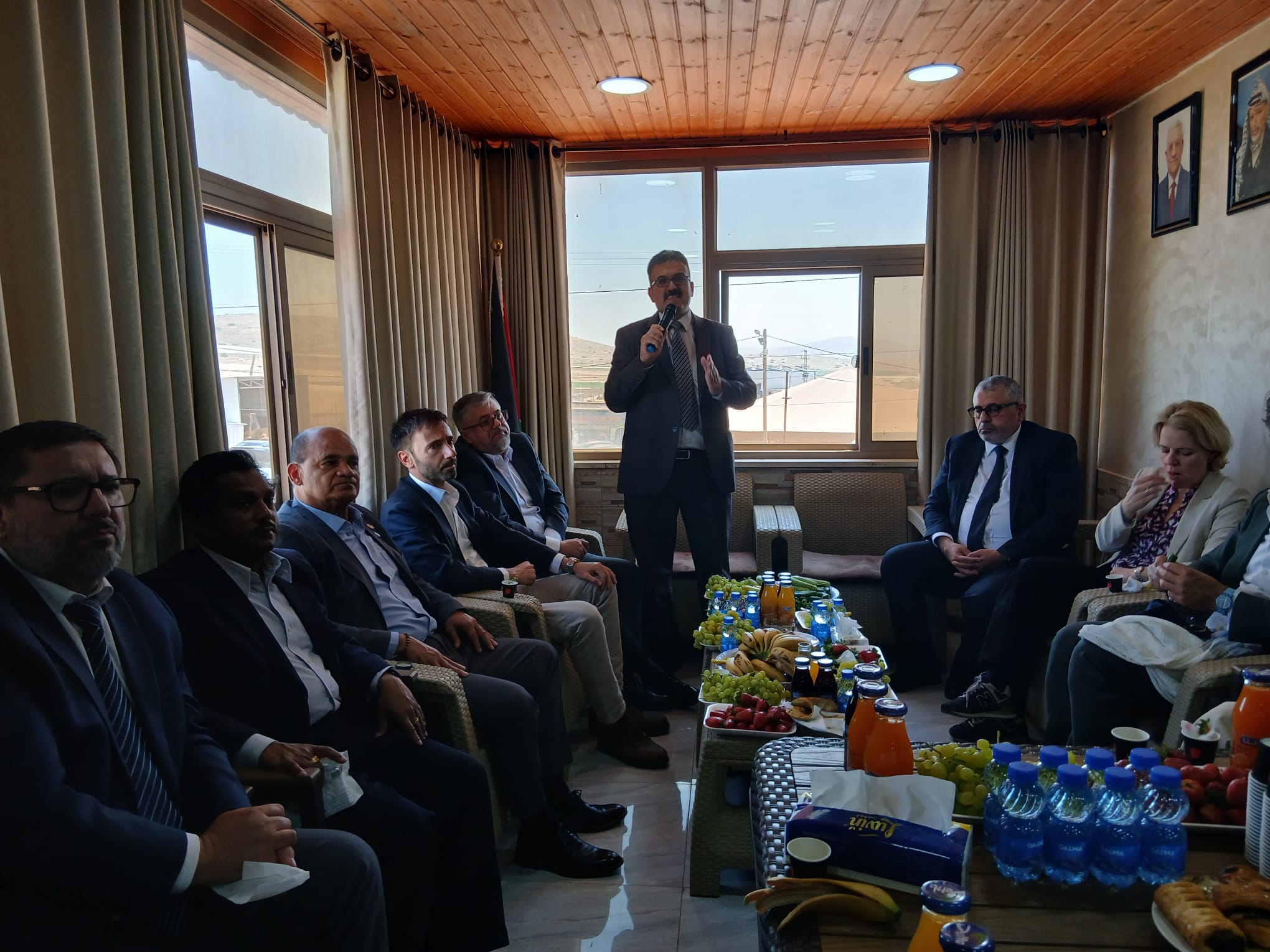
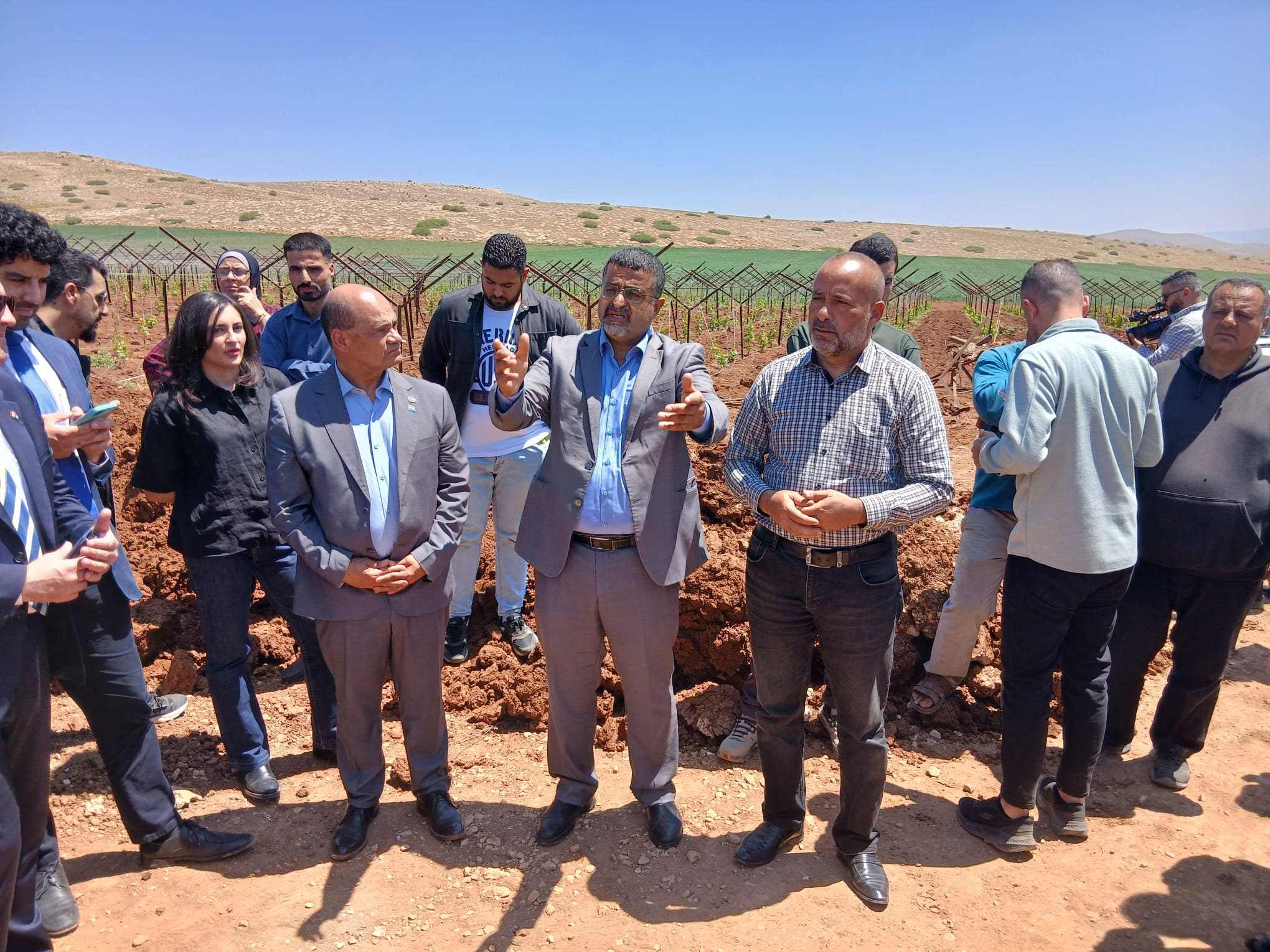
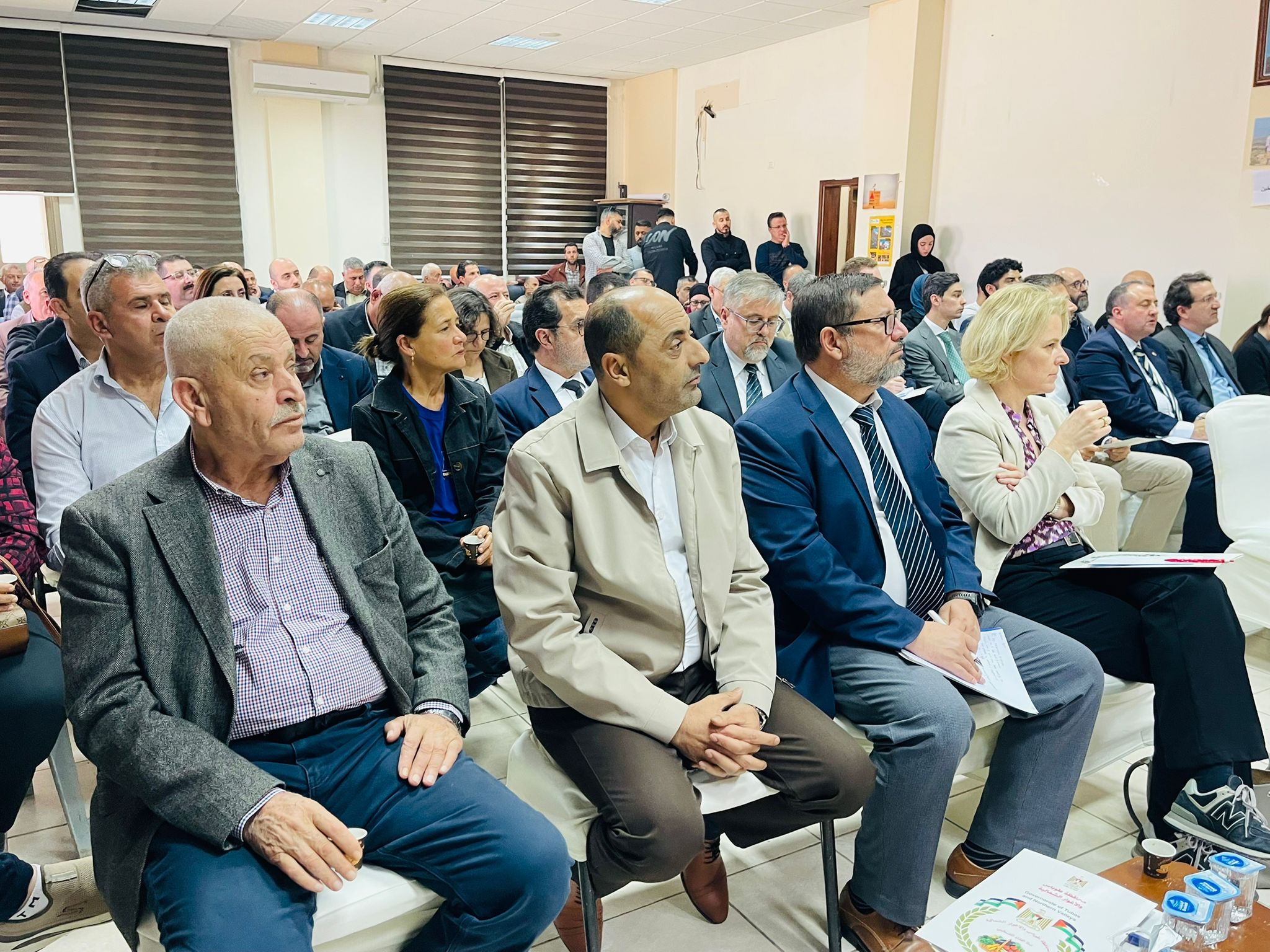
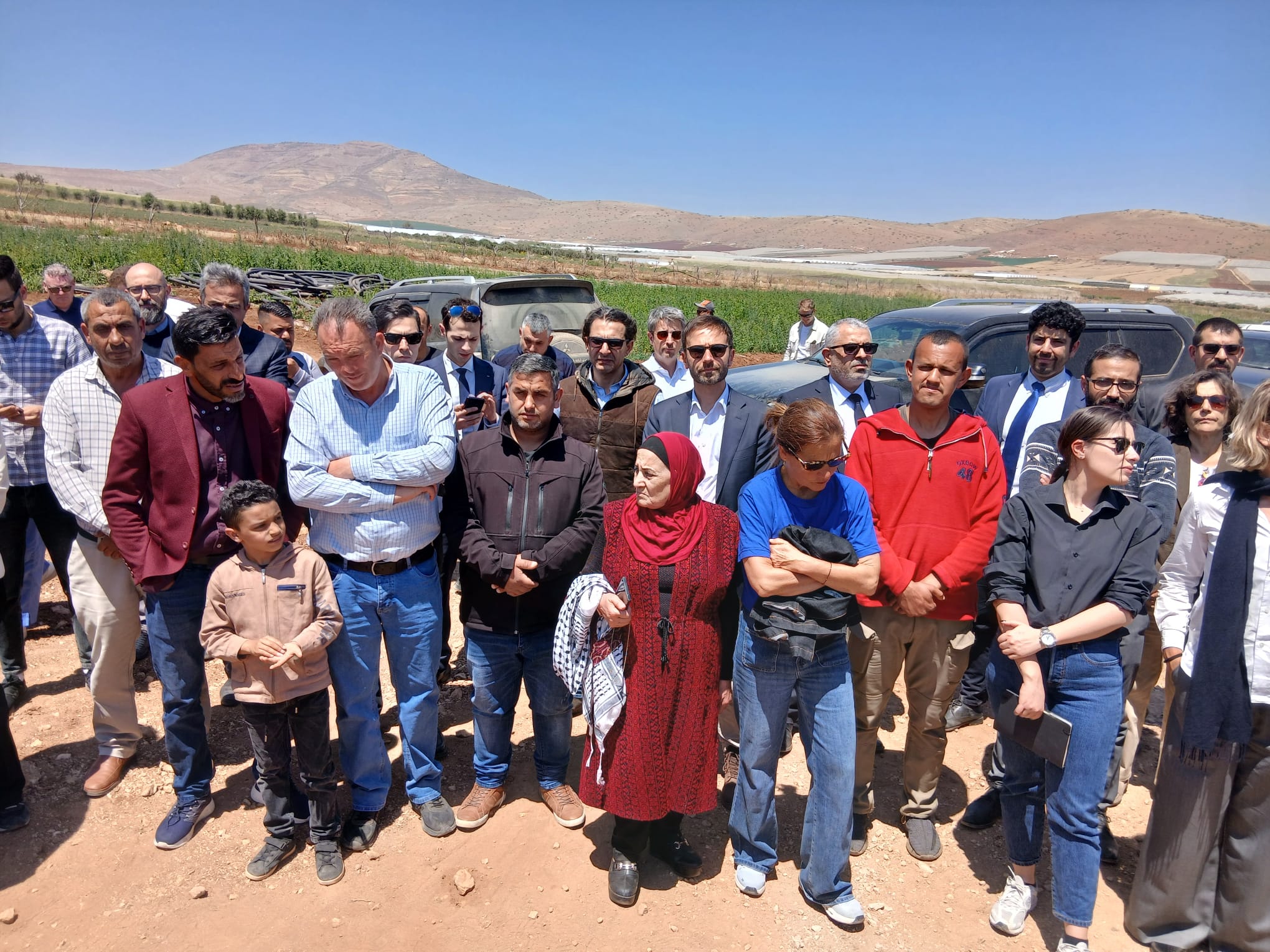
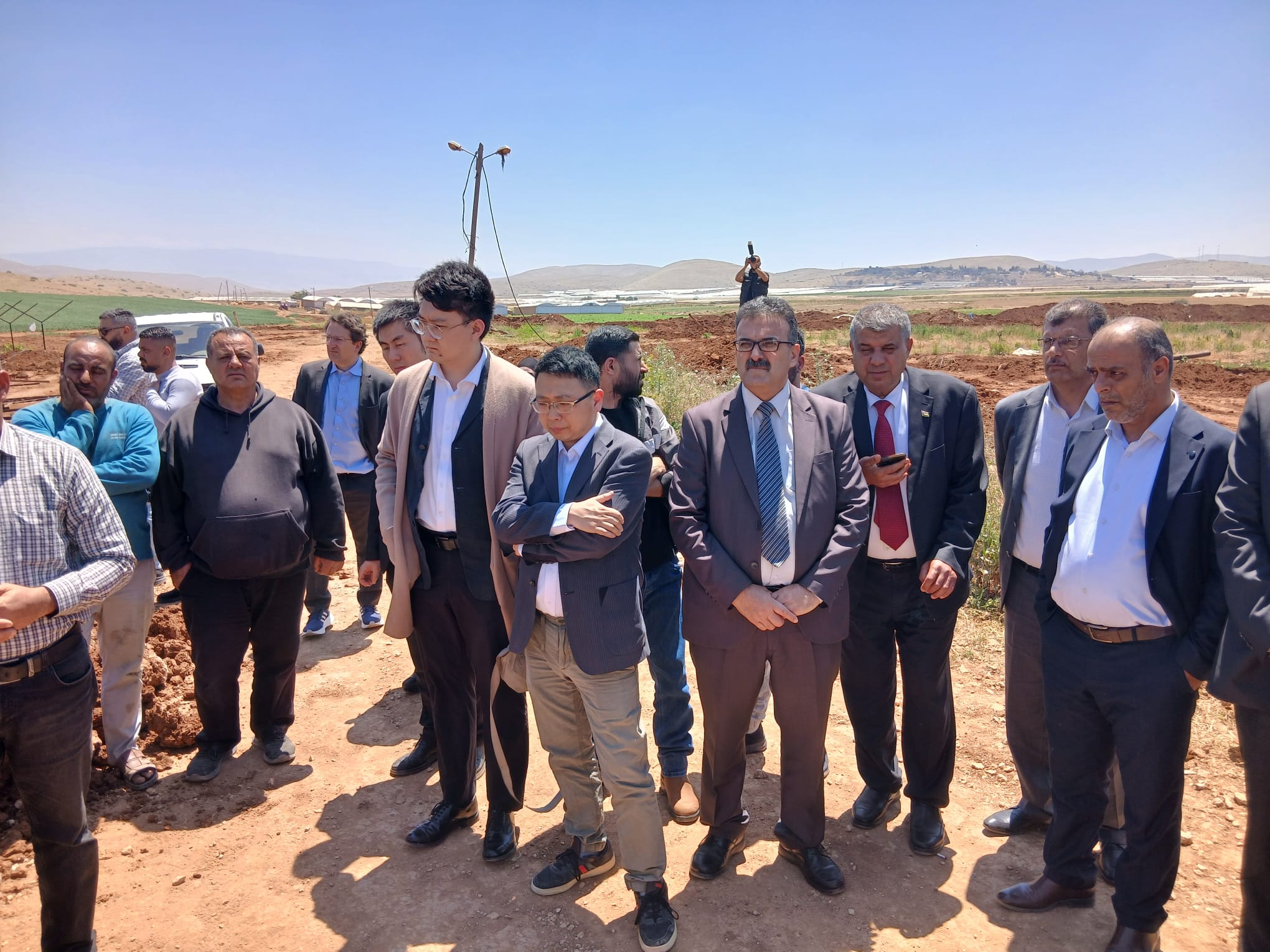
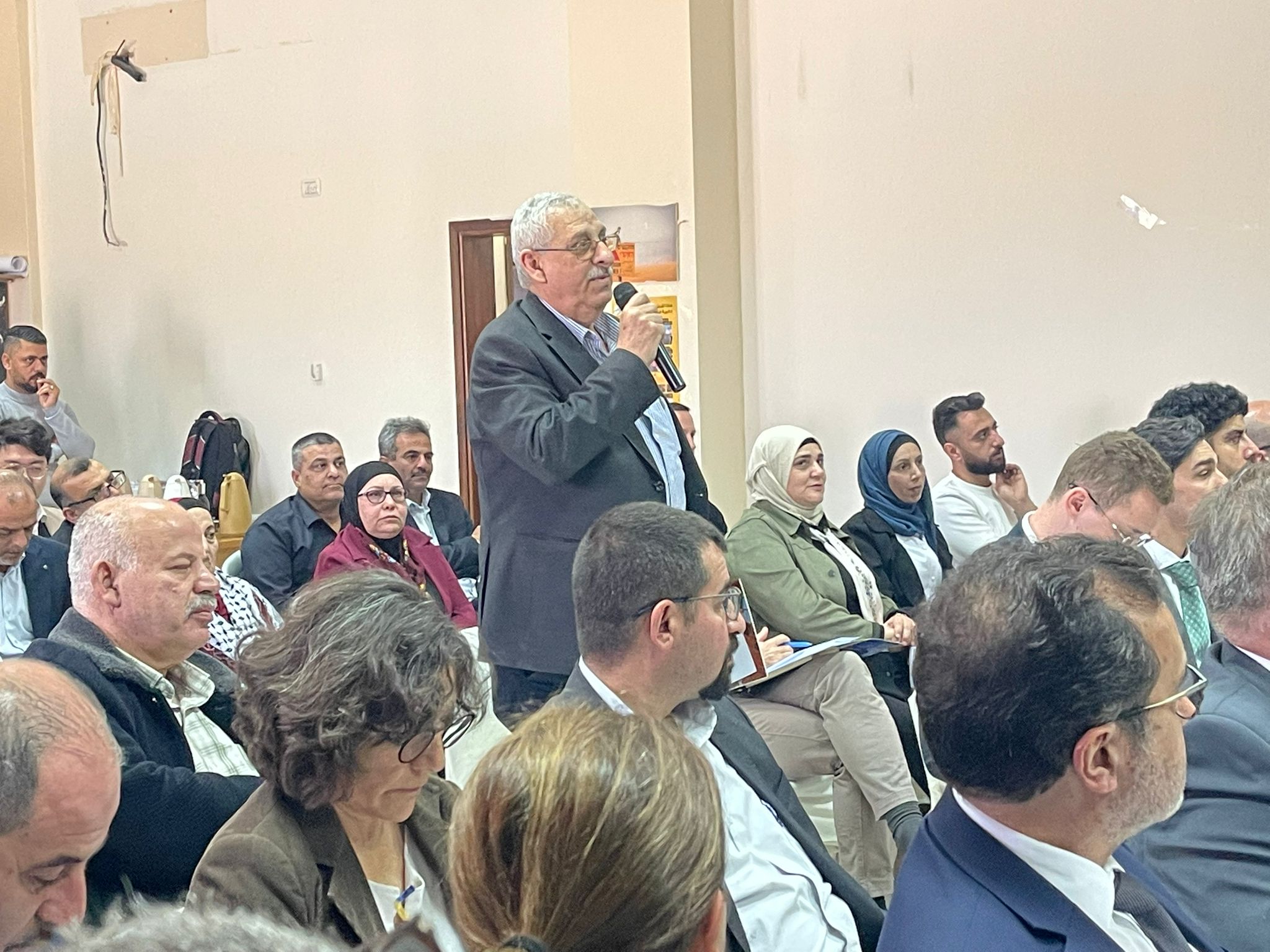
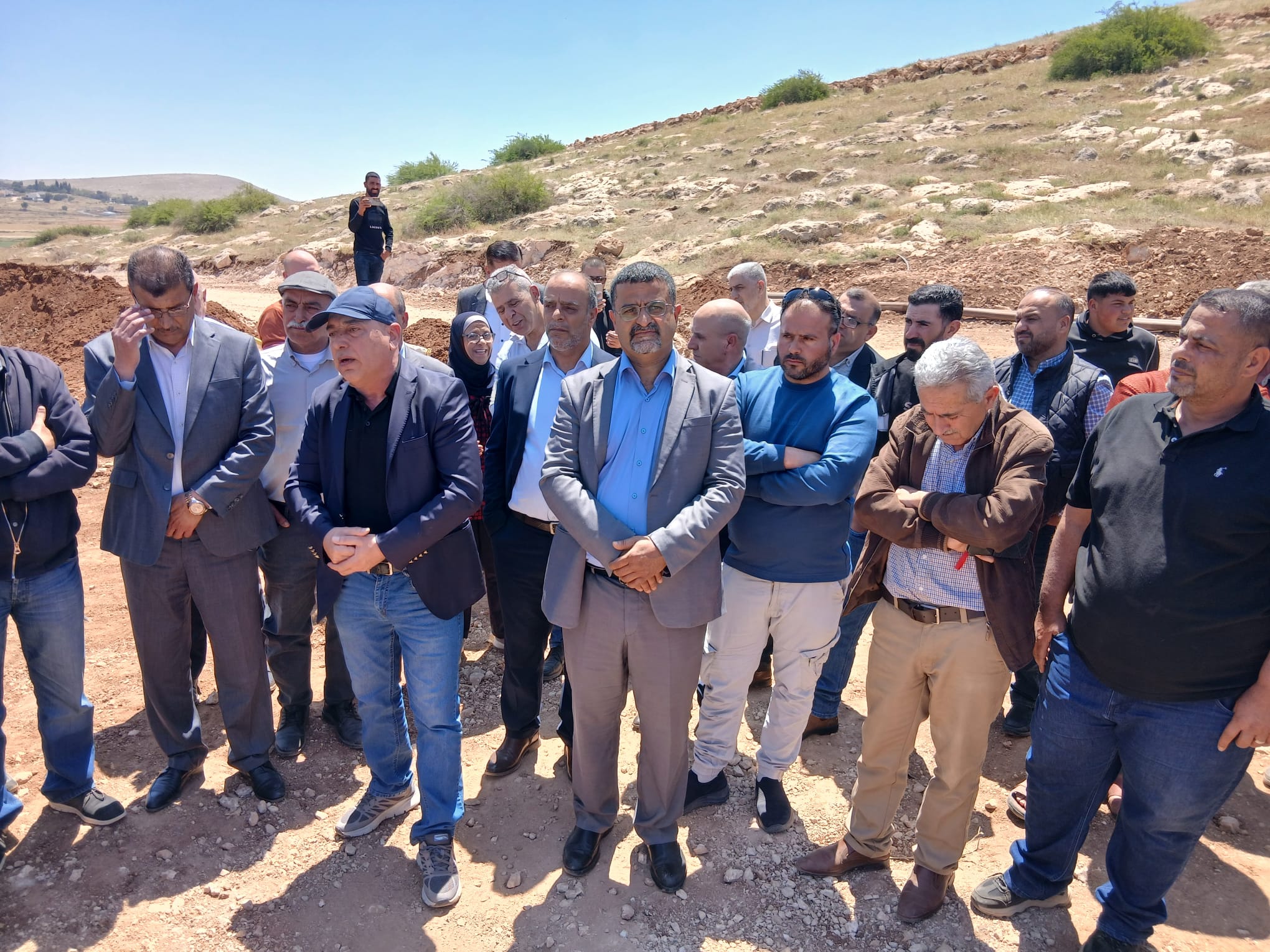
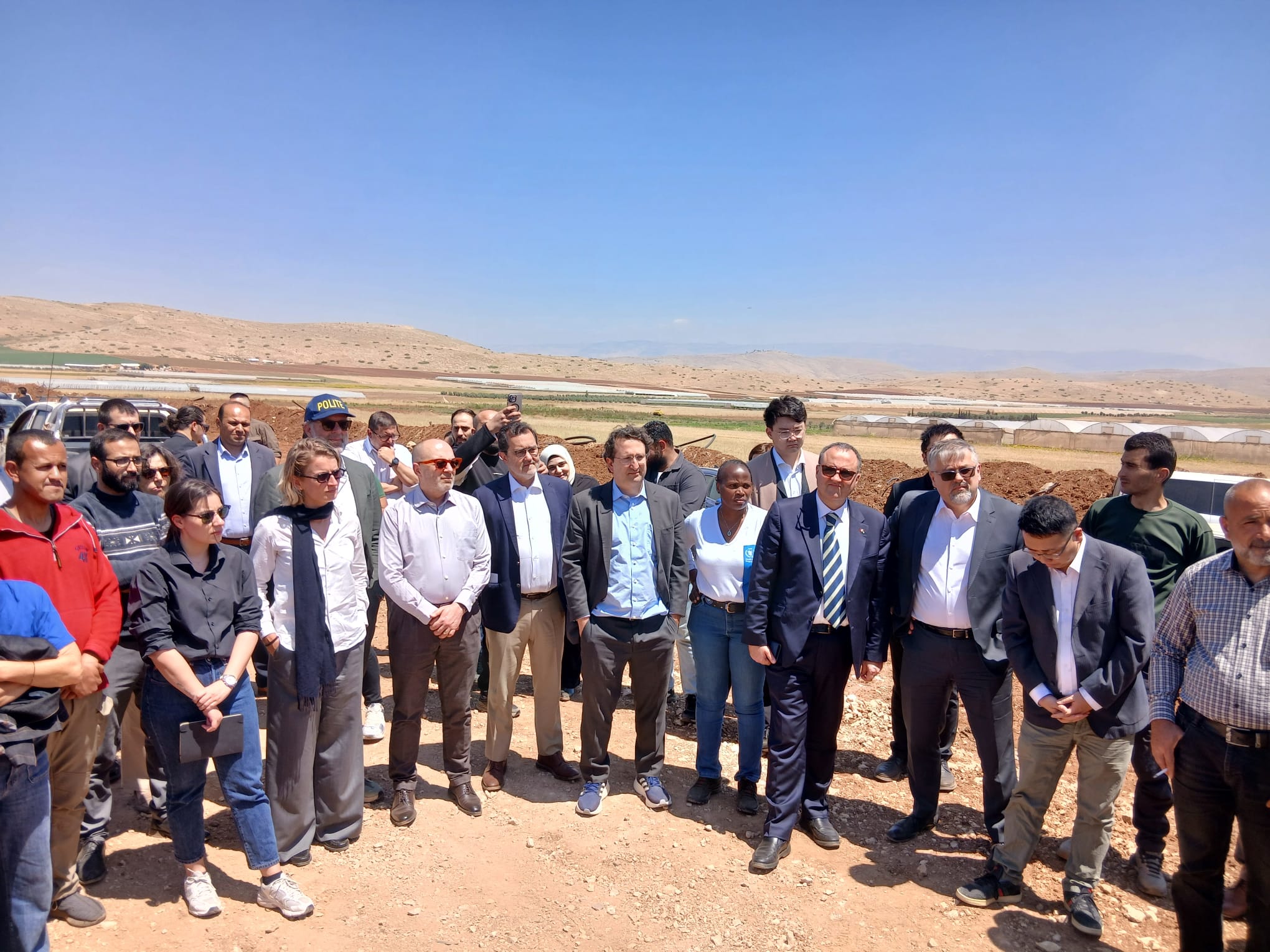
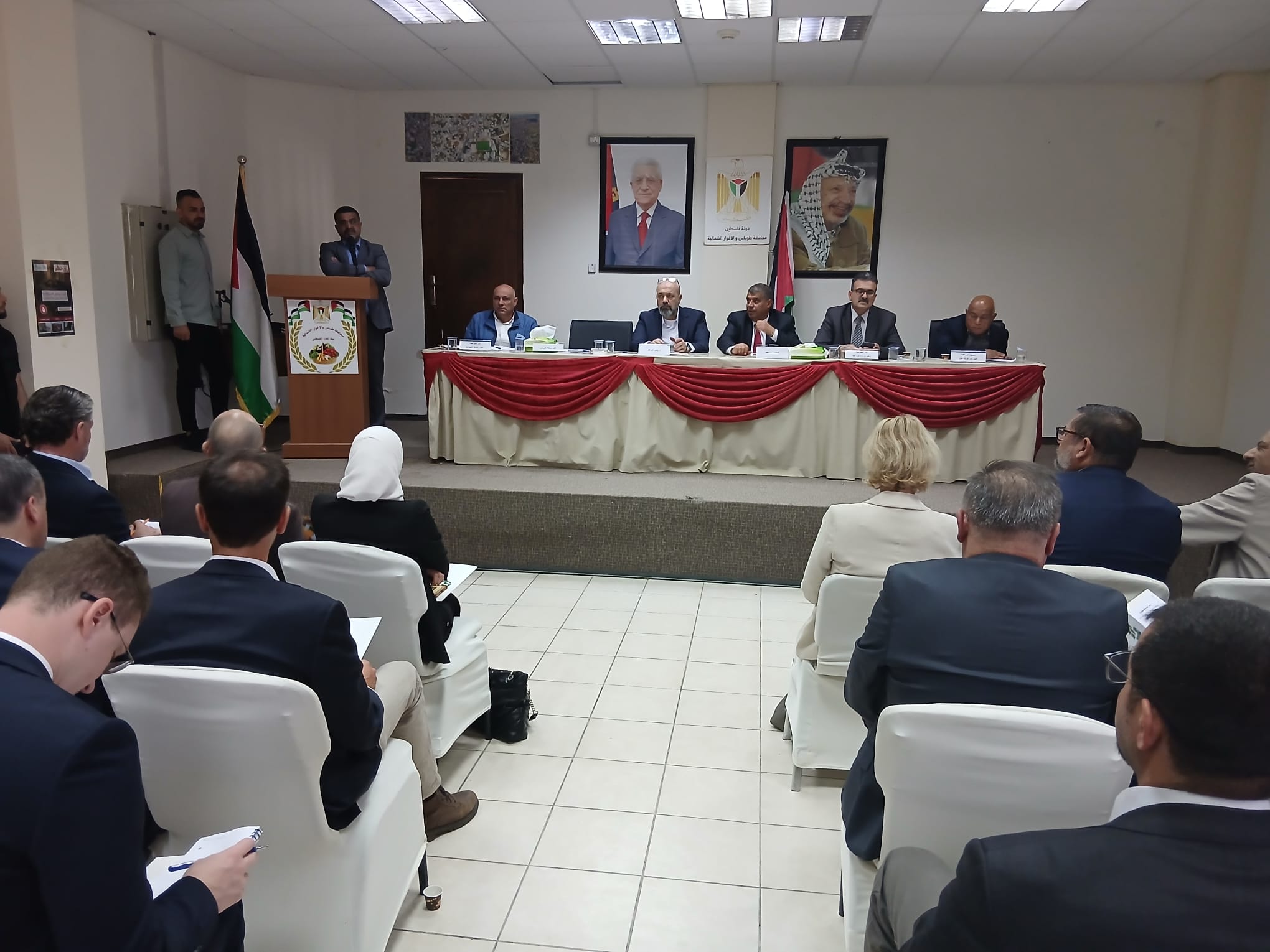
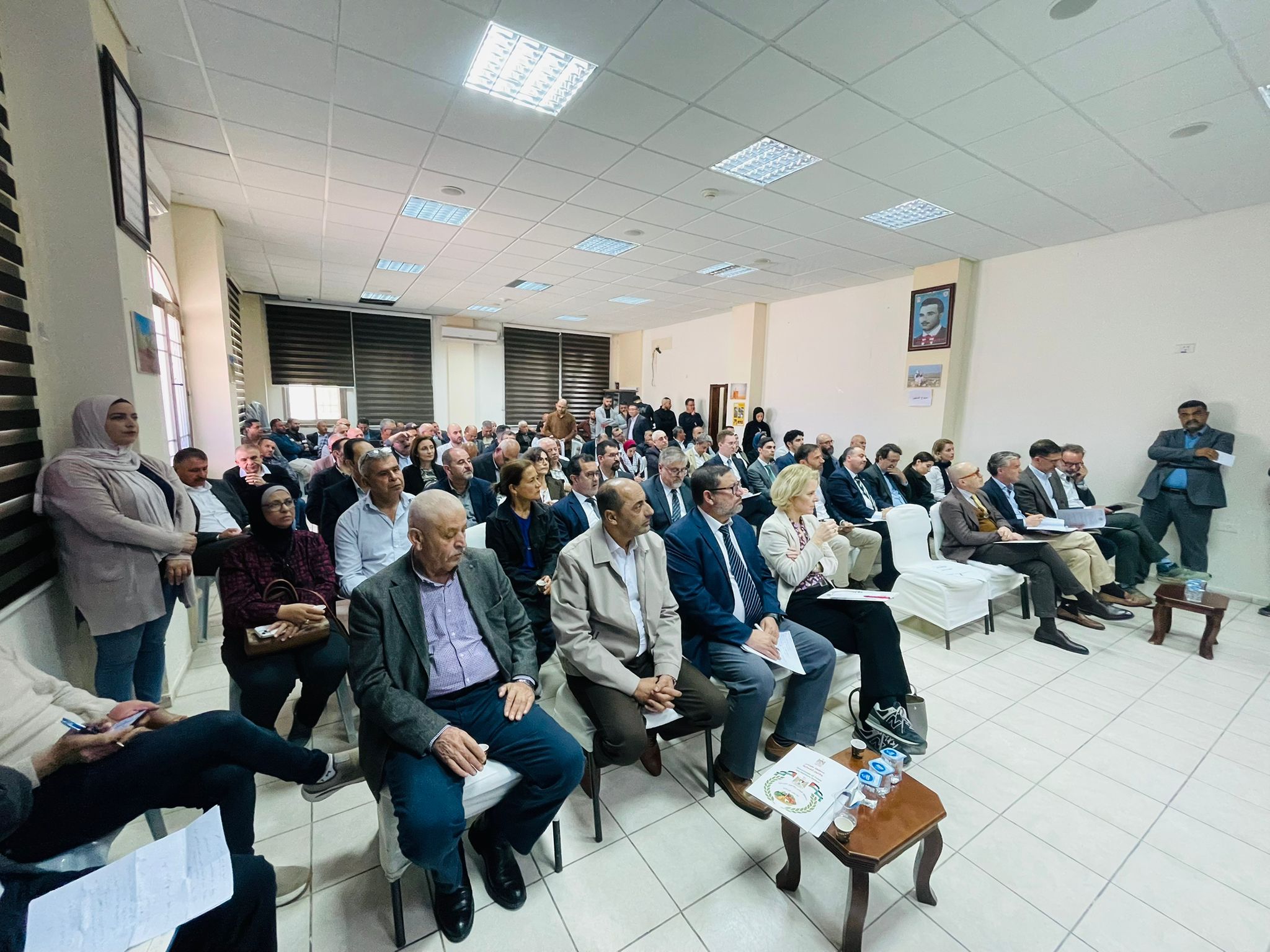
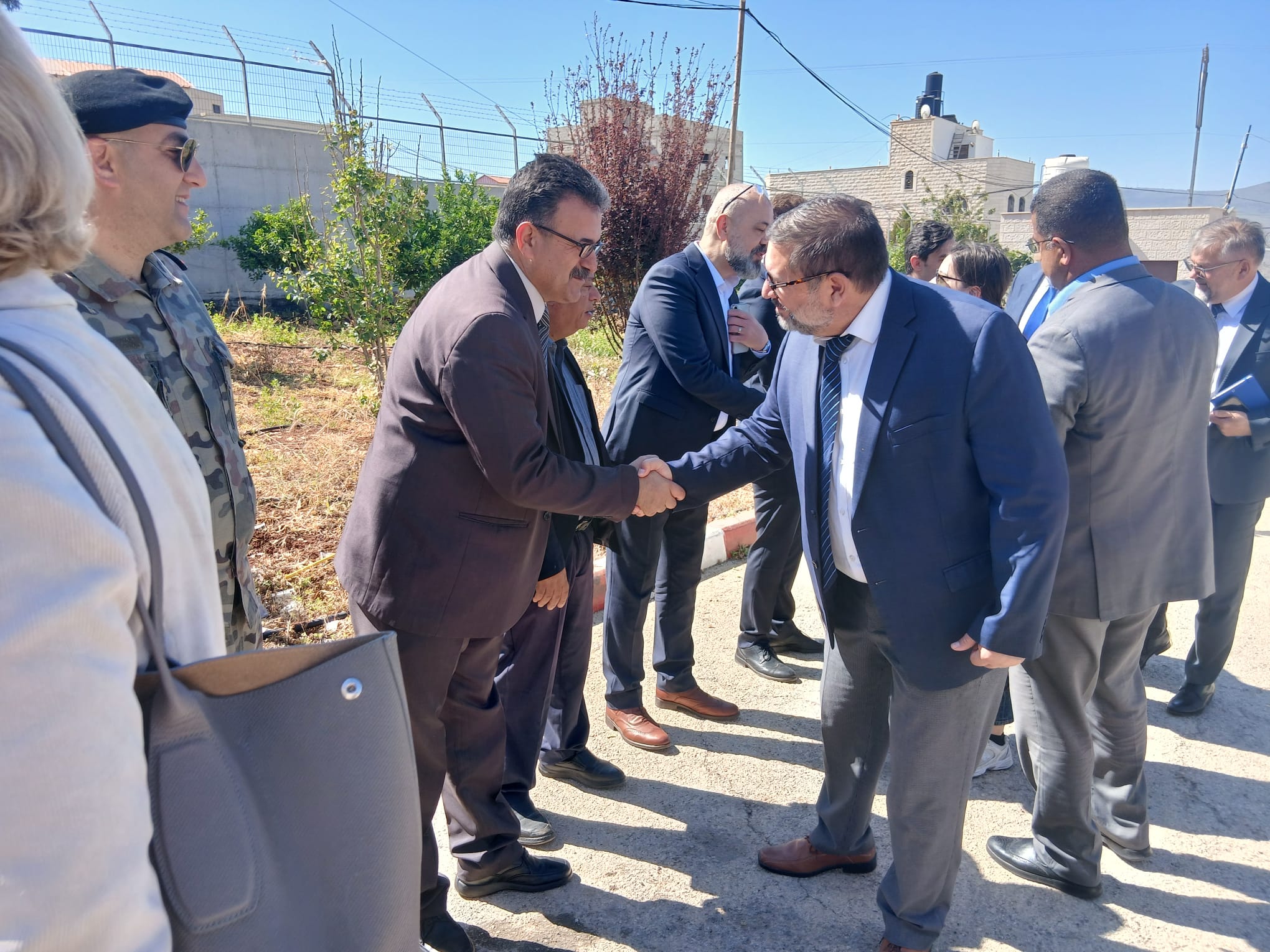
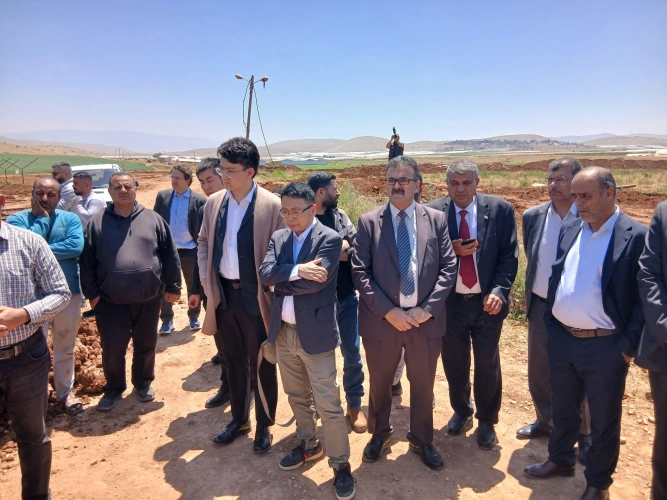
The Ministry of Agriculture, in cooperation with Tubas and Northern Jordan Valley Governorate, the Ministry of Foreign Affairs and Expatriates, and the Ministry of Finance and Planning – Agricultural Sector Working Group Coordination Committee, organized a field visit for members of the diplomatic corps accredited to the State of Palestine and representatives of the Agricultural Sector Working Group. The visit aimed to provide firsthand observation of the violations affecting the agricultural sector in Tubas and Northern Jordan Valley Governorate, particularly the settlement road project that the Israeli occupation authorities have begun constructing, stretching from the Ein Shibli area in the south to Tayasir.
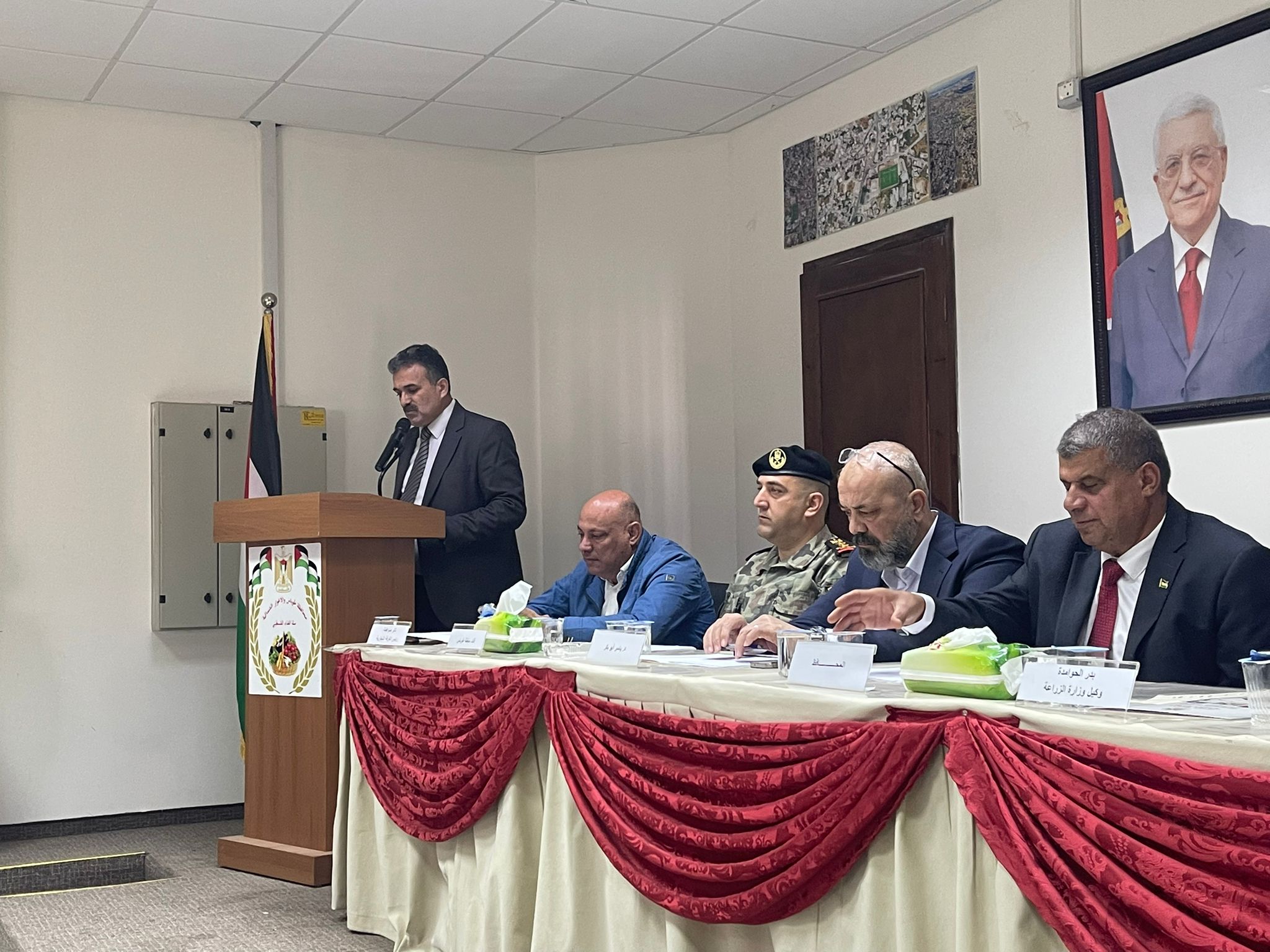
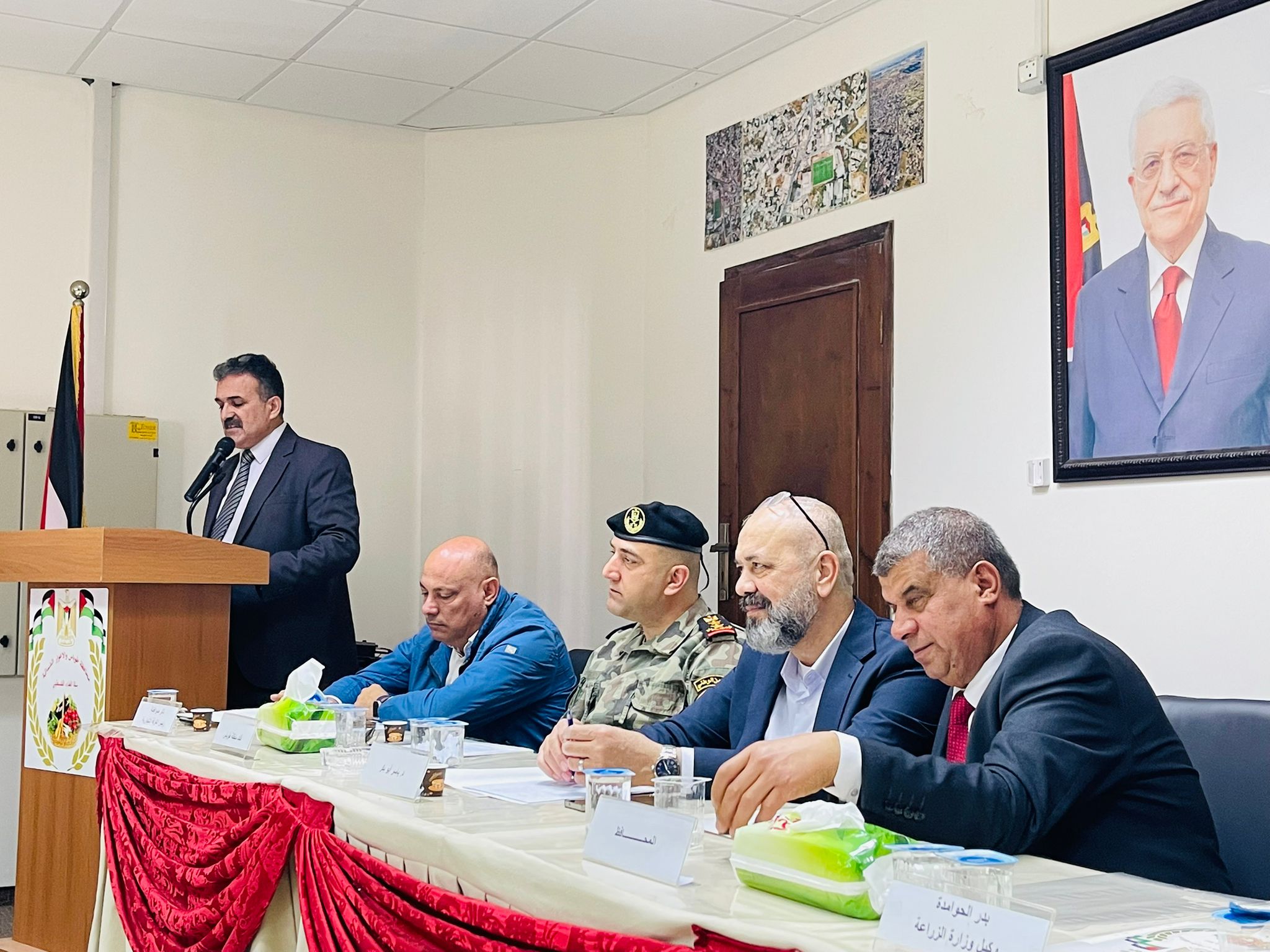
The visit included representatives from official institutions and international partners. Undersecretary of the Ministry of Agriculture, Engineer Bader Hawamdeh, represented His Excellency the Minister of Agriculture, Professor Riziq Slaimiya, and emphasized the importance of enabling the diplomatic corps to gain direct insight into the realities of the agricultural sector and the challenges it faces in one of the most important productive regions in Palestine.
During the tour, Al-Hawamdeh emphasized that the settlement road currently under construction constitutes a direct attack on the agricultural sector in the Tubas and Northern Jordan Valley governorates, given its serious repercussions on agricultural lands, water resources, job opportunities, and the region's economic and social stability.
He explained that the project will directly lead to the loss of approximately 1,000 dunams of agricultural land, in addition to preventing farmers from accessing some 180,000 dunams of their farmland. Furthermore, it will deprive them of access to approximately 80 wells and water sources upon which irrigated agriculture in the area depends, which will directly impact the sustainability of agricultural production in the Northern Jordan Valley.
He pointed out that these measures will also result in the loss of approximately 14,000 jobs in the agricultural sector, posing a direct threat to the livelihoods of agricultural and pastoral communities in the governorate.
The tour included a field visit to the headquarters of Top Field Agricultural Company and several other agricultural companies operating in the Al-Buqai’a Plain. The diplomatic delegation was briefed on the scale of agricultural investments undertaken by these companies and their role in supporting agricultural production, boosting Palestinian agricultural exports, and creating job opportunities in the region.
During the visit, participants received an explanation of the anticipated negative impacts of the settlement road project on agricultural and investment activities. These impacts include restricted access to agricultural lands, disruptions to production, marketing, and export processes, as well as the direct repercussions for workers in these companies and farms.
The tour also included a field visit to the Atouf Plain, east of Tammoun, where the delegation met with a number of affected farmers and listened to their testimonies about their suffering as a result of the ongoing occupation practices aimed at isolating them from their agricultural lands and cutting off their water sources. These practices, in turn, create challenges that directly impact the sustainability of their agricultural activities and their livelihoods.
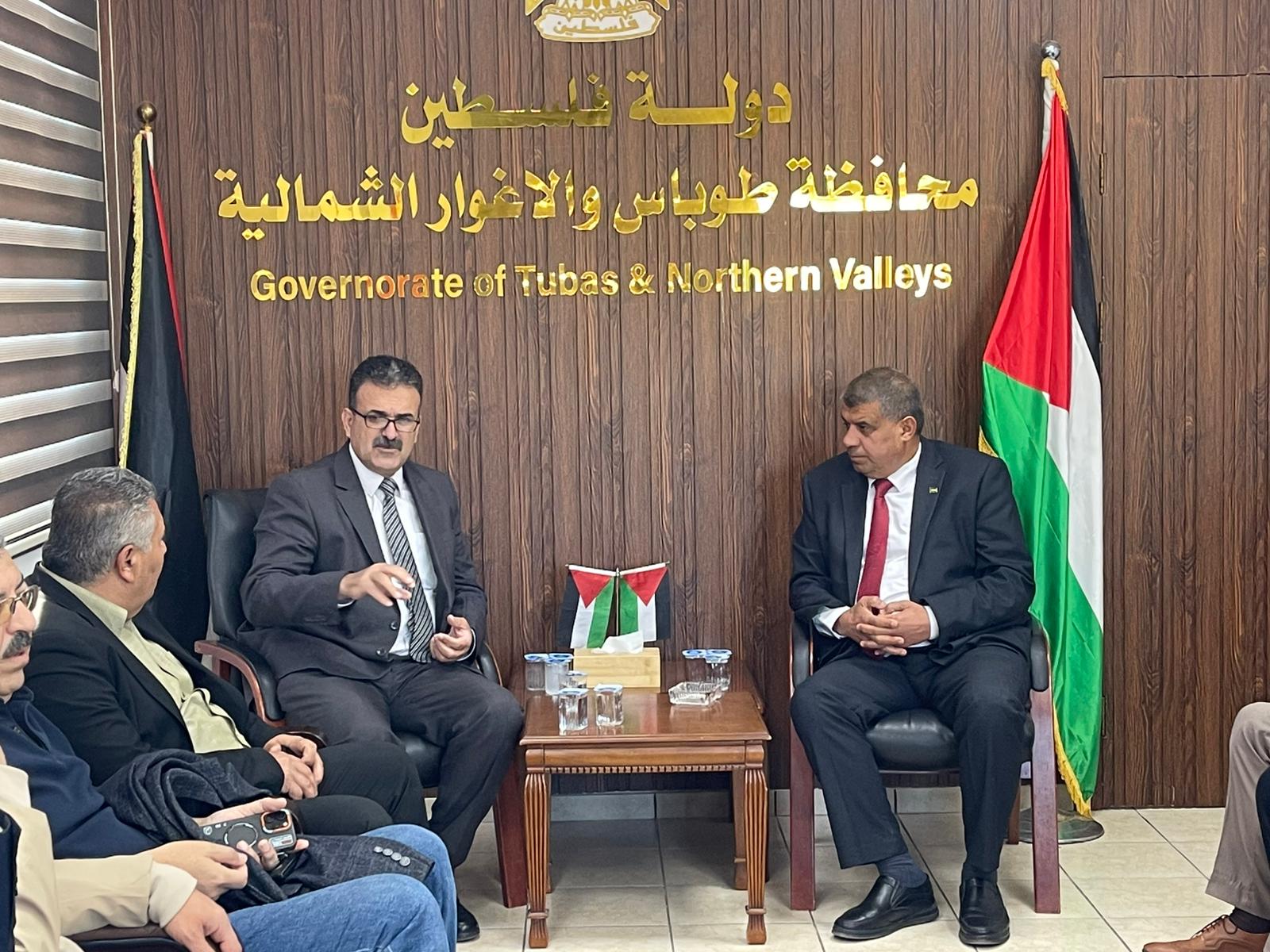
The Governor of Tubas and the Northern Jordan Valley emphasized that this tour is part of ongoing efforts to inform the international community about the reality on the ground for residents of the Northern Jordan Valley. He pointed out that settlement projects, particularly the road currently under construction, pose a direct threat to the agricultural sector and the livelihoods of residents in the area.
This tour is part of continuous governmental efforts to strengthen partnerships with the international community, direct development interventions toward supporting the resilience of the agricultural sector in threatened areas, protect natural resources, and enable farmers to access their lands and water sources.
The Ministry of Agriculture and the Tubas Governorate appreciated the participation of the diplomatic corps and representatives of international partners in this tour, stressing that this visit represents an important message of support for Palestinian farmers, and contributes to conveying a realistic and accurate picture of the challenges facing the agricultural sector in the northern Jordan Valley.