Notification
حظر استيراد كافة أنواع الطيور الحية الداجنة والبرية وطيور الزينة وبيض التفقيس والصيصان عمر يوم ومخلفاتها الغير معاملة حراريا من تركيا ولحين استقرار الوضع الصحي

Ramallah: July 12, 2026
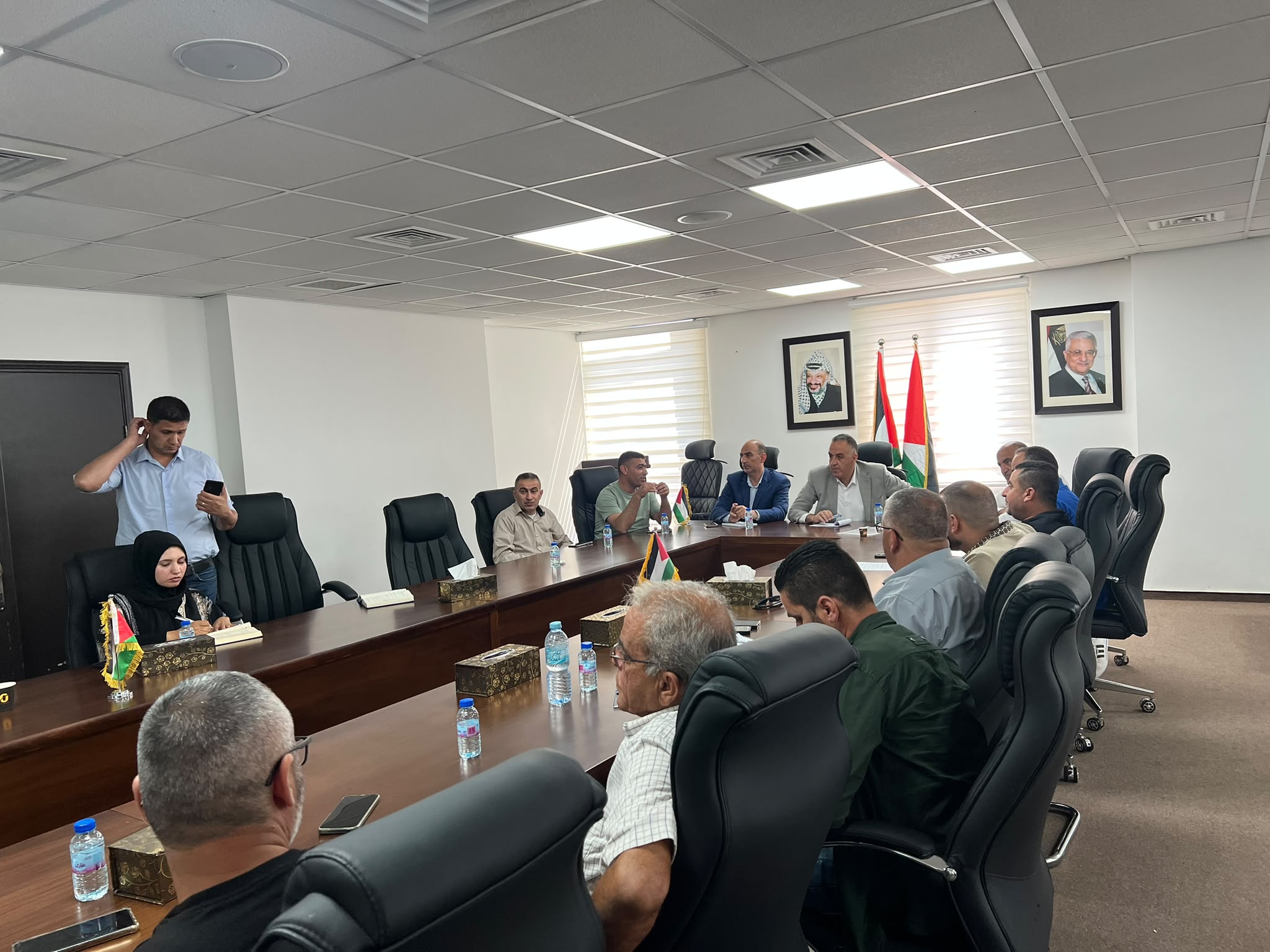
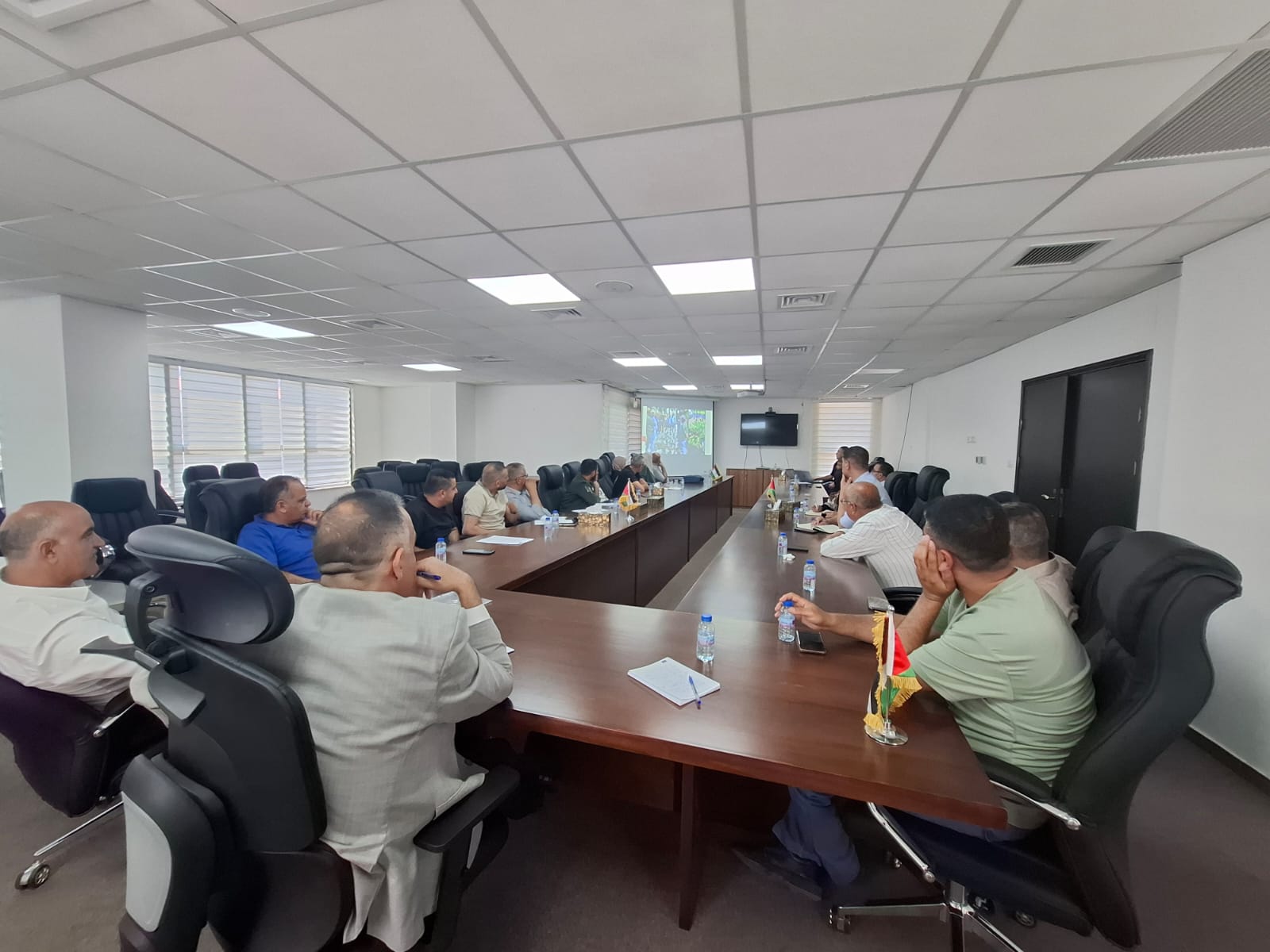
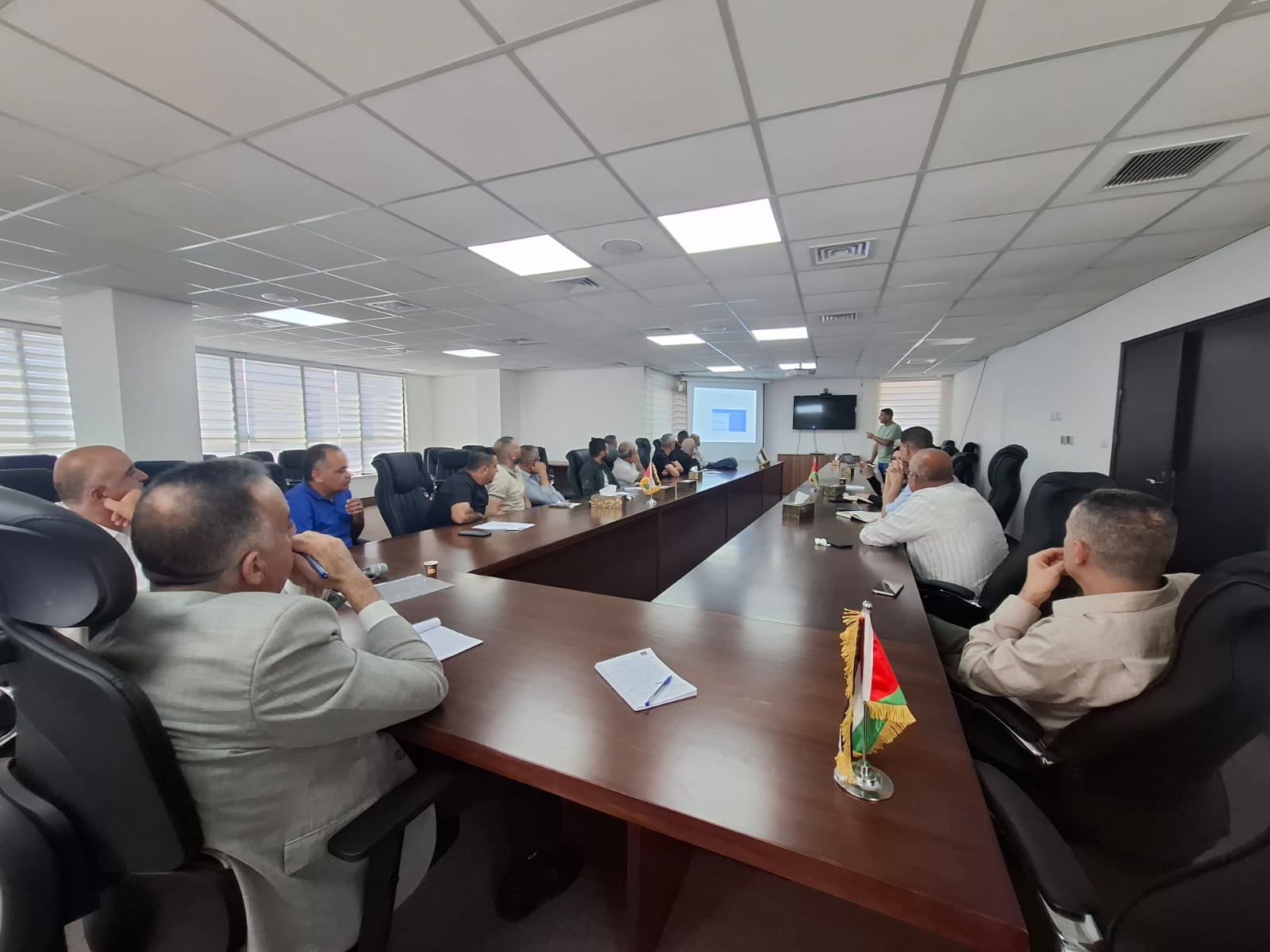
The Ministry of Agriculture held a specialized technical meeting, chaired by Assistant Undersecretary for the Natural Resources Sector, Engineer Hussam Talib, and attended by the Director General of Forests and Rangelands, Engineer Thaer Al-Rabi, along with directors of forest nurseries and technical and administrative staff from the northern governorates. The meeting, held at the Ministry's headquarters in Ramallah, focused on mechanisms for developing and propagating grafted olive and carob seedlings, and enhancing the efficiency of forest nurseries in producing local seedlings.
Engineer Hussam Talib emphasized the Ministry's special attention to developing forest nurseries, recognizing their crucial role in implementing afforestation and land reclamation programs, and in preserving natural resources and national varieties. He commended the successes achieved by the technical teams in propagating olive cuttings of the Nabali Baladi variety and producing grafted carob seedlings, despite the challenges and circumstances facing the agricultural sector. For his part, the Director General of Forests and Rangelands, Engineer Thaer Al-Rabi, explained that the achieved results were the fruit of the continuous efforts exerted by the technical and administrative teams in the forest nurseries. These efforts contributed to improving the quality of seedlings and enhancing reliance on local production to meet the needs of afforestation and agricultural development programs.
Participants reviewed the results of technical trials and the success rates achieved in olive propagation and grafted carob production, along with the most prominent challenges and mechanisms for developing work during the coming seasons. The meeting concluded with a number of recommendations, most notably expanding the production of olive and grafted carob seedlings, allocating specialized forest nurseries, establishing certified mother orchards, training specialized technical personnel, and working to provide advanced greenhouses to raise the efficiency of plant propagation and the quality of seedlings. This will contribute to preserving national varieties, enhancing food and environmental security, and supporting sustainable agricultural development programs.