Notification
حظر استيراد كافة أنواع الطيور الحية الداجنة والبرية وطيور الزينة وبيض التفقيس والصيصان عمر يوم ومخلفاتها الغير معاملة حراريا من تركيا ولحين استقرار الوضع الصحي

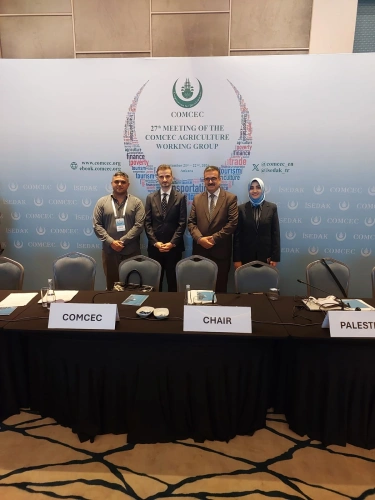
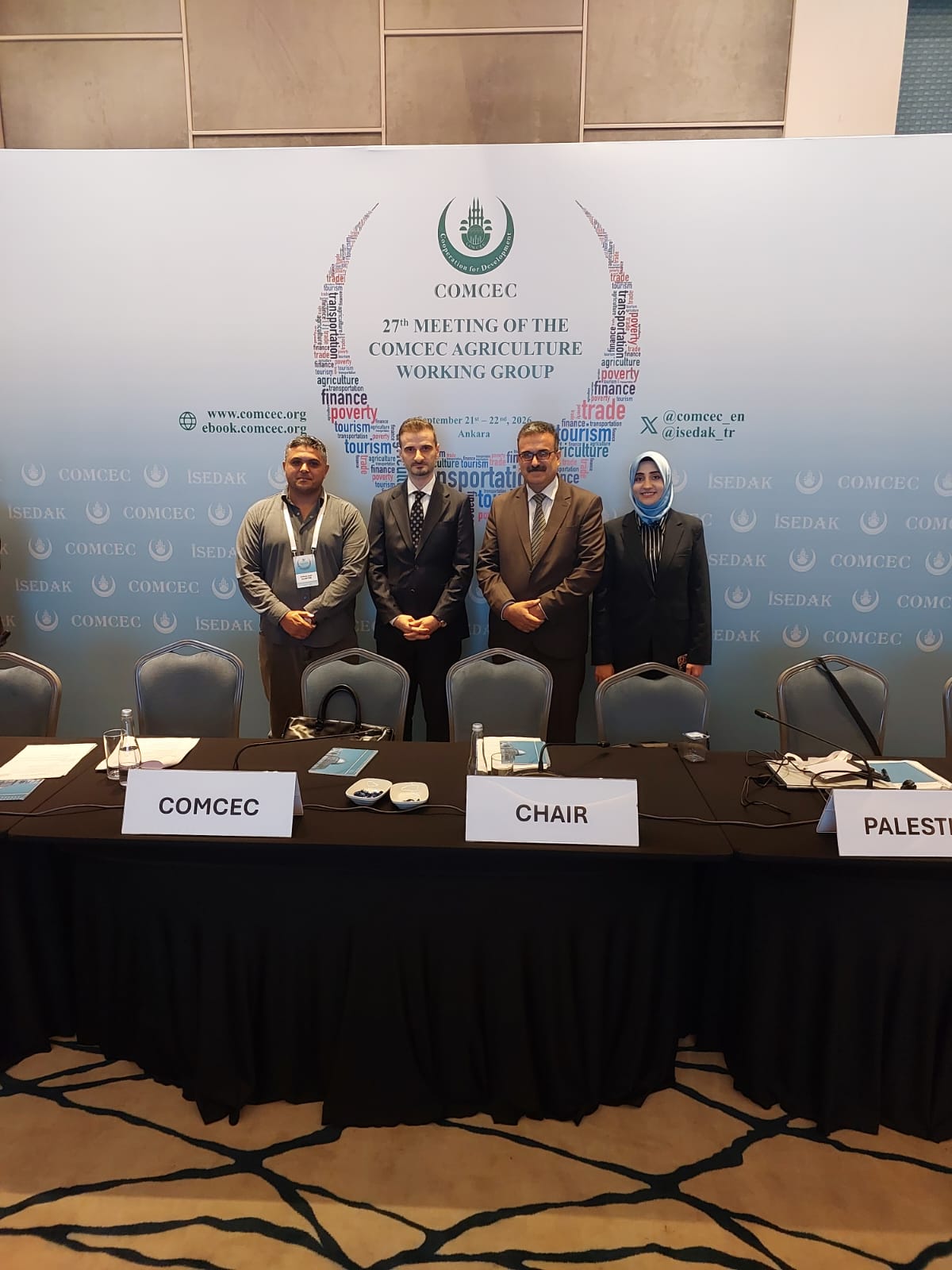
⭕ Palestine participates in the COMCEC agricultural meeting, alongside 16 countries and various regional and international institutions.
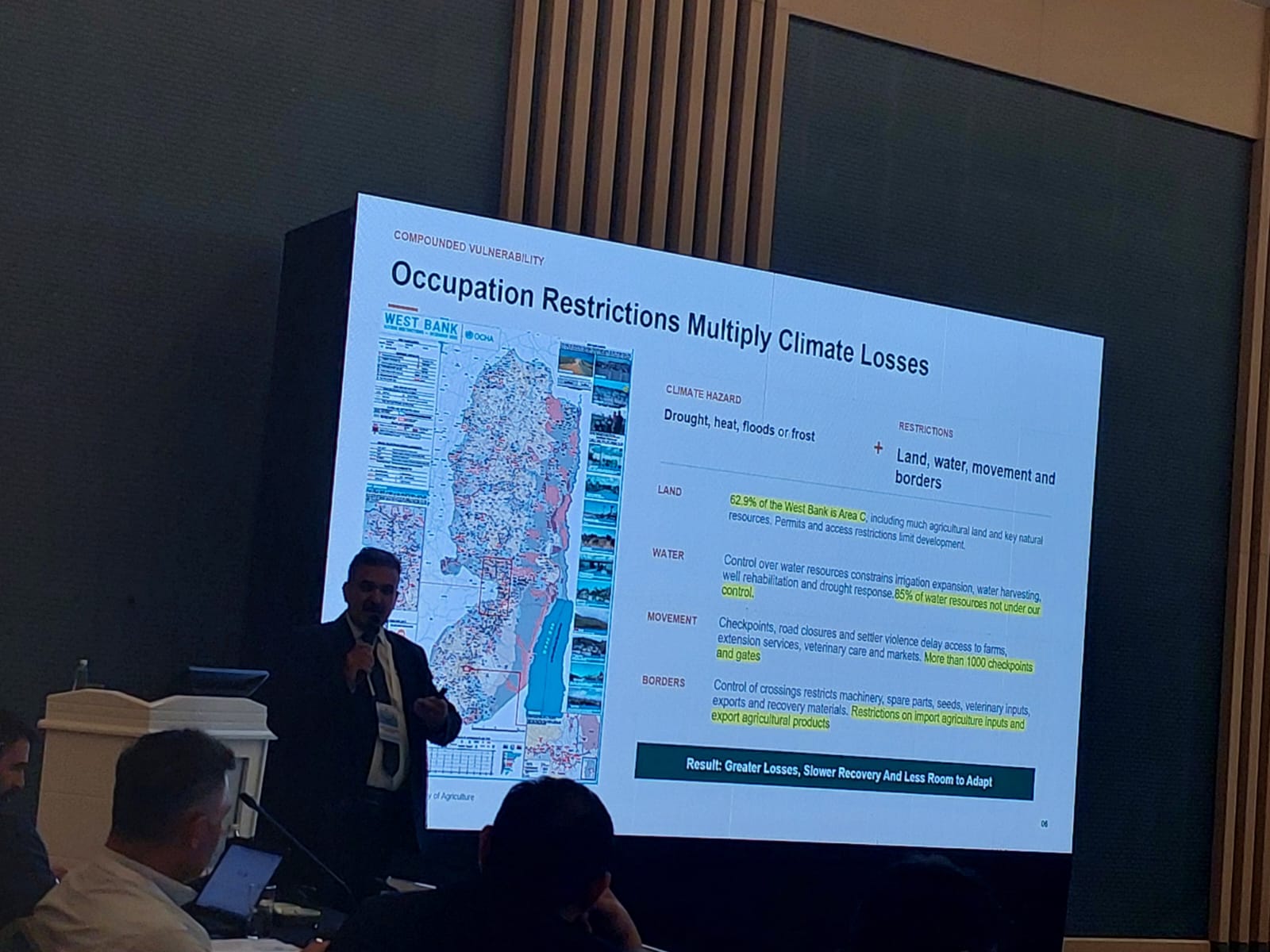
⭕ The Palestinian delegation highlights the challenges posed by the occupation and climate change, and their impact on food security.
⭕ Palestine calls for enhanced international cooperation, the protection of farmers, and support for the recovery of the agricultural sector in Gaza.
Ankara: September 27, 2026
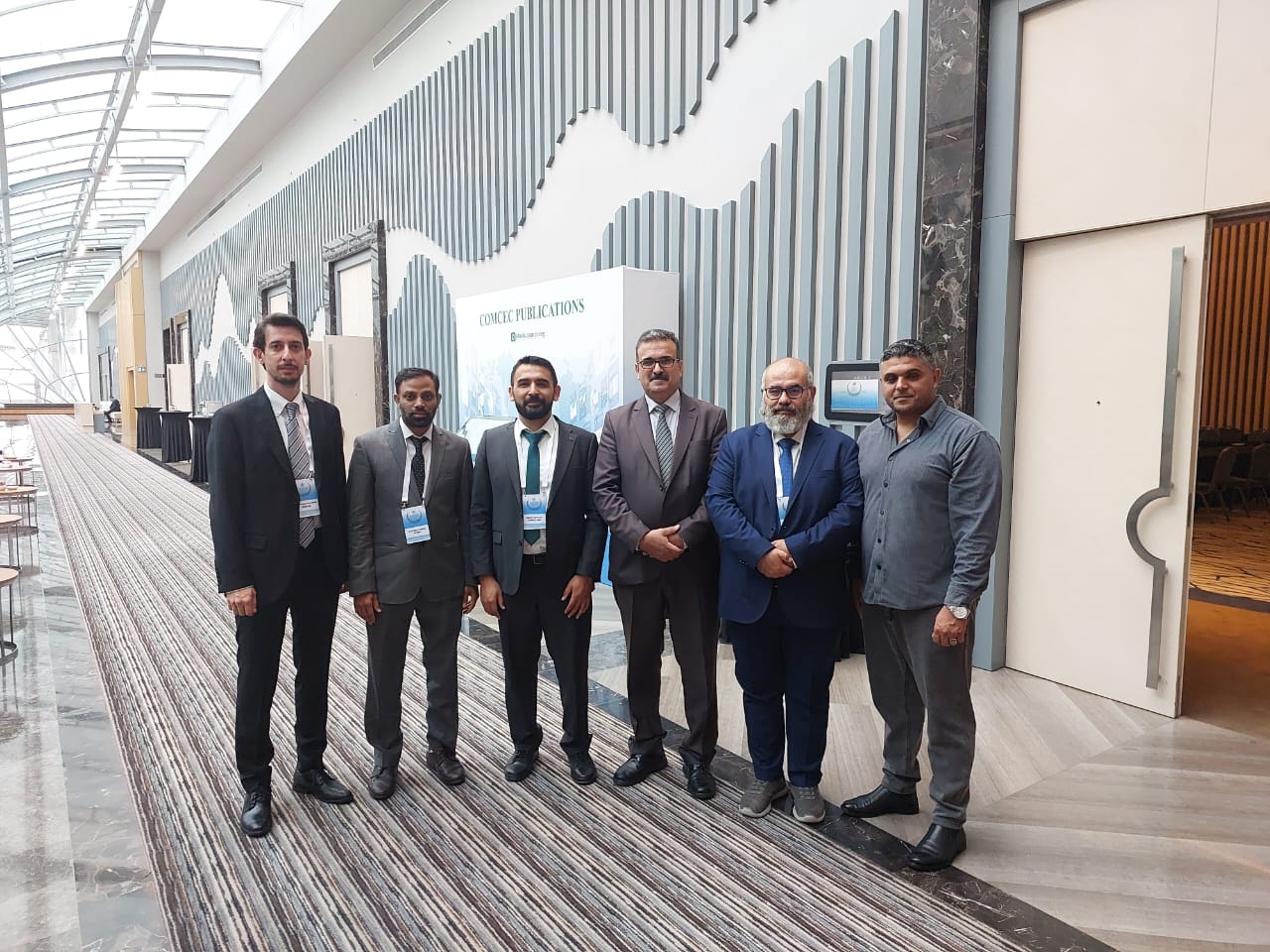
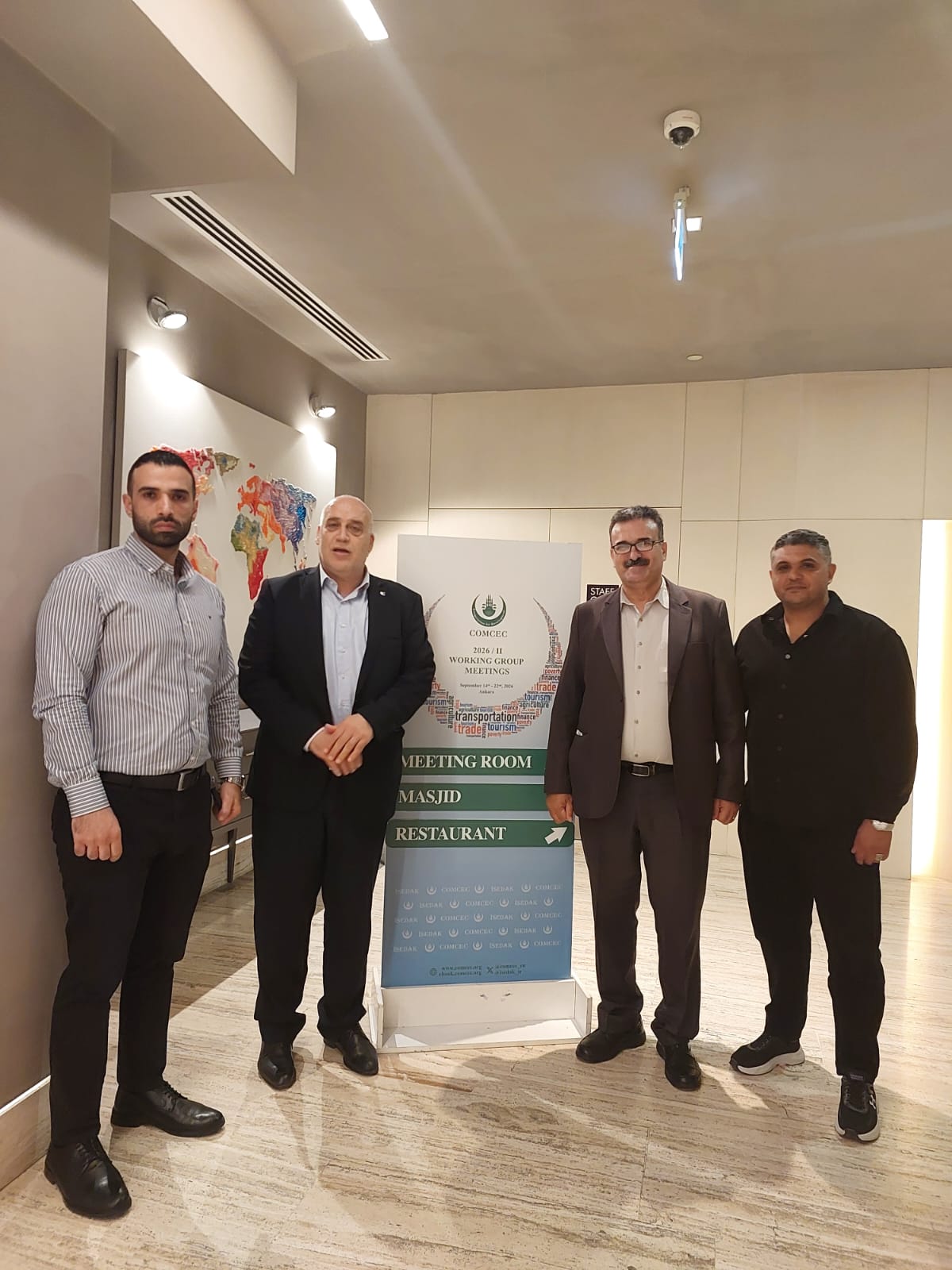
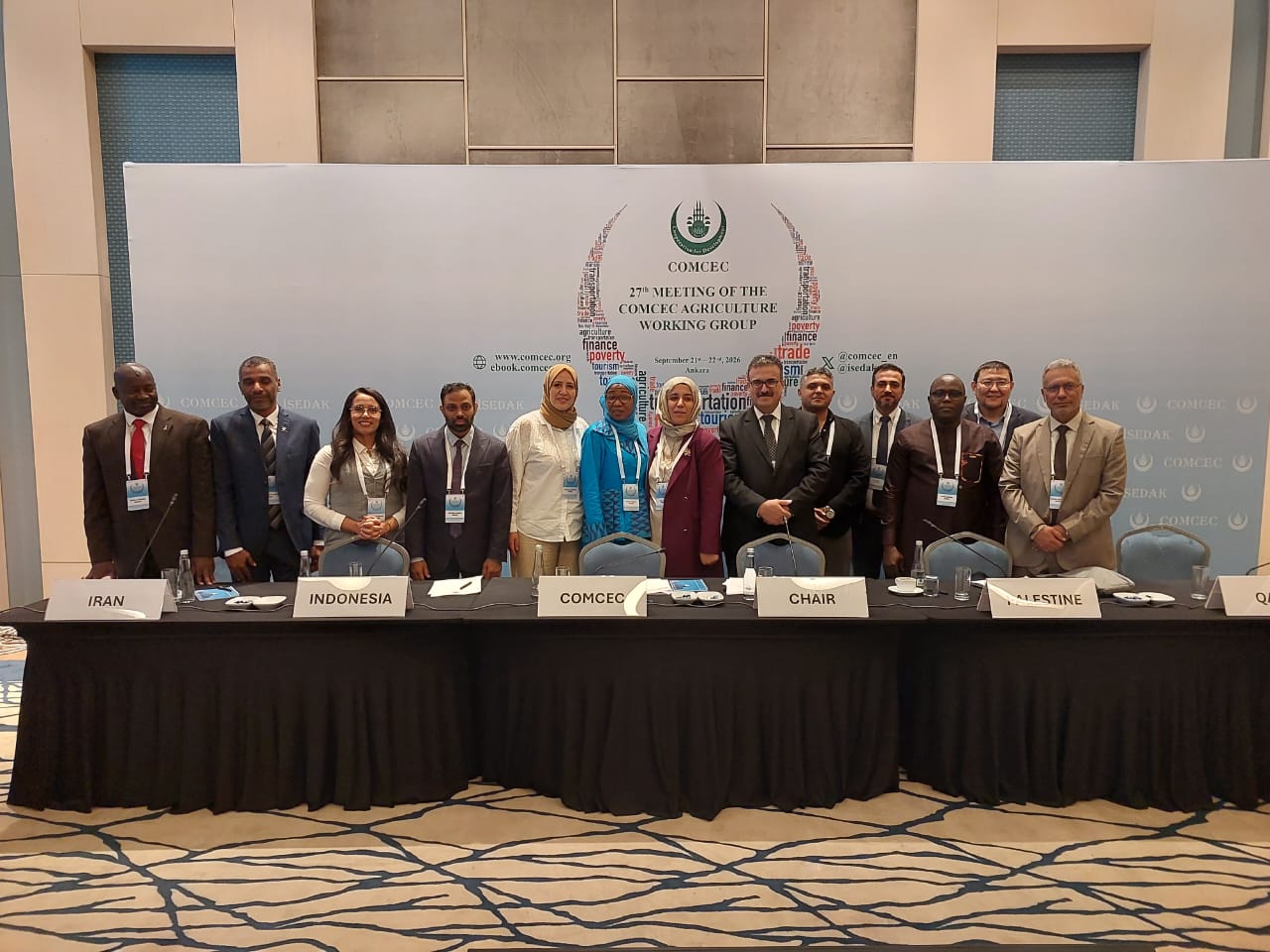
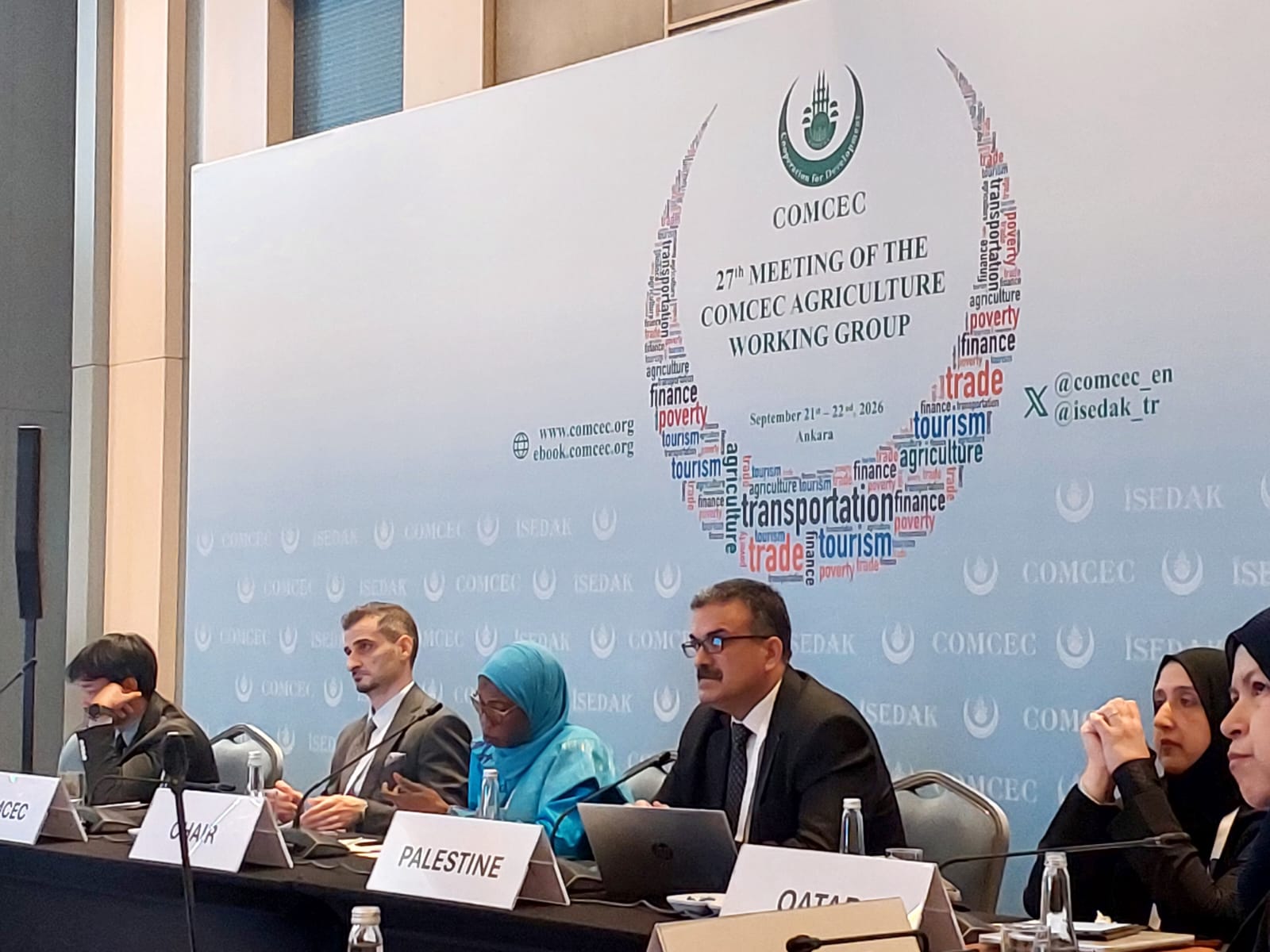
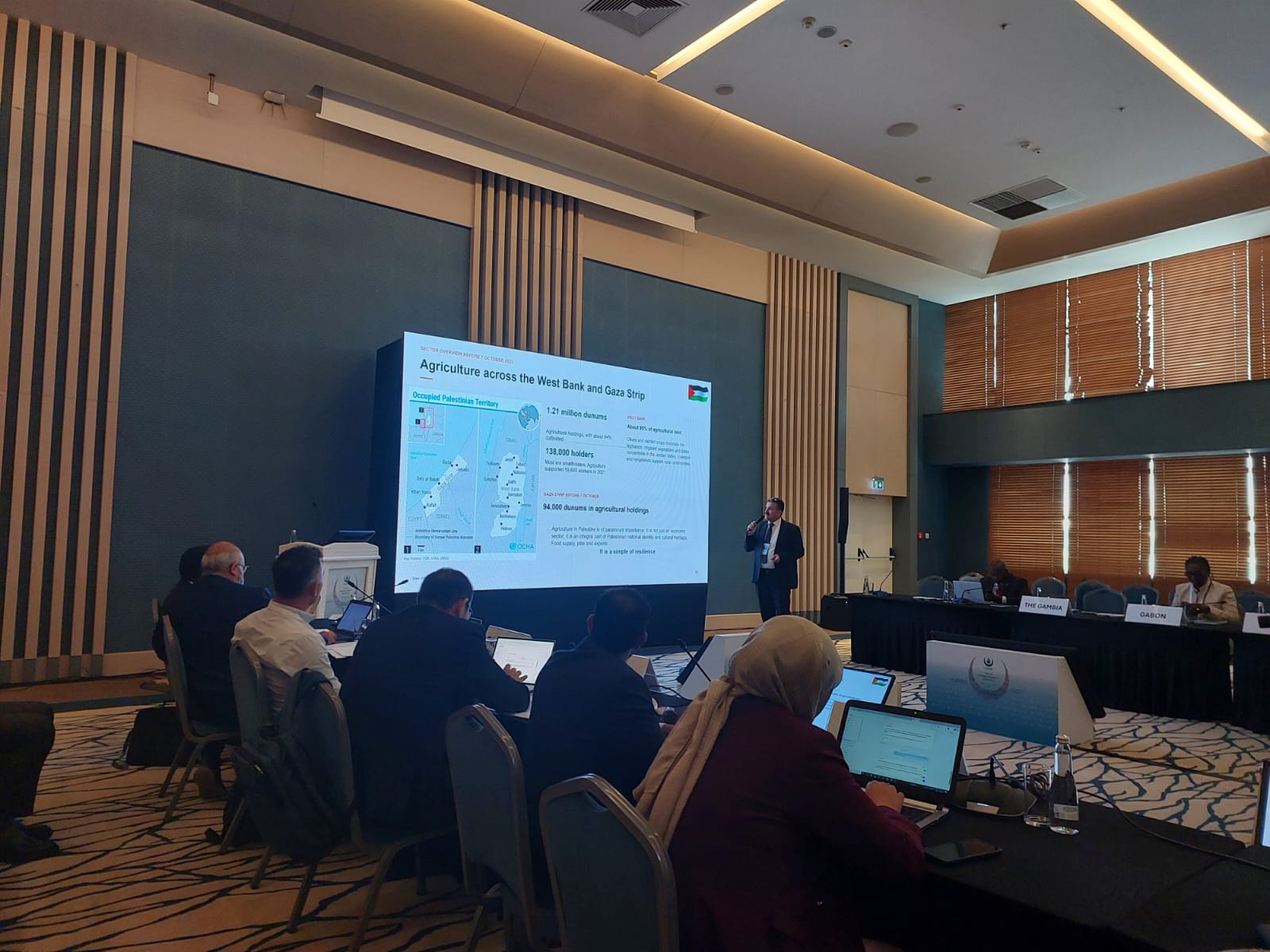
The State of Palestine, represented by the Ministry of Agriculture, participated in the 27th meeting of the Organization of Islamic Cooperation’s Standing Committee for Economic and Commercial Cooperation (COMCEC) working group on agriculture. Held in Ankara, on September 21–22, 2026, the meeting was themed "Enhancing the Resilience of the Agricultural Sector to Climate Change in OIC Member States." The Palestinian delegation included the Ambassador of the State of Palestine to the Republic of Turkey, Dr. Nasri Abu Jaish; the Undersecretary of the Ministry of Agriculture, Eng. Badr Hawamdeh; and the Director of the Drought and Climate Change Monitoring Department, Eng. Ahmed Safi. Representatives from the Palestinian Embassy—Jamil Muhanna, Majd Al-Nuaimi, and Samah Akila—also attended. The meeting brought together representatives from 16 countries as well as regional and international institutions and organizations to discuss ways to enhance cooperation and exchange expertise and best practices within the agricultural sector, particularly regarding the impacts of climate change and challenges threatening food security and agricultural development. Eng. Badr Al-Hawamdeh, Undersecretary of the Ministry of Agriculture, outlined the current state of the Palestinian agricultural sector and the challenges farmers face due to climate change—including rising temperatures, erratic rainfall, and recurring waves of drought, extreme heat, frost, and flash floods—along with the resulting losses in crop and livestock production and mounting pressure on water resources. The presentation also addressed the impact of ongoing Israeli occupation policies and practices, such as land confiscation and leveling, attacks on farmers, uprooting of trees, destruction of facilities, water networks, roads, and farmland, seizure of agricultural resources and assets, and restrictions on farmers' access to their land and markets; these actions hinder agricultural development and threaten the food security and livelihoods of thousands of Palestinian families.
The Palestinian delegation highlighted the catastrophic situation of the agricultural sector in the Gaza Strip, resulting from extensive damage to farmland, wells, greenhouses, crop, livestock, and fisheries production facilities, and markets. They called upon member states of the Organization of Islamic Cooperation (OIC) to support the recovery of Gaza’s agricultural sector, rehabilitate production infrastructure, and strengthen food security. The Ministry also outlined the Palestinian government's efforts to bolster the sector's resilience. Foremost among these is the "Seeds of Change" initiative, which aims to enhance food and water security, green Palestine, protect natural resources, and support agroecology. Additionally, work is underway to establish an agricultural early warning system designed to translate climate data into practical alerts and guidance, enabling farmers to prepare for and timely address potential risks.
Al-Hawamdeh emphasized that the Palestinian agricultural sector—despite harsh conditions, occupation policies, and ongoing attacks—remains steadfast and deeply rooted in the land, serving as a pillar of the Palestinian people's resilience and the protection of their identity and national resources. He stressed that strengthening the sector's capacity to confront climate change requires investment in climate adaptation, as well as the protection of farmers and the assurance of safe access to their lands and resources. He noted that while early warning systems can predict climate-related risks, they cannot predict when settler attacks on farmers and their property might occur. On the sidelines of the meeting, the delegation explored opportunities for cooperation with participating nations—particularly in agricultural insurance, climate risk management, and knowledge exchange—and discussed leveraging Turkey’s experience in developing tools to protect farmers. At the conclusion of its participation, the Palestinian delegation presented recommendations that included establishing an Islamic emergency mechanism to support the recovery of Gaza’s agricultural sector; funding agricultural early-warning systems linked to official national data; protecting farmers and ensuring their access to land, water, and markets; supporting investments based on the water-energy-food-ecosystem nexus; and expanding climate finance and agricultural insurance while providing concessional support to smallholder farmers. The Ministry of Agriculture emphasized that this participation aims to foster cooperation among member states, highlight the reality of Palestinian agriculture and the violations it faces, and mobilize support to protect Palestinian farmers, enabling them to remain on their land and continue food production.