Notification
حظر استيراد كافة أنواع الطيور الحية الداجنة والبرية وطيور الزينة وبيض التفقيس والصيصان عمر يوم ومخلفاتها الغير معاملة حراريا من تركيا ولحين استقرار الوضع الصحي

⭕ Nine new beneficiaries in the second phase of agricultural grants.
⭕ Palestinian-Italian partnership to support new job opportunities and enhance farmers' resilience.
⭕ Slaimiya: Supporting the fodder and plum sectors strengthens food security and resilience.
Ramallah: September 7, 2026
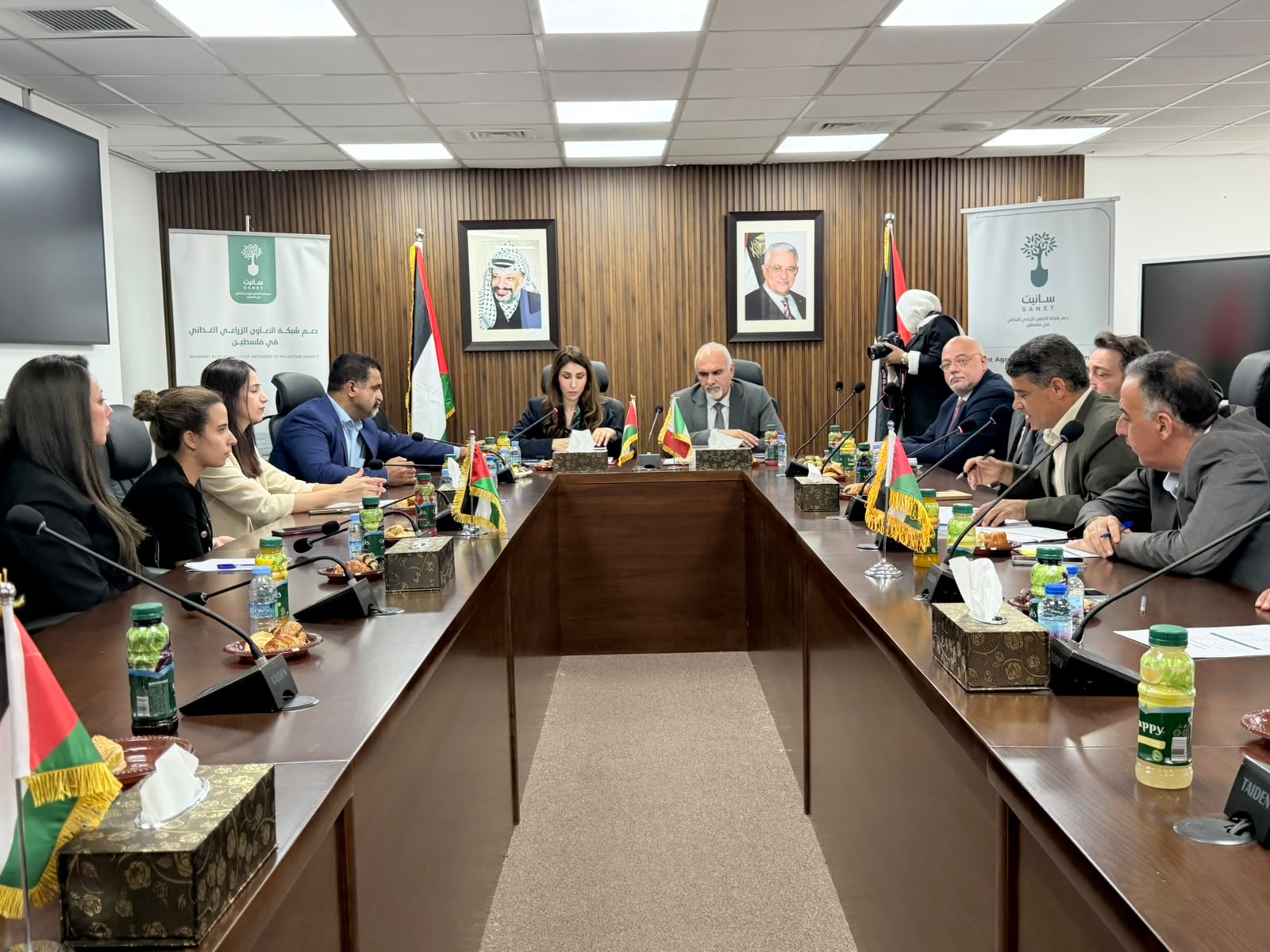
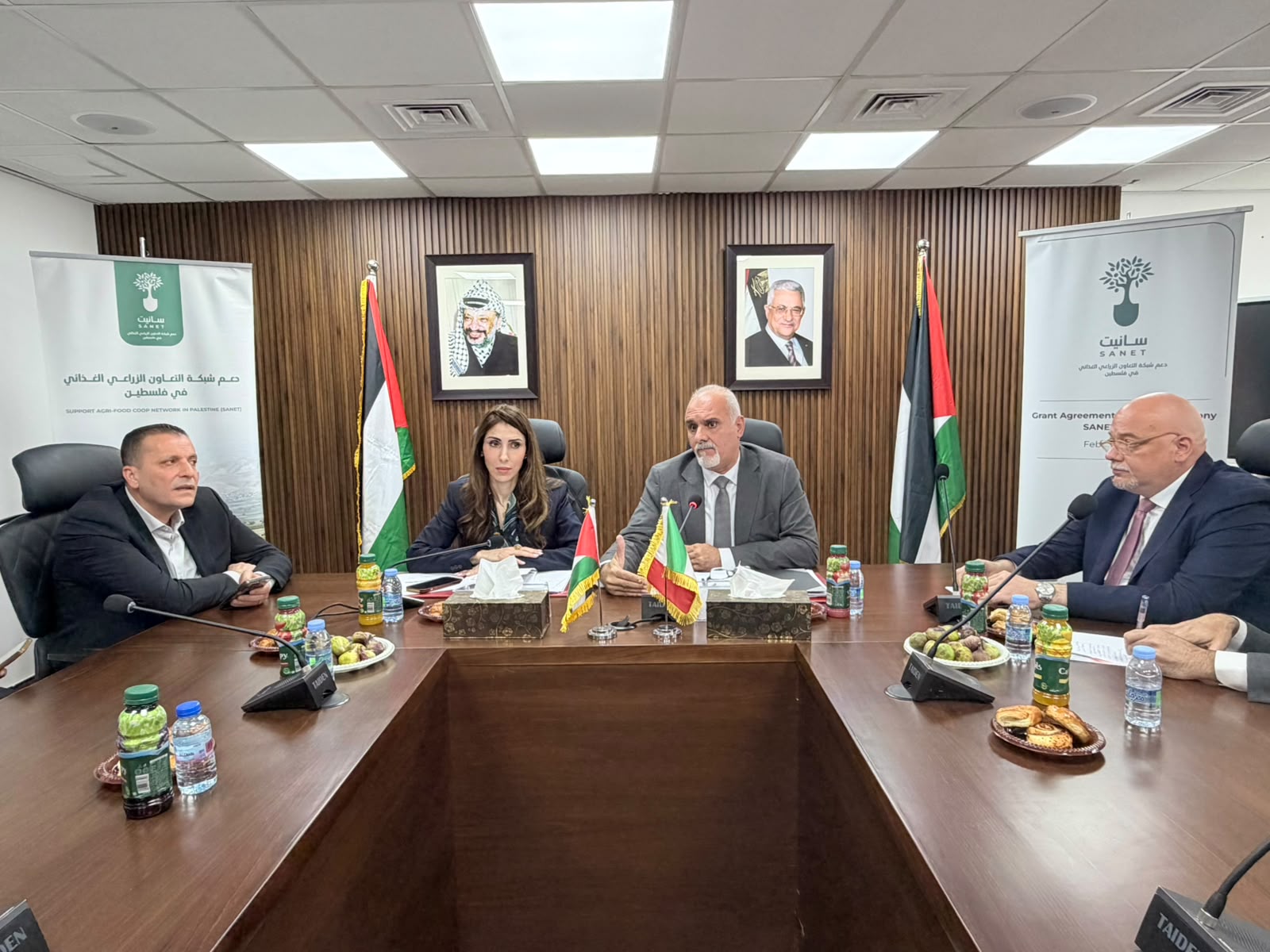
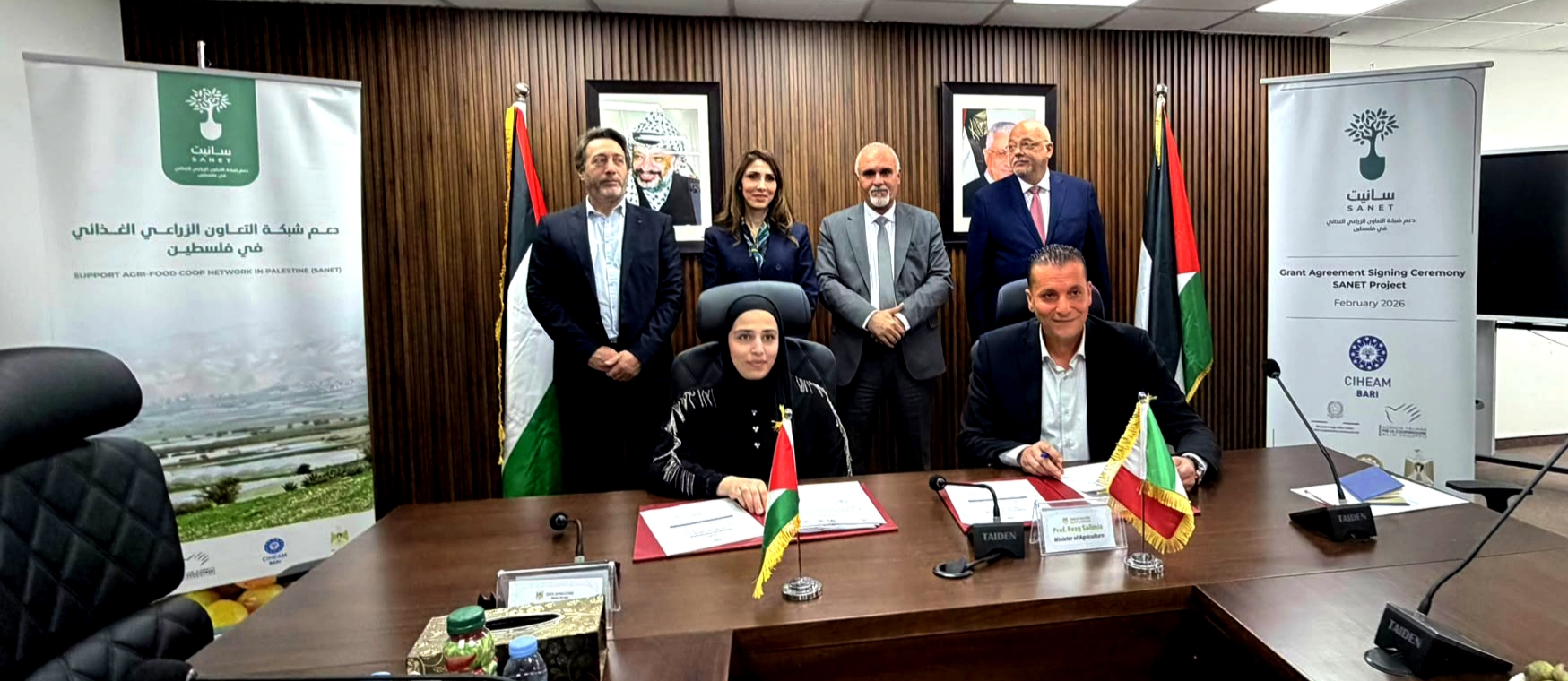
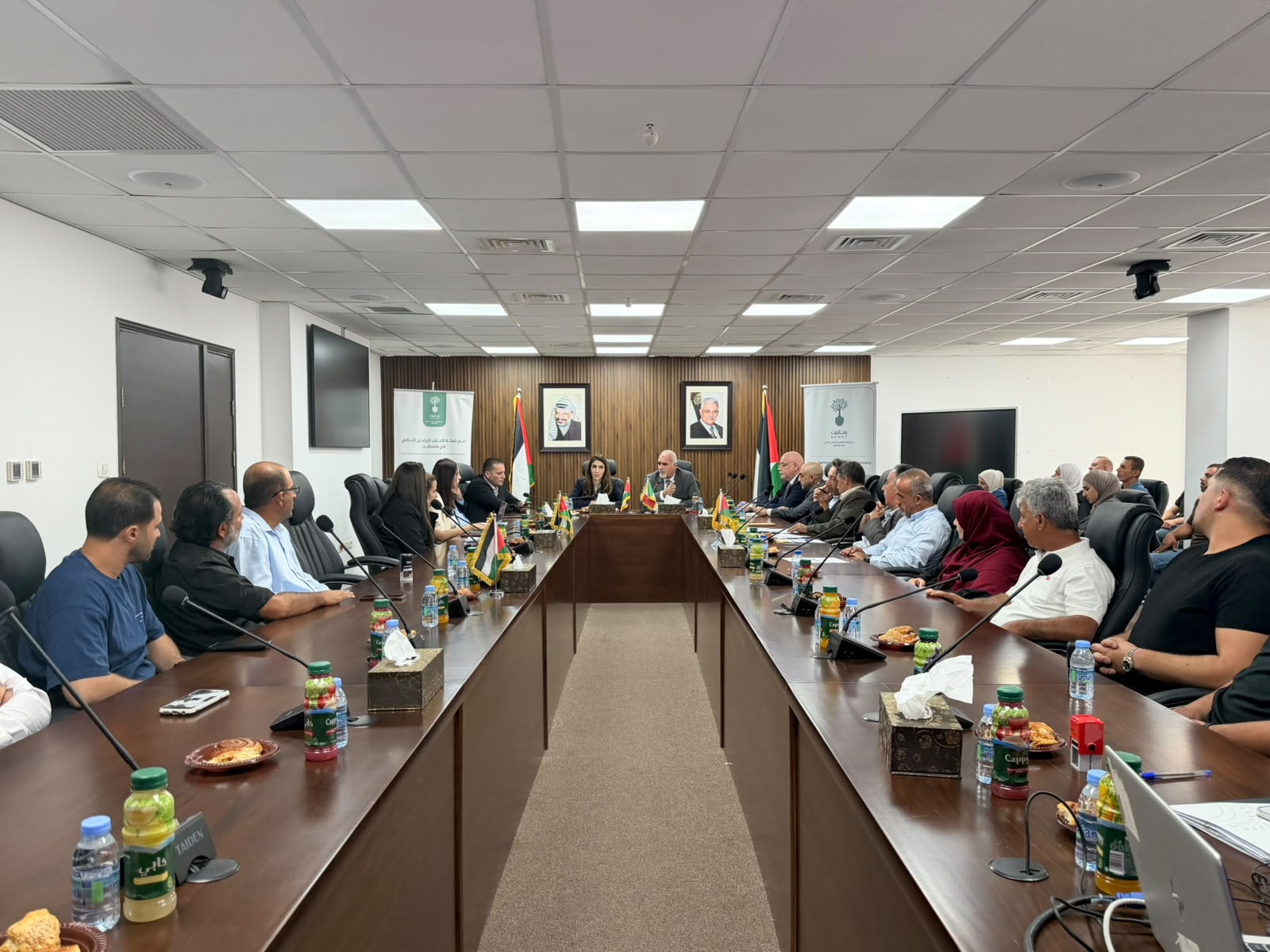
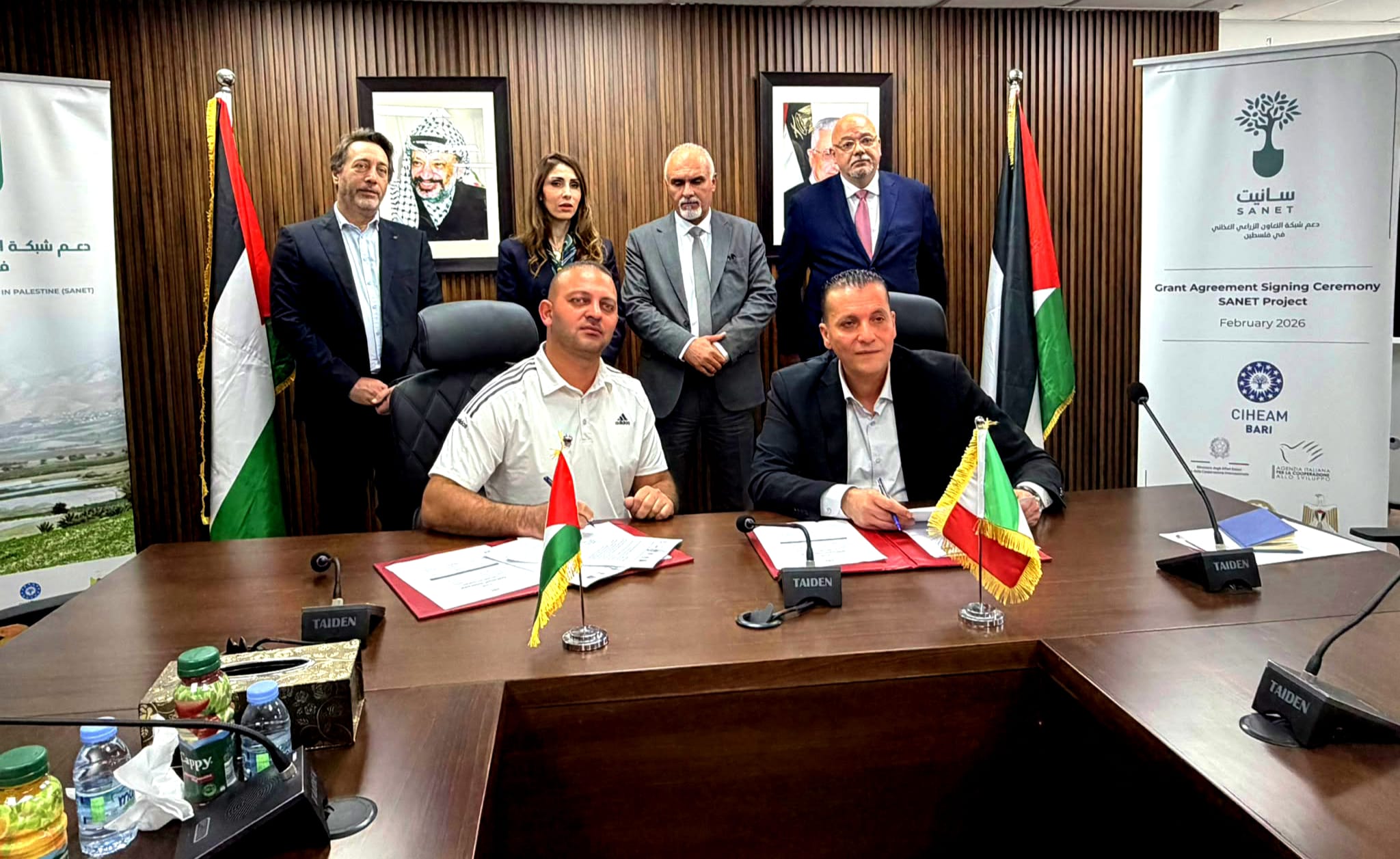
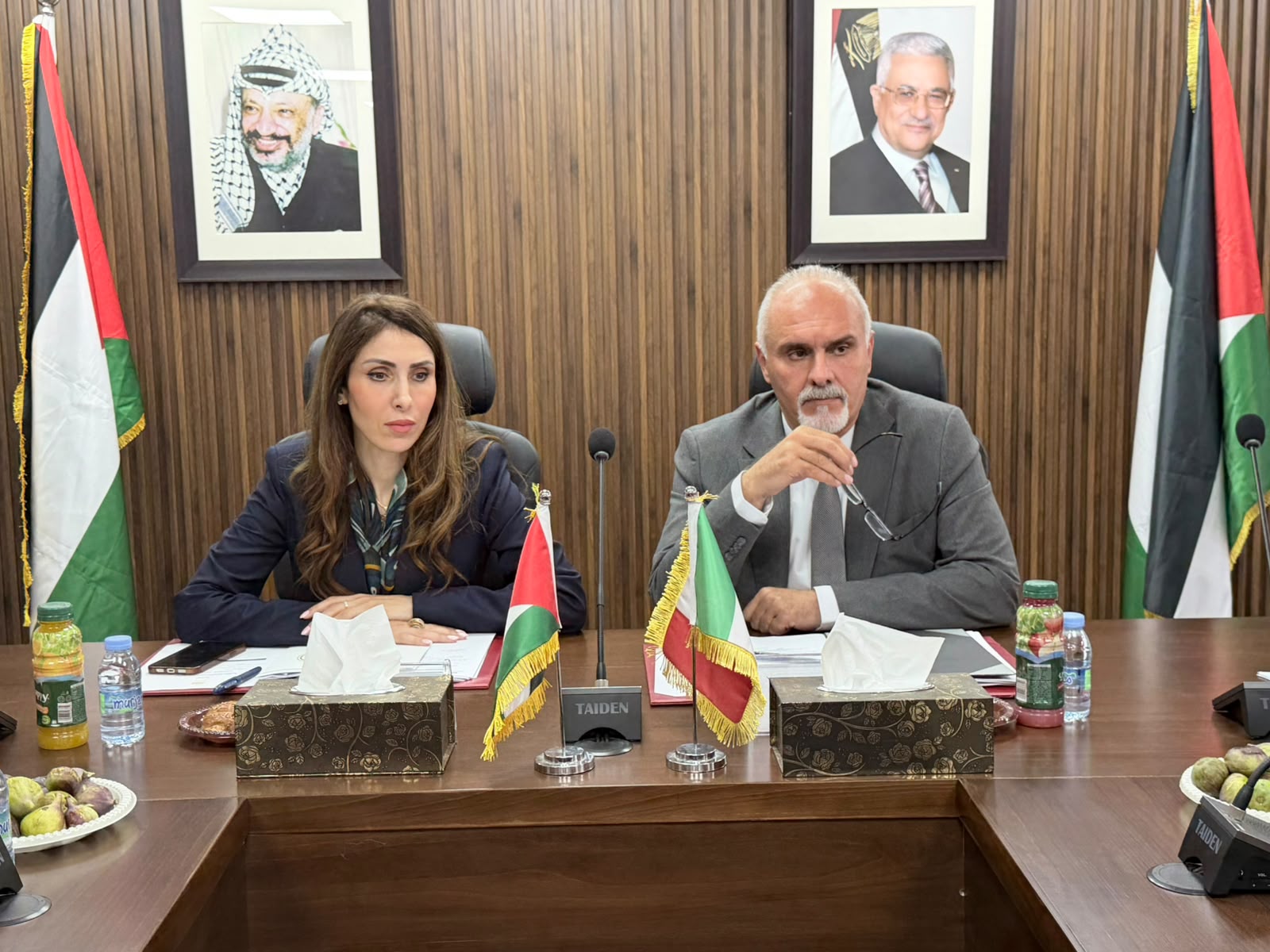
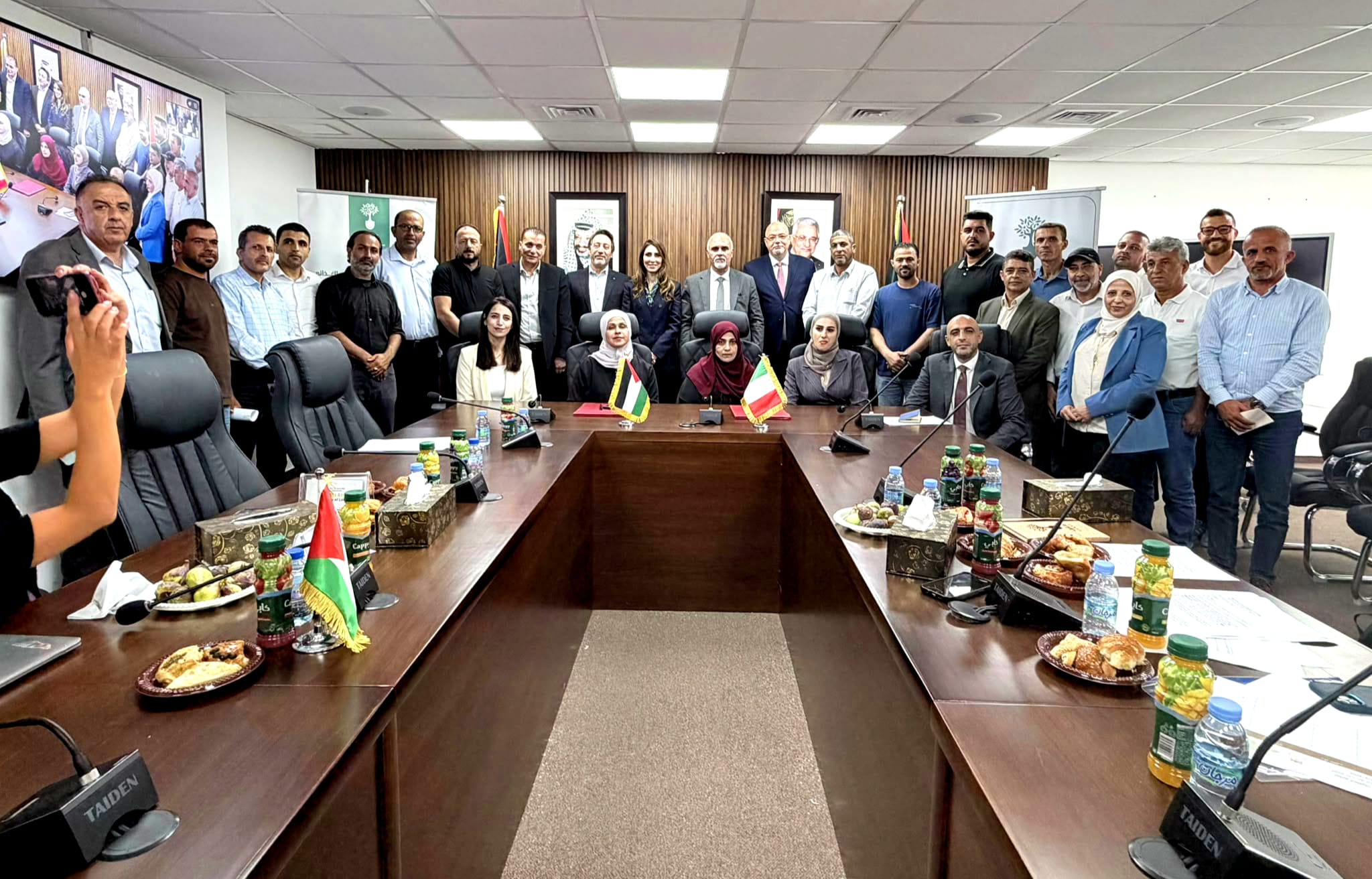
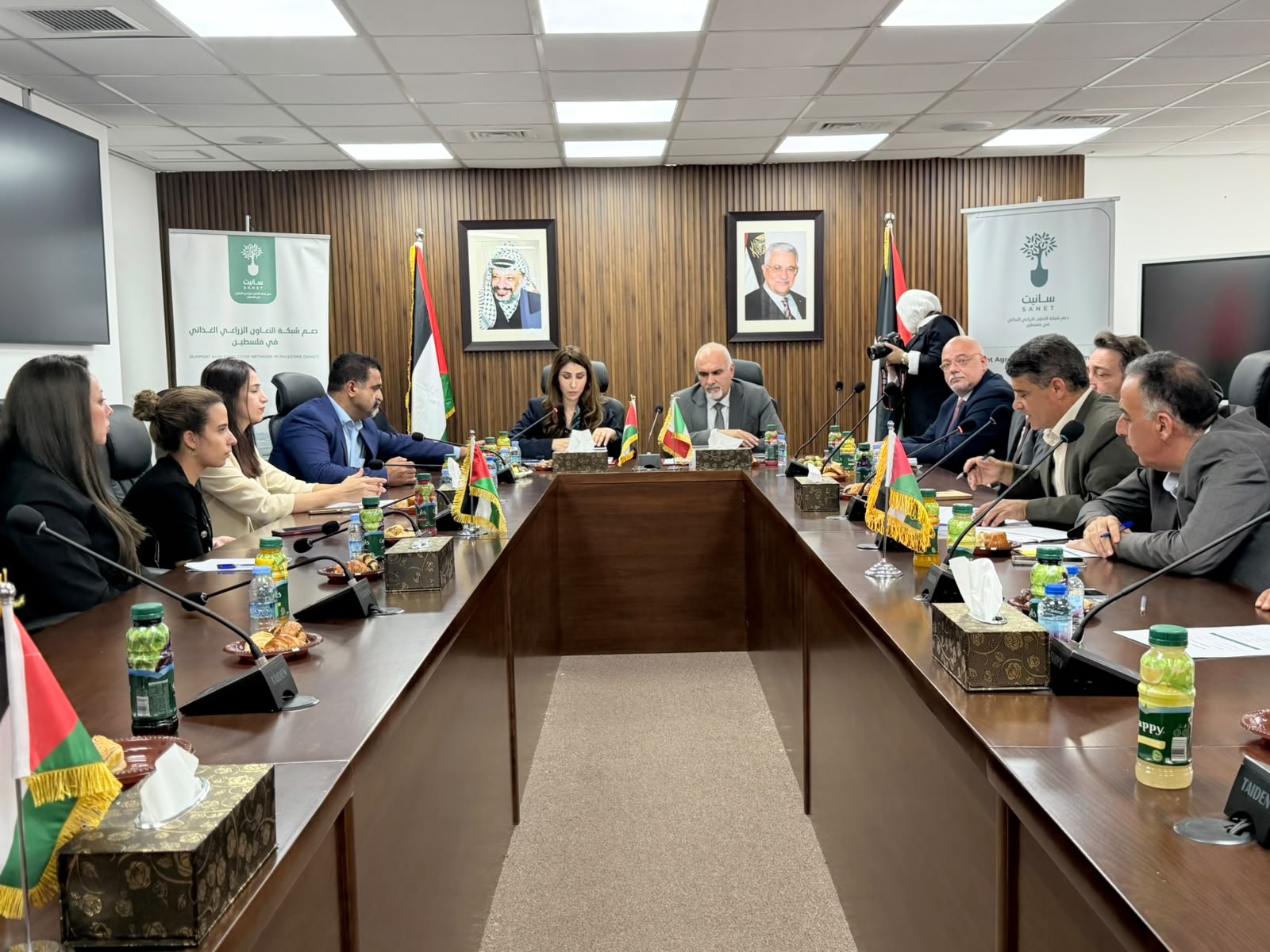
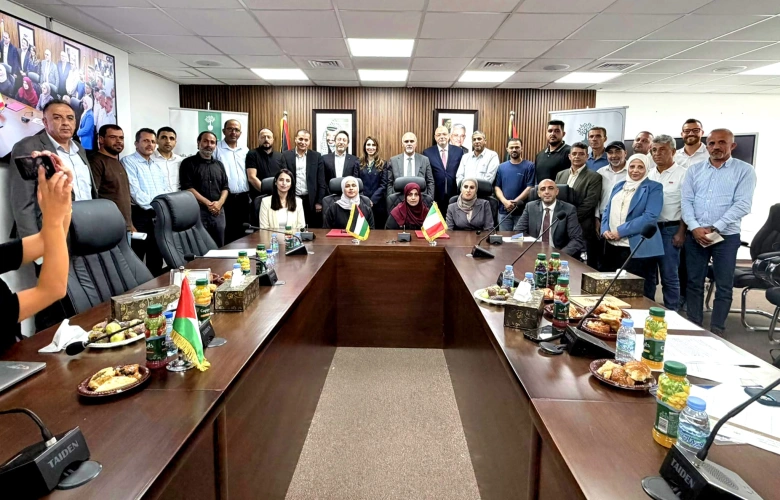
The Ministry of Agriculture and the Ministry of Labor signed agricultural grant agreements today, Monday, at the Ministry of Agriculture headquarters in Ramallah, for nine beneficiaries as part of the second phase of the "SANIT – Supporting the Agricultural and Food Cooperation Network in Palestine" project. The grants, totaling 235,000 shekels, target the fodder and plum sectors. The signing ceremony was attended by Minister of Agriculture Professor Rizq Slaimiya and Minister of Labor Dr. Inas Attari.
The agreements were signed with the beneficiaries by Mr. Muhammad Sharaka, Head of the Palestinian Employment Fund. Also present were Mr. Luca Perugini, Deputy Director of Italian Cooperation, Mr. Muhammad Musleh, Director of Economic Development at Italian Cooperation, and Eng. Awda Sabarna, the project's National Coordinator.
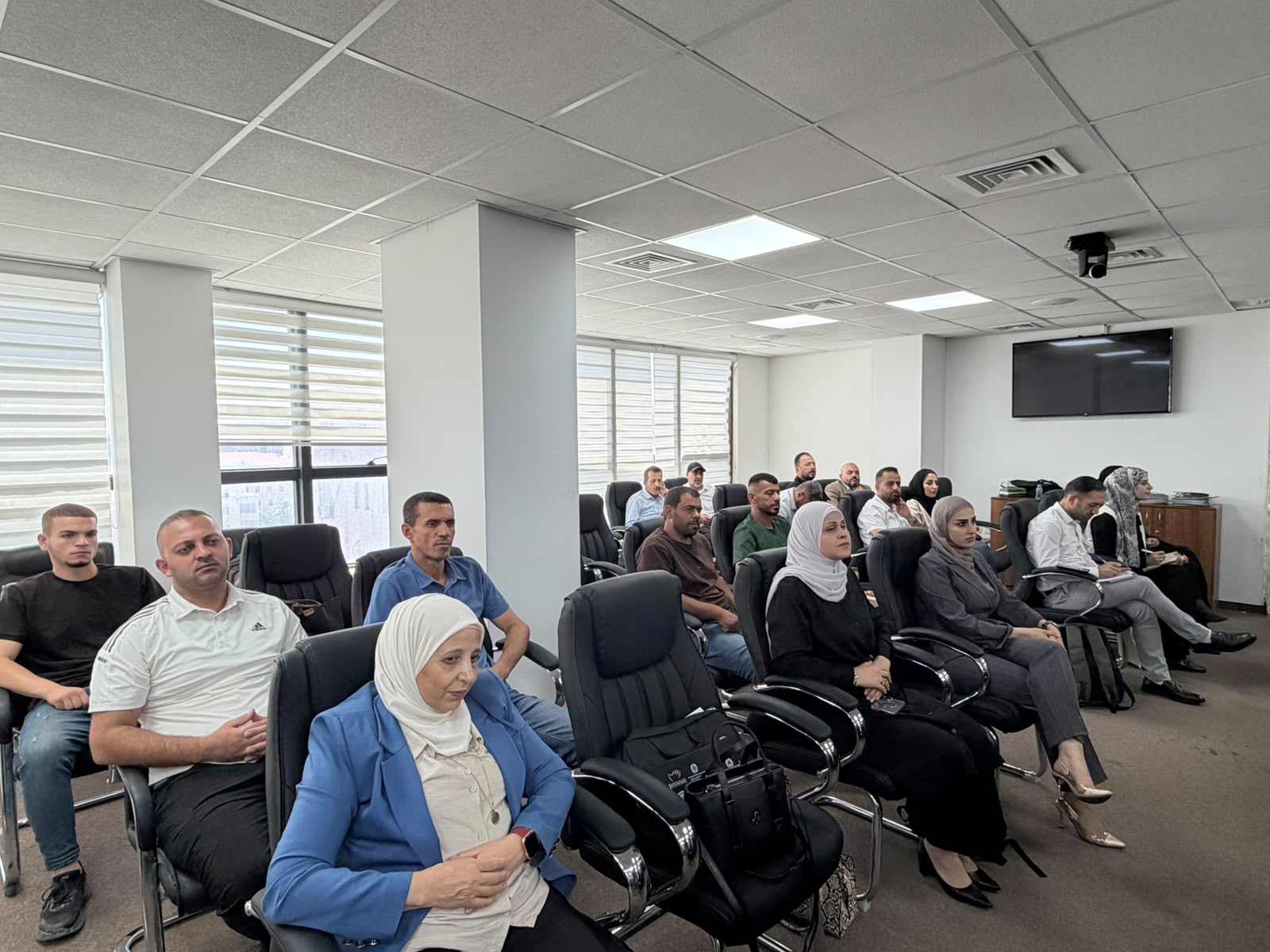
The project is being implemented in cooperation between the Ministry of Agriculture and the Ministry of Labor, represented by the Palestinian Employment Fund, in partnership with the CIHEAM Bari Institute and with support from the Italian Agency for Development Cooperation. These grants are part of a broader effort to support sustainable agricultural projects, develop agricultural value chains, and enhance employment opportunities, production, and food security. Beneficiaries were selected through a competitive and technical process that included application submission, initial analysis of applications, field visits, preparation of technical studies and work plans, and evaluation by a joint committee. Beneficiaries were selected based on criteria including project feasibility, self-contribution, sustainability and environmental impact, job creation and inclusivity, innovation and technology, and market access and cooperative integration.
Minister of Agriculture Professor Rizq Slaimiya affirmed that the Ministry's efforts to advance the agricultural sector and support Palestinian farmers, in cooperation with various partners, are taking place under extremely difficult circumstances characterized by survival, resilience, and steadfastness. He explained that supporting the fodder and plum sectors aims to bolster livestock and plant resources and food security, especially given the shortage in the fodder sector and its impact on livestock production.
Slaimiya added that these projects represent a responsibility entrusted to their beneficiaries, calling for the grants to be invested in a way that achieves the highest possible benefit, sustainability, and productivity, and opens the door to reaching new beneficiaries in future phases. He also stressed the importance of beneficiaries visiting the directorates, departments, and offices of the Ministry of Agriculture in the various governorates before commencing project implementation to benefit from the guidance and technical support provided by the Ministry's engineers. He emphasized that the success and sustainability of these projects will strengthen the agricultural sector's ability to persevere and produce.
For her part, Minister of Labor Dr. Inas Attari emphasized the importance of cooperation between the Ministries of Labor and Agriculture and their partners in implementing these projects, which contribute to providing sustainable job opportunities and serving the agricultural sector. She noted that this cooperation will continue in the next phase to complete the project and reach new beneficiaries and farmers, thus strengthening investment in Palestinian people and farmers.