Notification
حظر استيراد كافة أنواع الطيور الحية الداجنة والبرية وطيور الزينة وبيض التفقيس والصيصان عمر يوم ومخلفاتها الغير معاملة حراريا من تركيا ولحين استقرار الوضع الصحي

Aqaba: 12/7/2026
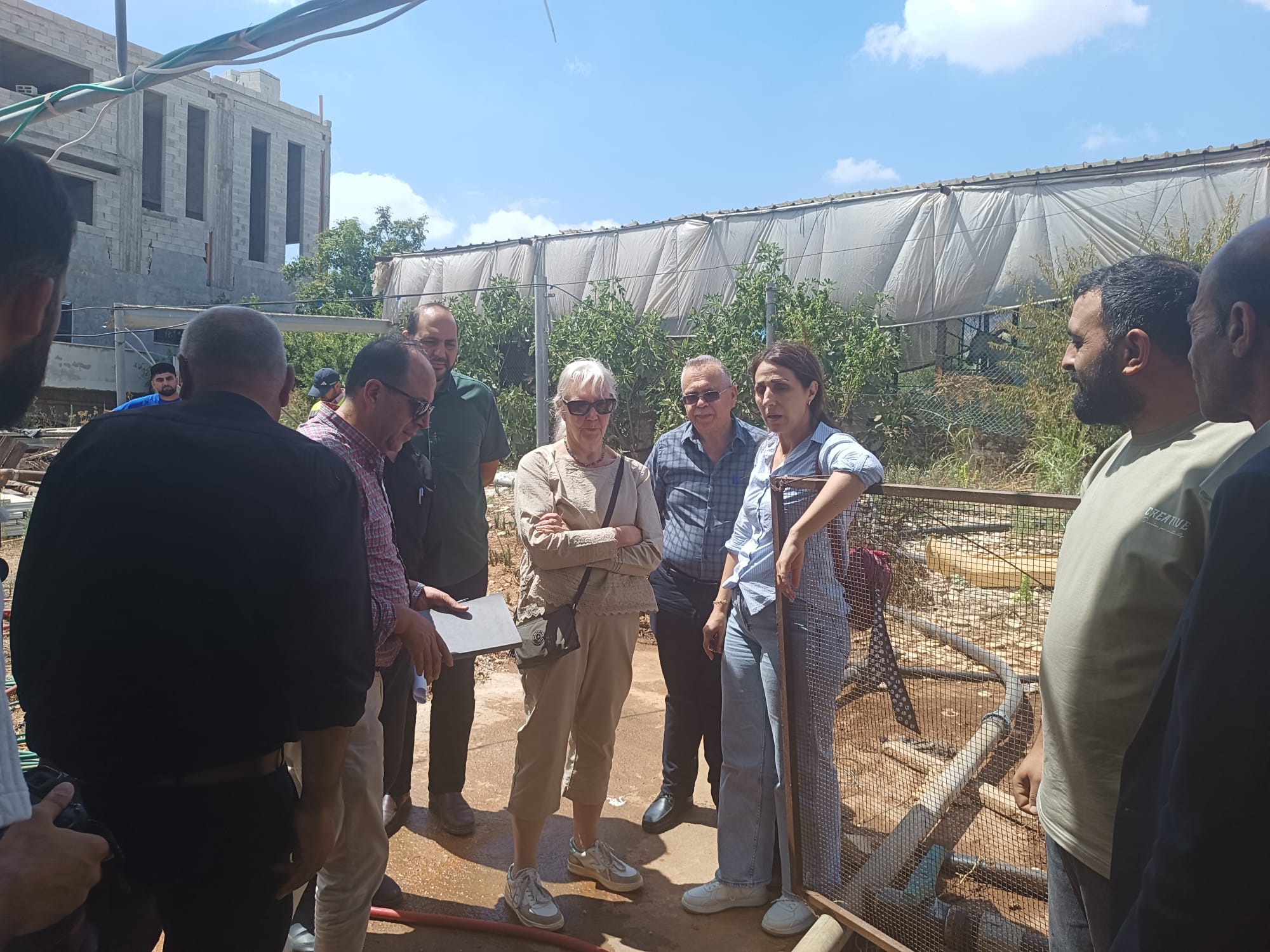
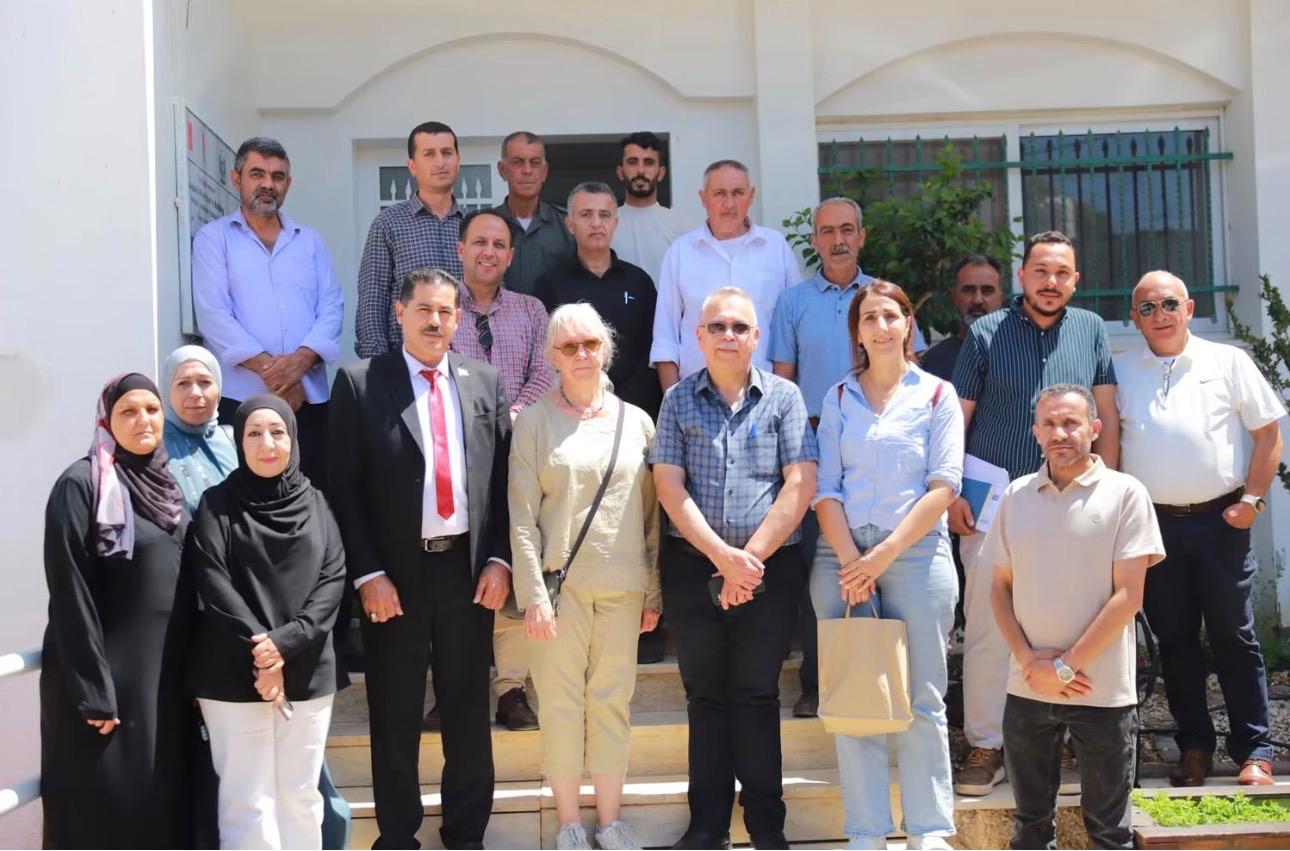
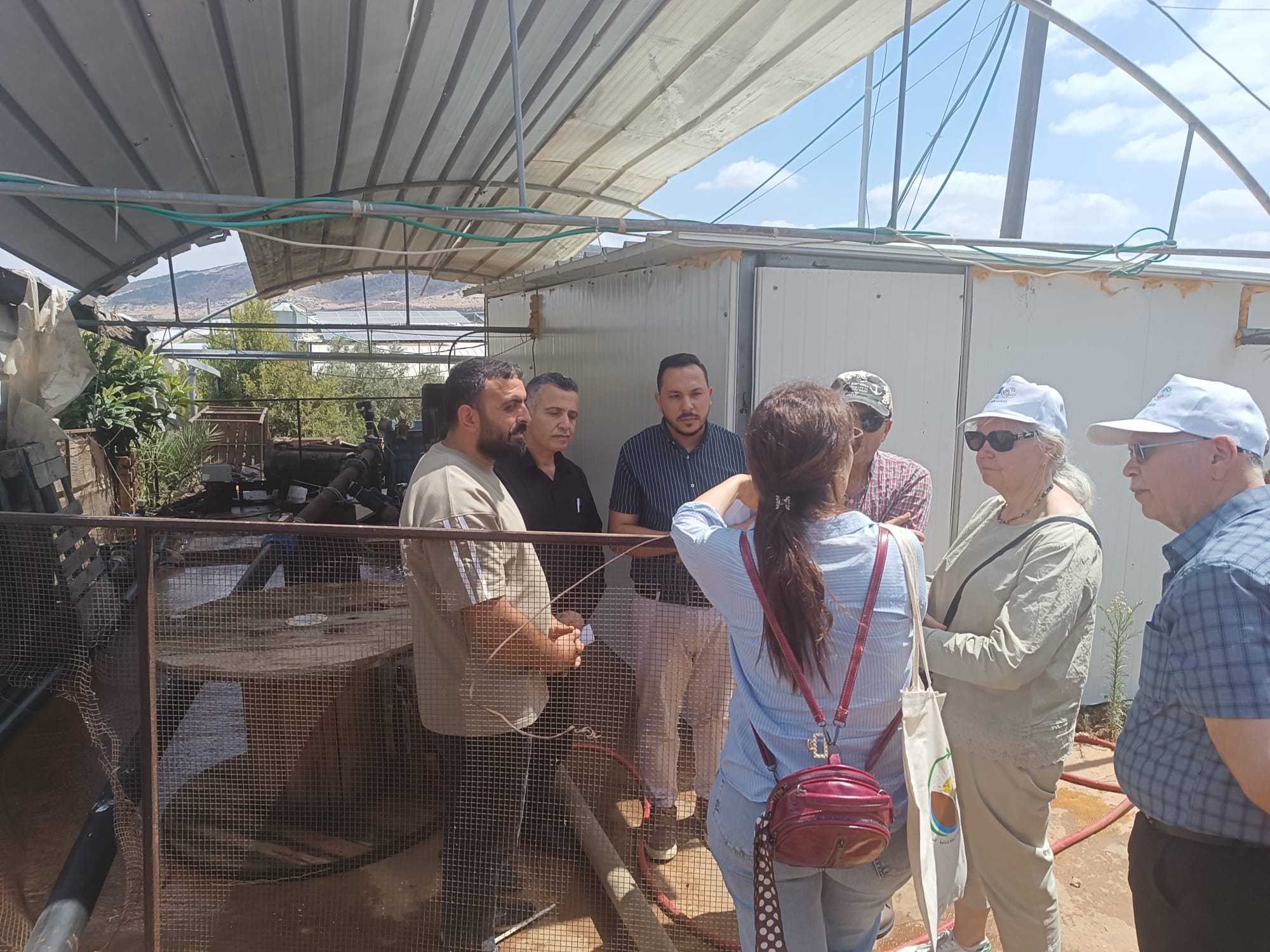
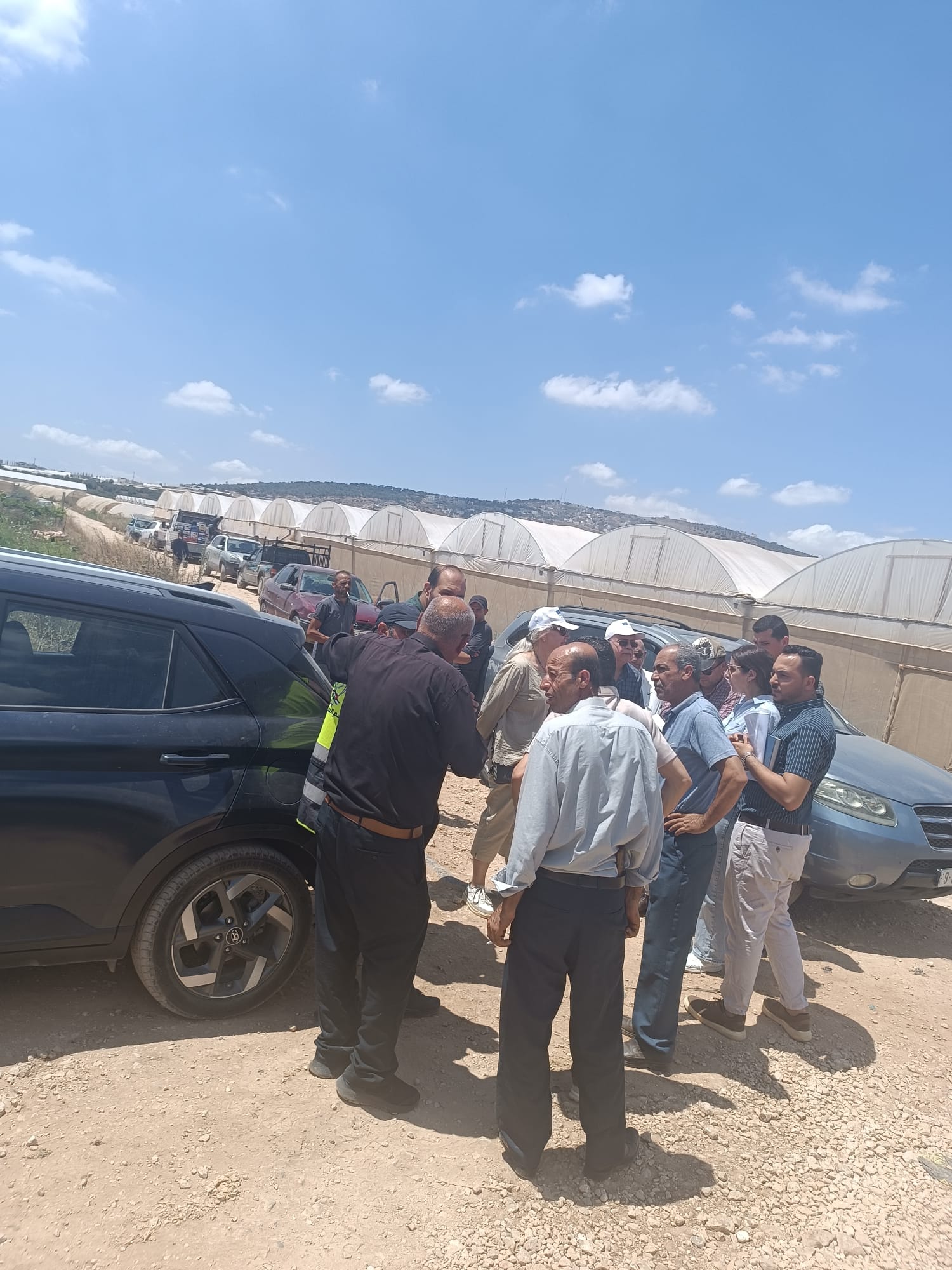
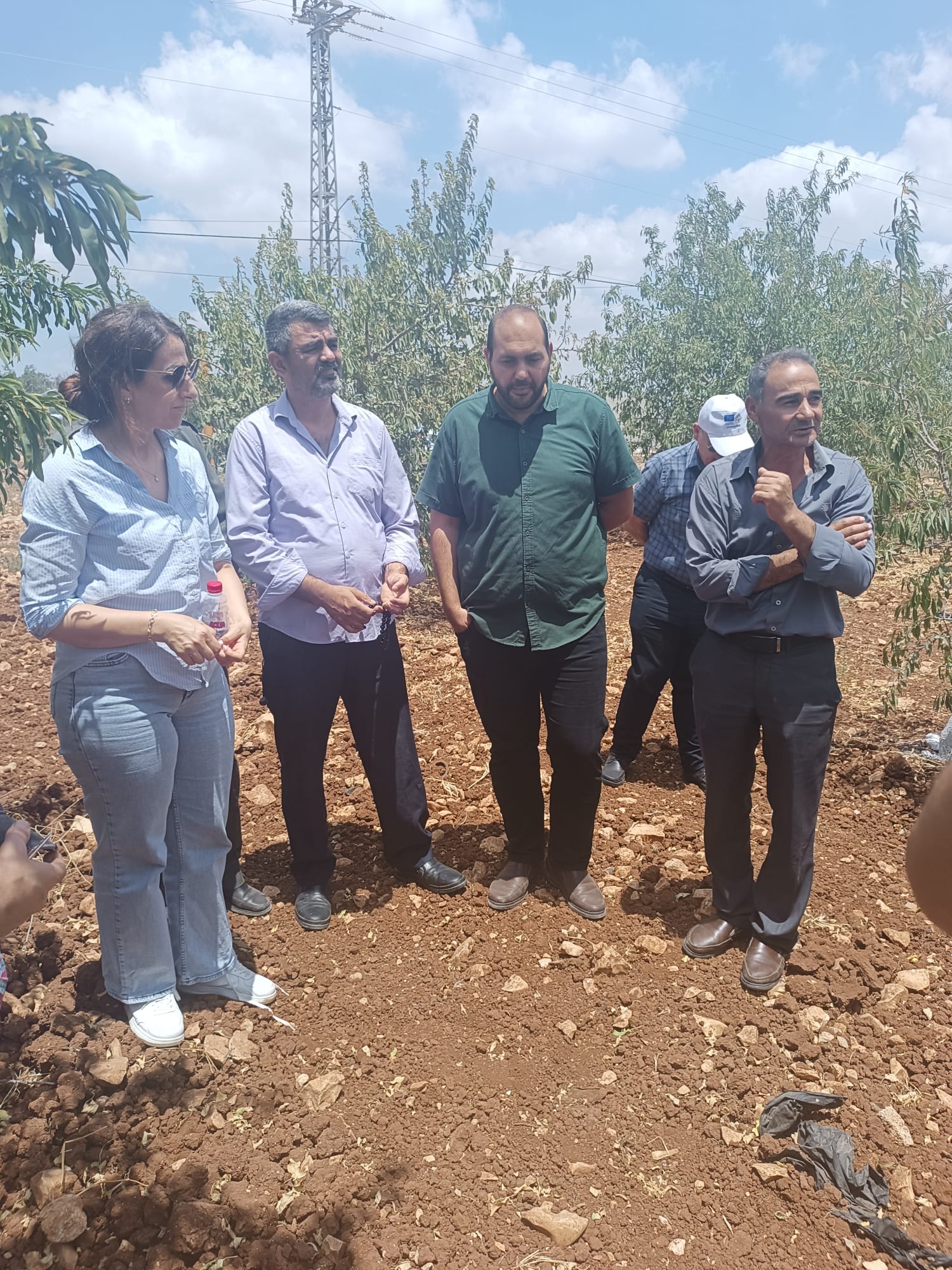
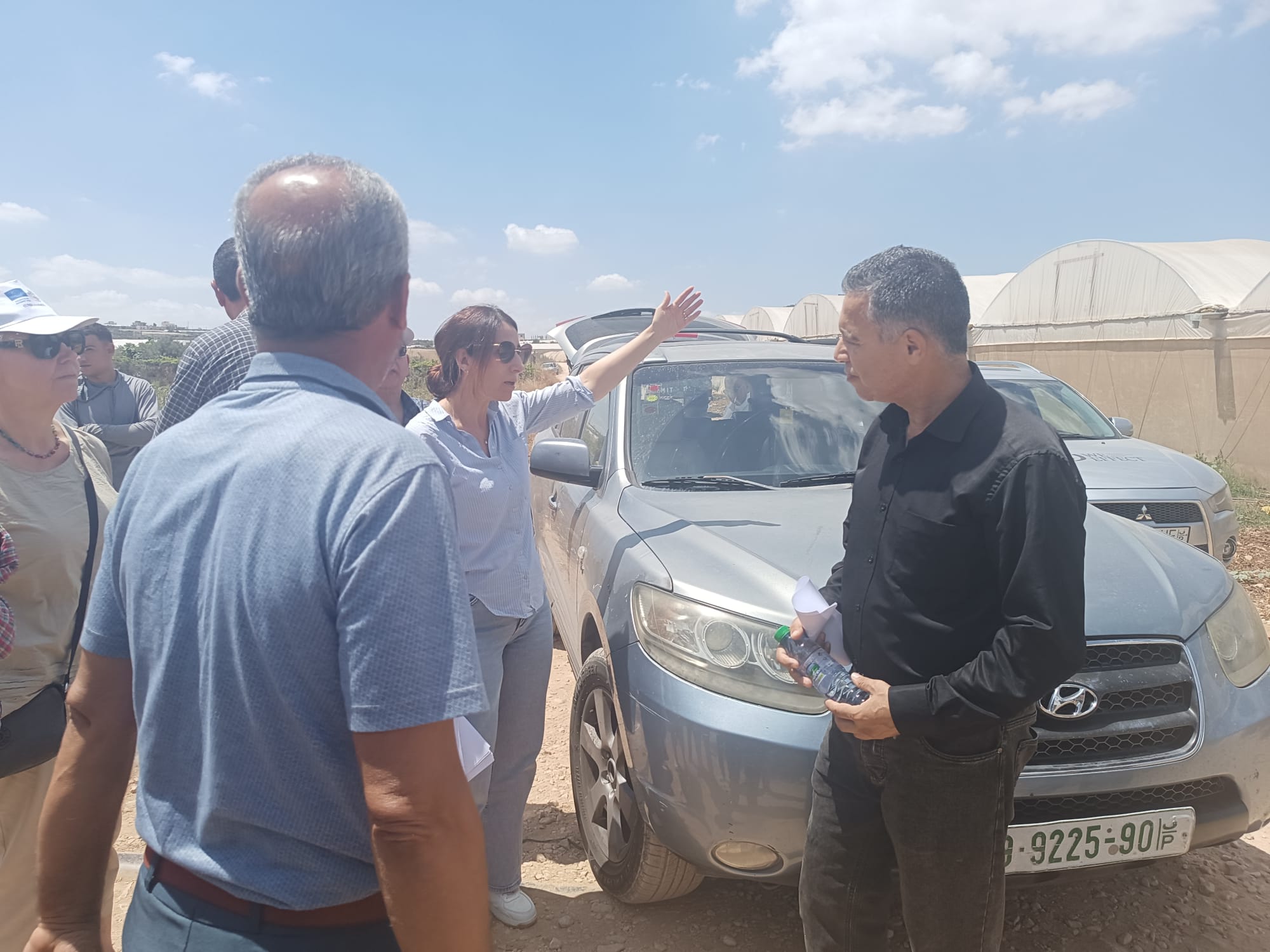
A field visit was organized today to several selected project sites planned for implementation under the Livelihood, Infrastructure, and Food Systems Transformation Programme (LIFT Palestine) in the town of Aqaba, Tubas and Northern Jordan Valley Governorate. Representatives from partner and implementing organizations participated in the visit to review progress and development interventions being implemented by the program in its first phase in the governorate. The visit was attended by Ms. Stavros Beyer, Director of We Effect, along with staff from the Ministry of Agriculture and the Applied Research Institute – Jerusalem (ARIJ).
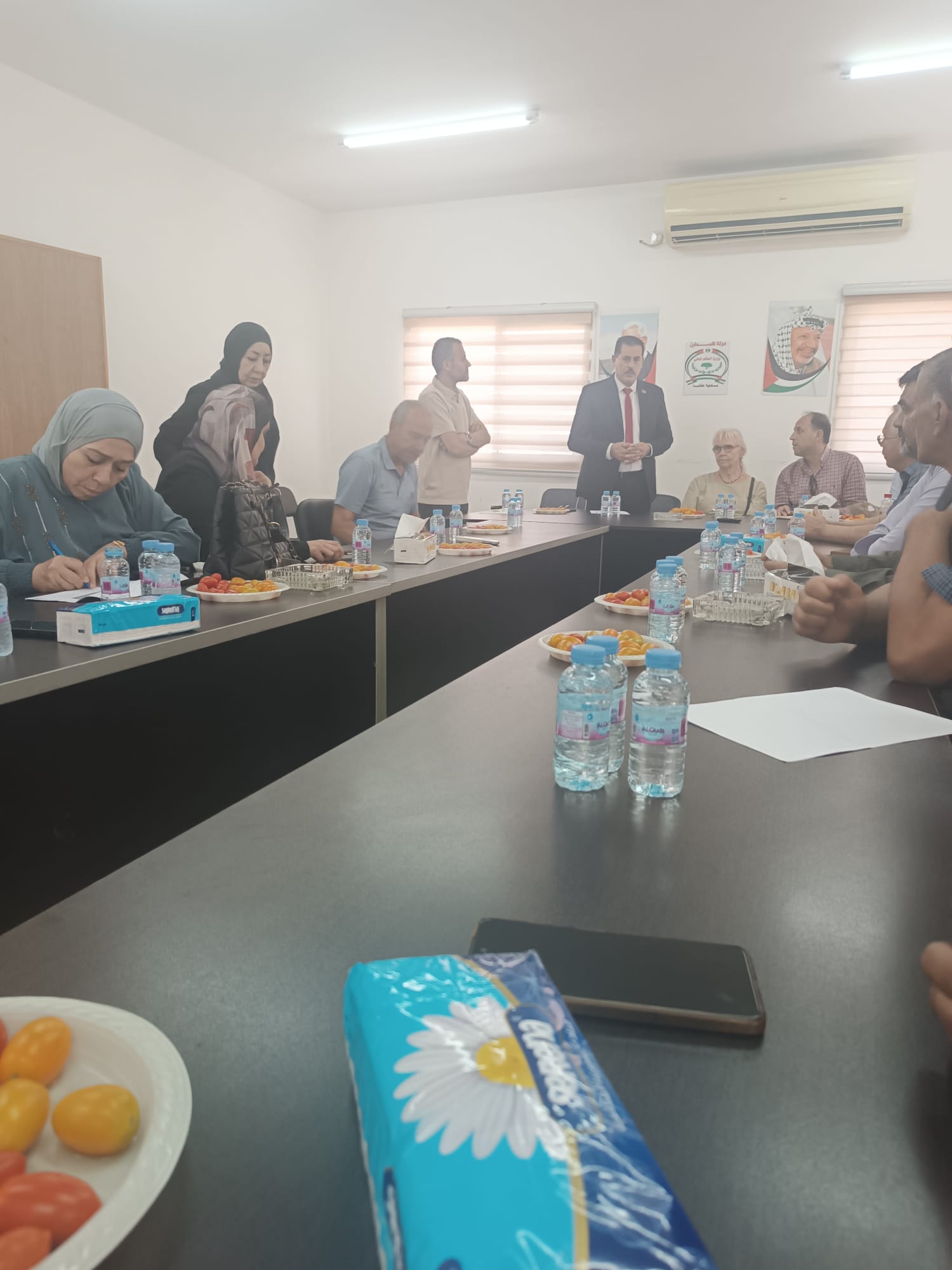
The visit began at ARIJ office in Tubas and Northern Jordan Valley before proceeding to the various project sites. Participants were briefed on a project to establish a solar energy system for an agricultural well and water pipeline, as well as a project to rehabilitate agricultural roads, and a project to develop an almond-growing area and support the cooperative by improving post-harvest, processing, and marketing operations. The visit also included a meeting at Aqaba Municipality with representatives of the municipality and the local committee, attended by the Mayor of Aqaba, Mr. Abdul Razzaq Abu Arra. During the meeting, local development priorities were discussed, and the program's role in supporting the agricultural sector and strengthening the resilience of rural communities was reviewed, in line with the region's needs and development aspirations.
The program is implemented by the Applied Research Institute – Jerusalem (ARIJ), managed by We Effect, and funded by the Swedish International Development Cooperation Agency (Sida). It targets the Tubas Governorate and the northern Jordan Valley, including the towns of Aqaba, Tayasir, and Al-Aqaba, and the city of Tubas (Salhab and Al-Thaghra areas).
The program includes a package of development interventions, most notably the rehabilitation of agricultural roads, the construction of water pipelines, the installation of solar energy systems for agricultural wells, the construction of packing and grading houses and rainwater harvesting tanks, and the rehabilitation of agricultural ponds. It also supports climate-smart farming practices and builds the capacities of farmers and community committees. The LIFT Palestine program aims to enhance farmers’ livelihoods, improve agricultural infrastructure, and increase the efficiency of natural resource management, thereby contributing to enhanced food security, sustainable agricultural development, and increased capacity of local communities to cope with economic and climate challenges.