Notification
حظر استيراد كافة أنواع الطيور الحية الداجنة والبرية وطيور الزينة وبيض التفقيس والصيصان عمر يوم ومخلفاتها الغير معاملة حراريا من تركيا ولحين استقرار الوضع الصحي

⭕ Slaimiya: Developing infrastructure and laboratories is essential for enhancing the quality of agricultural products and opening up export opportunities.
⭕ Hijjeh: Agriculture and industry are pillars of the Palestinian economy; integrated efforts boost the quality of agricultural products.
⭕ 50 agricultural engineers were trained under the World Bank-funded Social Recovery and Job Creation Project.
Ramallah: September 14, 2026
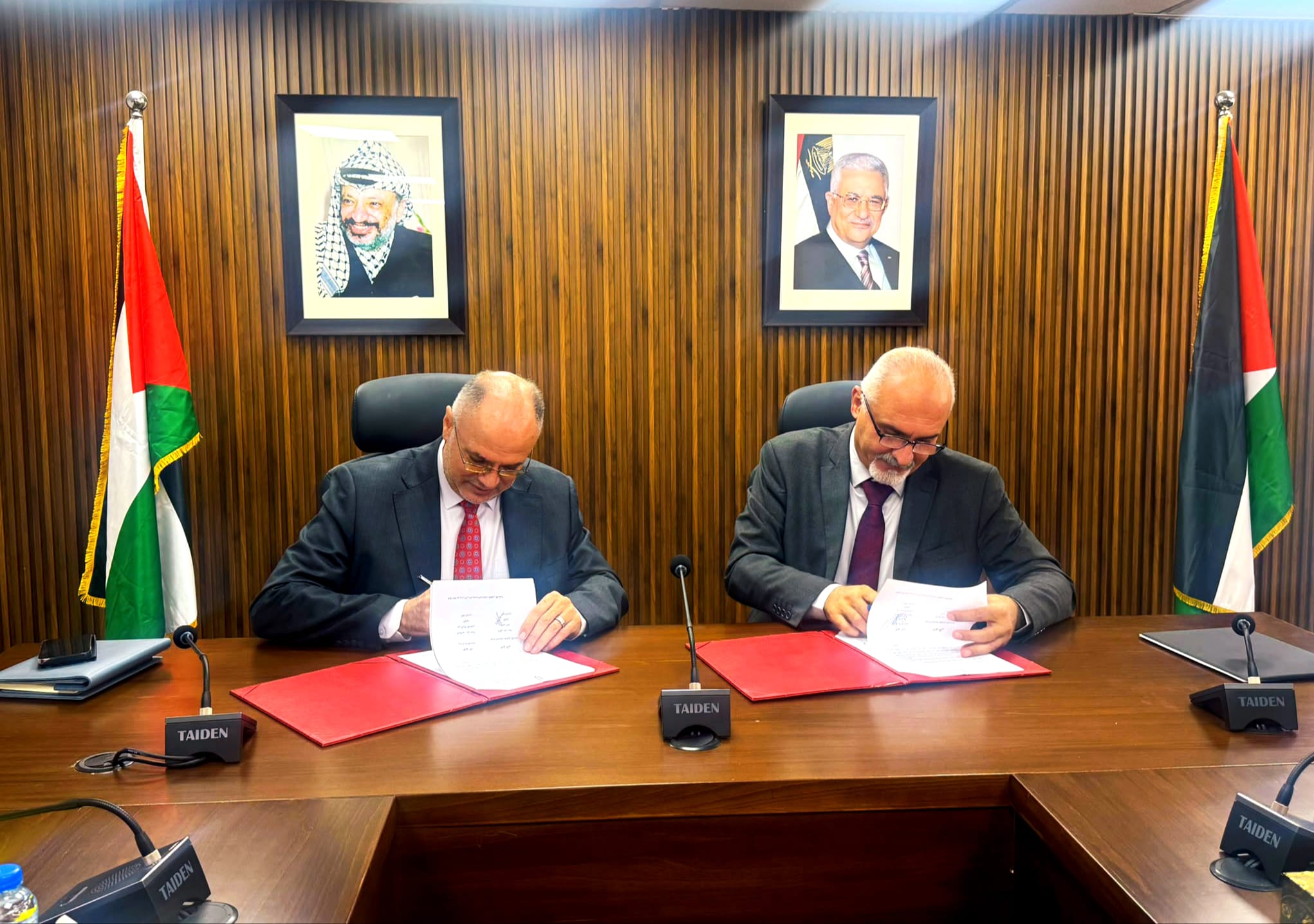
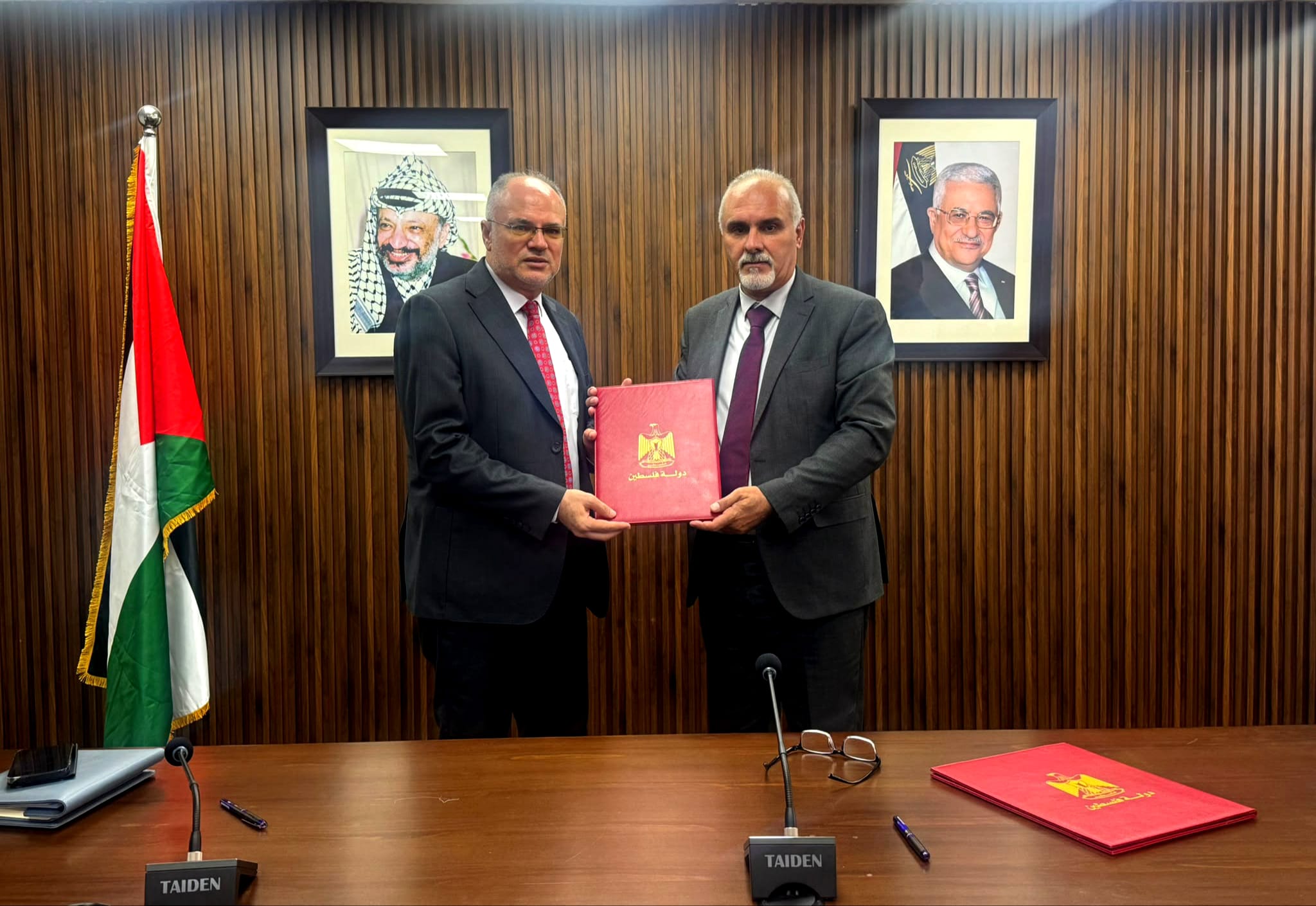
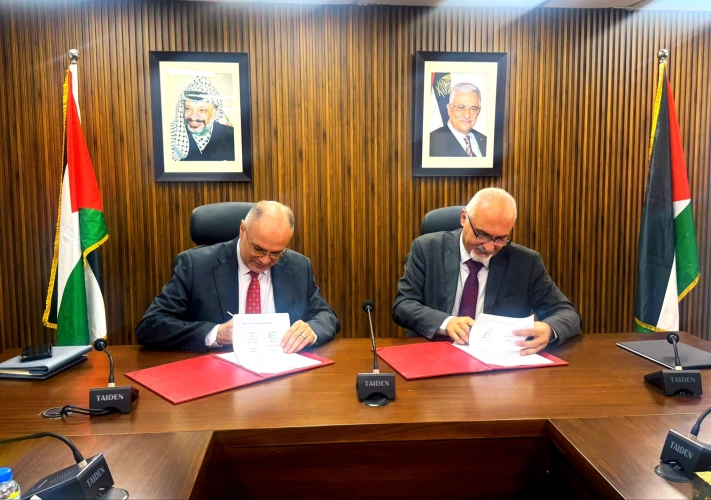
Minister of Agriculture Professor Rizq Slaimiya and the Director-General of the Palestine Standards and Metrology Institute (PSMI), Dr. Haidar Hijjeh, signed a technical cooperation agreement today, Monday, at the Ministry of Agriculture headquarters in Ramallah. The agreement aims to implement a training and capacity-building program on the Palestinian Good Agricultural Practices (PAL-GAP – PS 4109) system. The program targets the qualification and training of 50 agricultural engineers from the Ministry of Agriculture’s staff as part of the World Bank-funded Social Recovery and Job Creation Project in the agricultural sector.
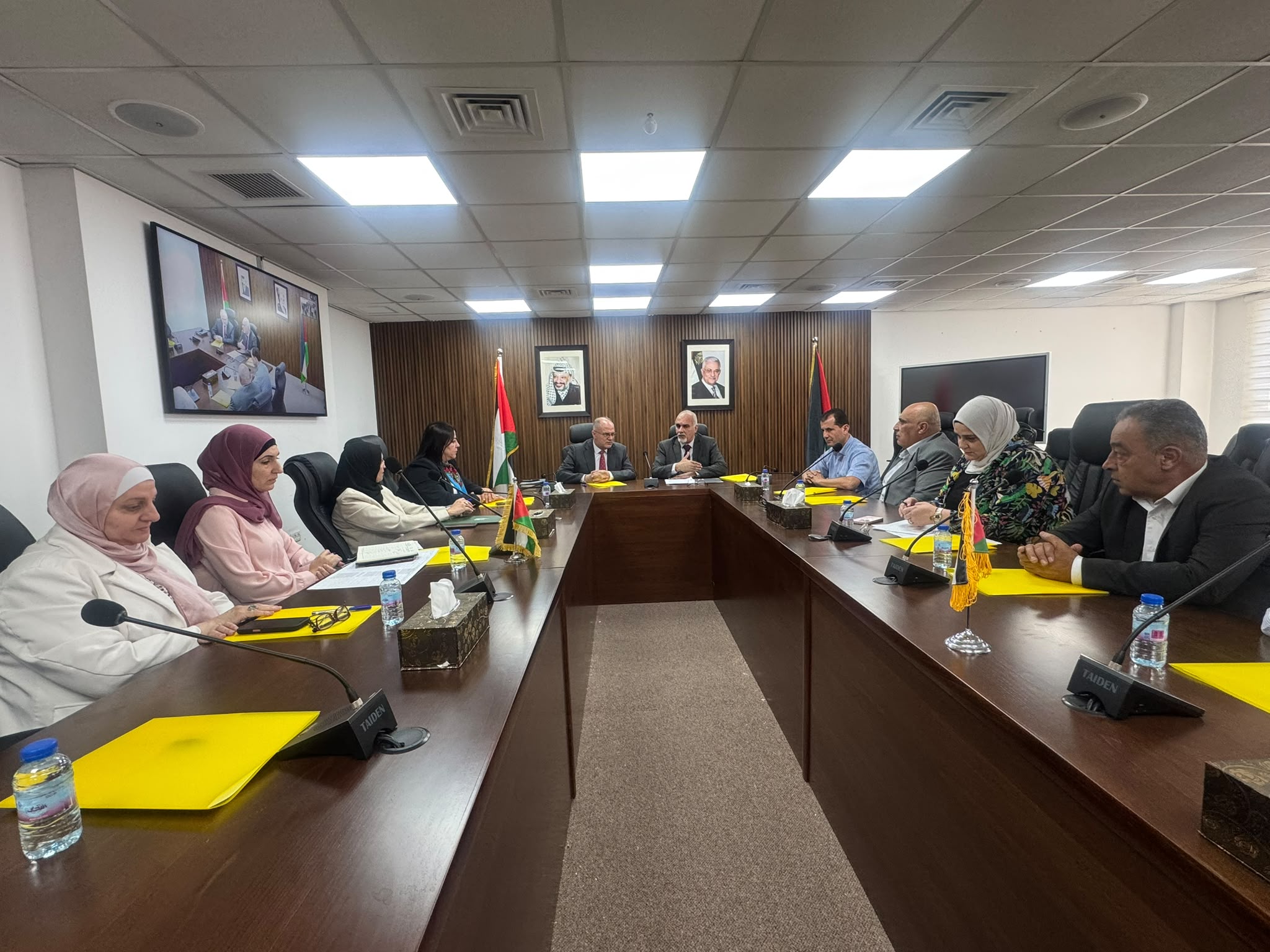
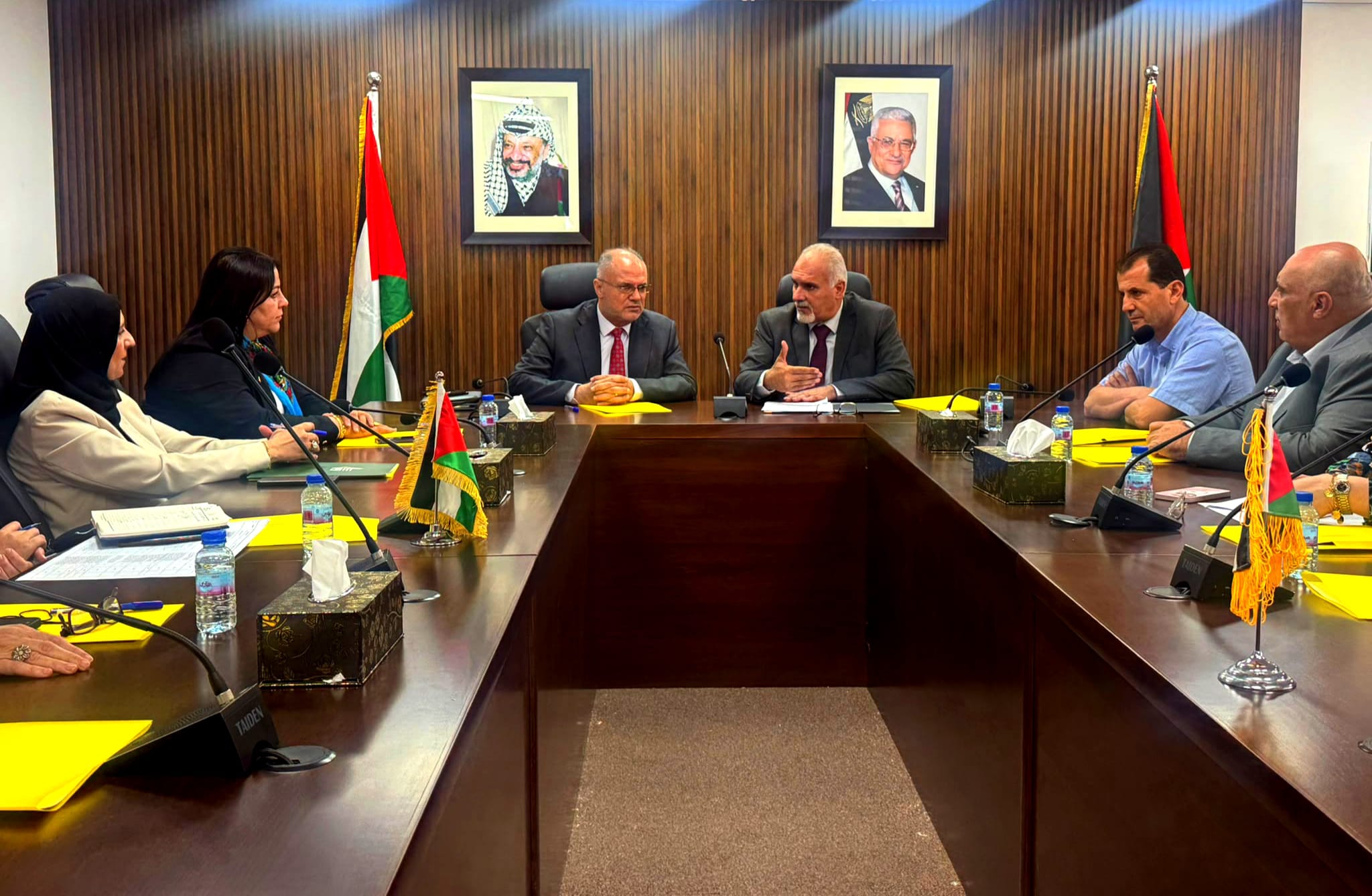
At the start of the meeting, Slaimiya emphasized the vital role played by the PSMI in enhancing quality within the agricultural and industrial sectors. He noted that this role positively impacts production development, competitiveness, and access to export markets for Palestinian products. He further highlighted that signing this agreement represents a continuation of the program implemented in cooperation with the World Bank and reinforces synergy among national institutions regarding quality and standards. Slaimiya explained that Palestine exported approximately 17,000 tons of dates last year, while the Ministry anticipates this figure will rise to around 20,000 tons this year, alongside a projected total date production of 28,000 tons. Additionally, olive oil production is expected to reach 22,000 tons, potentially allowing for the export of about 10,000 tons. Efforts are also underway to open export avenues for new agricultural products, such as avocados. He emphasized that these developments require advanced infrastructure and laboratories capable of ensuring the highest specifications and standards, thereby driving a qualitative shift in agricultural product quality and boosting both production and exports.
For his part, Hijjeh commended the role of the Ministry of Agriculture, highlighting the Standards and Metrology Institution’s commitment to enhancing agricultural specifications and technical regulations concerning agricultural products, fertilizers, pesticides, and animal feed; he noted that agriculture and industry are pillars of the Palestinian economy. He also underscored the importance of developing organic farming standards and training a national team specialized in olive oil quality. These steps aim to foster integration and leverage national expertise, ensuring alignment on priority sectors—foremost among them olive oil and dates—while also looking forward to the adoption of the national food safety strategy. Under the agreement, the Ministry of Agriculture is responsible for providing the regulatory and logistical requirements for the program's implementation—including the selection of 50 agricultural engineers and arrangements for theoretical and field training, as well as transportation and accommodation where necessary. Meanwhile, the Standards and Metrology Institution will handle the technical and training aspects, including developing the training plan; conducting four days of theoretical training (split into two phases) and two days of practical and field training; and administering final assessments and tests, all with the aim of qualifying participants to serve as assistant extension officers in the implementation of the PAL-GAP system.
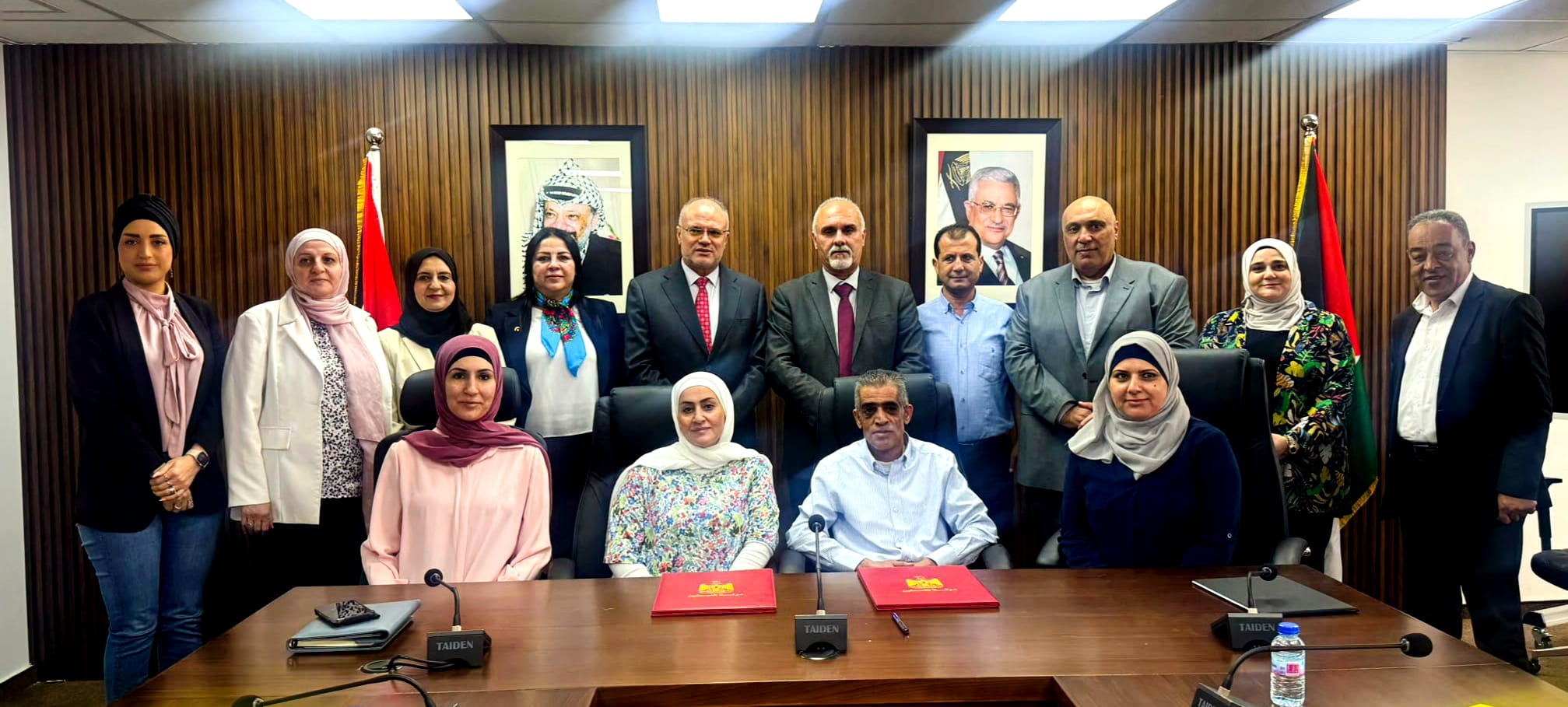
The signing ceremony was attended by Assistant Undersecretary Mr. Tariq Abu Laban; Director General of Extension Eng. Salah Al-Baba; Director General of Planning Eng. Maram Sawalha; Head of the Cabinet Unit Eng. Hanadi Al-Jallad; and staff from the Ministry’s economic sector. Representatives from the Standards and Metrology Institution included Director of International Cooperation Eng. Reem Al-Barghouthi and Director of the Certification Department Eng. Taghreed Shehadeh.