Notification
حظر استيراد كافة أنواع الطيور الحية الداجنة والبرية وطيور الزينة وبيض التفقيس والصيصان عمر يوم ومخلفاتها الغير معاملة حراريا من تركيا ولحين استقرار الوضع الصحي

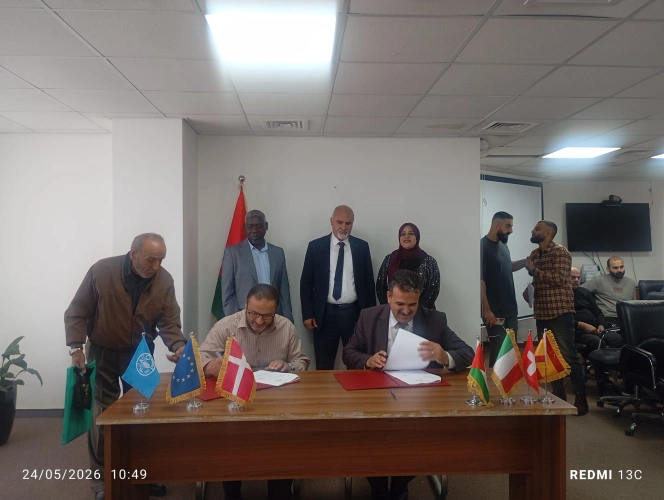
Ramallah: May 24, 2026
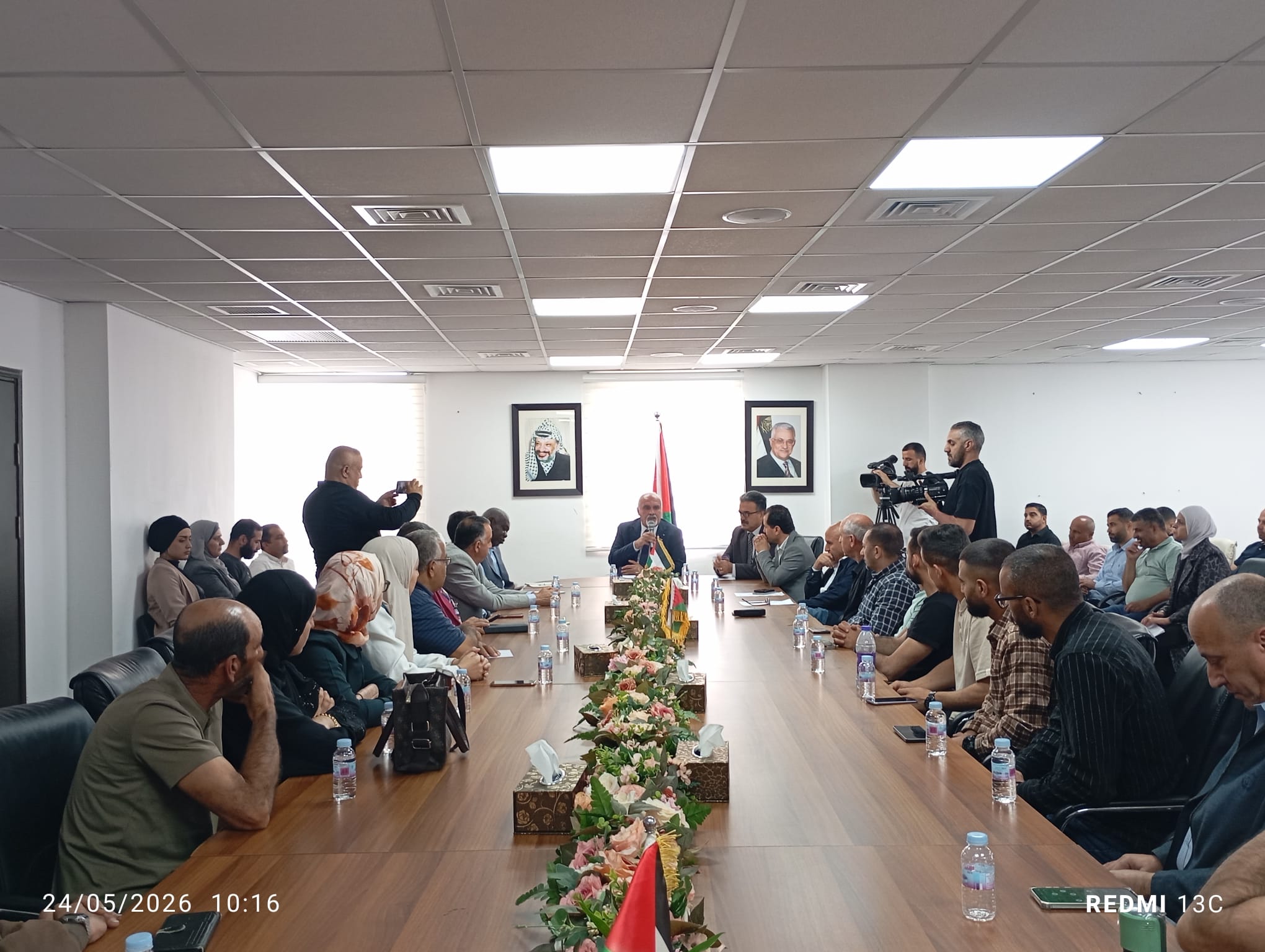
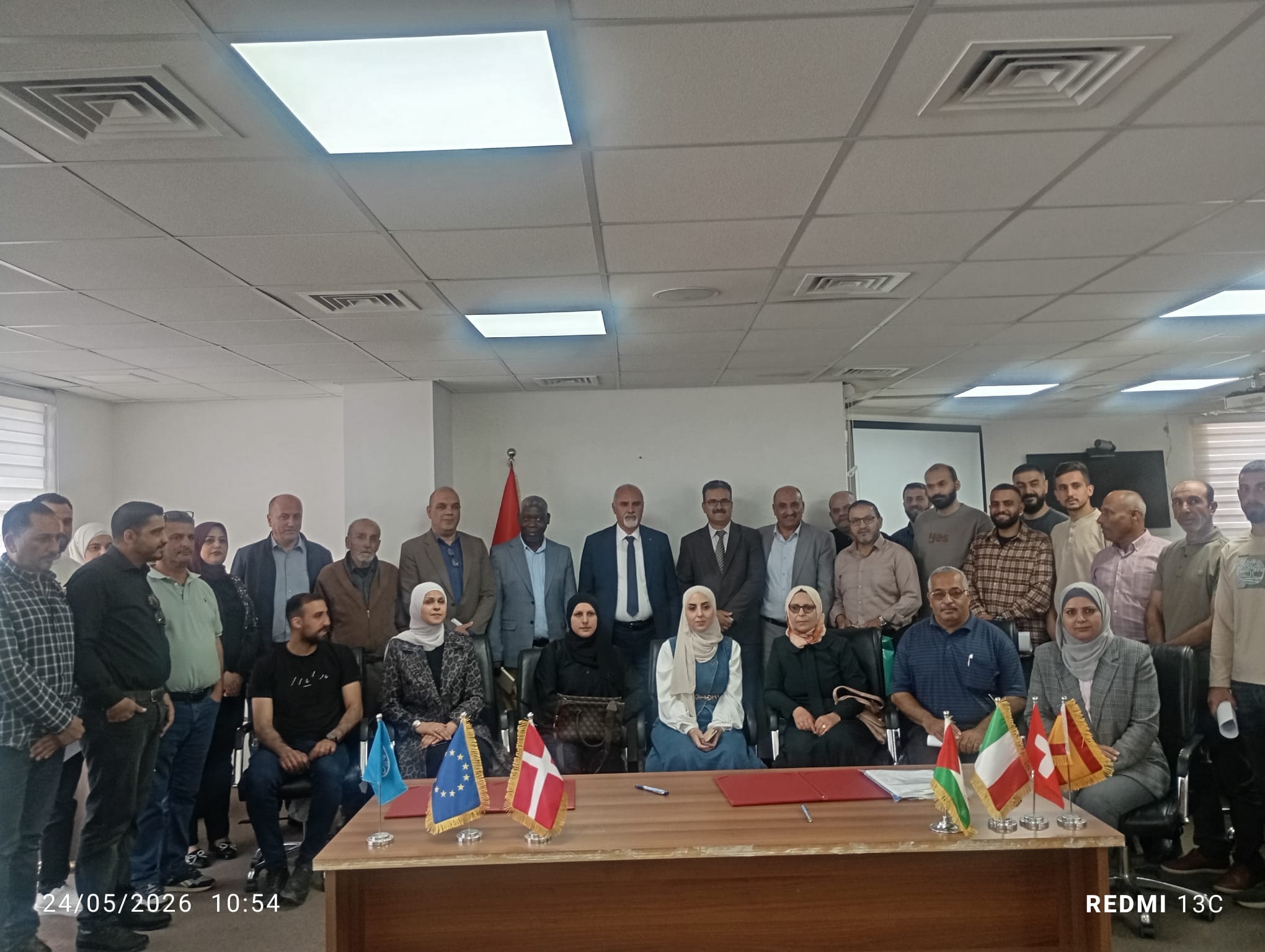
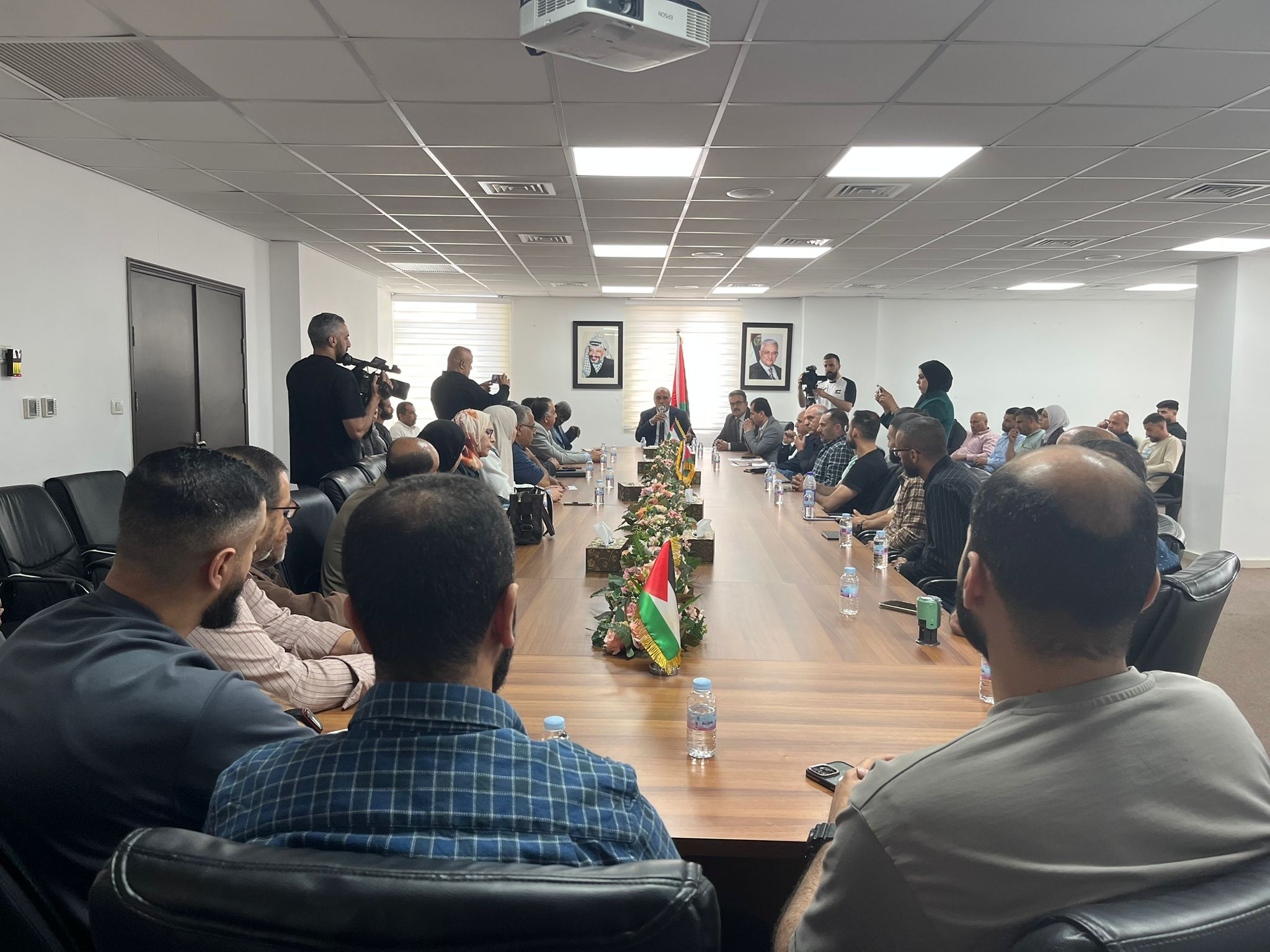
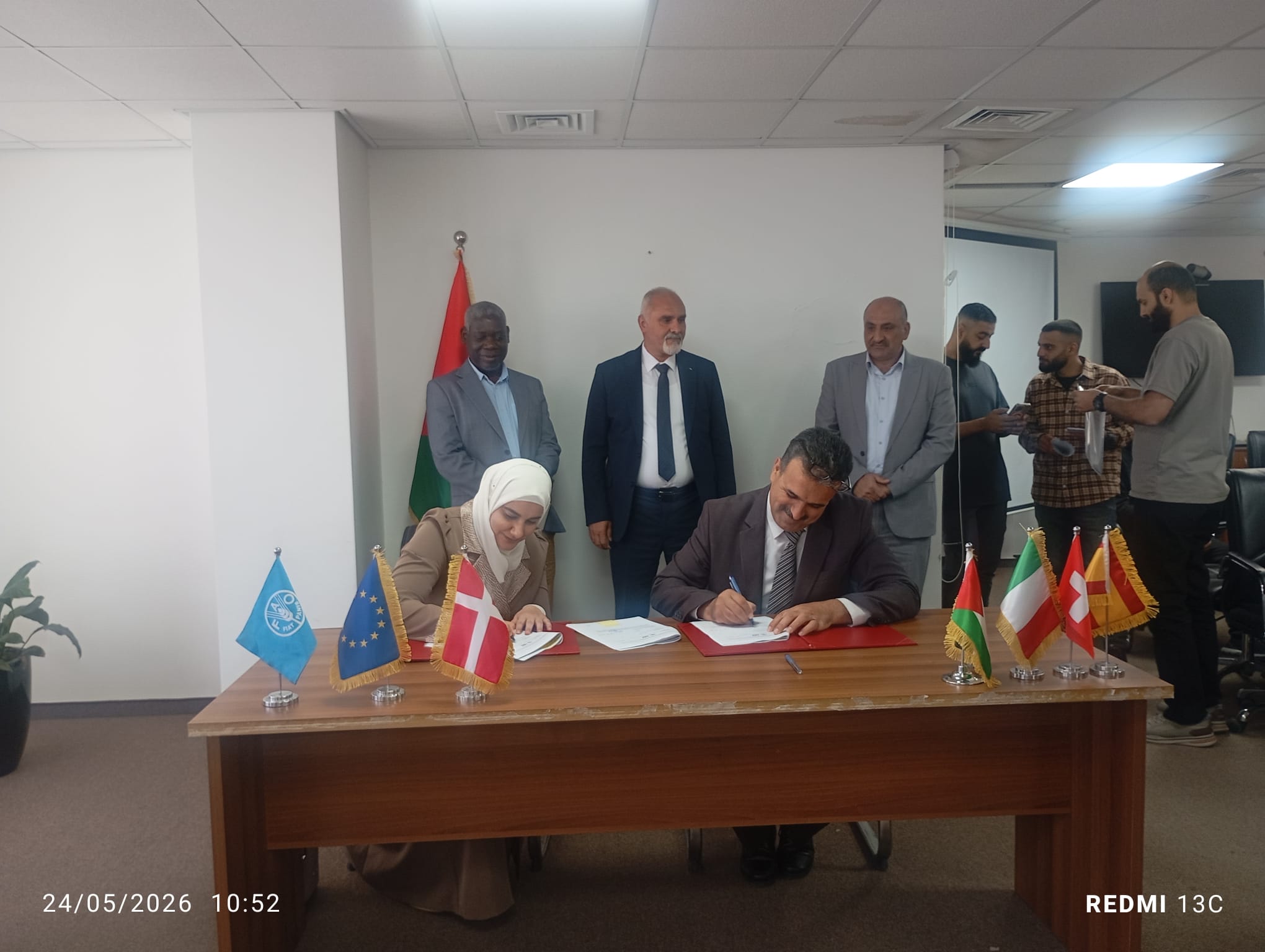
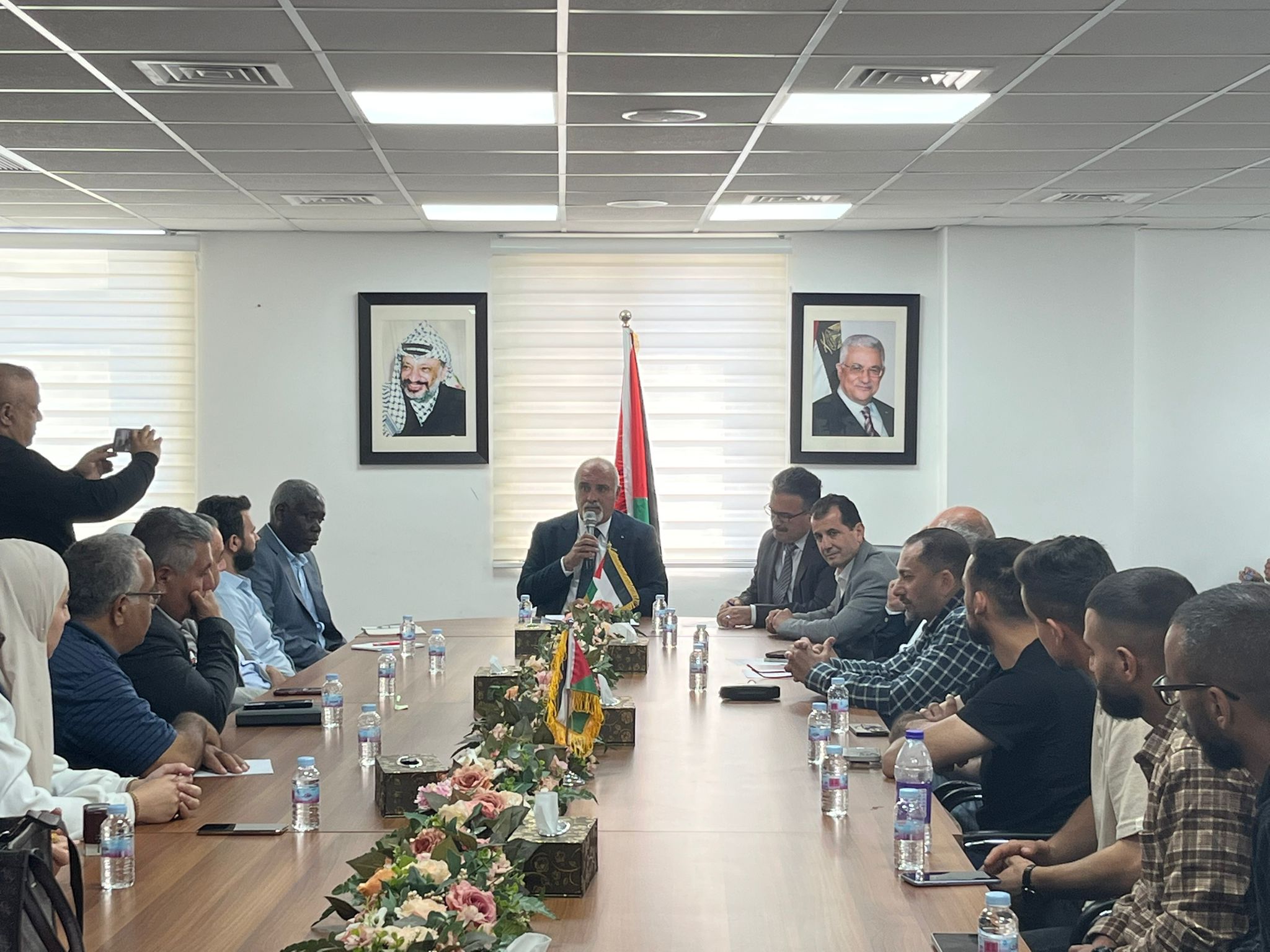
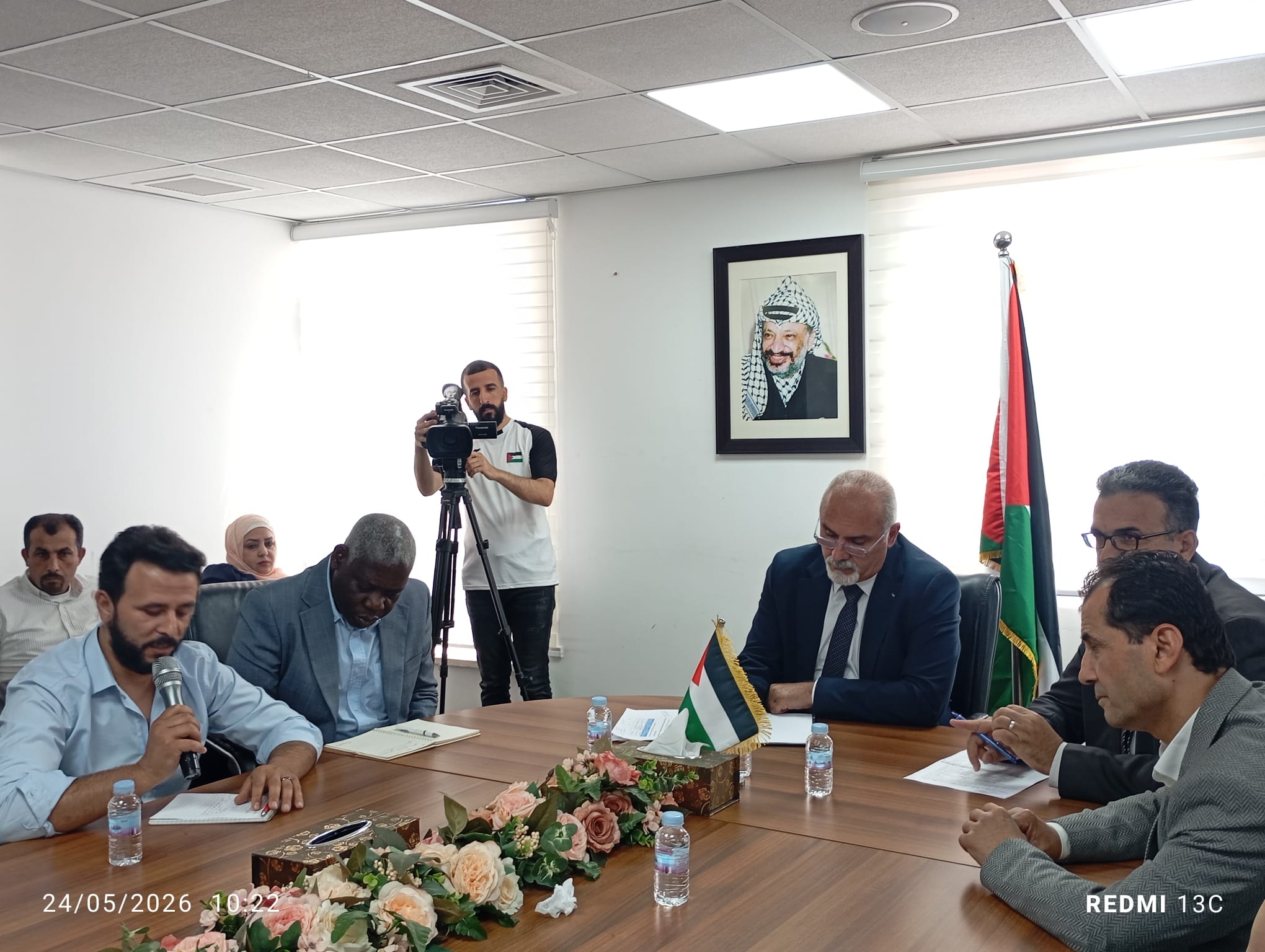
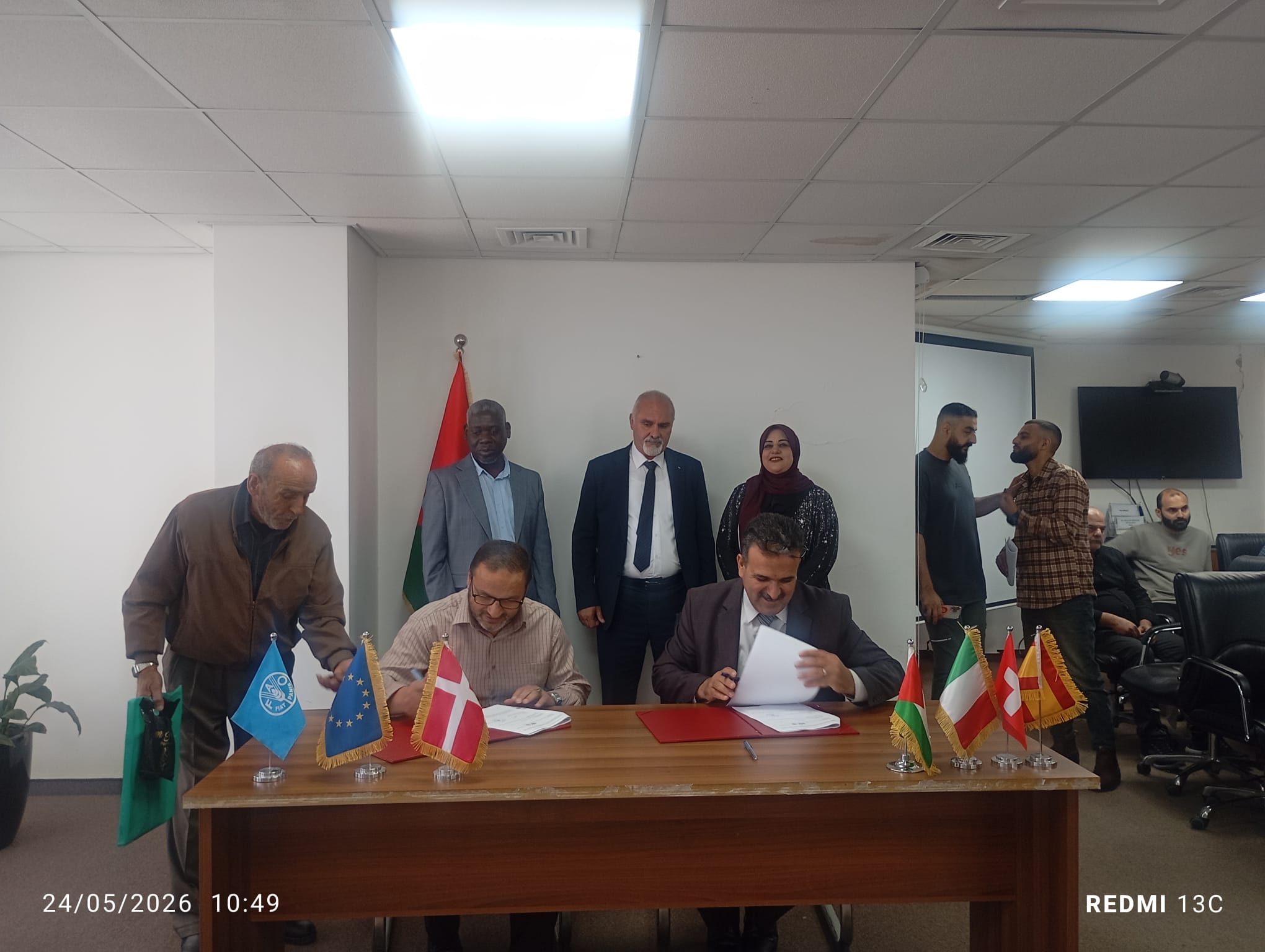
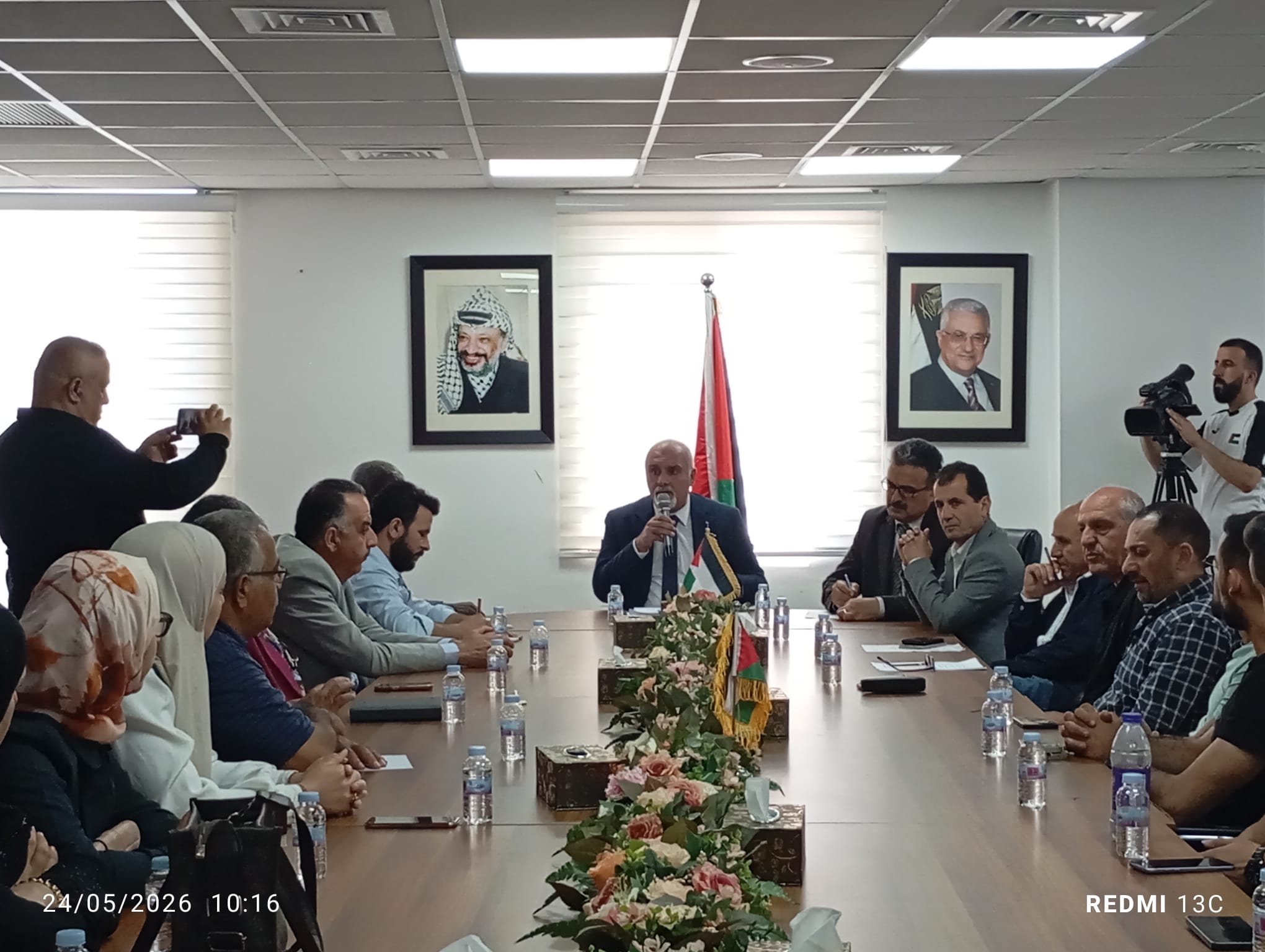
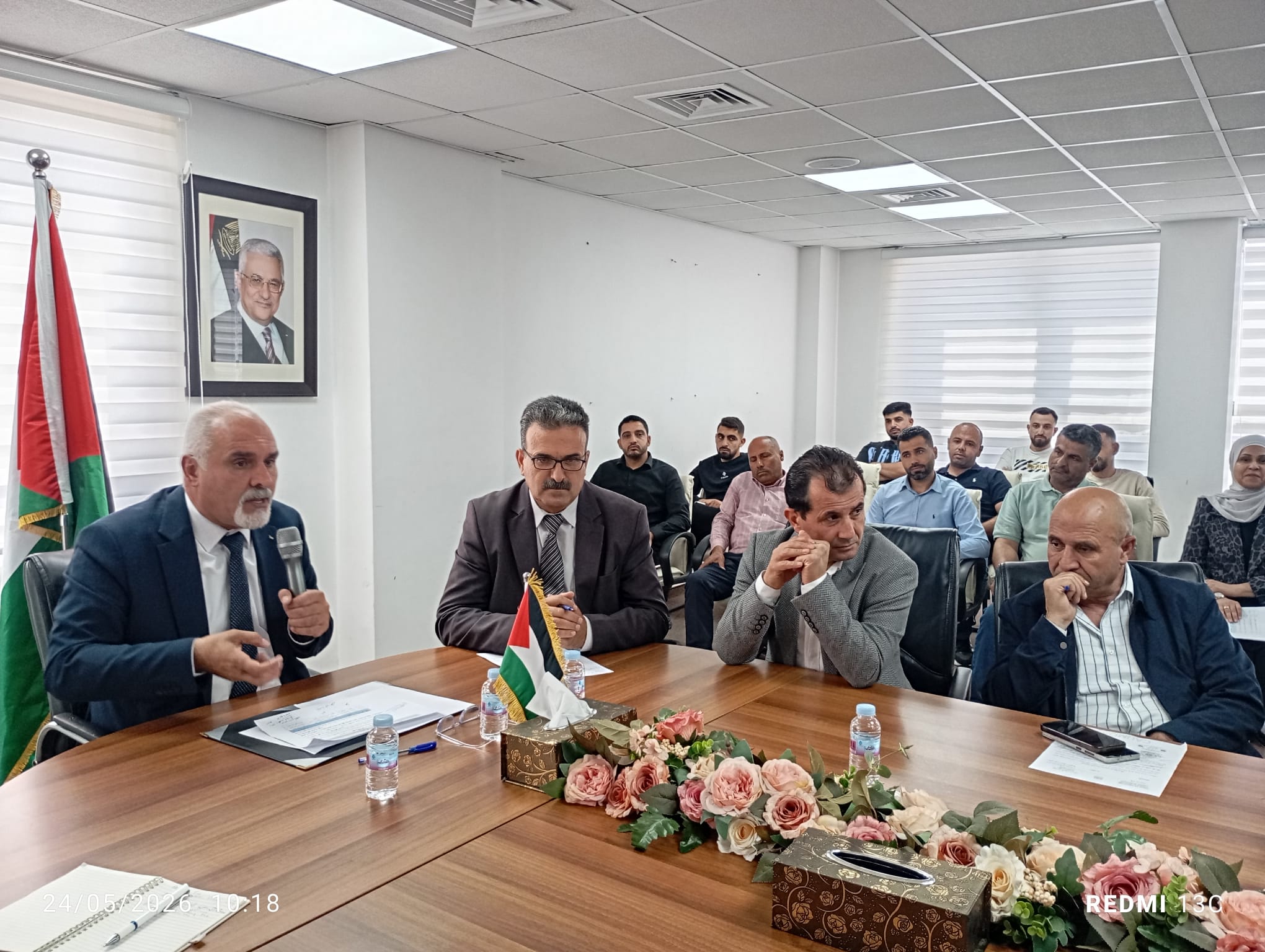
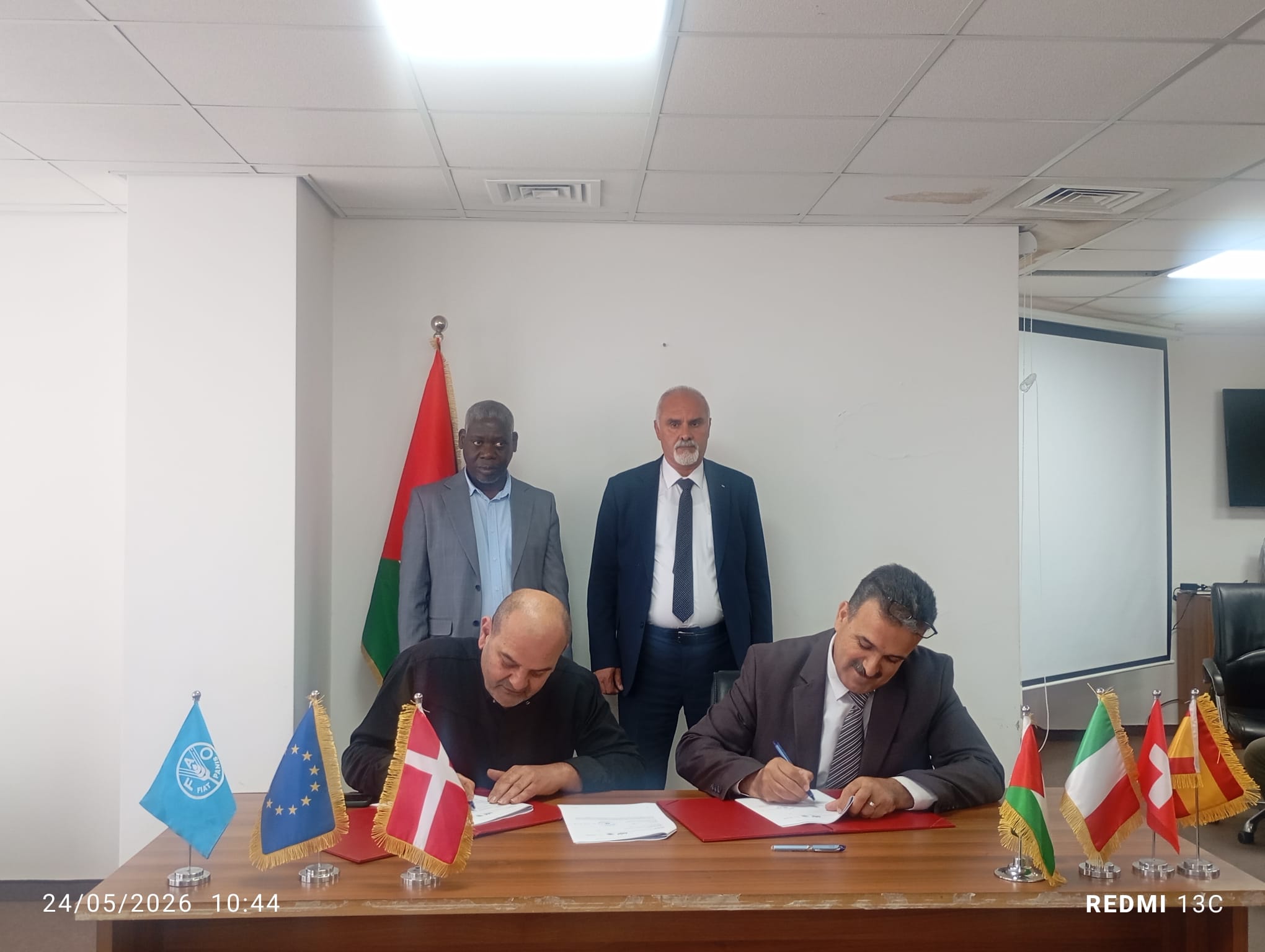
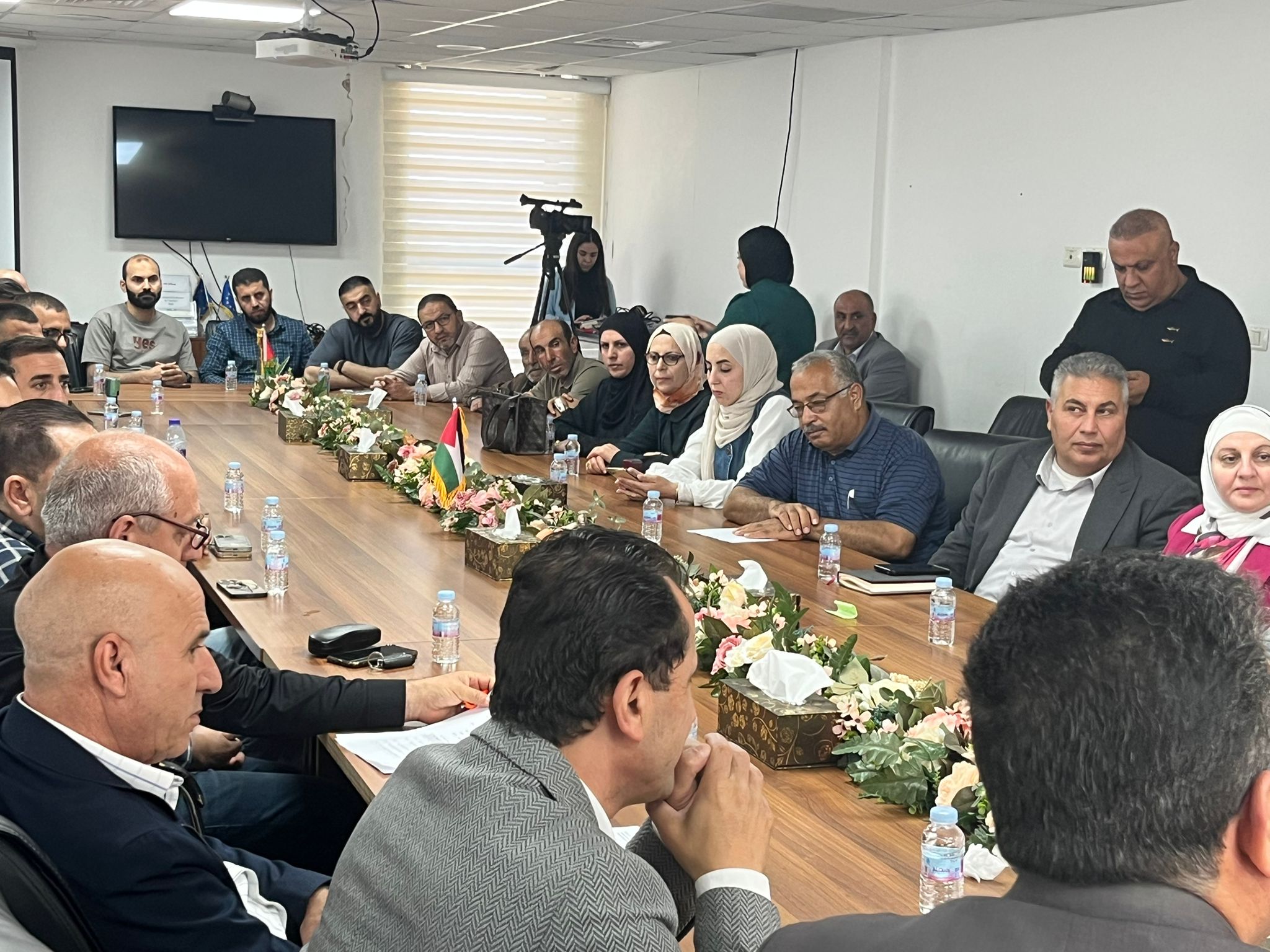
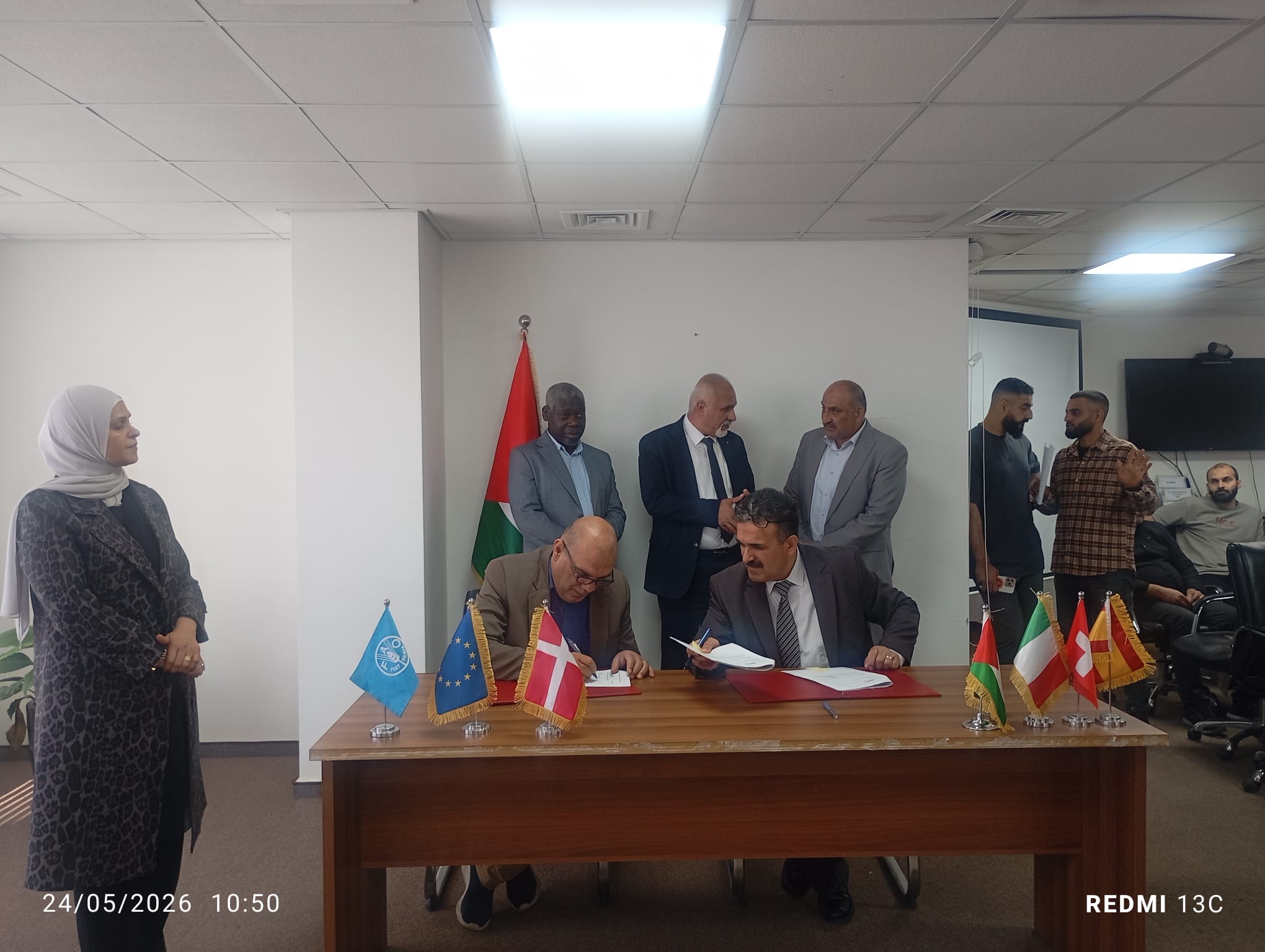
The Palestinian Ministry of Agriculture and the Food and Agriculture Organization (FAO) signed the fourteenth batch of investment support agreements under MAP II program. This program aims to promote market-oriented investments and innovations to develop a sustainable agricultural and food system in Palestine, with funding from Denmark, Switzerland, Spain, and the European Union, in addition to parallel funding from Italy.
The latest batch of projects included the signing of 25 investment agreements across seven governorates: Tulkarem, Tubas, Qalqilya, Jenin, Ramallah, Hebron, and Nablus. The total investment reached approximately 7.49 million shekels, with the program contributing around 3.46 million shekels and beneficiaries contributing over 4.03 million shekels, representing a 46% subsidy for the total investment.
The projects encompassed a variety of sectors, including plant and animal production, food processing, and the development of greenhouses, strawberry farms, dairy production units, beekeeping, solar energy, and food processing. They also included the development of olive oil mills and innovative agricultural projects designed to meet local market needs and enhance food security.
Minister of Agriculture, Professor Riziq Slaimiya, confirmed that the beneficiaries were selected through the funding partners, emphasizing the importance of these projects in strengthening the resilience of farmers on their land. Slaimiya expressed his deep gratitude to the FAO and all funding partners for their generous support in the West Bank and Gaza Strip. He emphasized that the Ministry of Agriculture continues its efforts to strengthen and support the agricultural sector, recognizing its resilience and ability to absorb shocks. He described agriculture as the last resort for those whose livelihoods have been disrupted, a sector of steadfastness, resilience, and defiance.
He added that the Ministry's mission is based on a "culture of sacrifice; all for one and one for all," noting that these projects are supported by the Palestinian government and underpin significant efforts to achieve food and water security.
Slaimiya explained that the Ministry of Agriculture has strengthened its field presence by opening 43 agricultural offices and departments across the governorates, aiming to reach all farmers and provide them with services, guidance, and technical support. For his part, Mr. Themba Sibanda, Director of the MAP II Program at the FAO, thanked the Ministry of Agriculture for its excellent cooperation and coordination. He emphasized the importance of implementing the projects according to the terms and conditions stipulated in the agreements. He added that the Ministry's staff and technical committees would maintain constant communication with the beneficiaries to provide technical support and assistance at all stages of implementation.
At the conclusion of the meeting, Minister Slaimiya stressed the need for all beneficiaries to work diligently to ensure the success of this opportunity. He considered these projects a turning point for the beneficiaries on a personal level by providing sustainable sources of income, in addition to representing genuine support for the Palestinian agricultural sector as a whole.
The investment support agreements are being implemented within the framework of two projects under an initiative of the Food and Agriculture Organization of the United Nations (FAO) in cooperation with the Palestinian Ministry of Agriculture, and with funding from the Multi-Donor Agribusiness Programme (MAP II), entitled “Promoting Market-Oriented Investments and Innovations for Sustainable Development of Food and Agriculture Systems,” with generous financial support from the governments of Denmark, Switzerland, Spain, and the European Union, in addition to parallel funding from the Government of Italy under the project “Promoting Innovative and Sustainable Market-Oriented Investments in the Agri-Food Sector in the West Bank.”