Notification
حظر استيراد كافة أنواع الطيور الحية الداجنة والبرية وطيور الزينة وبيض التفقيس والصيصان عمر يوم ومخلفاتها الغير معاملة حراريا من تركيا ولحين استقرار الوضع الصحي

Ramallah: August 24, 2026
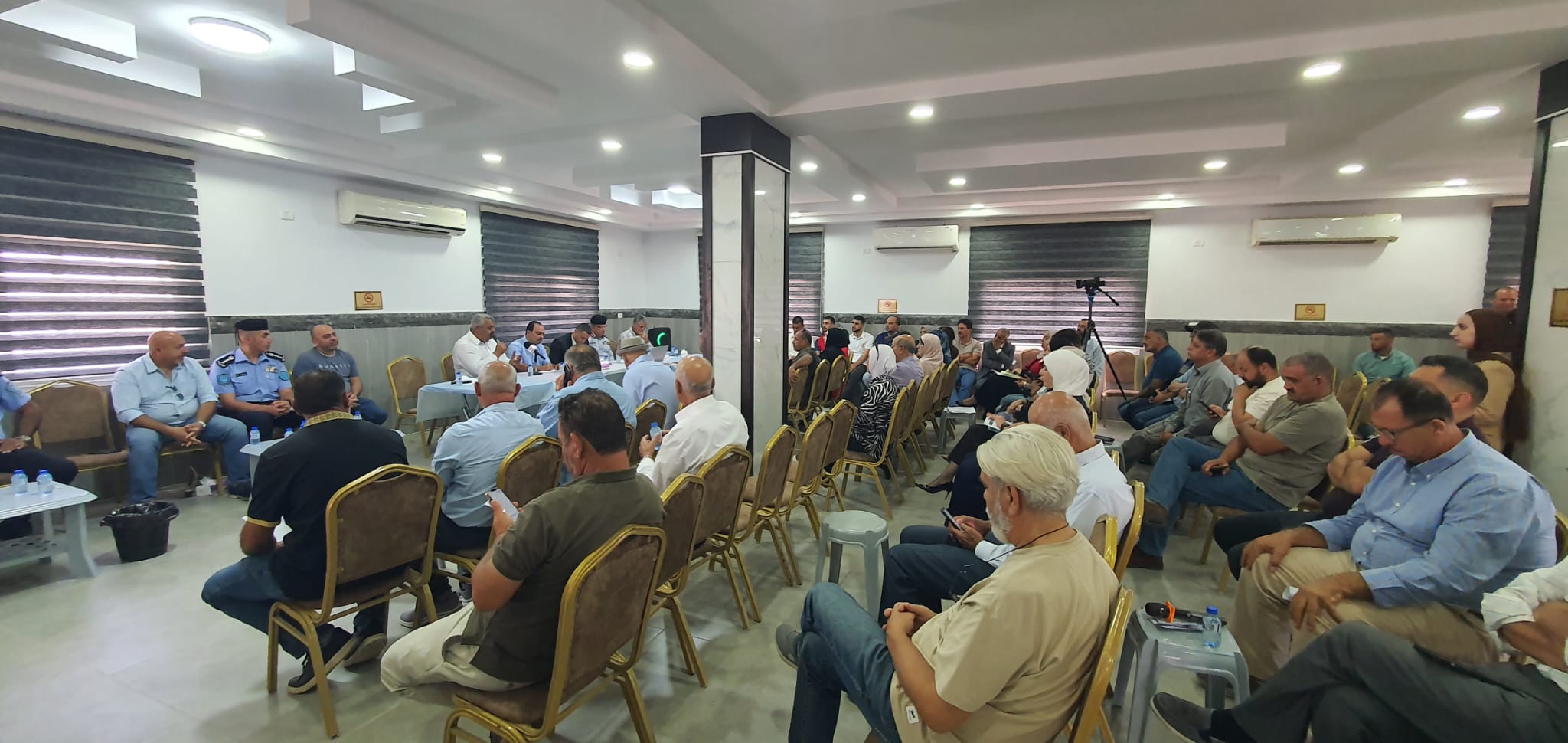
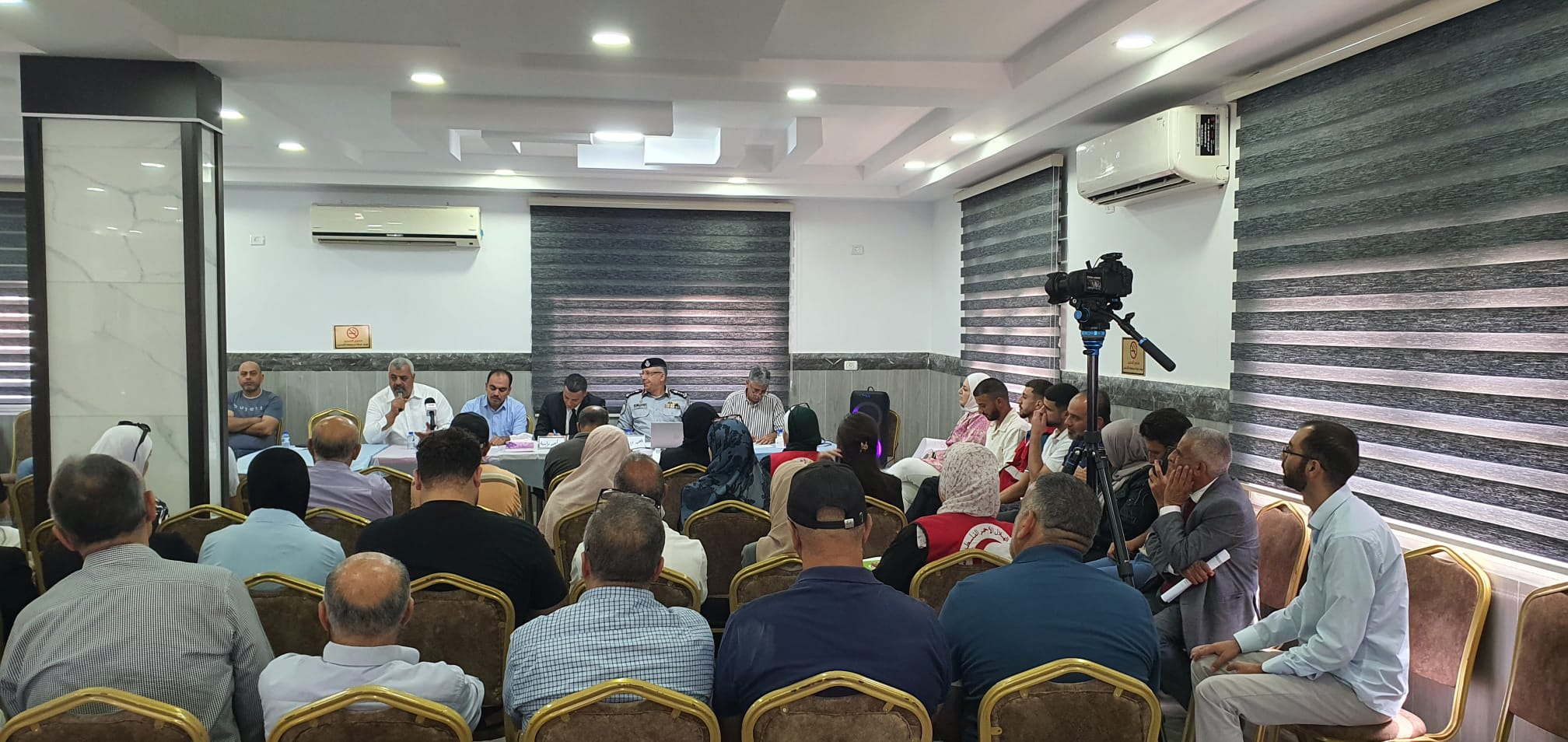
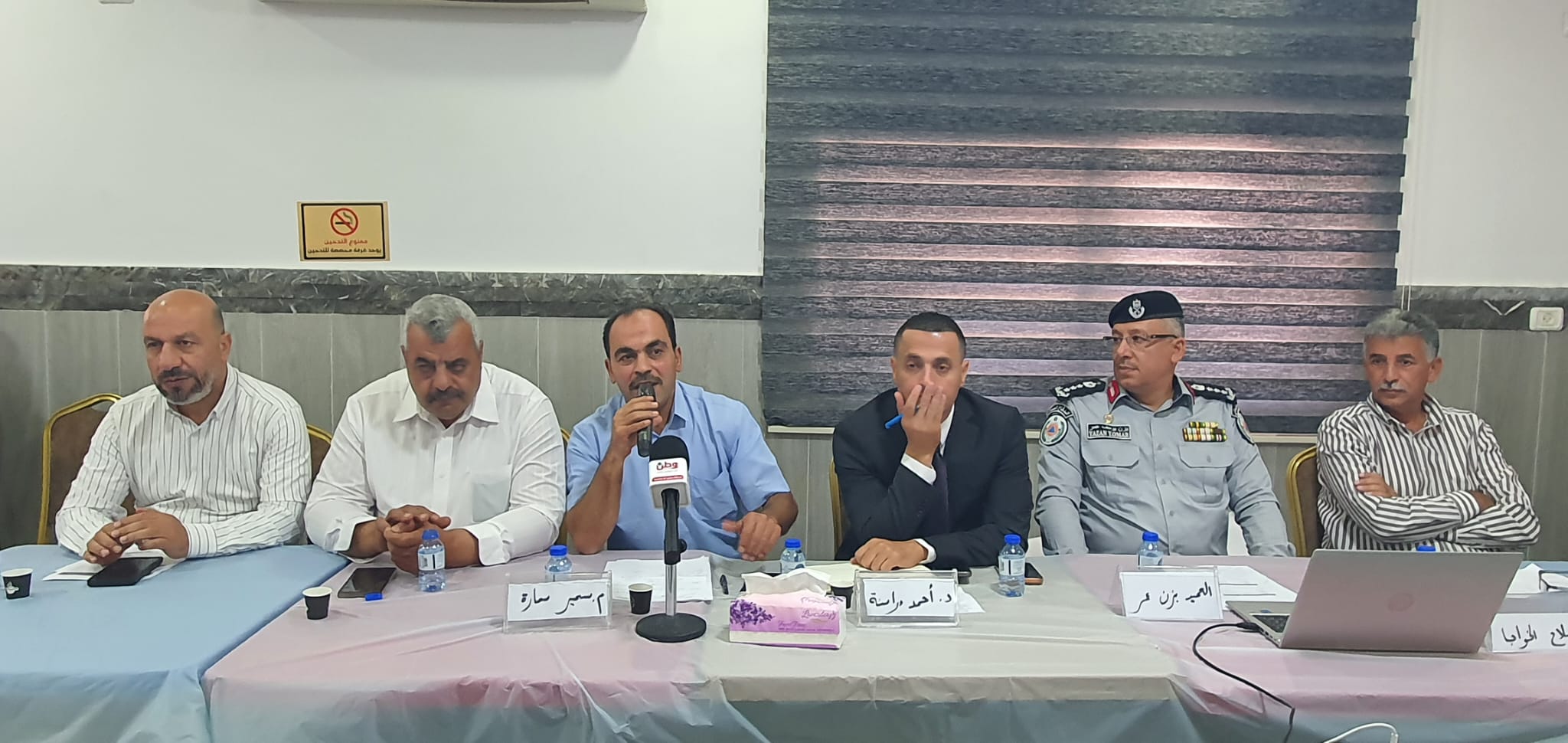
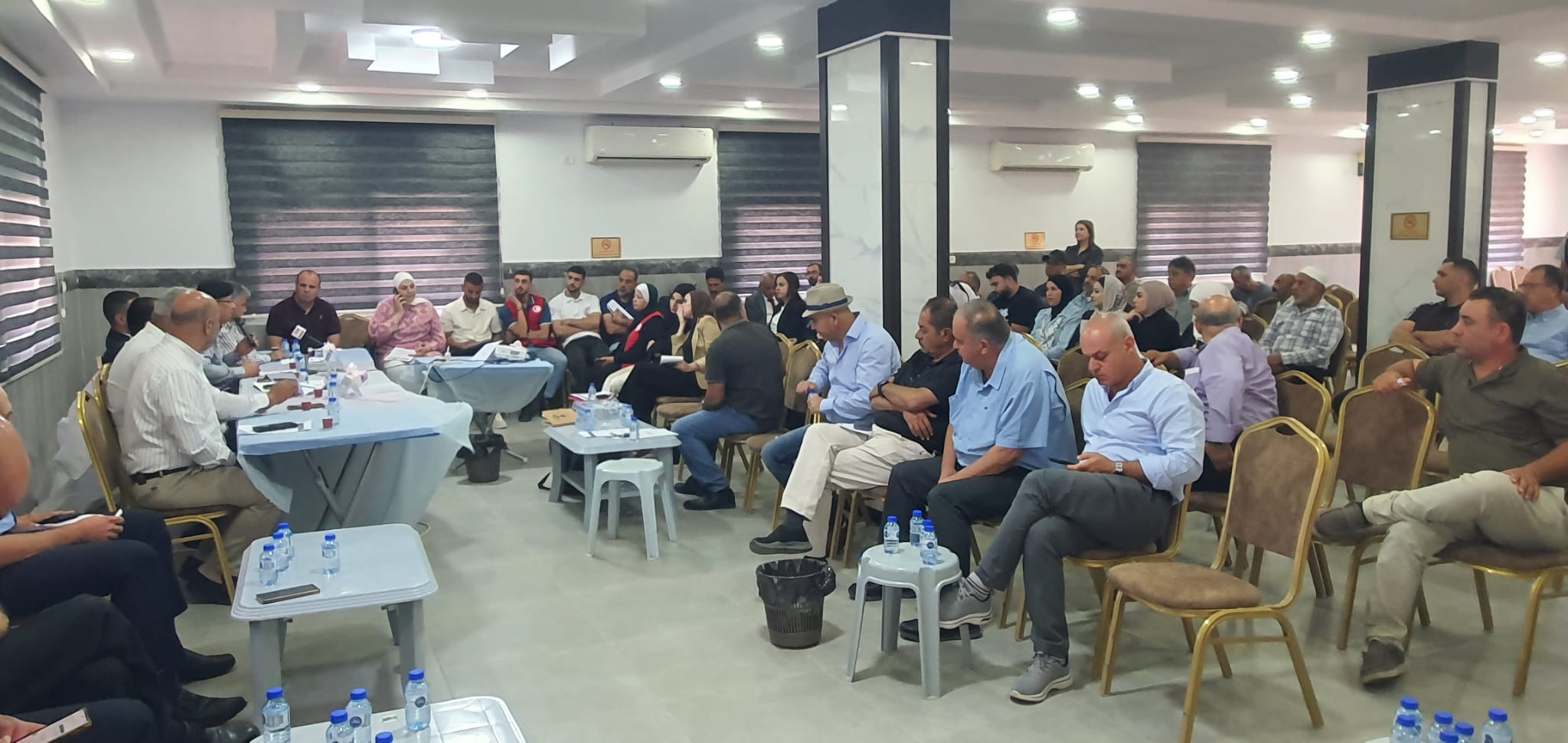
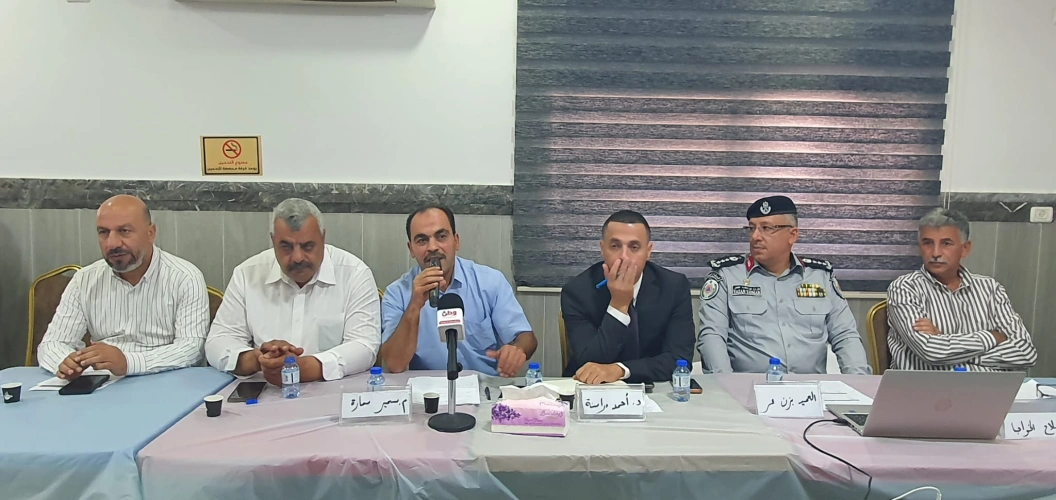
The Ministry of Agriculture, under the directives of Minister of Agriculture Professor Riziq Slaimiya, participated in the dialogue conference "The Village Facing the Colony," organized by the Palestinian Coalition for Economic, Social and Cultural Rights "Adala" in the municipality of Khirbet Abu Falah in Ramallah and Al-Bireh Governorate. Representatives from official, non-governmental, and human rights institutions, local bodies, protection and relief organizations, civil society, and farmers from the targeted villages also participated. The Ministry was represented by the Minister's Advisor for Governorate Affairs, Engineer Samir Samara, accompanied by Engineers Jihad Barghouthi and Naeem Samara.
During his intervention, Samara emphasized that the Palestinian farmer represents the first line of defense for the land, and that their continued presence, cultivation, and investment in it constitute one of the most important forms of protecting the land, identity, and Palestinian existence. He stressed that "only its people can protect the land." He explained that the Ministry of Agriculture has reprioritized its interventions in light of escalating attacks and settlement activity, within the framework of the Ministry's 2025-2027 strategy, "Resilience and Self-Reliance," which focuses on strengthening farmers' ability to confront crises and shocks and restore their production capacity.
He noted that the Ministry is working to document and assess agricultural damage resulting from attacks by the occupation and settlers, and to translate the documentation findings into practical interventions and responses. These include rehabilitating land and facilities, providing seedlings and production inputs, supporting livestock, providing feed and veterinary services, and rehabilitating water sources, networks, rainwater harvesting systems, and agricultural roads. He affirmed that protecting farmers' access to their land, enabling them to cultivate and serve it, is a fundamental pillar of resilience and land protection. Samara reviewed some of the ministry's programs and projects, including the EU-funded agricultural assistance program for farmers affected by Israeli violations. The current phase of this program targets 503 new beneficiaries with funding exceeding 22 million shekels. He also mentioned the Agricultural Investment Support Program (MAP II), valued at approximately $33 million. He emphasized that these projects go beyond immediate support, aiming to build sustainable productive assets that enhance farmers' income and food and water security. He pointed to the importance of joint planning with local authorities to ensure that projects are directed towards actual needs and priorities.
The conference also addressed preparations for the upcoming olive season. The ministry called on local authorities to form local committees, identify the most vulnerable areas, and organize collective harvesting in coordination with relevant bodies. This will facilitate farmers' access to their land and minimize crop losses. In closing, the ministry affirmed that confronting settlement activity and attacks on the Palestinian countryside is a shared national responsibility requiring the integrated roles of the government, local authorities, civil society organizations, farmers, and partners. Enabling farmers to access their land and produce from it is fundamental to strengthening resilience and protecting the land, resources, and national identity.