Notification
حظر استيراد كافة أنواع الطيور الحية الداجنة والبرية وطيور الزينة وبيض التفقيس والصيصان عمر يوم ومخلفاتها الغير معاملة حراريا من تركيا ولحين استقرار الوضع الصحي

Bethlehem: October 28, 2026
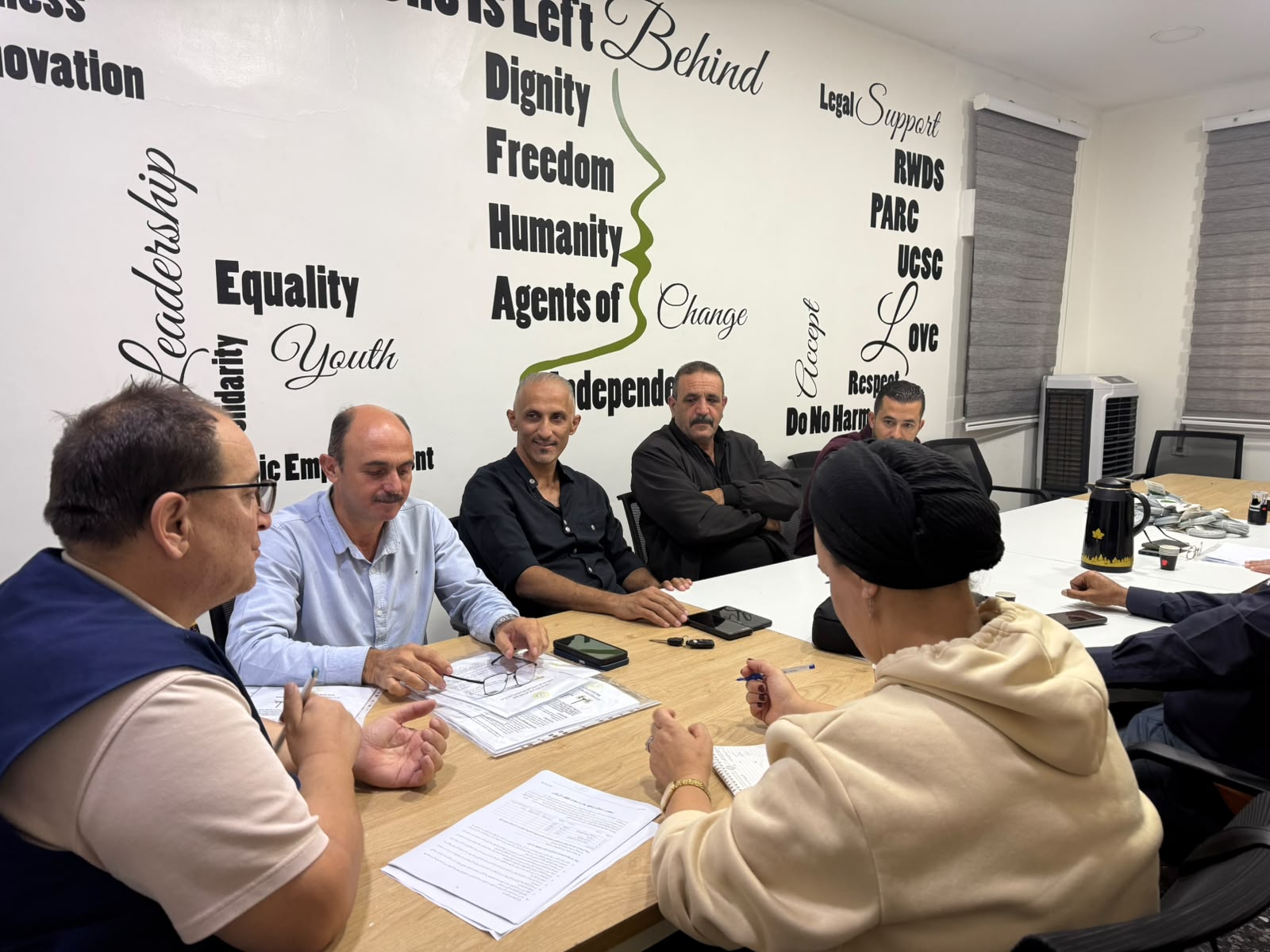
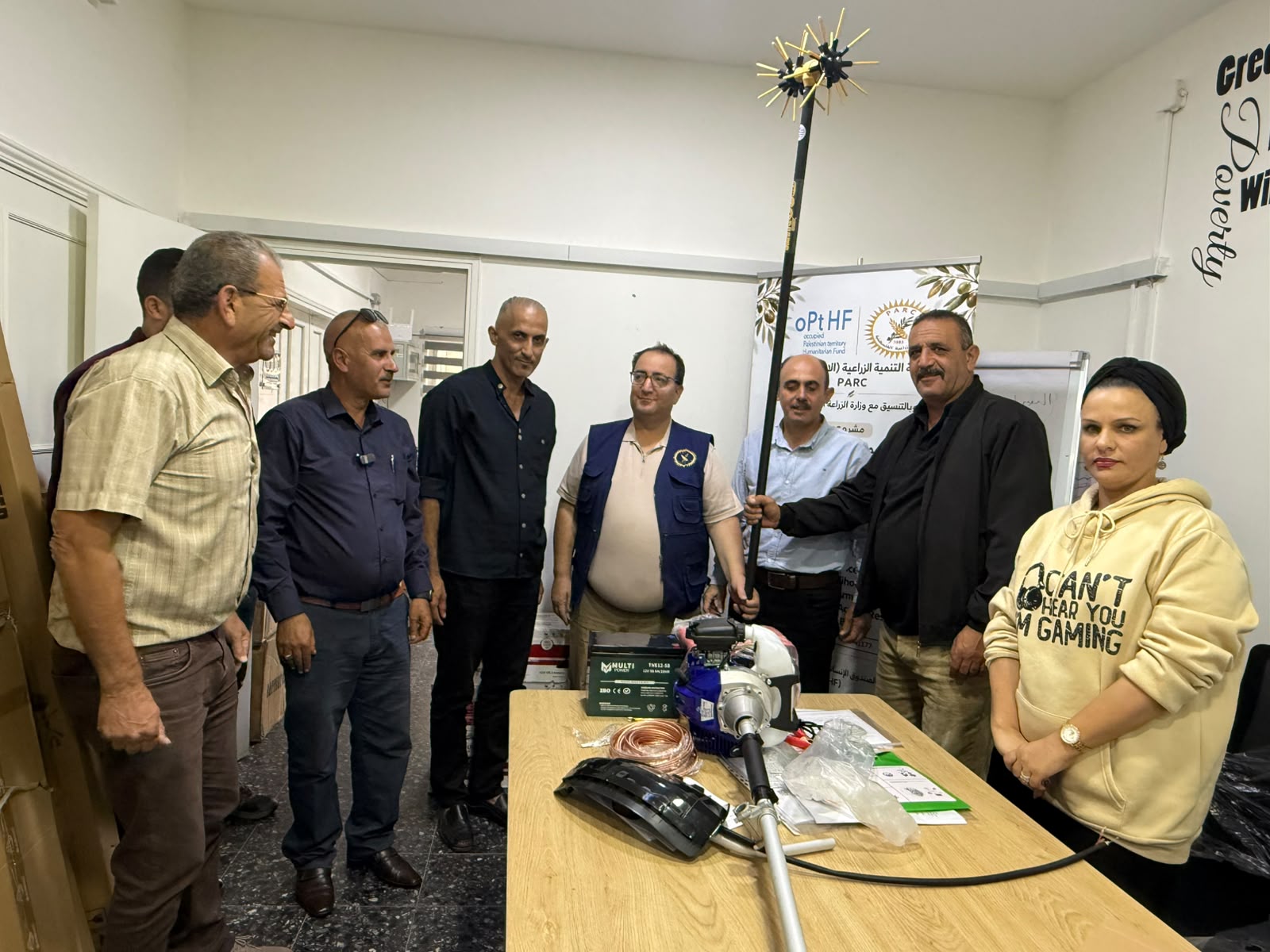
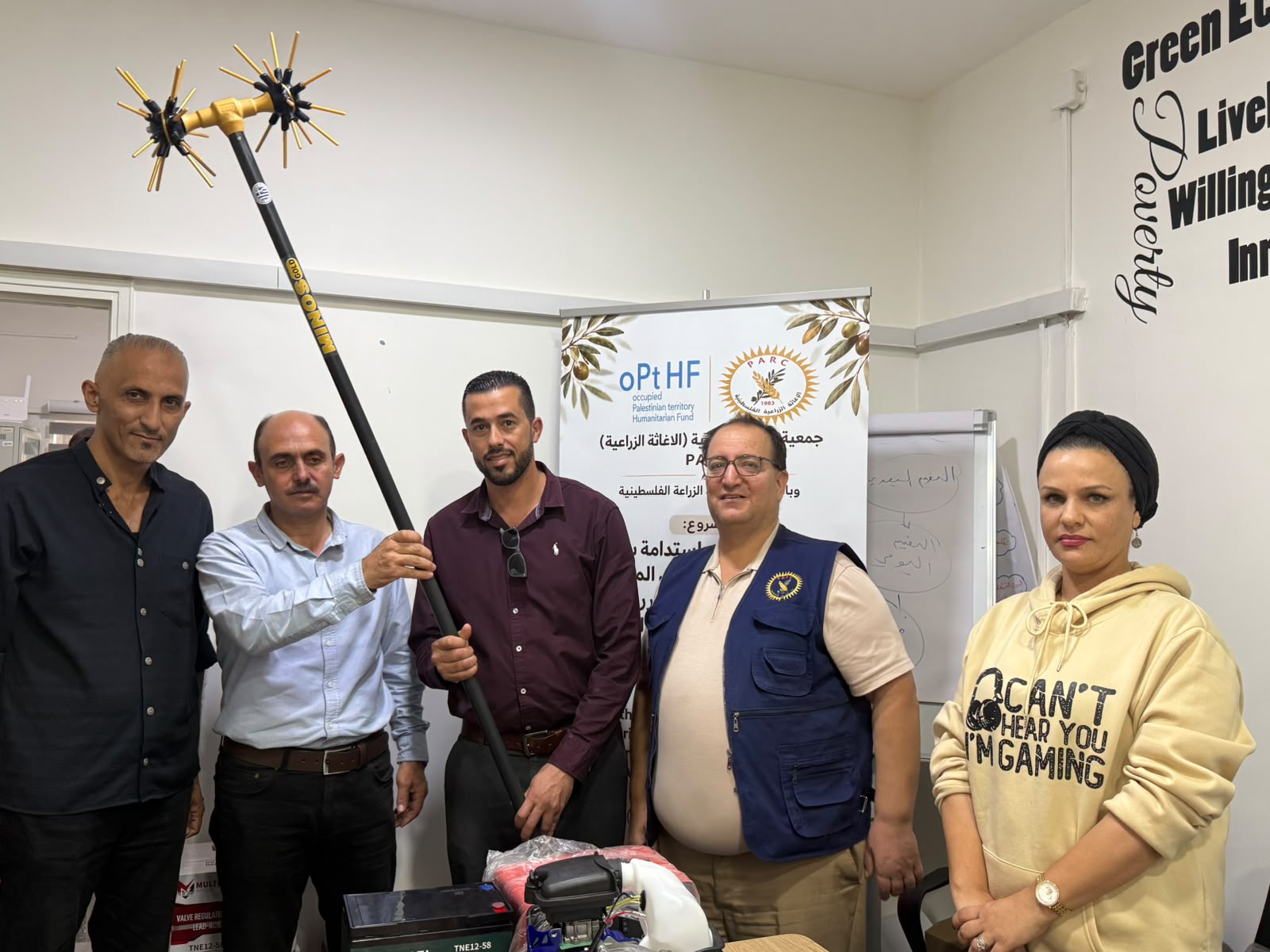
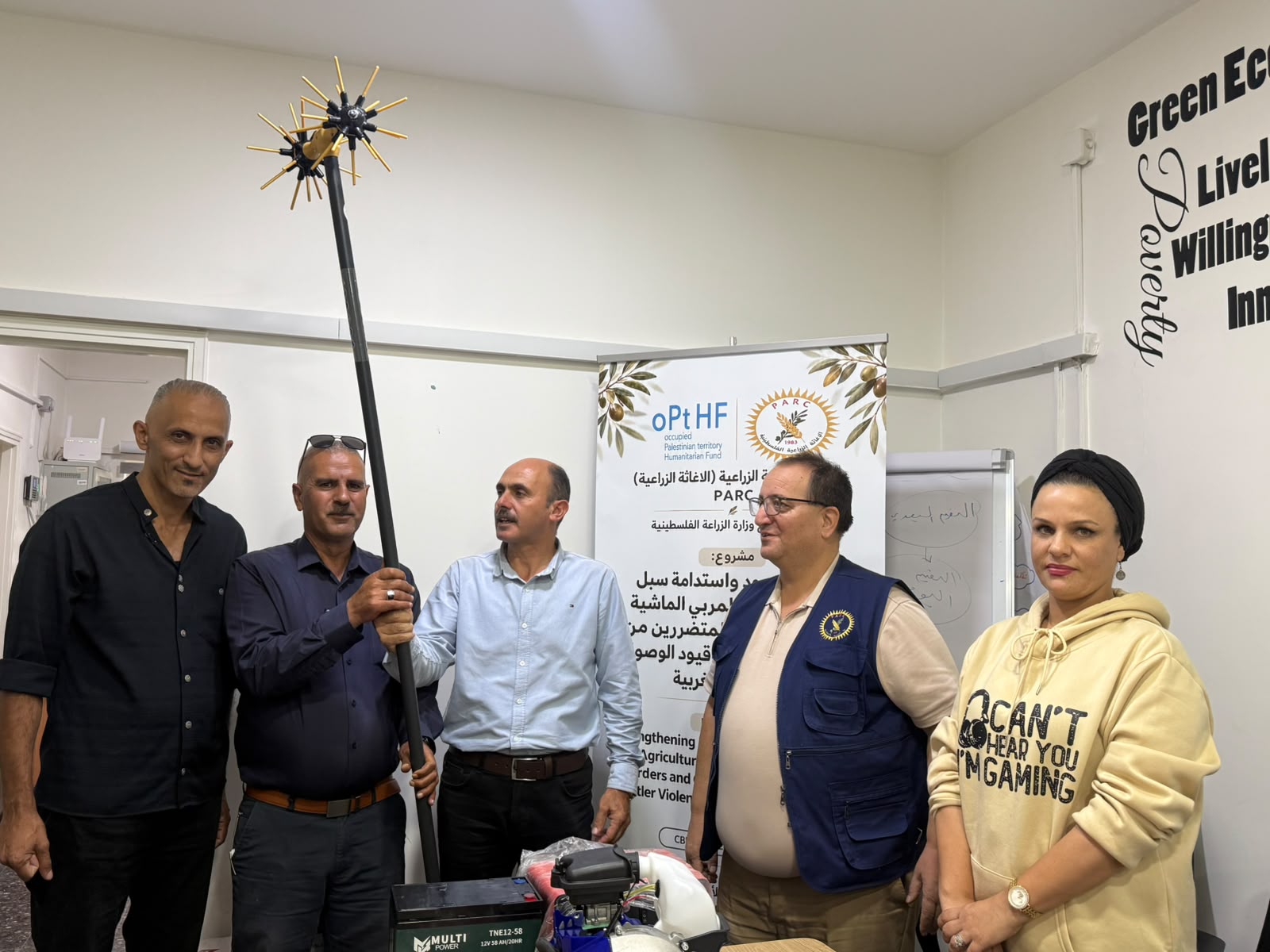
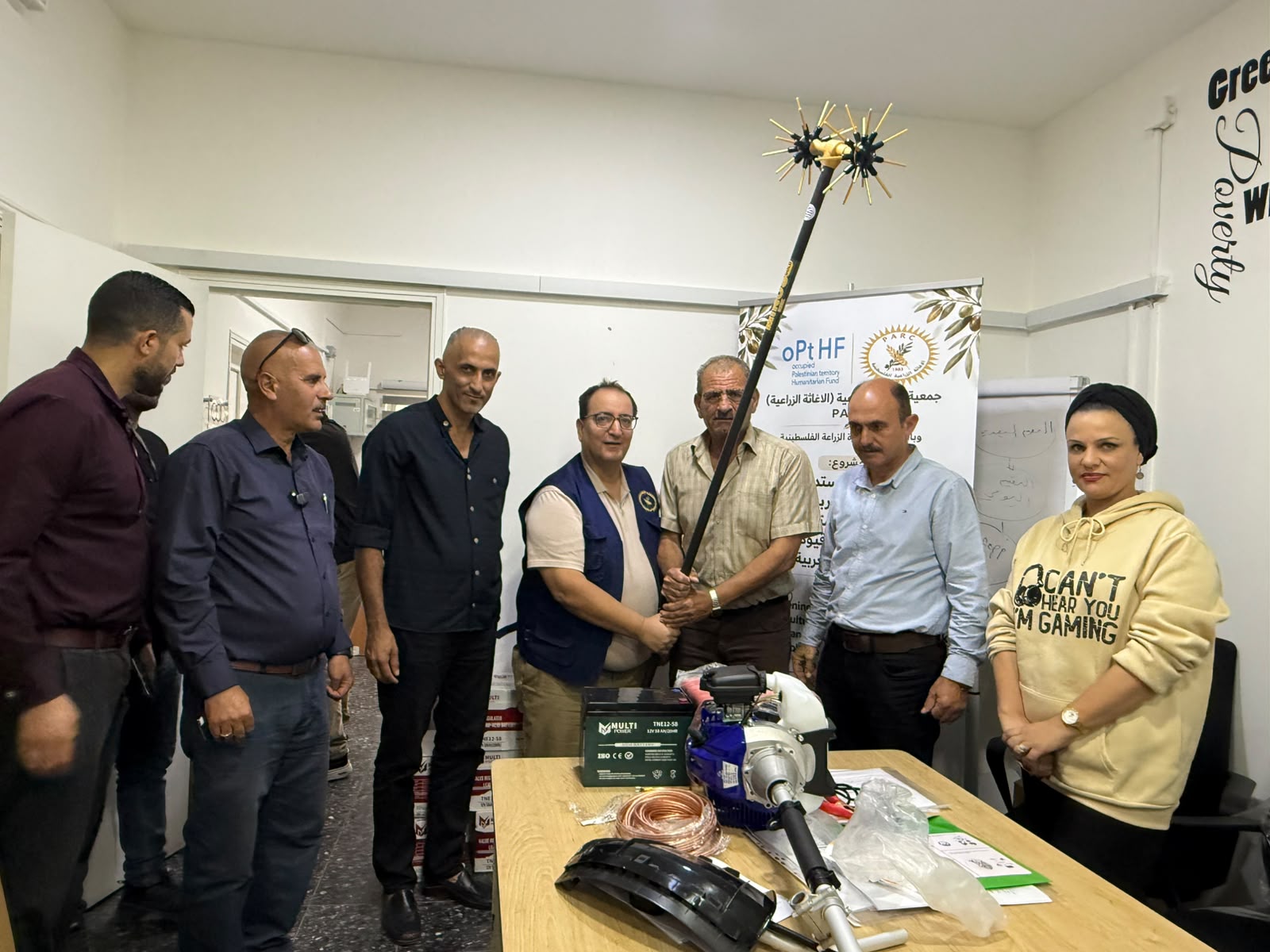
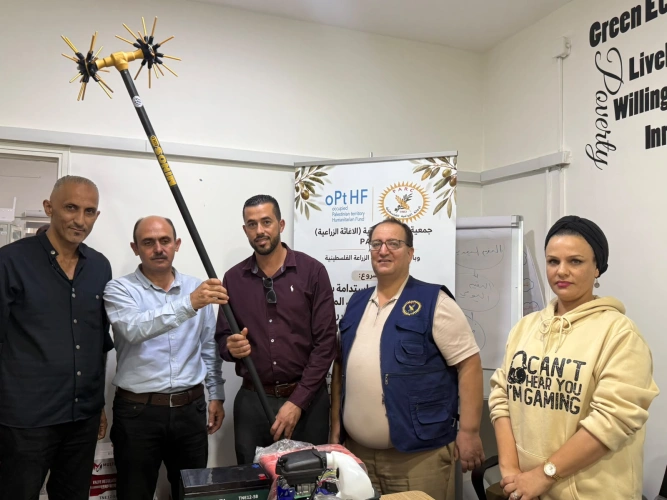
Bethlehem Directorate of Agriculture oversaw and participated in the distribution of agricultural equipment and tools to local authorities within the governorate. The initiative was carried out by the Agricultural Development Association ("Agricultural Relief") in cooperation with the targeted local councils and municipalities, as part of a project titled "Strengthening Resilience and Sustaining Agricultural Livelihoods for Livestock Breeders and Olive Farmers Affected by Settler Violence in the West Bank."
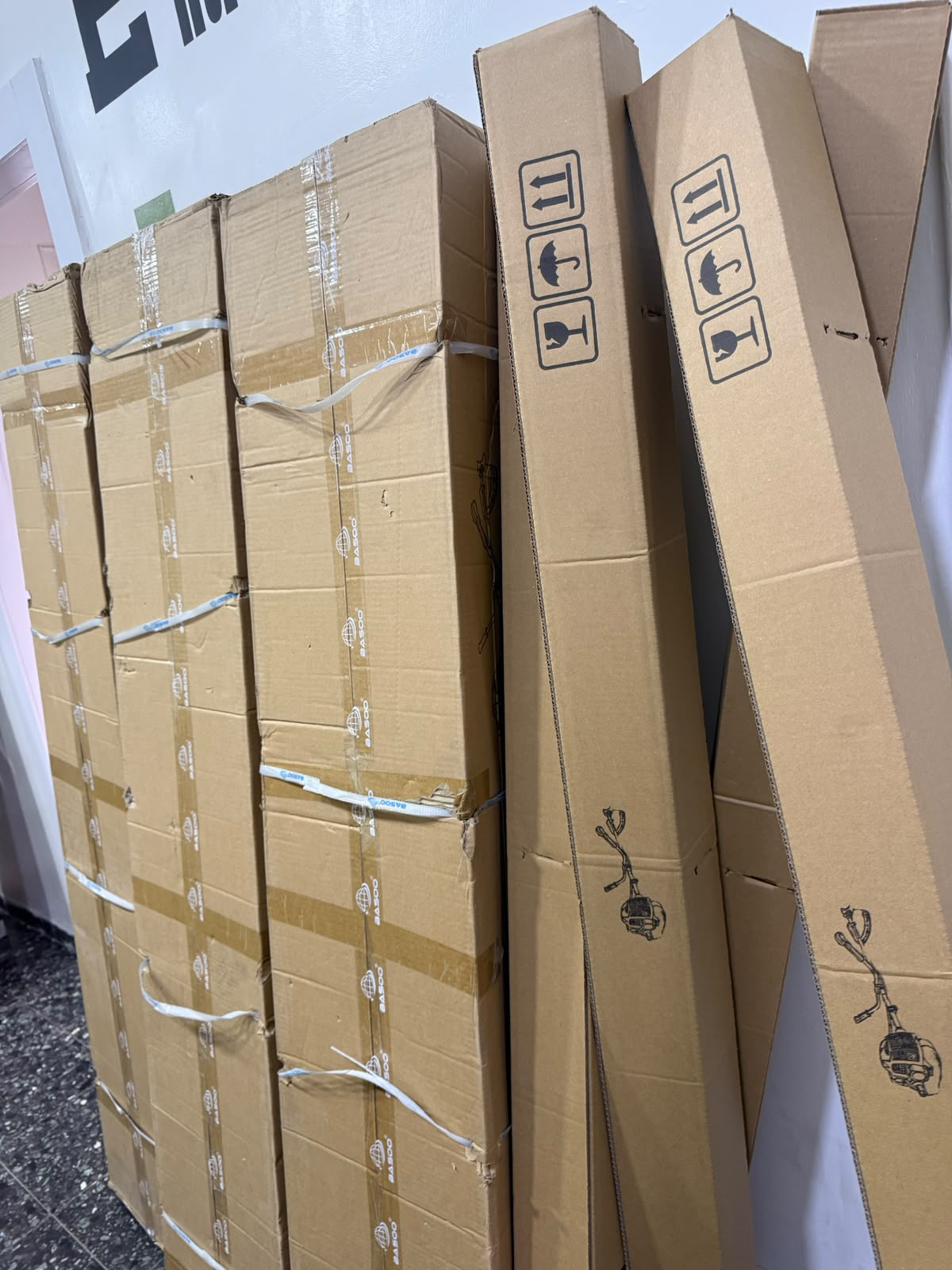
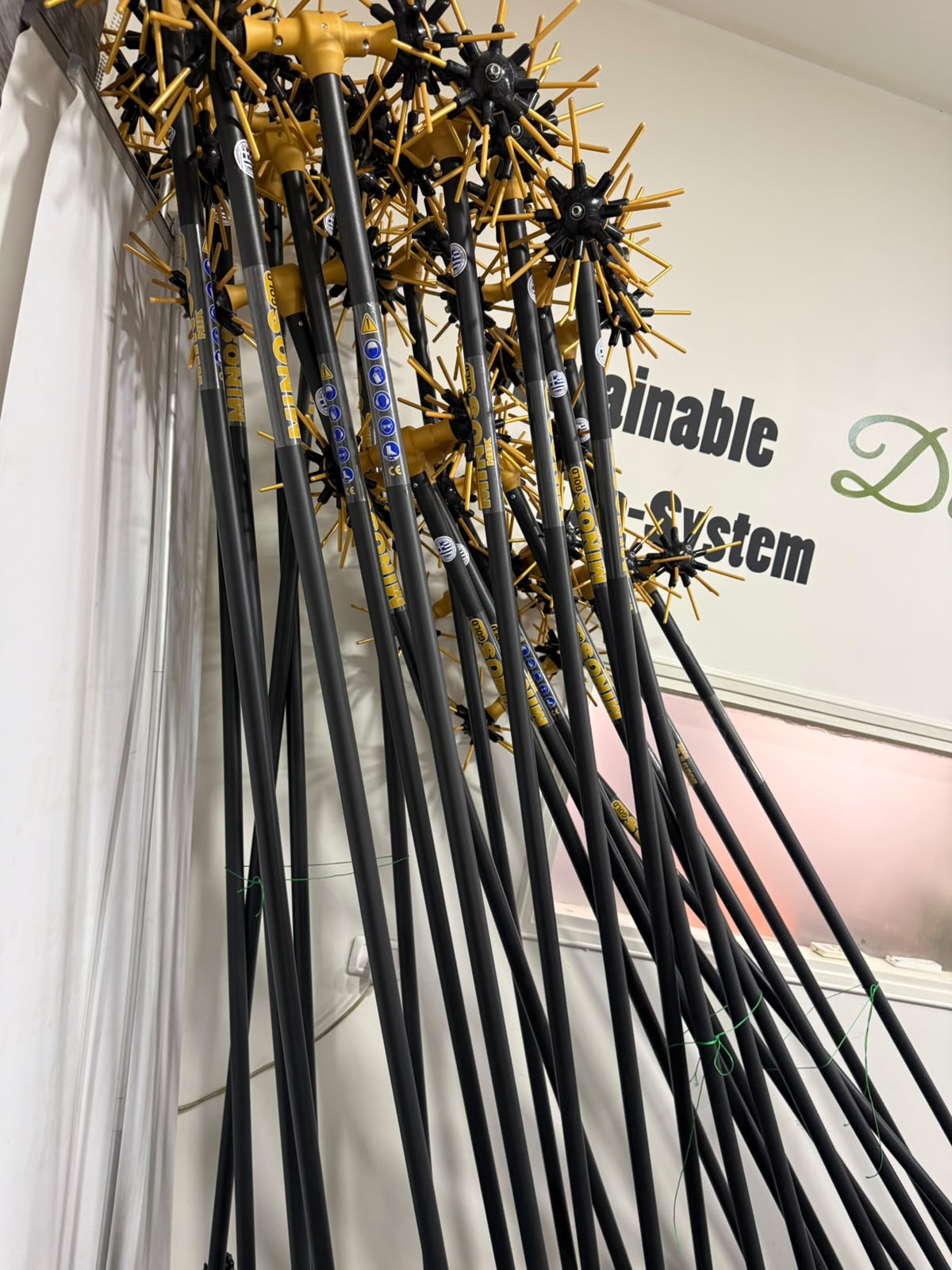
The distribution included 40 electric olive harvesters and 40 electric brush cutters, along with the necessary batteries and chargers. The equipment was delivered to local authorities in the towns of Al-Minya, Tuqu’, Nahalin, and Hindaza, with the aim of assisting farmers in harvesting their olive crops, facilitating their agricultural tasks, and enhancing the capacity of local authorities to provide support throughout the agricultural season.
This intervention comes in light of the challenges faced by Palestinian farmers—particularly in areas affected by settler attacks—which include threats to agricultural land, property, and livelihoods. Providing this equipment helps alleviate the burdens of agricultural labor and assists farmers in harvesting olives and maintaining their land, thereby supporting their continued cultivation of their property and the preservation of their income sources and livelihoods. Engineer Abdel Wahab Halayqa emphasized the importance of partnership and synergy among official institutions, civil society organizations, and local authorities in implementing agricultural interventions and addressing farmers' needs. He noted that the distribution of equipment followed a clear and equitable mechanism, ensuring that the resources are directed toward the intended farmers to meet their actual requirements.
The terms and conditions for receiving the equipment require local authorities to manage it and make it accessible to the targeted farmers—without exclusivity or discrimination—while also ensuring its proper maintenance, care, and storage in a secure location. This is intended to guarantee continued use throughout future seasons, as the equipment serves as a community asset designed to support farmers, strengthen agricultural resilience, and ensure the sustainability of production in the targeted towns.