Notification
حظر استيراد كافة أنواع الطيور الحية الداجنة والبرية وطيور الزينة وبيض التفقيس والصيصان عمر يوم ومخلفاتها الغير معاملة حراريا من تركيا ولحين استقرار الوضع الصحي

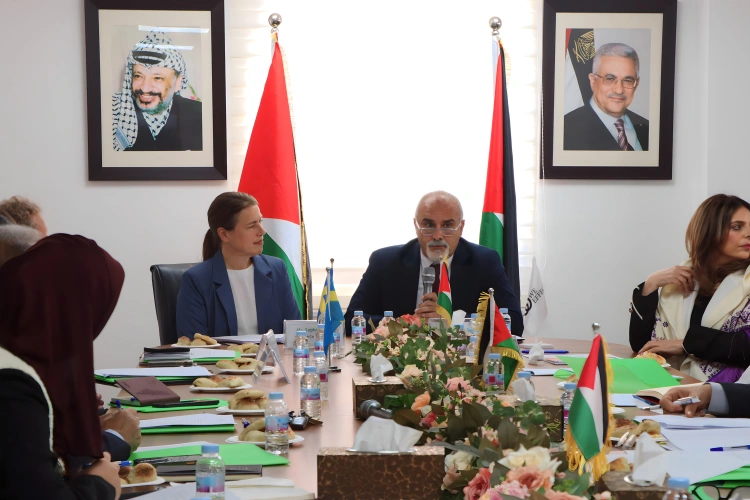
Ramallah: April 29, 2026
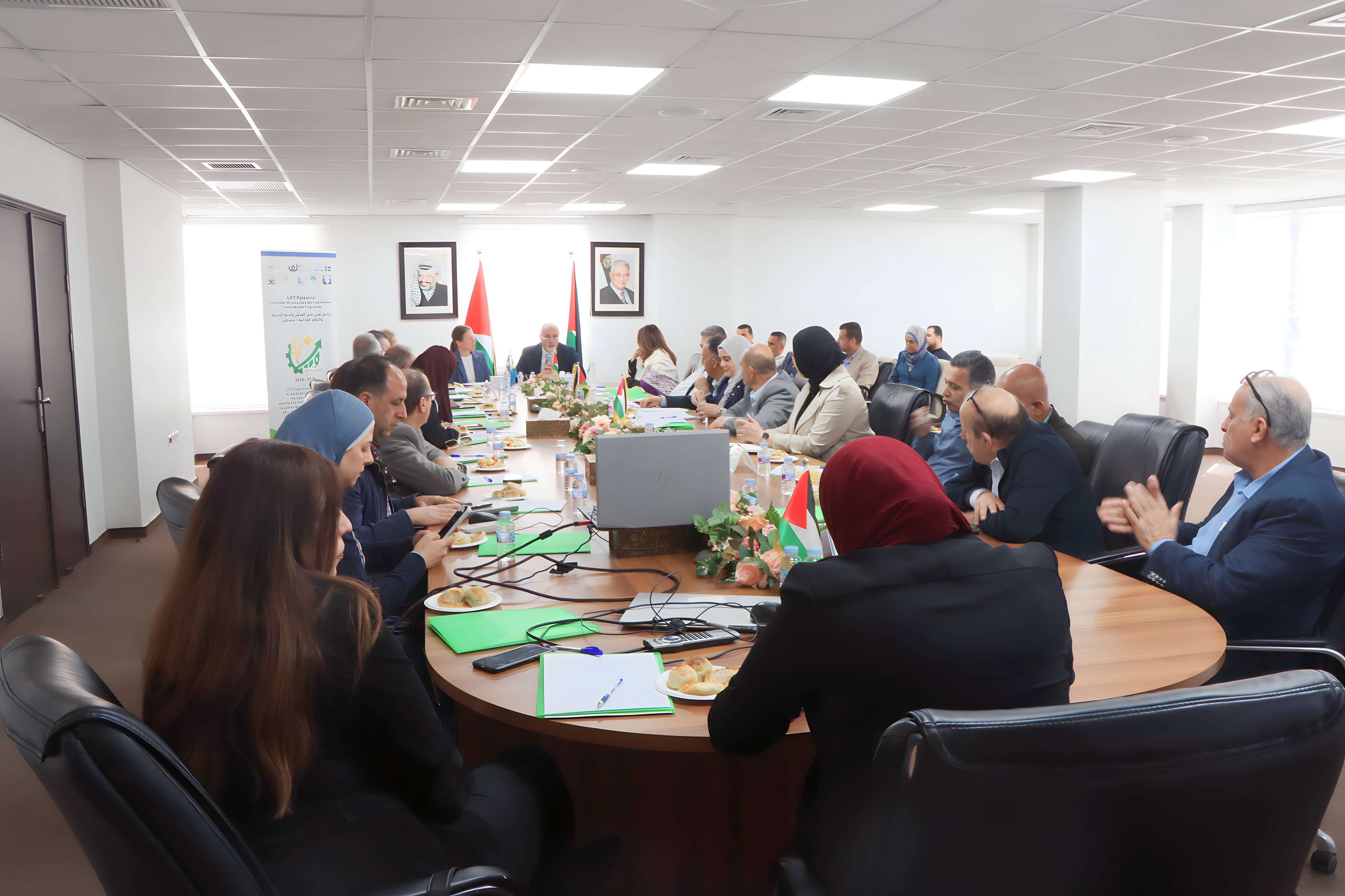
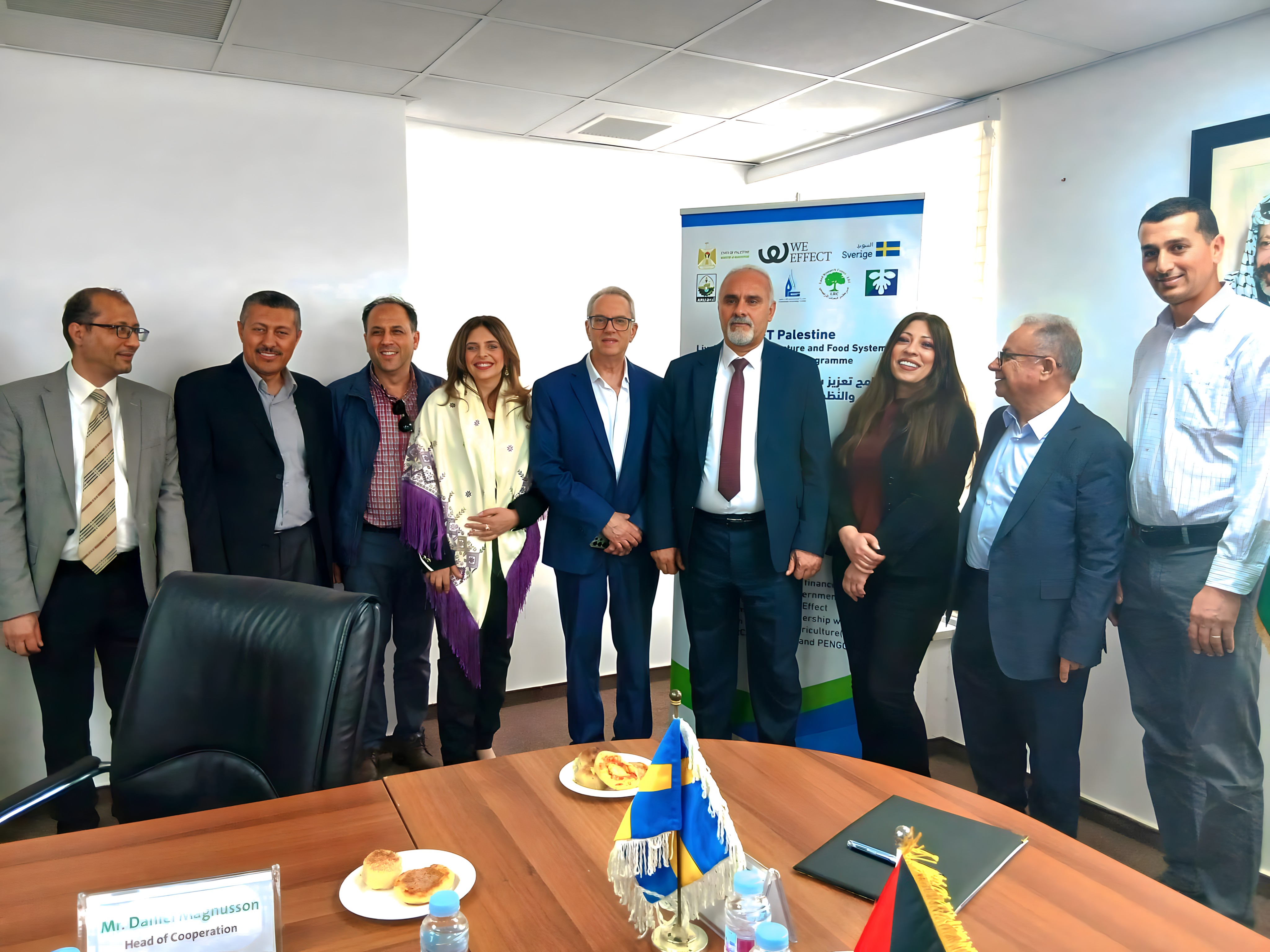
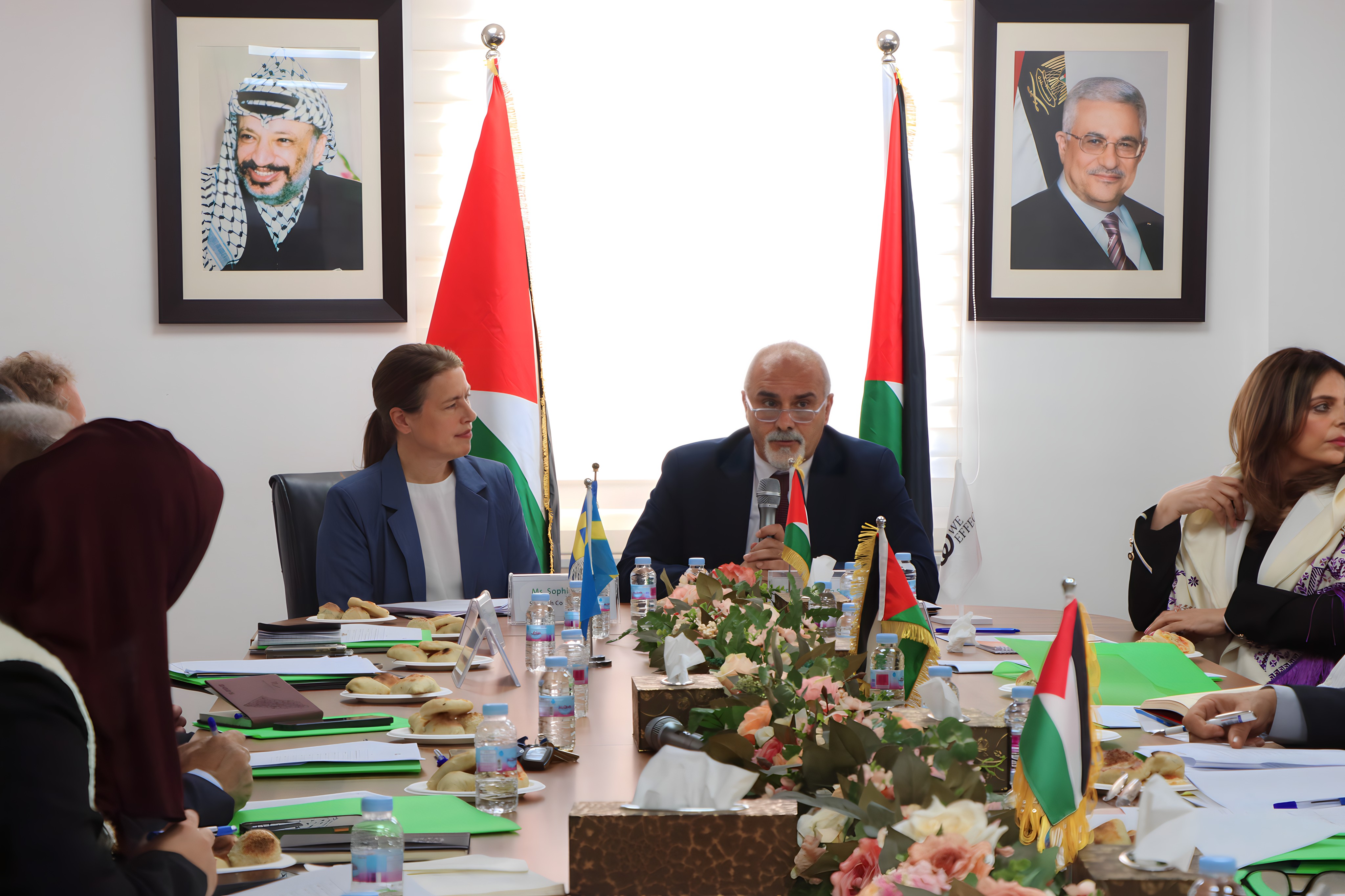
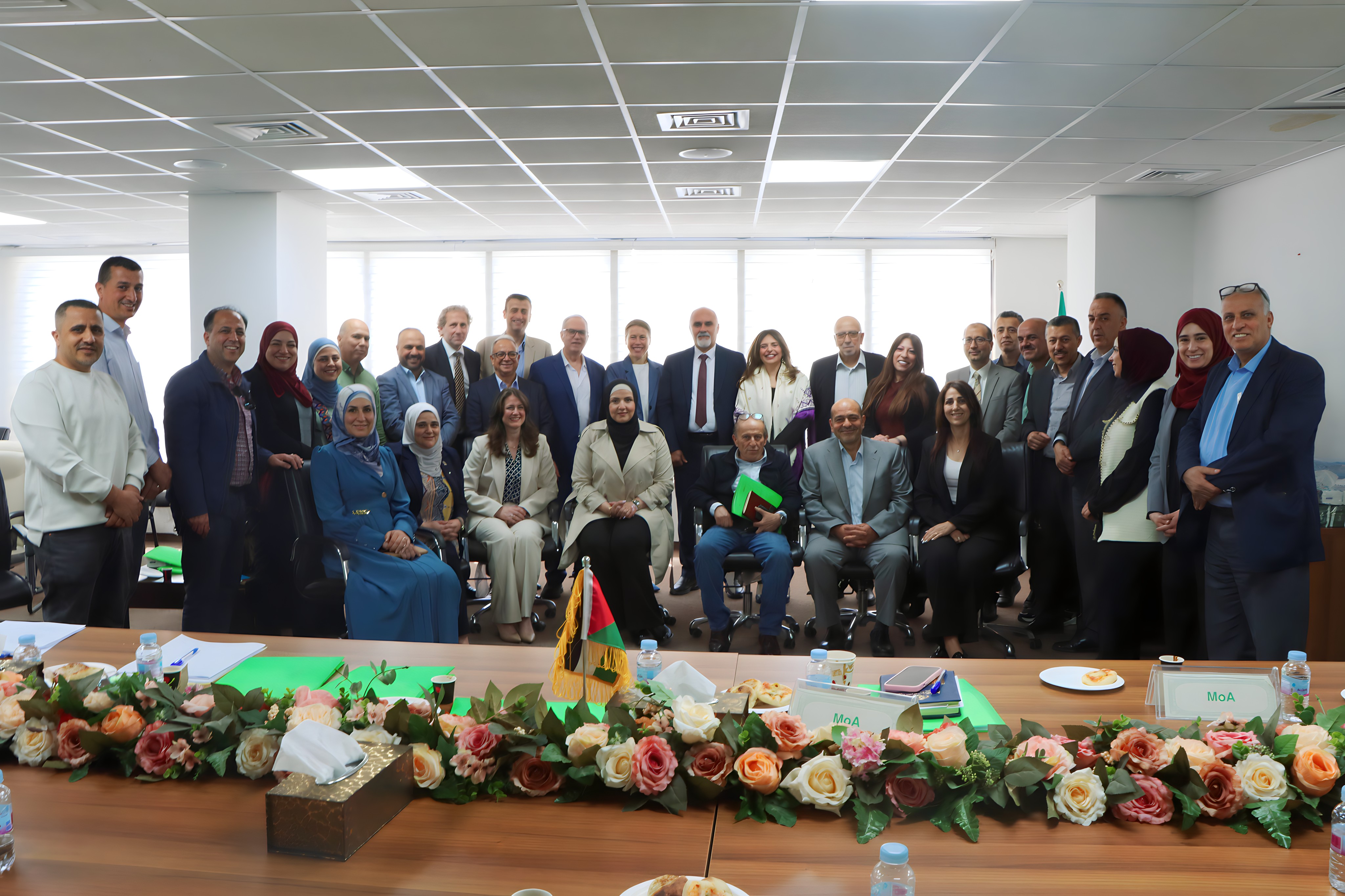
The Ministry of Agriculture launched the "Lift Palestine – Livelihoods, Infrastructure, and Food Systems Transformation" program today, Wednesday, in partnership with We Effect, with funding from the Swedish Consulate in Jerusalem, and with the participation of several local and national institutions. The launch was attended by officials and saw broad national and international participation.
The program will run from July 2025 to June 2029, with a total budget of 7.5 million shekels. It will be implemented in the governorates of Jenin, Salfit, Tubas, and Hebron, aiming to strengthen the resilience of agricultural communities and improve their livelihoods. In his address at the launch ceremony, the Minister of Agriculture emphasized that this program comes at a crucial time, given the significant challenges facing the agricultural sector. He stressed that "agriculture, for us, represents resilience and steadfastness, and it is the foundation for supporting farmers and enabling them to remain on their land and continue production."
He noted that the Ministry has worked with partners over the past months to develop this program despite the difficult circumstances. He affirmed that the ongoing attacks on land and farmers necessitate targeted interventions to bolster their resilience, improve food security, and provide employment opportunities and economic stability.
He added that the Ministry is focusing on developing agricultural infrastructure, enhancing local production, and supporting partnerships with national civil society organizations. He called for expanding the program in the future to include additional areas, including the Gaza Strip, and working towards transforming it into a comprehensive national program, while emphasizing the importance of continuous monitoring and evaluation to ensure the desired impact is achieved.
The program aims to empower local communities to strengthen their resilience and improve their livelihoods by developing comprehensive and sustainable food and agricultural systems that contribute to achieving food security, economic stability, environmental sustainability, climate action, and social justice. The program includes two main, interconnected outcomes: strengthening the resilience and economic growth of local communities through the development and rehabilitation of sustainable agricultural infrastructure, and enhancing sustainable food production and livelihoods through climate-resilient agriculture.
It also includes the implementation of a package of interventions, most notably the development and management of water resources (conventional and non-conventional), land reclamation, and the improvement of irrigation and energy systems, along with support for agricultural production, value chains, and food processing, and enhanced access to markets and financial services, with a focus on empowering women and youth.
The program is implemented through five key actors: We Effect, the Palestinian Hydrologists Group (PHG), the Land Research Center (LRC), the Development Action Center/Ma’an, and the Applied Research Institute – Jerusalem (ARIJ), in partnership with and under the supervision of the Ministry of Agriculture.
For her part, the Swedish Consul General, Ms. Sophie Beker, affirmed that supporting this program stems from Sweden’s commitment to promoting inclusive economic development in Palestine, noting that agriculture is a fundamental pillar of food security and livelihoods, especially in light of the challenges associated with water scarcity and climate change. At the conclusion of the meeting, the participants stressed the importance of partnership between the various parties, and joint work to ensure the success of the program and to achieve a tangible impact on improving the lives of farmers and strengthening their resilience on their land.