Notification
حظر استيراد كافة أنواع الطيور الحية الداجنة والبرية وطيور الزينة وبيض التفقيس والصيصان عمر يوم ومخلفاتها الغير معاملة حراريا من تركيا ولحين استقرار الوضع الصحي

Hebron: July 16, 2026
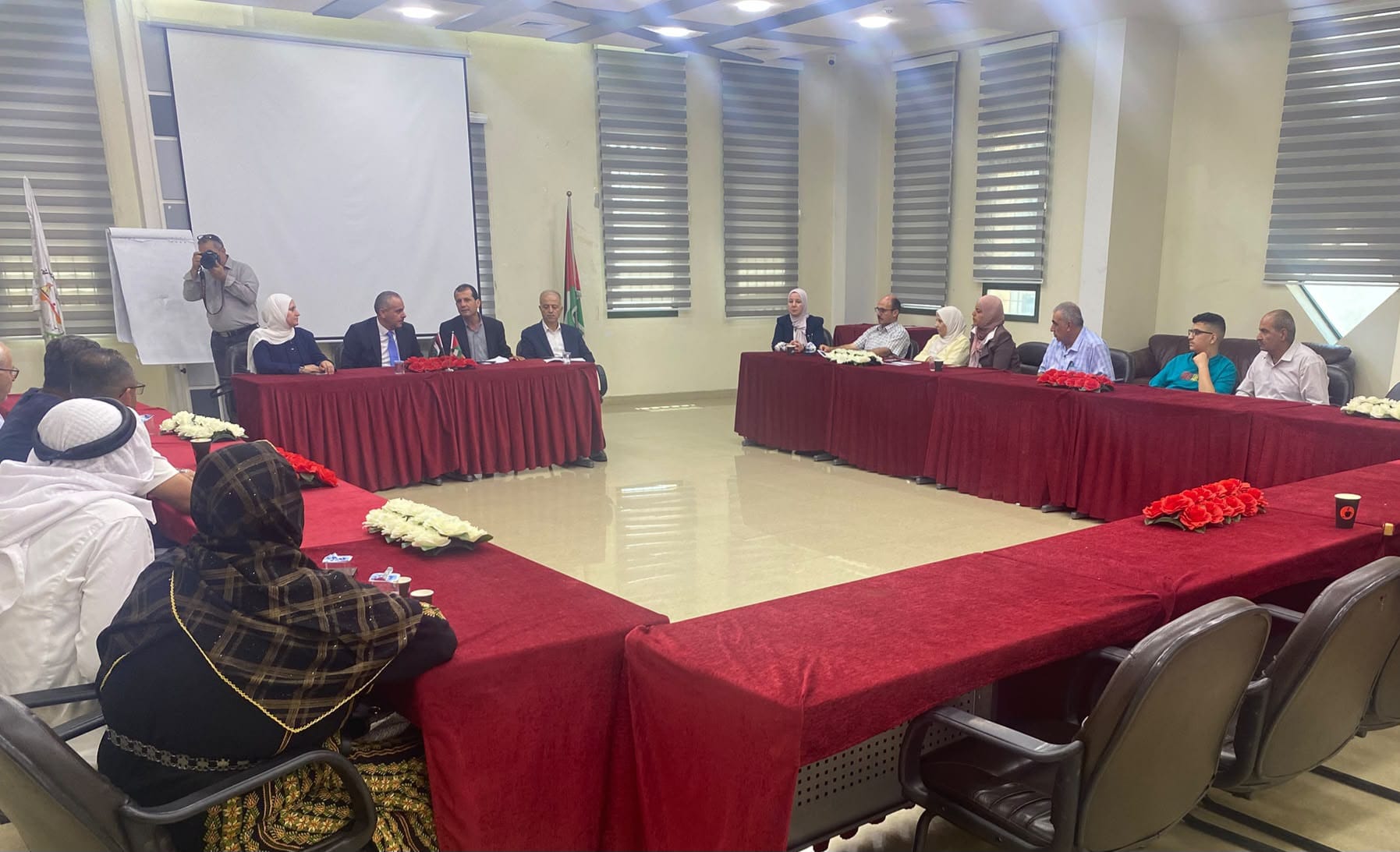
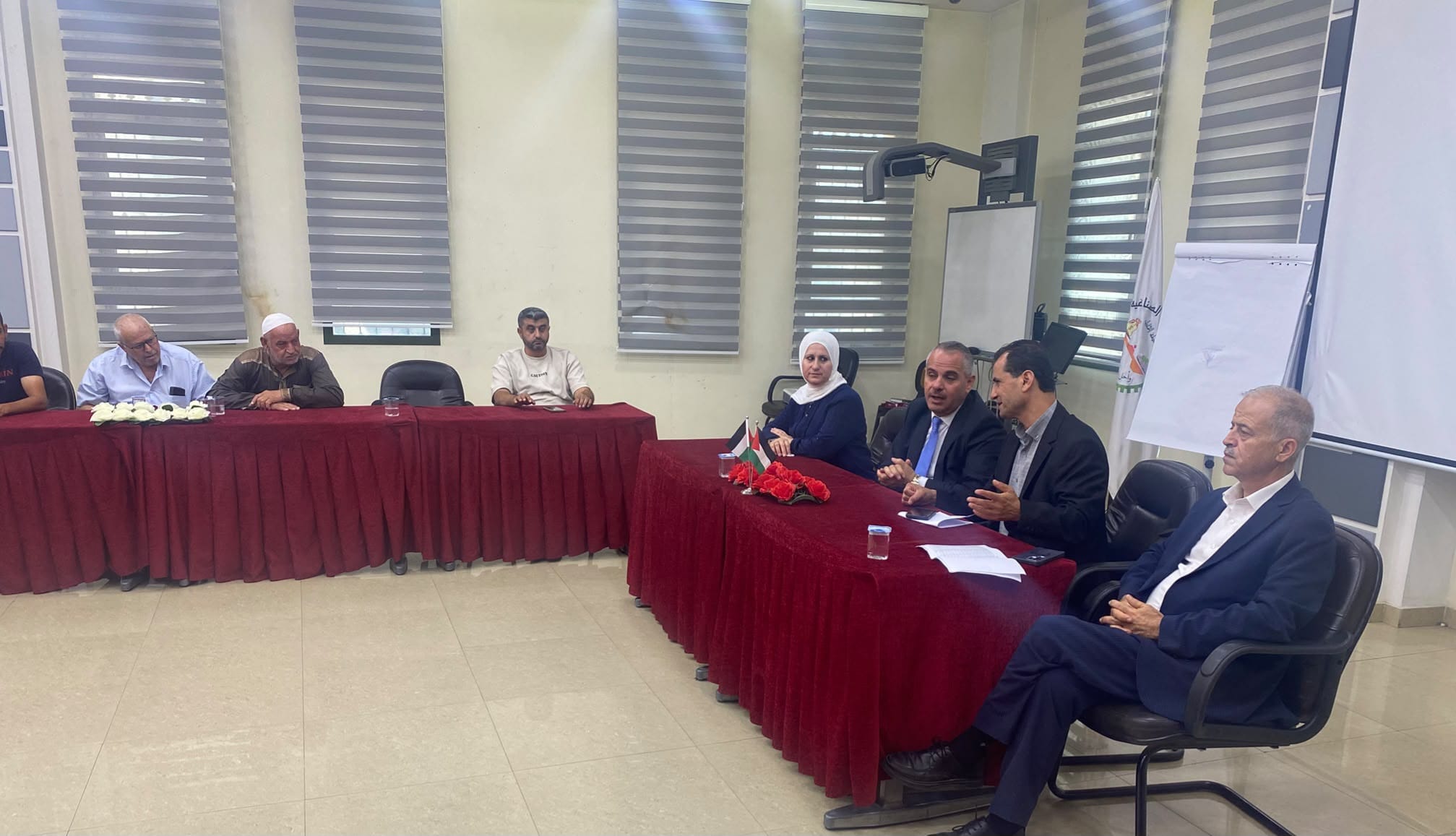
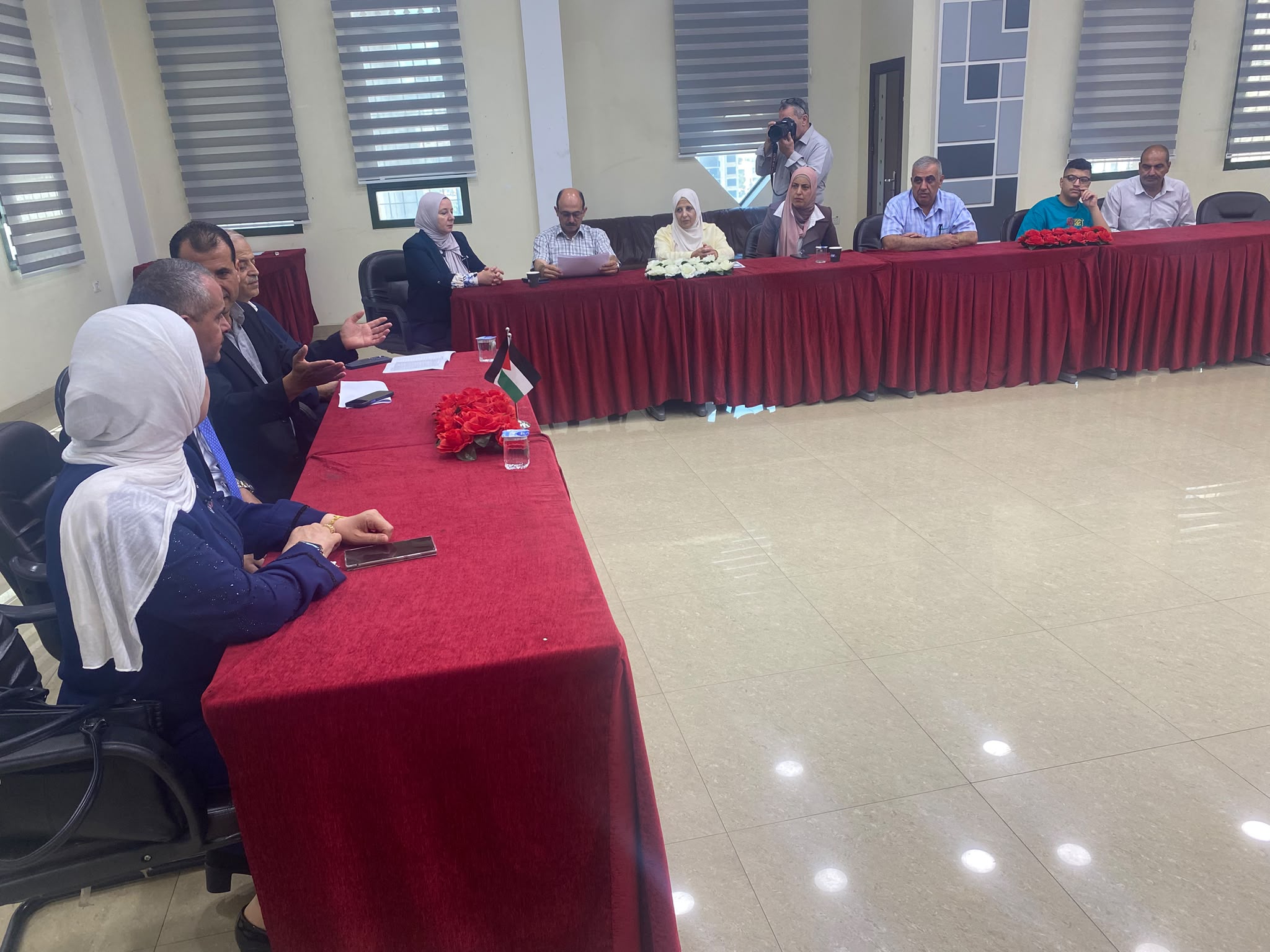
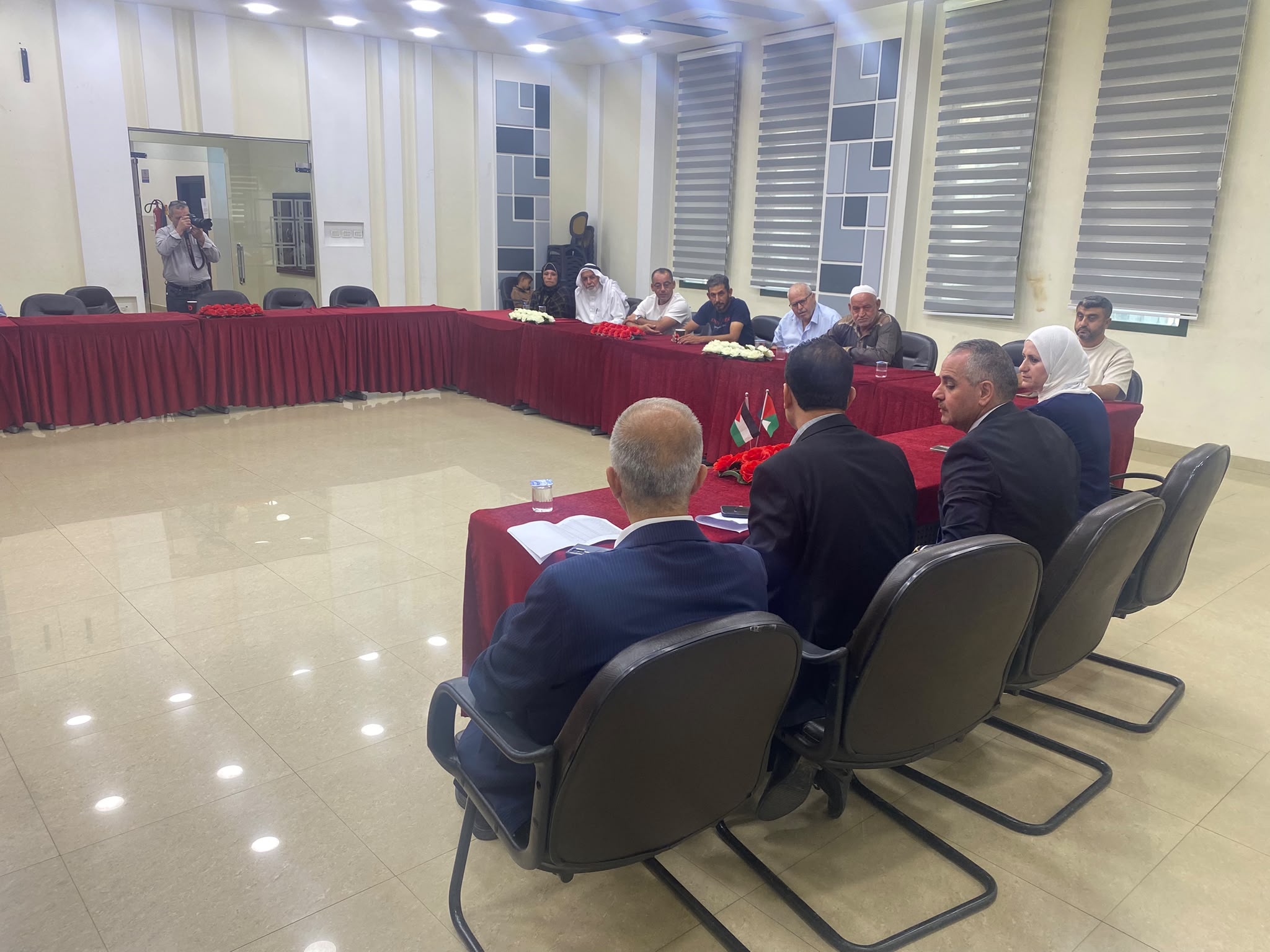
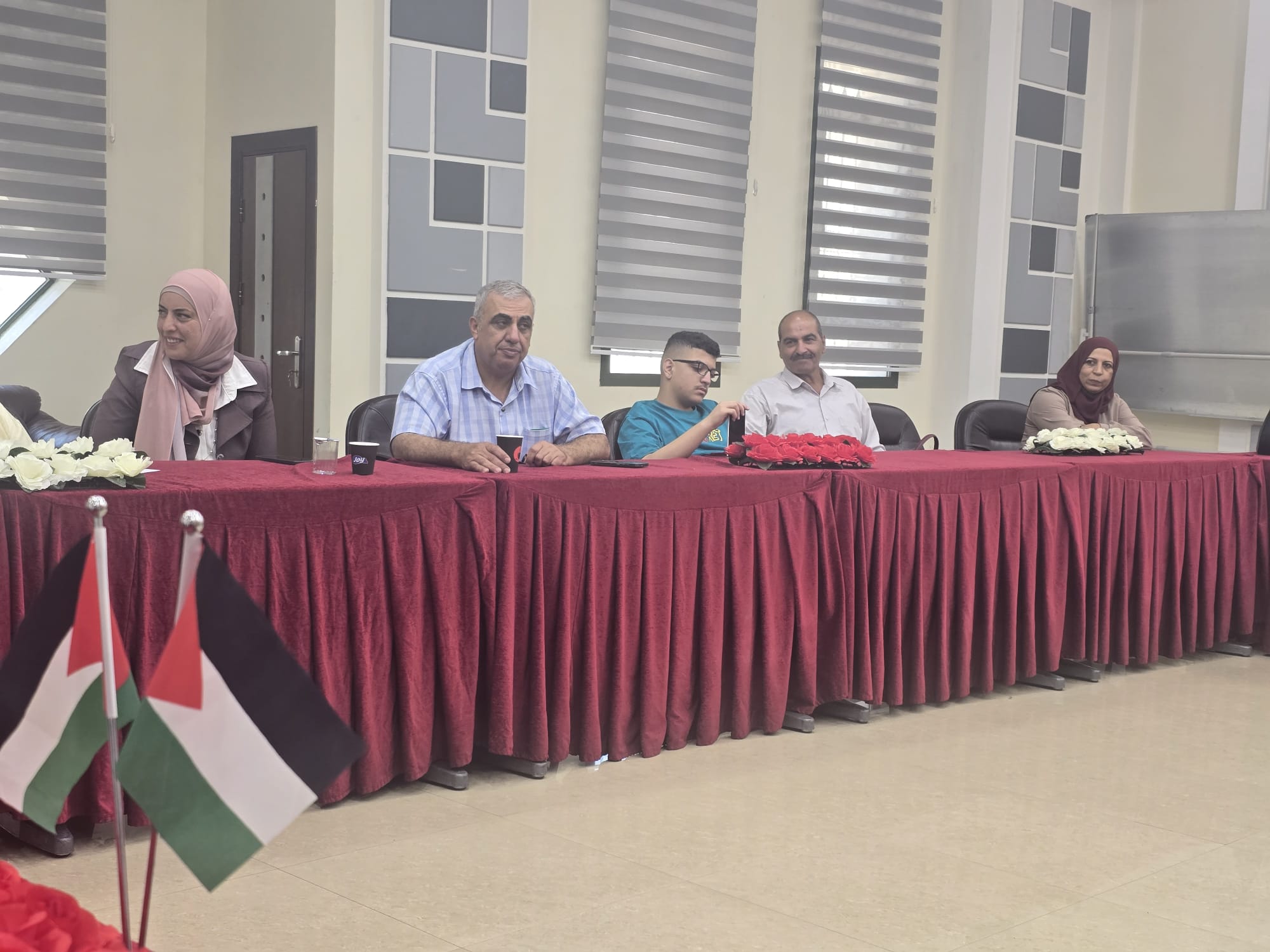
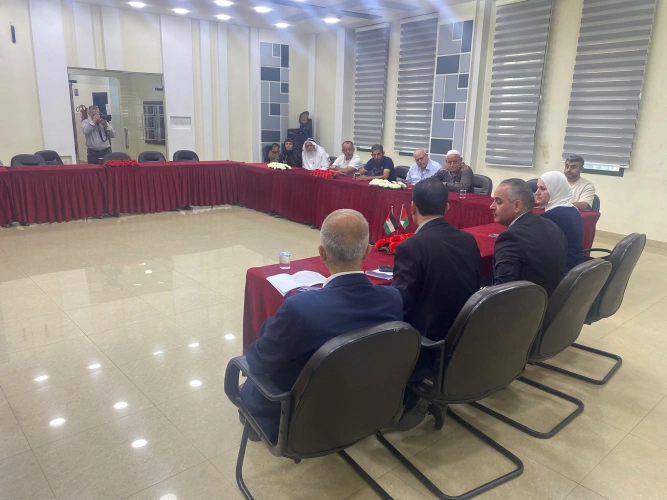
The Ministry of Agriculture continues to disburse the second installment of the EU-funded agricultural assistance program. It began disbursing funds for 15 agricultural projects in Hebron and Bethlehem governorates, totaling 717,329 shekels. This follows the disbursement of funds for projects launched in the past two days in the northern and central West Bank governorates.
The Ministry affirmed that the program's implementation continues according to the approved plan to ensure that support reaches beneficiary farmers in all governorates of the country. This contributes to strengthening their resilience and enhancing their ability to continue agricultural production and develop their projects, within the framework of the partnership with the European Union and in line with its efforts to support the agricultural sector and empower farmers to invest in their land and ensure the sustainability of their production.
The Ministry also noted that the program is proceeding according to the approved plan to ensure that support reaches beneficiary farmers in all governorates of the country. The Ministry explained that the projects included in this phase focused on supporting the livestock sector through the establishment and rehabilitation of sheep farms, the purchase and supply of sheep, cattle, goats, and feed, and the implementation of lamb fattening projects. This also included supplying agricultural tractors with their attachments and other agricultural equipment, excavating and equipping a concrete rainwater harvesting tank, rehabilitating agricultural land, and constructing greenhouses. These initiatives aim to increase production efficiency and improve the productive conditions for beneficiary farmers.
The projects, for which disbursements began today, are part of the second phase of the agricultural assistance program, totaling 2.2 million shekels. This phase is allocated to support 52 agricultural projects across various governorates in the West Bank. The Ministry continues to finalize disbursement procedures for beneficiaries in the targeted governorates, ensuring that support reaches the largest possible segment of affected farmers and strengthening their resilience and the sustainability of agricultural production.