Notification
حظر استيراد كافة أنواع الطيور الحية الداجنة والبرية وطيور الزينة وبيض التفقيس والصيصان عمر يوم ومخلفاتها الغير معاملة حراريا من تركيا ولحين استقرار الوضع الصحي

Hebron: 20/11/2026
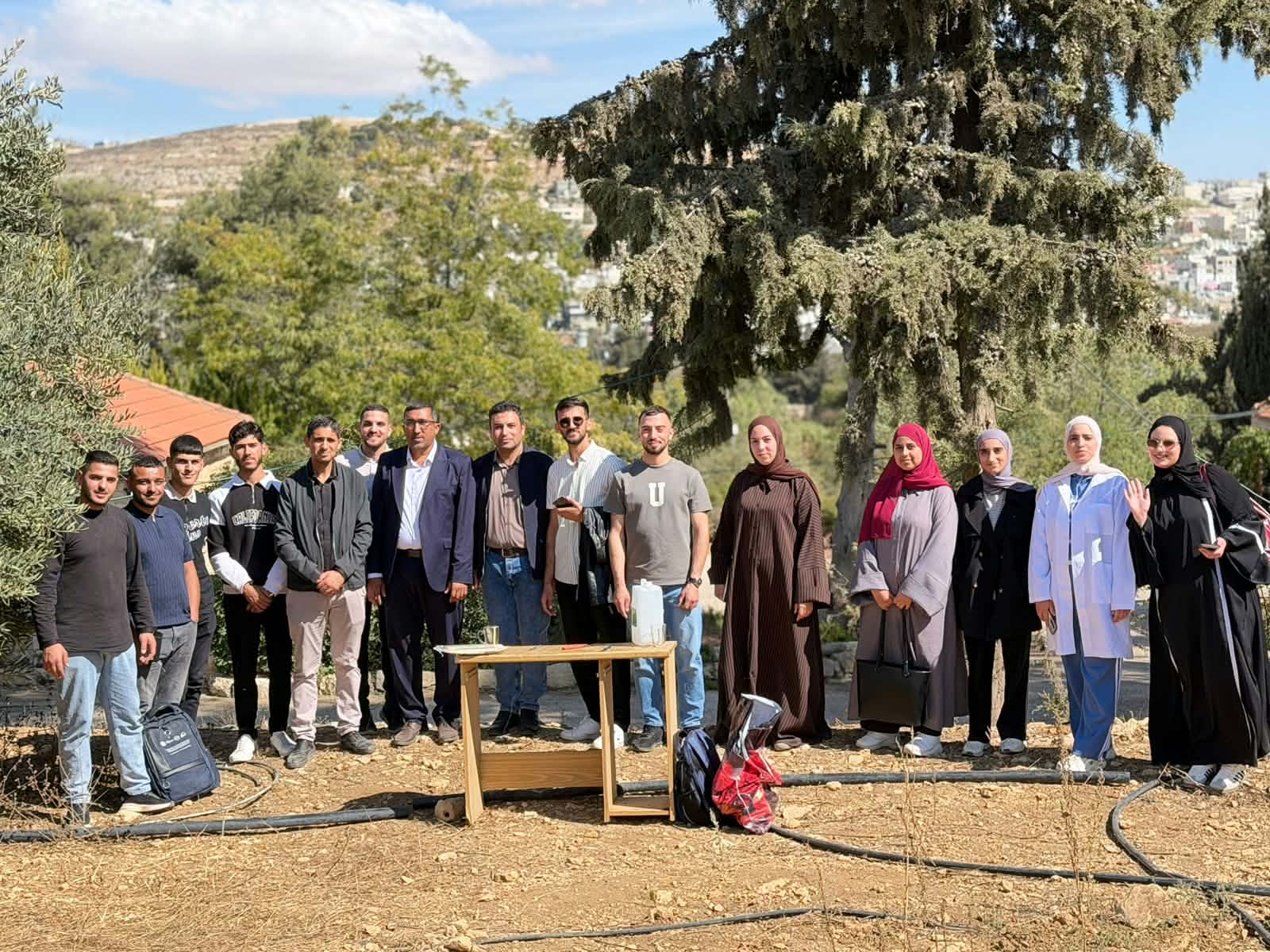
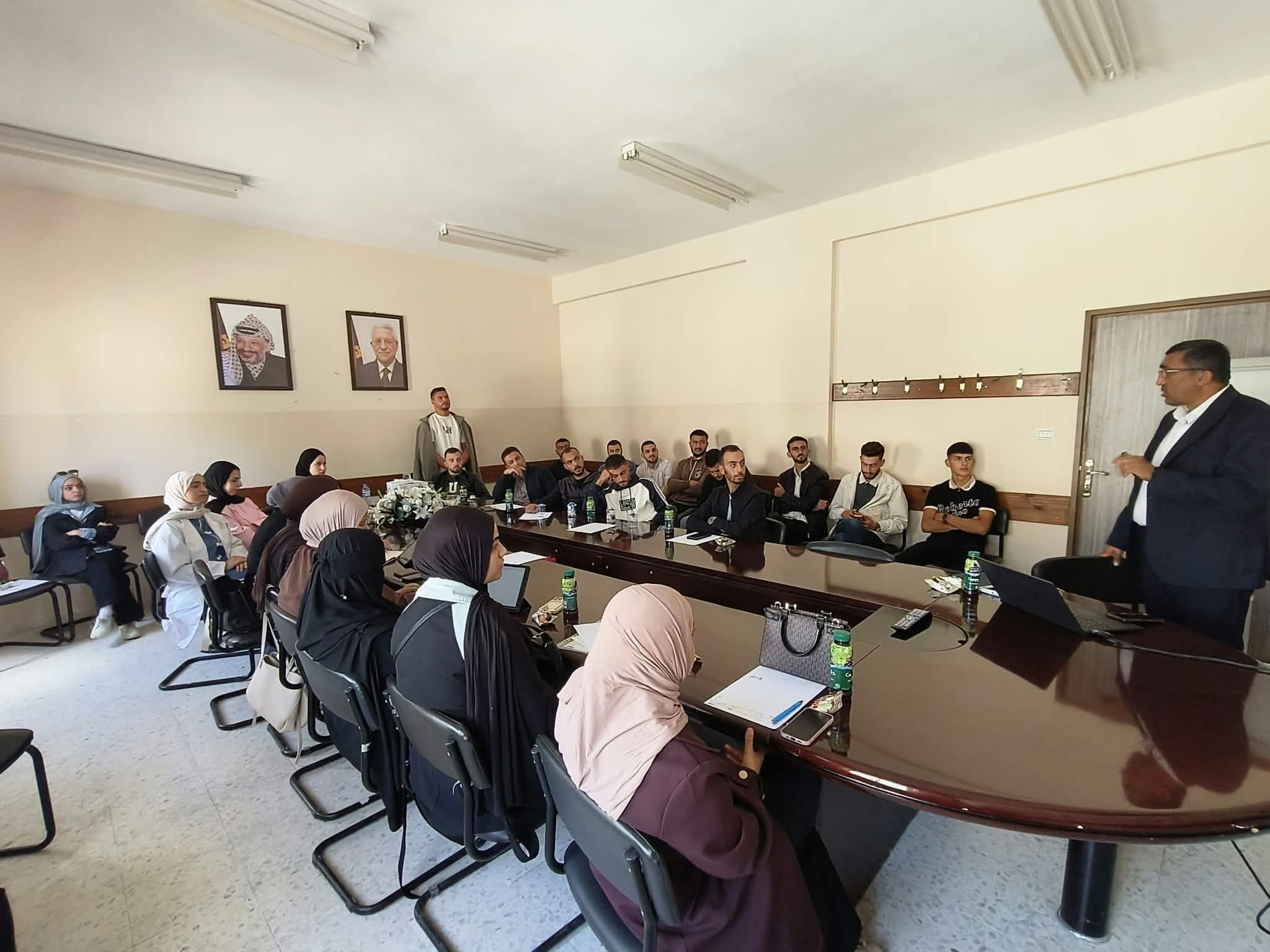
The General Directorate of Plant Protection and Agricultural Quarantine at the Ministry of Agriculture—represented by the Department of Agricultural Pest Monitoring and Control—conducted an awareness training workshop on the Integrated Pest Management (IPM) of olive crops. The workshop, organized in collaboration with the Faculty of Agriculture at Palestine Technical University – Kadoorie (Al-Arroub branch), was attended by 30 students from the Faculty of Agriculture.
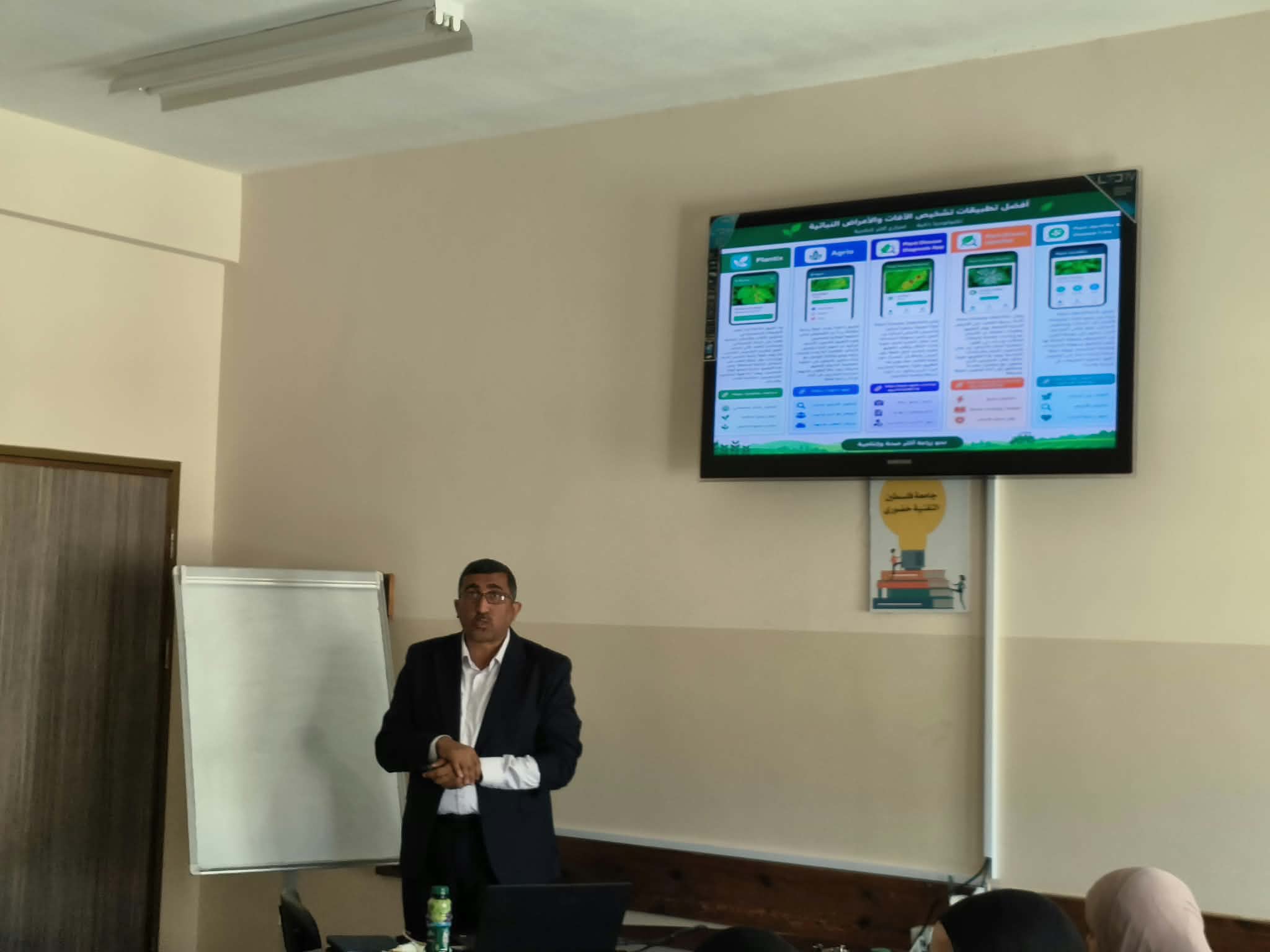
Developed and facilitated by Dr. Mohammad Al-Qurna, the workshop comprised both theoretical and practical components. Its objective was to enhance the students' scientific knowledge, bridge the gap between theory and field application, and equip them with the skills necessary to manage agricultural pests using sustainable, science-based methods.
The theoretical portion covered the significance of Integrated Pest Management, techniques for monitoring and diagnosing pests, and appropriate control strategies. Emphasis was placed on mitigating damage to olive crops, promoting sound agricultural practices, and ensuring the rational use of pesticides—all of which contribute to protecting harvests while safeguarding human health and the environment.
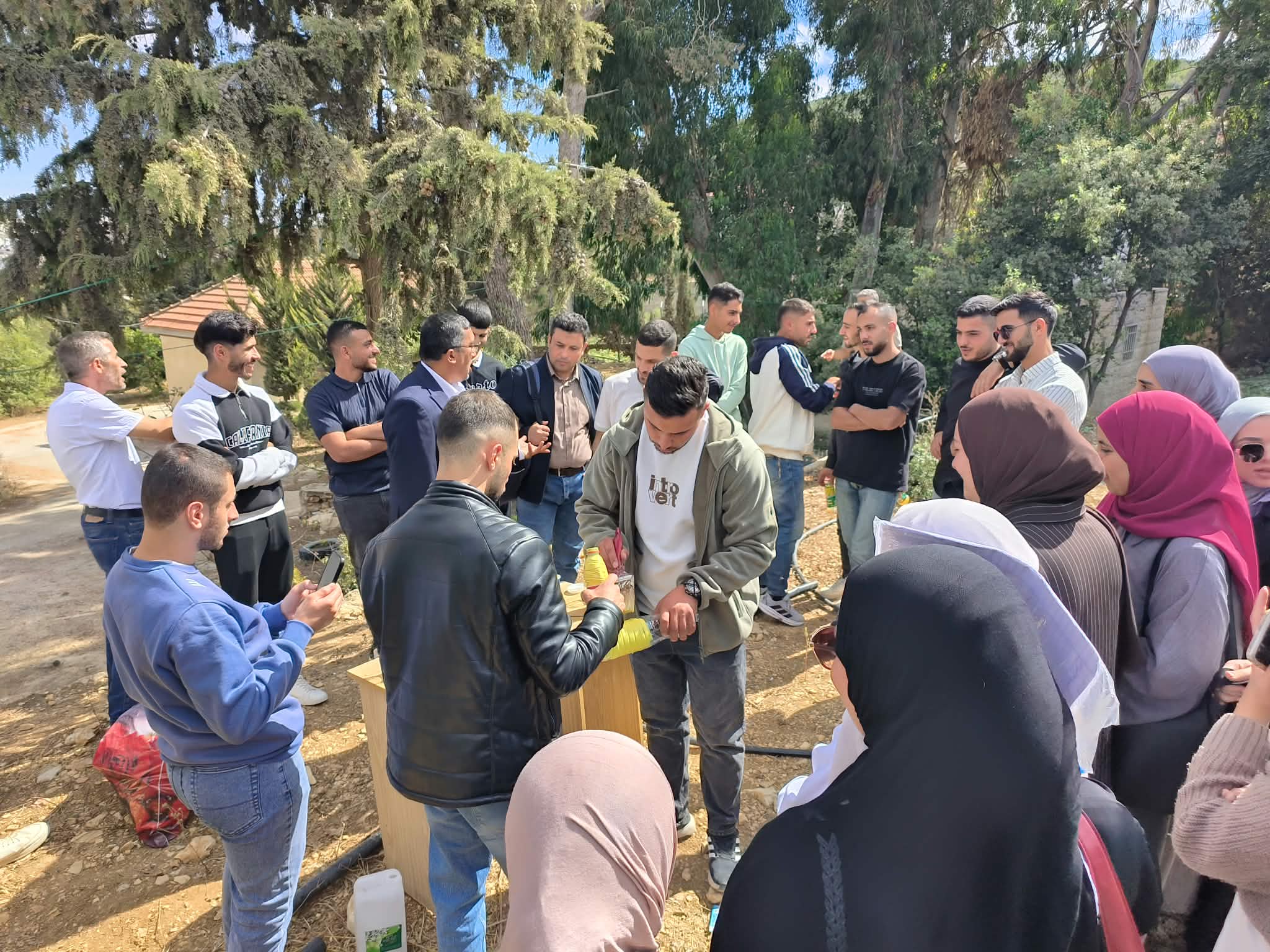
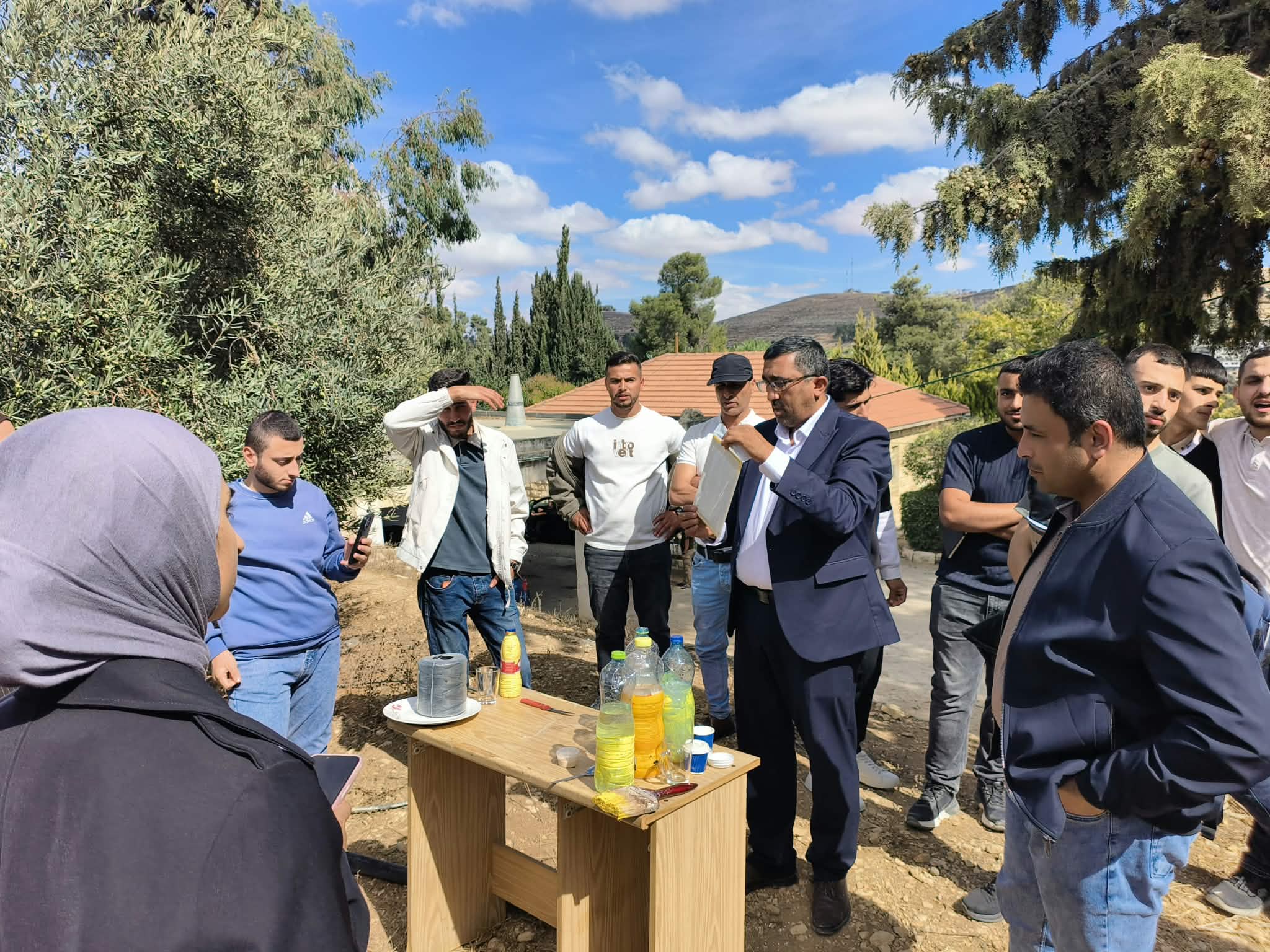
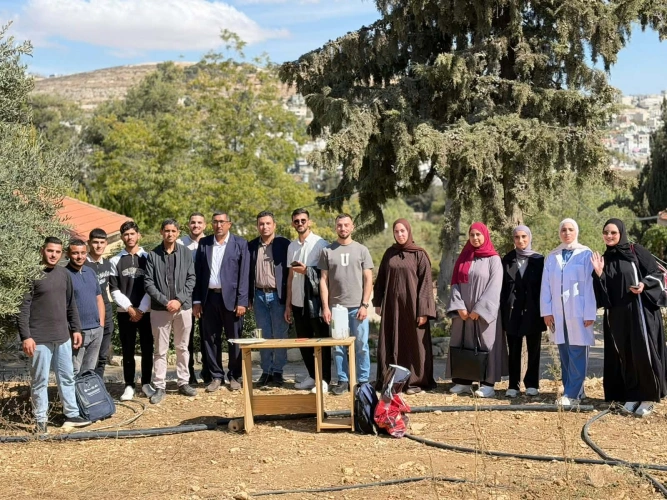
The workshop was concluded with a practical session at the Al-Arroub Agricultural Station. Students also received hands-on training in preparing and installing insect traps, as well as monitoring and tracking insect pests. They learned how these traps serve to track pest populations and determine the extent of their spread. This practical experience strengthened the students' applied skills in plant protection, enabling them to translate their theoretical knowledge into effective field-based agricultural practices. This workshop is part of the Ministry of Agriculture’s efforts to strengthen cooperation with academic institutions, promote agricultural awareness, transfer scientific knowledge to the field, develop students' skills, and prepare qualified agricultural professionals capable of contributing to crop protection, improving production quality, and enhancing agricultural sustainability and food security.