Notification
حظر استيراد كافة أنواع الطيور الحية الداجنة والبرية وطيور الزينة وبيض التفقيس والصيصان عمر يوم ومخلفاتها الغير معاملة حراريا من تركيا ولحين استقرار الوضع الصحي

Ramallah – June 1, 2026
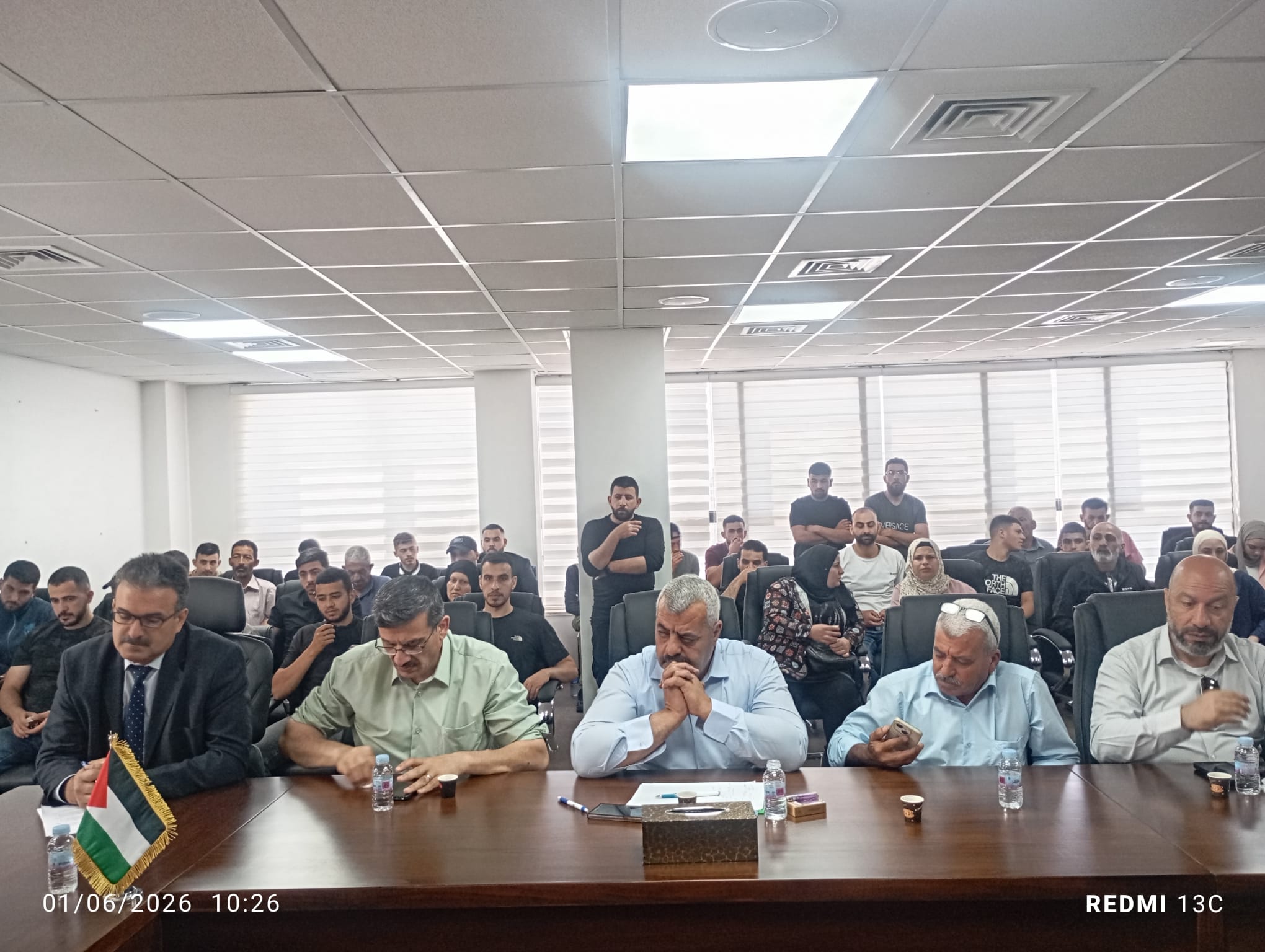
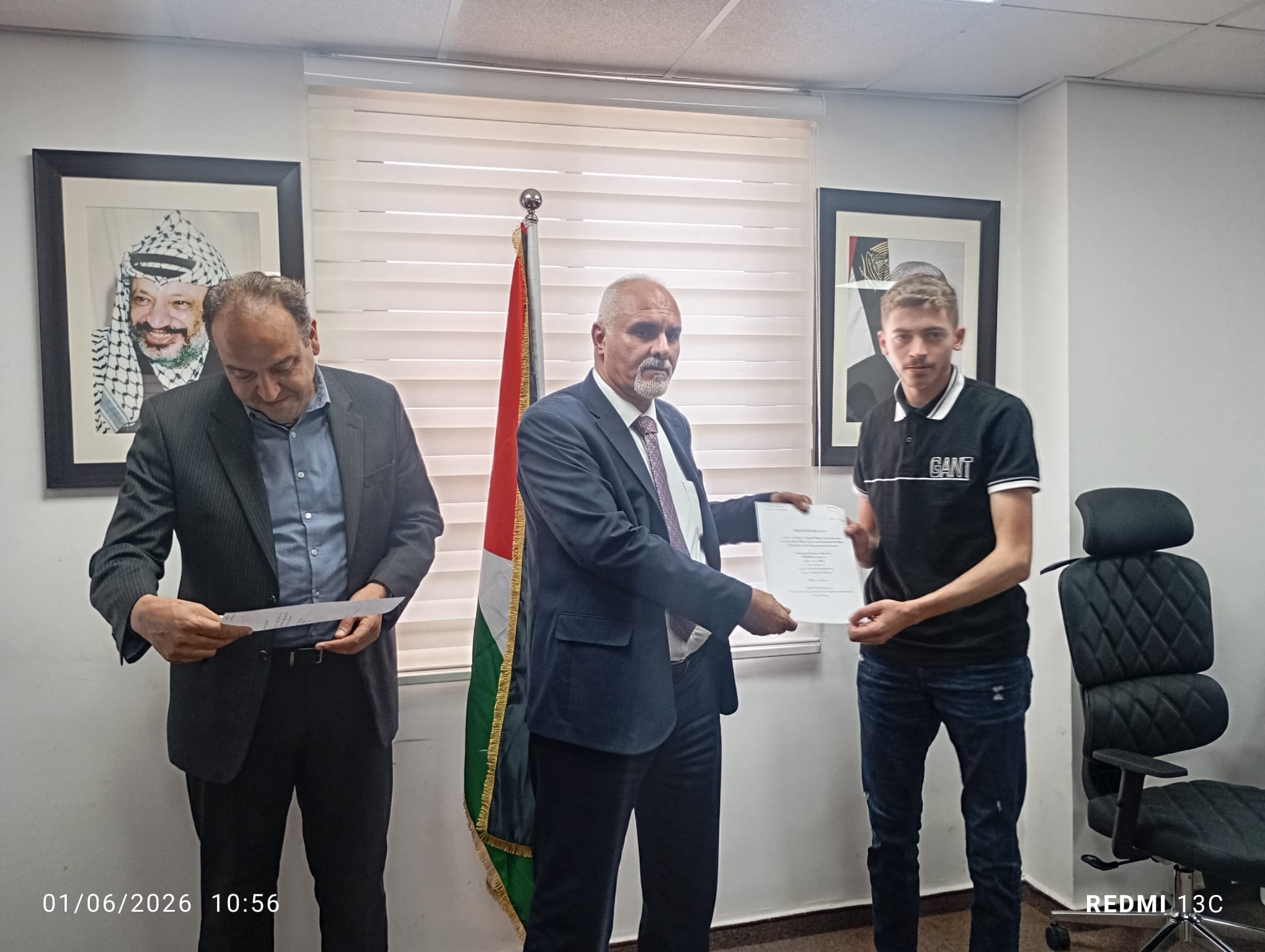
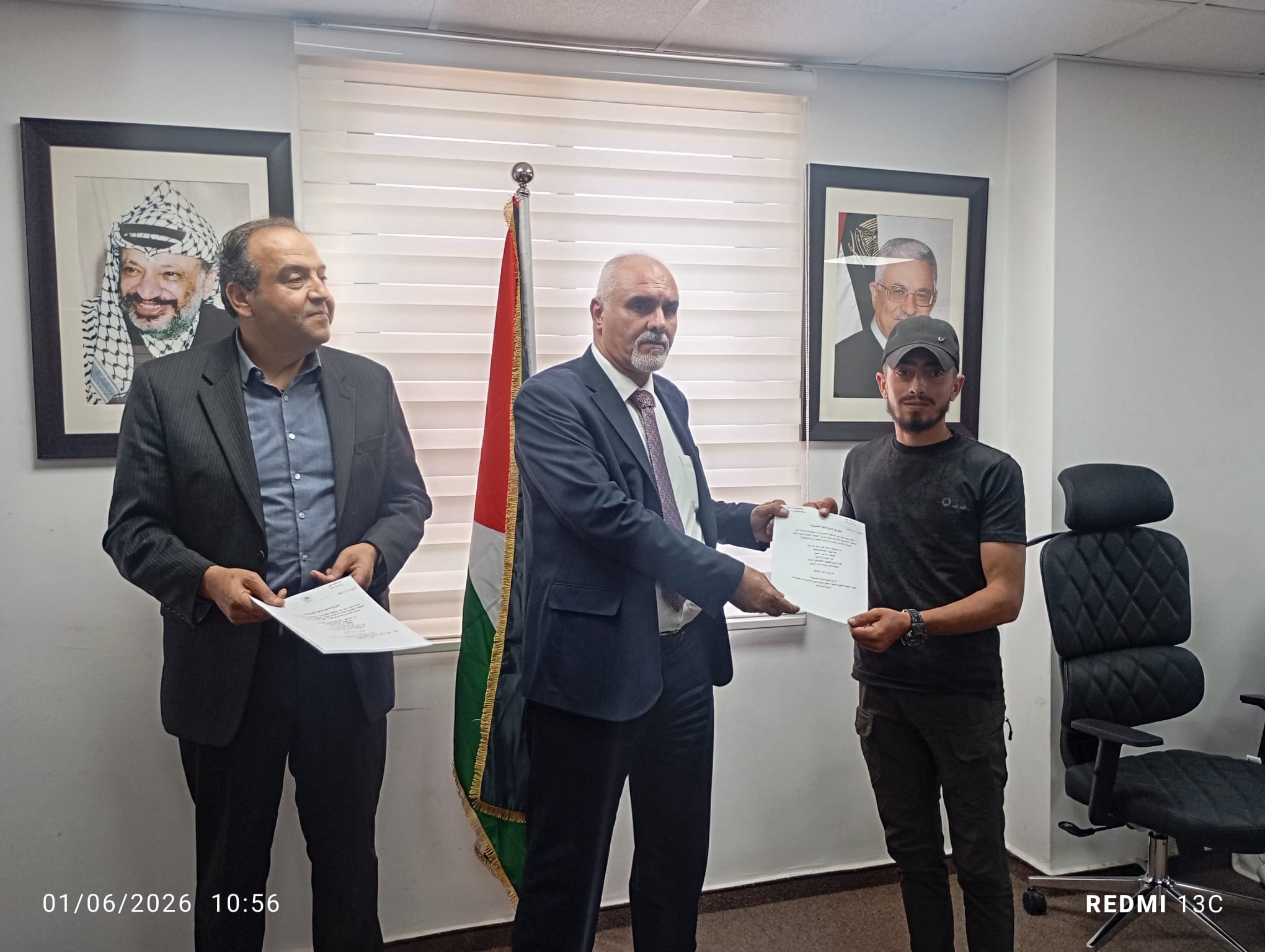
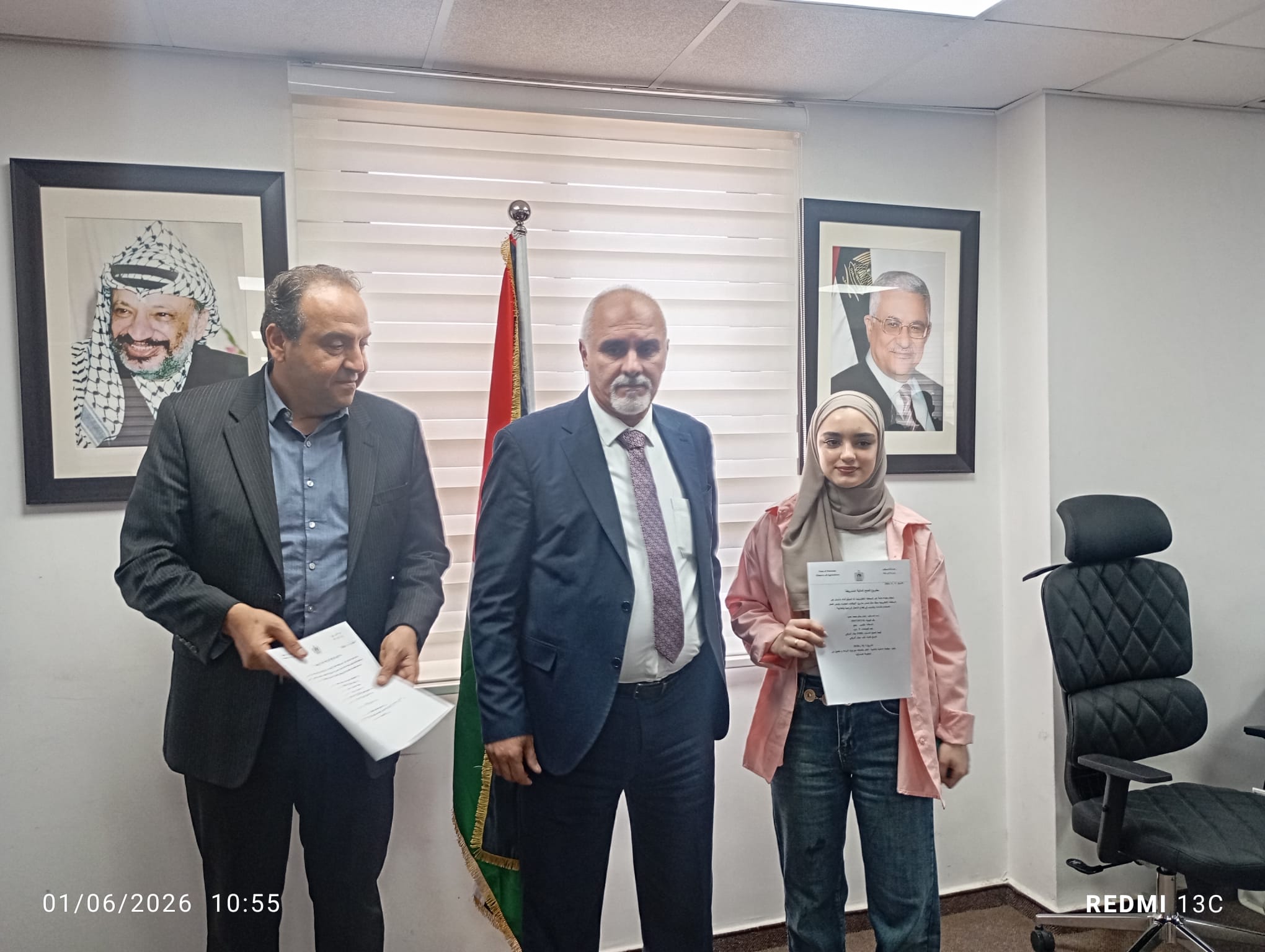
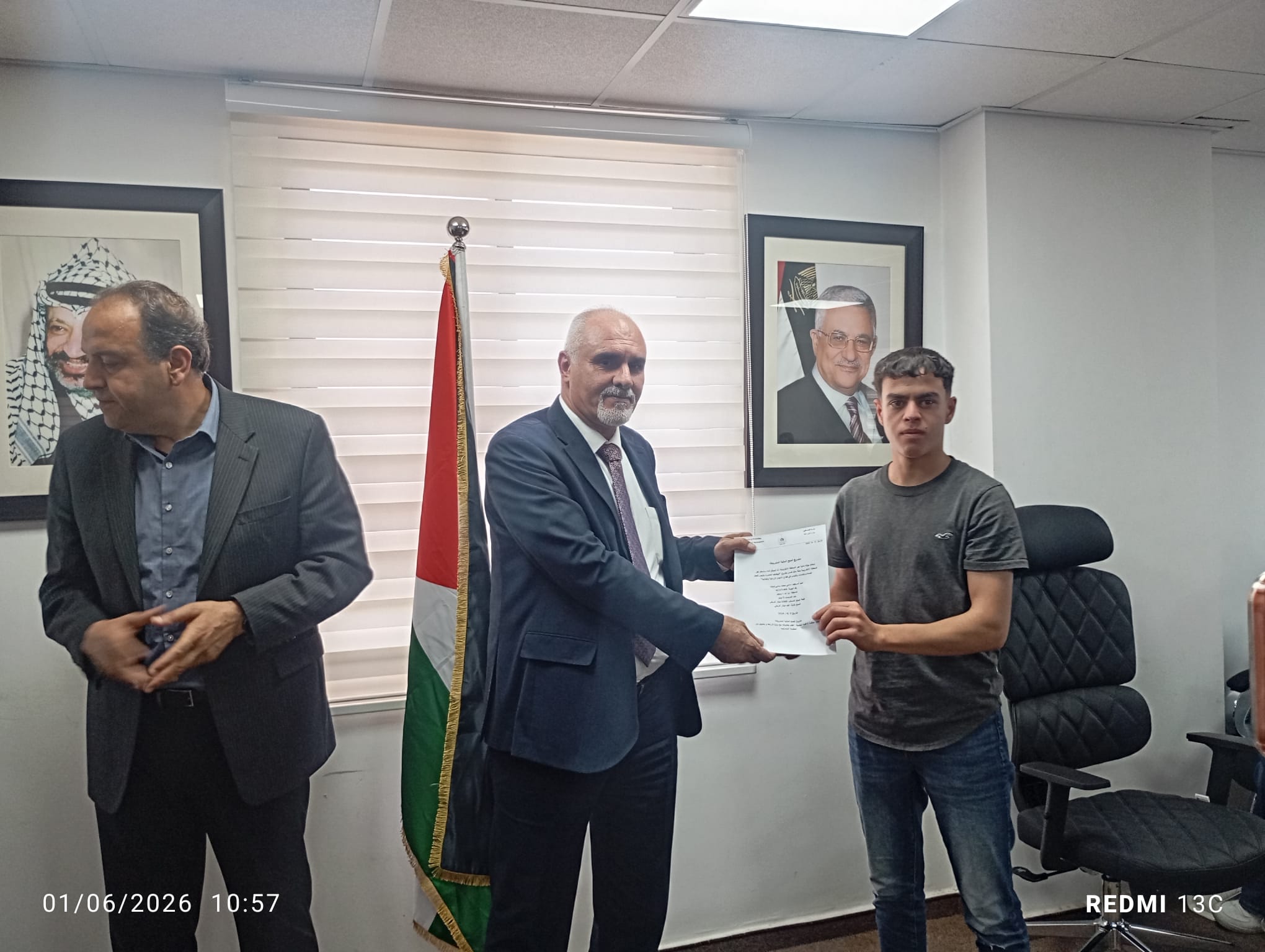
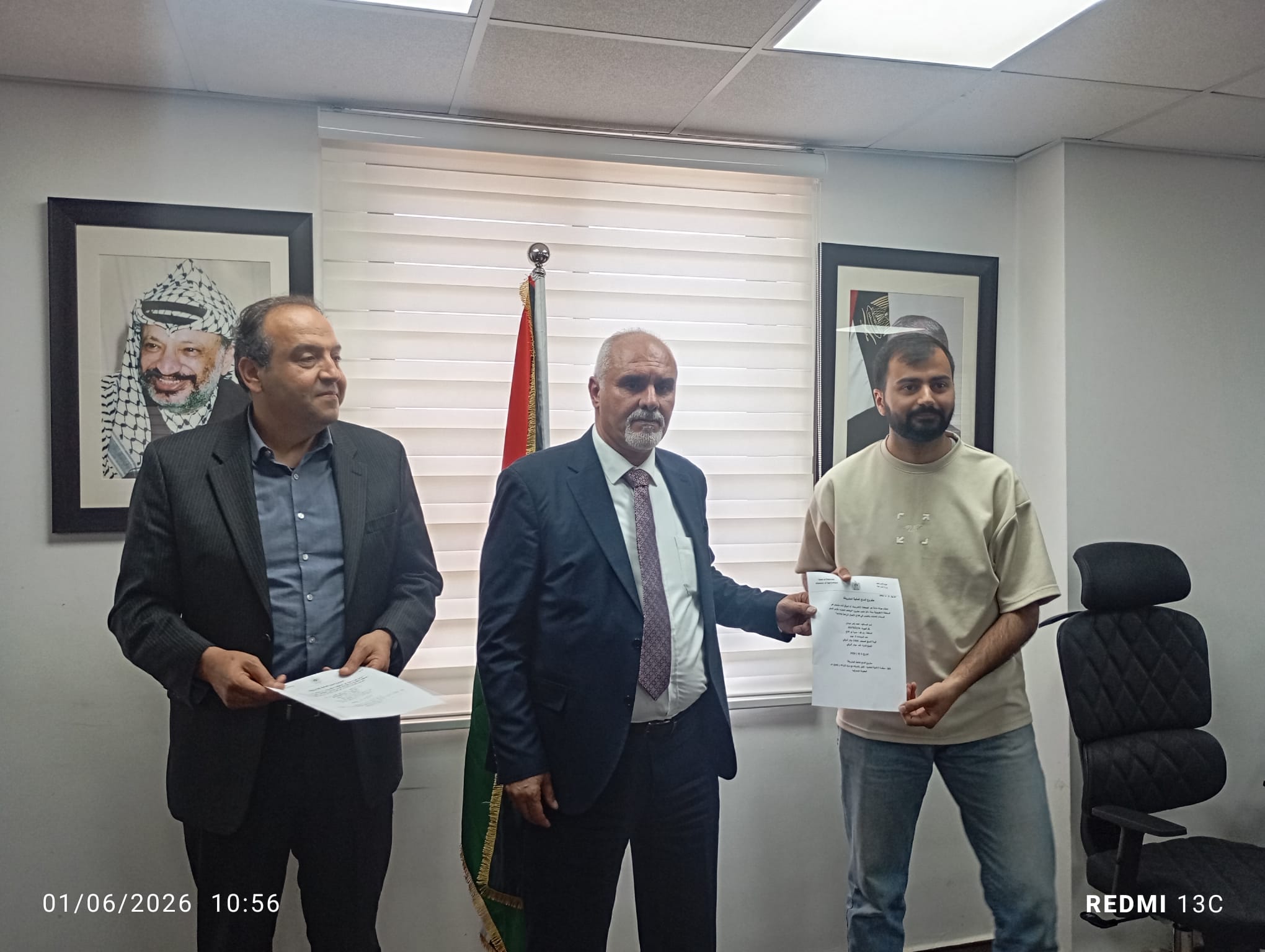
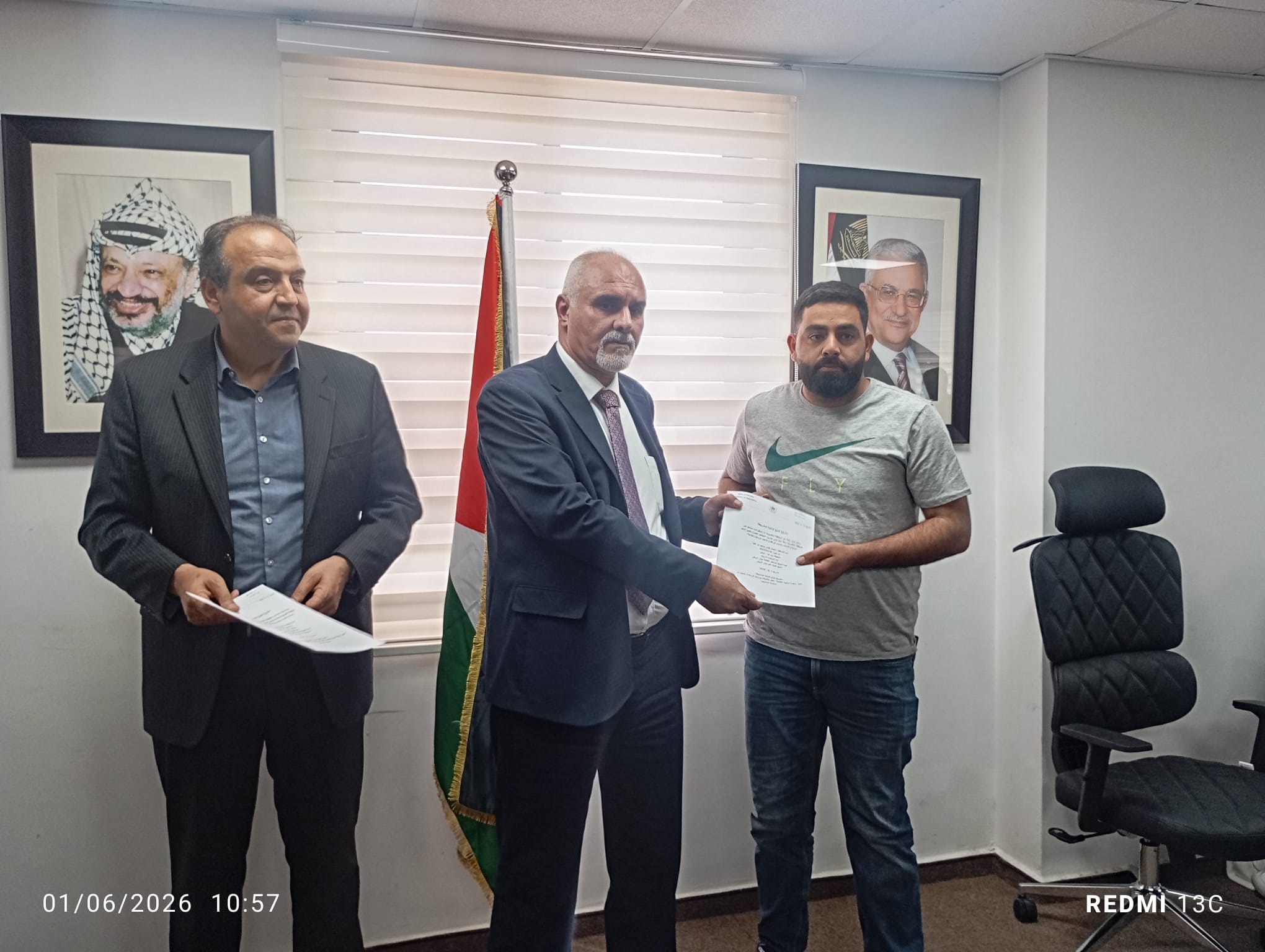
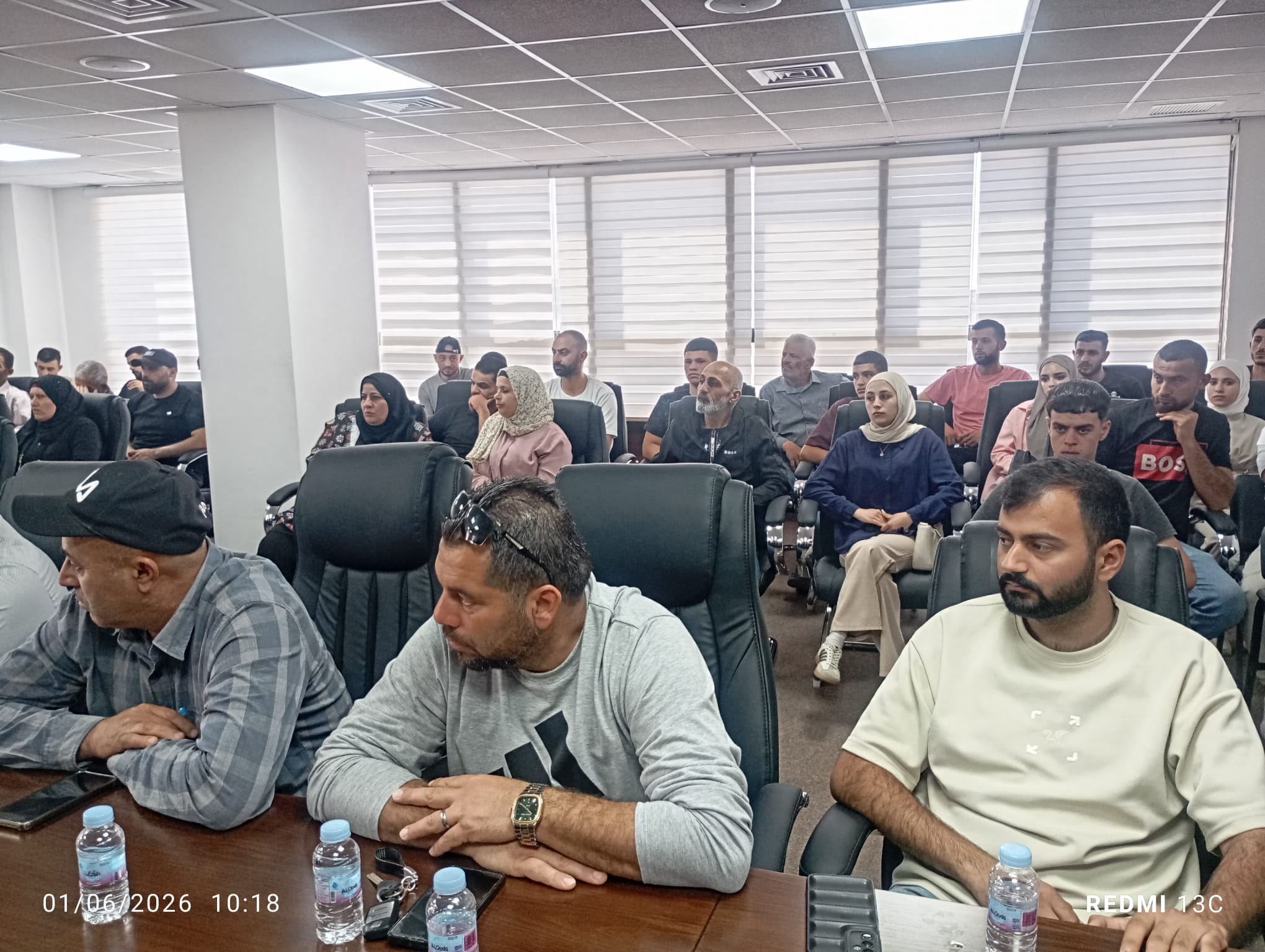
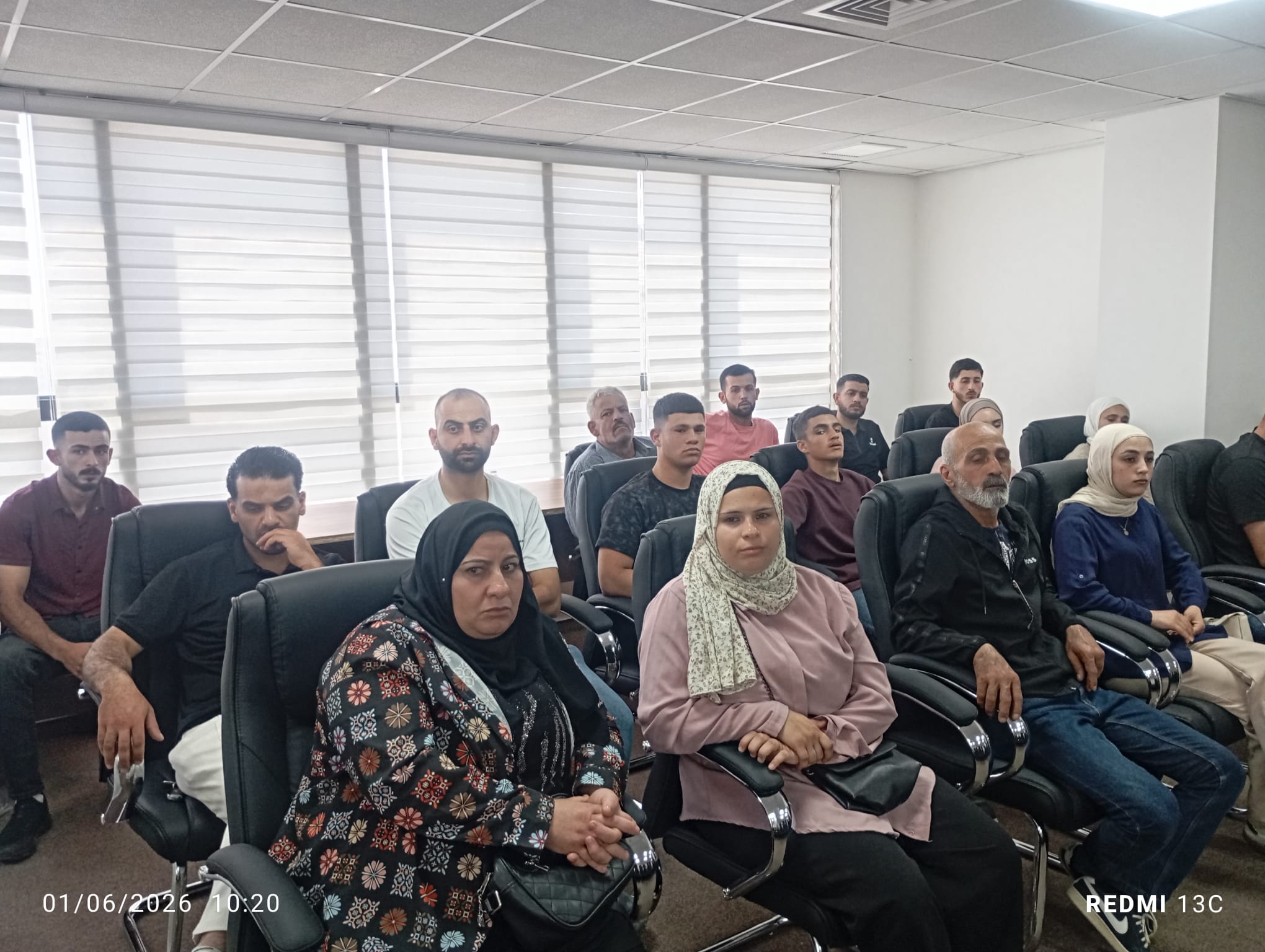
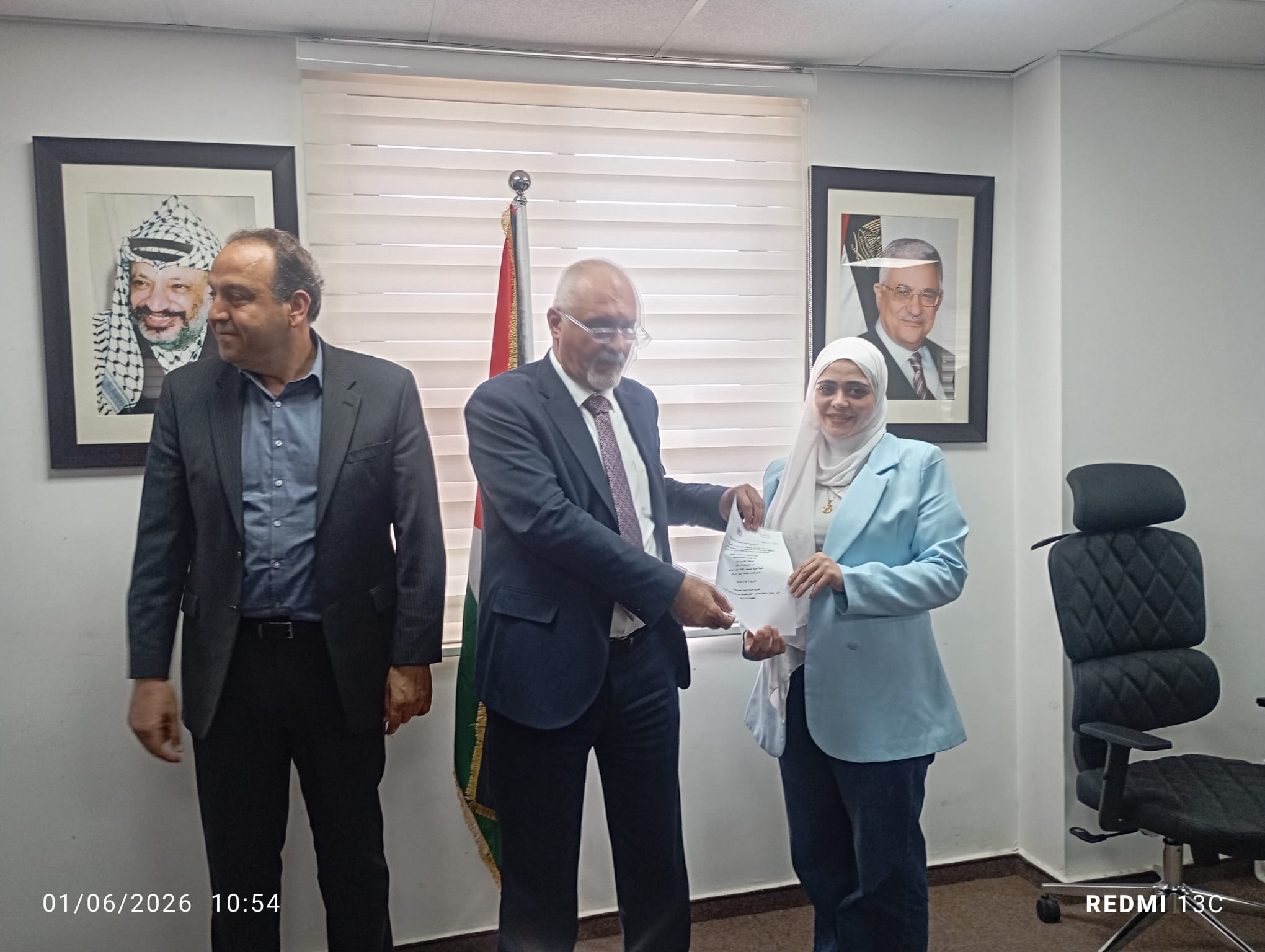
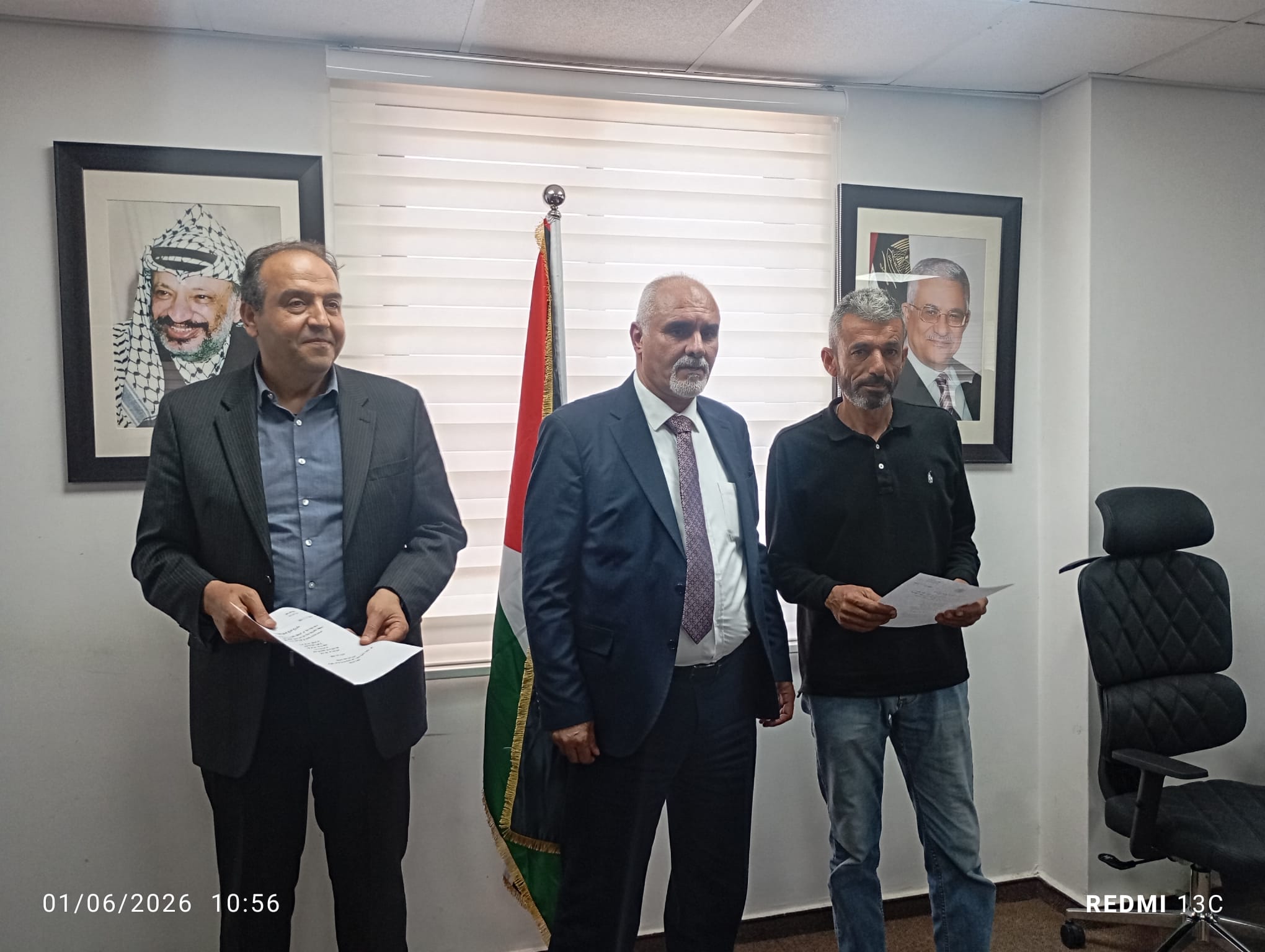
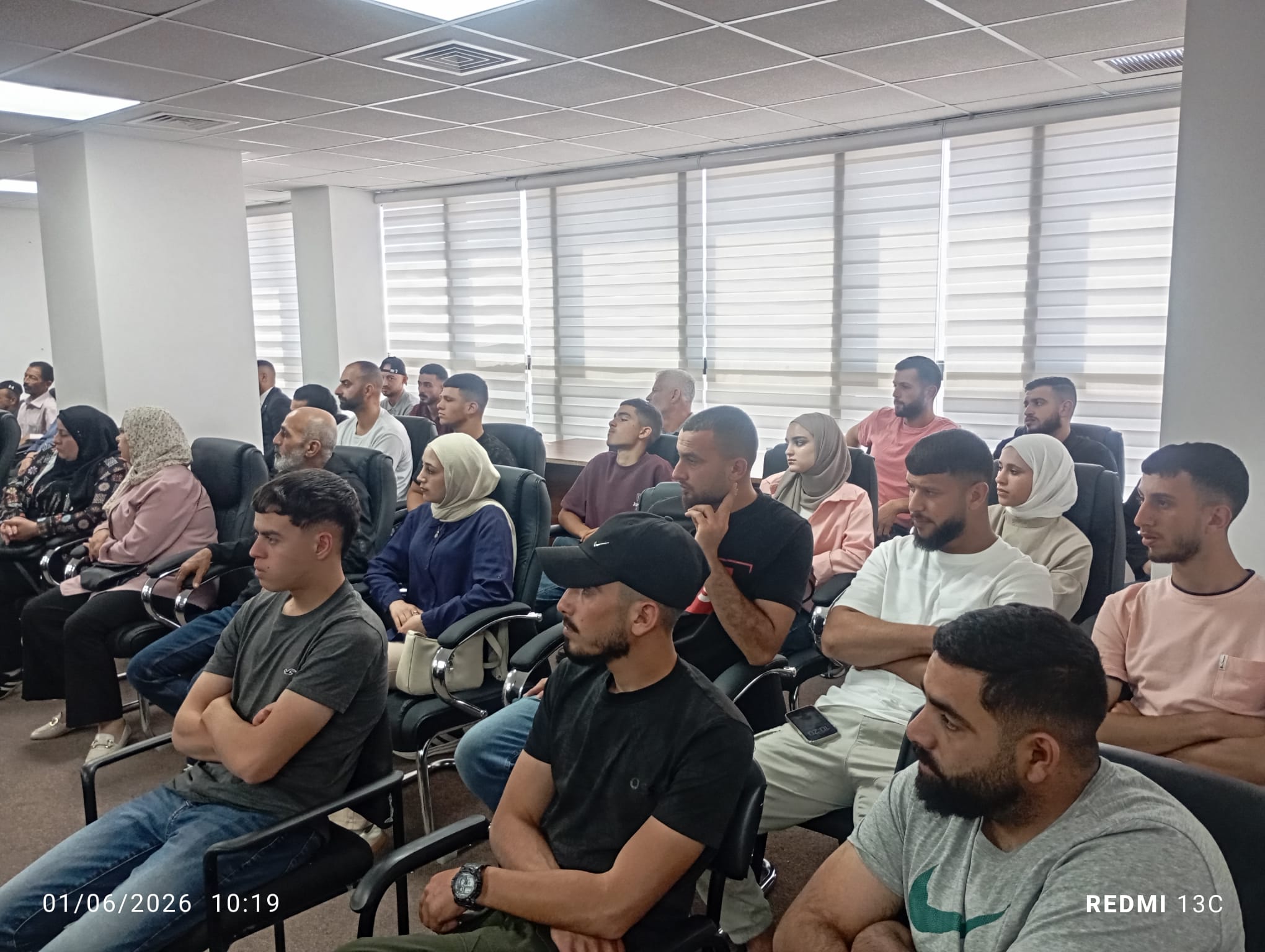
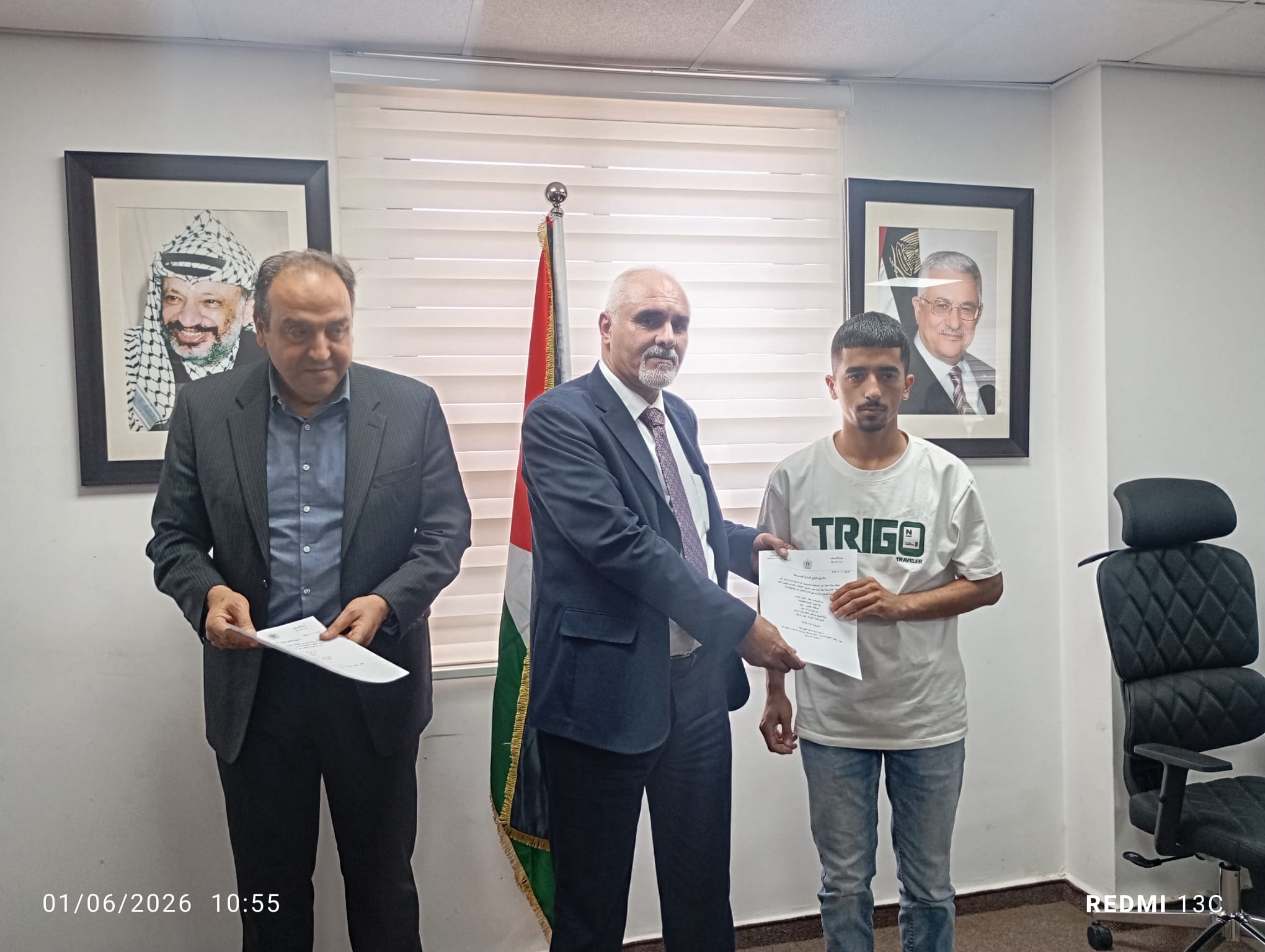
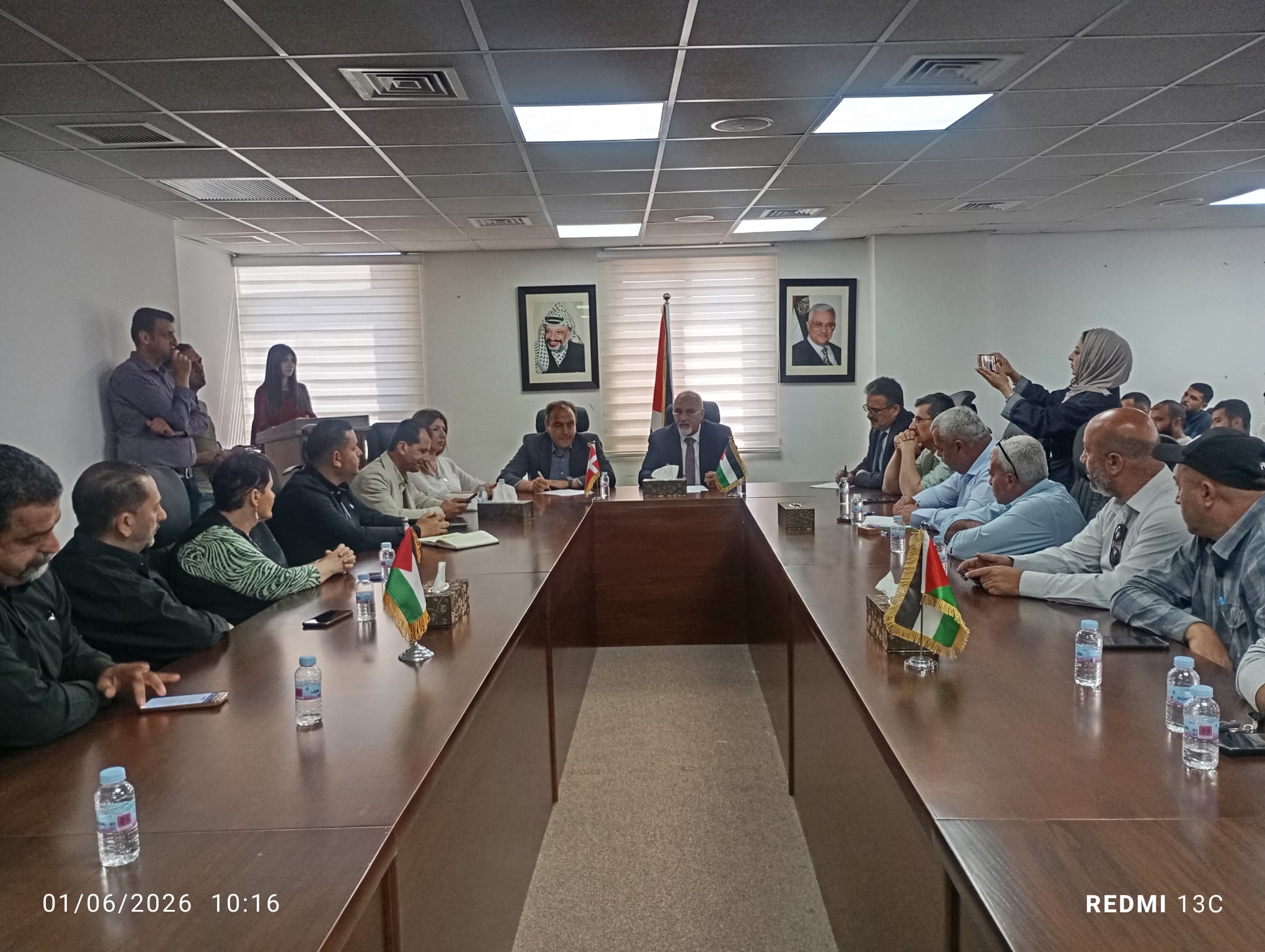
The Ministry of Agriculture, in partnership with the Food and Agriculture Organization of the United Nations (FAO), distributed grants totaling 620,000 shekels to 280 beneficiaries in Ramallah, Al-Bireh, and Jerusalem governorates. This distribution is part of the first phase of the Field and Fodder Crops Development Project, funded by the Danish government, which aims to enhance the resilience of young farmers and expand the agricultural production base in Palestine.
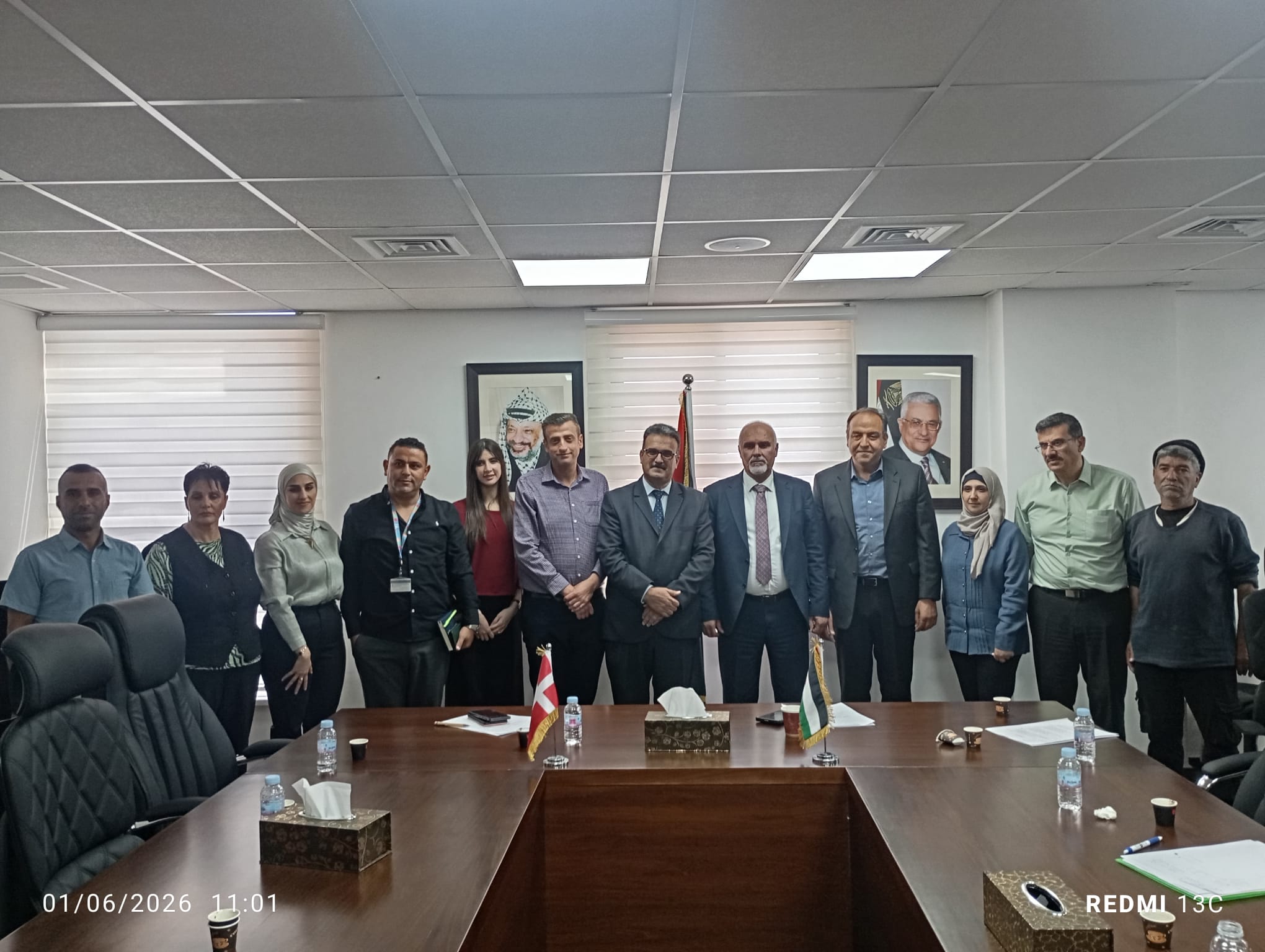
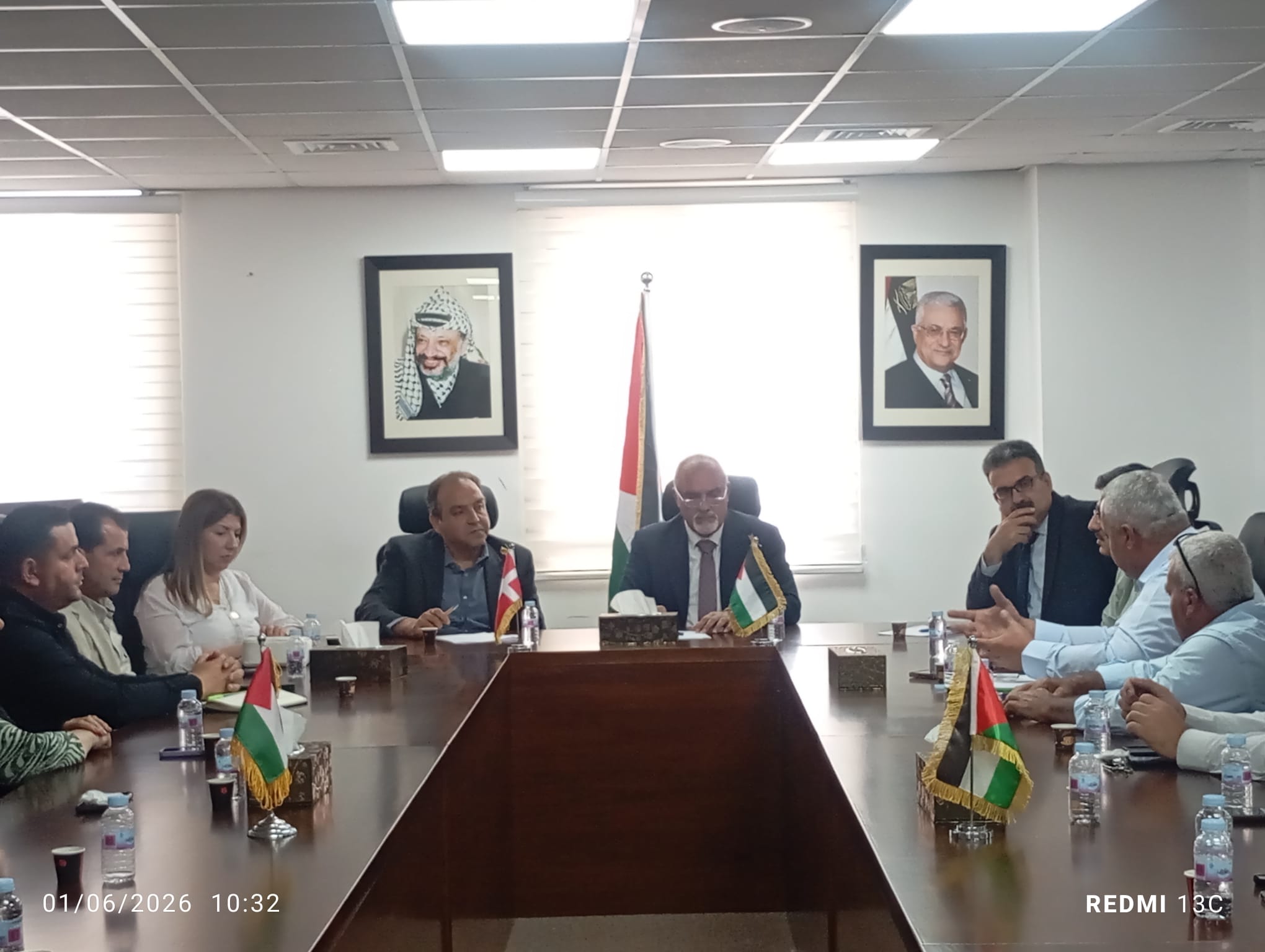
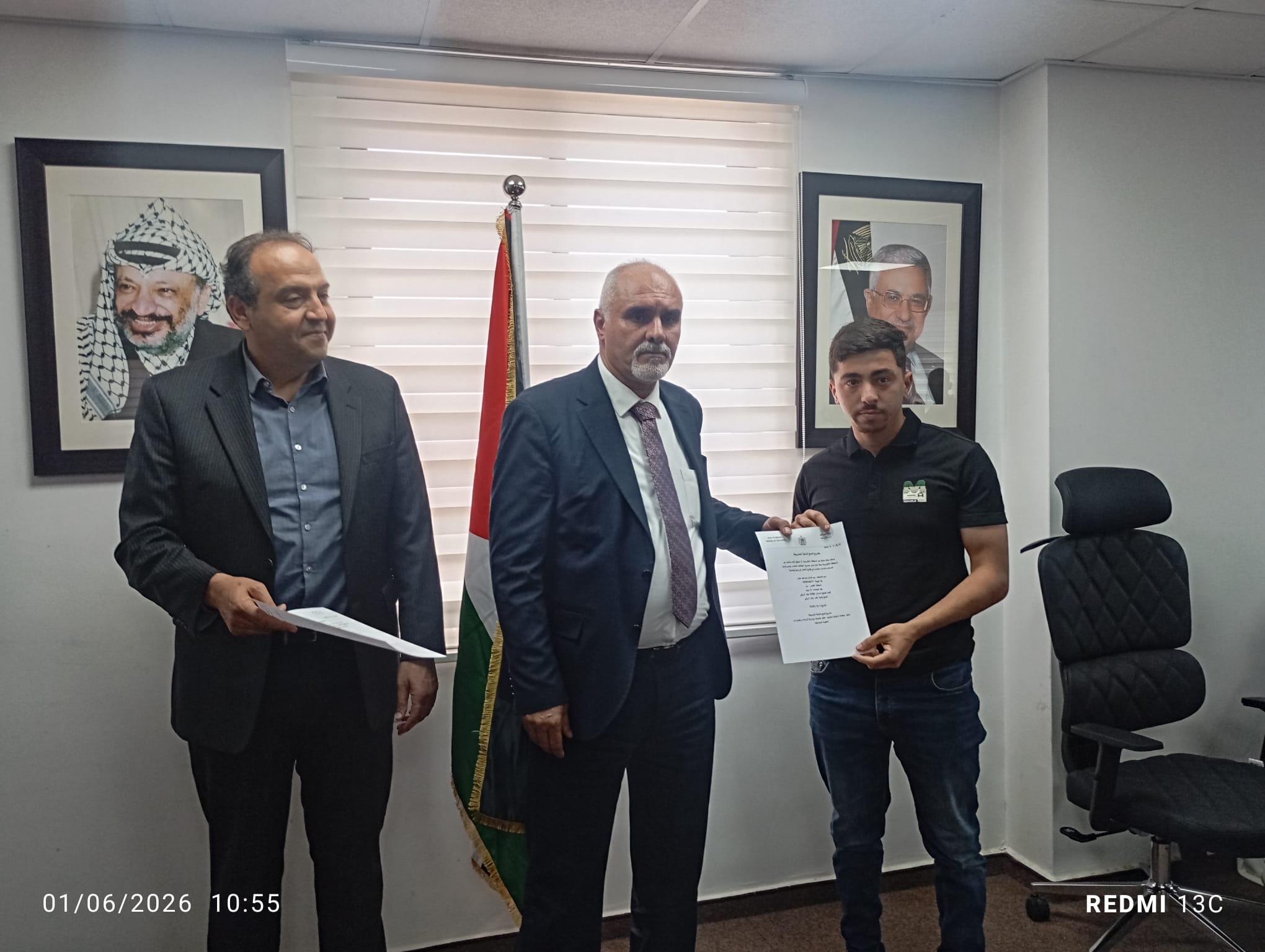
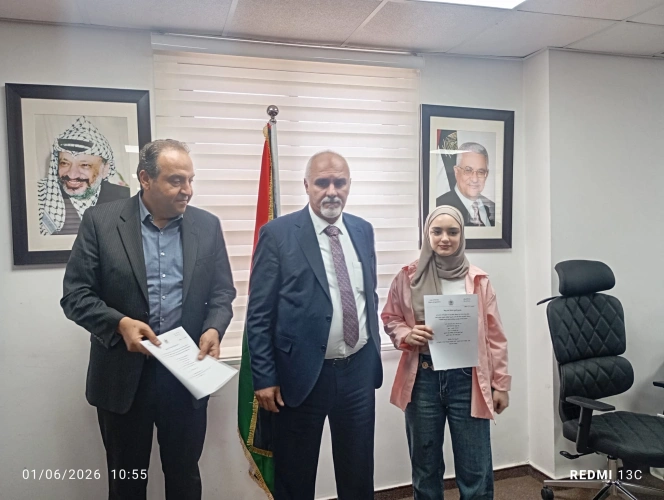
The grants were awarded during an official ceremony attended by Minister of Agriculture Professor Rizq Salimiya, FAO Deputy Director-General in Palestine Dr. Azzam Saleh, and Undersecretary of the Ministry of Agriculture Eng. Bader Hawamdeh, along with several assistant undersecretaries and directors of relevant technical departments and directorates.
This intervention is part of a broader development project targeting the cultivation of approximately 7,750 dunams of field and fodder crops in several Palestinian governorates, with a total value estimated at 4.4 million shekels. It is expected to benefit around 1,550 young farmers aged 19 to 29.
The results of the first phase of the project showed the implementation of agricultural work on an area exceeding 1,100 dunams in Ramallah, Al-Bireh, and Jerusalem governorates, reflecting tangible progress towards achieving the project's objectives of increasing agricultural production and enhancing the utilization of agricultural land.
Minister of Agriculture Professor Riziq Slaimiya affirmed that supporting the agricultural sector is a national priority in light of current economic and political challenges, given its pivotal role in strengthening the resilience of citizens, protecting the land, and consolidating food security.
Slaimiya stated that investing in youth and agriculture represents a direct investment in the future of Palestine, noting that the Ministry is working to direct resources and international partnerships toward productive projects capable of providing real job opportunities and enhancing economic stability in rural Palestine.
He added that the project focuses on supporting the production of field and fodder crops, particularly wheat, barley, lentils, vetch, broad beans, and chickpeas, which constitute one of the most important components of national food security. This is achieved by providing the necessary financing to young farmers and encouraging them to expand the cultivation of summer and winter crops, thereby contributing to increased local production and improved income levels.
He pointed out that the agricultural sector has become an important economic option for absorbing the workforce affected by economic crises and job losses, emphasizing that strengthening the connection to the land and transforming it into a sustainable source of production is one of the most important tools for national resilience.
For his part, Dr. Azzam Saleh, Deputy Director-General of FAO in Palestine, affirmed that the project embodies the effective partnership between the Ministry of Agriculture, the FAO, and the Danish government to support Palestinian farmers, especially young people, and empower them to develop their agricultural projects and improve their livelihoods.
Saleh explained that the agricultural sector constitutes the first line of defense for Palestinian land, and that investing in youth ensures the sustainability of agricultural production and strengthens the ability of rural communities to confront economic and environmental challenges.
He commended the support provided by the Danish government for the project's success, emphasizing the FAO's continued commitment to implementing programs and initiatives aimed at developing the Palestinian agricultural sector and bolstering the resilience of farmers on their land.
The project comes within the framework of joint efforts between the Ministry of Agriculture, the Food and Agriculture Organization of the United Nations (FAO), and the Danish government to promote sustainable rural development, support agricultural production, and provide job opportunities for young people, thereby contributing to enhancing food security and protecting Palestinian land.