Notification
حظر استيراد كافة أنواع الطيور الحية الداجنة والبرية وطيور الزينة وبيض التفقيس والصيصان عمر يوم ومخلفاتها الغير معاملة حراريا من تركيا ولحين استقرار الوضع الصحي

The Ministry of Agriculture monitored, during the period between March 5, 2026 and March 14, 2026, a series of attacks across several northern governorates. These incidents included the uprooting of fruit trees, destruction of agricultural crops, attacks on livestock, demolition of agricultural facilities, seizure of land, and the construction of military and settlement roads. In addition, farmers were restricted from accessing their lands in areas near Israeli settlements and military camps. A summary is provided below:
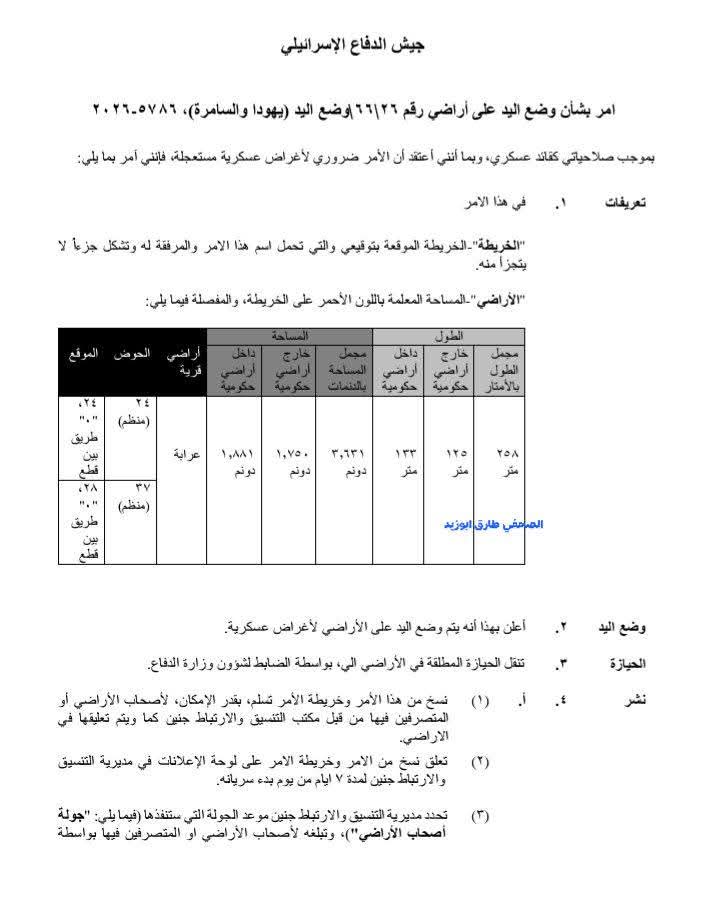
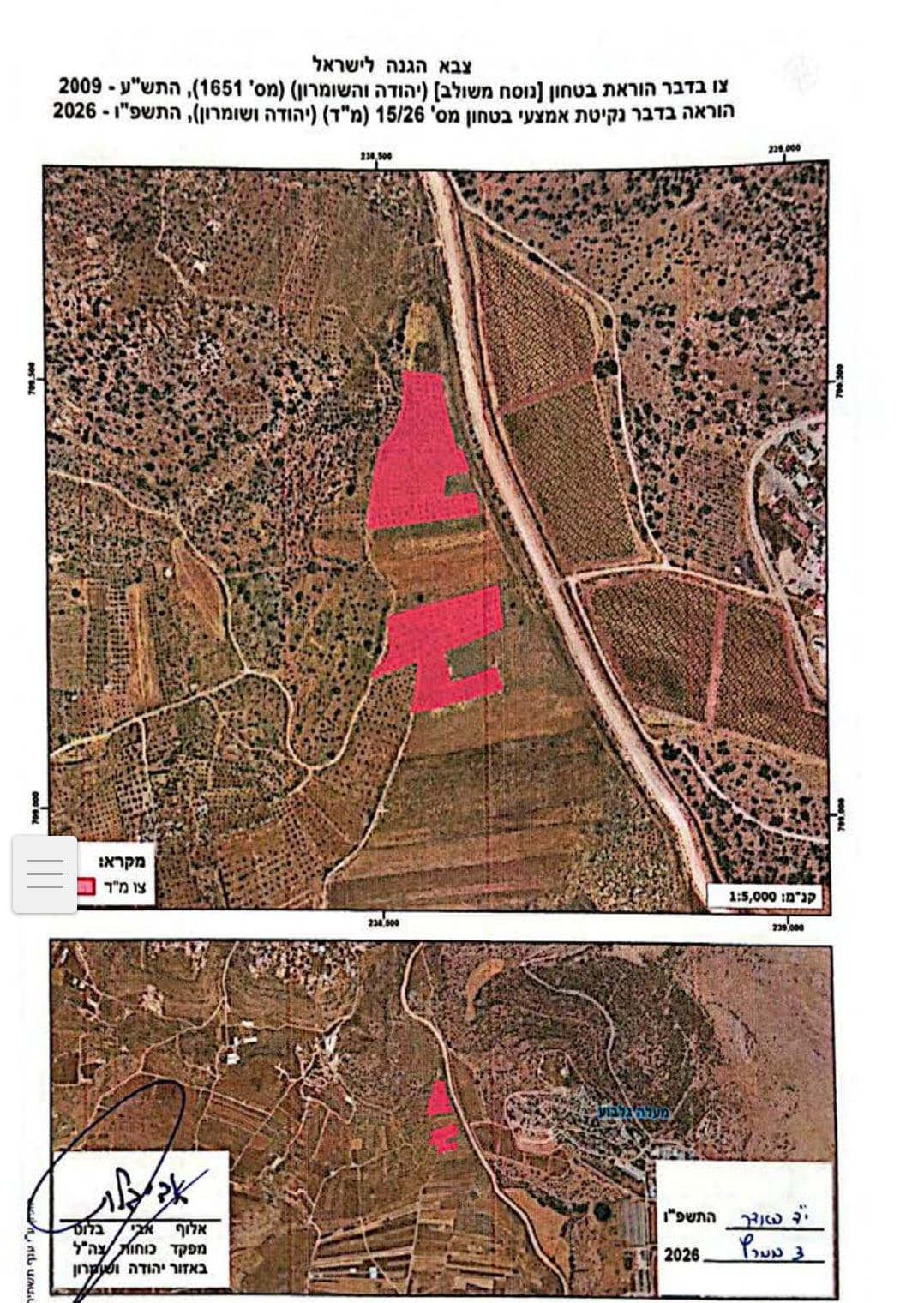
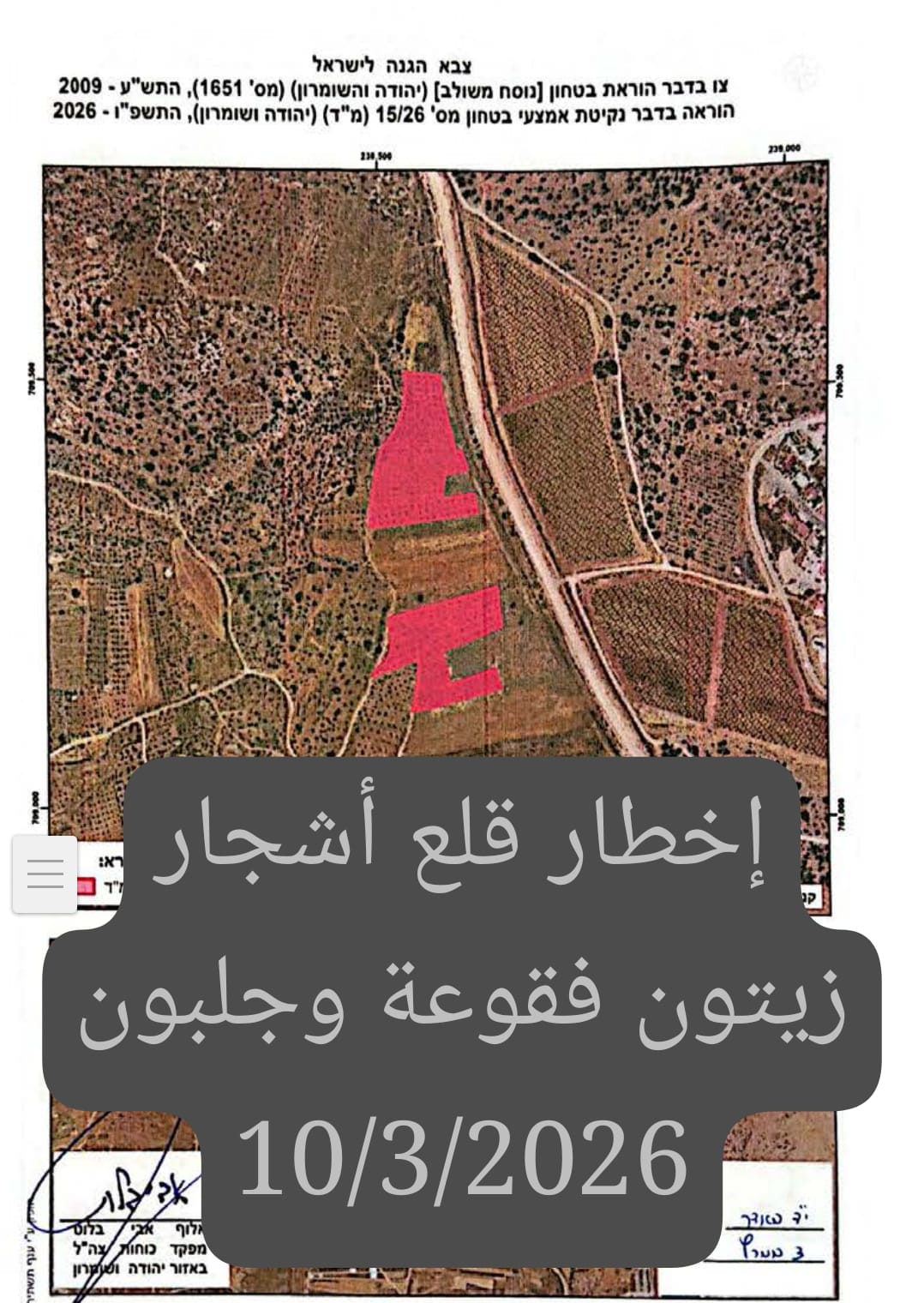
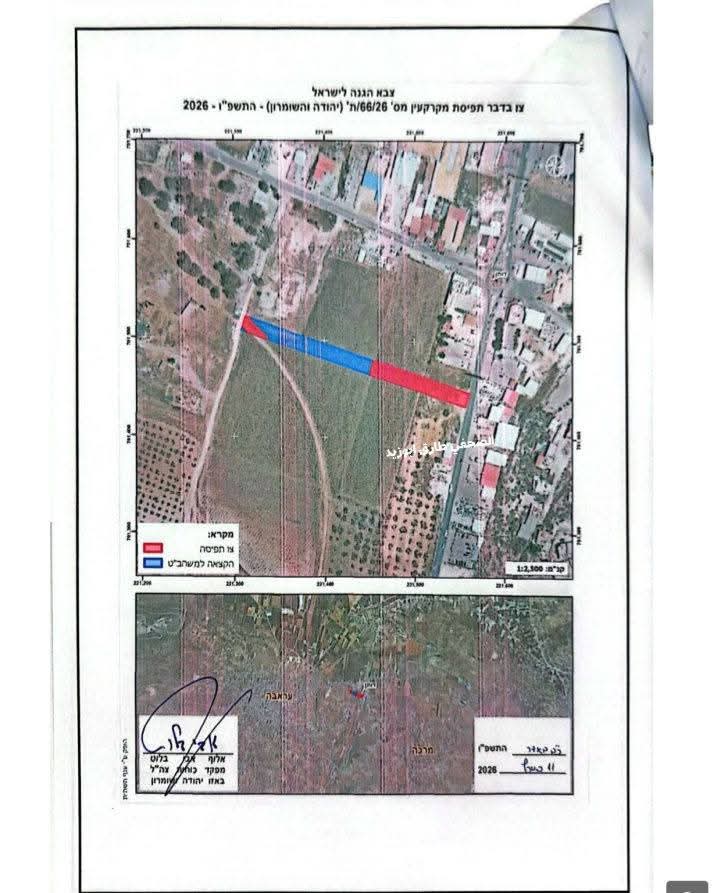
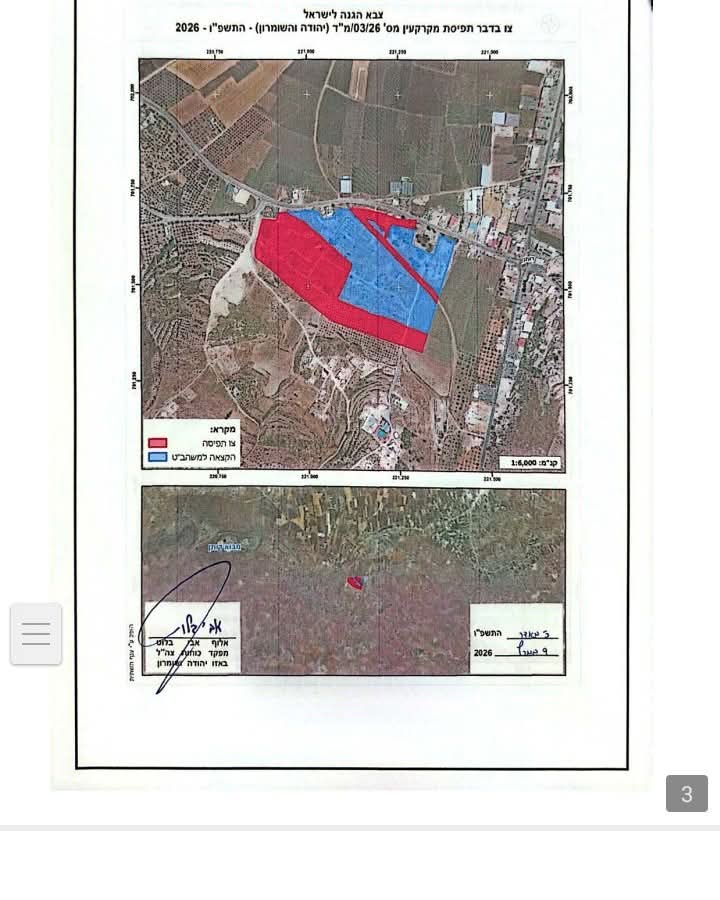
Israeli occupation authorities issued several new military orders to seize agricultural lands in the town of Arraba, south of Jenin Governorate. Control was imposed over various agricultural areas located near the Arraba military camp and Dotan camp. These orders included:
An order to take control of 59 dunams of land near Arraba camp.
Another order to seize 361 dunams for the purpose of constructing a road linking the Jenin–Nablus road with Arraba military camp.
A third order to seize 21 dunams located in the upper southern area overlooking the camp.
A notification to uproot trees on a 2-dunam plot of land.
Ministry of Agriculture teams documented the direct losses resulting from these attacks through the emergency damage assessment system. The direct losses during the past week reached approximately USD 2,056,675.
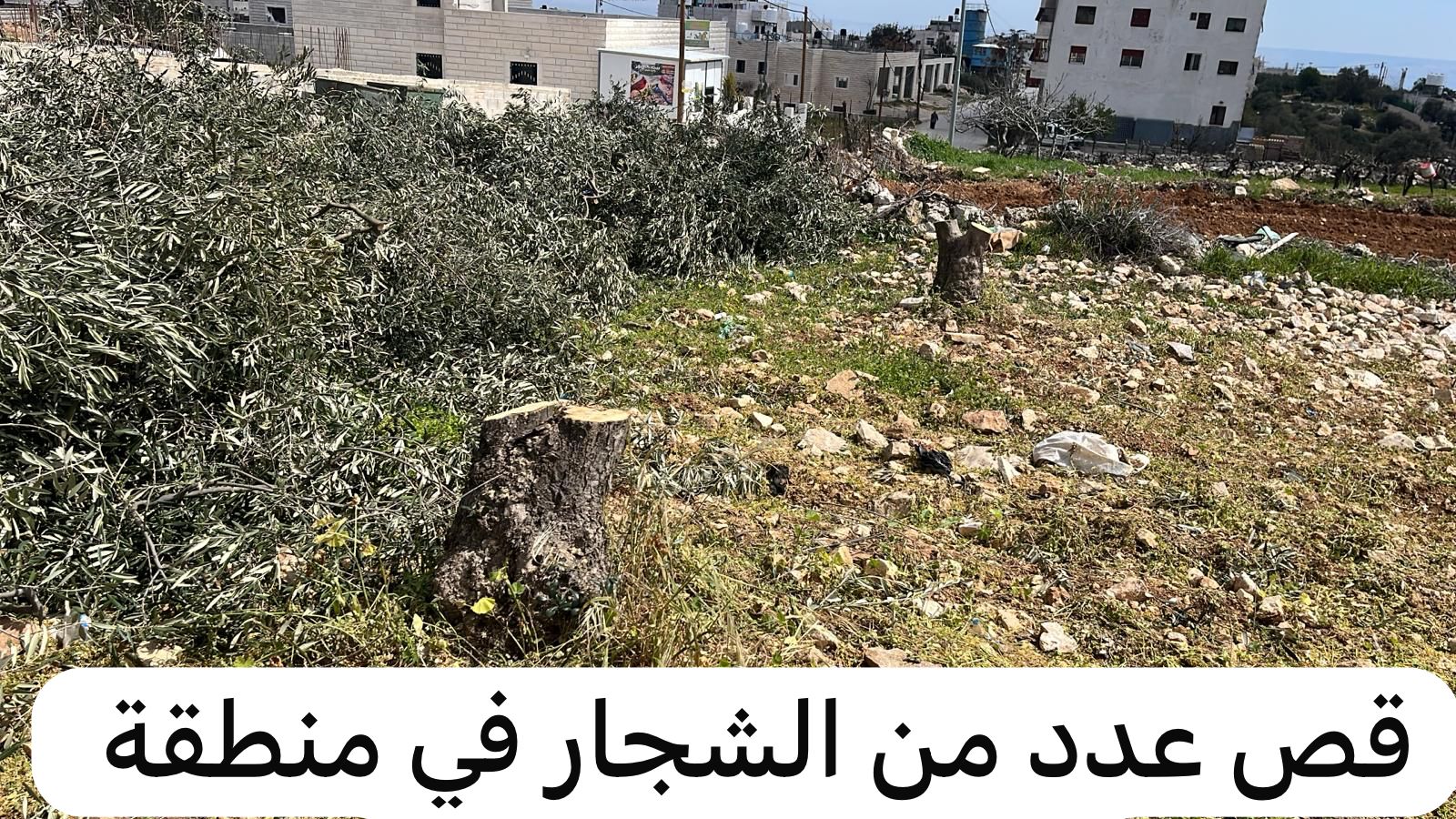
Olive trees accounted for the largest share of the losses, with damages estimated at approximately USD 1,923,590, affecting 2,680 olive trees aged between 30 and 100 years.
The Ministry’s teams are still documenting damages in the town of Idhna in Hebron Governorate, where Israeli bulldozers uprooted 2,453 olive trees aged 15–50 years. The direct losses there are estimated at no less than USD 1 million, bringing the total estimated losses across the northern governorates to more than USD 3 million.
| Governorate | Loss Value (USD) |
|---|---|
| Hebron | 188,340 |
| Jerusalem | 153,280 |
| Bethlehem | 153,614 |
| Jenin | 1,506,360 |
| Ramallah and Al-Bireh | 44,070 |
| Tubas | 11,011 |
| Total | 2,056,675 |
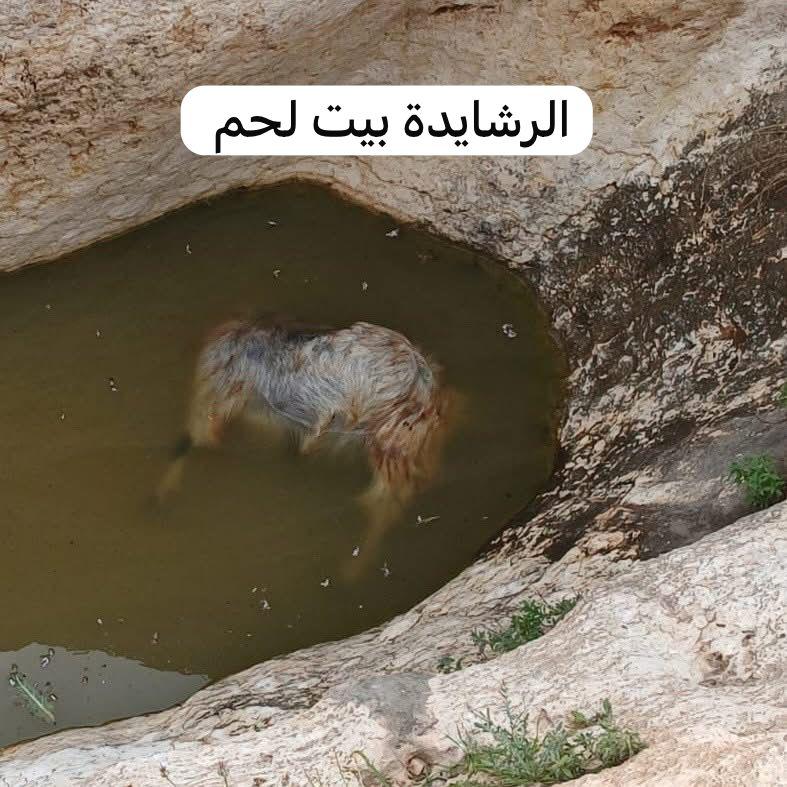
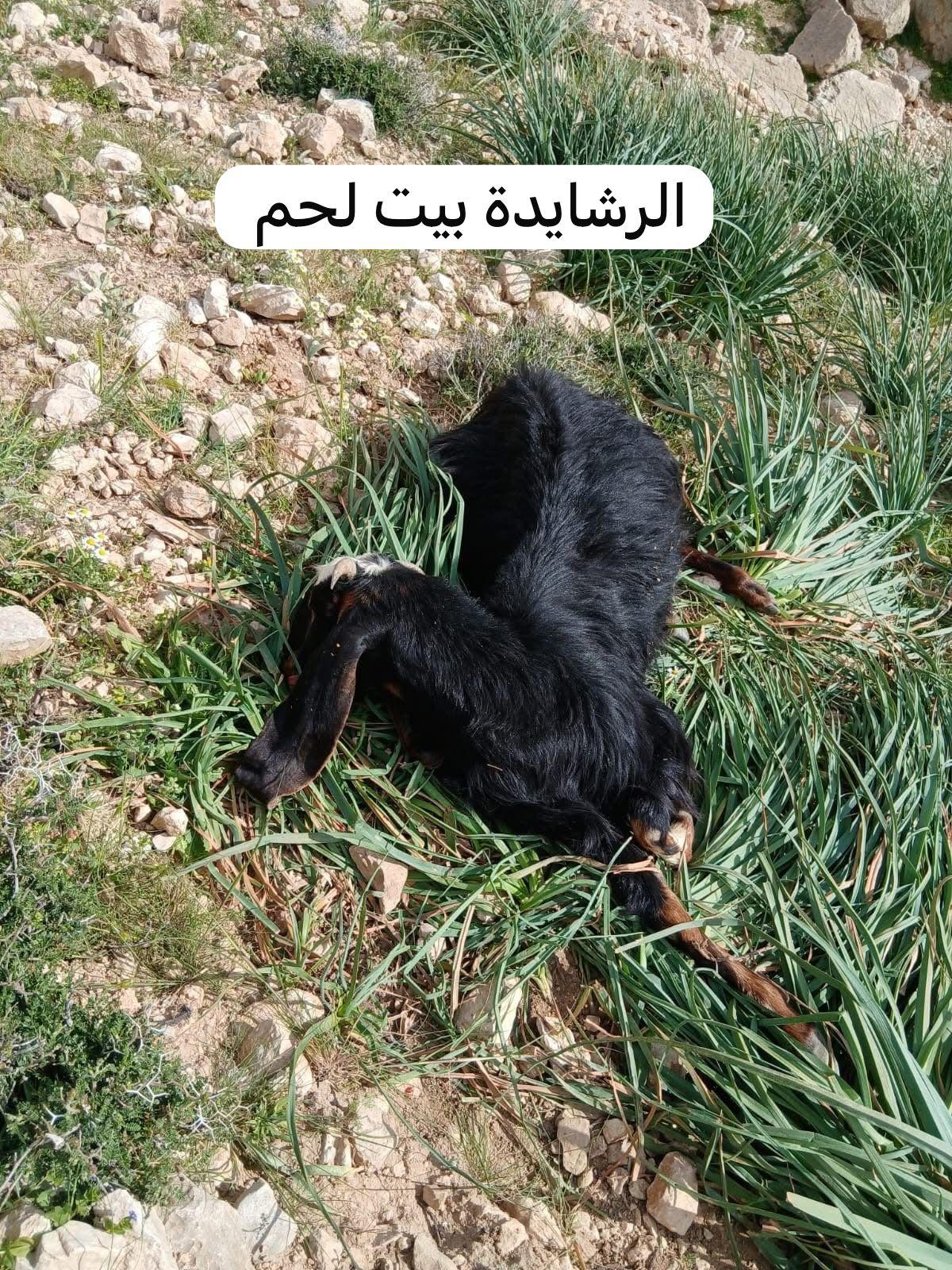
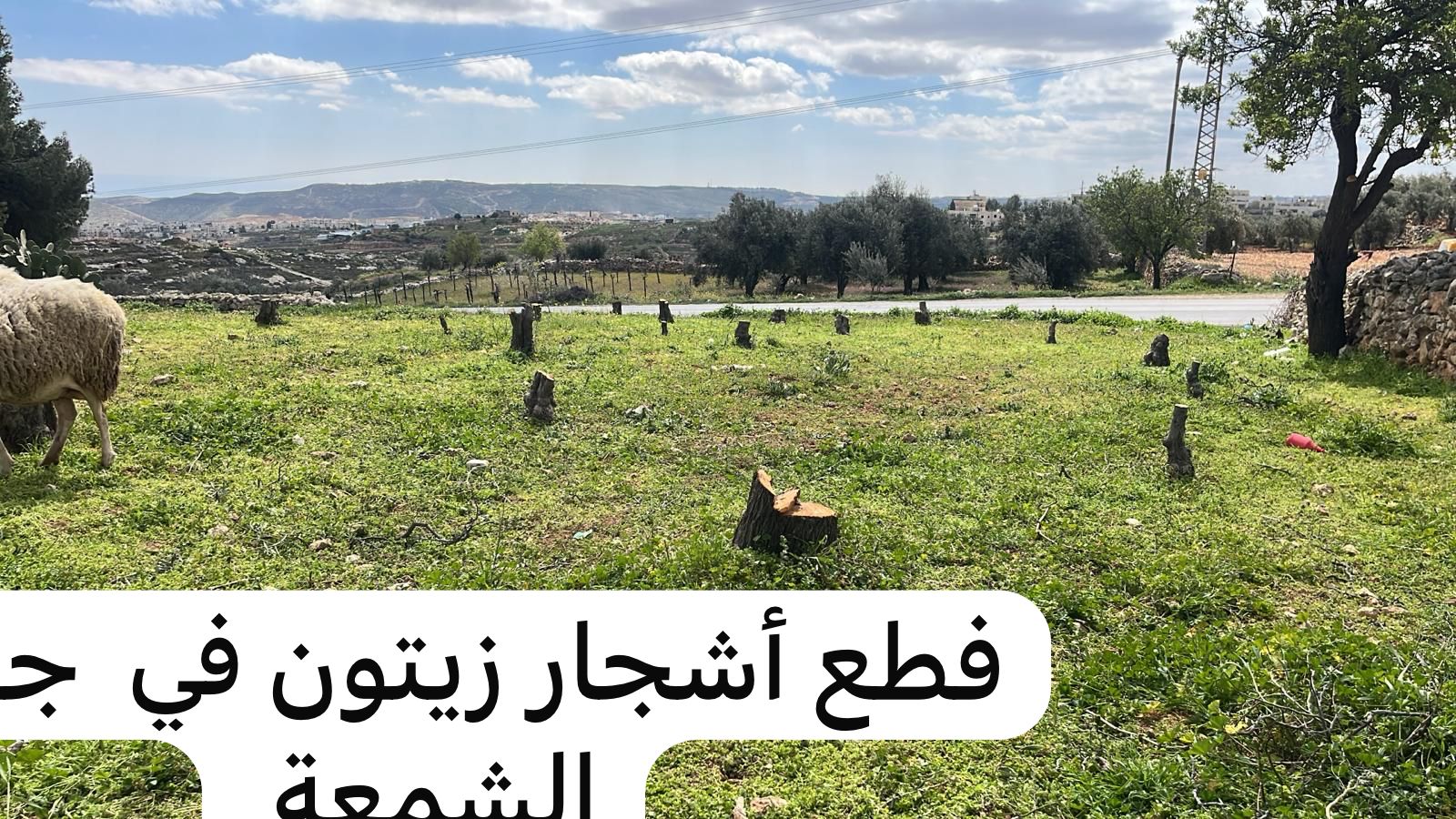
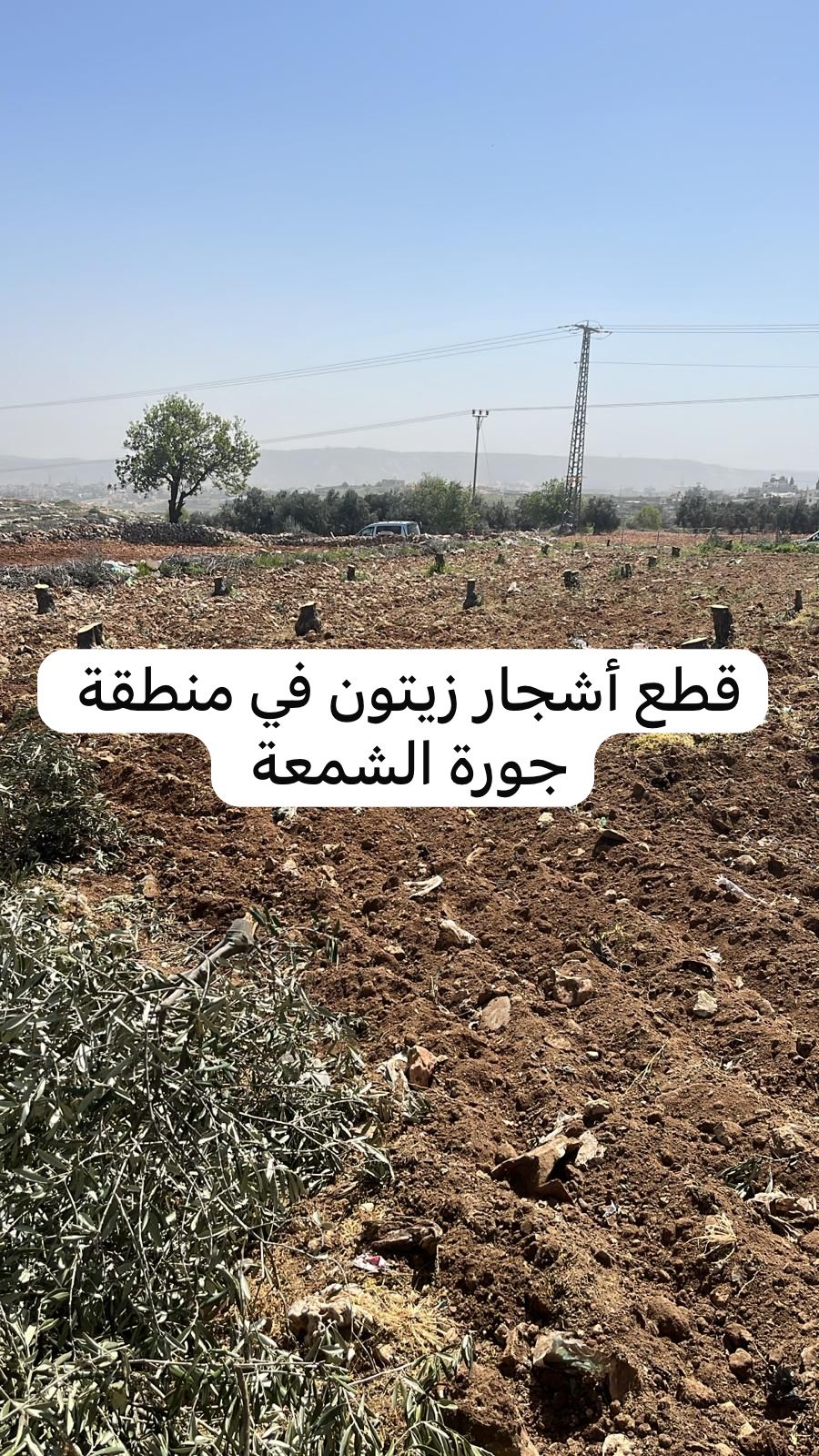
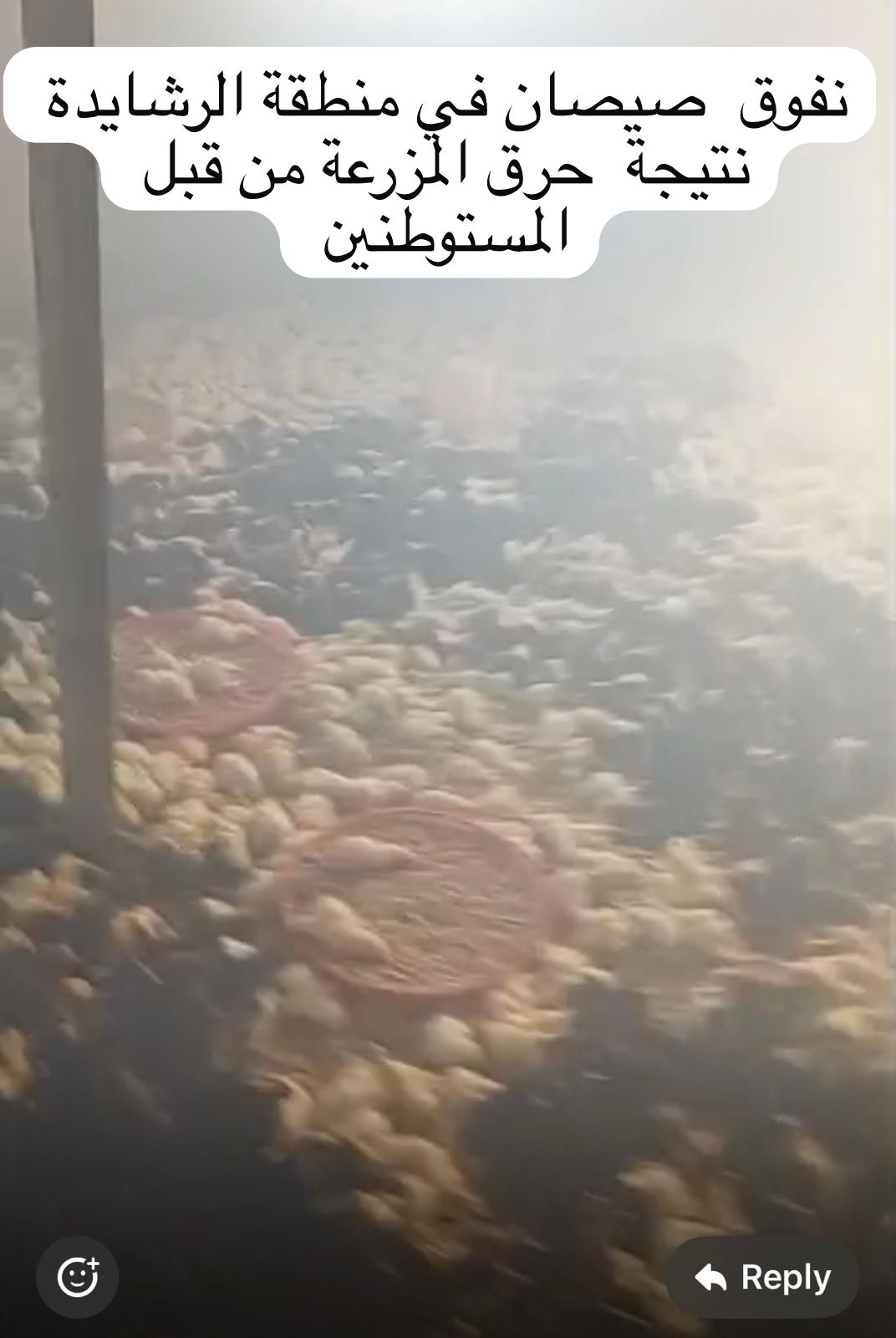
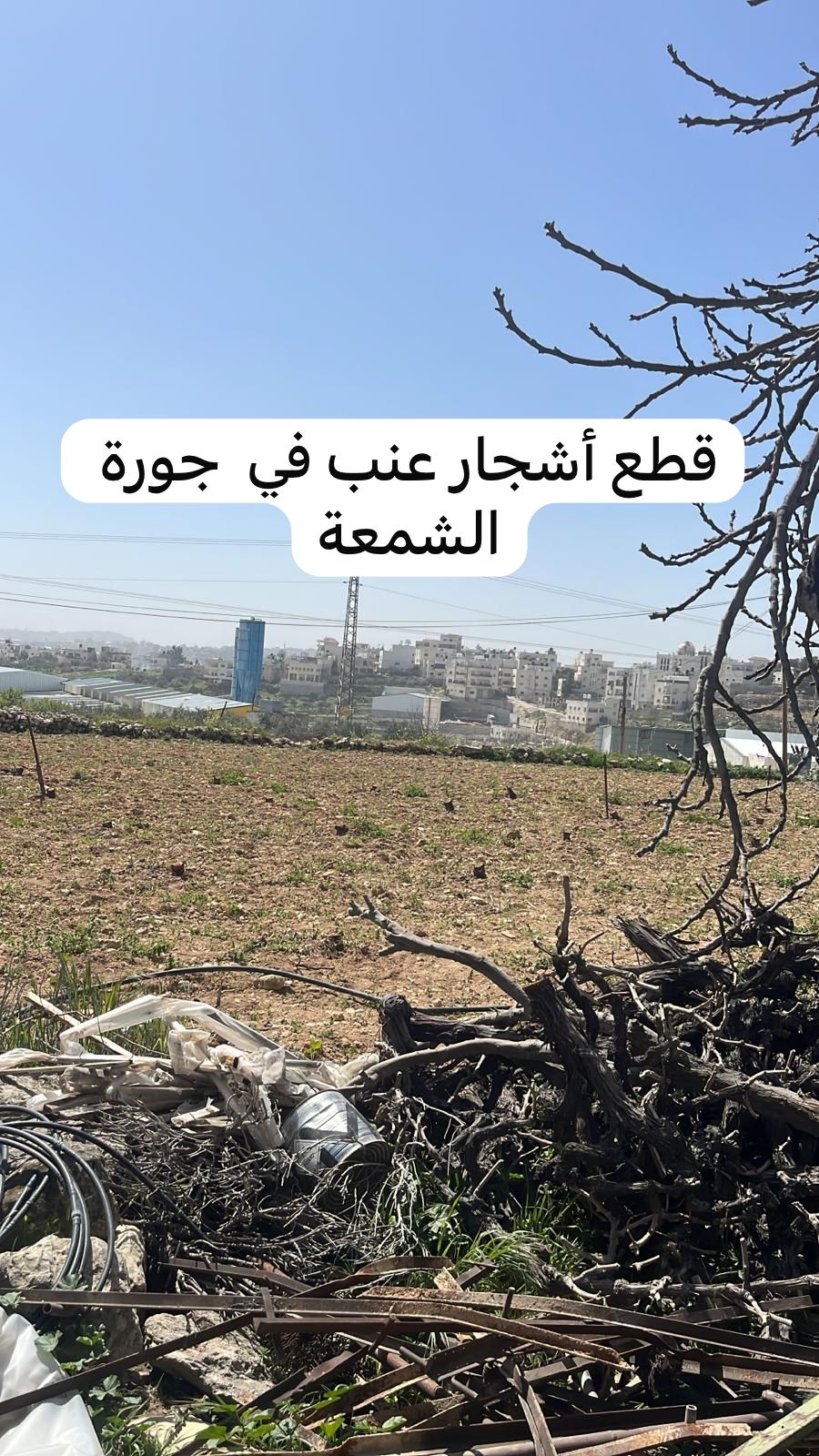
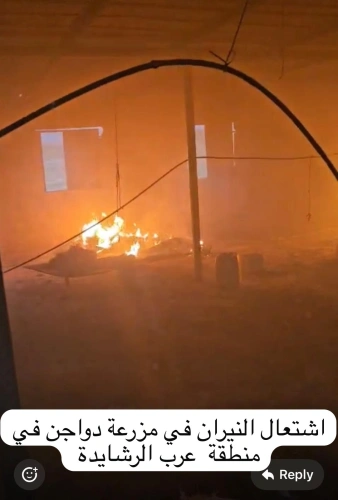
Areas east of Bethlehem, particularly Jurat Al-Sham’a and Arab Al-Rashaida, witnessed settler attacks that included:
Killing 14 sheep
Destroying a plastic greenhouse (0.5 dunam)
Uprooting 165 grape trees
Uprooting 187 olive trees
Israeli forces carried out widespread destruction in Rawabi Al-Issawiya and near the Biddu and Beit Iksa checkpoints, including:
Destroying two livestock sheds (80 m² each)
Uprooting 250 olive trees
Bulldozing 360 m² of retaining walls
Destroying 240 m² of fences and barriers
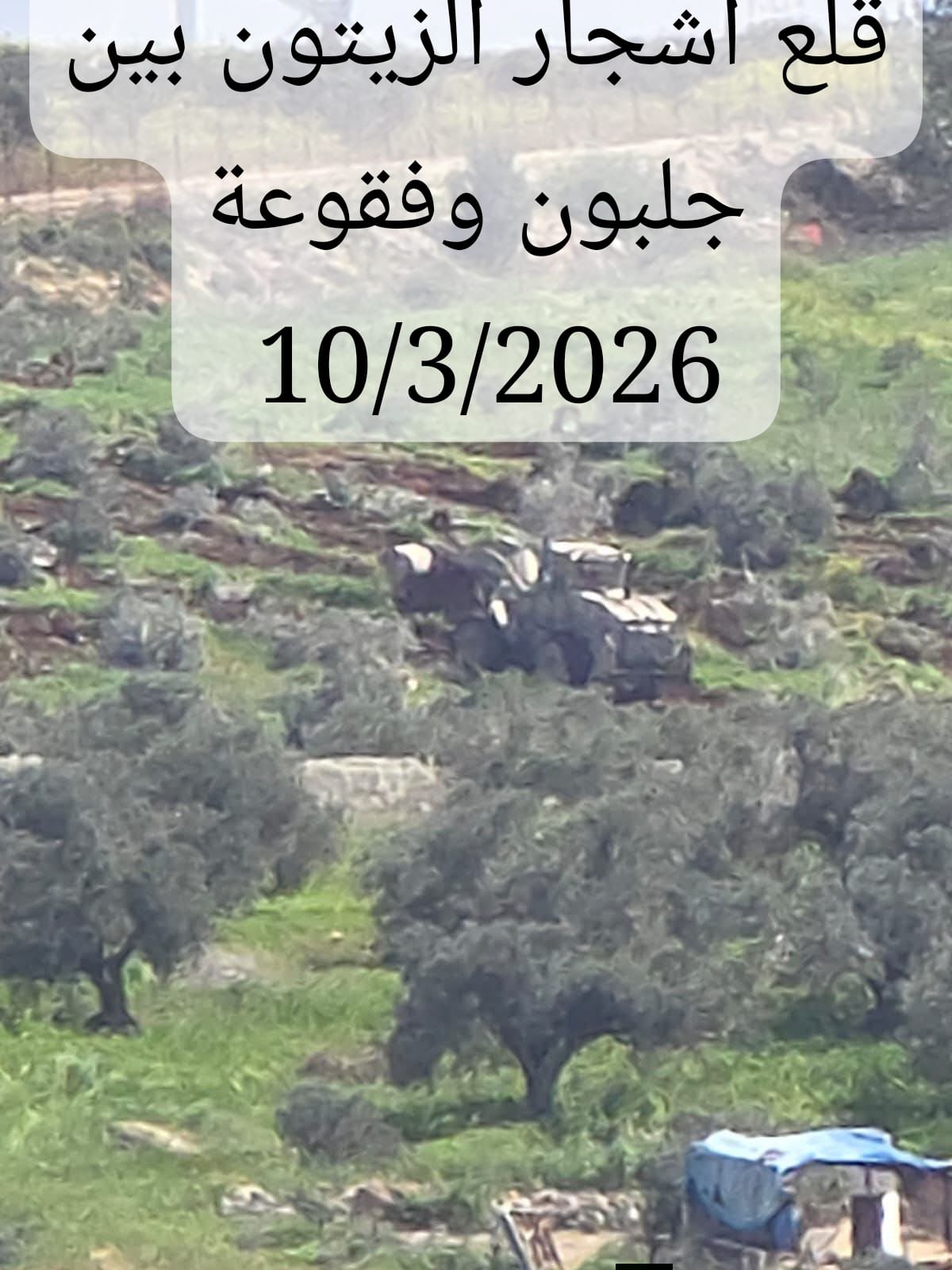
Villages Zabuba, Faqqu’a, and Jalbun experienced large-scale olive tree uprooting during the past week:
1,511 olive trees uprooted in Zabuba belonging to about 50 farmers
420 olive trees uprooted in Faqqu’a
120 olive trees uprooted in Jalbun
Other incidents included:
Theft of 11 goats in Ya’bad
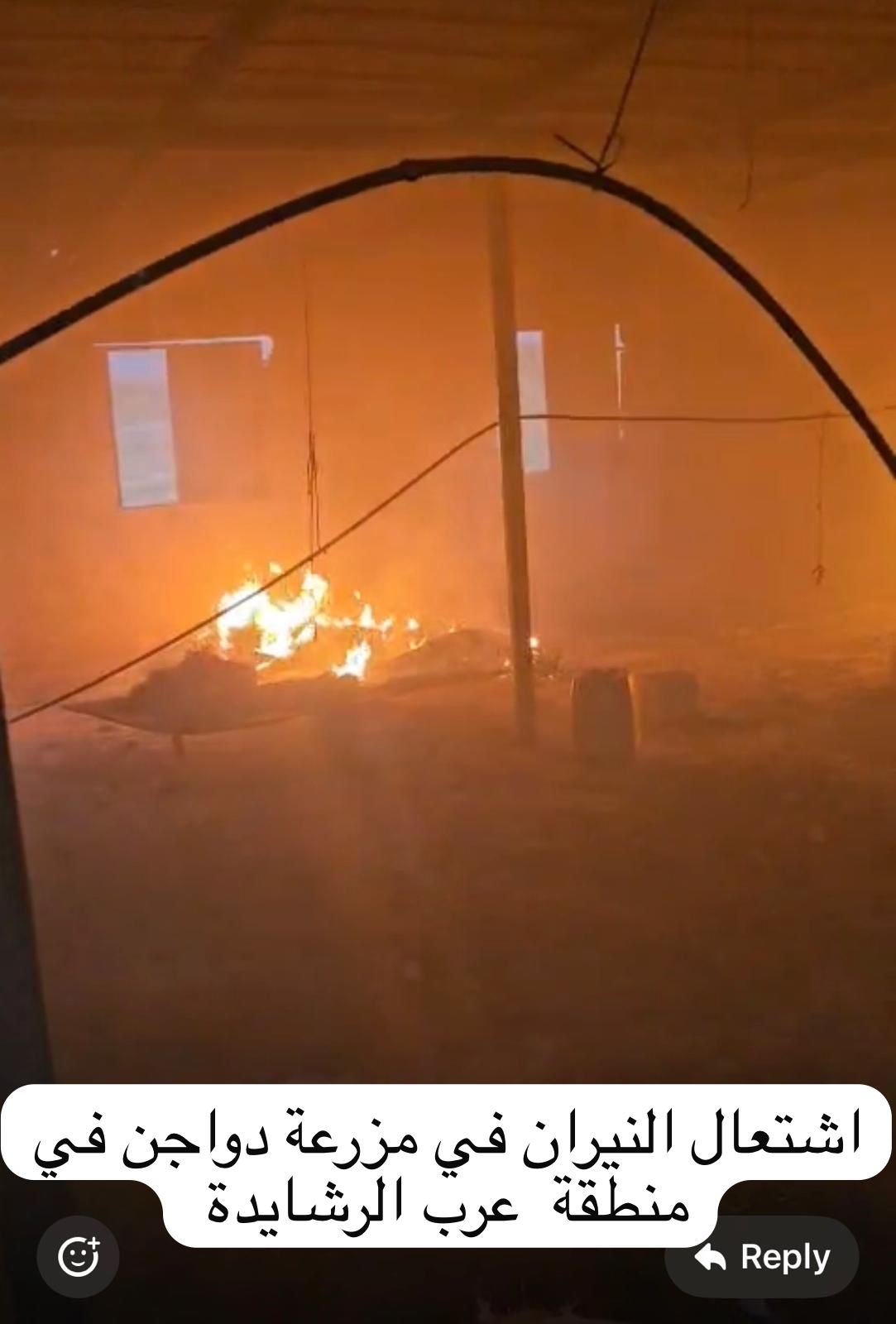
Damage to an agricultural tractor in Khirbet Al-Makhal near Dotan settlement
Israeli forces demolished an agricultural room in Izbat Jaloud, south of the governorate, as part of policies targeting agricultural facilities in Area C, depriving farmers of using such structures to serve their lands.
Attacks against agricultural and pastoral communities continued, including:
Theft of 10 sheep in Al-Aqaba
Killing 22 sheep in the same area
These actions occur within broader policies aimed at emptying the Jordan Valley of its Palestinian residents by restricting access to water and grazing lands and establishing pastoral settlement outposts that effectively control vast areas of land.
Settler attacks occurred in several villages, particularly Sinjil and Deir Dibwan, including:
Uprooting 30 olive trees in Sinjil
Destruction of several livestock sheds
Damage to 3 plastic water tanks
Theft of 76 sheep
Confiscation of 100 meters of fencing
Destruction of 1 ton of animal feed
Israeli forces continue uprooting trees in Idhna, west of Hebron near the separation wall, where 2,453 olive trees have been uprooted so far. The destruction is ongoing and spreading to neighboring villages. Direct losses in this area are estimated at around USD 1 million.
Decline in agricultural production due to destruction of trees and crops.
Direct financial losses for farmers from destruction of agricultural assets.
Increased production costs due to restrictions on access to land and water.
Reduced contribution of the agricultural sector to the national economy.
Threats to Palestinian food security as major production areas are targeted.
Increased poverty among farmers and loss of income for rural families.
Accelerated forced displacement, particularly among Bedouin and pastoral communities.
Fragmentation of social cohesion in villages and agricultural areas.
Rising unemployment in rural regions.
Creation of unstable living conditions pushing residents to leave their lands.
In light of these serious developments, the Ministry of Agriculture affirms that the ongoing attacks on Palestinian agricultural lands are part of a systematic Israeli policy aimed at imposing effective control over agricultural lands and expanding settlements.
The Palestinian Land Authority also warned of the dangers of recent Israeli measures targeting Palestinian land ownership rights, particularly attempts to access land registry records and impose alternative registration and settlement mechanisms that contradict international laws and agreements.
Accordingly, the Ministry of Agriculture calls on the international community and international organizations to:
Urgently intervene to stop ongoing Israeli attacks on the Palestinian agricultural sector.
Provide international protection for Palestinian farmers, especially in the Jordan Valley and Area C.
Pressure Israeli authorities to stop the demolition of agricultural facilities and land confiscation policies.
Support programs that strengthen farmers’ resilience and ability to remain on their lands.
Send international fact-finding missions regarding violations against the agricultural sector.
Support agricultural development projects in areas threatened by confiscation and settlement expansion.