Overview of Ongoing Targeting and Israeli Violations
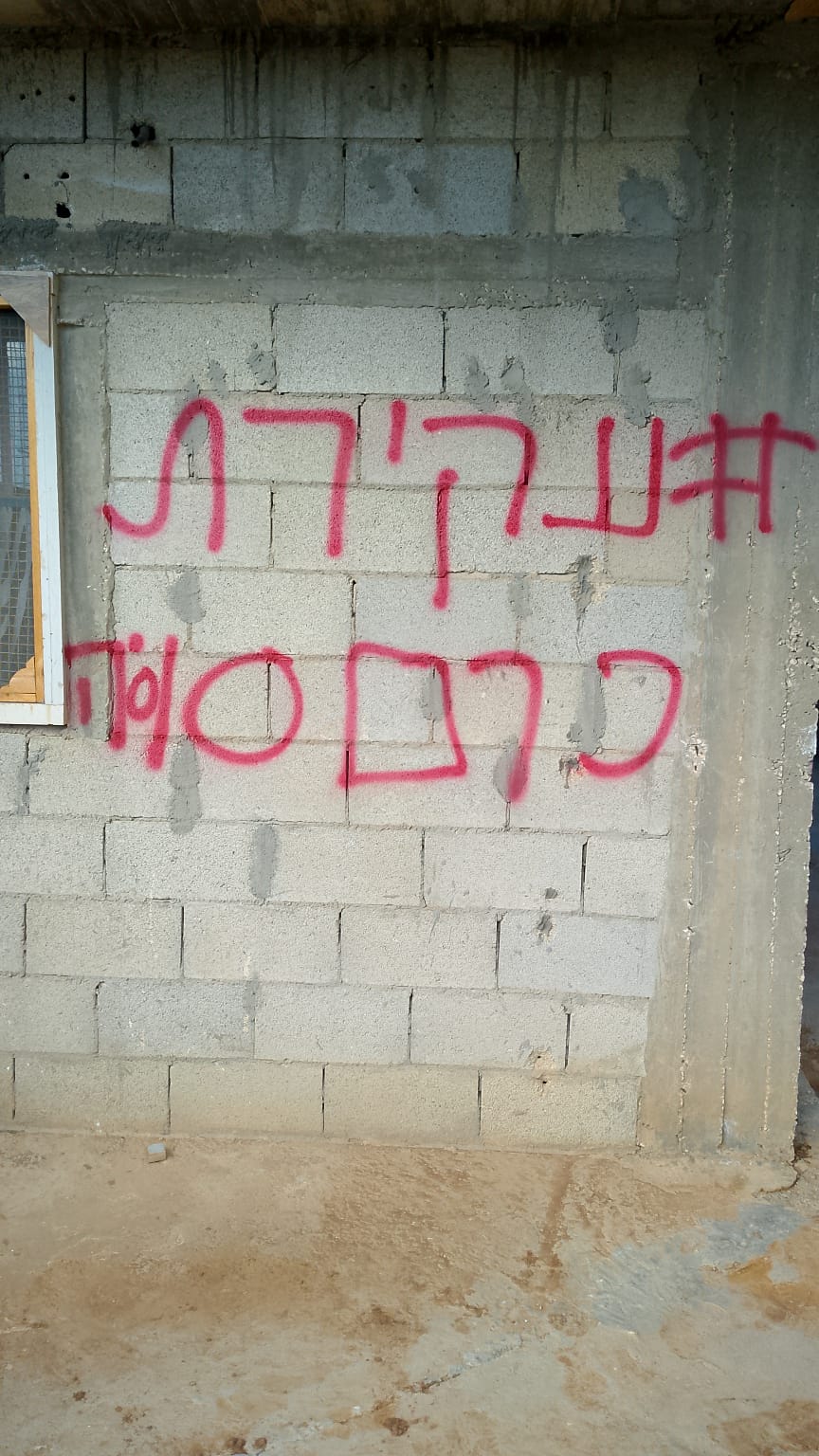
In a new week of escalation across the occupied Palestinian territory, the Palestinian agricultural sector in the West Bank continues to pay the price of systematic Israeli occupation policies. During the period from 29 January 2026 to 5 February 2026, a growing series of attacks targeted agricultural land, farmers, and fruit-bearing trees—particularly olive trees—in a scene that reflects a daily struggle for survival and resilience.
This weekly briefing comes amid a broad settlement escalation driven by accelerated Israeli governmental decisions aimed at strengthening control over Palestinian agricultural land and imposing new demographic and geographic realities in the West Bank through:
-
Reclassification of agricultural land
-
Legalization of settlement outposts, particularly so-called pastoral outposts
-
Restricting Palestinian access to their land and sources of livelihood
Available data indicate a strategic Israeli orientation toward intensifying settlement expansion as a tool to entrench de facto annexation of land and impose new realities on the ground at the expense of Palestinian agricultural presence.
Context of Land Confiscation and Settlement Expansion
Recent reports reveal that Israeli occupation authorities have classified more than 26,000 dunums of land in the West Bank as “State Land,” a legal mechanism used to strip Palestinians of control over their agricultural lands.
In parallel, the Israeli government announced its intention to legalize 140 settlement farms in the West Bank, coinciding with an escalation in settler violence against Palestinian farmers and their properties.
Main Patterns of Violations
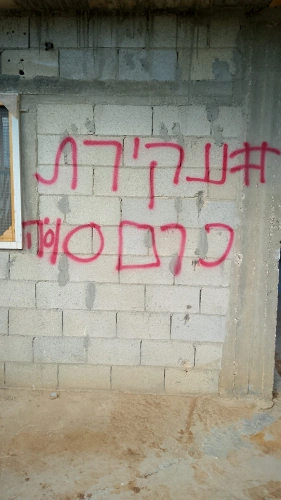
Israeli violations against the agricultural sector during the reporting period included:
-
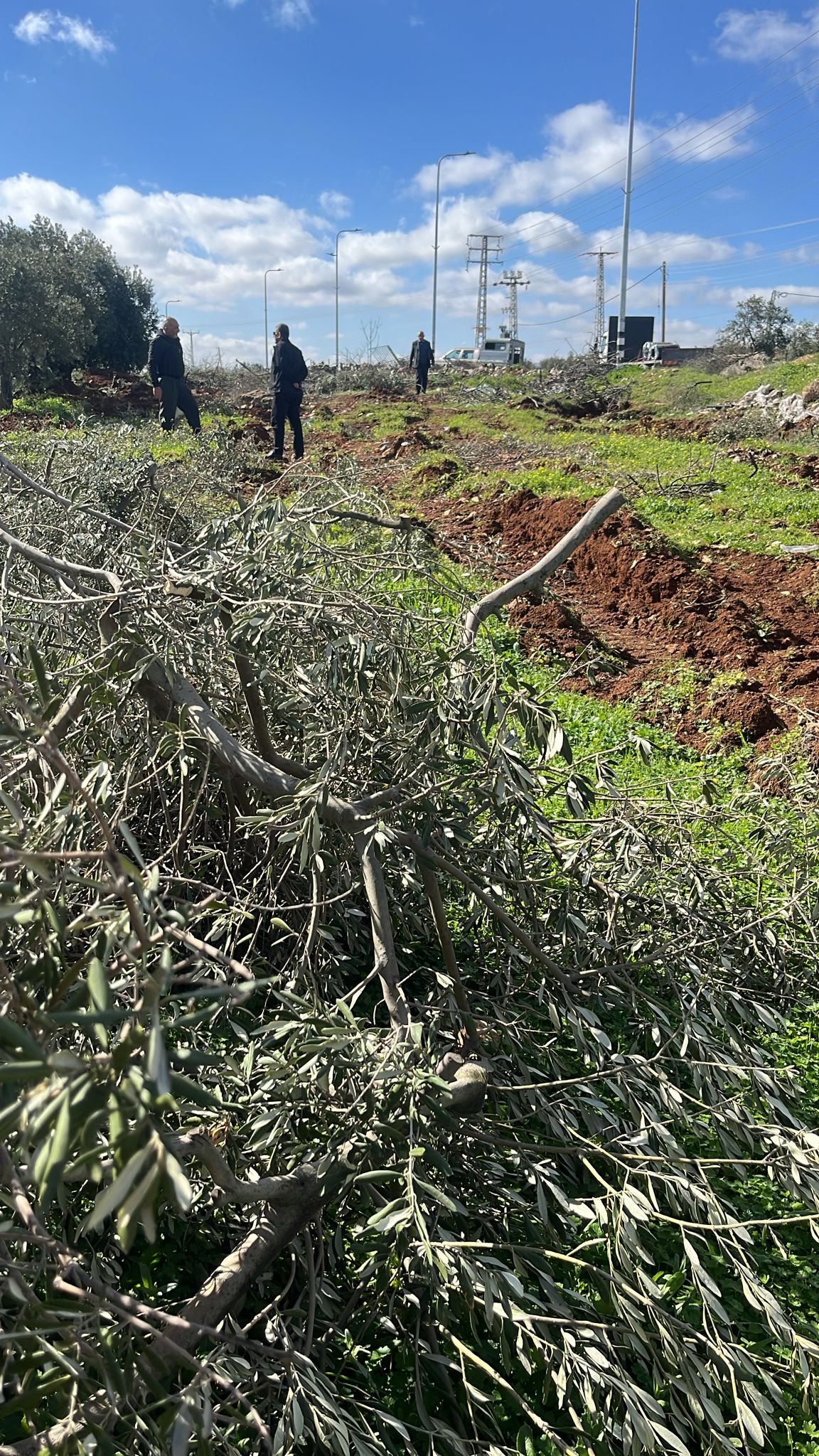
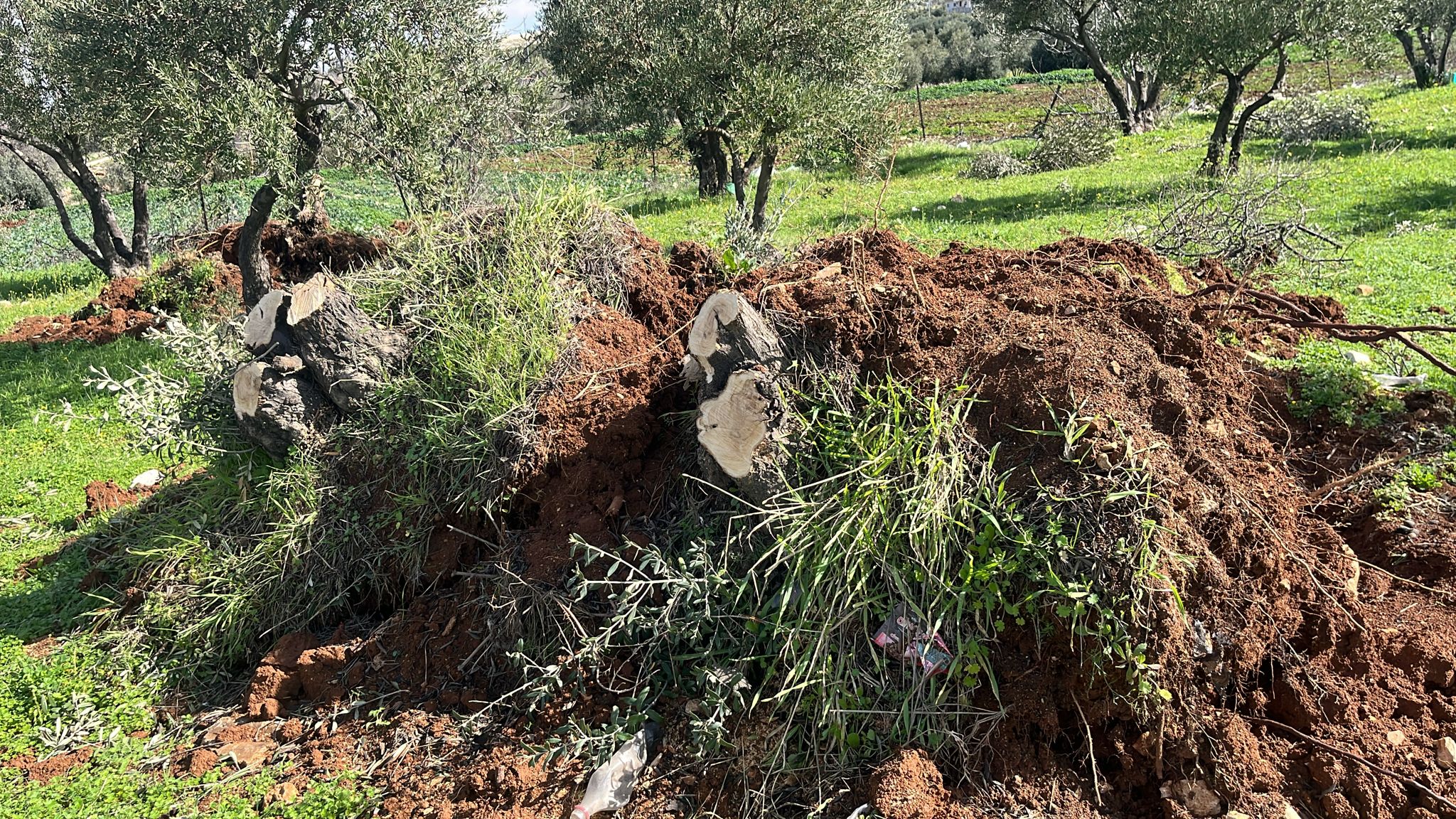
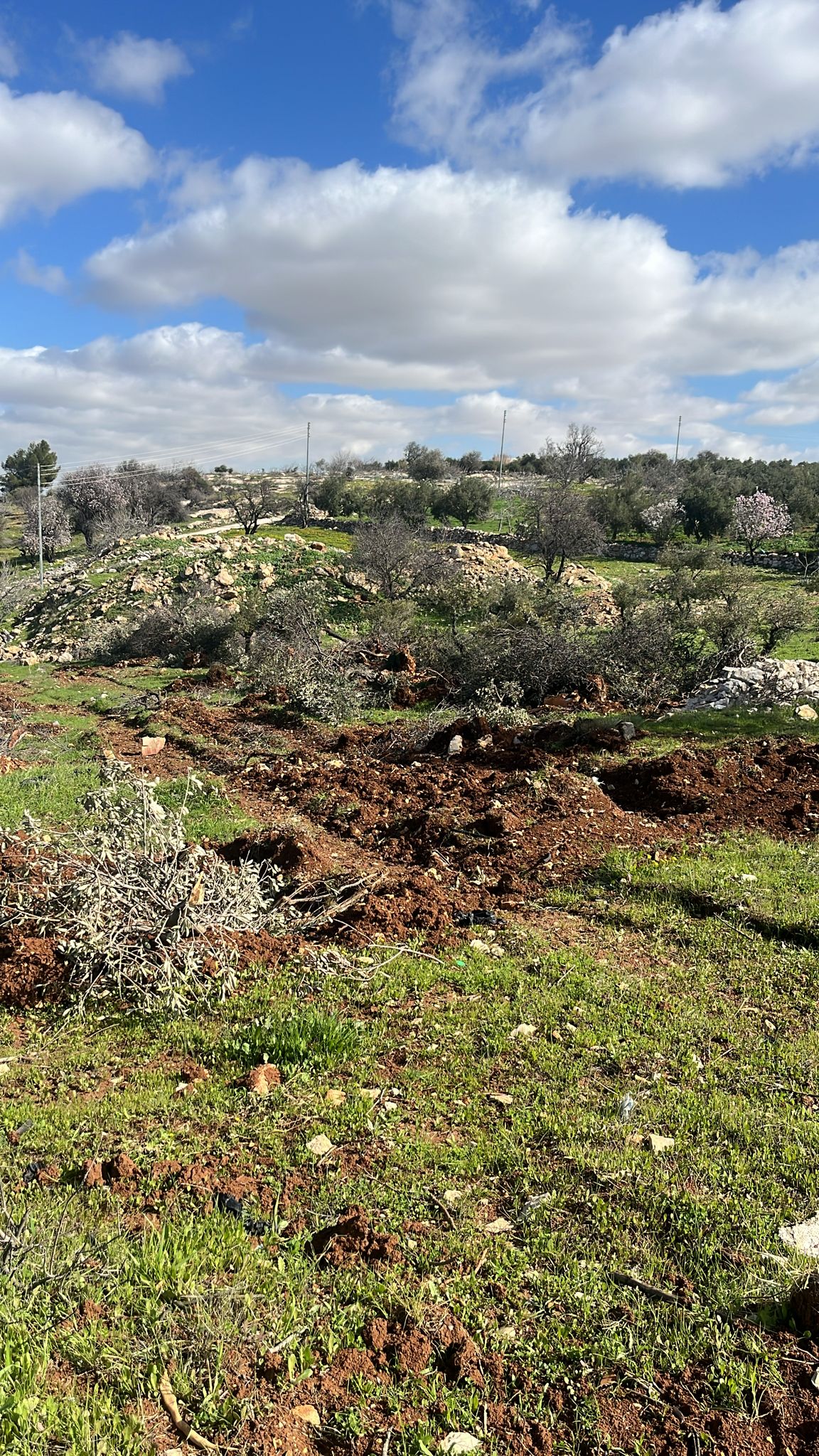
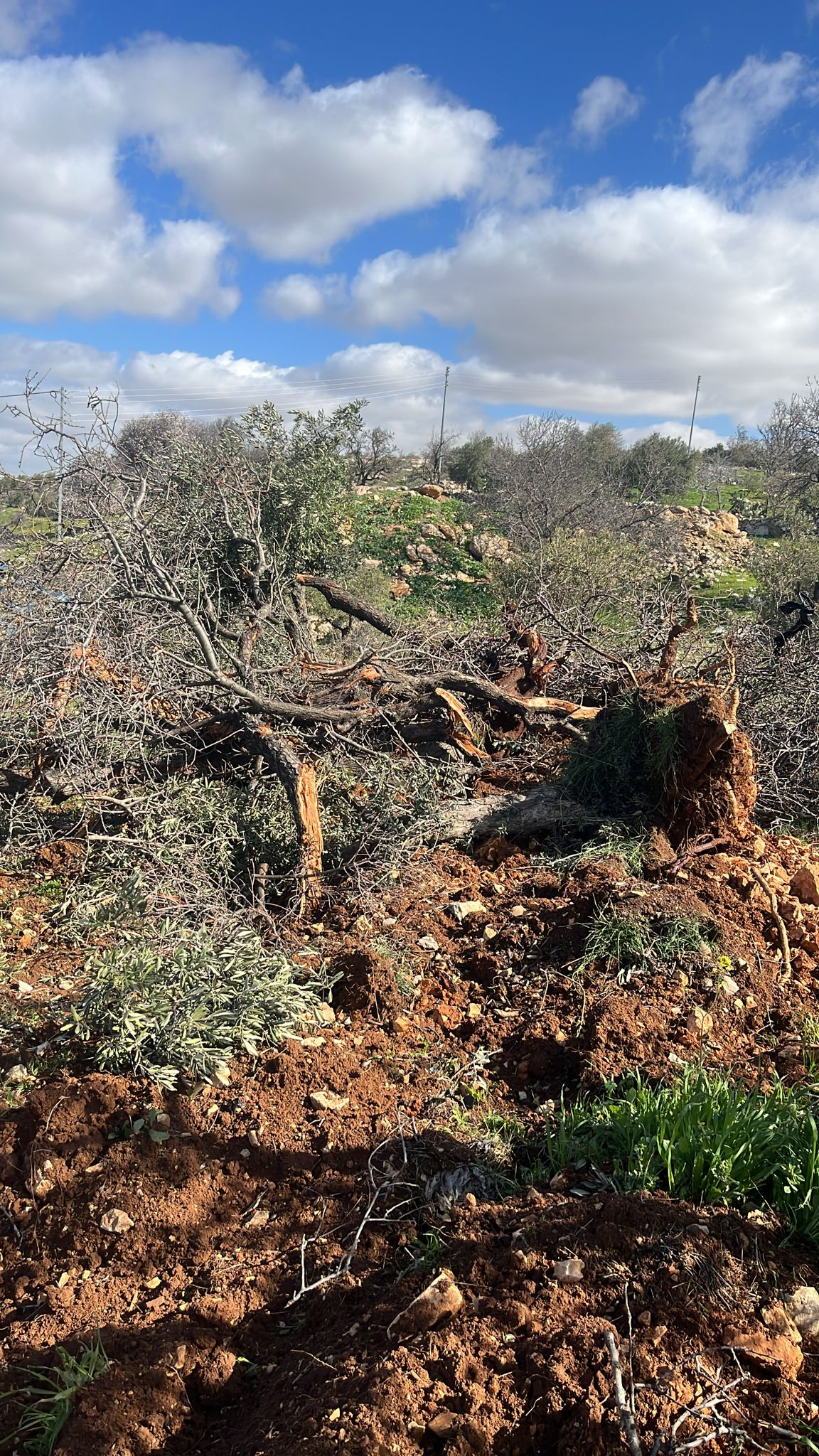
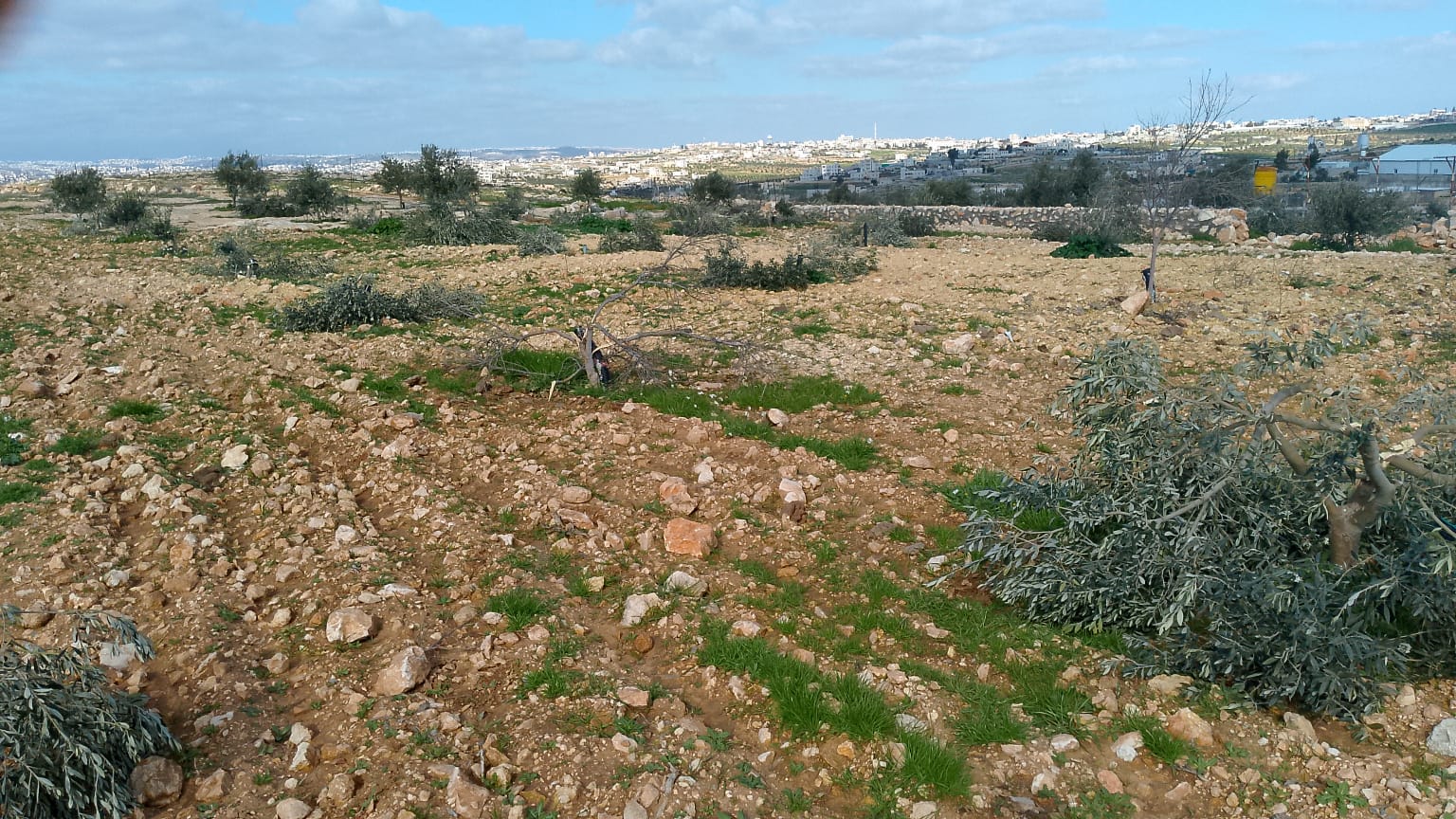
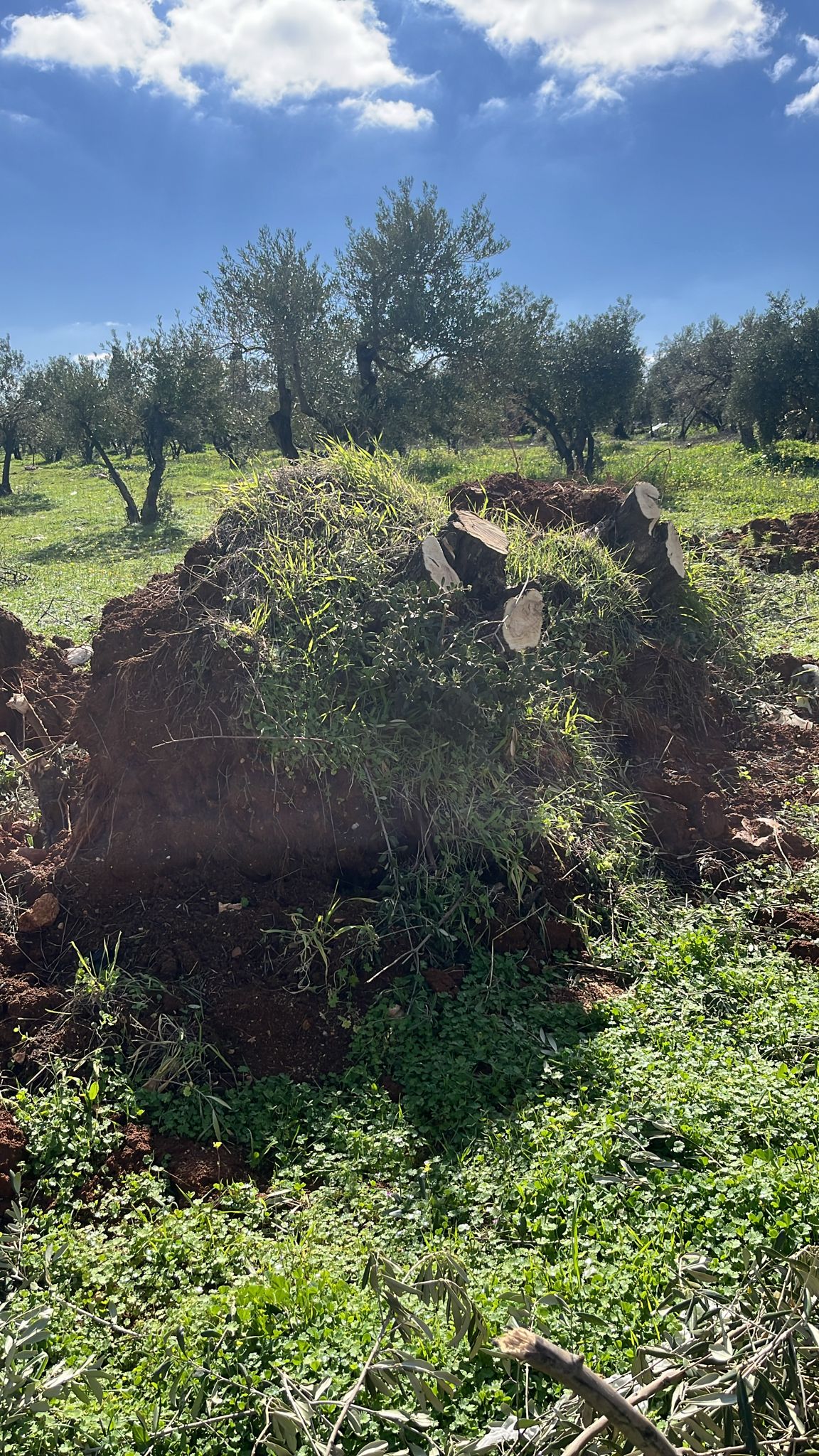
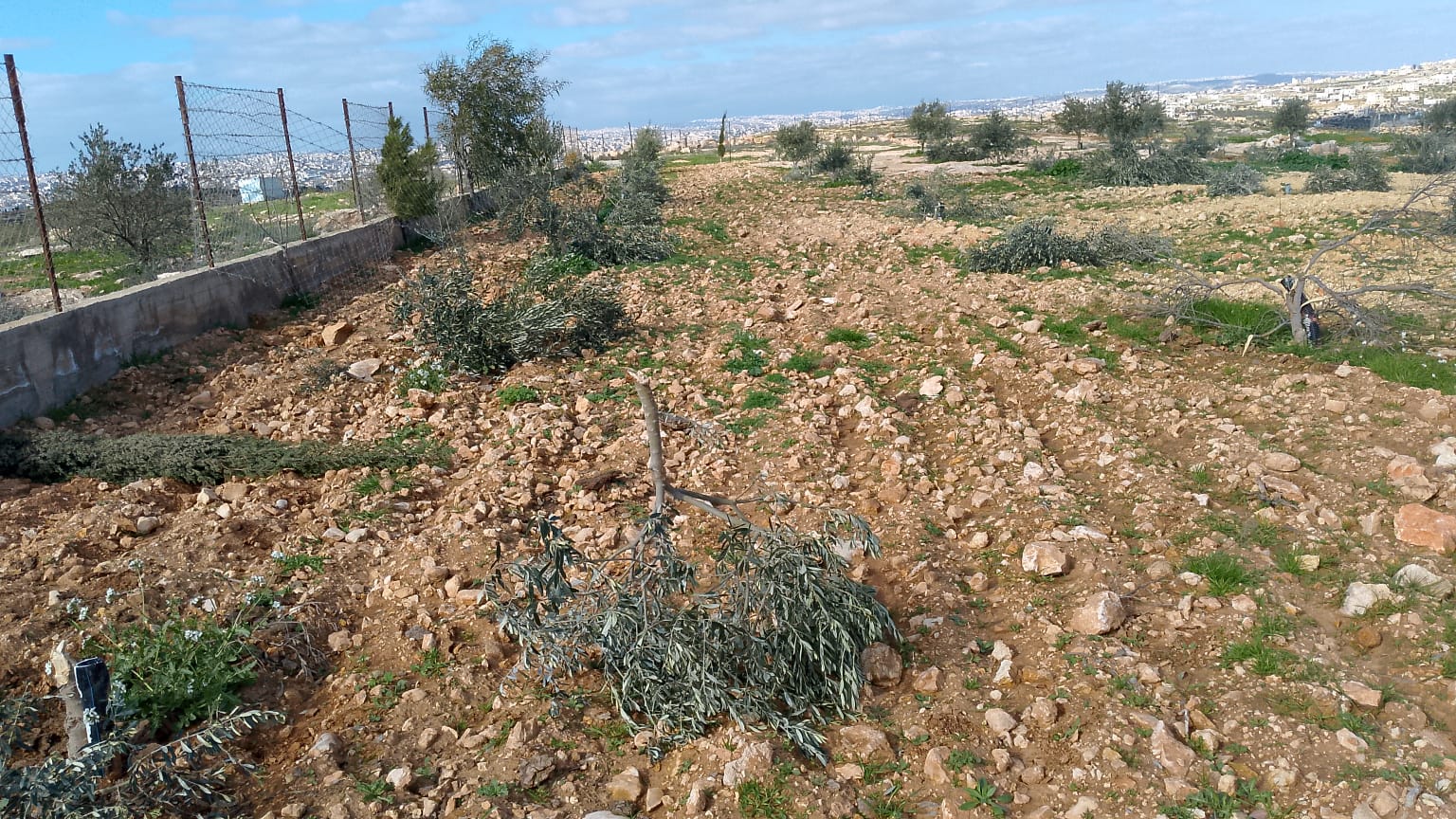
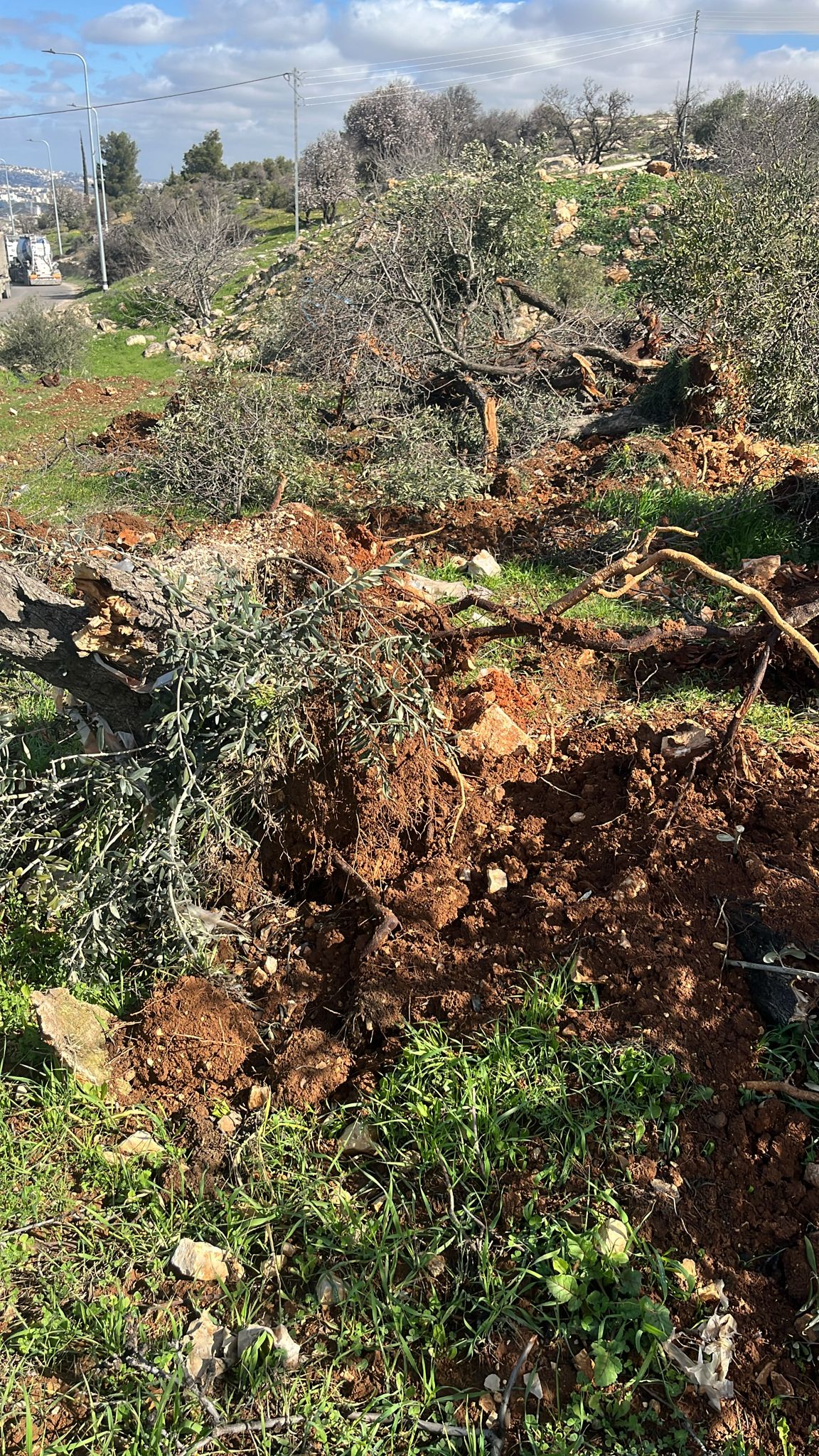
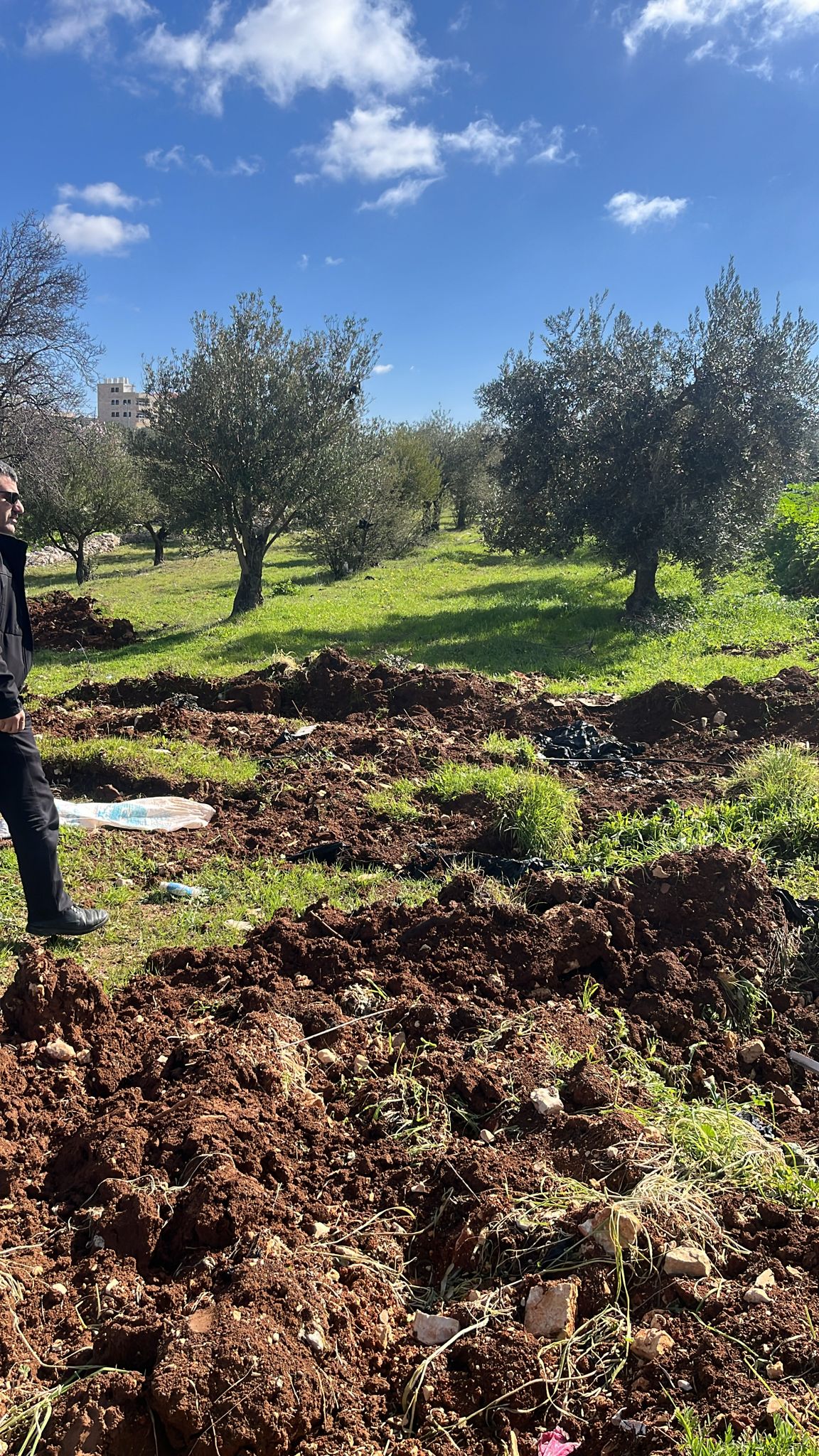
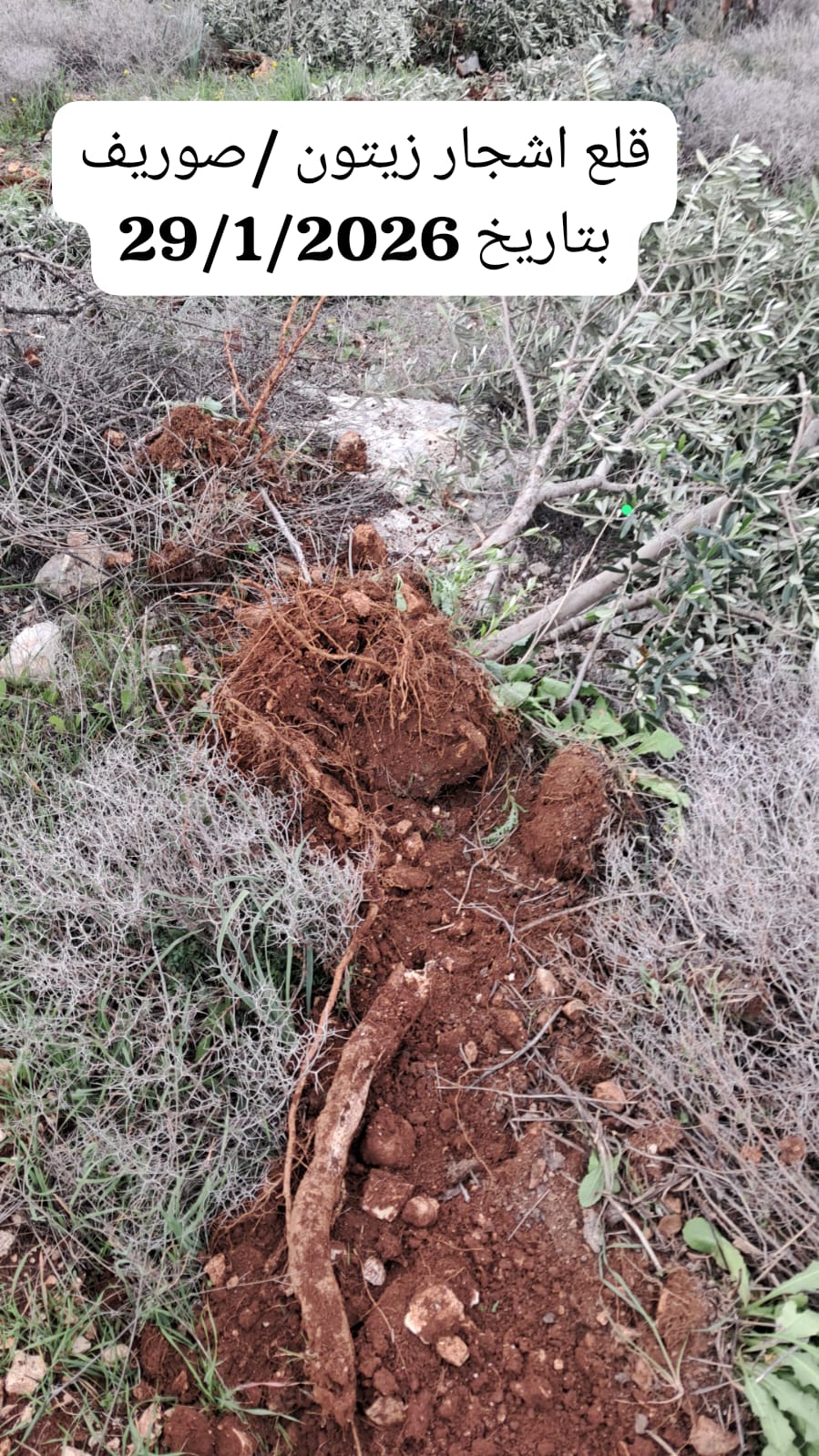
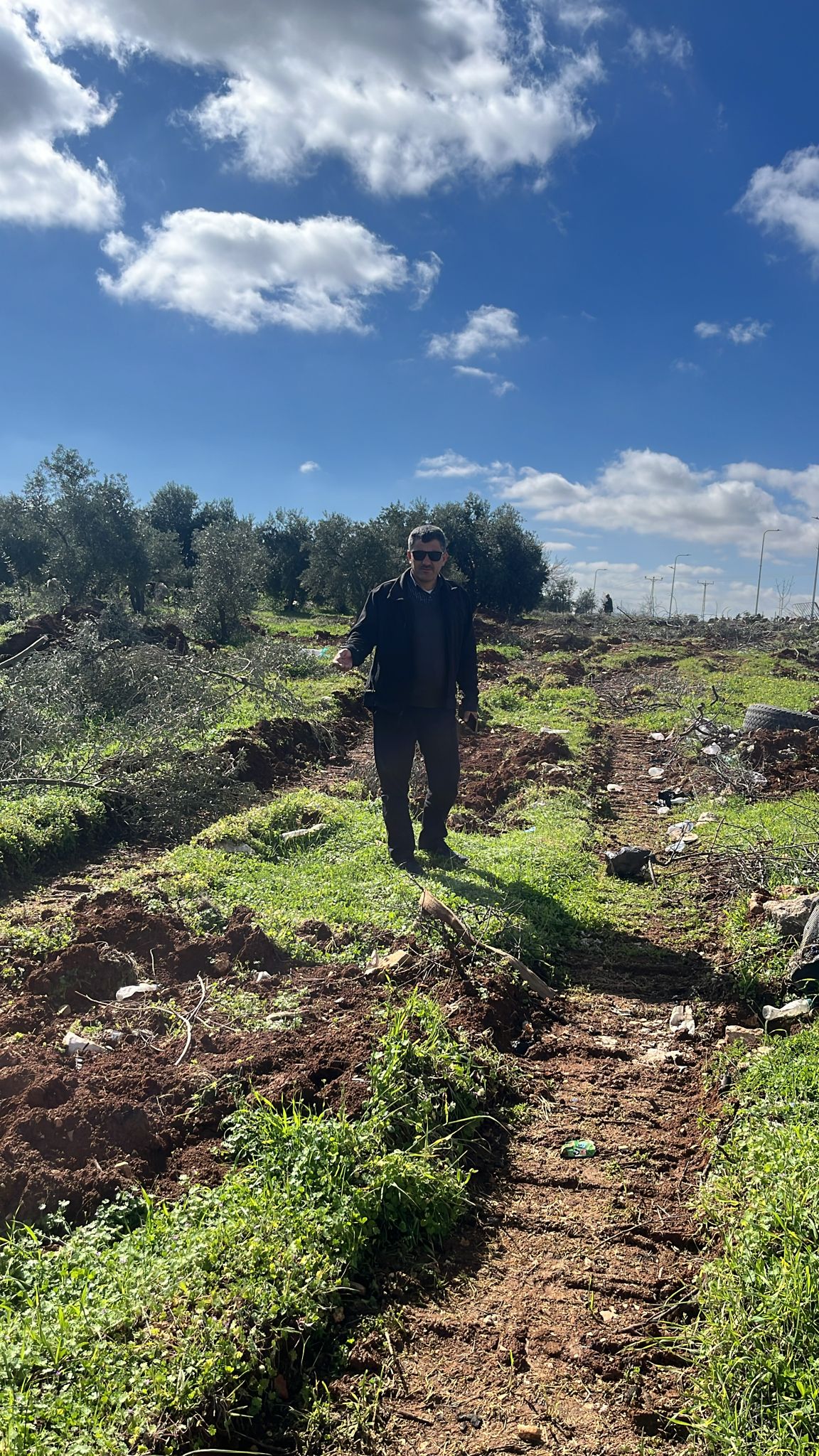
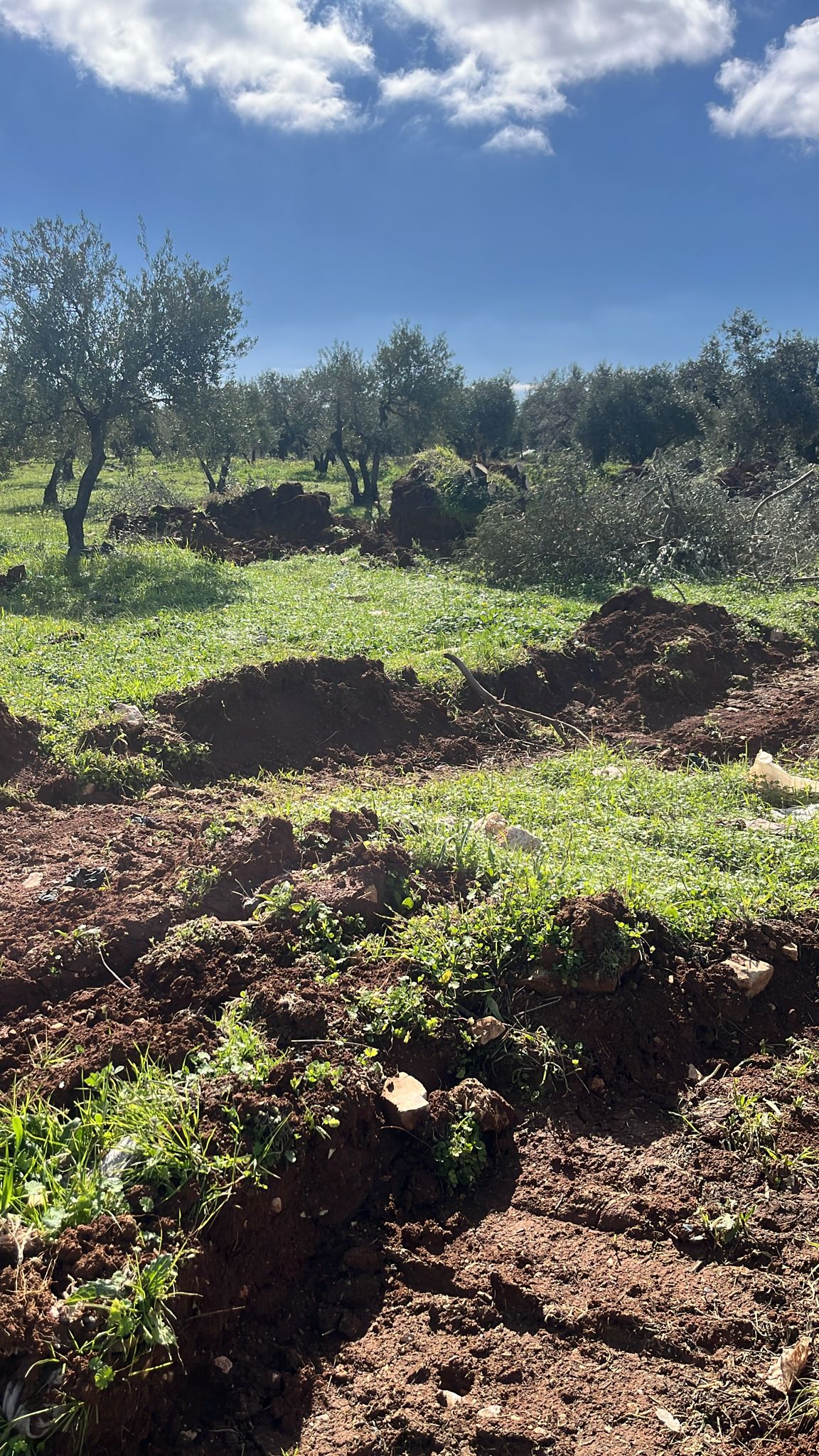
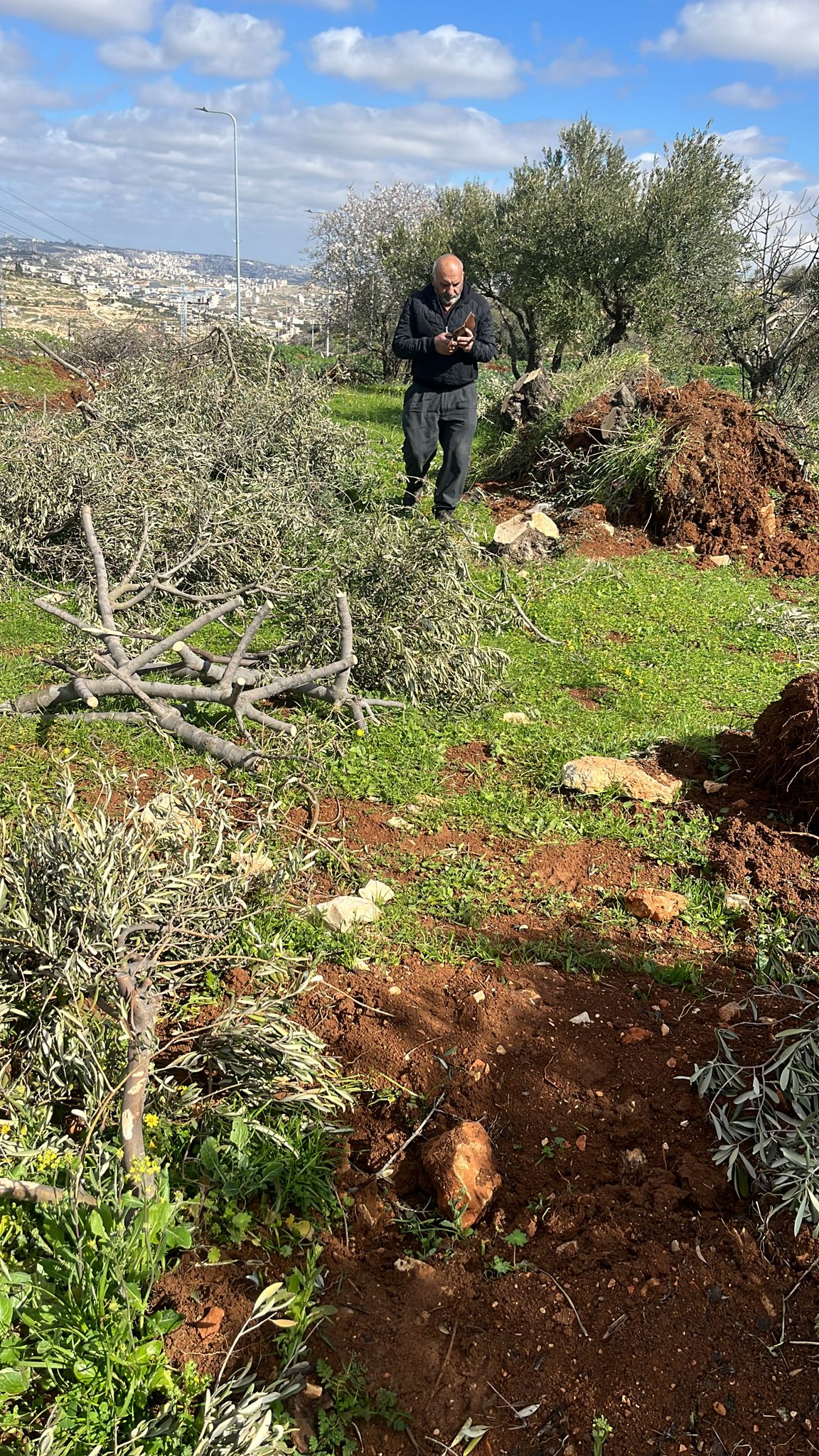
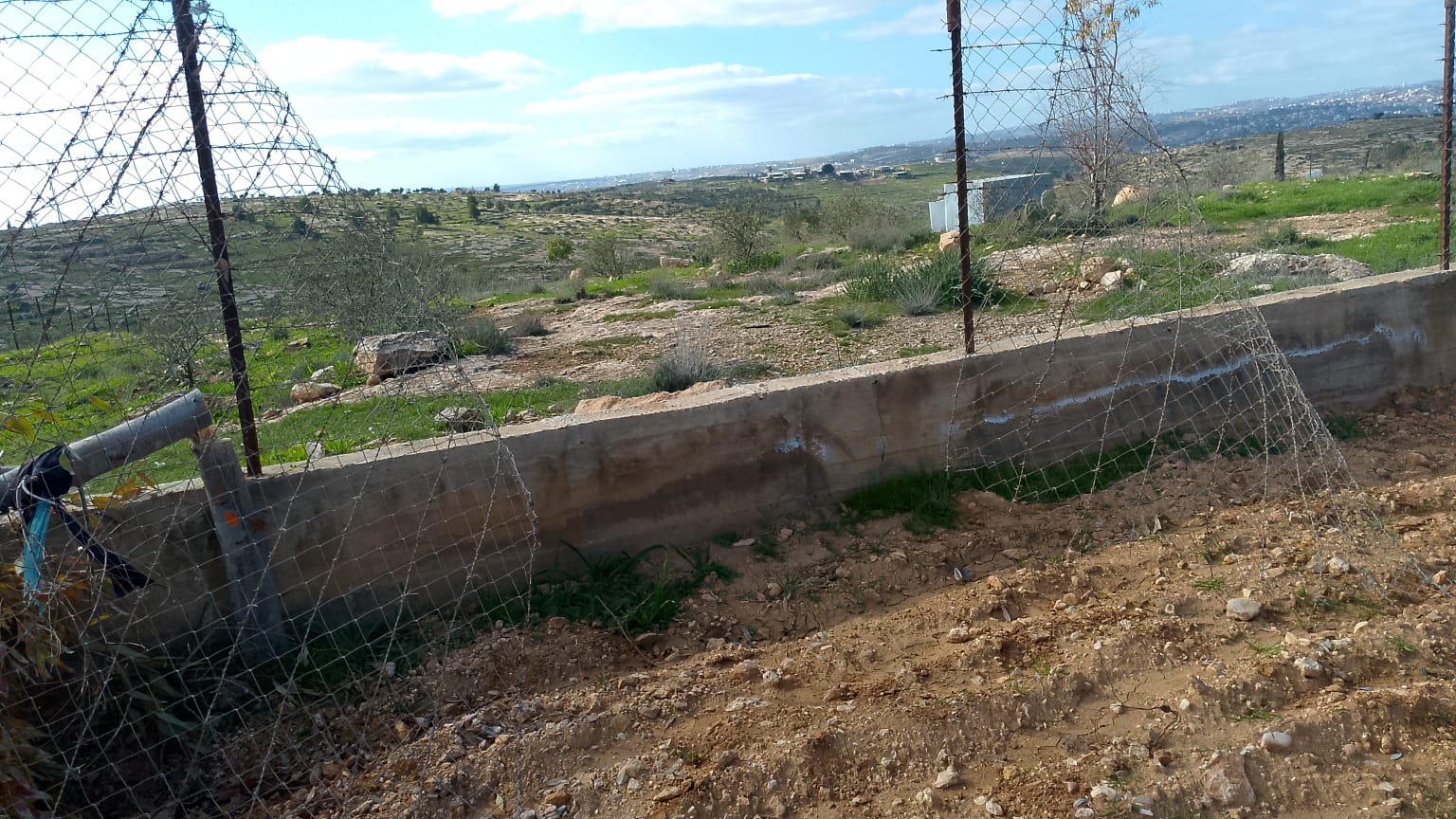
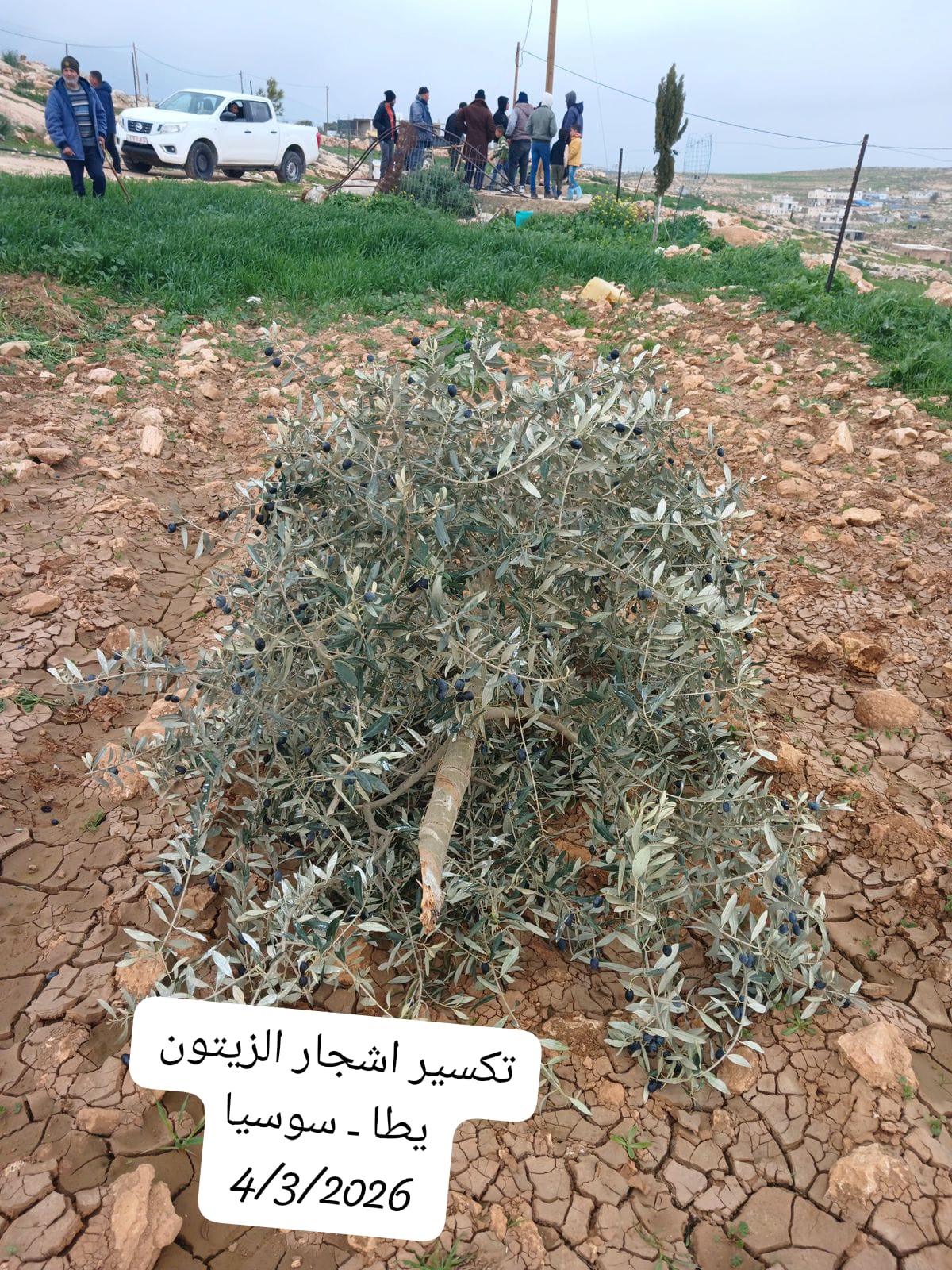
Uprooting, cutting, and breaking fruit-bearing trees, especially olive trees
-
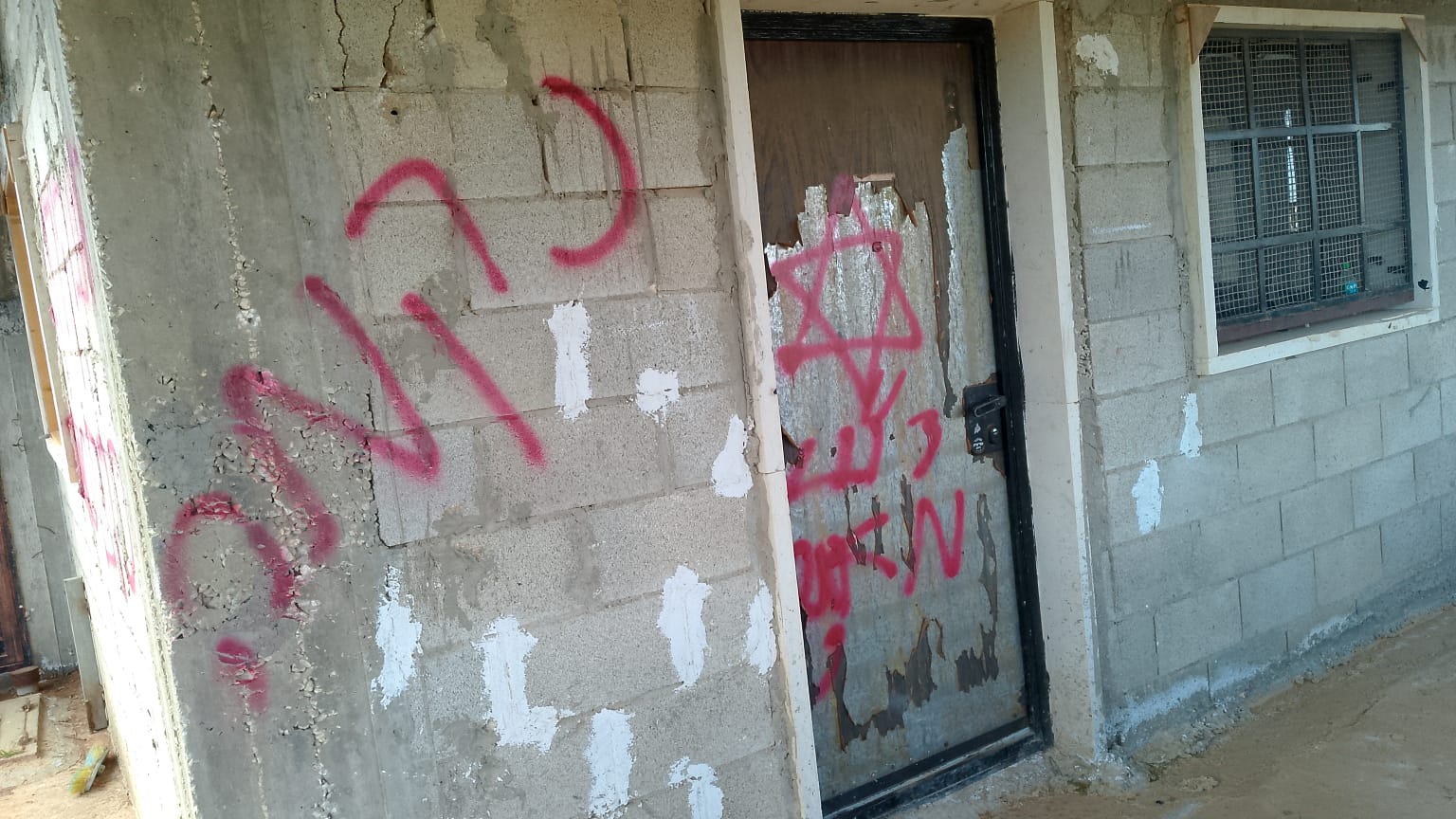
Demolition and vandalism of agricultural structures
-
Destruction of water resources (plastic tanks, irrigation networks, agricultural rooms)
-
Preventing farmers from accessing their lands and grazing areas
-
Physical assaults on farmers, including beatings, threats, and arrests
-
Theft of livestock, agricultural equipment, and vehicles
Scale of Direct Losses
According to field documentation by Ministry of Agriculture teams and records entered into the Emergency Damage Assessment System, direct losses during the reporting period amounted to:
USD 705,648
Hebron Governorate recorded the highest level of damage, particularly in the Masafer Yatta area, where losses reached:
USD 618,142
Table: Value of Losses by Governorate
| Governorate | Losses (USD) |
|---|---|
| Hebron | 618,142 |
| Jericho | 1,500 |
| Jenin | 105 |
| Ramallah | 48,498 |
| Salfit | 22,205 |
| Tulkarm | 300 |
| Qalqilya | 1,300 |
| Bethlehem | 13,634 |
| Total | 705,648 |
Key Field Violations by Governorate
Hebron Governorate
Al-Buweira (29/1/2026):
-
Grazing and destruction of municipal cauliflower crops over 15 dunums
-
Breaking and cutting 900 grape seedlings
-
Destruction of grape trellises over 4 dunums
-
Damage to irrigation networks covering 4 dunums
-
Theft of one water pump
Northern Hebron
-
Surif (29/1/2026): Uprooting of 70 olive trees (7 years old)
-
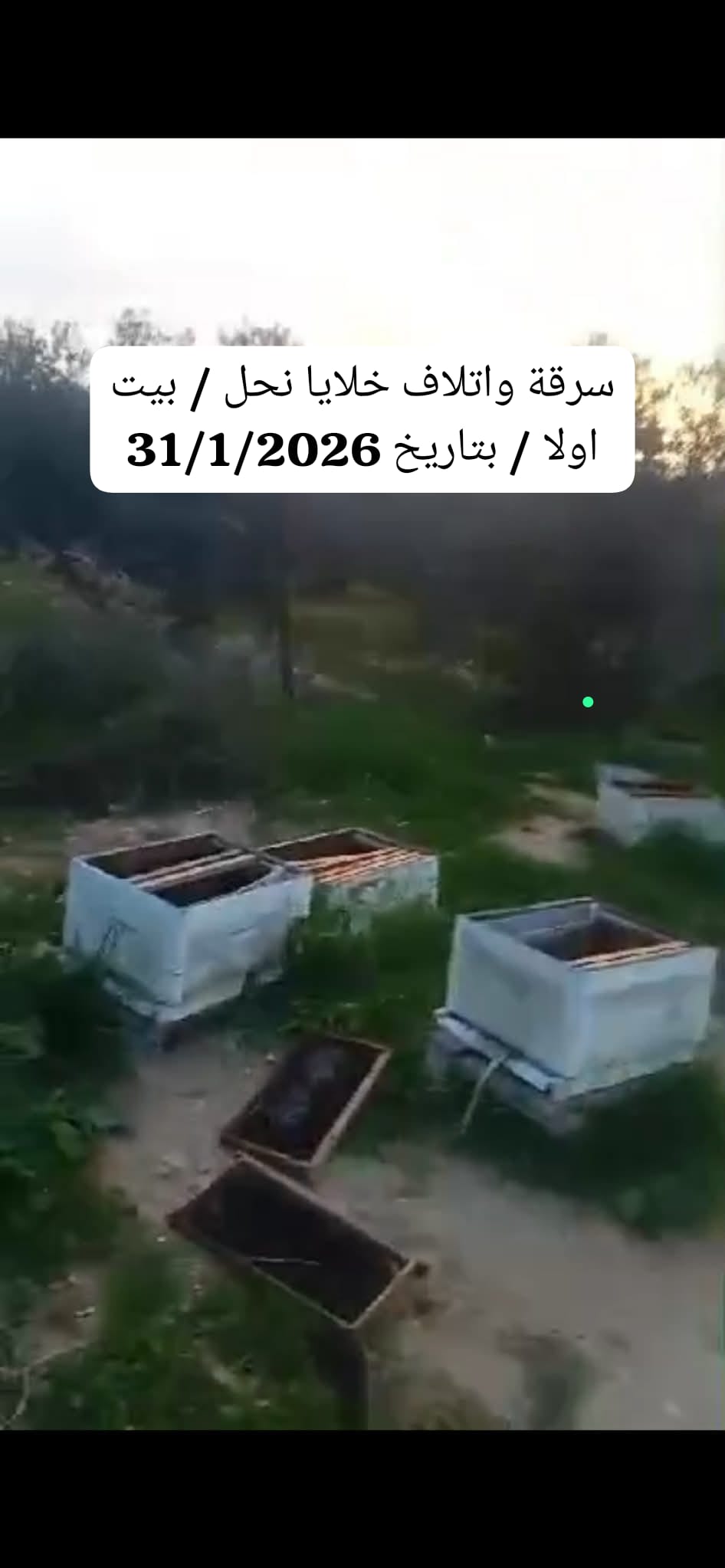
Beit Ula (31/1/2026): Theft of 21 beehives
Masafer Yatta
-
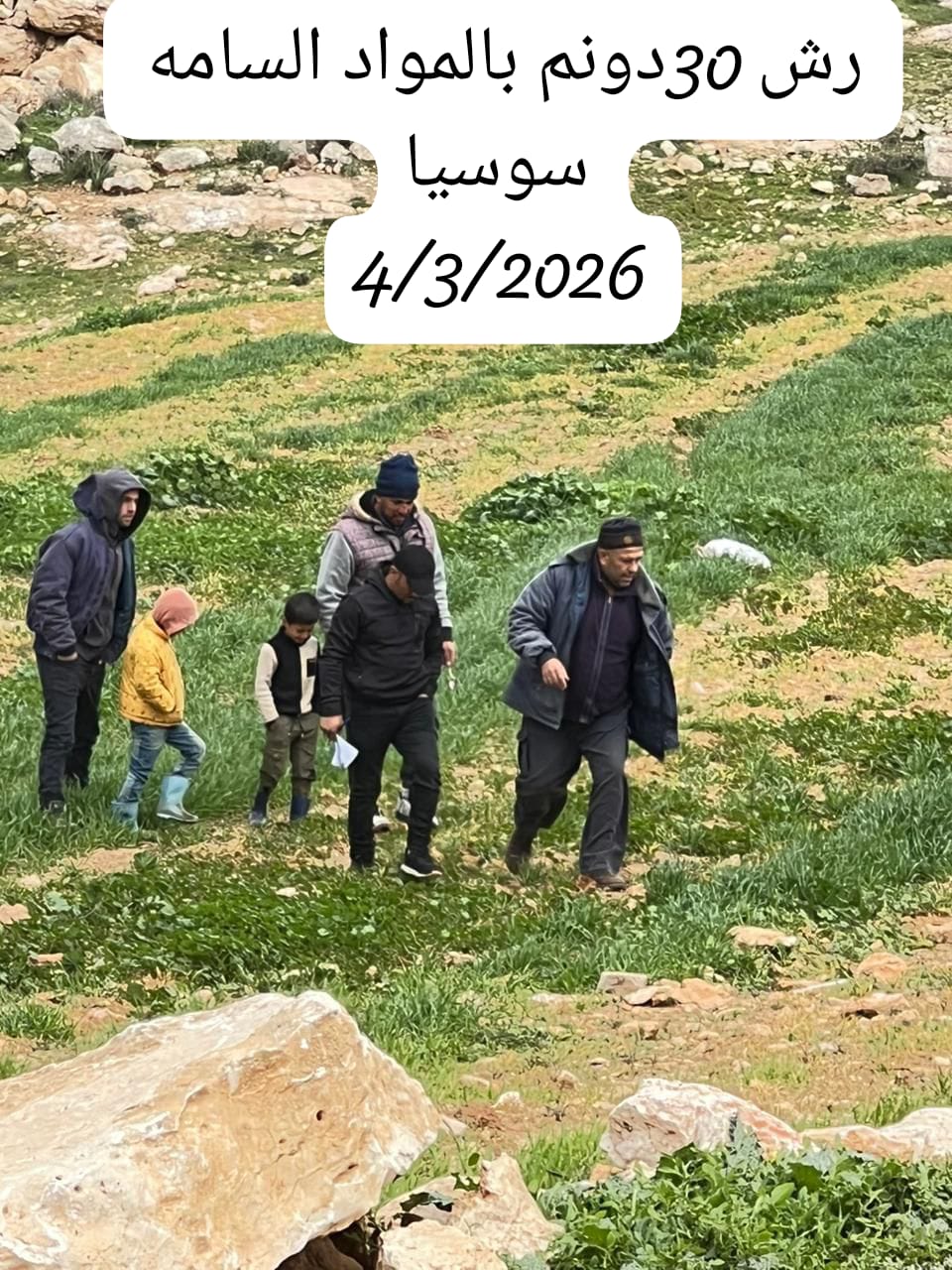
A serious escalation involving spraying toxic chemical substances on grazing lands, olive trees, and wheat and barley crops—an unprecedented and dangerous practice aimed at destroying vegetation and undermining livelihoods as part of a systematic displacement policy
-
Grazing of 4 dunums of barley (27/1/2026)
-
Grazing of 40 dunums of wheat – Khallat Al-Jroun (26/1/2026)
-
Grazing of 52 dunums of wheat – Ghuwein (27/1/2026)
-
Uprooting and breaking of 70 cactus trees
Al-Fakhit (28/1/2026):
-
Damage to water tanks
-
Burning of an agricultural tent
-
Destruction of barns
-
Theft of equipment
-
Burning of fodder and firewood
Al-Halawah (28/1/2026):
-
Theft of 396 sheep
Wadi Al-Rakhim:
-
Uprooting and breaking of more than 350 olive trees
-
Spraying of 30 dunums with toxic substances
-
Damage to grape seedlings
Qalqilya Governorate
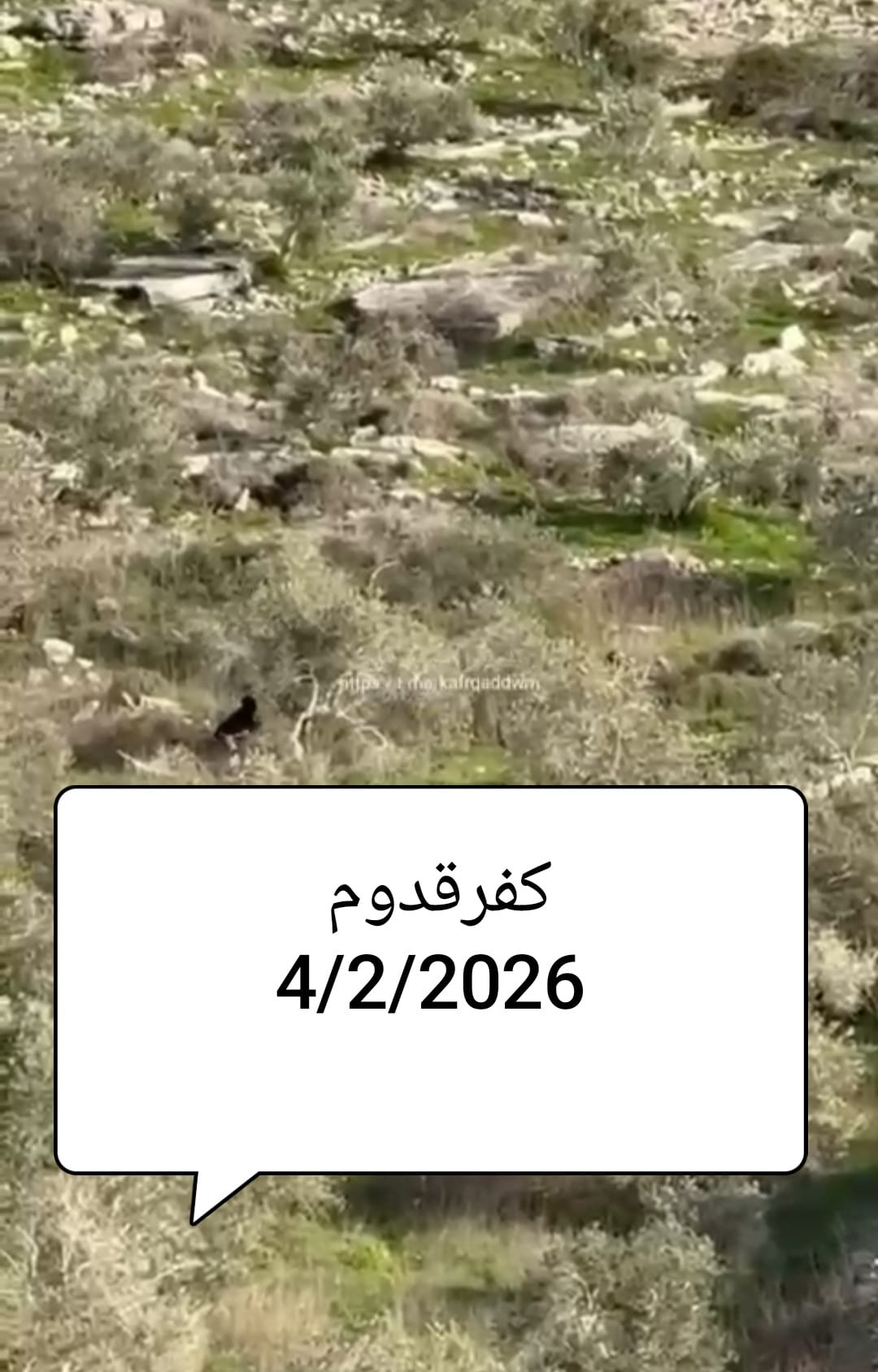
Kafr Qaddum (2/2/2026):
-
Breaking of 20 apple trees
-
Damage to irrigation networks over 2 dunums
Tulkarm Governorate
Shufa:
-
Theft of light agricultural equipment, including a manual spraying pump
Jenin Governorate
Arraba / Ya‘bad (31/1/2026):
-
Assault on a plastic water tank
-
Issuance of an order to forcibly remove a farmer from his land
Jericho Governorate
Ein Al-Diuk:
-
Theft of an agricultural trailer
Bethlehem Governorate
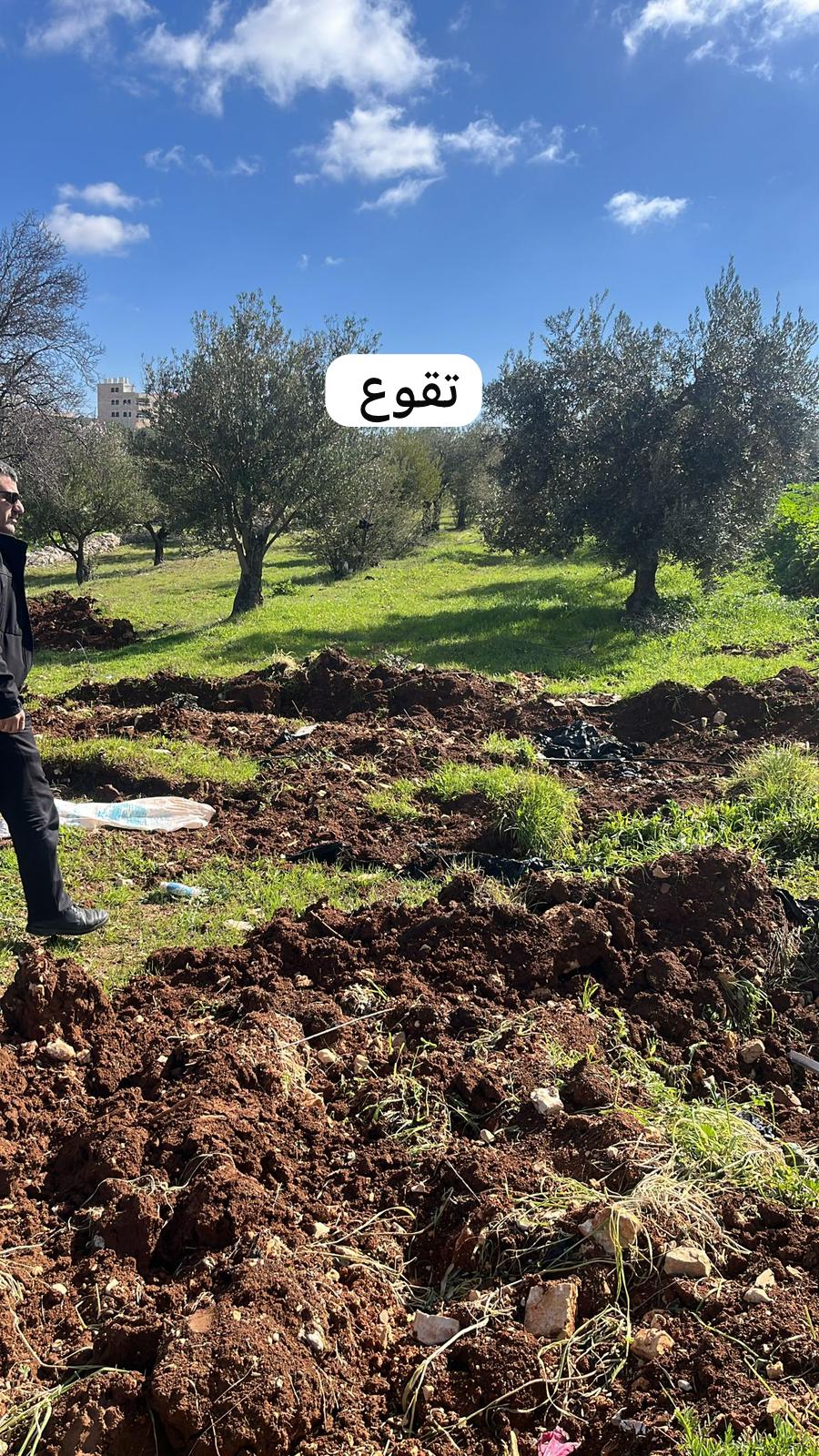
Tuqu‘ (4/2/2026):
-
Uprooting of 14 mature olive trees
-
Destruction of a vegetable field (cauliflower)
-
Damage to a PVC water line
-
Uprooting of almond trees and destruction of ornamental seedlings
Ramallah Governorate
-
Silwad: Theft of 16 sheep
-
Beitillu: Theft of 34 newborn sheep
-
Abu Shkheidem (4/2/2026): Theft of 80 sheep
-
Turmus‘ayya: Uprooting of approximately 300 olive trees (final assessment not completed due to denial of access)
Salfit Governorate
Kafr Al-Deek (1/2/2026):
-
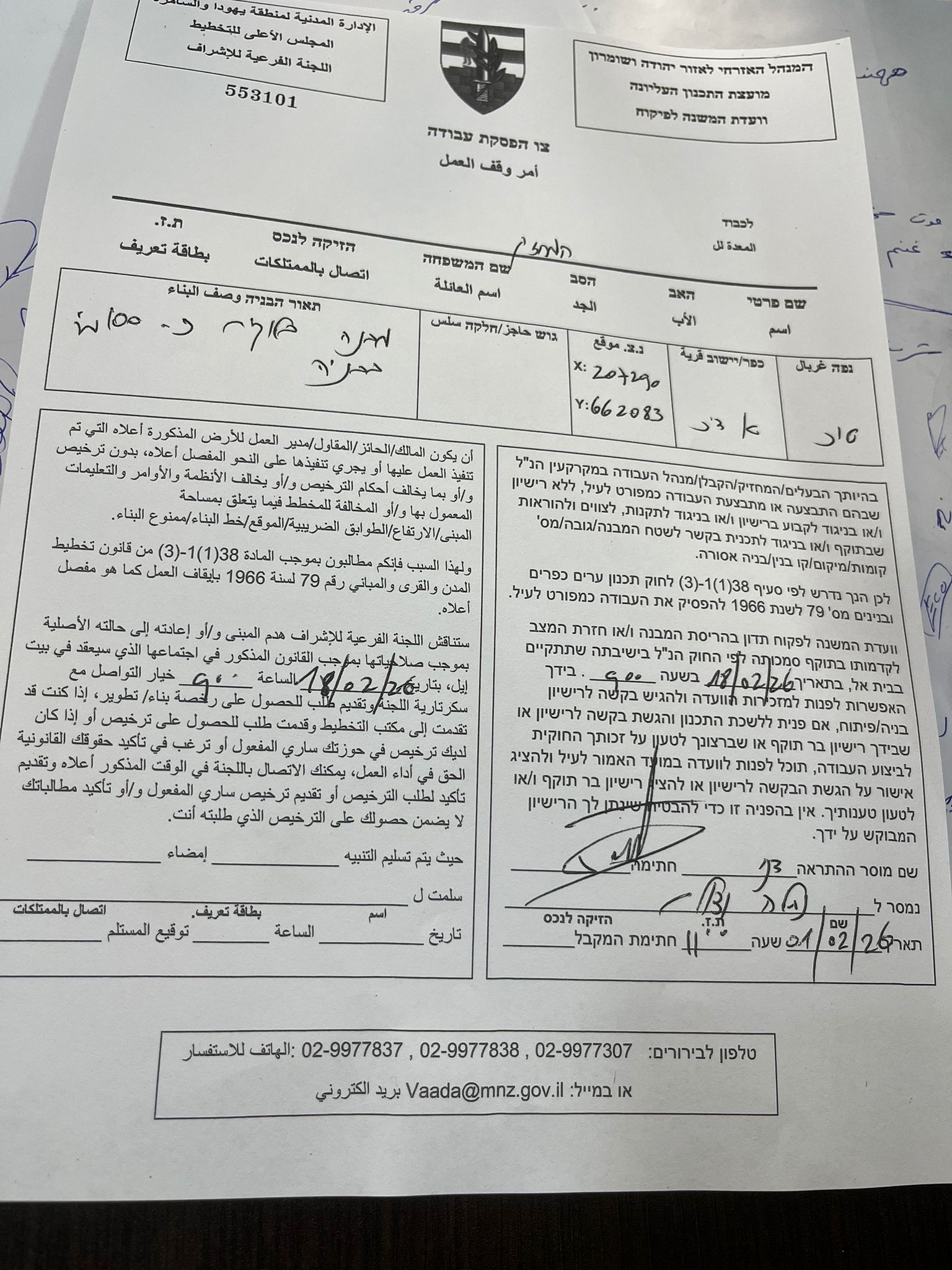
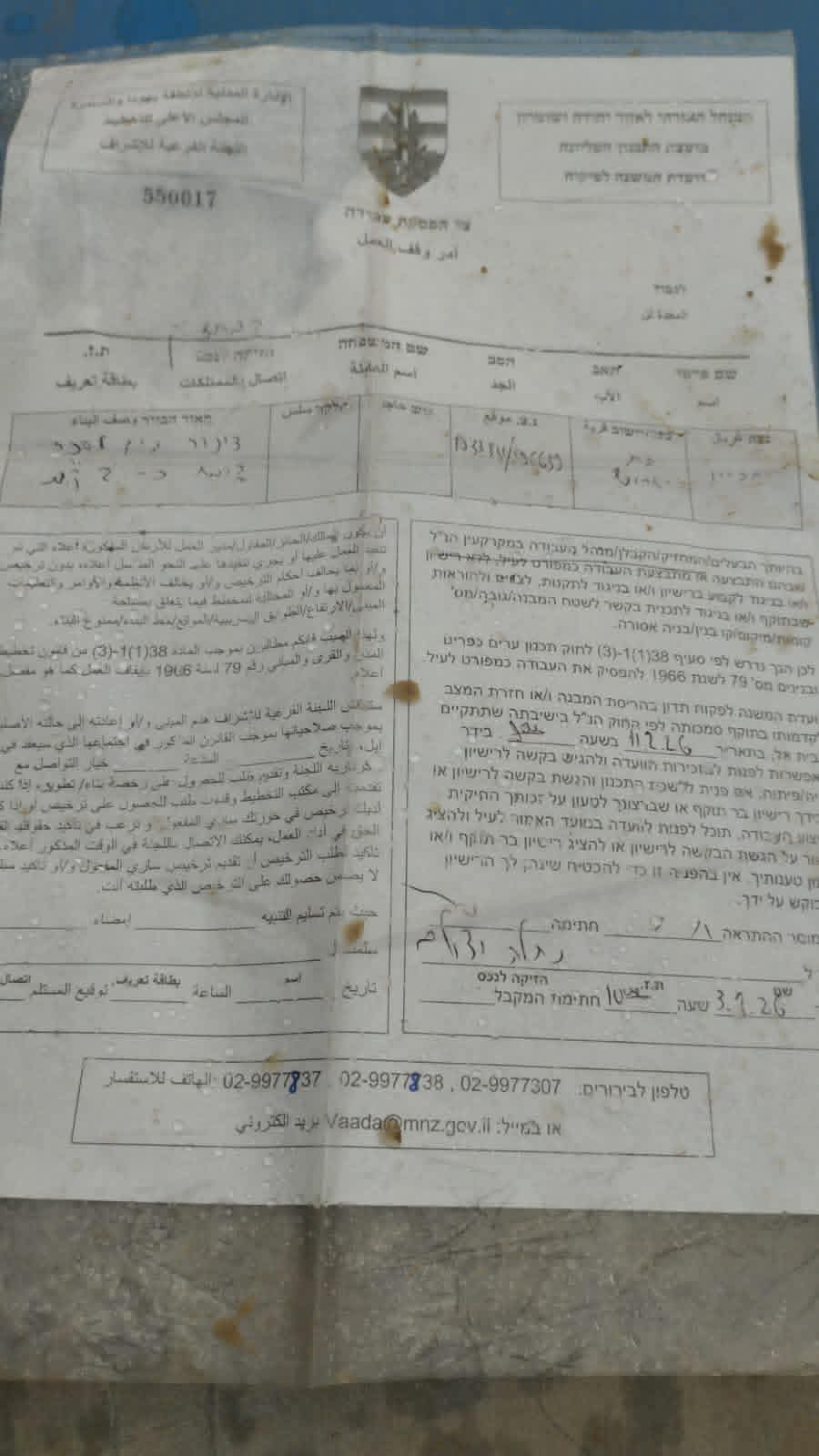
Stop-work order for an agricultural room
-
Theft of electrical and metal equipment and a chainsaw
Consequences of the Escalation and Systematic Violations
-
Unprecedented escalation in the frequency, type, and scale of agricultural violations
-
Direct targeting of productive agricultural, water, and livestock assets
-
Hebron Governorate, particularly Masafer Yatta, remains the most affected area
-
Introduction of new and dangerous tools, including toxic chemical substances
-
Severe economic and social repercussions, including loss of income, threats to food security, and forced displacement
-
Clear political and institutional complicity through settlement legalization and land reclassification
Call to Action
Based on the above, the Ministry of Agriculture calls upon the international community, international human rights institutions, and agricultural and humanitarian organizations to assume their legal and moral responsibilities by:
-
Providing urgent international protection for Palestinian farmers
-
Ending impunity and holding Israeli occupation authorities accountable
-
Including agricultural violations in international human rights reports
-
Supporting agricultural resilience and recovery programs
-
Protecting Palestinian environment and natural resources
-
Supporting documentation efforts and national database development
-
Intensifying international solidarity and advocacy campaigns