Notification
حظر استيراد كافة أنواع الطيور الحية الداجنة والبرية وطيور الزينة وبيض التفقيس والصيصان عمر يوم ومخلفاتها الغير معاملة حراريا من تركيا ولحين استقرار الوضع الصحي

⭕ Al-Hawamdeh: Developing central markets is a crucial step toward improving the marketing of agricultural products and supporting farmers.
⭕ The Ministry of Agriculture and its partners continue to develop marketing infrastructure and enhance market access for local products.
⭕ A $1.2 million project to develop Tulkarm central market, part of an initiative targeting three markets in the West Bank.
Tulkarem: October 12, 2026
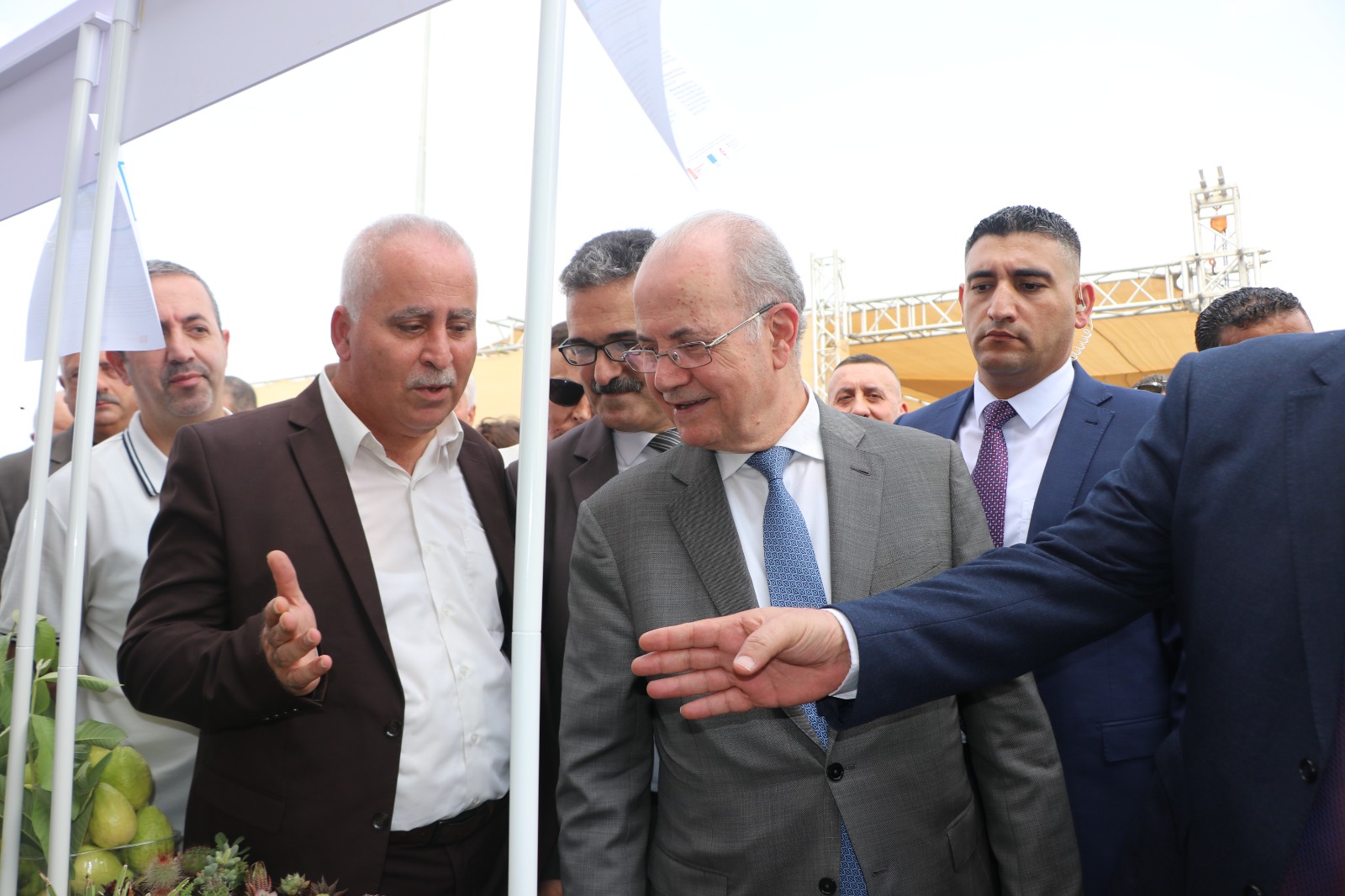
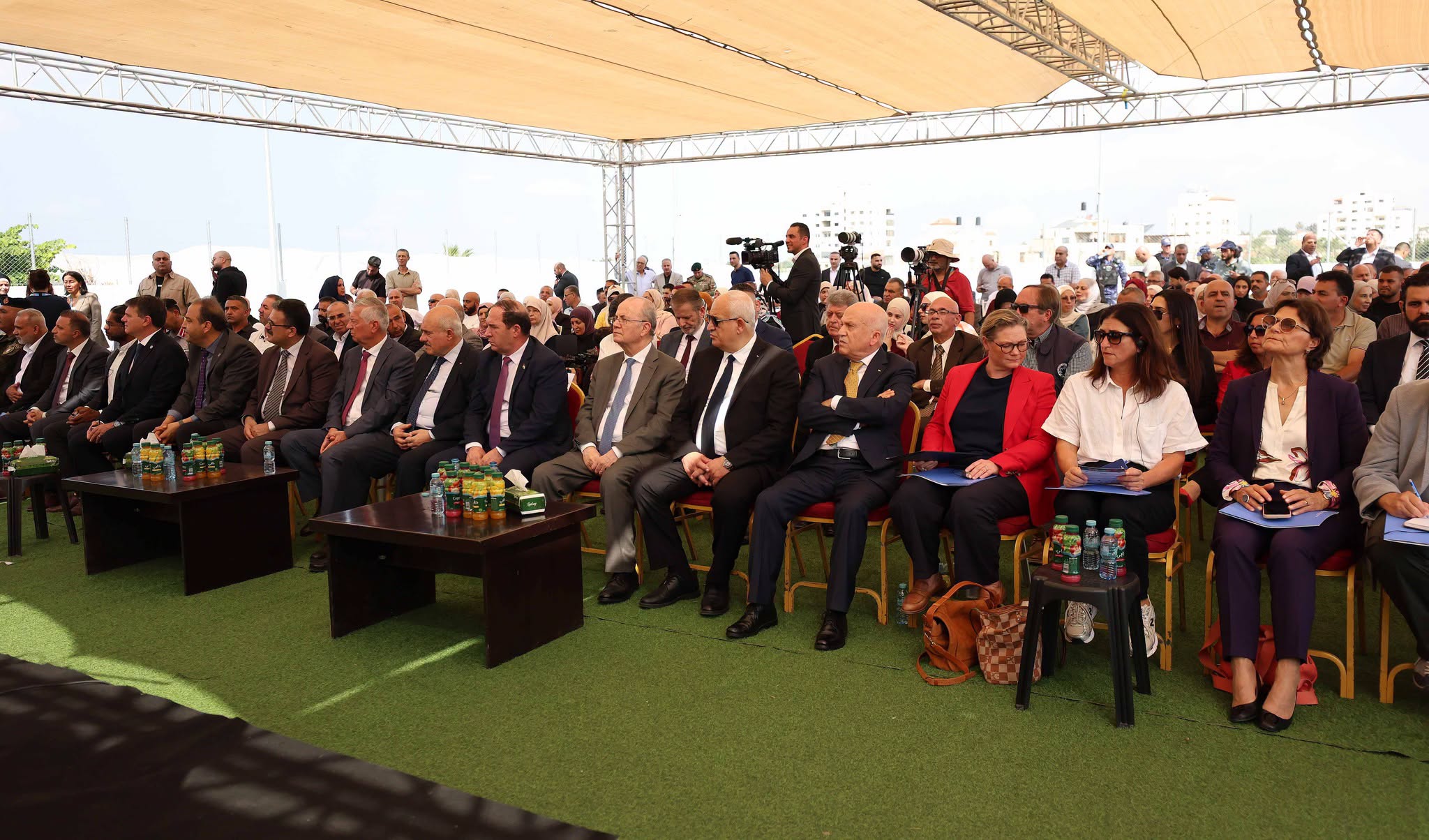
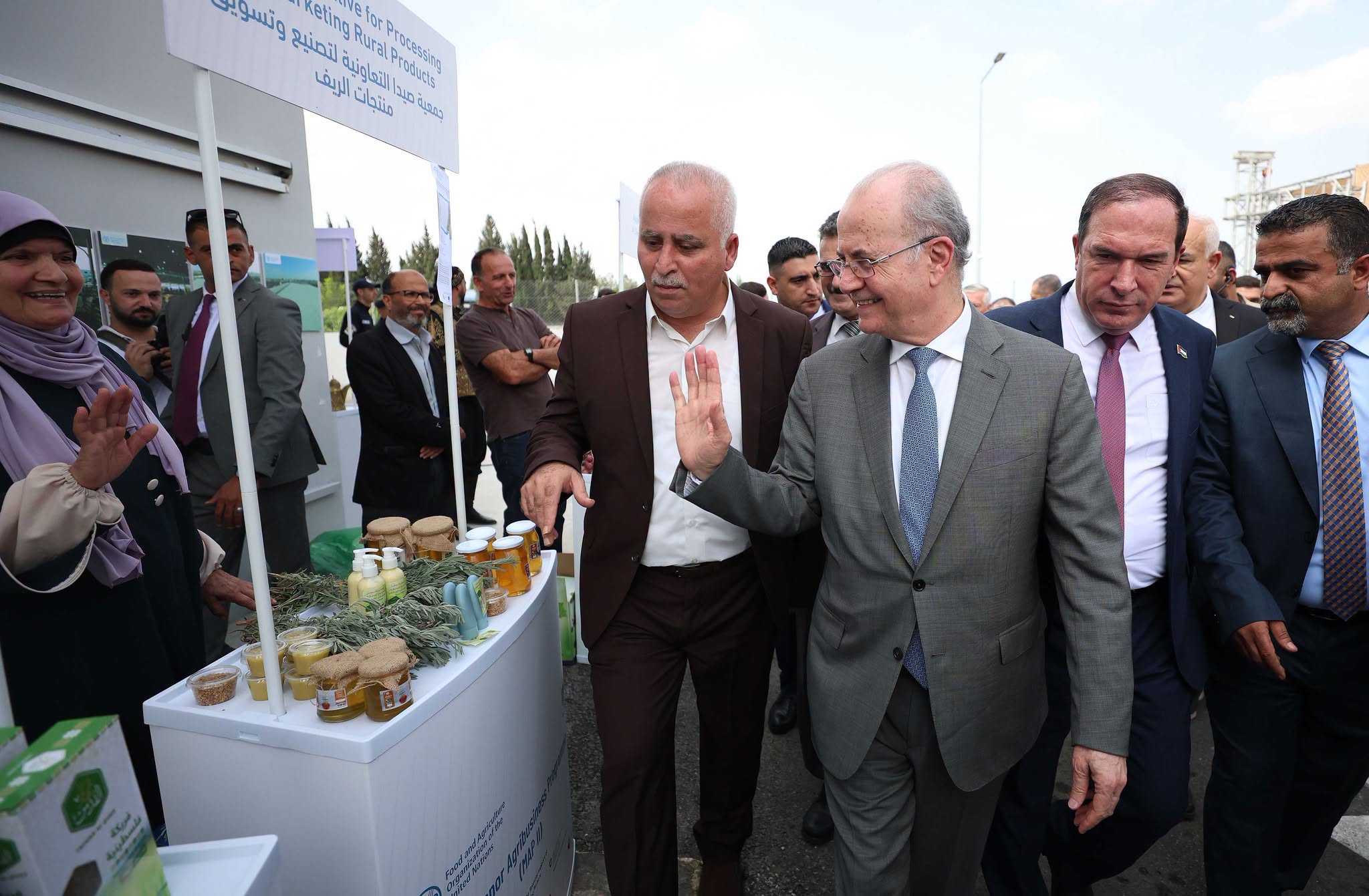
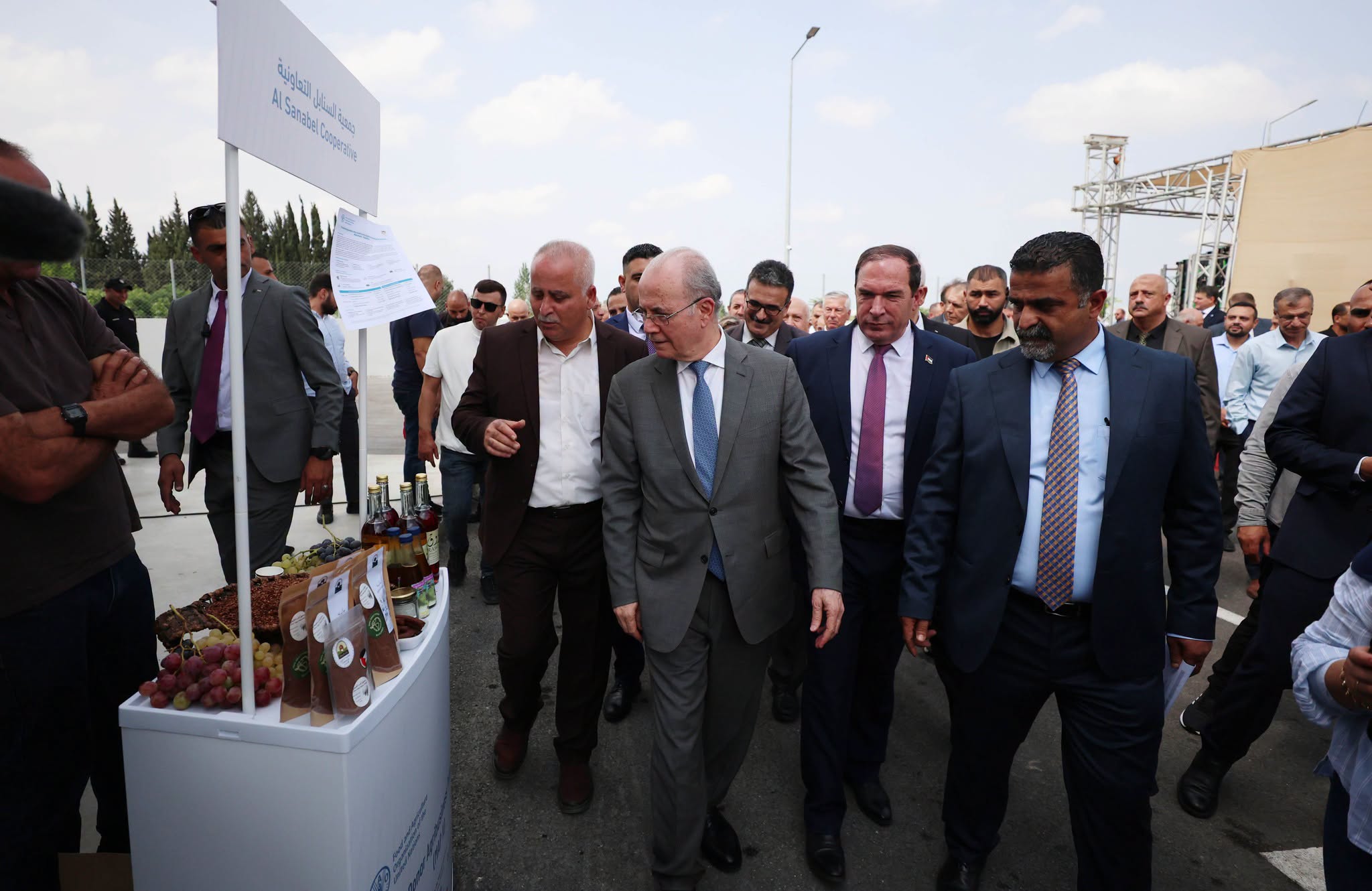
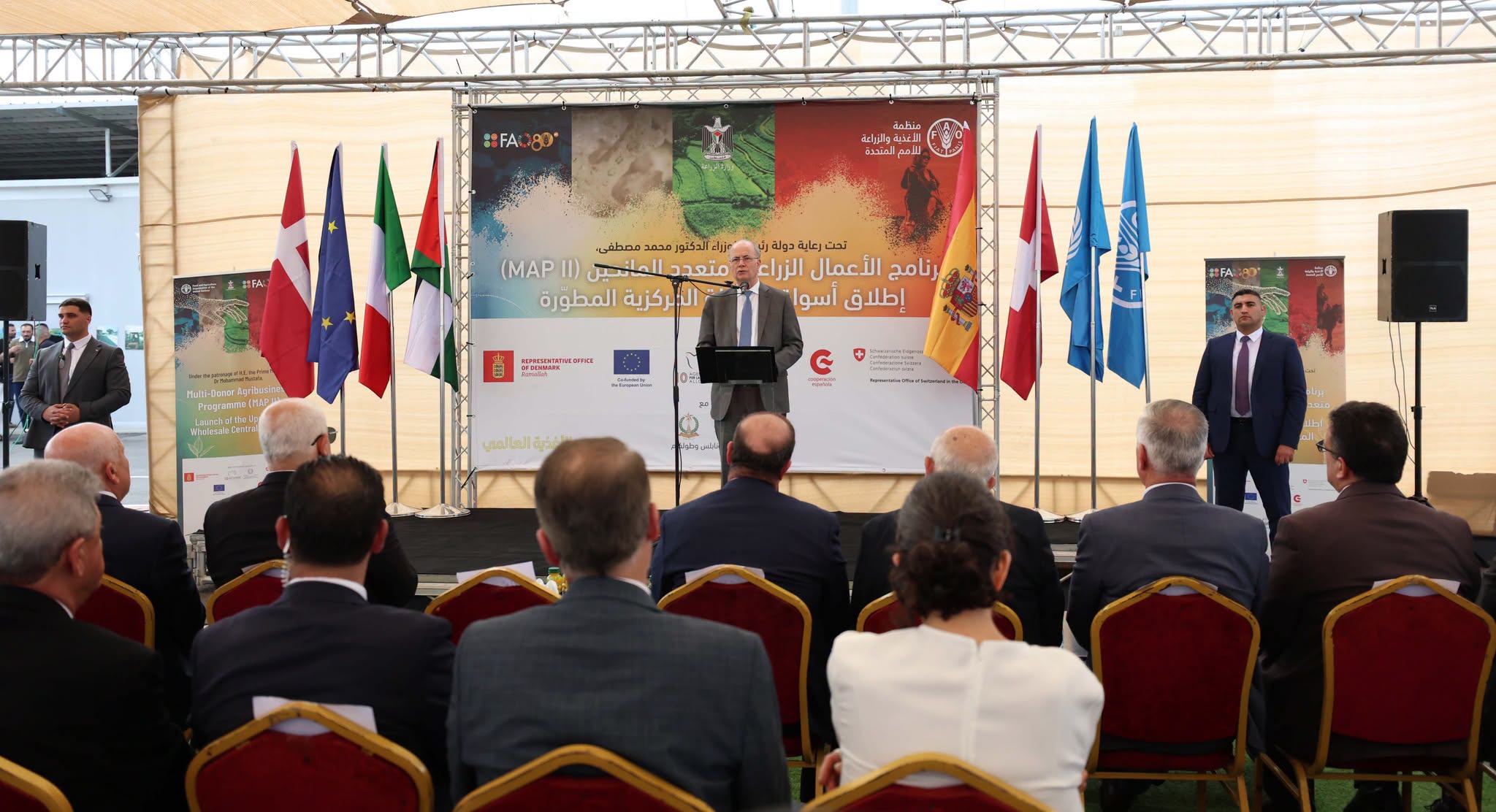
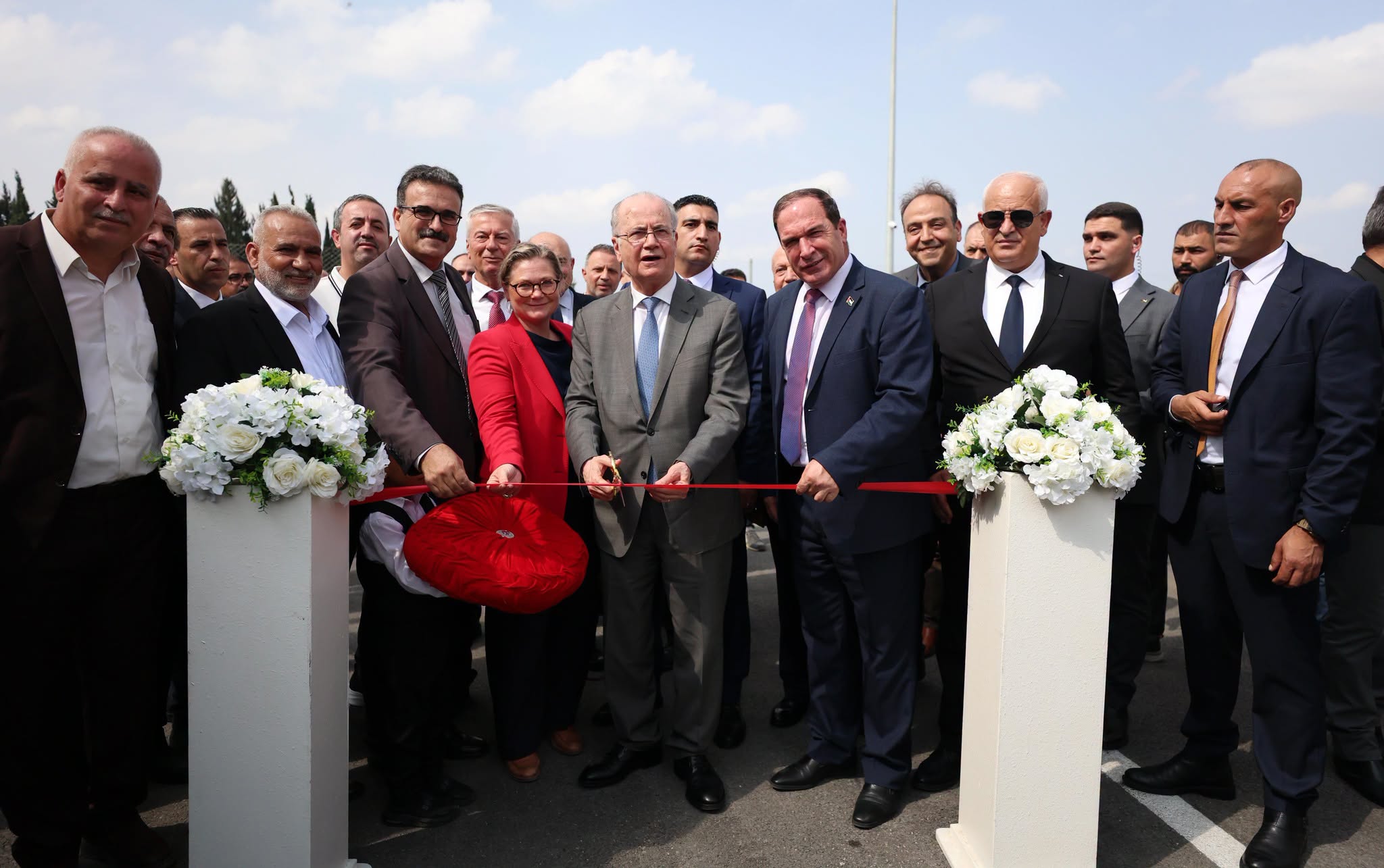
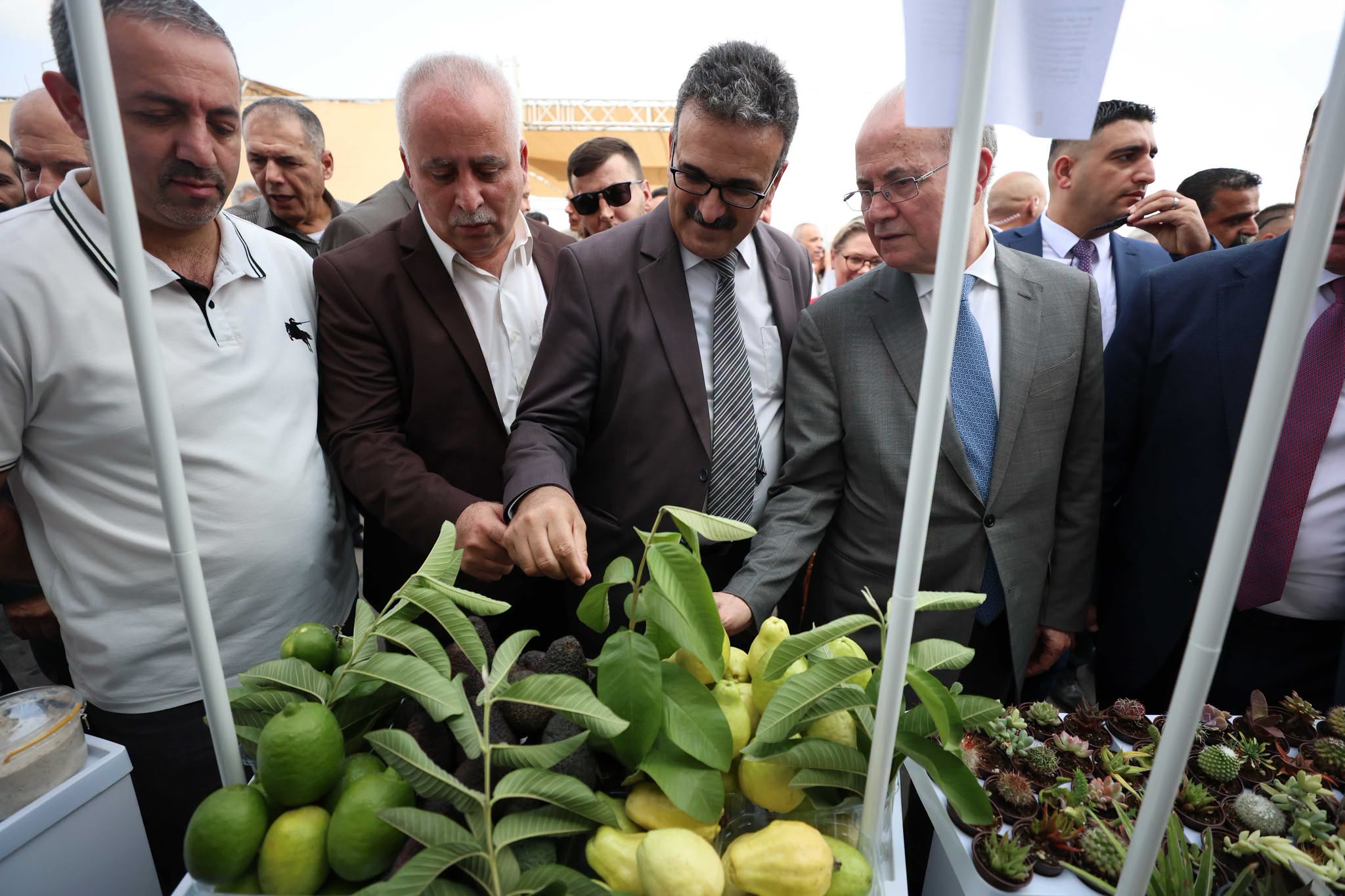
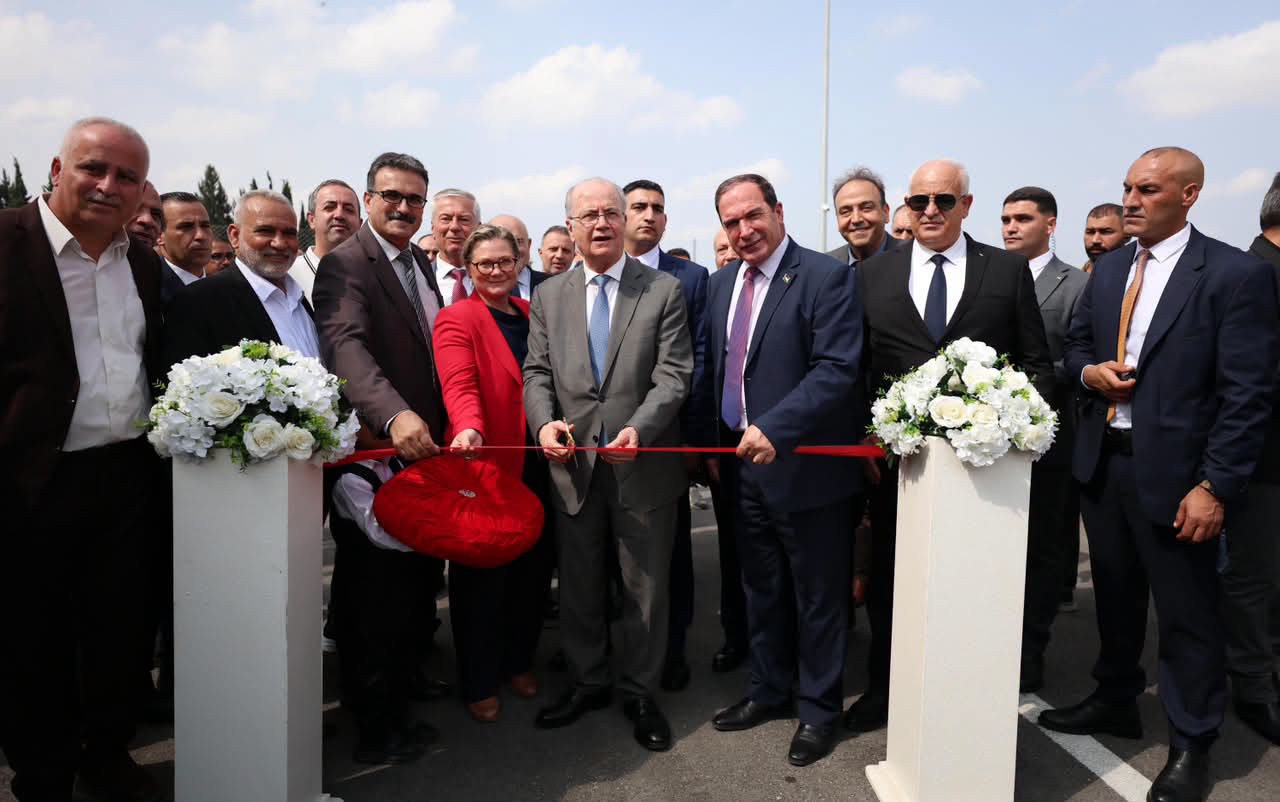
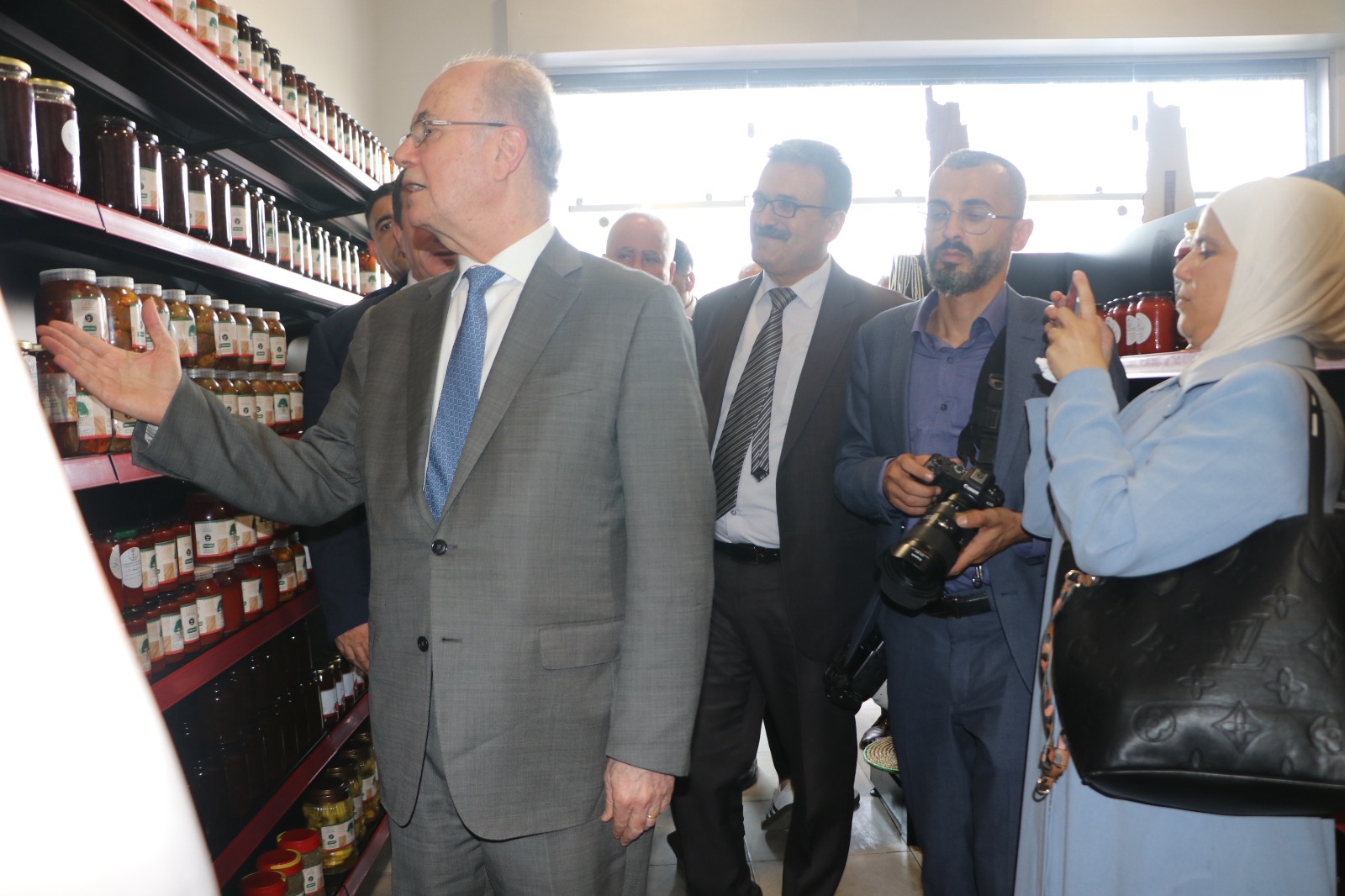
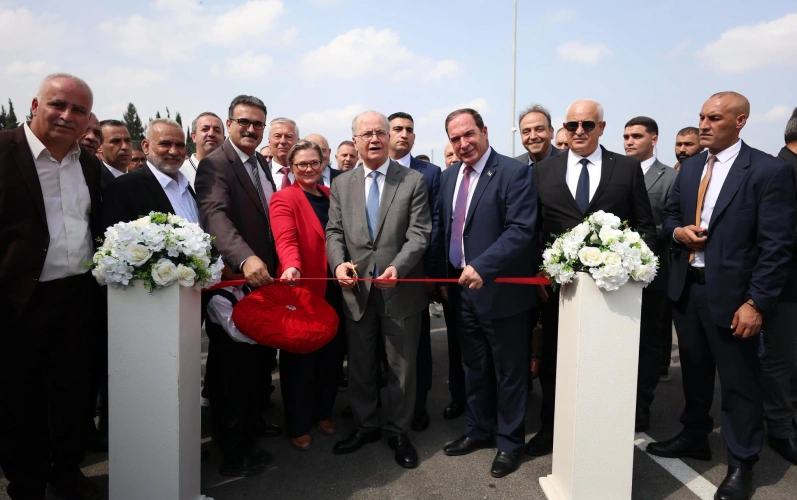
The central wholesale market for fruits and vegetables in Tulkarem Governorate was inaugurated this Monday under the patronage of Prime Minister Dr. Mohammad Mustafa, who attended the opening ceremony. The project is part of an initiative to complete the renovation and development of three central markets in the West Bank, implemented through a partnership between the Ministry of Agriculture, the Food and Agriculture Organization of the United Nations (FAO), and donor nations. The project aims to develop the agricultural marketing system, improve market access for produce, and expand economic opportunities for farmers and producers.
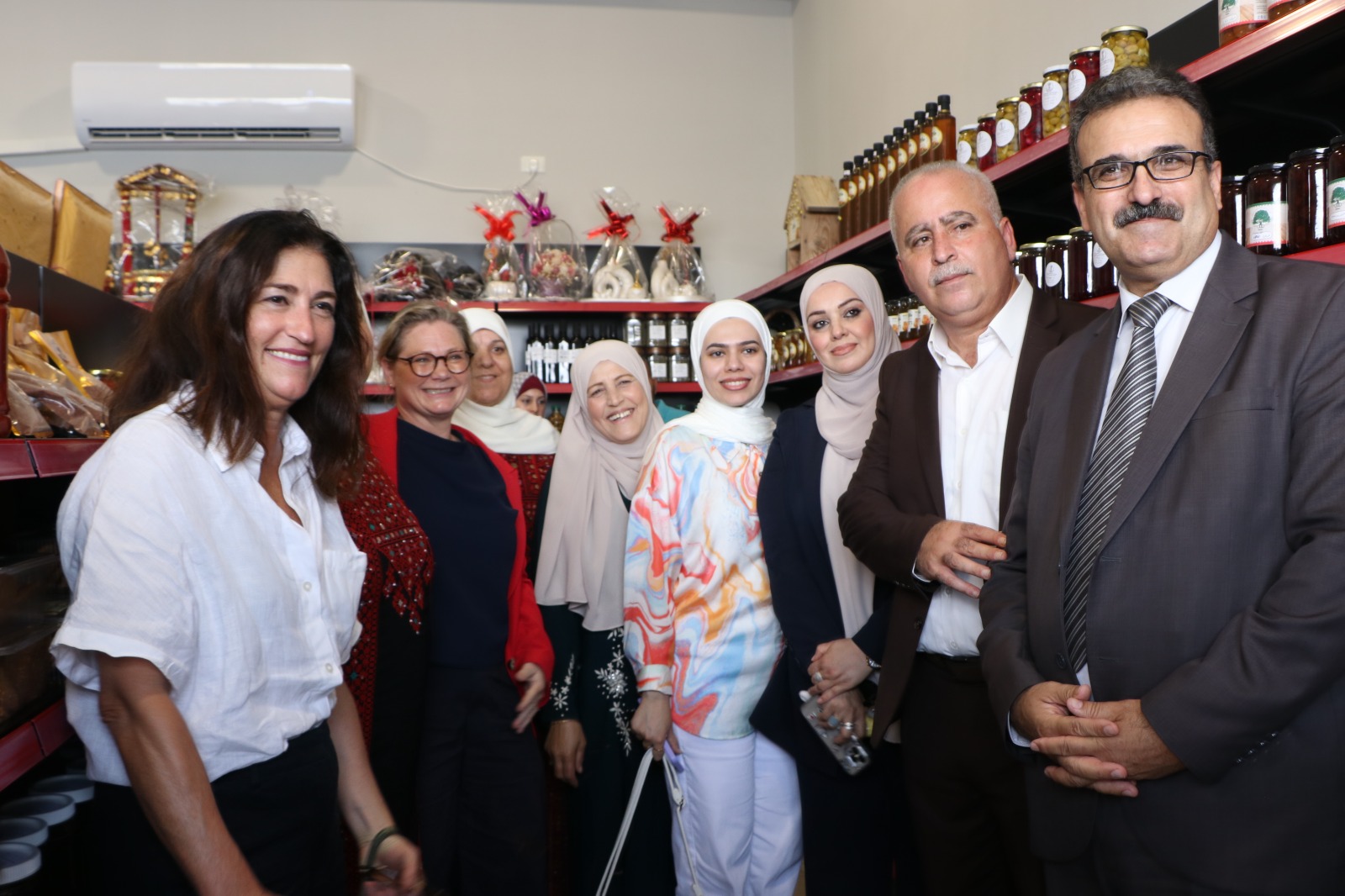
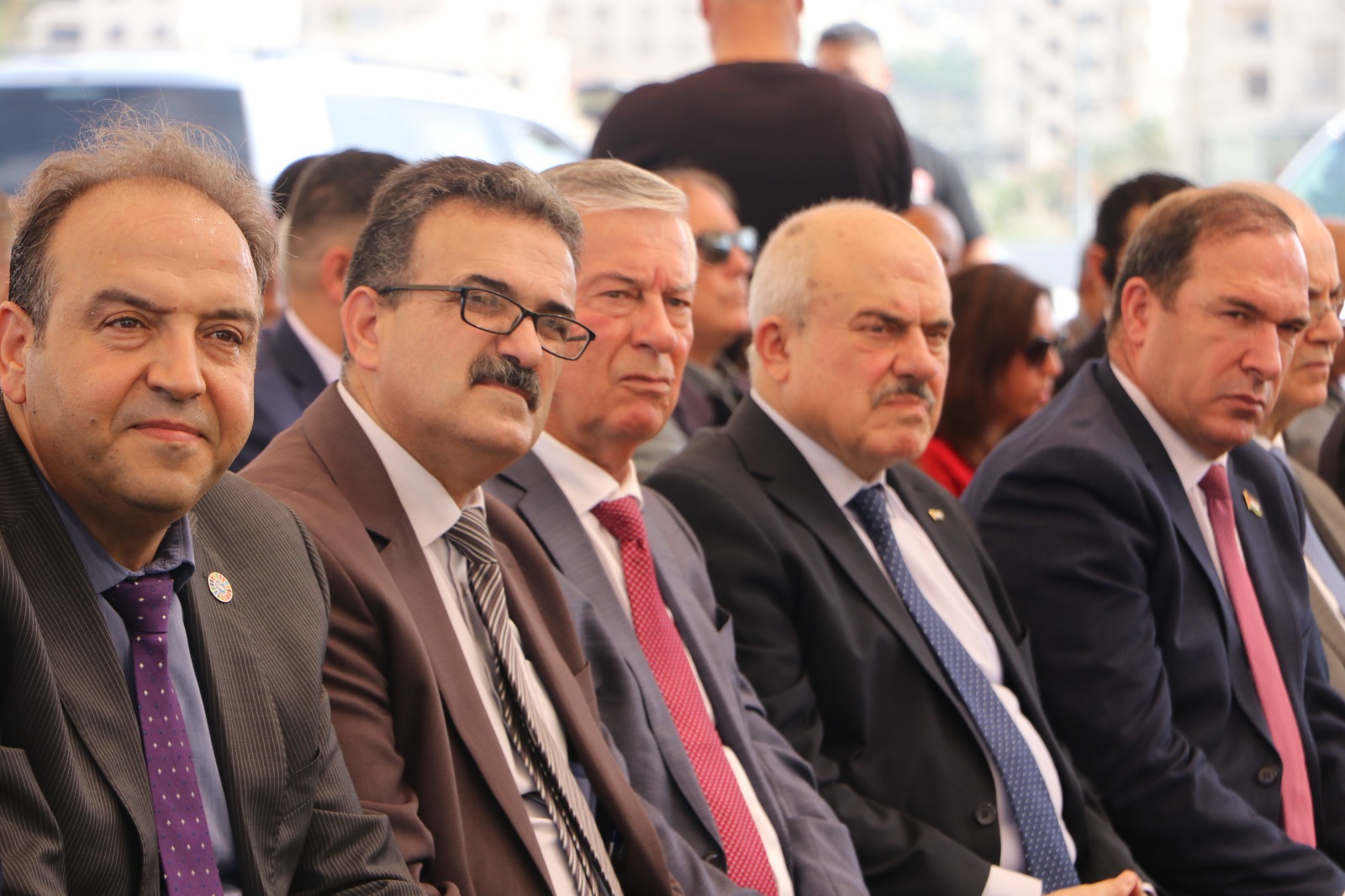
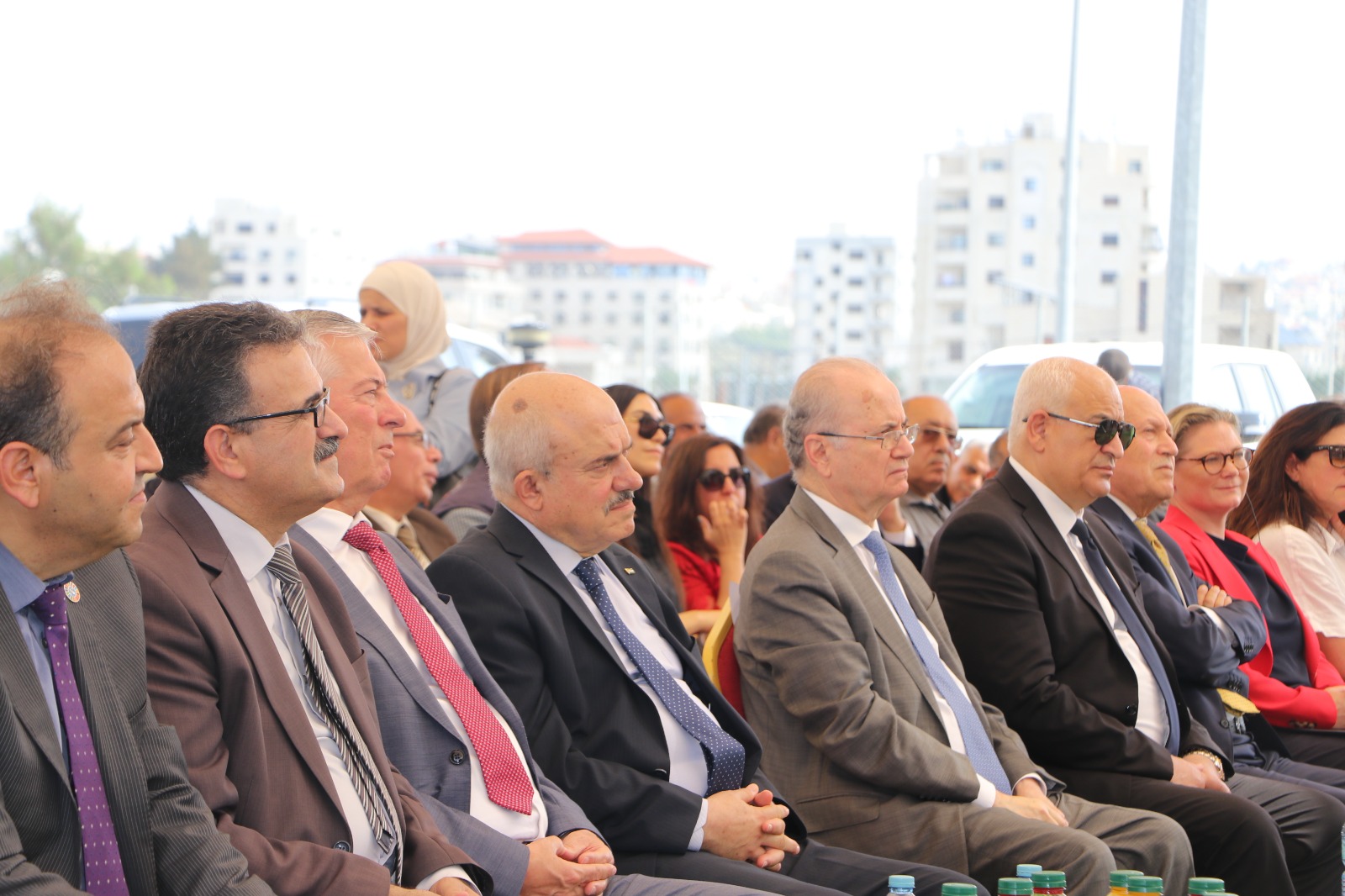
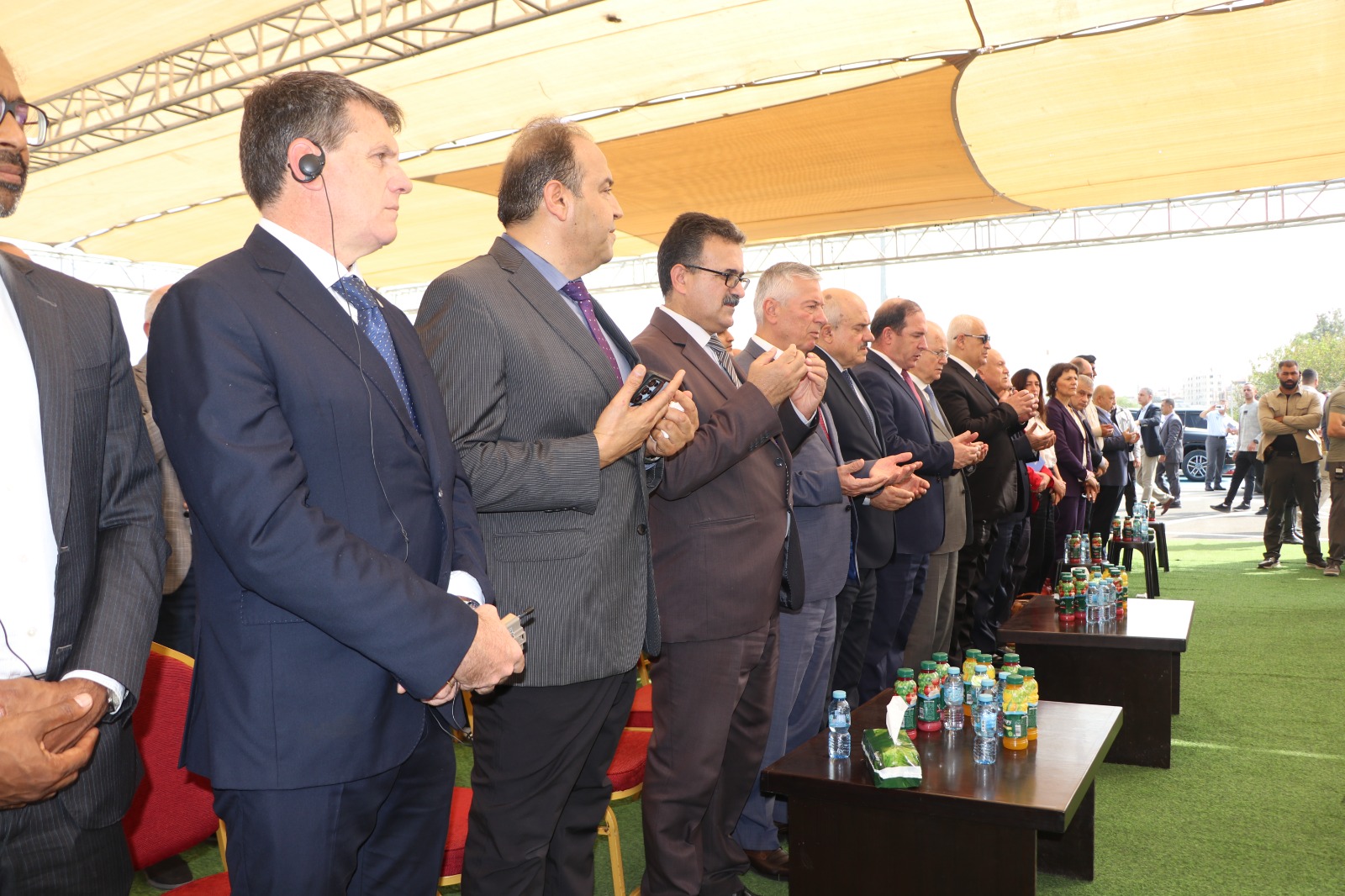
The opening ceremony was attended by Tulkarem Governor Abdullah Kamil; Ministry of Agriculture Undersecretary Eng. Badr Al-Hawamdeh; the Ambassador of the Kingdom of Denmark to the State of Palestine, Anne-Louise Klinkby; Tulkarem Deputy Mayor Nazem Al-Safarini; Acting Head of the FAO Program in the West Bank and Gaza Strip Dr. Azzam Saleh; and representatives from official and international institutions, partners, and donor agencies and group from Ministry of Agriculture staff. The Ministry of Agriculture affirms that the development of central markets is part of its efforts to strengthen the agricultural sector's infrastructure, improve marketing conditions for local produce, and create a more favorable environment for farmers, traders, and producers. These measures aim to reduce obstacles to crop marketing and enhance the agricultural sector's contribution to the national economy and food security.
For his part, the Ministry of Agriculture’s Undersecretary, Engineer Badr Al-Hawamdeh, emphasized that the market's opening offers a ray of hope for farmers—particularly in the Tulkarem Governorate, which faces mounting challenges due to encroachments on agricultural land and declining production and marketing capacities. He underscored the importance of developing central markets, upgrading their infrastructure, and facilitating farmers' access to these markets to market their produce.
Al-Hawamdeh explained that the project is valued at approximately $1.2 million per market. It is part of a broader program aimed at developing central markets in Tulkarm, Nablus, and Bethlehem, thereby improving the marketing system and expanding market access for agricultural products across the country's governorates.
He noted that the Ministry of Agriculture—under the directives of Minister Professor Rizq Slaimiya —continues to support farmers and bolster their resilience. This is achieved by overseeing agricultural and development projects, coordinating efforts with partners and donors, and leveraging technical and field resources to serve the agricultural sector. He also highlighted the pivotal role played by the Ministry’s staff in addressing agricultural needs and working to improve the services provided to farmers. Al-Hawamdeh valued the partnership with the FAO, donor nations, and relevant institutions, emphasizing the importance of continued cooperation to implement development projects that address the agricultural sector's needs, ensure production continuity, and create economic opportunities for farmers and producers.
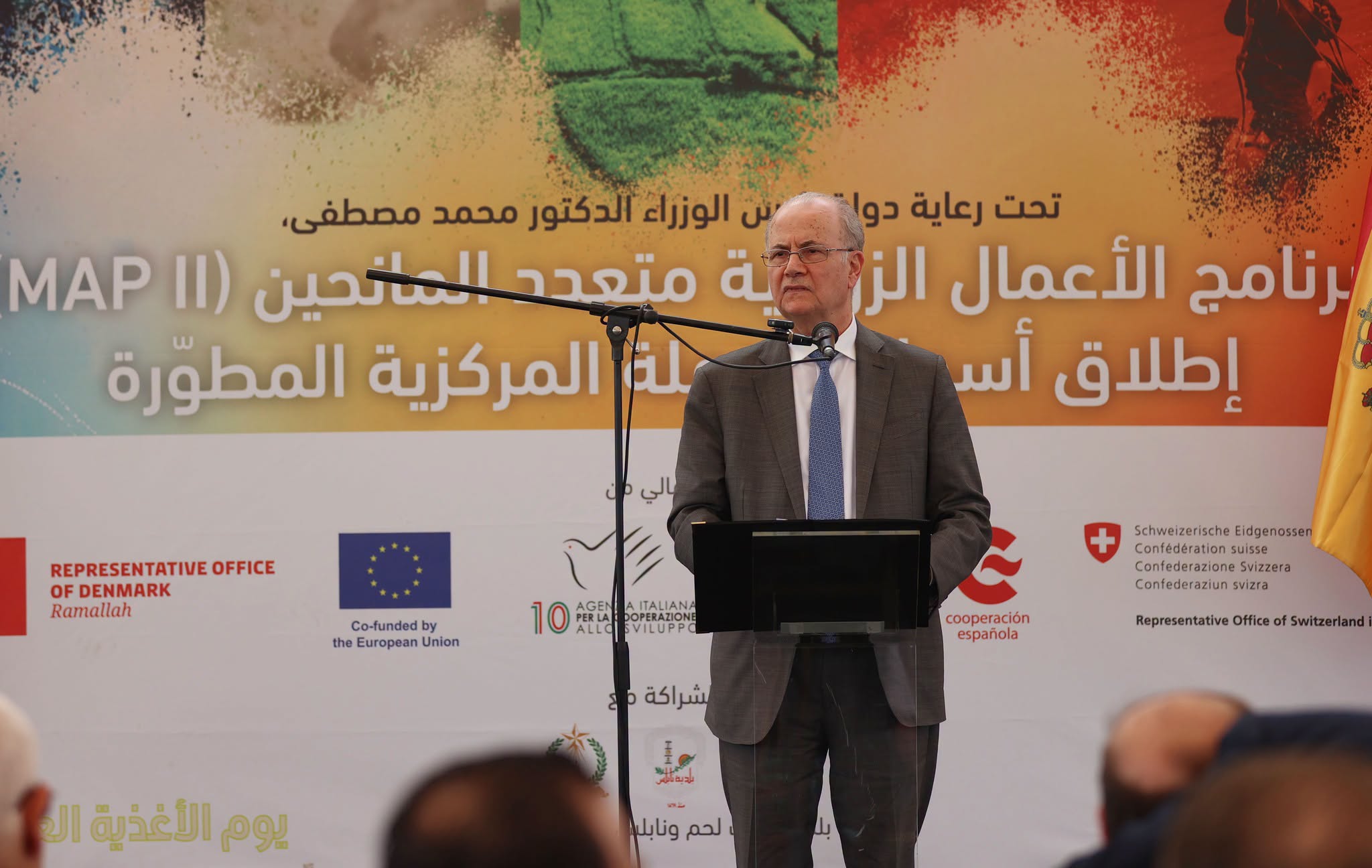
For his part, Prime Minister Mohammad Mustafa affirmed that the development of the central market in Tulkarem is part of the government's efforts to develop the agricultural sector and enhance its production and growth capacity, in partnership with the Ministry of Agriculture, farmers, the private sector, and international institutions. He stressed the importance of providing the essentials for living, job opportunities, and sources of livelihood that bolster citizens' resilience and their attachment to their land.
Tulkarem Governor Abdullah Kamil highlighted the exceptional circumstances facing the governorate, noting the destruction and bulldozing of agricultural lands, the denial of farmers' access to vast areas of their property, and the attacks targeting them, their olive trees, and their crops. He underscored the importance of development projects that support farmers, preserve their livelihoods, and strengthen their resilience.
Meanwhile, Azzam Saleh Issa, Head of the FAO program in the West Bank and Gaza Strip, explained that the opening of central markets in Tulkarm, Nablus, and Bethlehem was the culmination of over three years of work under the second phase of the multi-donor agricultural sector support program, backed by Denmark, the European Union, Spain, Italy, Switzerland, and Canada. Denmark’s Representative to the State of Palestine, Anne-Louise Klinke, reaffirmed her country’s continued support for the Palestinian agricultural sector. Meanwhile, Tulkarm Deputy Mayor Nazem Al-Safarini emphasized the importance of supporting farmers and developing agricultural markets, particularly in light of the challenges facing the governorate and the decline in agricultural land and production.
The opening of the market is part of a broader initiative to develop agricultural and marketing infrastructure in Palestine and to strengthen partnerships between government and international institutions. These efforts aim to bolster farmers' resilience, improve marketing opportunities for local produce, and contribute to building a productive and sustainable Palestinian economy.