Ramallah: 6/6/2026
This week witnessed a continued escalation in attacks by Israeli occupation forces and settlers, including land bulldozing, uprooting of trees, assaults on farmers, settlement expansion, and the imposition of additional restrictions on citizens' movement and access to their lands and sources of livelihood. At the same time, the Israeli government, through cabinet decisions and various official bodies, continues to implement measures aimed at strengthening control over occupied Palestinian land and expanding the settlement project, in violation of international law and international legitimacy resolutions.
These ongoing practices and violations target not only the land itself but also the Palestinian presence in its national, economic, and social dimensions, and seek to undermine prospects for peace and stability in the region.
Field data from this week confirms the continuation of a systematic escalation affecting various Palestinian governorates, particularly areas classified as Area C and agricultural lands adjacent to settlements and settlement outposts.
In this context, the Palestinian Ministry of Agriculture reaffirms its commitment to documenting violations against the Palestinian agricultural sector, monitoring their effects on farmers, land, trees, and livestock, and working with local and international partners to convey the reality of these events to the international community, thereby contributing to the protection of our people's rights, preservation of natural resources, and strengthening their steadfastness on their land.
The following are the most significant violations documented during the past week.
Documented Damages and Losses
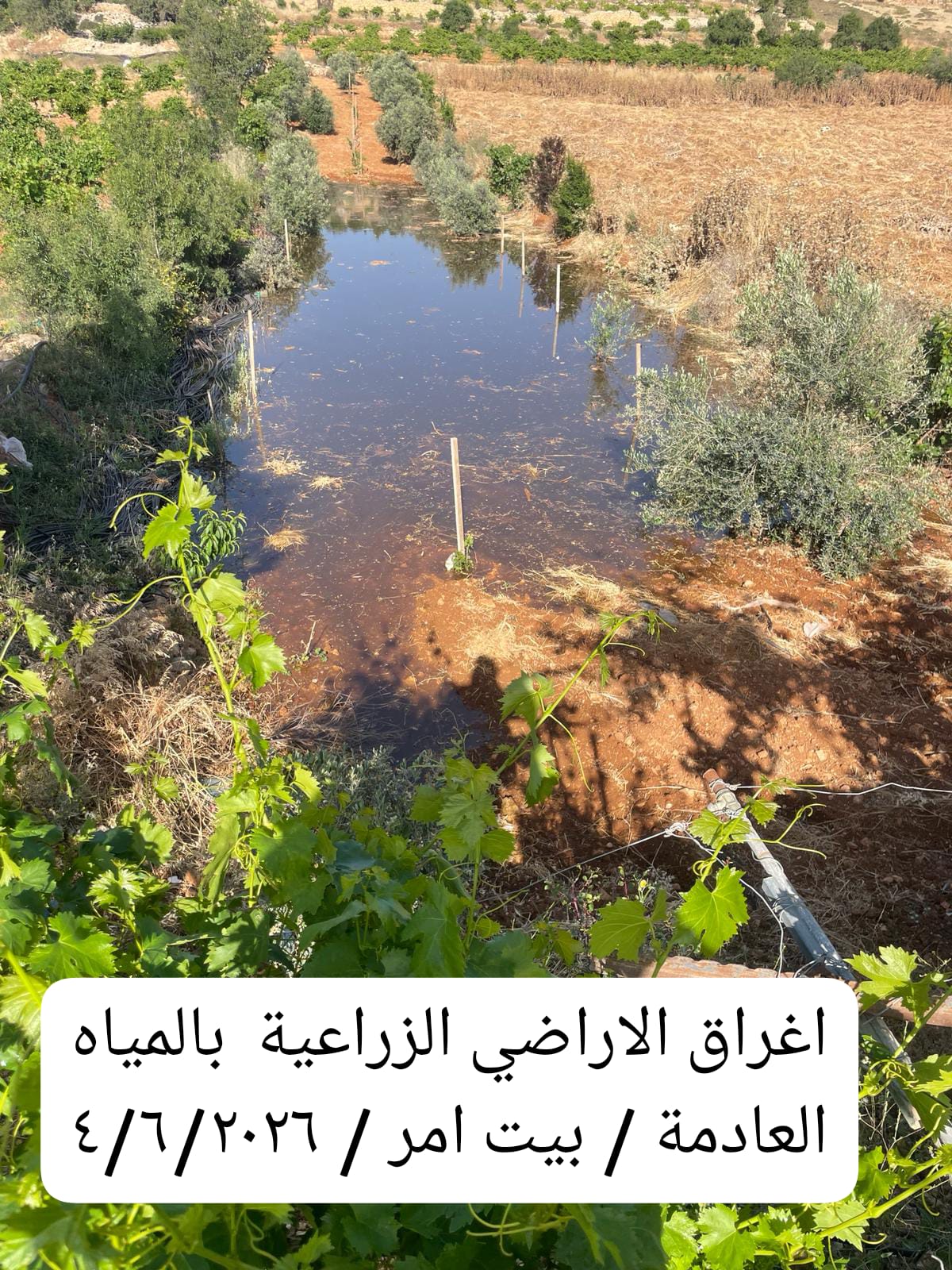
The Ministry of Agriculture's teams documented the direct losses resulting from these attacks through the Emergency Damage Assessment System (Al-Watira). The value of direct losses that field teams were able to access and document during the past week amounted to approximately US$2,896,990.
Distribution of Direct Losses by Governorate (24 May – 4 June 2026)
| Governorate |
Losses (USD) |
| Jericho |
300,467 |
| Hebron |
158,010 |
| Jerusalem |
630 |
| Bethlehem |
79,160 |
| Jenin |
131,575 |
| Ramallah |
1,616,428 |
| Salfit |
377,100 |
| Tubas |
20,000 |
| Qalqilya |
213,620 |
| Total |
2,896,990 |
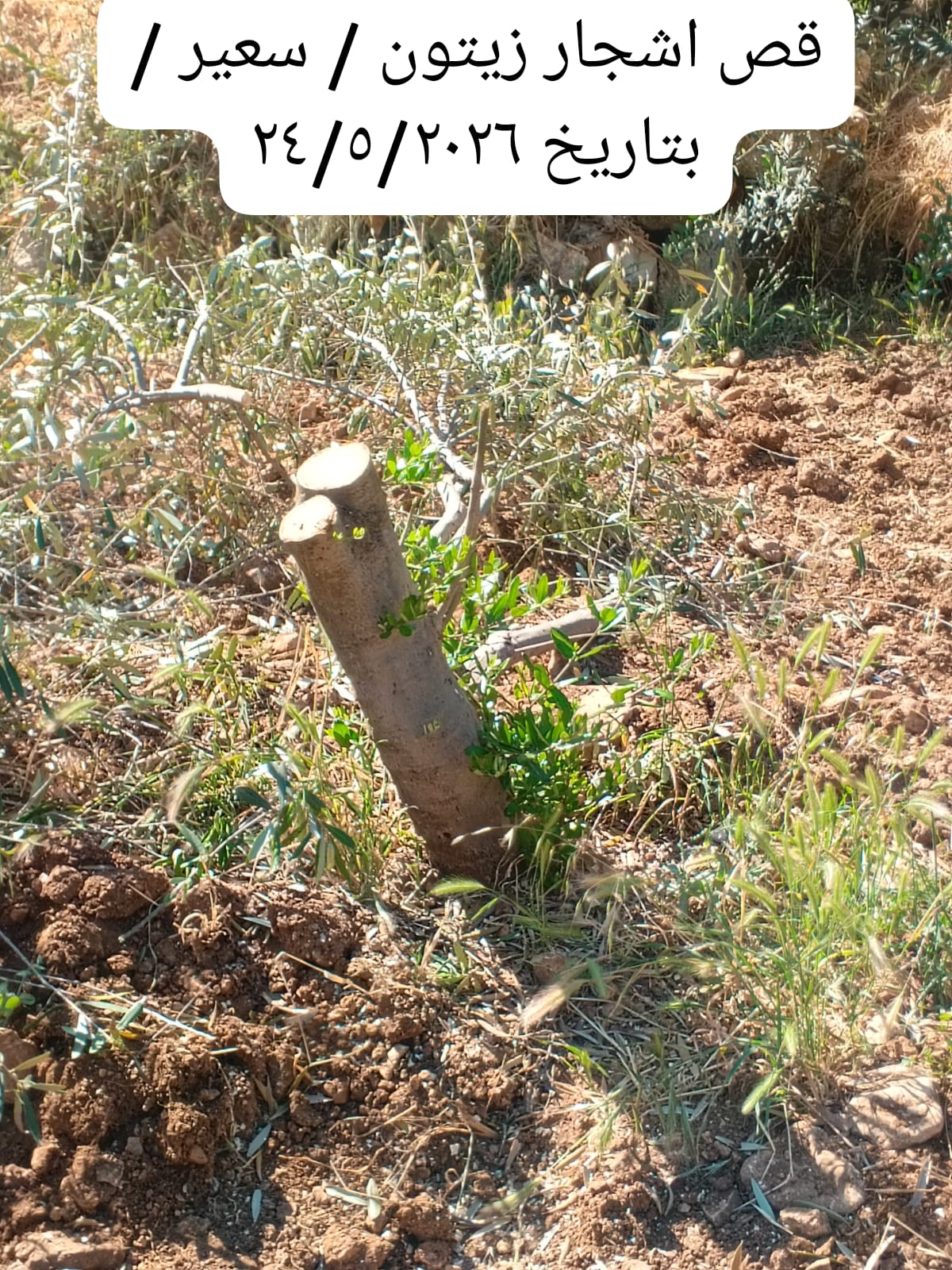
Olive Trees Damaged Due to Israeli Violations (Last Week of May – 4 June 2026)
| Governorate |
Damaged Olive Trees |
Damage Value (USD) |
| Hebron |
18 |
5,400 |
| Bethlehem |
56 |
34,300 |
| Jenin |
657 |
116,100 |
| Ramallah |
2,448 |
1,610,830 |
| Salfit |
48 |
359,550 |
| Qalqilya |
254 |
184,100 |
| Total |
3,842 |
2,310,280 |
During the reporting period, approximately 342 sheep of local and Assaf breeds were documented as stolen. Most thefts occurred in the Ein ad-Duyuk area of Jericho Governorate, in addition to the theft of 12 sheep in the town of Sinjil.
Summary of Damages by Governorate
Hebron Governorate
Settlers continued attacks on the agricultural sector, including:
Khallet Al-Natsheh
- Partial destruction of 10 dunums planted with open-field vegetables.
- Bulldozing of 280 m² of retaining walls.
- Confiscation of 3 dunums of land.
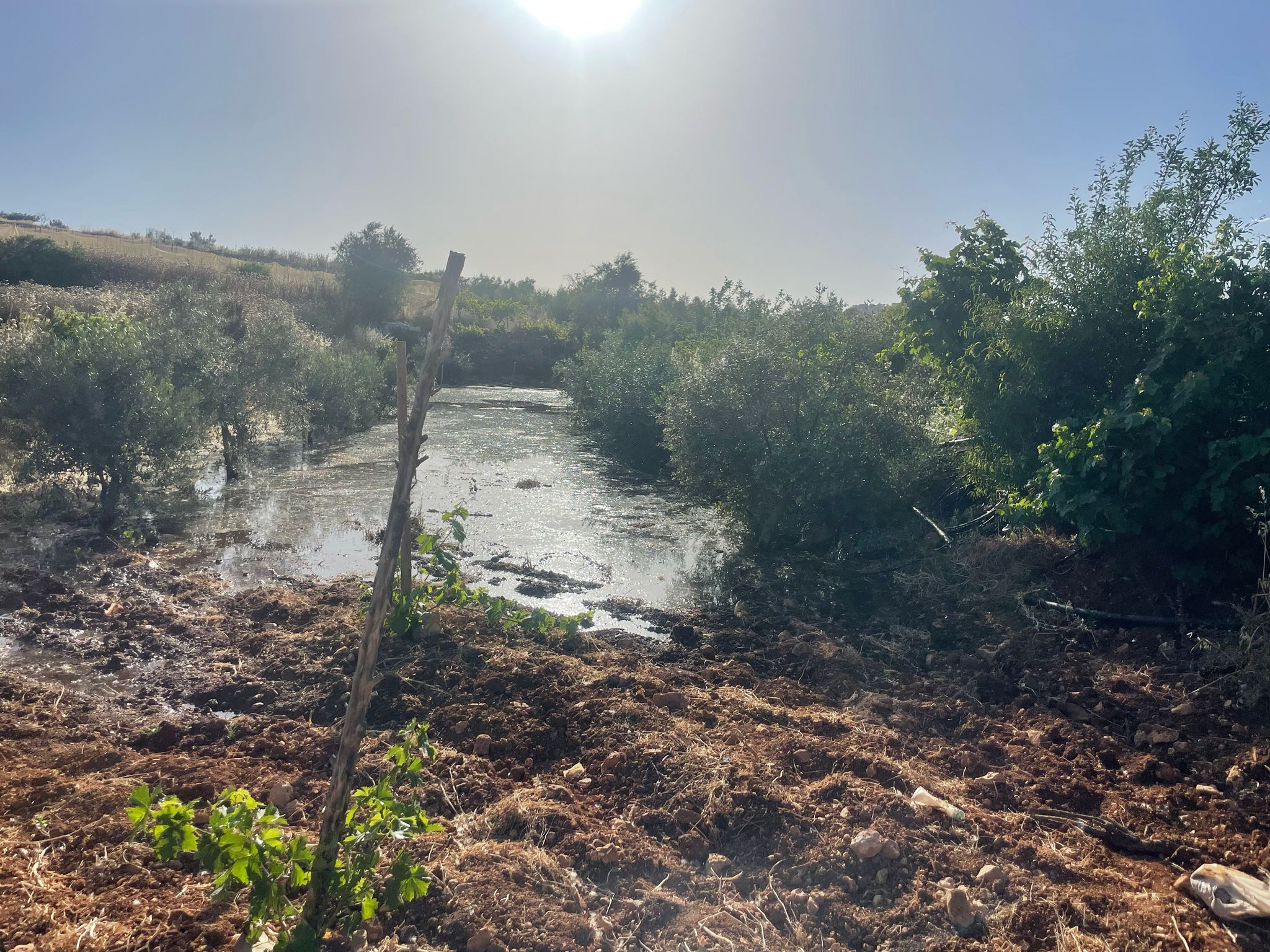
- Destruction of irrigation networks serving 7 dunums.
Beit Ummar
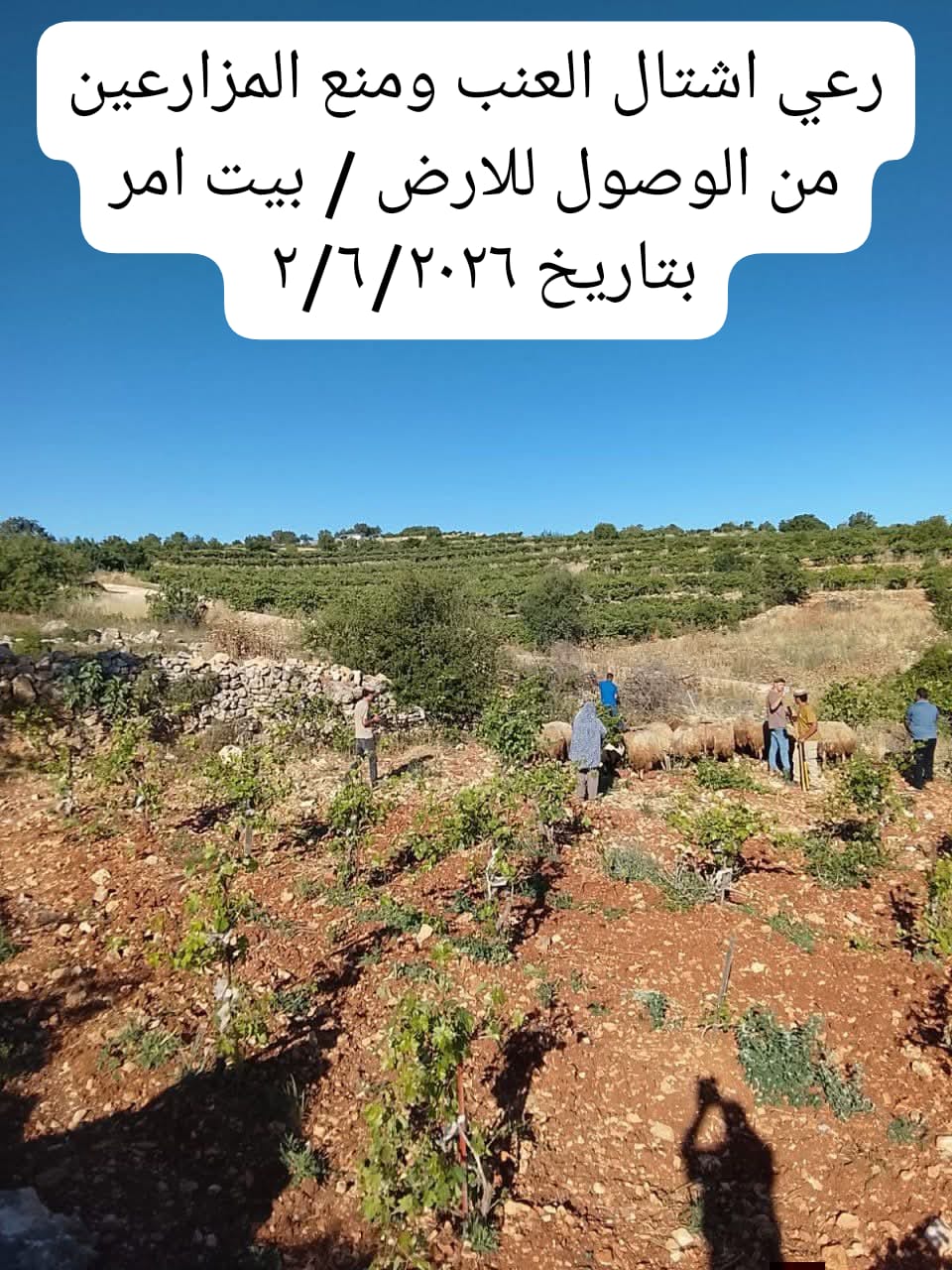
- Farmers prevented from accessing 30 dunums of land.
- Uprooting of 500 grapevines aged 6–10 years.
- Bulldozing of 20 dunums of agricultural soil.
- Destruction of retaining walls over 50 meters.
Tarqumiya
- Uprooting of 8 olive trees aged 20 years.
- Uprooting of 10 grapevines aged 5 years.
- Bulldozing of 70 m² of retaining walls.
- Demolition of a water well with a capacity of 150 cubic meters.
- Destruction of a 7 m² metal structure.
Halhul
- Uprooting of 10 olive trees aged 20 years.
Jericho Governorate
Al-Auja
- Destruction of 180 dunums planted with wheat and barley.
- Destruction of 1,000 meters of water lines.
Ein A-Duyuk
- Destruction of a 25 m² livestock shed.
- Theft of 330 sheep.
- Confiscation and theft of 250 liters of fertilizer.
- Destruction of 5 tons of baled hay.
Jerusalem Governorate
Za'ayyem
- Bulldozing of a 10 m² concrete agricultural room with a zinc roof.
Bethlehem Governorate
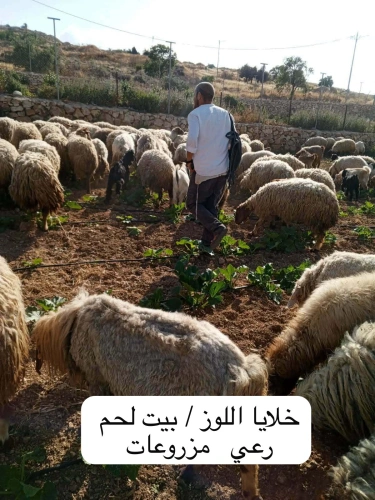
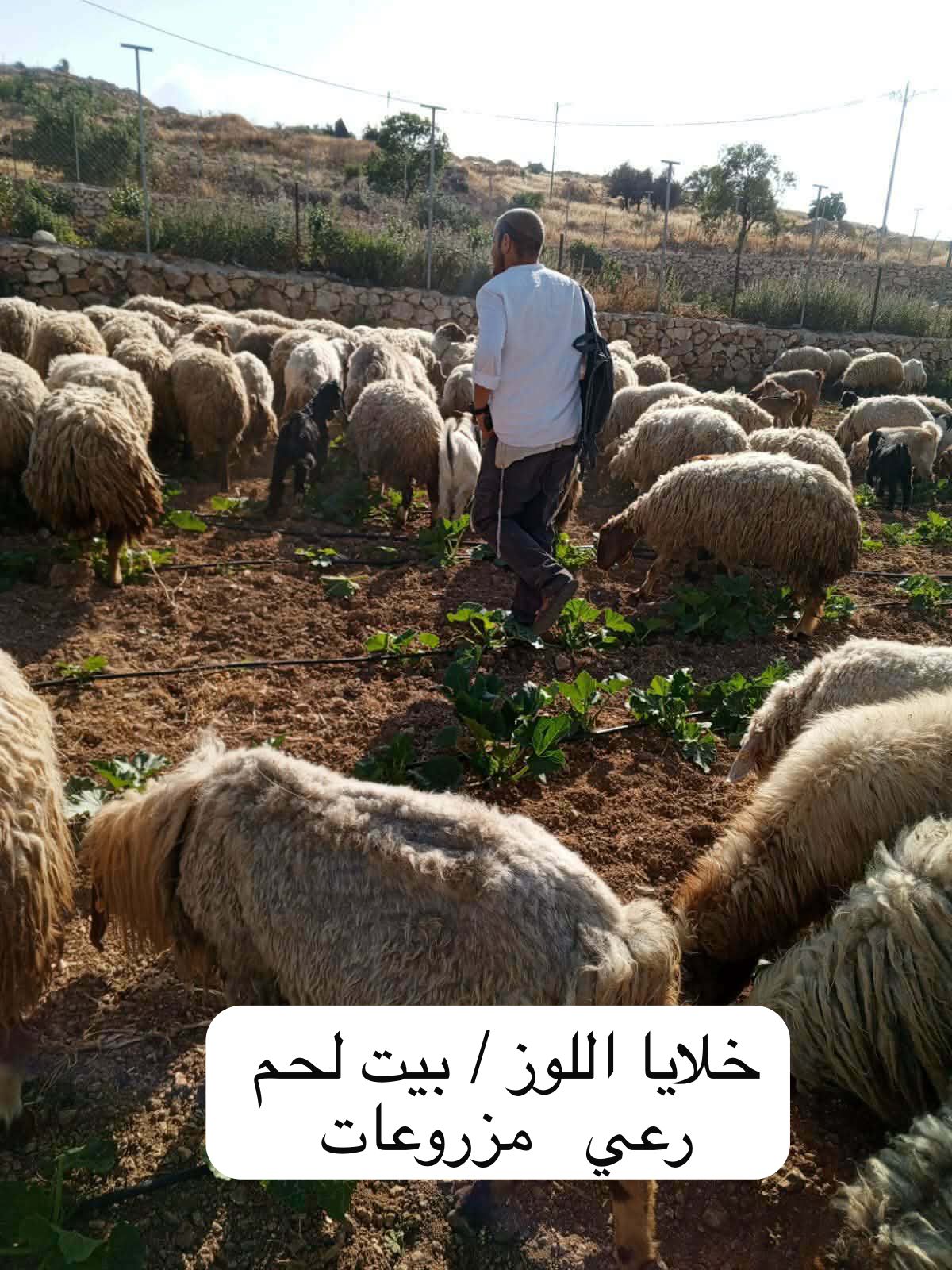
Khallet Al-Louz
- Destruction of 6 dunums of open-field vegetables.
- Bulldozing of retaining walls extending 15 meters.
- Cutting and breaking of 30 grapevines.
- Destruction of 1,000 meters of 75 mm plastic pipes.
- Bulldozing of 25 meters of fencing.
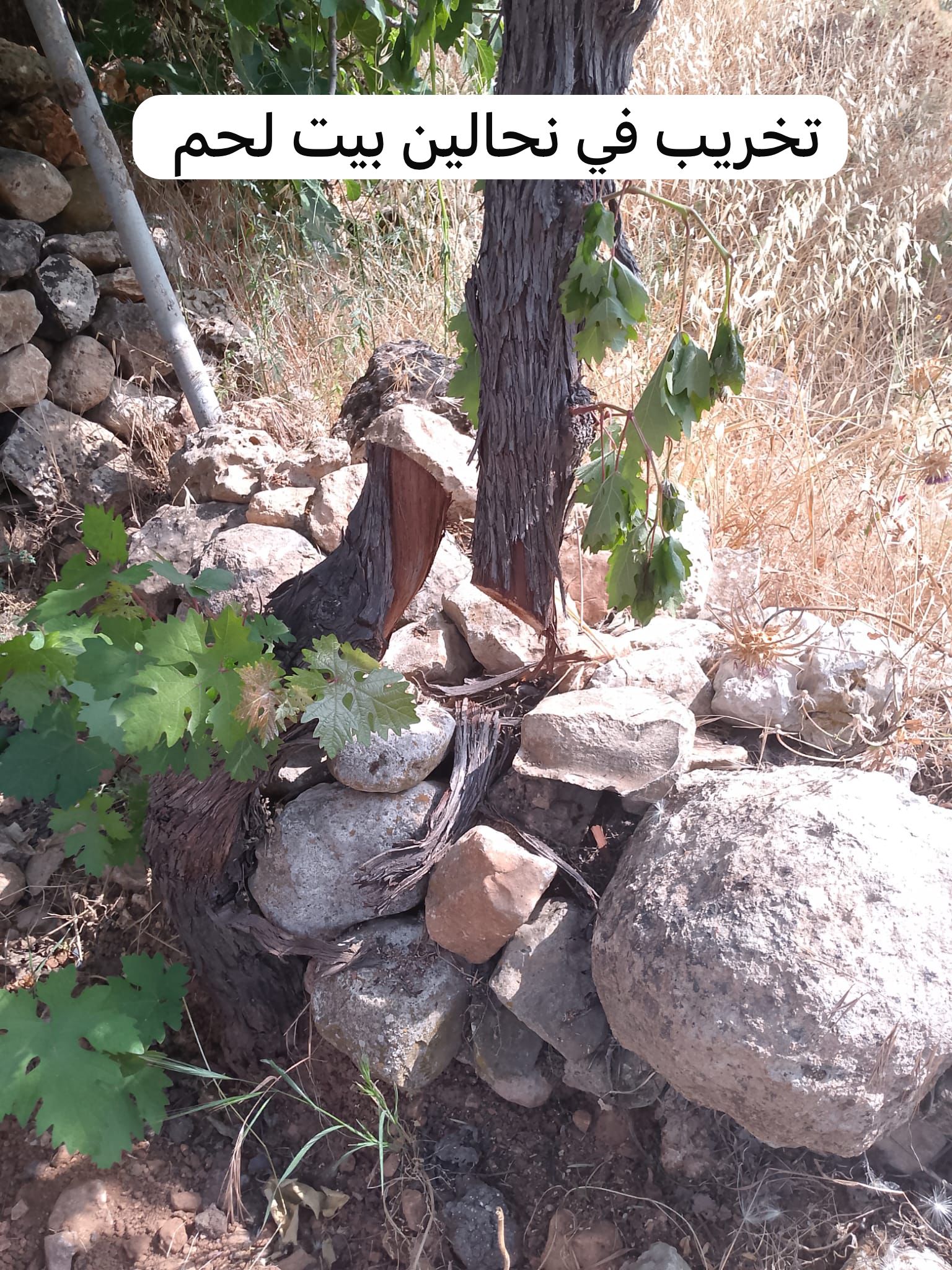
Nahalin
- Uprooting of 100 grapevines aged 11 years.
- Uprooting of 56 olive trees aged 41 years.
Jenin Governorate
Al-Funduqomiya
- Uprooting of 12 olive trees aged 40 years.
Deir Abu Da'if
- Uprooting of 377 olive trees aged 6–10 years.
- Bulldozing of 5 dunums of agricultural soil.
- Damage to 250 meters of wire fencing.
Rummanah
- Farmers prevented from accessing 6 dunums of land.
Anin
- Destruction of 15 dunums of vetch and bitter vetch crops.
- Uprooting of 23 fruit-bearing olive trees.
Arabuna
- Uprooting of 50 mature olive trees.
- Uprooting of 250 grapevines.
Ajjah
- Uprooting of 23 olive trees aged 50 years.
Ramallah Governorate
Turmus Ayya
- Uprooting of 2,448 olive trees aged 20–50 years.
- Destruction of 3 solar panels.
- Theft of 12 sheep.
Salfit Governorate
Iskaka
- Uprooting of 30 olive trees aged 50–100 years.
Bruqin
- Uprooting of 16 olive trees aged 40–100 years.
Deir Istya
- Cutting and breaking of 15 olive trees aged 40 years.
Salfit
- Uprooting of 245 olive trees in various locations, aged 10–100 years.
Kafr A-Dik
- Bulldozing of 3 agricultural rooms totaling 95 m².
- Cutting and breaking of 35 mature Roman olive trees.
Yasuf
- Cutting and breaking of 8 almond trees aged 10 years.
- Cutting and breaking of 120 mature olive trees.
- Cutting and breaking of 8 grapevines aged 6–10 years.
Tubas Governorate
Al-Hamma
- Destruction of 20 dunums planted with wheat and barley.
Al-Farisiya
- Destruction of 400 meters of 160 mm PVC water line.
- Destruction of 6 tons of baled hay.
Qalqilya Governorate
Nabi Ilyas
- Uprooting of 10 avocado trees older than 11 years.
- Uprooting of 2 citrus trees aged 6–10 years.
- Uprooting of 7 olive trees aged 20 years.
- Uprooting of 10 grapevines aged 6 years.
- Bulldozing of 100 meters of fencing.
- Bulldozing of two agricultural rooms totaling 50 m².
- Destruction of 50 meters of water lines.
- Damage to an irrigation network serving 1.5 dunums.
Azzun
- Uprooting of 10 almond trees older than 20 years.
- Uprooting of 97 mature olive trees.
- Bulldozing of 897 meters of retaining walls.
Kafr Thulth
- Uprooting of 50 almond trees aged 10 years.
- Cutting and breaking of 150 olive trees aged 10–30 years.
- Bulldozing of 200 m² of retaining walls.
- Demolition of a 50-cubic-meter well.
Impact on the Palestinian Agricultural Sector (24 May – 4 June 2026)
- Direct targeting of fruit trees: 3,842 olive trees were damaged, valued at over US$2.31 million, in addition to hundreds of grape, almond, citrus, and avocado trees being uprooted or destroyed, resulting in productivity losses that will extend for years.
- Undermining food security: More than 225 dunums of wheat, barley, fodder crops, and vegetables were destroyed, reducing local production and increasing farmers' dependence on purchased feed and agricultural products.
- Impact on livestock production: The theft of 342 sheep and destruction of feed and hay threaten the livelihoods of herding families and reduce livestock production.
- Depletion of water resources: Water wells, irrigation networks, and water lines totaling more than 2,450 meters were destroyed, worsening the agricultural water crisis.
- Destruction of agricultural infrastructure: Agricultural rooms, sheds, retaining walls, and agricultural fences were bulldozed or destroyed, increasing rehabilitation and production costs.
- Restricted access to agricultural lands: Farmers were denied access to dozens of dunums, leading to the loss of entire agricultural seasons and disruption of cultivation and harvesting activities.
- Accelerated land seizure: Attacks were accompanied by land leveling, confiscation, and targeting of lands near settlements and settlement outposts, threatening the reduction of Palestinian agricultural areas.
- Weakening rural resilience: Major losses in trees, livestock, and facilities have reduced agricultural household incomes and increased the risk of forced displacement.
- High economic losses: Direct documented losses reached US$2,896,990, excluding indirect losses from future production losses and disrupted agricultural activity.
- Targeting Palestinian agricultural identity: Attacks increasingly focus on ancient olive trees, which are both a national symbol and a key economic resource, in an apparent effort to weaken farmers' connection to their land and undermine the Palestinian presence in rural areas.
Overall Impact
These violations demonstrate that the targeting is no longer limited to agricultural property alone but extends to the entire Palestinian agricultural production system—land, water, trees, livestock, and agricultural infrastructure—threatening food security and weakening farmers' ability to remain on and cultivate their land.
In light of the ongoing escalation of Israeli attacks against the Palestinian agricultural sector and the systematic targeting of agricultural lands, fruit trees, water resources, livestock, and agricultural infrastructure, the Ministry of Agriculture appeals to the international community—including UN agencies, humanitarian and human rights organizations, and the High Contracting Parties to international humanitarian law treaties—to take urgent and effective action to halt these escalating violations, which directly threaten Palestinian food security and the livelihoods of thousands of farming families.
The Ministry stresses that the targeting of farmers and their lands is no longer limited to isolated incidents but has become part of an organized policy linked to settlement expansion, pastoral outposts, and restrictions on access to agricultural lands and grazing areas, threatening the Palestinian presence in rural areas and undermining resilience on the land.
The Ministry of Agriculture Calls For:
- Urgent international protection for Palestinian farmers and guarantees of safe access to their lands and livelihoods, especially in areas targeted by settler attacks and pastoral settlement outposts.
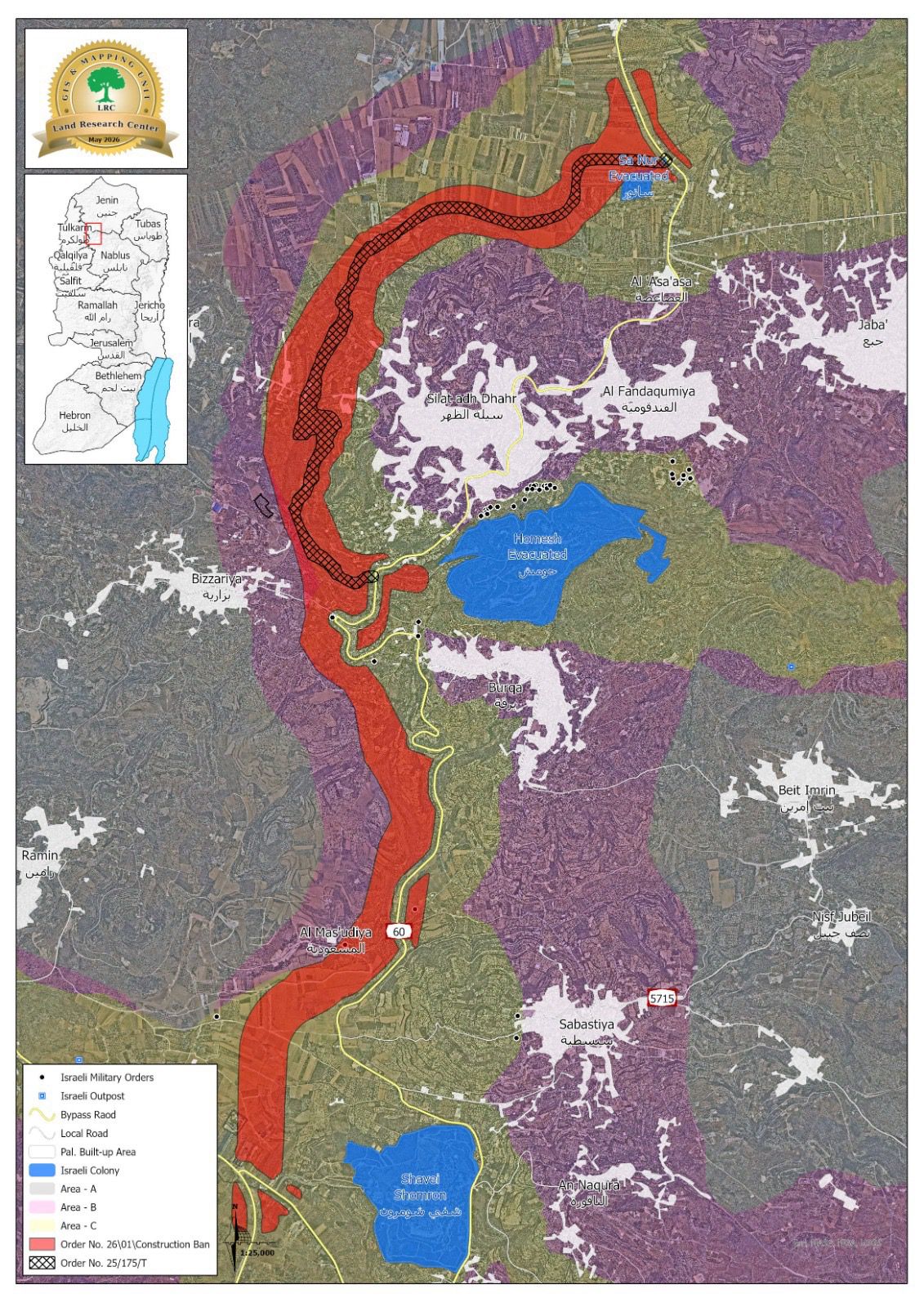
- Pressure on Israeli authorities to halt settlement expansion policies, land seizure orders, notices, and demolitions targeting Palestinian agricultural lands and facilities.
- The dispatch of international and technical fact-finding missions to monitor and document damages and violations affecting the agricultural sector and ensure accountability under international law.