Notification
حظر استيراد كافة أنواع الطيور الحية الداجنة والبرية وطيور الزينة وبيض التفقيس والصيصان عمر يوم ومخلفاتها الغير معاملة حراريا من تركيا ولحين استقرار الوضع الصحي

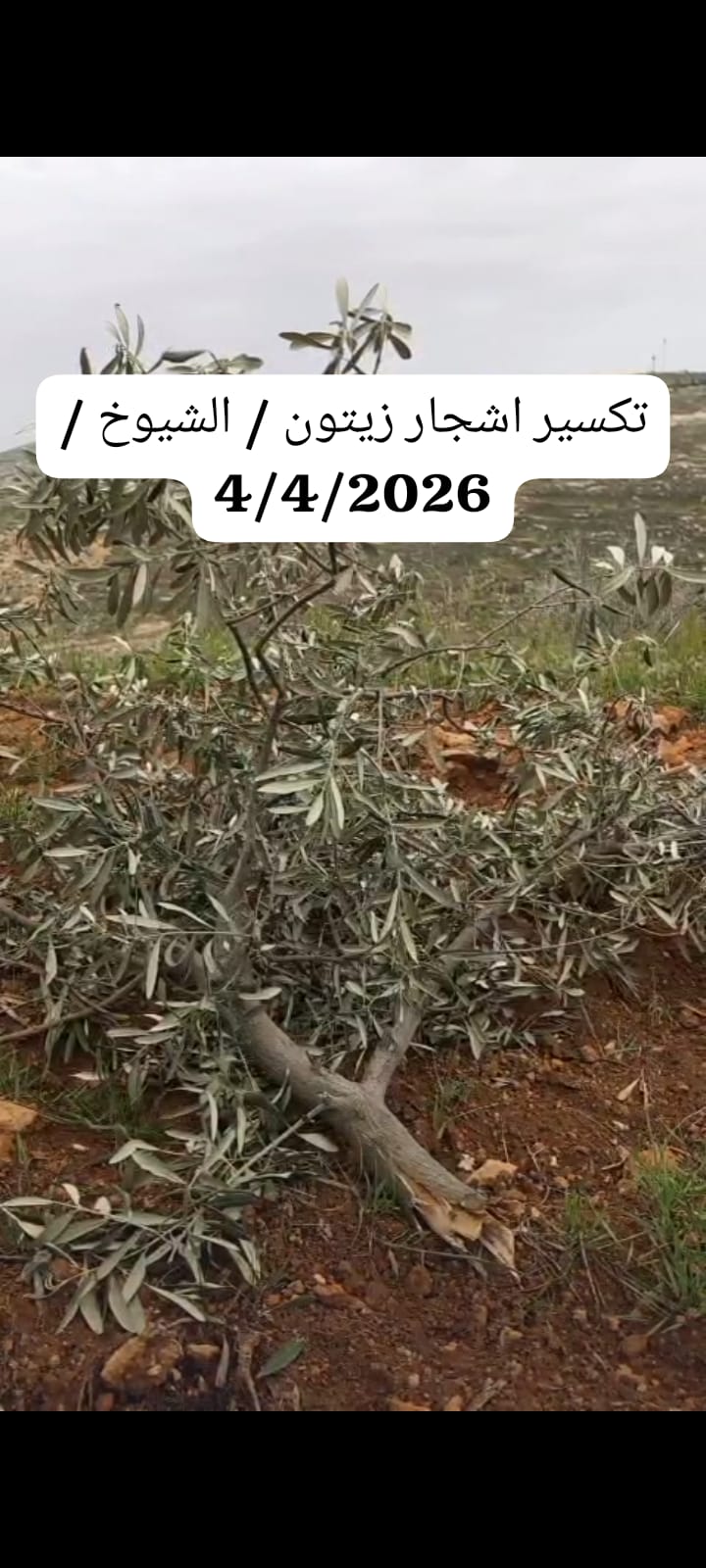
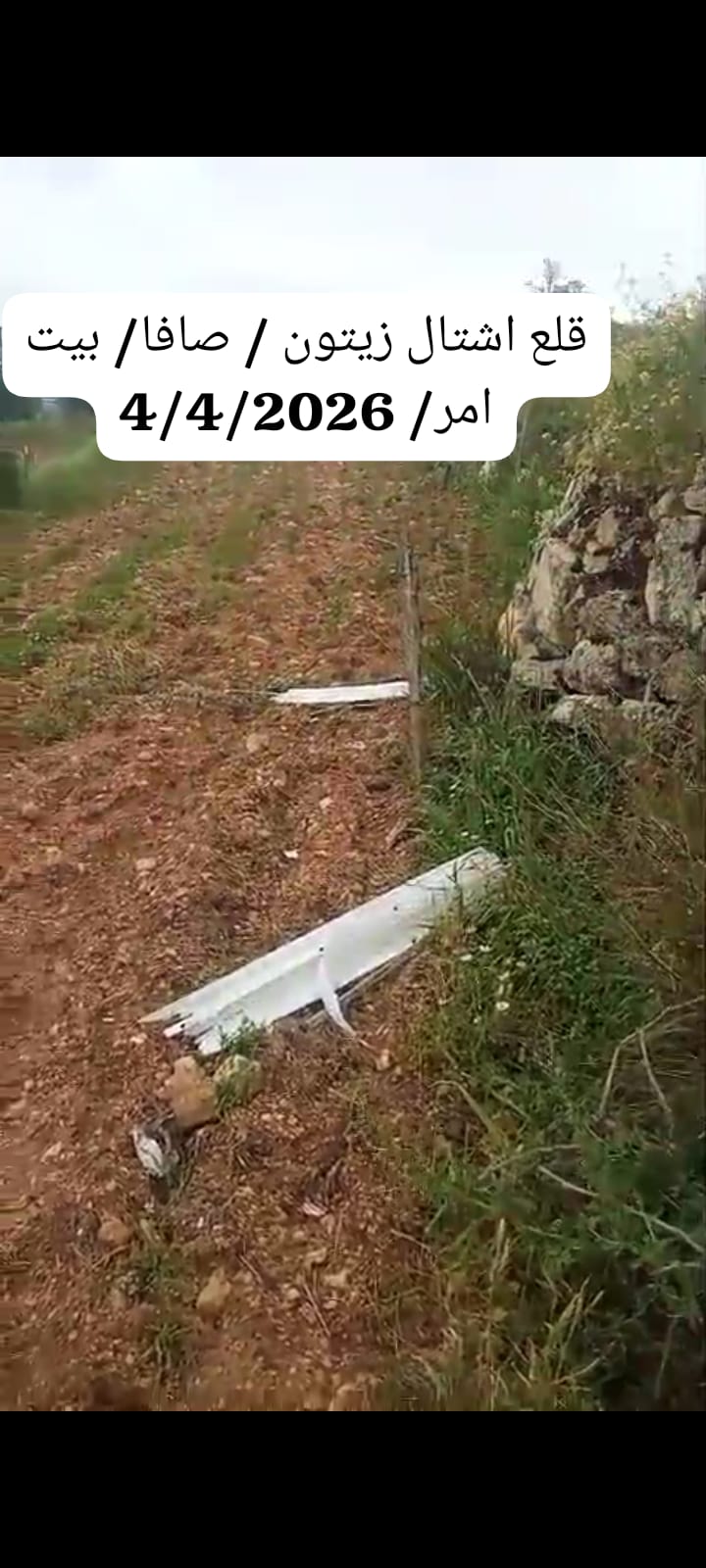
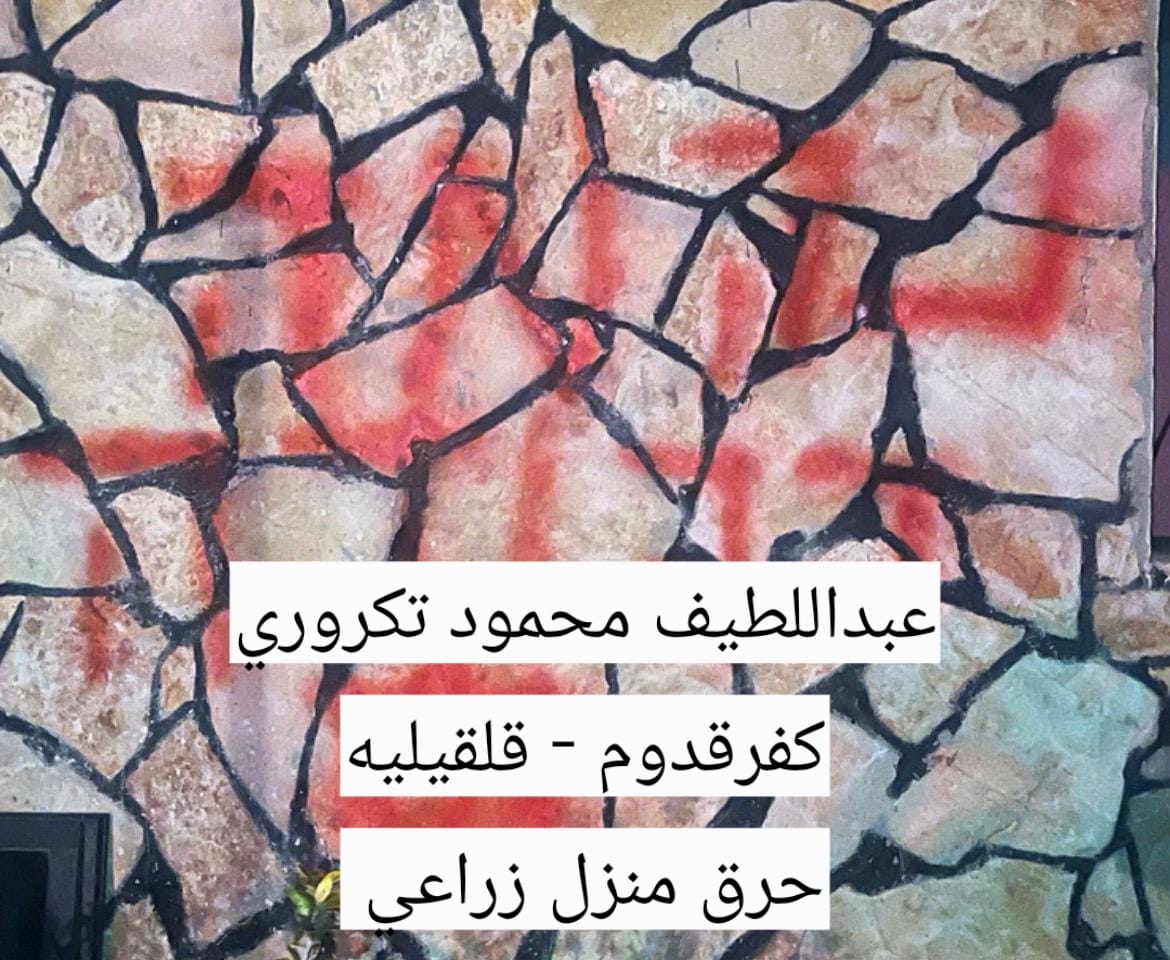
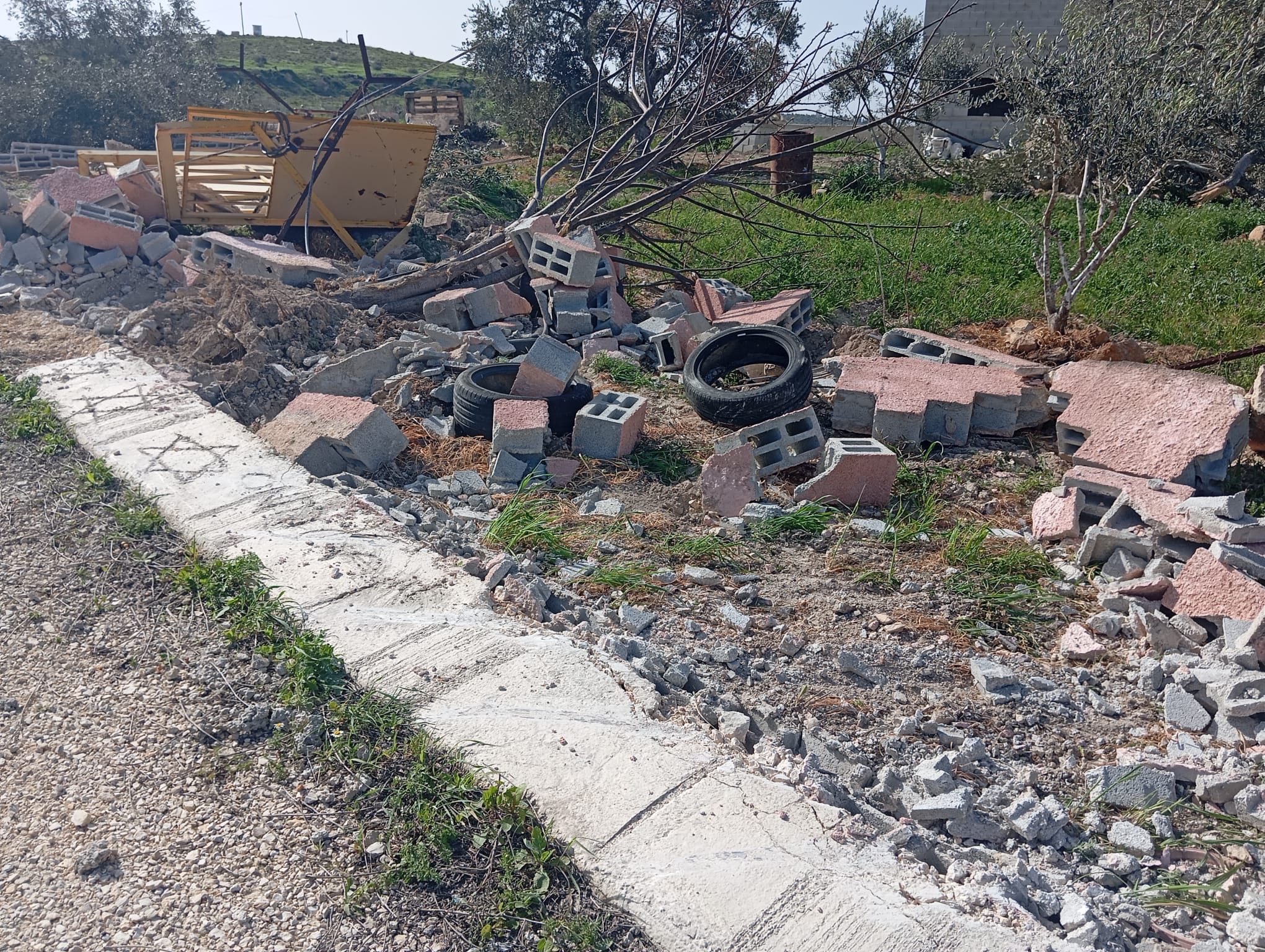
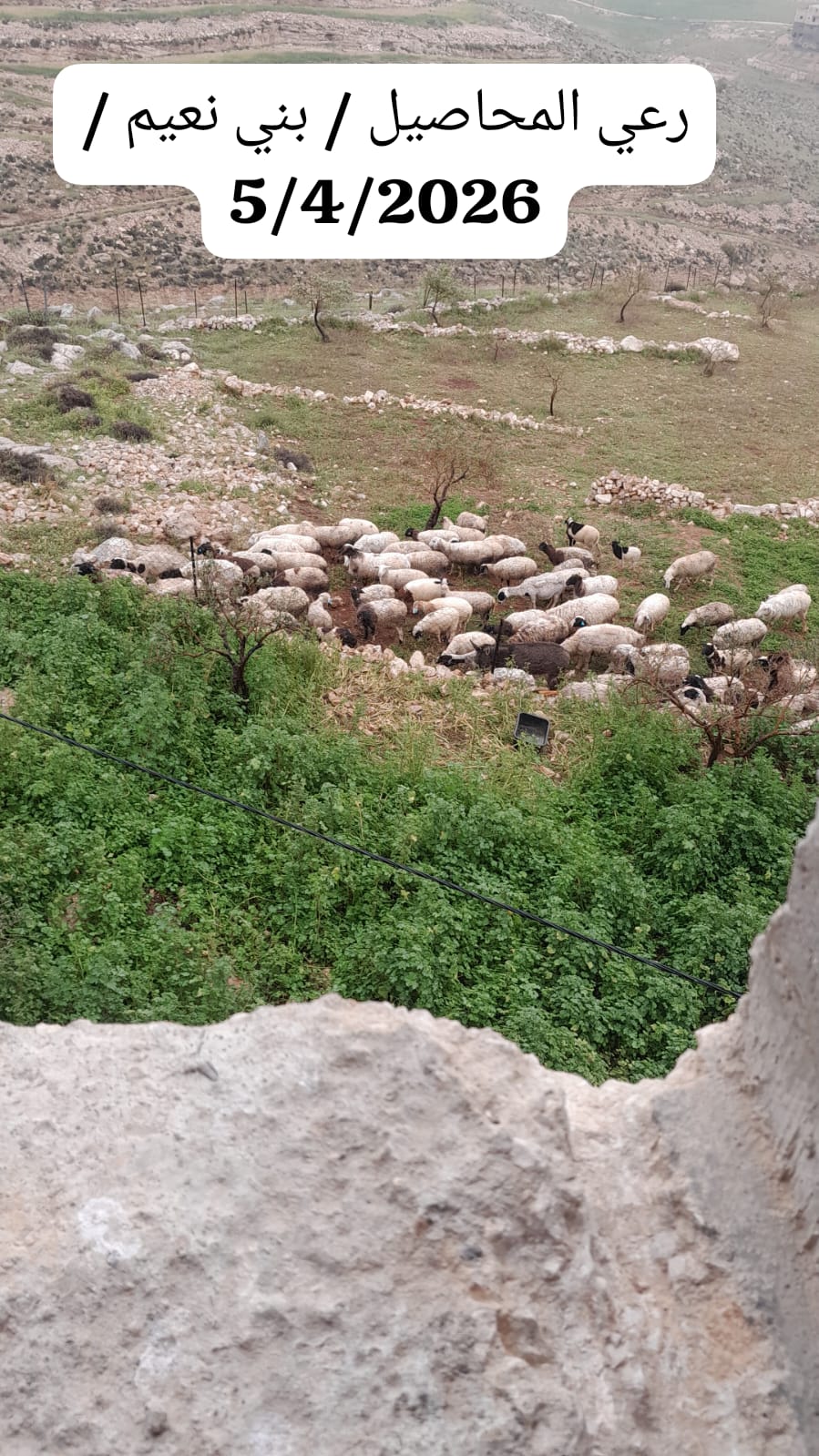
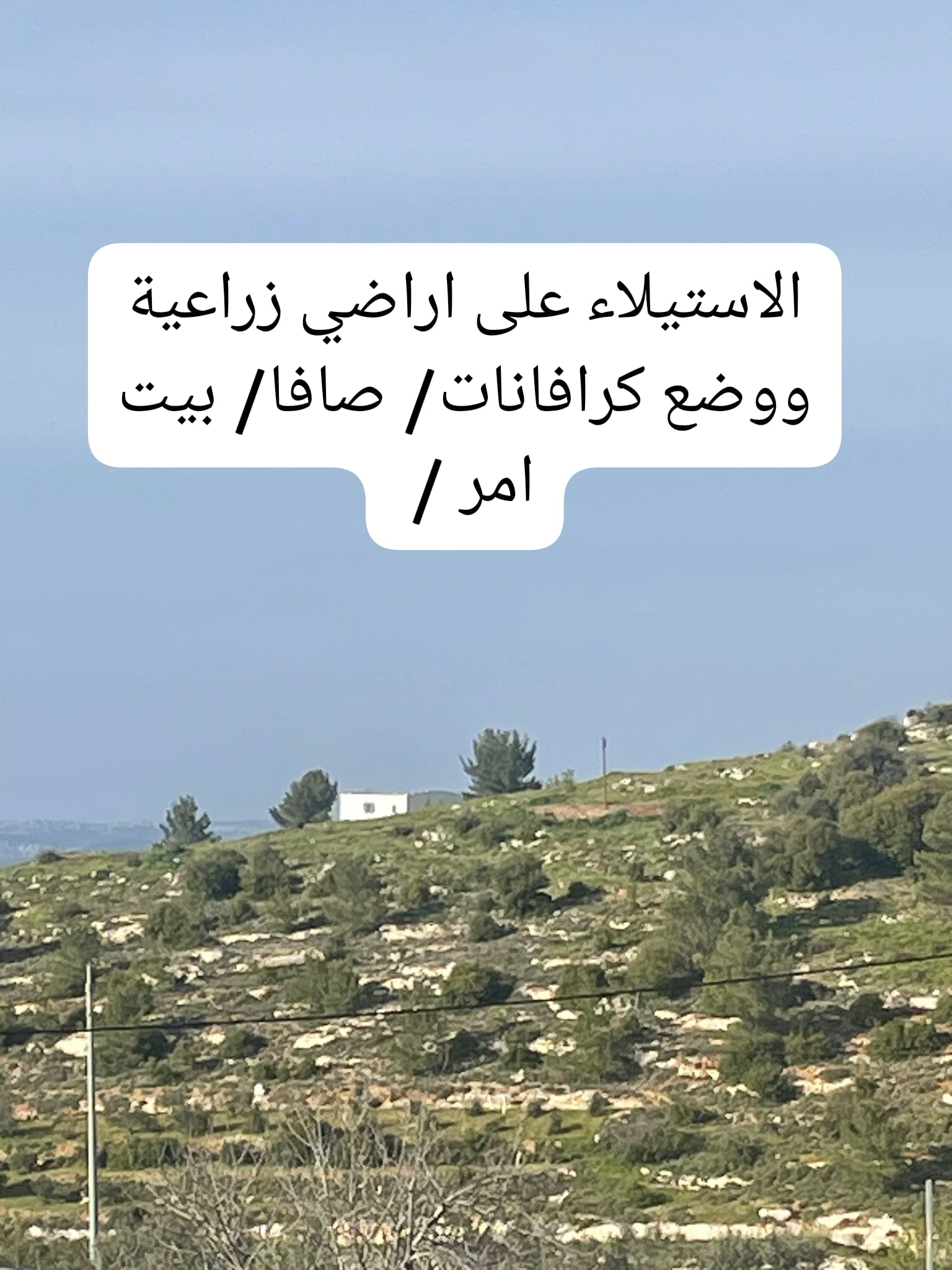
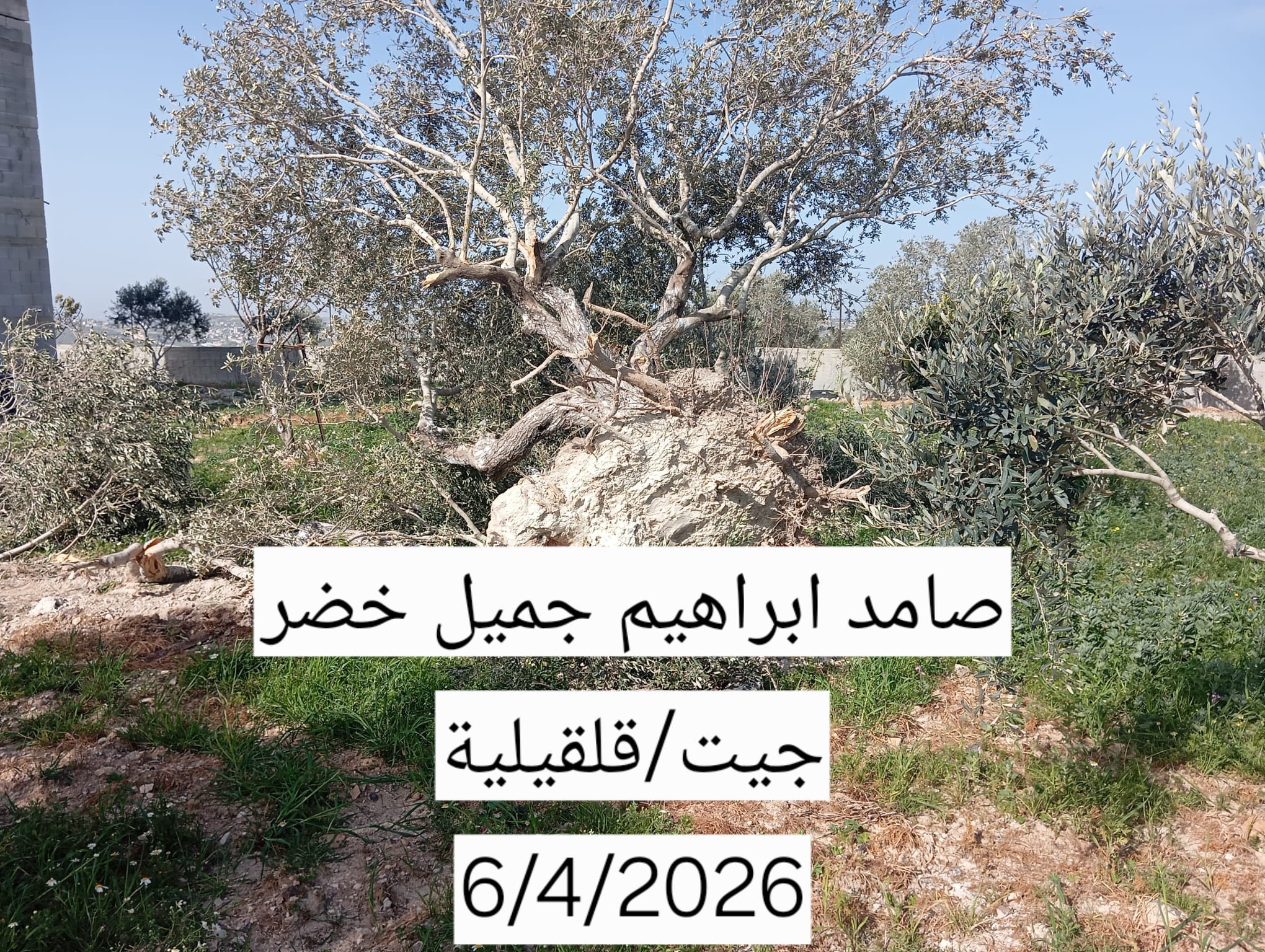
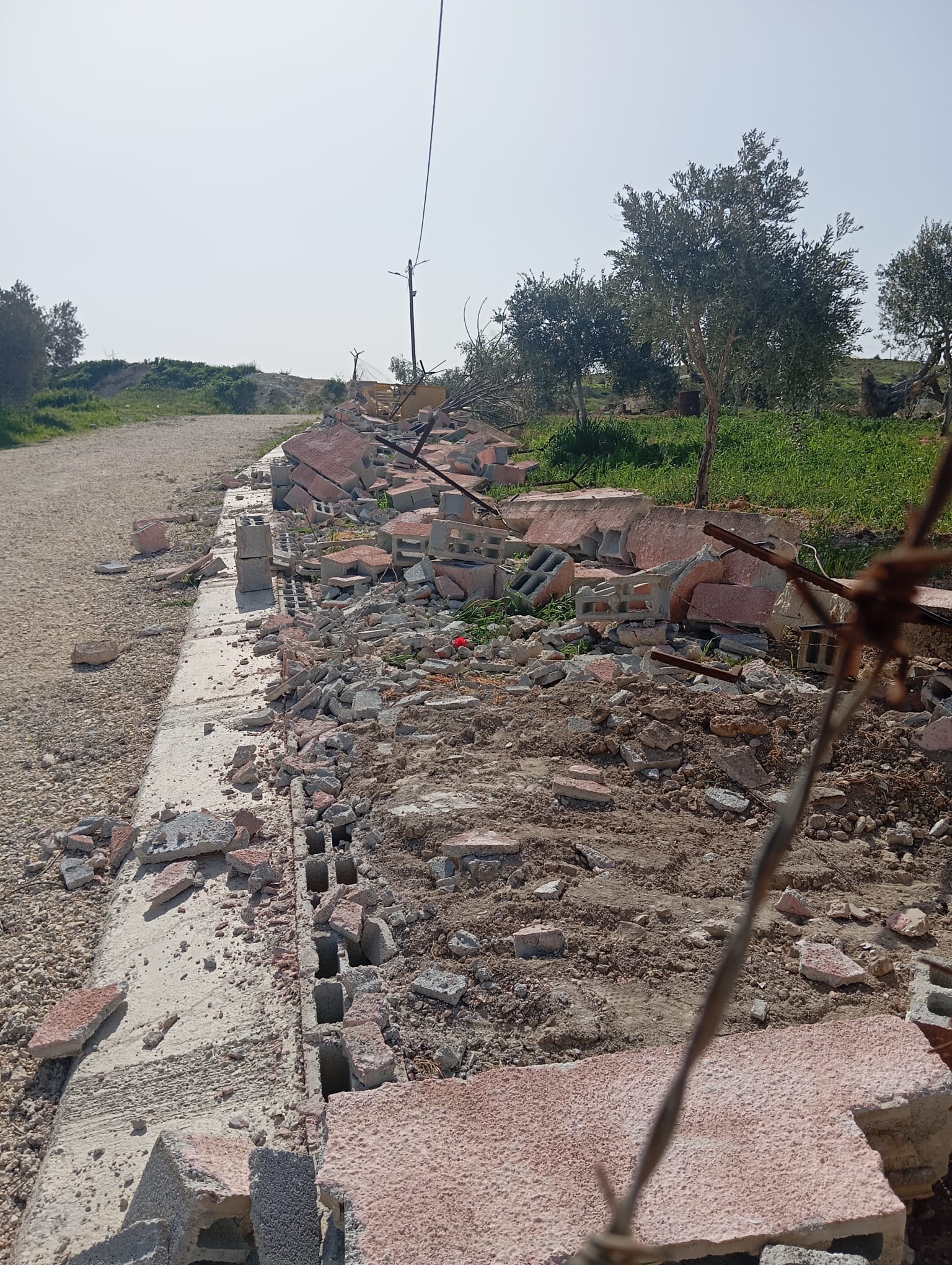
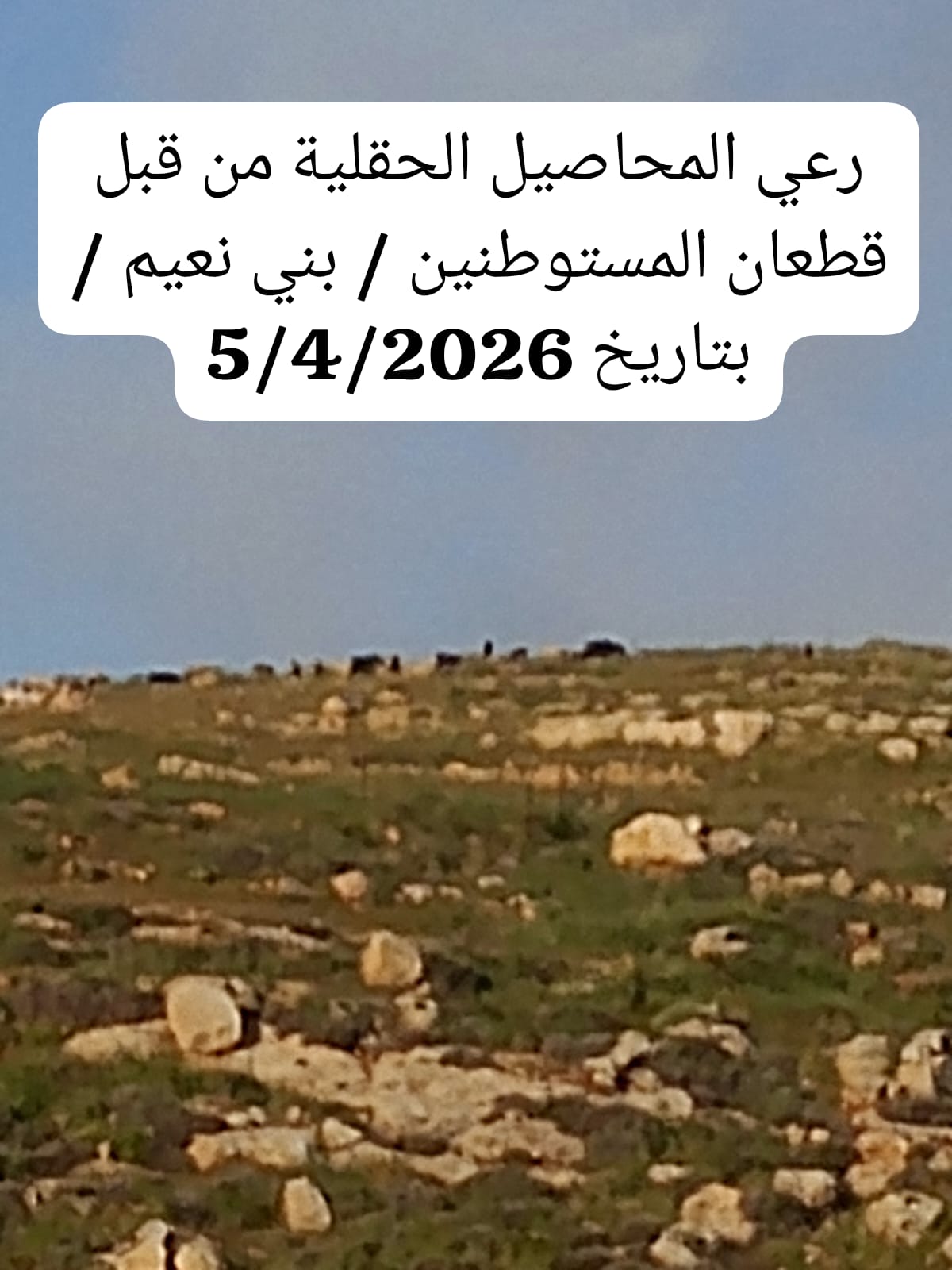
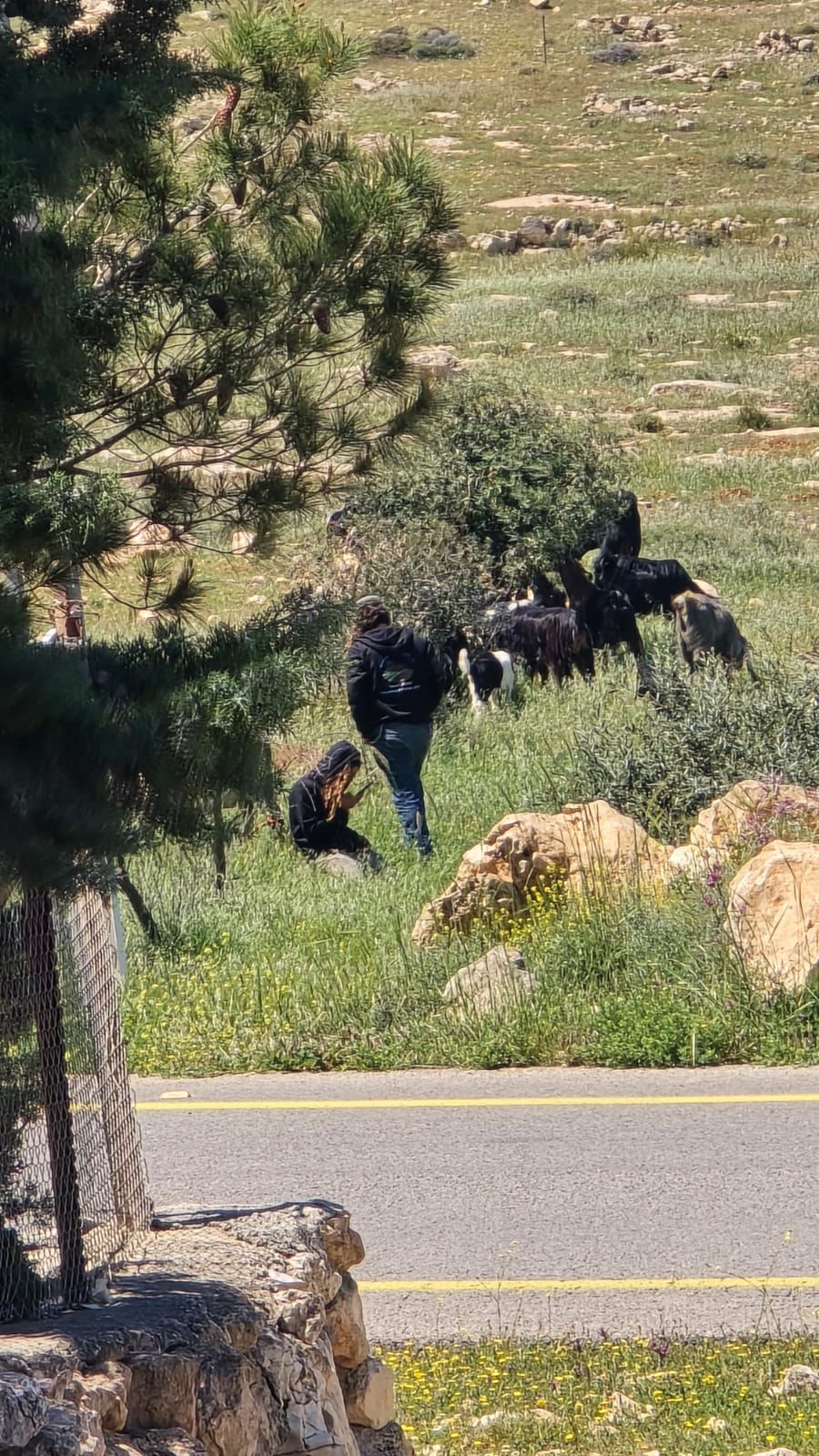
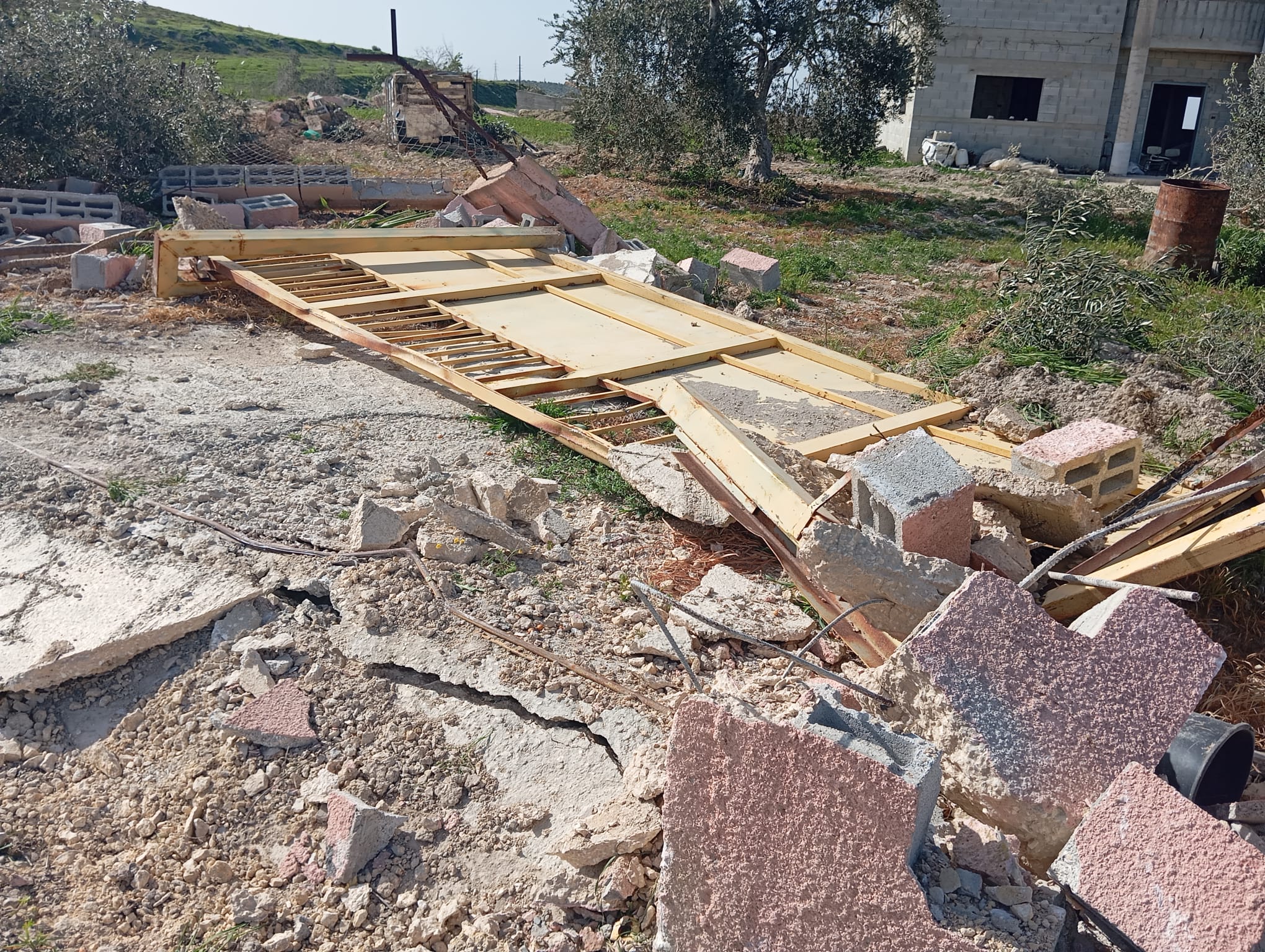
The Ministry of Agriculture monitored, during the period from 5/4/2026 to 11/4/2026, a series of attacks across several northern governorates. These incidents varied between uprooting fruit trees, damaging agricultural crops, attacking livestock, demolishing agricultural facilities, seizing land, and opening military and settlement roads. Additionally, farmers’ access to their lands near Israeli settlements and military camps was restricted. A summary is as follows:
Within the context of the ongoing escalation of Israeli occupation policies aimed at consolidating control over Palestinian land, settlement practices and land appropriation have intensified through multiple tools. These include settlement expansion, establishment of pastoral outposts, construction of bypass roads, and the imposition of facts on the ground by force. These policies form part of a systematic approach aimed at emptying the land of its owners and undermining Palestinian agricultural presence, especially in areas classified as (C) and the Jordan Valley, which represent the strategic depth of Palestinian food security.
In this context, the Israeli cabinet secretly approved the construction of 34 new settlements in the West Bank. The approval took place during the war and was only revealed this week to avoid international pressure. This step raises the total number of settlements approved by Netanyahu’s government to 103, compared to 69 previously approved settlements, reflecting a significant acceleration in settlement expansion. Informed sources indicated that the new sites include areas within Palestinian communities, particularly in the northern West Bank, as well as isolated points that are difficult for occupation forces to access permanently.
The continuation of these policies and violations, in the absence of international accountability, will lead to further deterioration of the agricultural sector, deepen economic and social crises in rural communities, and increase the risks of forced displacement, directly threatening food security and sovereignty over natural resources.
Ministry of Agriculture teams documented direct losses resulting from these attacks through the emergency damage assessment system. The total direct losses recorded during the past week amounted to approximately $5,292,306 USD.
Olive trees accounted for the largest share of these losses, with damages estimated at حوالي $3,585,500 USD. A total of 3,185 olive trees were affected, ranging in age from 30 to 100 years.
Here it is formatted as a table:
| Governorate | Loss Value (USD) |
|---|---|
| Hebron | 900,075 |
| Qalqilya | 236,450 |
| Jenin | 105,000 |
| Ramallah & Al-Bireh | 567,693 |
| Tubas | 1,521,500 |
| Salfit | 1,954,200 |
| Tulkarm | 7,388 |
| Total | 5,292,306 |
Hebron Governorate:
Nablus Governorate:
Tulkarm Governorate:
Bethlehem Governorate:
Salfit Governorate:
Jenin Governorate:
Tubas & Northern Jordan Valley:
The Ministry stresses that targeting the agricultural sector in this manner constitutes a direct threat to Palestinian food security and is part of broader policies aimed at weakening farmers’ resilience and forcing them off their land.
In light of the unprecedented escalation of systematic Israeli attacks on the Palestinian agricultural sector, the Ministry calls on the international community to:
The Ministry concludes that continued international silence will worsen the agricultural sector’s decline, deepen economic and social crises, and increase the risks of forced displacement—threatening Palestinian presence on their land. Thus, Protecting the Palestinian agricultural sector is no longer just a development issue, but a humanitarian one.